Our verdict
On Corso Emilia in Turin's northern working districts, Grande Muraglia represents the city's long-standing appetite for Chinese cuisine in a neighbourhood far removed from the tourist circuit. Turin has quietly built one of Italy's more established Chinese restaurant communities, and this address sits within that tradition, offering a point of reference for the city's broader Asian dining scene.

Pearl is the En Primeur Club membership app — saves, bookings, and concierge access live there. Same editors, same standards.
The menu
What to order
- Marmitta Mongola
- Piatto di Medusa
Where Turin's Chinese Dining Tradition Takes Root
Corso Emilia runs through one of Turin's less-photographed northern quarters, a stretch of the city where the postwar industrial fabric still shapes daily life and the restaurant scene answers to residents rather than visitors. It is in this context that Grande Muraglia occupies its address at number 2, a location that tells you something important before you have ordered a dish: this is not a venue calibrated to passing trade or a cosmopolitan dining district. It is embedded in a neighbourhood, and that embeddedness is a meaningful signal about who eats here and why.
Turin's relationship with Chinese cuisine is older and more layered than most Italian cities give it credit for. The city's Chinese community, concentrated in part around the northern and north-eastern districts, has sustained a restaurant culture that predates the broader Italian enthusiasm for Asian food by decades. Venues along this axis have historically sourced within community supply networks, creating a degree of ingredient continuity that distinguishes them from the more Italianised Chinese restaurants found closer to city centres elsewhere. Grande Muraglia sits within that tradition, on a street that functions as a practical dining corridor rather than a destination one.
The Sourcing Question in Chinese Restaurants Across Northern Italy
The ingredient sourcing argument for Chinese restaurants in cities like Turin, Milan, and Brescia has shifted considerably over the past two decades. Early community-run establishments relied heavily on specialist importers for dried goods, sauces, and preserved ingredients, while fresh produce came from whatever local markets could supply. That model has become more sophisticated: the growth of dedicated Asian wholesale distributors across northern Italy now means that restaurants in Turin can access Sichuan peppercorns, fresh tofu, specific cuts for slow-braise preparations, and regional Chinese pantry staples with a consistency that was difficult to achieve previously.
This matters because the gap between a Chinese restaurant that sources through these channels and one that substitutes broadly available European equivalents is detectable in the finished dish. Braised preparations, in particular, depend on specific fermented pastes, aged vinegars, and dried aromatics that do not have satisfactory European substitutes. Restaurants embedded in Chinese community networks in Turin tend to have better access to these supply lines than stand-alone operators working from general wholesale catalogues.
For comparison, the progressive Italian dining that defines Turin's higher-profile restaurant scene at addresses like Condividere and Del Cambio is deeply preoccupied with Piedmontese provenance: the Langhe and Monferrato supply chains for truffles, hazelnuts, and aged cheeses are central to those restaurants' identities. The sourcing logic at a community-rooted Chinese restaurant operates on a different axis, one defined by fidelity to Chinese regional pantries rather than Italian regional terroir. Both are coherent sourcing philosophies; they answer to different culinary traditions.
Turin's Chinese Restaurant Scene in Context
Italy's most-discussed Chinese restaurants have historically clustered in Milan and, to a lesser extent, Rome. Turin has not produced a Chinese restaurant that has crossed into national food-media conversation in the way that some Milanese addresses have, but the city's Chinese dining community is self-sustaining and consistent. The Corso Emilia axis and the surrounding northern districts function as the practical centre of this scene, with restaurants serving a clientele that includes long-established Chinese-Italian families, local residents looking for affordable and reliable cooking, and a smaller number of food-attentive visitors who have moved beyond the tourist centre.
That dynamic separates this tier of Turin dining sharply from the city's higher-end Italian contemporary scene. A reservation at Cannavacciuolo Bistrot or Piano35 requires advance planning and places you in a recognisably premium context. Venues on Corso Emilia operate without that apparatus: there is no tasting menu logic, no sommelier programme, and no Michelin audit trail. What you get instead is a restaurant functioning as a neighbourhood institution, where regulars drive the menu's actual scope and the kitchen calibrates to habitual diners rather than occasional ones.
Italy's broader geography of serious dining stretches from Osteria Francescana in Modena to Enoteca Pinchiorri in Florence to Piazza Duomo in Alba, a short drive from Turin. Grande Muraglia occupies none of that tier and makes no claim to it. Its referents are local, practical, and community-defined.
Planning Your Visit
Corso Emilia 2 is in the north of Turin, outside the central tourist zone and more naturally reached by tram or car than on foot from the city's main piazzas. The neighbourhood's character is residential and commercial rather than heritage-facing, which is part of what makes it function as a credible everyday dining address. No booking information, hours, or pricing is available in the verified public record for Grande Muraglia, which suggests the restaurant operates without an active web presence or online reservation system. This is common for community-embedded venues of this type across northern Italy: the local regulars know the hours, and walk-in trade from the neighbourhood keeps occupancy stable without requiring a digital booking infrastructure. Visitors would be leading served by arriving at a conventional Italian dinner hour, between 7:30 and 9:00pm, and treating a walk-in attempt as the primary strategy. For Turin's wider dining picture, see our full Turin restaurants guide.
Frequently asked questions
Would Grande Muraglia be comfortable with kids?
Chinese restaurants in Turin's northern quarters tend to operate with relaxed service formats that accommodate families without reservation. Corso Emilia 2 sits outside the city centre, which means the surrounding area is low-traffic and practical for arrivals with children. Confirm specific facilities directly with the venue before visiting.
How would you describe the vibe at Grande Muraglia?
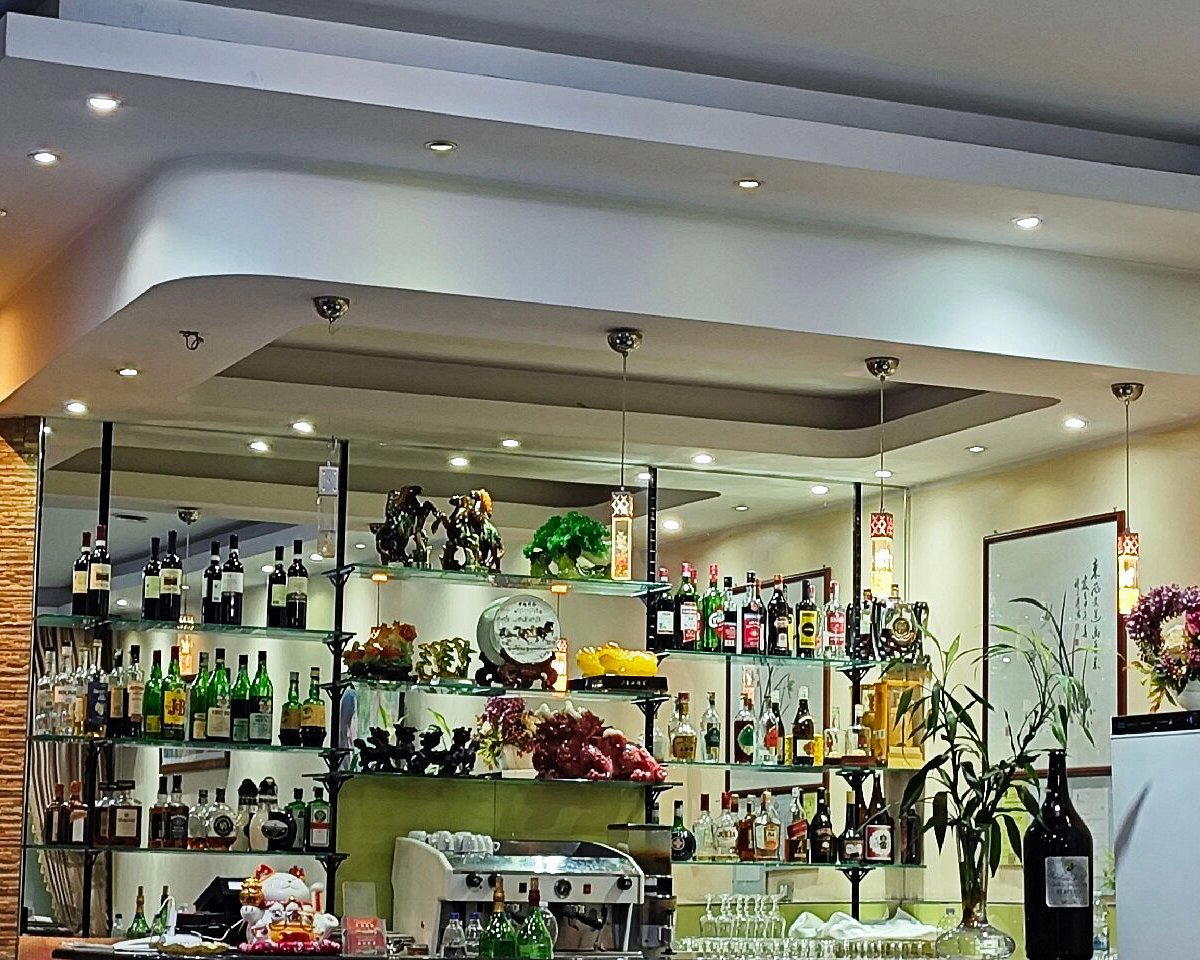
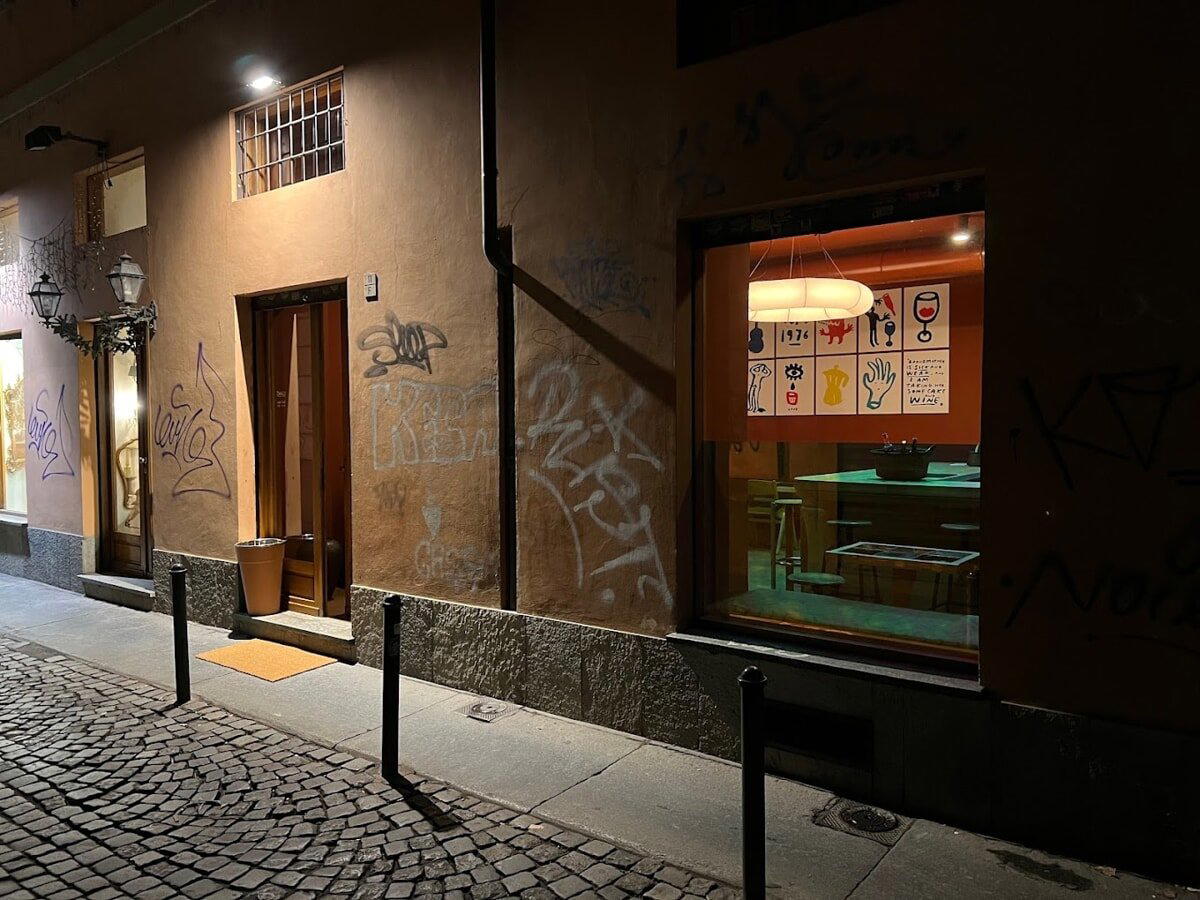
Grande Muraglia sits on Corso Emilia in one of Turin's postwar industrial northern neighbourhoods, well clear of the Quadrilatero Romano tourist circuit. That address shapes the atmosphere: this is a local dining room rather than a destination showcase, drawing from the surrounding residential and working community. Expect a functional, unpretentious setting.
Is Grande Muraglia part of Turin's broader Chinese community dining scene on Corso Emilia?
Corso Emilia runs through a northern Turin quarter where the postwar industrial fabric has shaped the demographic and commercial character of the area over decades. Chinese restaurants in this part of the city, including Grande Muraglia at number 2, reflect a longer-established community presence rather than a recent trend. For context on how Turin compares to Milan and Rome in terms of Chinese dining density and sourcing infrastructure, the northern neighbourhoods are where that history is most legible.
What should I order at Grande Muraglia?
Chinese restaurants operating in Turin and broader northern Italy have increasingly sourced ingredients through regional supply chains built over two decades, which tends to shift menus toward dishes that hold up with locally available produce. Ask staff on arrival what is prepared fresh that day.
What part of town is Grande Muraglia in?
Grande Muraglia is located at Corso Emilia, 2, 10152 Torino TO, Italy, Turin.
Can I walk in to Grande Muraglia?
Corso Emilia 2 is in Turin's northern zone and is more practical to reach by tram or car than on foot from the city's historic centre.
What makes Grande Muraglia worth seeking out?
Turin has not produced a Chinese restaurant with the national profile of certain Milan or Rome counterparts, which means venues like Grande Muraglia operate largely within a local context, serving a neighbourhood rather than a tourist circuit. For a reader interested in how Chinese dining has embedded itself in northern Italian cities outside the obvious hubs, Corso Emilia offers that context directly. The address alone — north Turin, off the main visitor map — signals a restaurant built for repeat local custom rather than passing trade.
Fast Comparison
| Venue | Cuisine | Price | Awards | Notes |
|---|---|---|---|---|
| Grande MuragliaThis venue — the venue you are viewing | Authentic Chinese | $10–20 | Not listed | Not listed |
| Condividere | Modern Italian Fine Dining with Global Influences | $50–100 | Michelin Bib Gourmand | Progressive, Italian Contemporary |
| Del Cambio | Modern Piedmontese Fine Dining | $200–300 | 1 Michelin Star · La Liste Top Restaurants | Progressive Italian, Contemporary |
| Unforgettable | Modern Italian Tasting Menu | $150–200 | 1 Michelin Star · We're Smart World 4 Radishes | Modern Italian, Innovative |
| Consorzio | Traditional Piedmontese Trattoria | $30–50 | Michelin Bib Gourmand | Piemontese, Piedmontese |
| Cannavacciuolo Bistrot | Modern Italian Fine Dining Bistro | $100–150 | 1 Michelin Star | Creative |
Continue exploring
More in Turin
Restaurants in Turin
All restaurants in Turin →
Bars in Turin
All bars in Turin →
Details
- Classic
- Group Dining
- Family
- Late Night
- Standalone
- A La Carte
- Vegetarian Friendly
- Vegan Options
- Gluten Free Options
Current opening hours
- Monday
- Closed
- Tuesday
- 12–2:45 PM, 6:30–11 PM
- Wednesday
- 12–2:45 PM, 6:30–11 PM
- Thursday
- 12–2:45 PM, 6:30–11 PM
- Friday
- 12–2:45 PM, 6:30–11 PM
- Saturday
- 12–2:45 PM, 6:30–11 PM
- Sunday
- 12–2:45 PM, 6:30–11 PM
Hours can change for holidays and private events. Last verified .
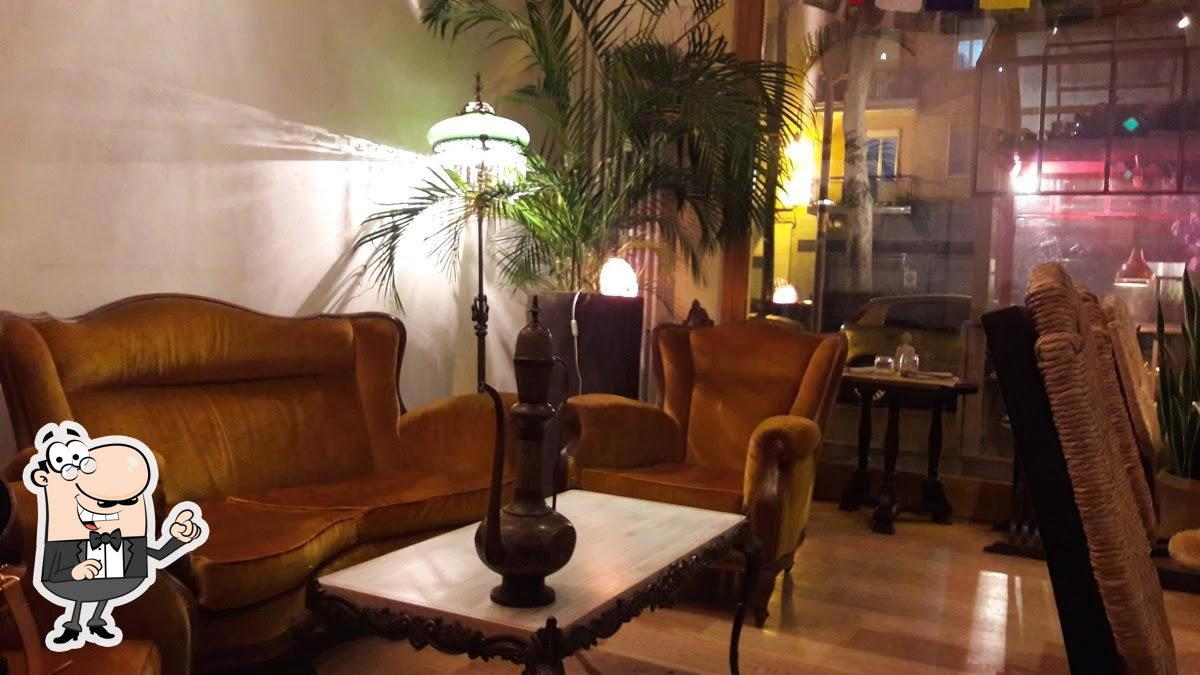
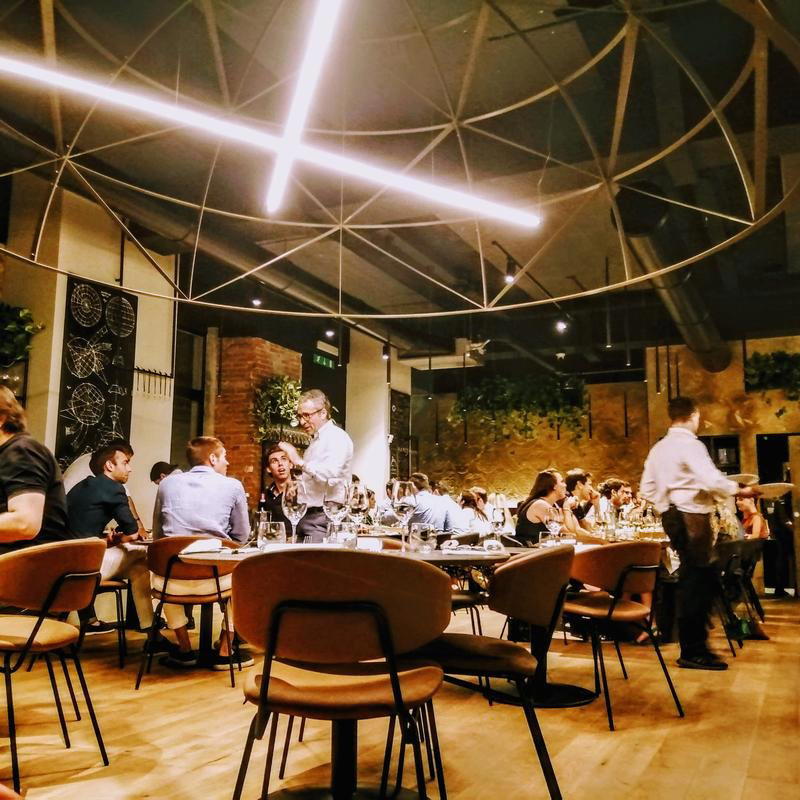
Spacious dining area with a classic, unpretentious atmosphere that has remained unchanged over time.