
Falstaff Winery - Listed
Agostino Bosco is a small family Barolo estate in La Morra, working about 4 hectares of Nebbiolo, Barbera and Dolcetto within the Barolo DOCG zone. The draw is not spectacle but scale: cellar and estate tastings, a quiet rural setting, and a portfolio that reads La Morra through Barolo, Langhe Nebbiolo, Barbera d’Alba and Dolcetto d’Alba.

Pearl is the En Primeur Club membership app, where members save venues, book tables and use the concierge.
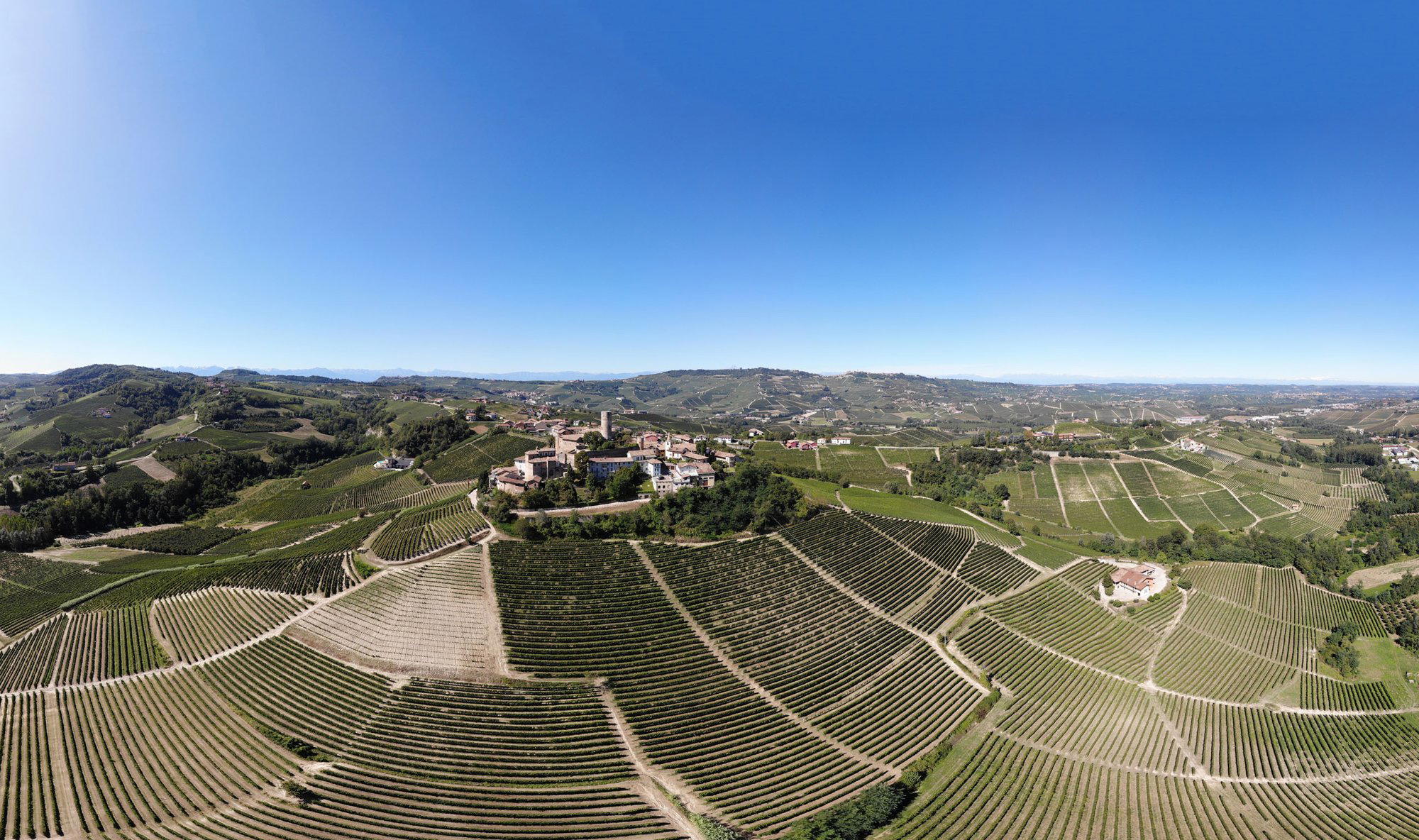
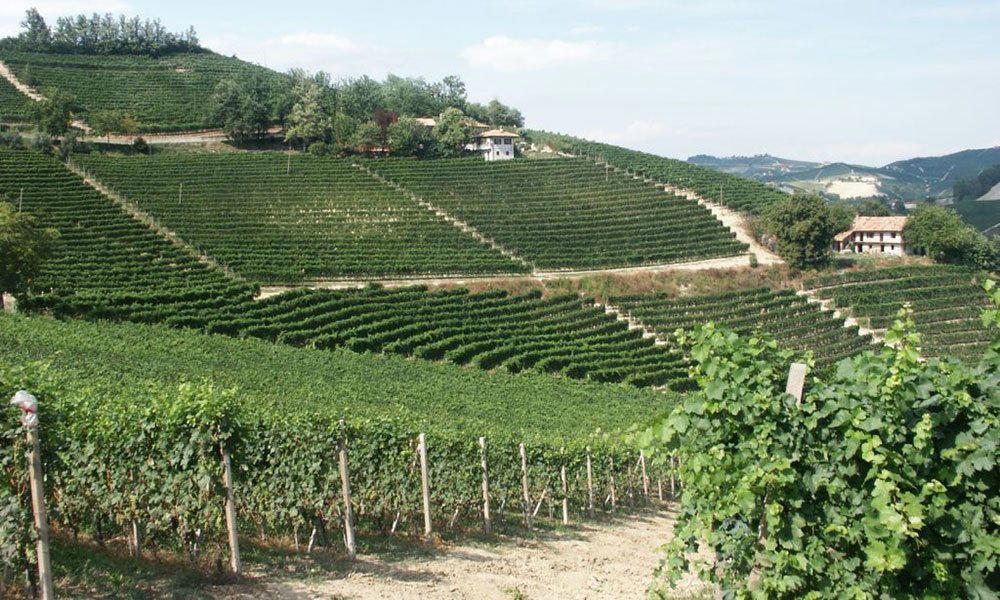
The approach to La Morra wine country is all slope and exposure: vineyard rows, Alpine distance, and the compact hill-town logic that makes Barolo feel less like a single appellation than a set of closely argued villages. In this part of Piedmont, the serious question is not simply who makes Nebbiolo, but which version of Nebbiolo the land permits. La Morra is associated with a more graceful register inside Barolo, shaped by marl-and-sandstone soils, moderated weather between Alpine coolness and Mediterranean warmth, and a topography that turns small changes in site into meaningful differences in the glass.
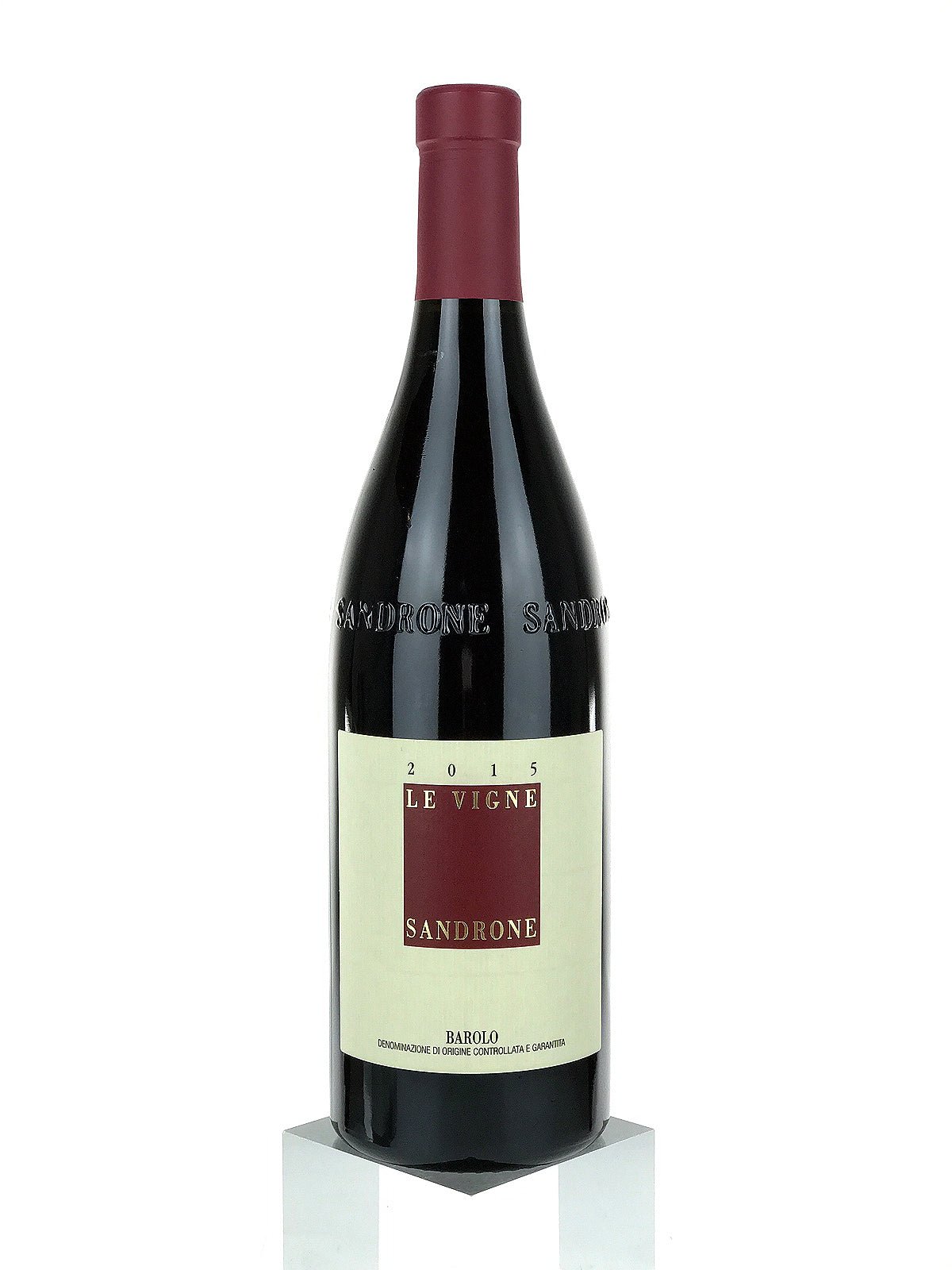
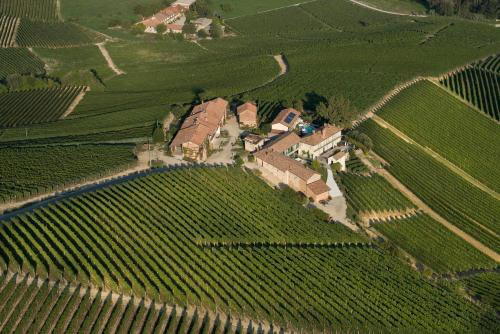
Agostino Bosco belongs to the quieter side of that conversation. The estate works roughly 4 hectares under vine, all within La Morra, with Nebbiolo, Barbera and Dolcetto forming the core. That scale matters. Barolo has plenty of grander names and visitor-ready addresses, from Oddero in La Morra to out-of-town benchmarks such as Luciano Sandrone, Marchesi di Barolo, Brovia and Paolo Scavino. A small family estate asks for a different lens: less architectural drama, more attention to how a commune-level identity is carried through a compact cellar and a narrow range of wines.
La Morra Barolo without the theatre
Barolo tourism increasingly splits between polished hospitality and estates that keep the visit close to farming, cellar work and family continuity. Agostino Bosco sits in the second camp. The farm traces its roots to 1904, moved from grape-growing toward estate wine production in 1979, and expanded its cellar in 2006 with underground aging rooms and intimate tasting spaces. Those dates are useful because they place the estate in a familiar Langhe pattern: growers who once sold fruit, then began bottling their own wines as Barolo’s global audience widened.
The portfolio stays close to the local grammar: Barolo DOCG, Langhe Nebbiolo, Barbera d’Alba and Dolcetto d’Alba. The Barolo program includes La Serra and Neirane bottlings, with a Barolo del Comune di La Morra expression also part of the broader picture. That is enough range to show the hierarchy without turning the tasting into a catalogue. Langhe Nebbiolo tends to frame the grape in a more immediate register, while Barbera and Dolcetto keep the estate connected to the everyday reds that still matter in Piedmontese drinking culture.
La Morra’s reputation rests on Nebbiolo that can carry structure without losing aromatic lift. The estate’s small production scale, sustainable production philosophy and focus on still red wines put it in a practical category for travelers who want to understand commune identity rather than chase labels alone. For a wider local circuit, nearby producers such as Agricola Gian Piero Marrone, Alberto Voerzio, Aurelio Settimo, Azienda Agricola Alessandria Crissante and Azienda Agricola Eraldo Viberti help show how many interpretations this one commune can sustain.
A compact cellar visit built around site
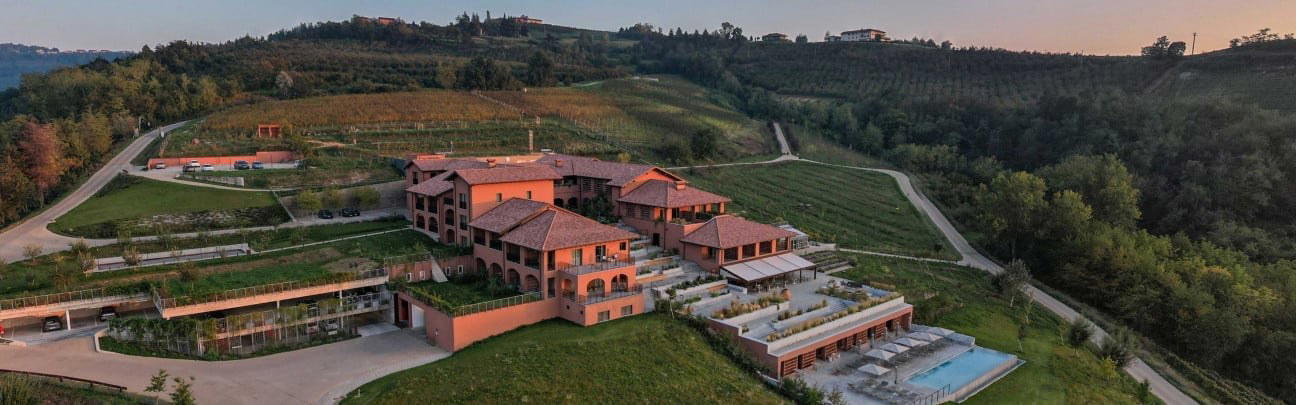
The visit format is suited to travelers who prefer cellar context over resort-style wine tourism. Tastings are appointment only and run as cellar, estate or private tastings, typically in the 60-to-90-minute range. Italian and English are listed for tours, which makes the estate workable for international drinkers who want more than a pour-and-exit stop. The setting is quiet, rural and small-capacity, with vineyard and mountain views rather than a design-led tasting room as the main visual language.
Andrea Bosco, trained at the Scuola Enologica in Alba, provides the production credential, but the more important editorial point is generational continuity in a zone where family farms often hold the line between agricultural identity and export-market pressure. The 2006 underground cellar expansion is also a useful signal: Barolo requires time, space and patience, and the infrastructure here points toward aging rather than volume.
This is a strong fit for wine education, solo exploration, a low-key group outing or a romantic countryside stop, especially for drinkers already curious about Nebbiolo’s village-by-village differences. It is less suited to children, food-pairing seekers or anyone looking for an outdoor seated experience. Street parking is the listed option, and shipping is available, so the practical shape is simple: plan ahead, taste with focus, and treat the stop as part of a broader La Morra itinerary.
How to place it in a La Morra itinerary
The case for Agostino Bosco is strongest when the day is built around terroir rather than status collecting. Pairing a small family cellar with larger or more recognized Barolo names gives the clearest read on scale, house style and hospitality culture. The town also rewards a wider plan: Our full La Morra wineries guide is the natural anchor, while Our full La Morra restaurants guide, Our full La Morra hotels guide, Our full La Morra bars guide and Our full La Morra experiences guide help turn a cellar appointment into a complete Langhe stay.
For readers mapping Italian and European winery styles beyond Piedmont, the contrast is instructive: 3GP SRL in Treviso, 47 Anno Domini in Trebaseleghe, A Mano Wine in Noci, »der Steiner« Hans Steiner in Podersdorf am See and & Handwein in Mannheim show how regional identity changes with grape, climate and hospitality model. In La Morra, the lesson remains precise: Nebbiolo is never just Nebbiolo when the hill, soil and cellar scale are doing their work.
A Quick Peer Check
Comparable venues by cuisine and price in the same metro.
| Venue | Awards |
|---|---|
| Agostino BoscoThis venue (the venue you are viewing) | Falstaff Winery - Listed |
| Oddero | Falstaff Winery - 4 Stars |
Recognition history
Dated appearances from independent guides and award organizations, with the underlying list record or original source where available.
Falstaff Winery - Listed
Falstaff
Continue exploring
More in La Morra
Wineries in La Morra
All wineries in La Morra →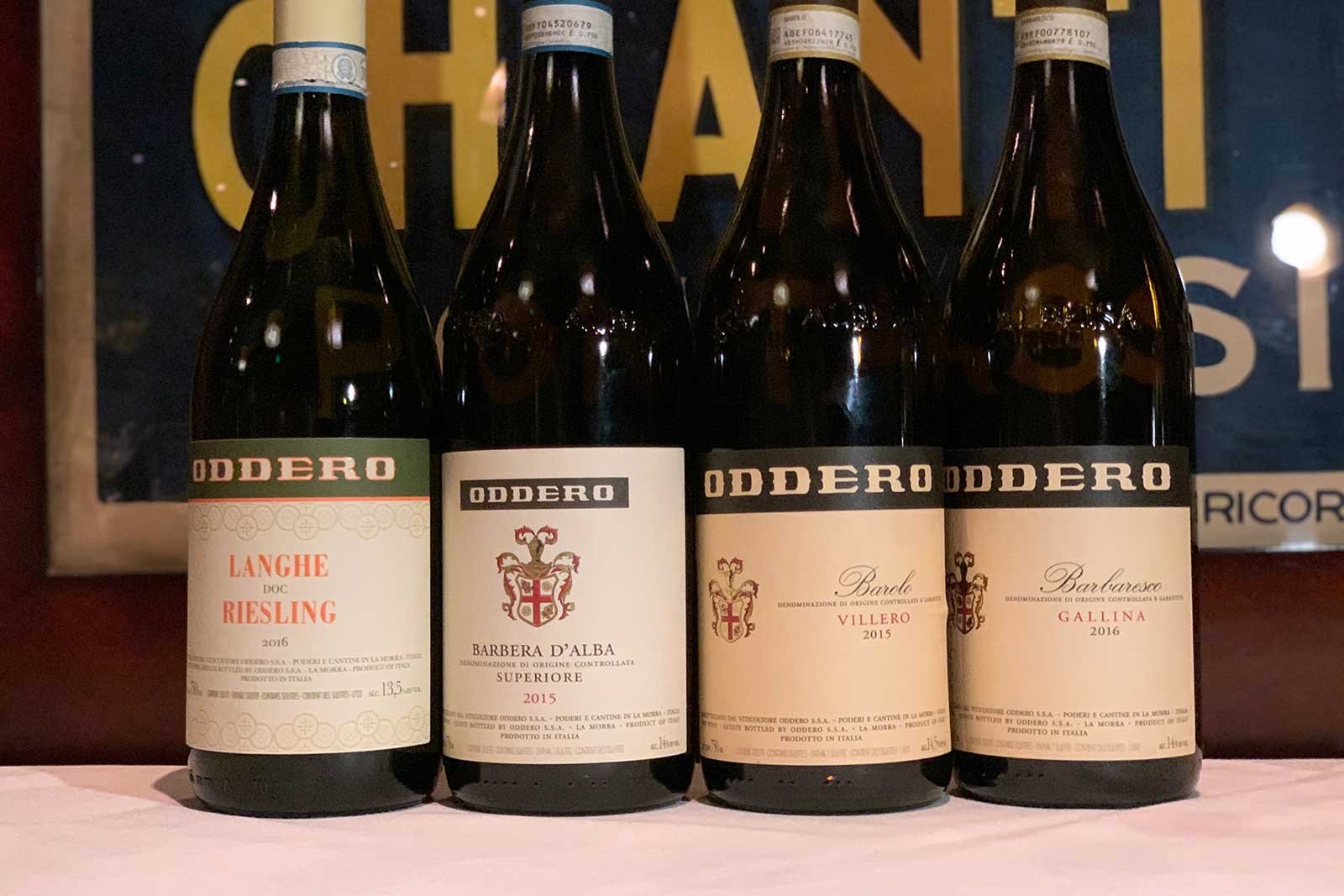
Bars in La Morra
All bars in La Morra →
Restaurants in La Morra
All restaurants in La Morra →
Details
- Classic
- Scenic
- Rustic
- Intimate
- Romantic Getaway
- Group Outing
- Solo Exploration
- Wine Education
- Special Occasion
- Estate Grounds
- Panoramic View
- Historic Building
- Private Tasting
- Sustainable
- Vineyard
- Mountain
- Nebbiolo
- Barbera
- Dolcetto
- Still Red
- Cellar Tasting
- Estate Tasting
- Private Tasting
- Italian
- English
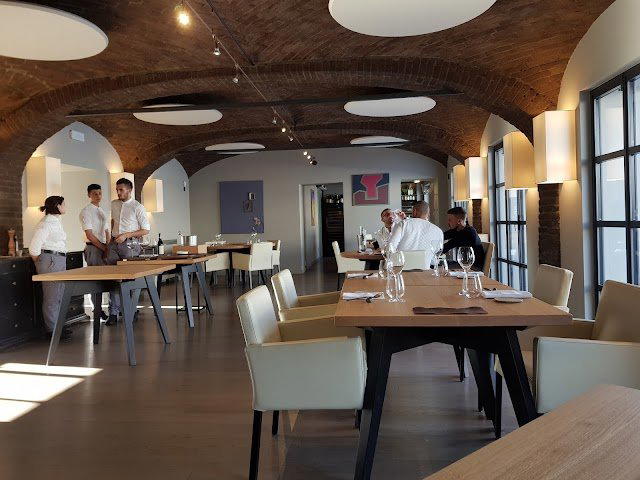
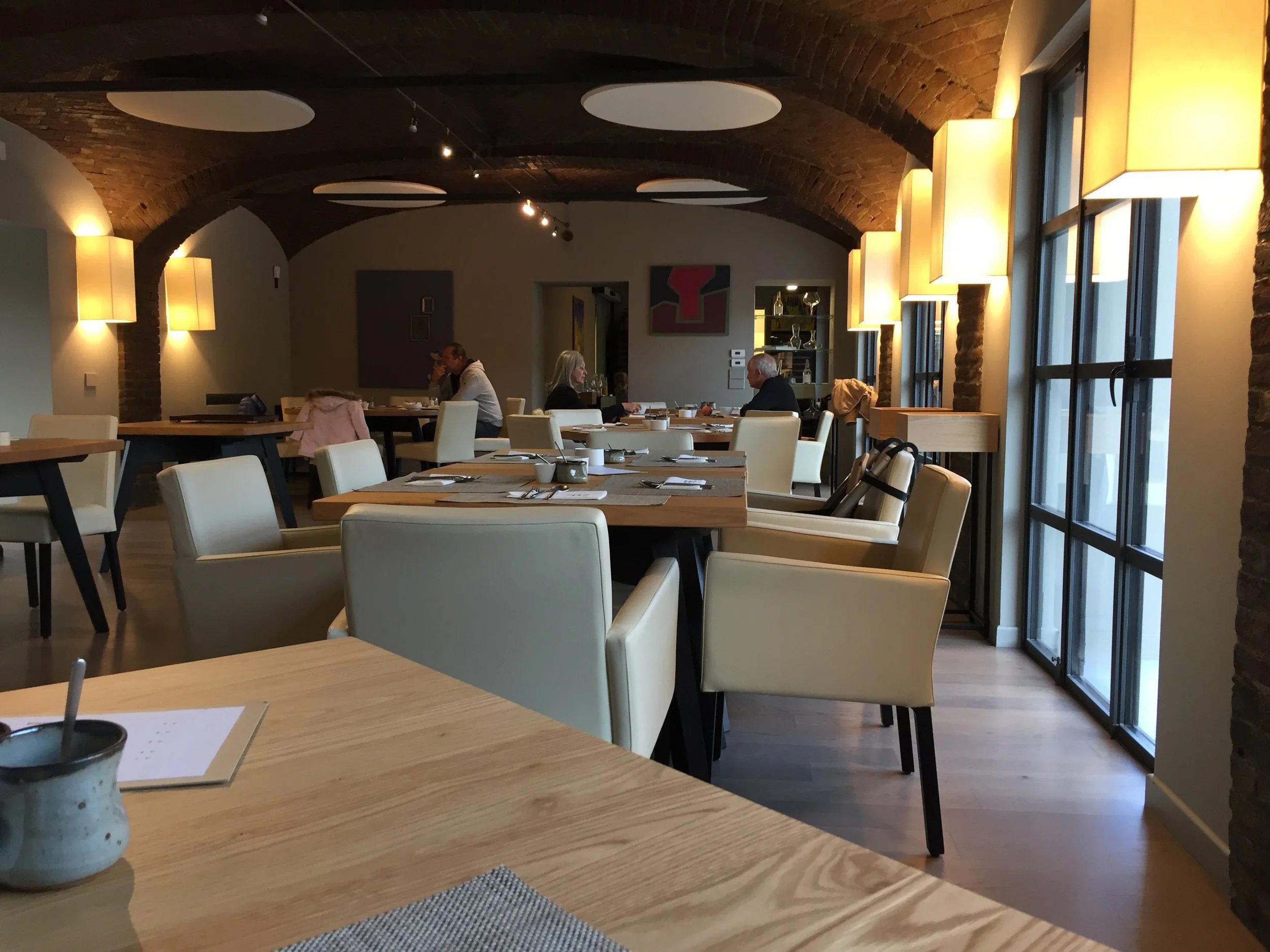
Family-run Barolo estate in La Morra with a traditional cellar expanded in 2006 to include underground aging rooms and intimate tasting spaces, offering a classic, quietly scenic Langhe atmosphere focused on craftsmanship rather than showpiece design.