
Tabelog 100
Our verdict
Elena sits in Yokohama’s Yamatecho coffee-shop tradition: a small kissaten, cafe, and cake address where the menu structure keeps the spend in the JPY 1,000–1,999 range. Its Tabelog Kissaten 100 selections in 2021 and 2022 place it in a national conversation about old-school Japanese coffee rooms, not just local cafe culture.

Pearl is the En Primeur Club membership app — saves, bookings, and concierge access live there. Same editors, same standards.
The menu
What to order
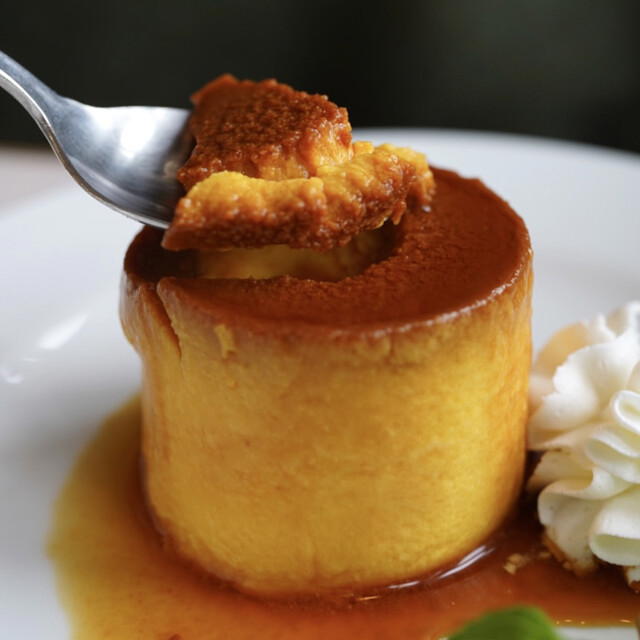
- Seasonal chiffon cake (melon in summer)
- Fresh cream cakes
- Assorted parfaits
- Darjeeling straight tea
- Seasonal ice cream parfaits
Yokohama changes the tempo around Elena. The move away from station-front eating and toward quieter daytime cafe culture gives the room a different rhythm. In that setting, the Japanese kissaten is not simply a place for coffee; it is a daytime stop built around pause, cake, conversation, and a menu that rewards short, precise visits rather than long dining-room theatre.
That matters because Yokohama’s restaurant identity is often pulled toward busy dining districts, shopping streets, hotels, and polished evening rooms. The kissaten category works on another register. It is smaller, less performative, and more dependent on regularity: coffee, cafe use, cakes, and a room scaled for repeat local use. Elena belongs to that tradition, with a category listing that reads Kissa, Cafe, Cake. The Tabelog Kissaten 100 selection in 2022 gives the place a trust signal beyond local affection; this is the kind of recognition that separates serious kissaten culture from generic cafe browsing.
A kissaten menu built around coffee, cake, and a low-spend afternoon
Menu architecture is the main clue here. A Yokohama cafe with cake attached can go in several directions: patisserie-first, bakery-first, lunch-set casual, or coffee-room classic. This one sits closer to the kissaten model, where the offer is compact enough to support a modest spend and a short decision path. The published budget band, JPY 1,000–1,999 for lunch and dinner, places it below Yokohama’s special-occasion rooms and in line with the city’s more everyday cafe tier.
That price signal is useful. Yokohama comparison points show how fragmented the casual end of the city’s dining has become: Patisserie Les Bien Aime, BLUFF BAKERY Motomachi honten, CENTRAL BURGER SHOP, and LENTO each help frame a different style of casual stop. The kissaten label changes expectations. The question is not whether a cafe has a full restaurant arc; it is whether coffee, cake, and light cafe use are handled with enough discipline to justify seeking it out above more convenient options.
The cake component is not incidental. In Japanese kissaten culture, sweets often function as the bridge between coffee drinking and dining: a reason to sit, but not a demand for a multi-course meal. That is why the category listing matters. Kissa, Cafe, Cake is not trying to sell grandeur; it points to a compact rhythm of ordering, pausing, and leaving satisfied without turning the visit into a formal meal.
Yokohama gives the cafe category a different frame
Location sharpens the reading. Yokohama has enough dining variety that a cafe like Elena competes less with quick-turn coffee chains than with the idea of an afternoon route: a walk, then a seated break. In practice, that makes the venue more appealing as part of a broader Yokohama day than as a destination detached from its setting.
That distinction is central to Yokohama dining. The city rewards routing. Some areas make sense for dense casual eating; others for bars, hotel-adjacent polish, or slower daytime addresses. Readers comparing categories across the city can use Our full Yokohama restaurants guide, while the wider trip architecture sits in Our full Yokohama hotels guide, Our full Yokohama bars guide, Our full Yokohama wineries guide, and Our full Yokohama experiences guide.
For a wider Yokohama food day, the contrast is instructive. Other Yokohama dining rooms speak to casual formats and the range beyond cafe rooms. The useful reminder is that Japan’s lower-priced dining culture often carries as much identity as its formal counters, and Elena should be read within that everyday-but-specific register rather than through the lens of luxury dining.
How to read the recognition
The Tabelog Kissaten 100 label should be read by category, not as a claim of luxury. It places Elena among selected Japanese coffee shops, a field where atmosphere, sweets, and repeatability matter more than chef biography or wine depth. A Tabelog score of 3.68 adds another signal, particularly in a platform culture where scores above the mid-threes can indicate sustained user confidence. This is not a Michelin-style tasting-menu argument; it is a category-specific endorsement for a coffee-shop format.
The format also shapes the experience. Elena is best approached as a focused kissaten rather than a full-service special-occasion restaurant. Planning should be practical: check current service details before going, carry expectations suited to a casual cafe, and let the visit work as a coffee-and-cake interval rather than a long dining commitment.
The reader decision is therefore clear. This is the Yokohama stop for a measured coffee-and-cake interval, with Tabelog Kissaten 100 recognition and a spend that stays comfortably in the casual range. For a day built around breadth rather than one long meal, it can sit between different Japanese dining references and other unnamed casual addresses across the city. The value is not scale; it is category clarity in a city that rewards slowing down.
Frequently asked questions
What are the operating hours at Elena?
Current operating hours for Elena should be confirmed directly with the venue before visiting.
What's the price range at Elena?
Pricing at Elena is listed as JPY 1,000 - JPY 1,999 JPY 1,000 - JPY 1,999 View spending breakdown.
Where exactly is Elena?
Elena is located in Yokohama.
What do critics highlight about Elena?
Critics single out Elena as a Tabelog Kissaten "Tabelog 100" selection for 2022. The categories listed for the venue are Kissa, Cafe, and Cake.
Can Elena handle vegetarian requests?
Elena’s categories are Kissa, Cafe, and Cake. Guests with vegetarian requirements should confirm specific options directly with the venue before visiting.
Local
Comparable venues at a glance for context.
| Venue | Cuisine | Price | Awards | Notes |
|---|---|---|---|---|
| ElenaThis venue (the venue you are viewing) | Japanese kissaten-style cafe with handmade cakes and tea | $1–10 | Tabelog 100 | Not listed |
| Patisserie Les Bien Aime | Not listed | $10–20 | Tabelog 100 #84 | JPY 1,000 - JPY 1,999 JPY 1,000 - JPY 1,999 |
| CENTRAL BURGER SHOP | American-style Smash Burger Shop | $10–20 | Tabelog 100 #5 | JPY 2,000 - JPY 2,999 JPY 1,000 - JPY 1,999 |
| LENTO | Neighborhood cafe with Western-style comfort food and sweets | $10–20 | Tabelog 100 #91 | JPY 1,000 - JPY 1,999 |
| BLUFF BAKERY Motomachi honten | Not listed | $10–20 | Tabelog 100 #96 | JPY 999 - JPY 999 |
| Yokohama Motomachi Mutekiro | French Fine Dining | $50–100 | Tabelog 100 #84 | JPY 10,000 - JPY 14,999 JPY 8,000 - JPY 9,999 |
Recognition history
Dated appearances from independent guides and award organizations, with the underlying list record or original source where available.
Tabelog 100
Tabelog · Tabelog 100 - Kissaten - 2026
Full recognition history (2 entries)
Tabelog 100 #70 · No. 70
Tabelog · Tabelog 100 - Kissaten - 2022


Continue exploring
More in Yokohama
Restaurants in Yokohama
All restaurants in Yokohama →


Bars in Yokohama
Browse all →



Details
- Cozy
- Classic
- Quiet
- Solo
- Casual Hangout
- After Work
- Brunch
- Historic Building
- Standalone
- A La Carte
- Tea
- Coffee
Current opening hours
- Monday
- 9 AM–6 PM
- Tuesday
- 9 AM–6 PM
- Wednesday
- 9 AM–6 PM
- Thursday
- 9 AM–6 PM
- Friday
- 9 AM–6 PM
- Saturday
- 9 AM–6 PM
- Sunday
- 9 AM–6 PM
Hours can change for holidays and private events. Last verified .
Calm and homey kissaten atmosphere with plenty of natural light, wooden floors, and a classic Showa-era coffee shop feel suited to lingering over tea and cake.