At Yppenpark in Vienna's 16th district, Kärntnerei Kasnudel brings the filled-pasta tradition of Carinthia into a neighbourhood market setting that sits well outside the city's fine-dining circuit. The kitchen centres on kasnudel, the hand-crimped cheese and herb dumplings that define Carinthian cooking, placing ingredient sourcing and regional craft at the front of the argument. For anyone tracing Austrian cooking beyond the Viennese Beisl, this is one of the more purposeful addresses in the city.
Pearl is the En Primeur Club membership app — saves, bookings, and concierge access live there. Same editors, same standards.
- Address
- Yppenpark, 1160 Wien, Austria
- Phone
- +4369917367393
- Website
- facebook.com
- Directions
- Get directions
 Saves & bookings on Pearl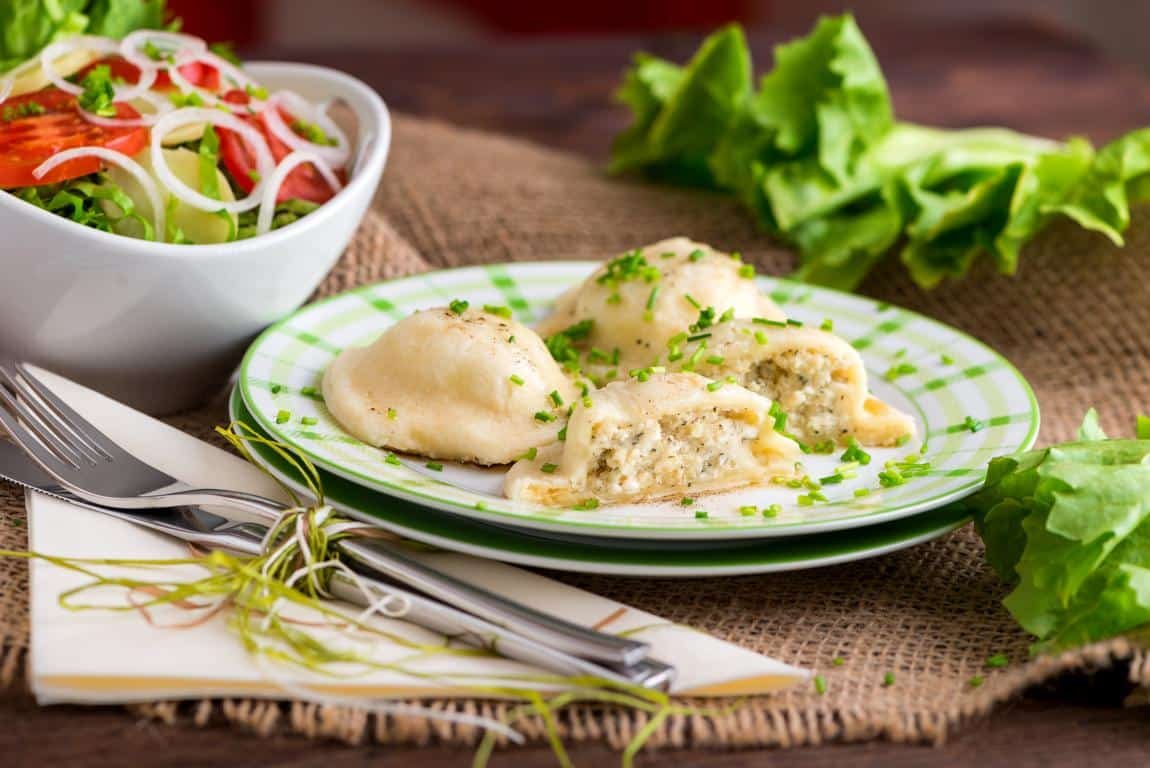
Yppenmarkt and the Case for Regional Specificity
Vienna's 16th district, Ottakring, has spent the better part of two decades assembling one of the city's more credible neighbourhood food cultures around the Yppenmarkt. The covered market and its surrounding park draw a mix of small producers, independent kitchens, and weekend crowds that look nothing like the tourists filing through the 1st district's Naschmarkt stalls. It is in this context, at Yppenpark, that Kärntnerei Kasnudel operates, and the setting matters because it shapes the entire logic of the place: a kitchen built around a single regional tradition, sourcing from a specific Austrian federal state, planted in a market environment that rewards exactly that kind of focus.
Carinthian cooking rarely gets its own dedicated platform in Vienna. The capital's restaurant map leans toward either the grand Viennese Beisl format or, at the upper end, the creative Austrian tasting-menu tier occupied by addresses like Steirereck im Stadtpark and Mraz & Sohn. Kärntnerei Kasnudel occupies that gap by concentrating on kasnudel, the hand-crimped fresh pasta dumplings filled with a mixture of fresh curd cheese, mint, and chives that have defined Carinthian domestic cooking for generations.
What Kasnudel Actually Are, and Why the Sourcing Argument Matters
Kasnudel belong to a family of filled pasta found across the Alpine arc, with cousins in Friulian, Slovenian, and South Tyrolean cooking. The Carinthian version is defined by its filling: fresh Topfen (quark-style curd cheese) combined with mint, a pairing that reads as unusual until you understand that Carinthia's mountain pasture dairy has historically produced soft, high-moisture cheeses suited exactly to this use. The herb component is not decorative, it is structural, cutting the richness of the curd and giving the dumpling a clean, slightly aromatic finish.
The sourcing question matters here in a direct way. Kasnudel made with generic industrial curd tastes like filled pasta. Kasnudel made with properly produced Carinthian Topfen, from animals on alpine pasture, tastes like a place. Where Amador or Konstantin Filippou use Austrian ingredients as one variable inside a broader creative system, here the ingredient is the point, and the preparation exists to make that ingredient legible.
Döllerer in Golling an der Salzach has built a full tasting menu around Alpine product sourcing with considerable critical recognition. Obauer in Werfen has sustained a multi-decade argument for Salzburg-region ingredients at a high level of refinement. Kräuterreich by Vitus Winkler in Sankt Veit im Pongau foregrounds herb cultivation as a sourcing identity. The Carinthian kasnudel tradition is less well-represented at the restaurant level, which is precisely what makes a dedicated kitchen for it worth noting.
The Yppenpark Setting and What It Signals
Market-adjacent dining in Vienna operates on different rules from the city's restaurant districts. At Yppenmarkt, the expectation is directness: short menus, visible product, pricing that reflects the market environment rather than the fine-dining tier. This suits a kasnudel kitchen well. The dish is inherently a modest format, one that rewards quality of material and care in execution over theatrical presentation. Placing it in a market context also signals something about the intended audience, people who came to the market because they are interested in food as produce, not food as event.
For comparison, Vienna's tasting-menu tier, represented by kitchens like Doubek at the upper end of the contemporary Austrian register, or the Michelin-recognised rooms at Ikarus in Salzburg for the broader Austrian scene, operates at a price and format remove from what a market kitchen does. Kärntnerei Kasnudel is not competing in that tier, nor should it be. Its comparable set is the small number of Austrian kitchens that have decided to treat one regional dish or ingredient with genuine seriousness rather than assemble a multi-course creative programme.
How It Fits into Vienna's Broader Food Map
Vienna's dining scene is more internally diverse than its reputation for Schnitzel and Tafelspitz suggests, but that diversity is unevenly distributed across the city. The 1st district and the inner Gürtel ring concentrate most of the internationally known addresses. Ottakring, by contrast, has developed a food culture that is neighbourhood-scale and producer-oriented, with the Yppenmarkt as its anchor. The restaurant fits into that character without contradiction.
For readers mapping Austria's regional cooking beyond the capital, the connections are worth making. Landhaus Bacher in Mautern an der Donau offers a Wachau-anchored argument for regional Austrian cooking at a more formal register. Griggeler Stuba in Lech and Gourmetrestaurant Tannenhof in Sankt Anton am Arlberg place the Vorarlberg and Tyrolean Alpine ingredient traditions at the centre of their menus. Schwarzer Adler in Hall in Tirol and Ois in Neufelden represent the same regionalist impulse in different Austrian geographies. Restaurant 141 by Joachim Jaud in Mieming extends that pattern into Tyrol. The broader argument across all of these kitchens, and the one the restaurant makes at a smaller, more informal scale, is that Austrian regional cooking is too geographically specific to be reduced to a single national identity.
Planning Your Visit
Hours, pricing, and booking details should be checked directly before travelling. The Yppenpark address places the kitchen in the 16th district, reachable from the city centre via U-Bahn (Thaliastrasse or Josefstädter Strasse connections, with a short walk to the market).
| Venue | Format | Price Tier | District |
|---|---|---|---|
| The restaurant | Regional market kitchen | Not confirmed | 16th (Ottakring) |
| Steirereck im Stadtpark | Creative tasting menu | €€€€ | 3rd (Stadtpark) |
| Mraz & Sohn | Modern Austrian, Creative | €€€€ | 20th (Brigittenau) |
| Konstantin Filippou | Modern European | €€€€ | 1st (Innere Stadt) |
Quick Comparison
Comparable venues nearby, for context on price, style, and recognition.
| Venue | Cuisine | Price | Notes |
|---|---|---|---|
| Kärntnerei KasnudelThis venue — the venue you are viewing | Carinthian Kasnudeln | $$ | Not listed |
| mozart&meisl | Modern Austrian Gastropub | $$ | Doebling |
| Schwabl | Traditional Austrian Wirtshaus | $$ | Prater |
| Schlipf & Co | Austrian Dumplings (Schlipfkrapfen & Kasnudeln) | $$ | Josefstadt |
| Gasthaus zur singenden Wirtin | Traditional Viennese Gasthaus | $$ | Gaudenzdorf |
| Marienhof | Traditional Viennese Cuisine | $$ | Hofburg |
Continue exploring
More in Vienna
Restaurants in Vienna
Browse all →
Bars in Vienna
Browse all →

Hotels in Vienna
Browse all →
At a Glance
- Rustic
- Cozy
- Casual Hangout
- Historic Building
- Beer Program
- Local Sourcing
- Organic
Current opening hours
- Monday
- 12–10 PM
- Tuesday
- 12–10 PM
- Wednesday
- 12–10 PM
- Thursday
- 12–10 PM
- Friday
- 12–10 PM
- Saturday
- 9:30 AM–10 PM
- Sunday
- Closed
Hours can change for holidays and private events. Last verified .
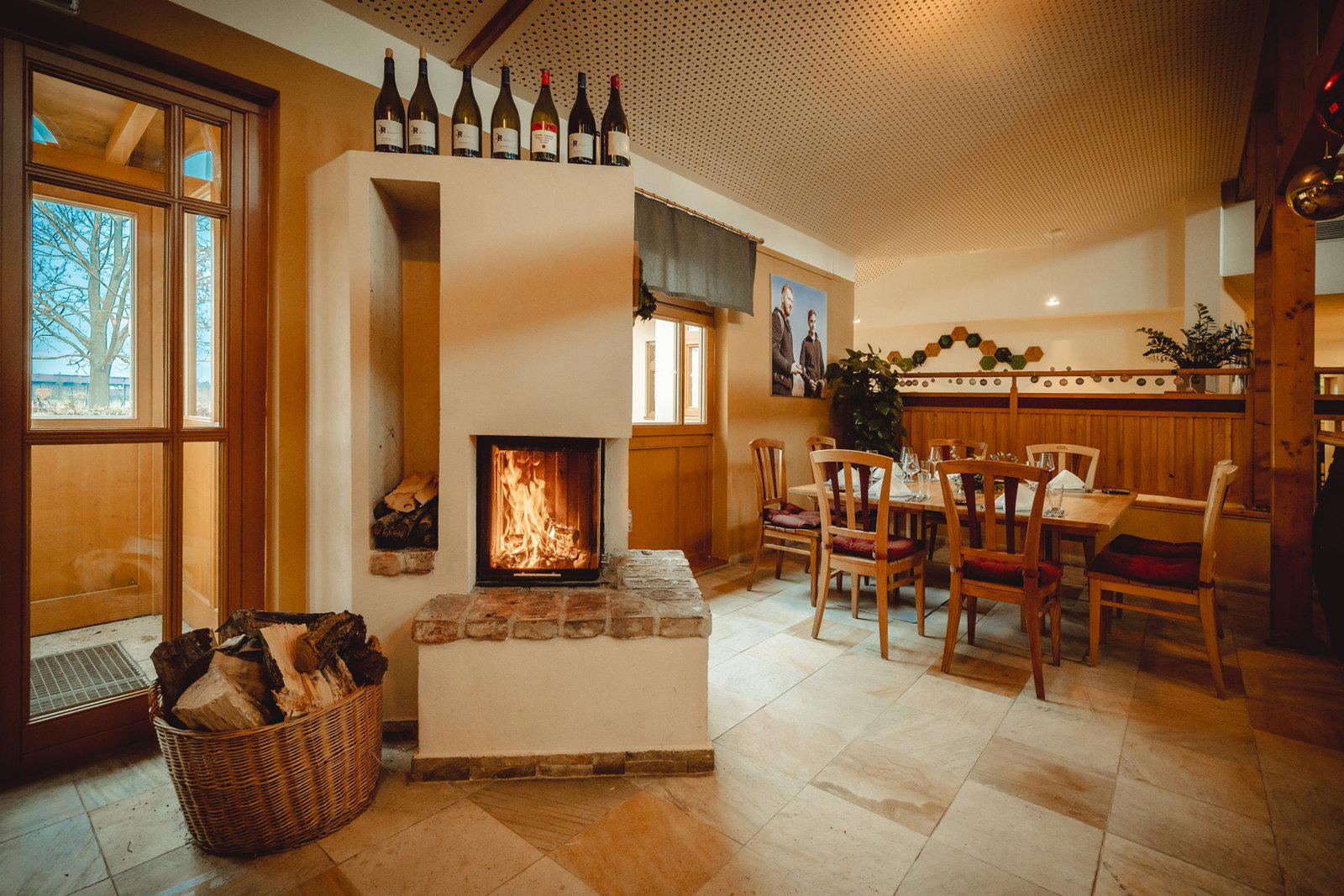
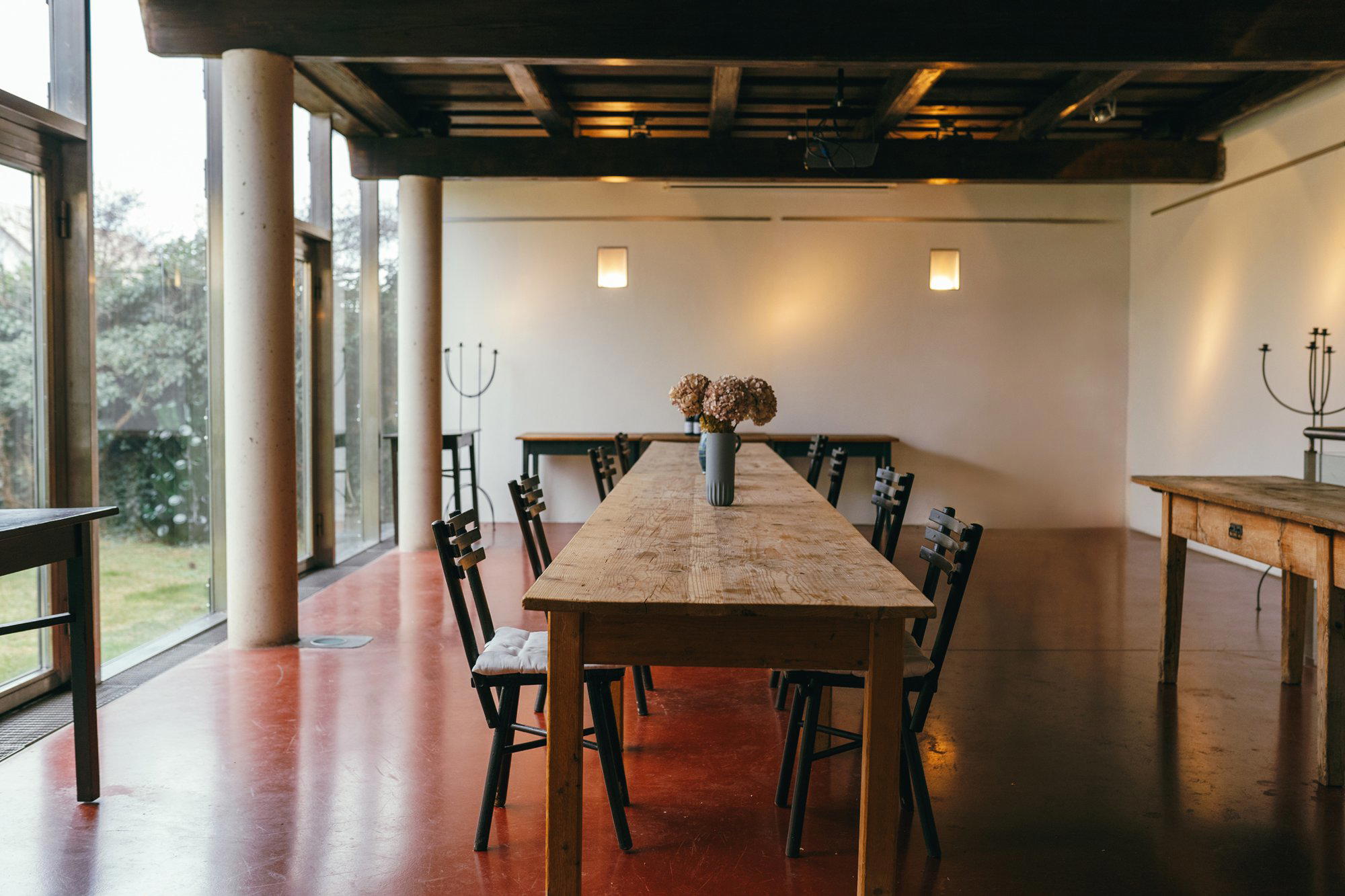
Casual market stall atmosphere with a welcoming neighborhood feel centered around fresh, homemade Carinthian specialties.