Glaswerk
Glaswerk occupies a converted industrial space on Fokkerkade 14 in The Hague, positioning itself within the city's growing cohort of sustainability-conscious restaurants. Where The Hague's fine dining tier leans toward classical European frameworks, Glaswerk draws attention for its environmental approach to sourcing and waste reduction, making it a distinct point of reference in the Dutch capital's dining scene.
Pearl is the En Primeur Club membership app — saves, bookings, and concierge access live there. Same editors, same standards.
- Address
- Fokkerkade 14, 2516 CC Den Haag, Netherlands
- Phone
- +31702149164
- Website
- glaswerkdenhaag.nl
- Directions
- Get directions
 Saves & bookings on Pearl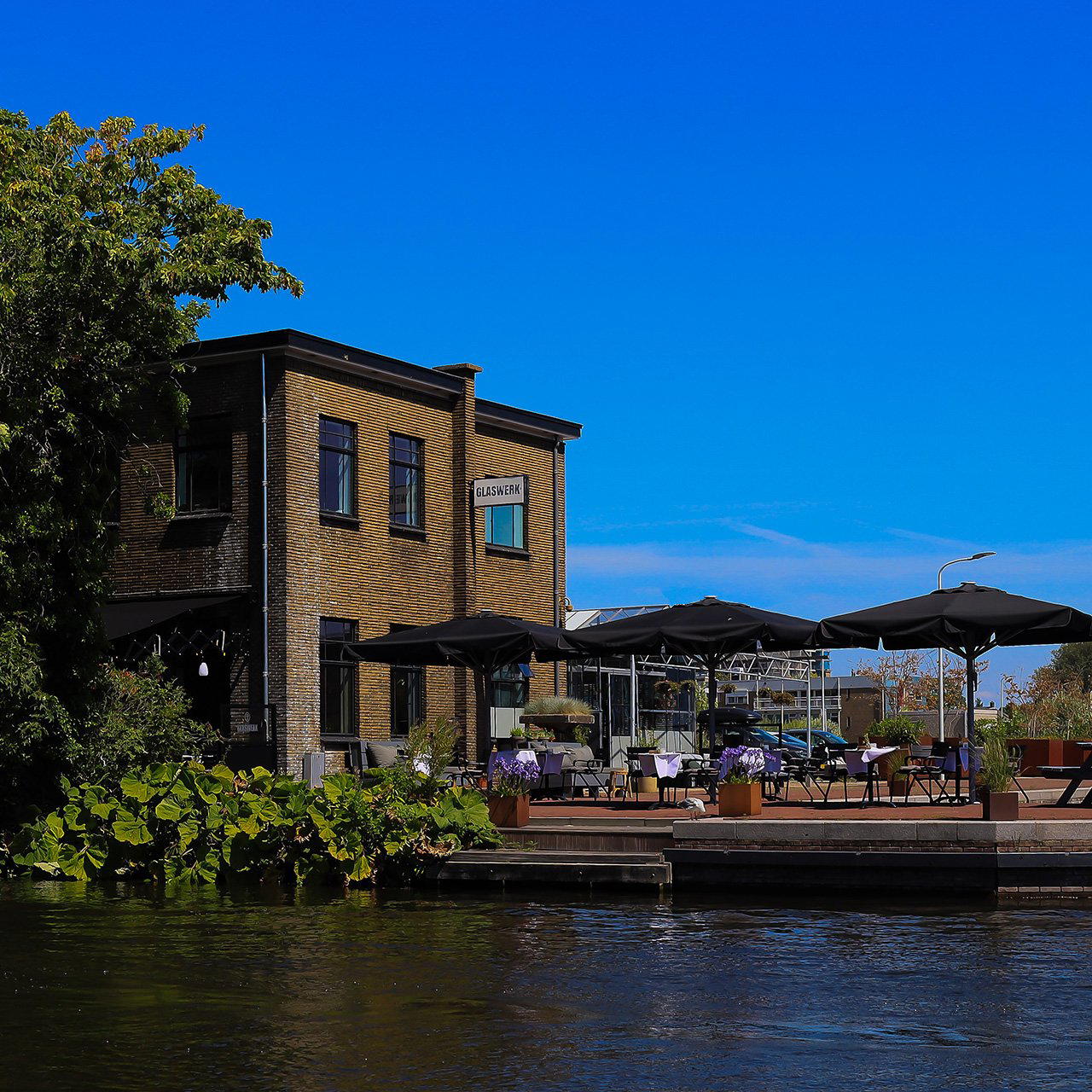
Industrial Shell, Ethical Core
Glaswerk is a restaurant at Fokkerkade 14 in Den Haag, serving modern seafood and Dutch small plates at a mid-range price tier. The name itself, Glaswerk, Dutch for glasswork, signals something about transparency, and that metaphor extends to how this type of venue positions its sourcing and production philosophy in relation to the city's more formal dining rooms. Where a restaurant like Calla's (€€€€ · Creative French) operates from within the classical European fine dining framework, the category Glaswerk represents draws its identity from a different set of priorities: what is wasted, what is grown nearby, and what the built environment itself communicates about values.
De Nieuwe Winkel in Nijmegen holds two Michelin stars and operates an almost entirely plant-based menu with verified supply chain integrity. De Groene Lantaarn in Staphorst has built its reputation on hyper-local sourcing in a rural context. Glaswerk's Fokkerkade address puts it in a similar conversation, but within an urban harbour setting that The Hague's dining scene has only recently started to take seriously as a destination in its own right.
The Sustainability Frame in Dutch Fine Dining
The shift toward ethical sourcing and waste reduction in Dutch restaurants did not happen in isolation. It followed a broader European movement that accelerated after 2015, when Michelin began formally recognising sustainability credentials alongside culinary technique. Inter Scaldes in Kruiningen and De Librije in Zwolle represent the traditional high-end Dutch dining model, technique-forward, ingredient-precise, but operating within a classical luxury register. The sustainability-focused tier operates differently: it tends to foreground the supply chain as part of the dining narrative, treat vegetable cookery with the same seriousness as protein, and use the physical space to signal values rather than status.
In The Hague specifically, this category remains smaller than in Amsterdam or Rotterdam. Basaal (€€ · Seasonal Cuisine) has established itself at the more accessible end of this spectrum, working with seasonal Dutch produce in a format that keeps prices within reach of regular dining rather than occasion dining. Botanica approaches a related brief from a plant-forward angle. Glaswerk's position on Fokkerkade suggests a venue working in this same general territory, where the address, the building type, and the name all function as consistent signals of the underlying approach.
What the Harbour Setting Implies
Fokkerkade is not a traditional restaurant street. The harbour-adjacent industrial zone that it occupies has undergone gradual conversion across The Hague's inner ring, attracting creative businesses, studios, and food concepts that would not fit, financially or aesthetically, into the city's more established dining districts around the Binnenstad or Statenkwartier. Internationally, this pattern is well-documented: Lazy Bear in San Francisco built its identity partly through an unconventional warehouse-adjacent format that signalled a departure from the white-tablecloth register. In the Netherlands, similar conversions have produced some of the country's more interesting dining environments. The physical rawness of industrial space tends to suit restaurants that want to foreground food and sourcing over formality.
For a sustainability-oriented restaurant, the converted industrial setting carries specific resonance. Adaptive reuse of existing buildings is itself a form of environmental consciousness, one that contrasts with the investment-heavy fit-outs of conventional fine dining. The address and the name together establish a coherent aesthetic positioning that is consistent with that approach.
The Hague's Dining Tier and Where Glaswerk Sits
The Hague's restaurant scene has historically operated in the shadow of Amsterdam's more internationally discussed dining culture, but the city has developed a genuine range across price points and cuisines in recent years. At the formal leading end, Calla's and 6&24 (€€€ · Modern Cuisine) represent the city's fine dining benchmark. The mid-range has grown more interesting: Bistro Veen and Basaal offer focused menus at accessible price points, and the broader sustainability-conscious category has gained ground. Glaswerk's Fokkerkade address and its name position it within this evolving mid-to-upper-mid segment, where the competition is increasingly defined by sourcing credentials and kitchen philosophy rather than by classical technique signals alone.
For context on what this category looks like at its most developed nationally, Brut172 in Reijmerstok and De Bokkedoorns in Overveen show how Dutch restaurants have integrated terroir-driven sourcing with serious culinary ambition outside the major cities. In The Hague, that conversation is younger, which gives venues like Glaswerk space to define terms rather than simply compete within an established hierarchy. Internationally, the ethical sourcing framework has been most visibly developed at Le Bernardin in New York City, where sustainability credentials have been woven into a classical fine dining identity, a model that shows the two registers are not mutually exclusive.
Planning a Visit
Glaswerk is located at Fokkerkade 14, 2516 CC Den Haag. The Fokkerkade address is best reached by tram or bicycle, consistent with how most of The Hague's harbour-adjacent venues are accessed. Glaswerk is recommended for reservations. Venues like De Lindenhof in Giethoorn, Tribeca in Heeze, and De Treeswijkhoeve in Waalre provide useful reference points for understanding where Dutch restaurants working with ethical sourcing frameworks sit in terms of format and price, even if they operate in quite different geographic and social contexts from The Hague's urban harbour zone. De Lindehof in Nuenen rounds out a useful peer comparison for those trying to situate Glaswerk within the broader Dutch dining picture.
A Minimal comparable set
Comparable venues nearby, for context on price, style, and recognition.
| Venue | Cuisine | Price | Notes |
|---|---|---|---|
| GlaswerkThis venue — the venue you are viewing | Not listed | $$ | Not listed |
| Bistro Veen | Veenkade, French-Dutch Bistro | $$ | Not listed |
| Full Moon City | Chinatown, Authentic Cantonese Dim Sum | $$ | Not listed |
| L'Amour Toujours | Not listed | $$ | Zeeheldenkwartier, French-Italian Mediterranean Bistro |
| Restaurant Bogor | Not listed | $$ | quiet neighbourhood, Authentic Indonesian |
| Harpoon | Noordeinde, Modern Seafood Bistro | $$ | Not listed |
Continue exploring
More in The Hague
Restaurants in The Hague
Browse all →
Bars in The Hague
Browse all →
Hotels in The Hague
Browse all →
Wineries in The Hague
Browse all →
At a Glance
- Cozy
- Modern
- Trendy
- Date Night
- Group Dining
- Special Occasion
- Terrace
- Waterfront
- Open Kitchen
- Extensive Wine List
- Waterfront
Current opening hours
- Monday
- Closed
- Tuesday
- Closed
- Wednesday
- Closed
- Thursday
- 6–11 PM
- Friday
- 6–11 PM
- Saturday
- 6–11 PM
- Sunday
- 12–5 PM
Hours can change for holidays and private events. Last verified .
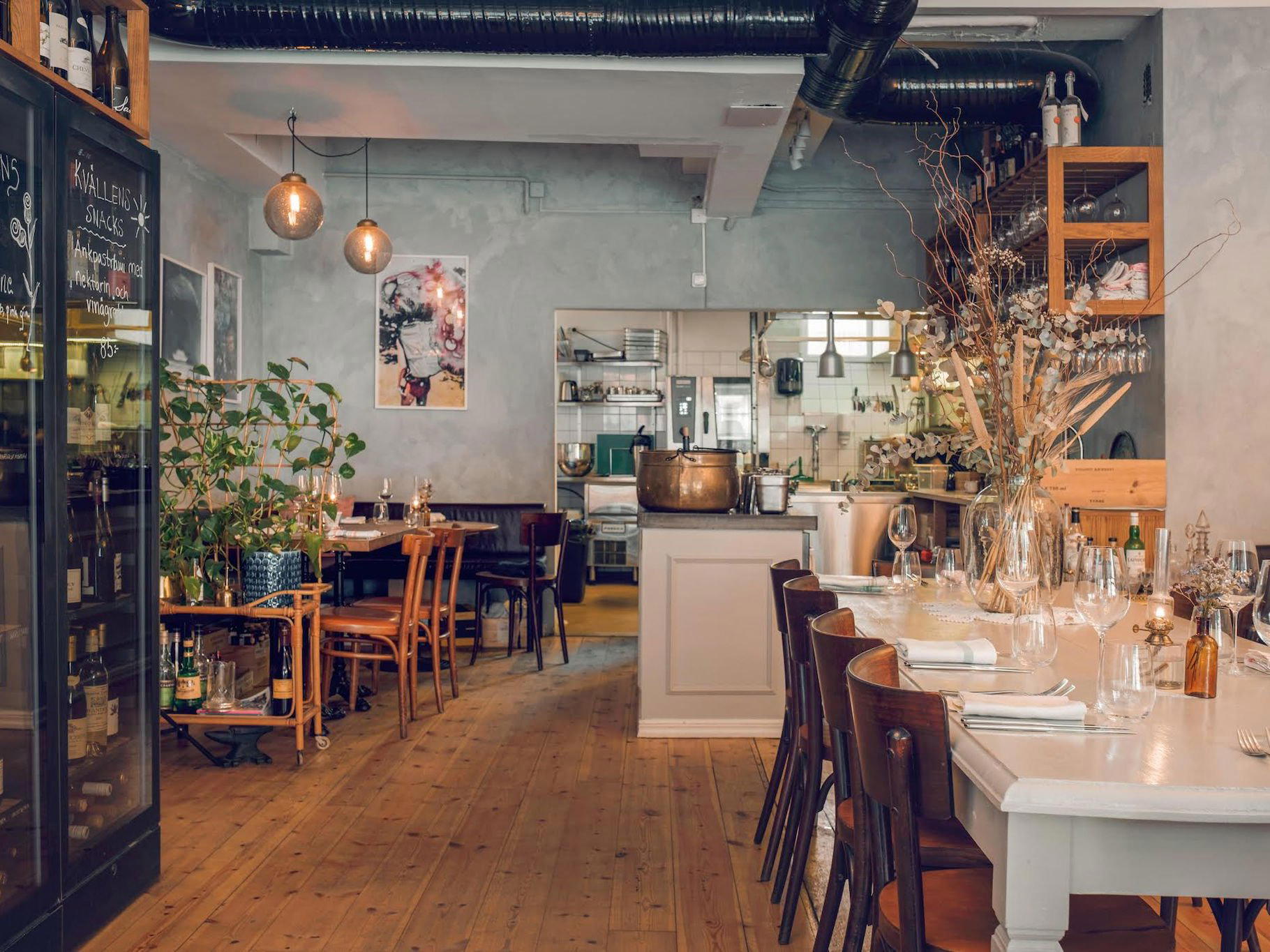
Contemporary and cozy interior with natural tones, plants, and chic tables; warm, sunny atmosphere enhanced by waterside terrace.