A Kreuzberg fixture on Dresdener Strasse, gio's homemade food draws a loyal neighbourhood crowd back for the kind of cooking that resists easy categorisation. The format is domestic in scale and ambition, sitting well outside Berlin's Michelin circuit but inside a different kind of reputation: the one built entirely by word of mouth and repeat visits.
Pearl is the En Primeur Club membership app — saves, bookings, and concierge access live there. Same editors, same standards.
- Address
- Dresdener Str. 16, 10999 Berlin, Germany
- Phone
- +491632073726
- Website
- reservation.dish.co
- Directions
- Get directions
 Saves & bookings on Pearl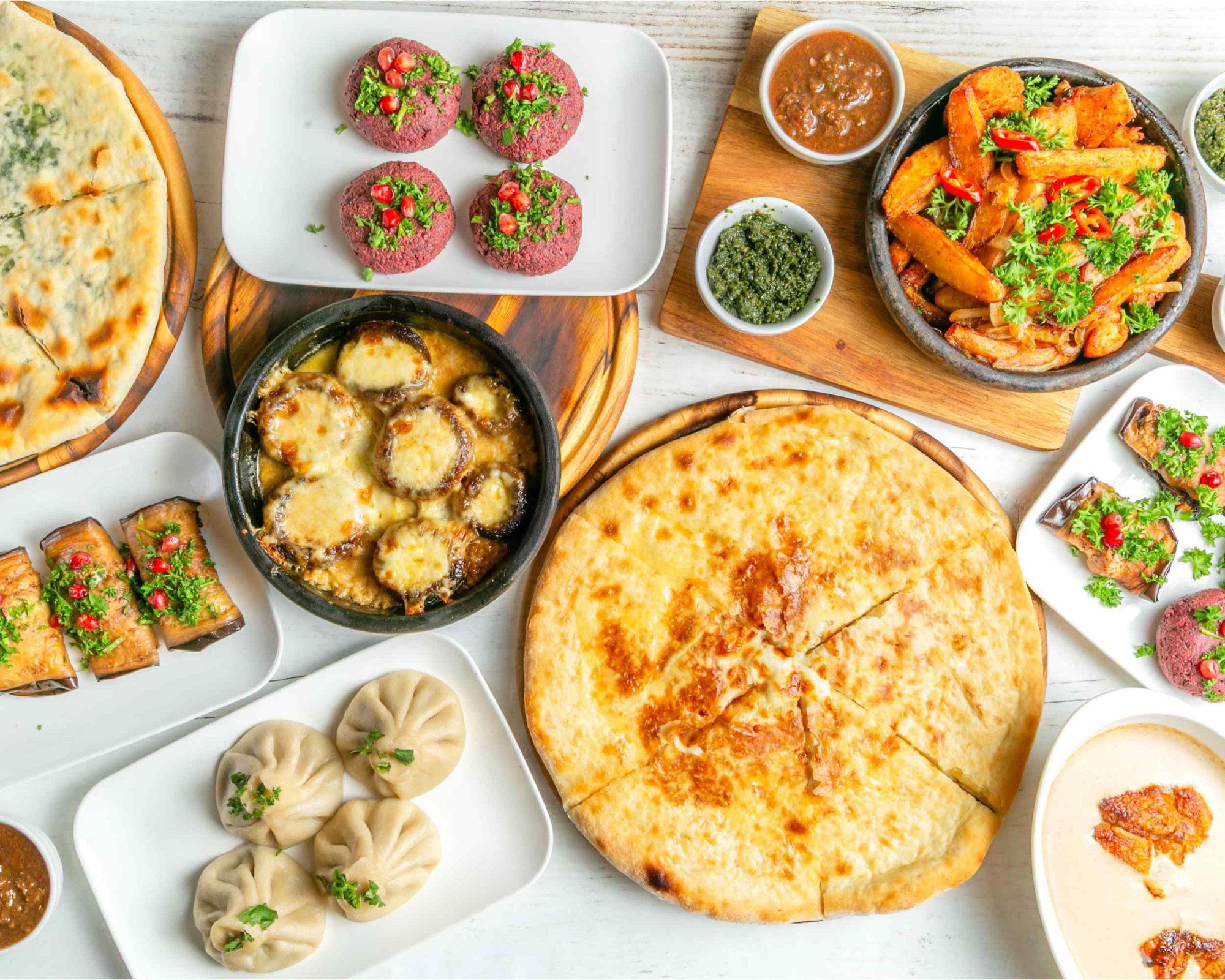
What Keeps the Regulars Coming Back
Kreuzberg has two food economies running in parallel. One is the circuit of destination restaurants that attracts visitors from outside the city: the tasting-menu addresses, the Michelin-tracked kitchens, the places that appear in reservation apps and travel editorial. The other economy is quieter, neighbourhood-specific, and sustained almost entirely by people who live within walking distance. Gio's homemade food on Dresdener Strasse 16 belongs to the second category, and that distinction matters when understanding why certain tables in this part of Kreuzberg fill before the evening has properly begun.
The phrase "homemade" in the name functions as a positioning statement as much as a description. In a city where the fine-dining tier, represented by addresses like Rutz, Nobelhart & Schmutzig, and FACIL, operates at price points that demand occasion-level commitment, a place that signals domesticity and informality occupies a genuinely different register. It is not competing with the €€€€ tier. It is serving the days between those meals.
The Unwritten Menu and the Logic of Return Visits
Loyal regulars at neighbourhood spots like this rarely return for the reasons a first-time visitor might list. They are not returning because the room is considered particularly striking or because a single dish has achieved cult status in food media. They return because the experience has a predictability that formal dining cannot easily replicate: the sense that the kitchen knows what it is doing, that the offering is consistent, and that the ratio of effort-to-reward makes a weeknight visit feel like a reasonable decision rather than a production.
In Kreuzberg specifically, that kind of consistency carries weight. The neighbourhood has absorbed waves of change over the past two decades, with gentrification reshaping which businesses survive and which disappear between leases. The places that persist in that environment tend to have a genuine constituency rather than a passing audience. Gio's address on Dresdener Strasse places it in the denser, more residential section of SO36, where foot traffic is local rather than tourist-led and repeat custom is the primary business model.
This is the opposite dynamic from the destination end of the German dining spectrum. The Michelin three-star kitchens operating elsewhere in the country, among them Schwarzwaldstube in Baiersbronn, Aqua in Wolfsburg, and Vendôme in Bergisch Gladbach, draw guests who plan around them. A place built on neighbourhood loyalty draws guests who plan their neighbourhood around it.
Berlin's Informal Dining Tier: Where Gio's Sits
Berlin's restaurant culture has never been primarily luxury-led. The city's cost structure, its history of subcultural dining, and its general resistance to ostentatious spending have produced a food scene where the informal tier holds significant cultural authority. This is a city where a counter serving natural wine and a short seasonal menu can generate more sustained critical interest than a room with tablecloths and a sommelier team.
The name and format signal a kitchen oriented around made-from-scratch production rather than assembled or sourced-and-plated approaches. In a neighbourhood context, that distinction resonates with the kind of eater who notices whether bread has been baked in-house or whether sauces carry the texture of reduction rather than reconstitution.
For the Michelin-tracked end of Berlin's dining scene, the creative tier includes CODA Dessert Dining and Restaurant Tim Raue, both of which operate within formats requiring advance booking and multi-course commitment. Beyond Berlin, the broader German fine-dining map includes addresses such as JAN in Munich, Victor's Fine Dining by Christian Bau in Perl, ES:SENZ in Grassau, Schanz in Piesport, Waldhotel Sonnora in Dreis, Restaurant Haerlin in Hamburg, and Bagatelle in Trier. Gio's is not in competition with any of them. It occupies the tier that most people use most of the time: a place where the bar is cooking with care, not constructing a concept.
Internationally, the question of what sustains neighbourhood loyalty over destination spectacle is one that kitchens from Le Bernardin in New York City to Lazy Bear in San Francisco approach from a different angle. Those rooms are built around occasion and performance. The neighbourhood model is built around absence of friction.
Planning a Visit
Gio's Homemade Food is walk-in friendly and open Tue: 3:30 to 10:45 PM; Wed: 3:30 to 10:45 PM; Thu: 3:30 to 10:45 PM; Fri: 3:30 to 11:45 PM; Sat: 12 to 11:45 PM; Sun: 3:30 to 10:45 PM; it is closed on Monday.
Pricing, Compared
Comparable venues nearby, for context on price, style, and recognition.
| Venue | Cuisine | Price | Notes |
|---|---|---|---|
| gio´s homemade foodThis venue — the venue you are viewing | Kreuzberg, Authentic Georgian | $$ | Not listed |
| Lost My Voice | Not listed | $$ | Scheunenviertel, Bar Snacks and Cocktails |
| STADTSALAT | Mitte, Premium Organic Bowls & Salads | $$ | Not listed |
| Sljiva | Not listed | $$ | Moabit, Authentic Balkan (Serbian-Montenegrin) |
| La Cave Prenzlauer Berg | Prenzlauer Berg, Wine Bar | $$ | Not listed |
| Happa | Kreuzberg, Zero-Waste Vegan Seasonal | $$ | Not listed |
Continue exploring
More in Berlin
Restaurants in Berlin
Browse all →
Bars in Berlin
Browse all →
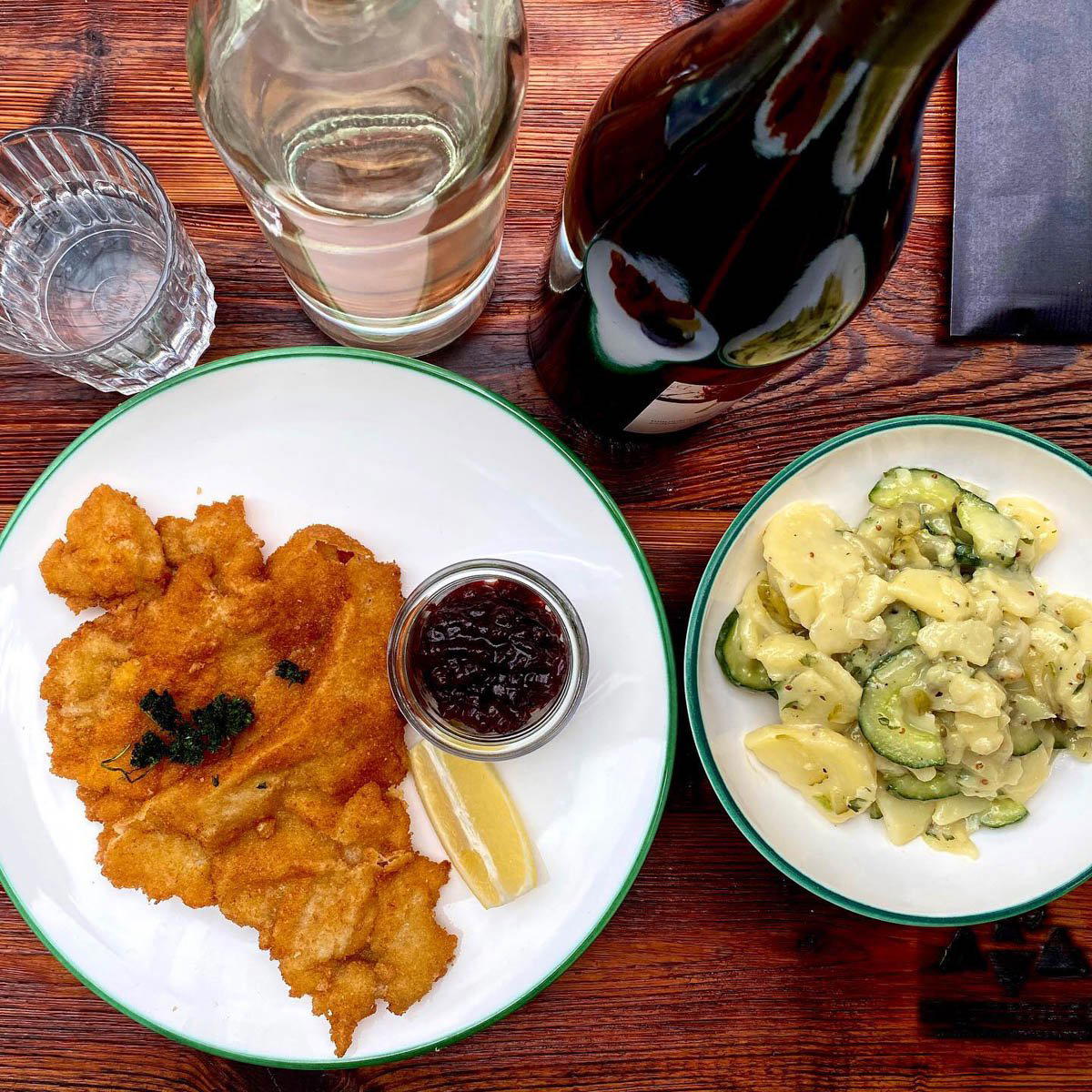
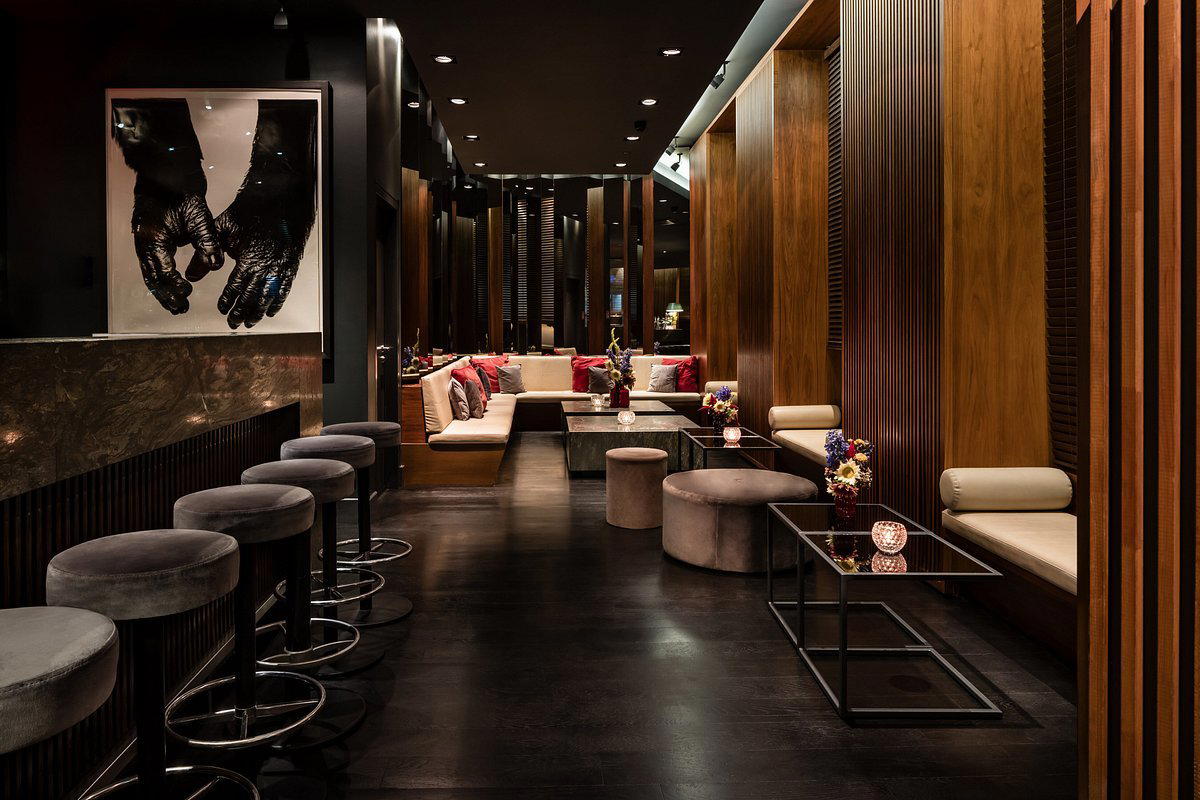
Hotels in Berlin
Browse all →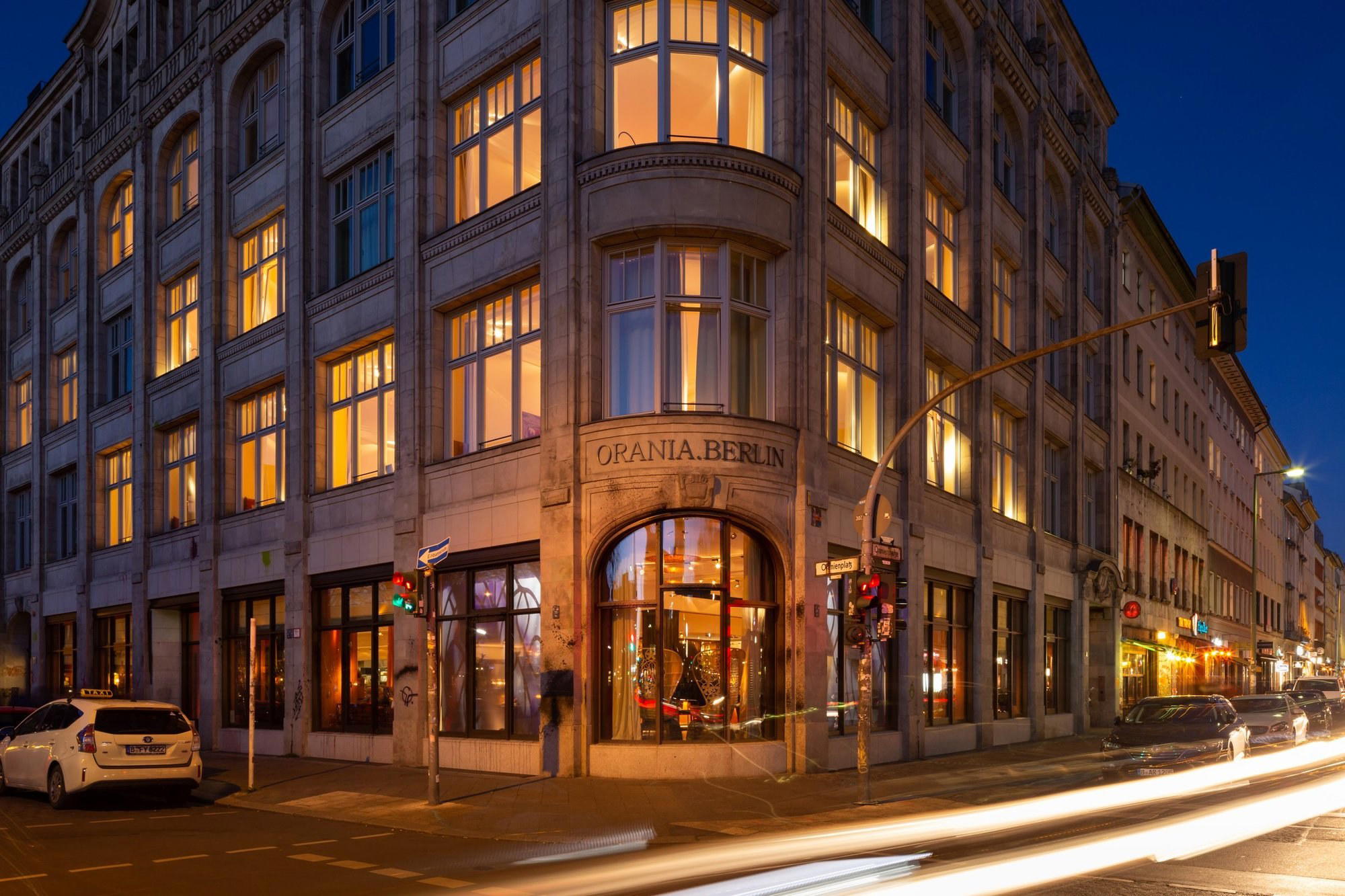
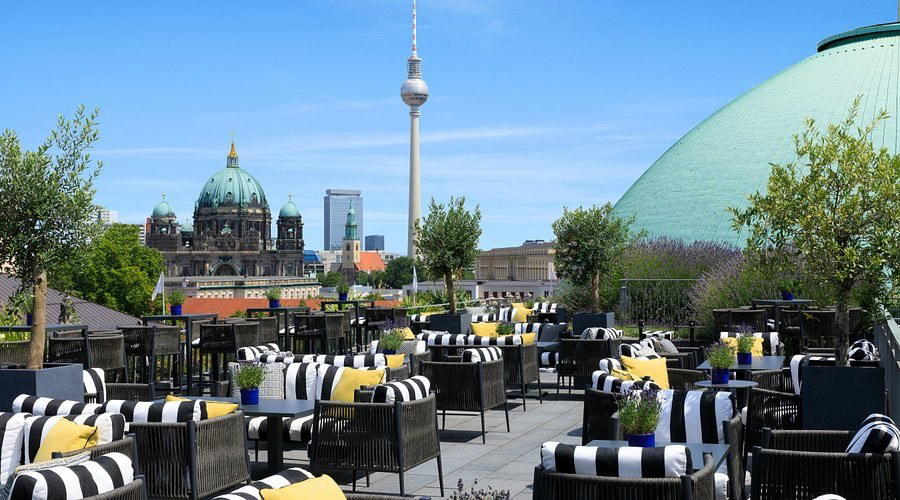
Wineries in Berlin
Browse all →
At a Glance
- Rustic
- Cozy
- Casual Hangout
Current opening hours
- Monday
- Closed
- Tuesday
- 3:30–10:45 PM
- Wednesday
- 3:30–10:45 PM
- Thursday
- 3:30–10:45 PM
- Friday
- 3:30–11:45 PM
- Saturday
- 12–11:45 PM
- Sunday
- 3:30–10:45 PM
Hours can change for holidays and private events. Last verified .
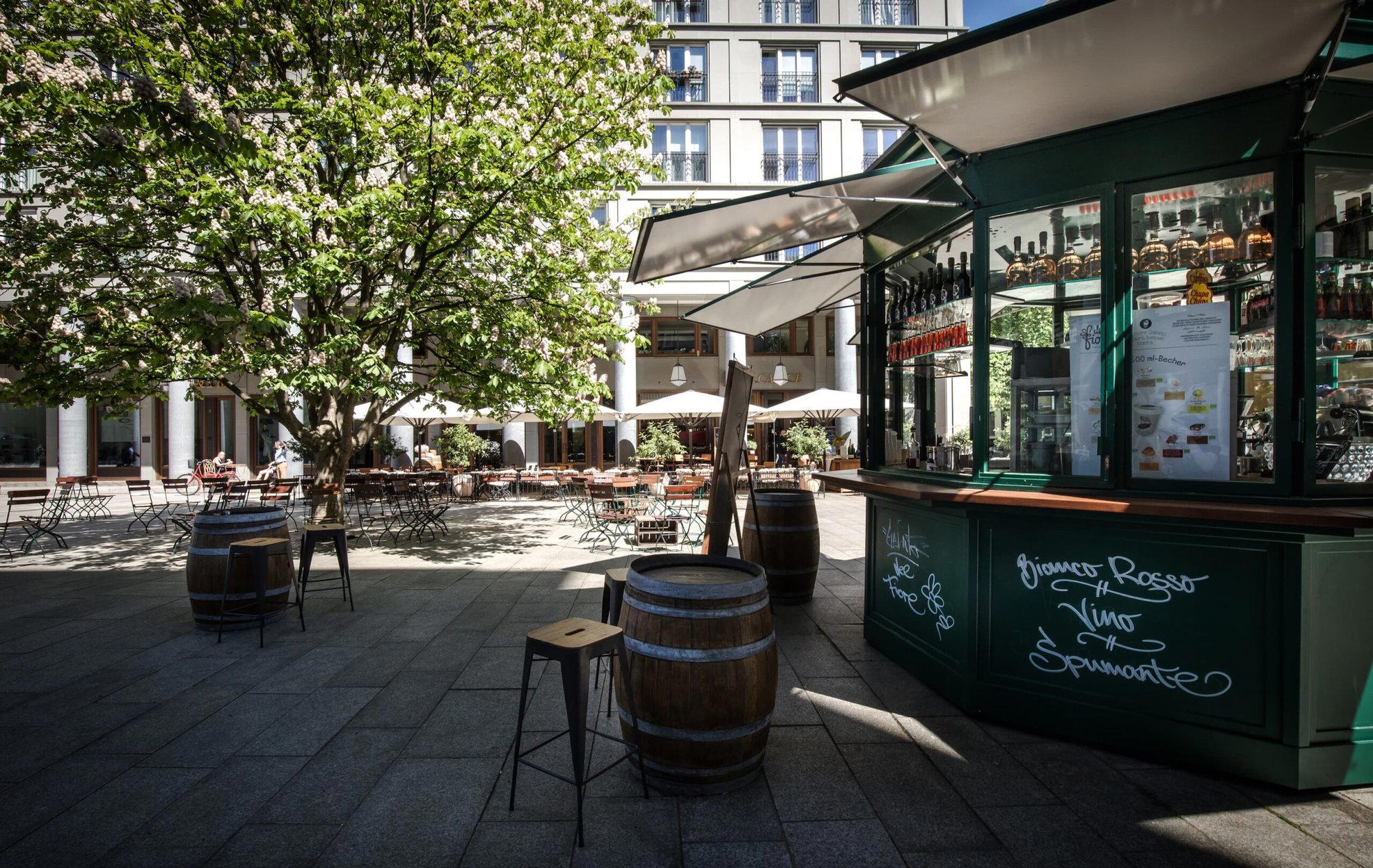
Functional yet inviting dining room with beer benches outside in summer.