Sljiva brings the flavours of the Balkans to Moabit, operating from a terrace address on Arminiusstraße in one of Berlin's most quietly evolving neighbourhoods. The name references the plum, a fruit embedded in Balkan food culture, from rakija to preserves, and signals a kitchen rooted in the culinary traditions of the former Yugoslav region. It sits outside Berlin's Michelin circuit, positioning itself as a neighbourhood-anchored alternative to the city's more formal dining tier.
Pearl is the En Primeur Club membership app — saves, bookings, and concierge access live there. Same editors, same standards.
- Address
- Terrasse, Arminiusstraße 2-4 Eingang Bugenhagenstraße, Jonasstraße 19, 10551 Berlin, Germany
- Phone
- +4915208133404
- Website
- sljiva-berlin.com
- Directions
- Get directions
 Saves & bookings on Pearl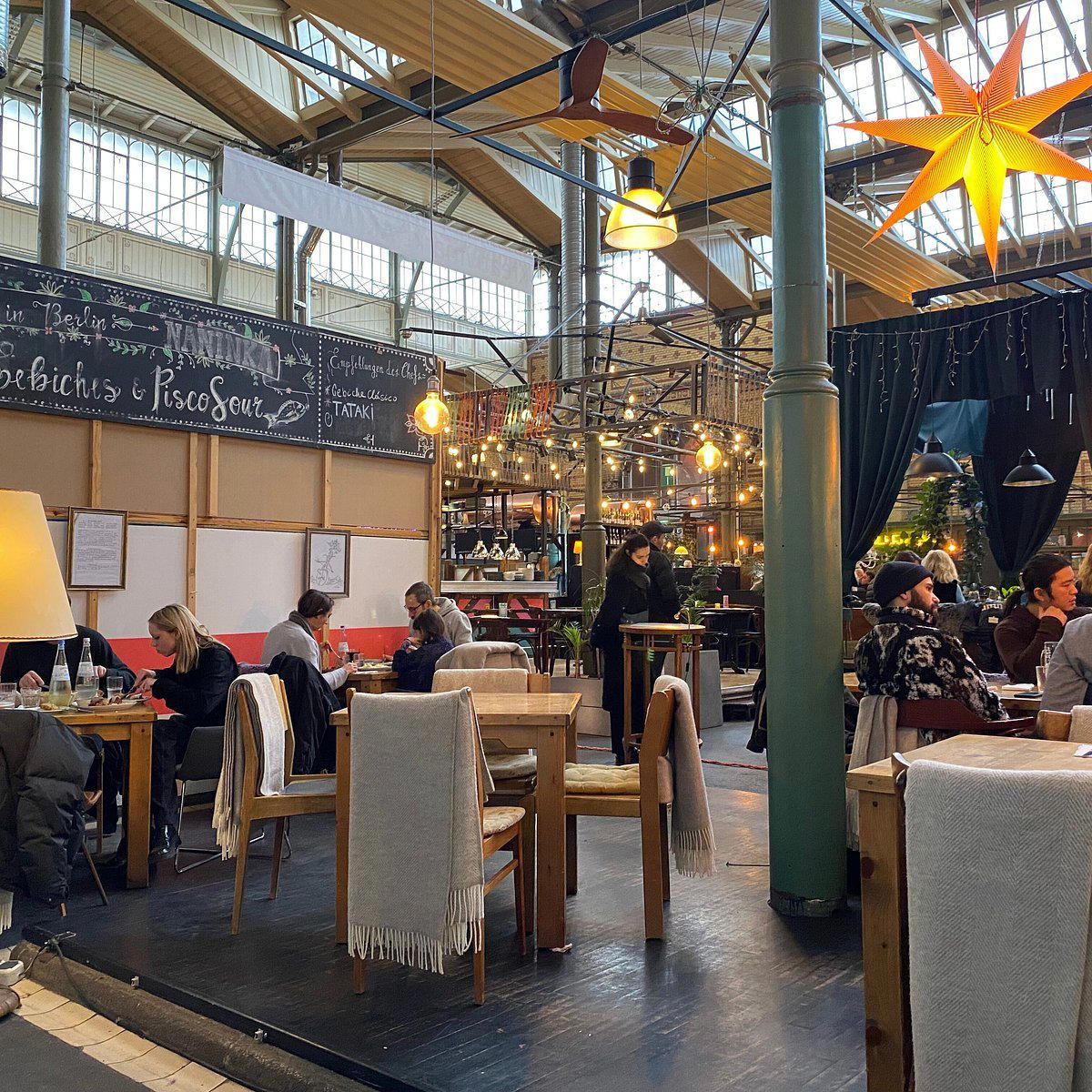
Plum, Smoke, and the Balkans on a Berlin Terrace
Sljiva is an Authentic Balkan (Serbian-Montenegrin) restaurant in Moabit, Berlin, with. Sljiva occupies that space. The name itself, the Serbian and Bosnian word for plum, locates the kitchen within a specific culinary geography. The plum is not incidental in Balkan food culture. It is foundational: fermented into šljivovica, reduced into dense preserves, dried and folded into meat dishes across Serbia, Bosnia, Croatia, and North Macedonia. A restaurant that opens with the plum as its signal is making an editorial statement about where its cooking comes from.
Sljiva's terrace address in Moabit places it in a part of Berlin that has been changing more slowly and less self-consciously than Prenzlauer Berg or Mitte. Moabit is not a neighbourhood that generates food media cycles. That relative quietness tends to favour a certain kind of dining: less performative, more embedded in the fabric of who actually lives and eats there. For Balkan cooking specifically, that context matters. The former Yugoslav diaspora in Berlin is substantial and long-established, and the cooking traditions it carried over decades are distinct from the tourist-facing Balkan restaurants that cluster near central transport hubs.
The Cultural Weight of Balkan Cooking in a German City
To understand what a restaurant like Sljiva is working with, it helps to map the culinary tradition it draws from. Balkan cooking, across its Serbian, Bosnian, Croatian, and Macedonian expressions, shares a set of structural principles: slow-cooked meats, fermented and preserved vegetables, grilled offal and minced meat preparations, dairy that ranges from fresh kajmak to aged hard cheeses, and a relationship with smoke and charcoal that is more craft than technique. These are not simple preparations. The leading ćevapi, the kind you find at dedicated places in Sarajevo's Baščaršija or Belgrade's Skadarlija quarter, require specific meat ratios, specific casing methods, and a grill temperature that takes years to calibrate.
What distinguishes serious Balkan cooking from its casual approximations in European cities is the sourcing logic underneath it. Ajvar, the roasted red pepper relish that appears across the region, is a seasonal production: peppers roasted in late summer, skins peeled by hand, cooked down over hours. The version you find in a jar at a supermarket and the version made to a family recipe in autumn are categorically different products. Restaurants that operate within this tradition, rather than around it, make different decisions about when things appear on a menu and where the ingredients come from.
Berlin's position as a city with deep Central and Eastern European connections gives it advantages here that cities like London or Paris do not automatically have. Ingredient pipelines, diaspora knowledge, and a customer base that can tell the difference between approximation and authenticity all exist in greater concentration. Sljiva's terrace format in Moabit places it inside that ecosystem.
Where Sljiva Sits in Berlin's Wider Dining Map
Berlin's most-discussed restaurants in recent years have skewed toward the creative fine dining tier. CODA Dessert Dining operates an entirely dessert-led tasting menu that has earned Michelin recognition. Rutz and Nobelhart & Schmutzig anchor the city's serious modern European and modern German scenes respectively. FACIL represents the hotel fine dining tier at its most considered. Restaurant Tim Raue brings a specific pan-Asian lens to the upper bracket. These are excellent reference points for what Berlin's destination dining looks like, but they are not the same conversation as Sljiva.
Sljiva competes in a different register: the neighbourhood restaurant that carries genuine culinary heritage rather than a tasting menu format. In that tier, the relevant question is not whether there is a Michelin star attached, but whether the cooking reflects actual knowledge of a tradition. Across Germany more broadly, the fine dining circuit runs from Aqua in Wolfsburg to Schwarzwaldstube in Baiersbronn, from Vendôme in Bergisch Gladbach to ES:SENZ in Grassau, Victor's Fine Dining by Christian Bau in Perl, and Waldhotel Sonnora in Dreis. Beyond Berlin, Restaurant Haerlin in Hamburg, Schanz in Piesport, Bagatelle in Trier, and JAN in Munich define what serious destination dining looks like at the country level. Sljiva is not in that circuit, nor is it trying to be. It is the kind of restaurant that serves a different purpose in a city's ecosystem: cultural continuity rather than culinary statement-making.
For international visitors arriving from cities with their own Balkan restaurant scenes, the comparison points are places like Le Bernardin in New York or Atomix in New York in the sense that they represent peak expressions of a culinary tradition, but the relevant analogy for Sljiva is neighbourhood-level authenticity within a diaspora context, not fine dining ambition.
Planning a Visit
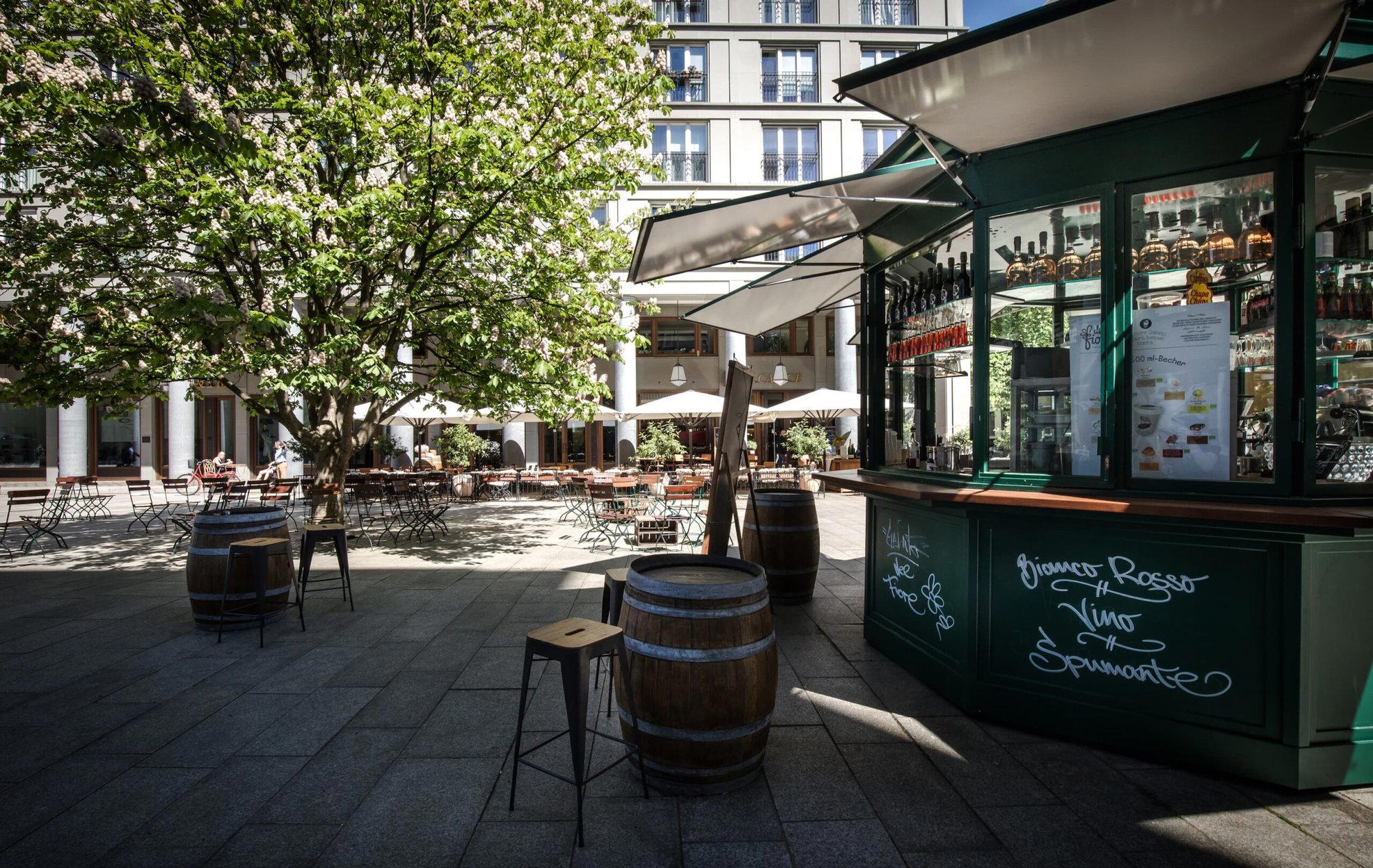
Sljiva operates from a terrace address at Arminiusstraße 2-4 (entrance via Bugenhagenstraße), Moabit, 10551 Berlin. Reservations are recommended. Dress: casual. Budget: about $25 per person.
Category Peers
Comparable venues nearby, for context on price, style, and recognition.
| Venue | Cuisine | Price | Notes |
|---|---|---|---|
| SljivaThis venue — the venue you are viewing | Authentic Balkan (Serbian-Montenegrin) | $$ | Not listed |
| Szimpla Berlin | Hungarian Bistro | $$ | Friedrichshain |
| Salhino | Authentic Georgian | $$ | Charlottenburg |
| Kanal61 | Modern Bistro Sharing Plates | $$ | Kreuzberg |
| La Cave Prenzlauer Berg | Wine Bar | $$ | Prenzlauer Berg |
| House of Gin | Gin Bar | $$$ | Tiergarten |
Continue exploring
More in Berlin
Restaurants in Berlin
Browse all →
Bars in Berlin
Browse all →
Hotels in Berlin
Browse all →

At a Glance
- Cozy
- Rustic
- Casual Hangout
- Group Dining
- Open Kitchen
Current opening hours
- Monday
- 4–10 PM
- Tuesday
- 4–10 PM
- Wednesday
- 4–10 PM
- Thursday
- 4–10 PM
- Friday
- 4–10 PM
- Saturday
- 12–10 PM
- Sunday
- Closed
Hours can change for holidays and private events. Last verified .
Welcoming and cozy atmosphere in a quirky market hall setting with friendly personal service.