
On Schlesische Strasse in Kreuzberg, Happa has built a quiet but firm reputation around plant-based cooking that prioritises seasonal produce and direct flavour over elaboration. Chef Sophia Hoffmann, one of Berlin's most recognised voices in vegetable-forward dining, leads a kitchen where the food reads as honest rather than ascetic. The result is a room that fills with regulars who return for the cooking, not the concept.
Pearl is the En Primeur Club membership app — saves, bookings, and concierge access live there. Same editors, same standards.
- Address
- Schlesische Str. 35A, 10997 Berlin, Germany
- Phone
- +49 30 75438944
- Website
- happa-berlin.com
- Directions
- Get directions
 Saves & bookings on Pearl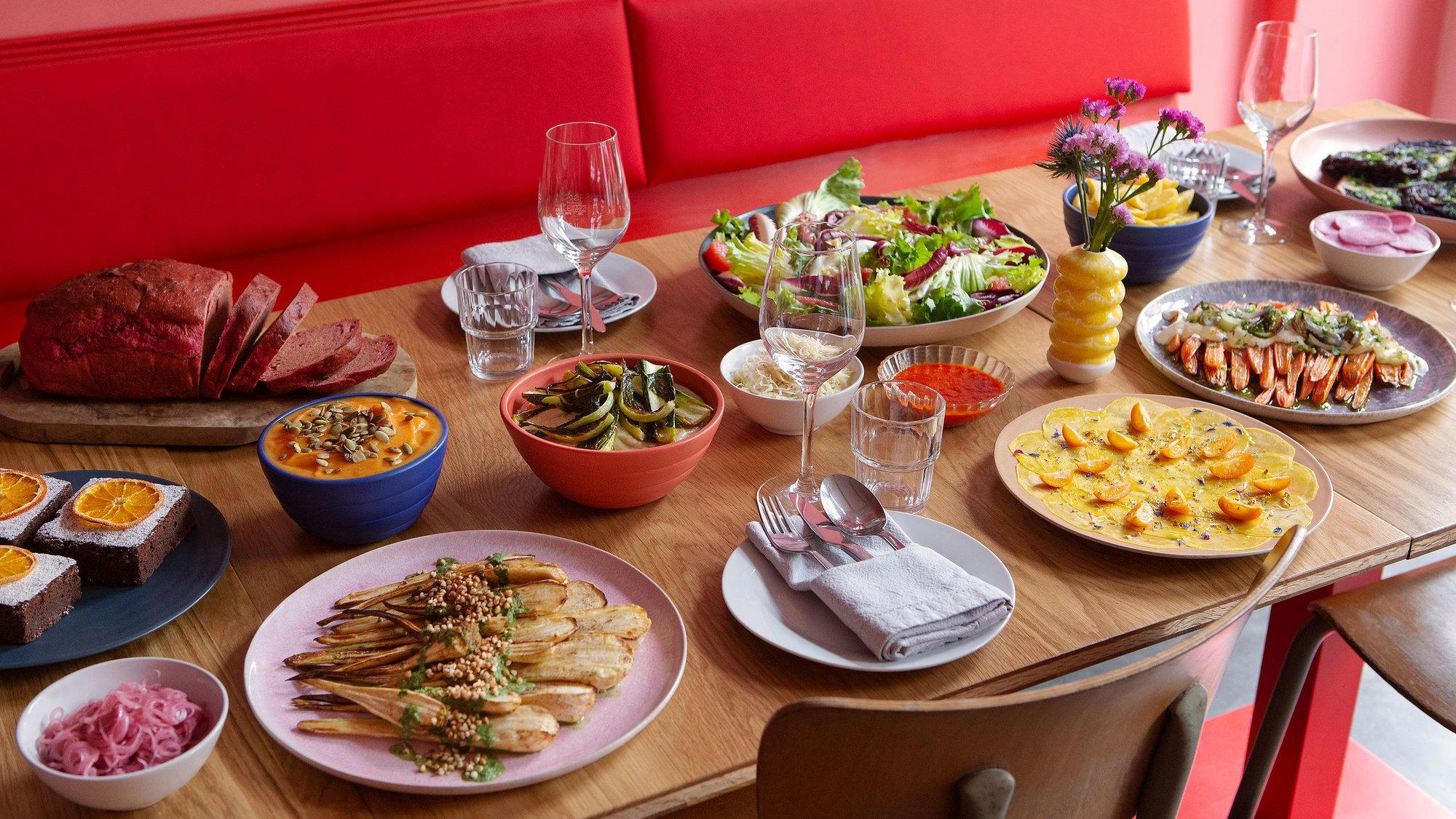
Kreuzberg's Vegetable Counter
Schlesische Strasse sits in the part of Kreuzberg where the dining options are dense and the turnover unforgiving. Restaurants here compete not on spectacle but on regularity of quality, and the ones that last tend to do so because a specific crowd claims them as its own. Happa, at Schlesische Str. 35A, has earned that kind of loyalty. The address is not a destination in the way that a Michelin-starred room is a destination, but it draws people who know what they want: direct, seasonal, plant-forward food that doesn't perform its own virtue.
Berlin's vegetable-focused dining has expanded considerably over the past decade, moving from fringe health-food associations toward a position where it intersects with serious cooking culture. The city now has plant-based options across every price tier, from fast-casual counter spots to the more considered tasting-menu format. Happa sits in the middle of that range, closer to the neighbourhood restaurant end, where the emphasis is on feeding people well rather than making a statement. That positioning turns out to be a strength: the room draws an audience that is less interested in ideology than in what arrives on the plate.
What the Cooking Represents
Chef Sophia Hoffmann has become one of the more prominent figures in Berlin's plant-based cooking scene, a position built on consistency and a clear culinary point of view. Her approach emphasises colour, freshness, and a refusal to mask produce behind over-complexity. The dishes at Happa are described as seasonal and simple, which in the wrong hands produces dullness, but in Hoffmann's case appears to produce food with direct flavour and visual clarity.
What distinguishes this kind of cooking from the broader field is its resistance to compensation. A lot of plant-based cooking at the restaurant level leans heavily on umami-boosting techniques, charring, and elaborate textural contrast to substitute for the richness that animal proteins provide. The cleaner approach, which prioritises the produce itself and builds flavour from its natural properties, is harder to execute because there is less to hide behind. The reputation Hoffmann has established in Berlin suggests the kitchen is meeting that standard with some consistency.
The team dynamic at Happa reflects this orientation toward simplicity. Service in rooms like this one tends to be informal but knowledgeable, with front-of-house staff who understand what's on the plate and can speak to it without formality. That fluency matters in a vegetable-focused kitchen, where guests unfamiliar with certain ingredients or preparations benefit from a light explanatory touch. Berlin's more relaxed service culture, common across Kreuzberg and Neukölln, suits this kind of operation well: the room doesn't require ceremony, and the food doesn't ask for it either.
Where Happa Sits in Berlin's Dining Scene
Berlin's leading end is occupied by a cluster of technically ambitious restaurants that operate at the €€€€ tier. Rutz and Nobelhart and Schmutzig both work with seasonal German produce and have built international reputations from it. FACIL and CODA Dessert Dining push into more experimental formats. Restaurant Tim Raue operates at the high end of Asian-influenced cooking in the city. None of these are direct comparisons for Happa, which occupies a different register entirely, but the contrast is useful: Happa exists in a part of Berlin's dining ecosystem where quality and accessibility are not in tension, and where the cooking is good enough that it doesn't need the scaffolding of formal service, tasting-menu architecture, or wine pairings to justify itself.
At the national level, Germany's most decorated restaurants, including Aqua in Wolfsburg, Schwarzwaldstube in Baiersbronn, Vendôme in Bergisch Gladbach, ES:SENZ in Grassau, and JAN in Munich, operate in a different tier entirely. Restaurant Haerlin in Hamburg represents the northern end of that fine-dining bracket. Internationally, rooms like Le Bernardin in New York City and Emeril's in New Orleans occupy the kind of prestige position that Happa is not competing for and shows no interest in occupying. The comparison is not a hierarchy so much as a reminder that serious cooking exists at many scales.
Planning a Visit
Happa is located at Schlesische Strasse 35A in Kreuzberg, reachable from Schlesisches Tor U-Bahn station on the U1 line in a short walk. The area is well-served by public transport, and parking in this part of the city is limited, so arriving by transit or bicycle is the practical choice. Given Hoffmann's profile and the restaurant's established local following, capacity is likely limited and same-day tables on weekday evenings may be available, but weekend sittings are worth planning further ahead.
The Broader Point
What Happa represents in Berlin's dining picture is a version of plant-based cooking that has shed its defensive posture. In the earlier wave of vegan restaurants, the food often had to argue its legitimacy on health grounds or ethical grounds because it couldn't always argue it on flavour grounds alone. That era, at least at the better end of the market, is largely over. Hoffmann's reputation was built on the food being good in a direct, seasonal, honest sense, which is the only argument that sustains a restaurant in a neighbourhood as crowded and informed as this stretch of Kreuzberg. The room endures because the cooking earns its place on its own terms.
Cuisine and Recognition
Comparable venues nearby, for context on price, style, and recognition.
| Venue | Cuisine | Price | Notes |
|---|---|---|---|
| HappaThis venue — the venue you are viewing | Zero-Waste Vegan Seasonal | $$ | Not listed |
| Mana | Vegan Fusion | $$ | Moabit |
| gio´s homemade food | Authentic Georgian | $$ | Kreuzberg |
| STADTSALAT | Premium Organic Bowls & Salads | $$ | Mitte |
| Friedrichshain | other | $ | Friedrichshain |
| Lost My Voice | Bar Snacks and Cocktails | $$ | Scheunenviertel |
Recognition history
Dated appearances from independent guides and award organizations, with the underlying list record or original source where available.
We're Smart World 3 Radishes
We're Smart World
Continue exploring
More in Berlin
Restaurants in Berlin
Browse all →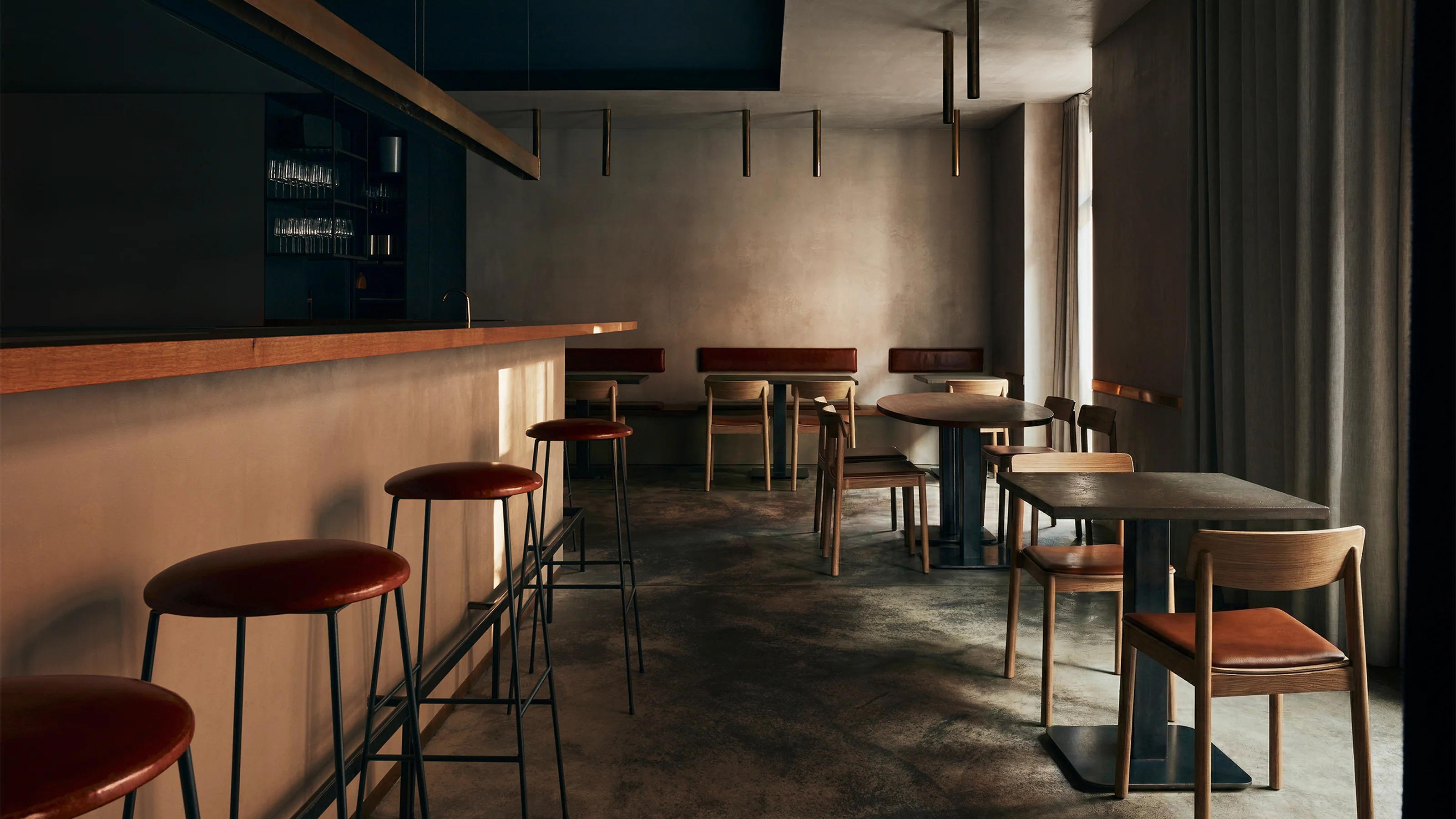
Bars in Berlin
Browse all →
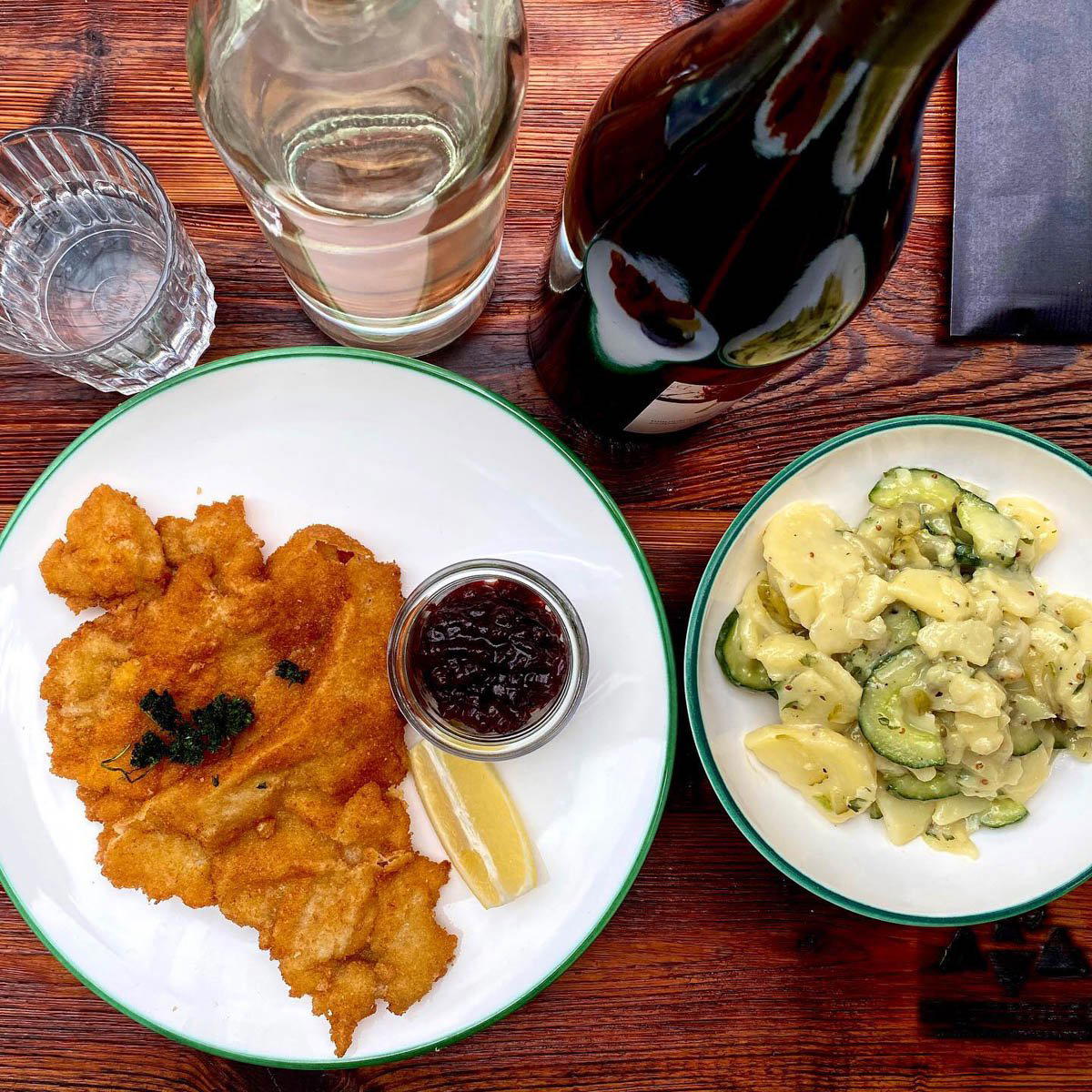
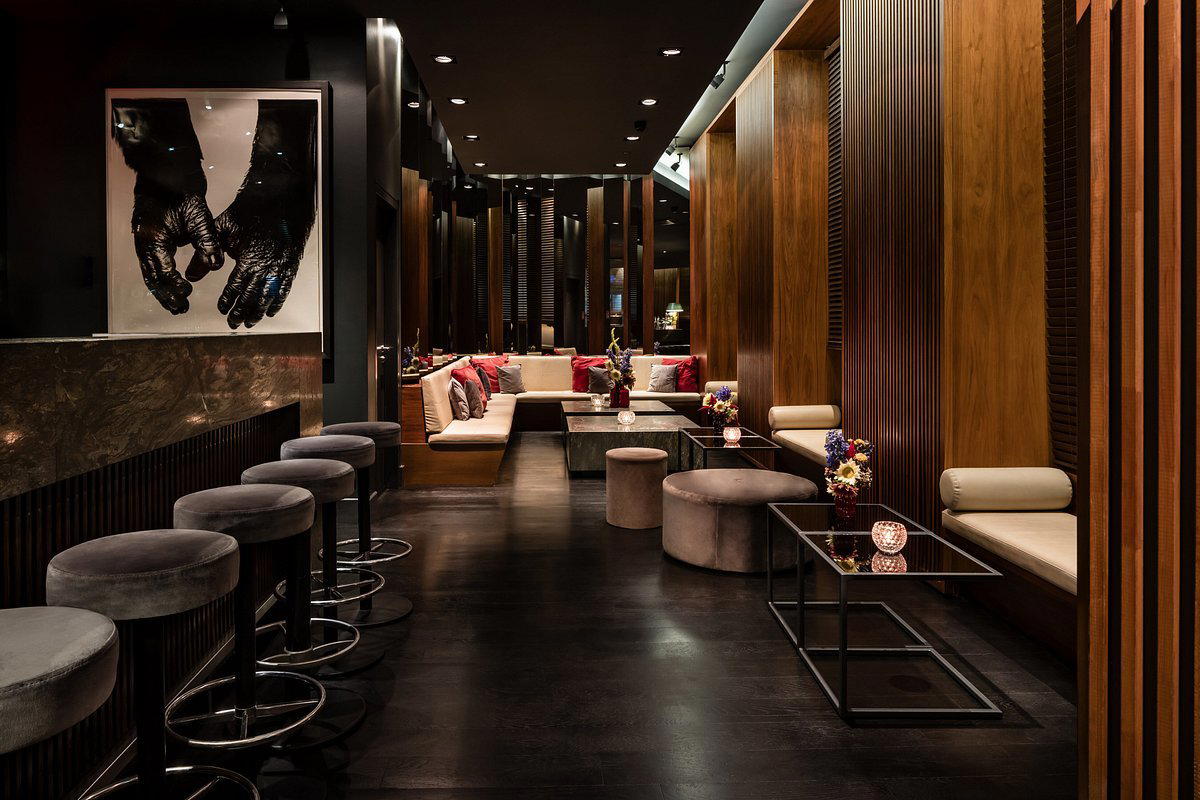
Hotels in Berlin
Browse all →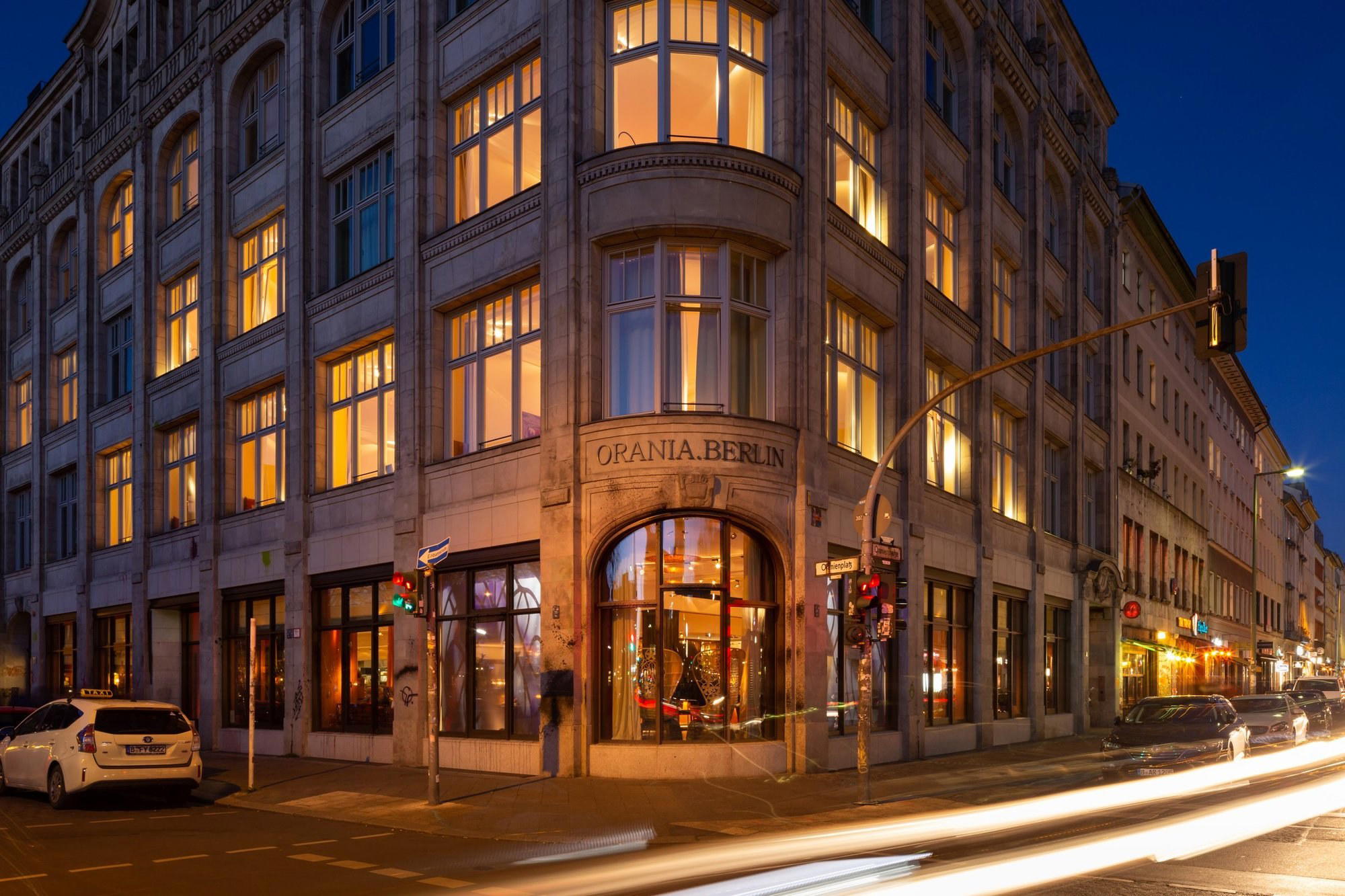
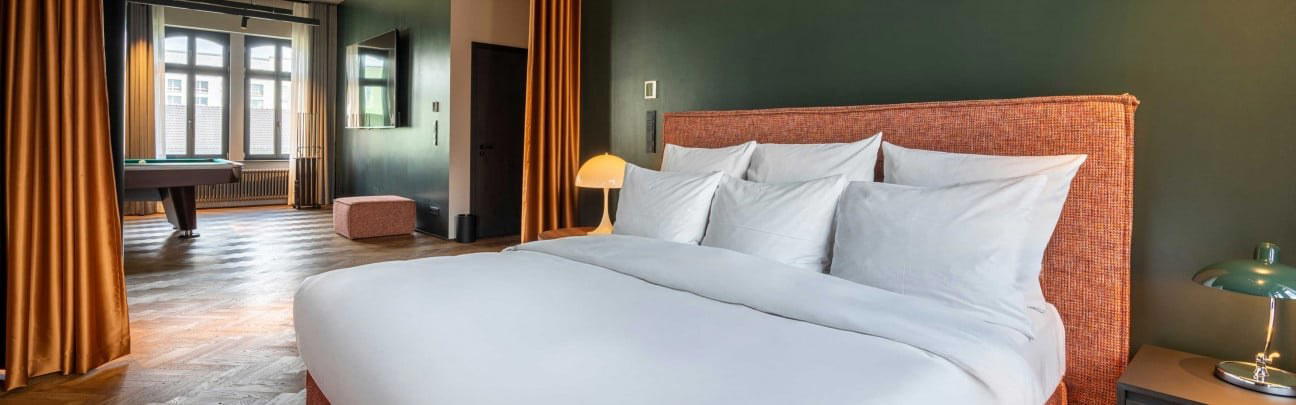
Wineries in Berlin
Browse all →
At a Glance
- Cozy
- Modern
- Intimate
- Special Occasion
- Casual Hangout
- Open Kitchen
- Craft Cocktails
- Zero Proof
- Organic
- Local Sourcing
- Zero Waste
Current opening hours
- Monday
- Closed
- Tuesday
- 6–10 PM
- Wednesday
- 6–10 PM
- Thursday
- 6–10 PM
- Friday
- 6–10 PM
- Saturday
- Closed
- Sunday
- Closed
Hours can change for holidays and private events. Last verified .
Cozy and relaxed with brightly painted walls, open kitchen, wooden tables with meadow flowers, and a friendly, women-led atmosphere.