On a quiet Prenzlauer Berg backstreet, La Cave sits at the intersection of natural wine culture and neighbourhood dining that defines Berlin's more considered eating scene. The address on Dunckerstraße places it squarely in a district that has traded its post-reunification roughness for a quieter, more local-facing identity, where wine-led spaces increasingly set the register for the block.
- Address
- Dunckerstraße 80a, 10437 Berlin, Germany
- Phone
- +49 30 45303377
- Directions
- Get directions
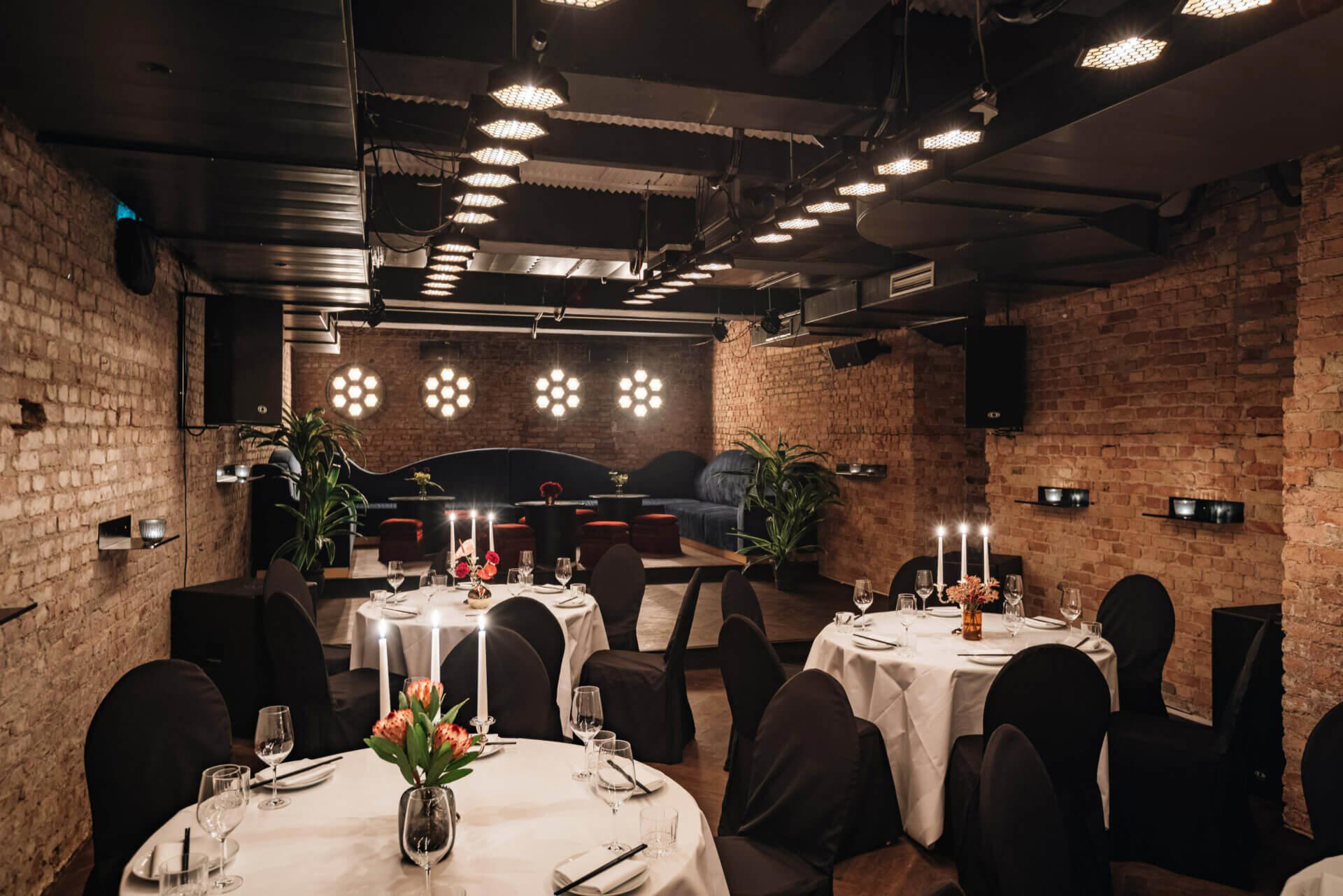
A Neighbourhood, a Cellar, a Particular Kind of Berlin Evening
Prenzlauer Berg has completed a transition that most of Berlin's other inner districts are still midway through. The area around Dunckerstraße no longer signals the frontier energy of the early 2000s; it signals something more settled and, in many ways, more interesting. The dining and drinking spaces that have lasted here tend to have a quiet confidence about them, shaped less by trend cycles and more by the preferences of people who actually live in the postcode. La Cave Prenzlauer Berg, at Dunckerstraße 80a, fits that pattern: a wine-focused room that reads more as a neighbourhood anchor than a destination play.
In a city where the fine dining tier is represented by rooms like Rutz, Nobelhart & Schmutzig, and FACIL, all operating at the €€€€ tier with formal tasting formats, the mid-register wine-bar and cave format occupies genuinely different territory. These are not lesser versions of the same experience; they operate on a different logic entirely, where the wine list is the editorial statement and the kitchen exists to support rather than lead.
The Cave Format in European Context
The cave à manger model, which pairs a serious cellar with a short, frequently changing food menu, is well established across Paris and Lyon but arrived later in Berlin. Where it has taken root, it tends to concentrate in the districts with a resident population willing to eat regularly rather than ceremonially: Neukölln, Mitte's quieter side streets, and Prenzlauer Berg. The format rewards return visits in a way that tasting-menu restaurants do not. Regulars build relationships with particular bottles and producers over multiple visits rather than experiencing a single curated arc.
This sits in contrast to the more theatre-oriented formats elsewhere in the city. CODA Dessert Dining, for instance, operates an elaborate dessert-led tasting format that requires full commitment to a single sitting. The cave format asks for something different from the diner: familiarity, a willingness to compose the evening from components rather than receive it whole.
Local Ingredients, Imported Framework
The editorial angle most applicable to a venue like La Cave in this neighbourhood concerns the tension between German ingredient sourcing and wine-bar formats developed in other culinary traditions. Berlin's better wine-focused kitchens have generally moved toward local and regional supply, not as a marketing position but as a practical reflection of what serious producers are actually making available in Brandenburg, Saxony-Anhalt, and further into the eastern German agricultural belt.
The technique framing, however, tends to arrive from elsewhere: natural wine culture and its accompanying food sensibility developed primarily in France, with secondary influence from northern Italy and Catalonia. German wine bars that take this seriously are importing a methodology and applying it to a different pantry. The results are often more interesting than either source tradition would produce in isolation. Smoked fish preparations that make sense alongside Mosel Riesling, aged dairy with textural funk that reads well against skin-contact whites, fermented vegetables that pre-date the current fashion by decades in Eastern European domestic cooking. These combinations do not require invention; they require recognition of what was already present.
Across Germany's serious restaurant circuit, from Schwarzwaldstube in Baiersbronn to Aqua in Wolfsburg and JAN in Munich, the articulation of local ingredients through imported technical frameworks has become a defining preoccupation. At the cave level, the same logic applies at lower stakes and, often, with less self-consciousness. The dish does not need to announce its philosophy; it just needs to work with the glass in front of it.
Prenzlauer Berg as Dining Context
Understanding what La Cave is requires understanding what Prenzlauer Berg has become. The district runs from the old water tower near Kollwitzplatz northward through increasingly residential blocks, with Dunckerstraße sitting in the calmer northern portion of that gradient. The clientele in this part of the neighbourhood skews toward long-term residents rather than visitors, and the eating and drinking spaces reflect that: shorter opening hours, smaller wine lists with more considered curation, food programs that do not chase novelty.
This is not the Berlin of Restaurant Tim Raue's technically intensive Chinese-inflected cooking or the precision of FACIL's contemporary European format. It is a different register of the same city, and the distinction is worth holding when making a booking decision. If a single landmark tasting experience is the objective, the Mitte and Kreuzberg addresses will serve better. If a two-hour evening with good bottles and food designed to extend the drinking is what is needed, Prenzlauer Berg's cave-style venues offer a more appropriate setting.
Across Germany more broadly, neighbourhood-level wine bars with serious cellar programs have become the format through which younger sommeliers and wine buyers are expressing a point of view that the tasting-menu circuit does not accommodate. Places like Vendôme in Bergisch Gladbach and Waldhotel Sonnora in Dreis represent the formal end of the German fine dining spectrum. The cave format operates as a deliberate alternative, not an aspiring lower tier.
Visiting La Cave: Practical Notes
La Cave Prenzlauer Berg is located at Dunckerstraße 80a in the 10437 postcode.
Seasonally, the late autumn and winter months suit the cave format particularly well. Berlin's colder months concentrate the city's dining energy indoors, and a room built around wine and small plates functions differently in February than it does when restaurant terraces across Prenzlauer Berg compete for the same attention. For visitors building a broader Berlin dining itinerary, La Cave sits comfortably alongside day-trip or evening additions from the wider EP Club Germany coverage, including Restaurant Haerlin in Hamburg, Schanz in Piesport, Victor's Fine Dining by Christian Bau in Perl, Bagatelle in Trier, and ES:SENZ in Grassau. For international reference points in the same wine-forward, technique-led category, Le Bernardin in New York City and Lazy Bear in San Francisco offer useful comparisons at a different price tier.
Peers You’d Cross-Shop
Comparable venues nearby, for context on price, style, and recognition.
| Venue | Cuisine | Price | Notes |
|---|---|---|---|
| La Cave Prenzlauer BergThis venue — the venue you are viewing | Wine Bar | $$ | Not listed |
| Friedrichshain | other | $ | Friedrichshain |
| Kanal61 | Modern Bistro Sharing Plates | $$ | Kreuzberg |
| Velvet | Hyperseasonal Foraged Cocktails | $$$ | Neukolln |
| Pasta & Vino | Authentic Italian Pasta & Antipasti | $$ | Prenzlauer Berg |
| Dotori | Korean Anju Bar | $$ | Weissensee |
Continue exploring
More in Berlin
Restaurants in Berlin
Browse all →
Bars in Berlin
Browse all →
Hotels in Berlin
Browse all →
Wineries in Berlin
Browse all →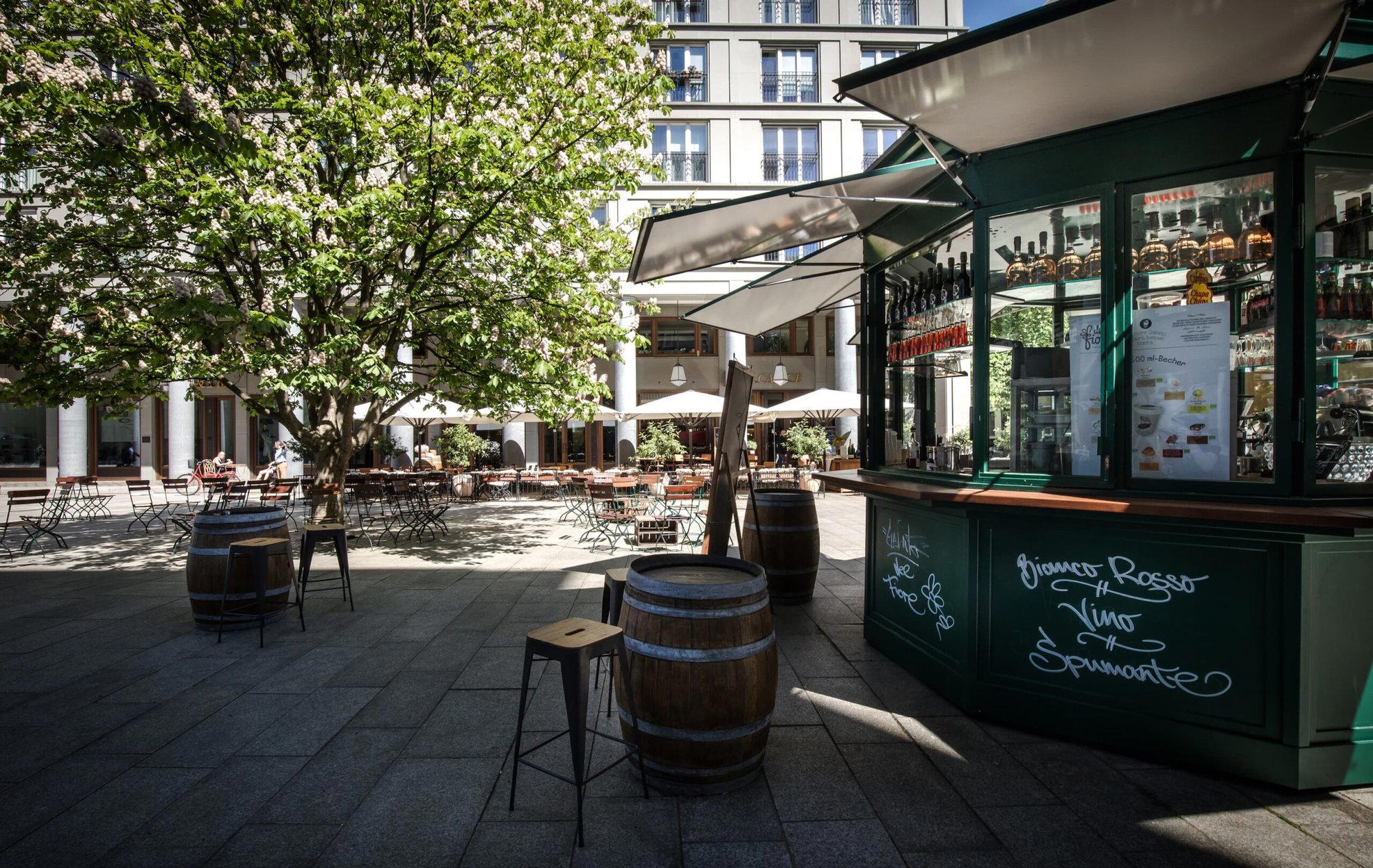
At a Glance
- Sophisticated
- Cozy
- Trendy
- Casual Hangout
- Wine Cellar
- Natural Wine
- Natural Wine
- Street Scene
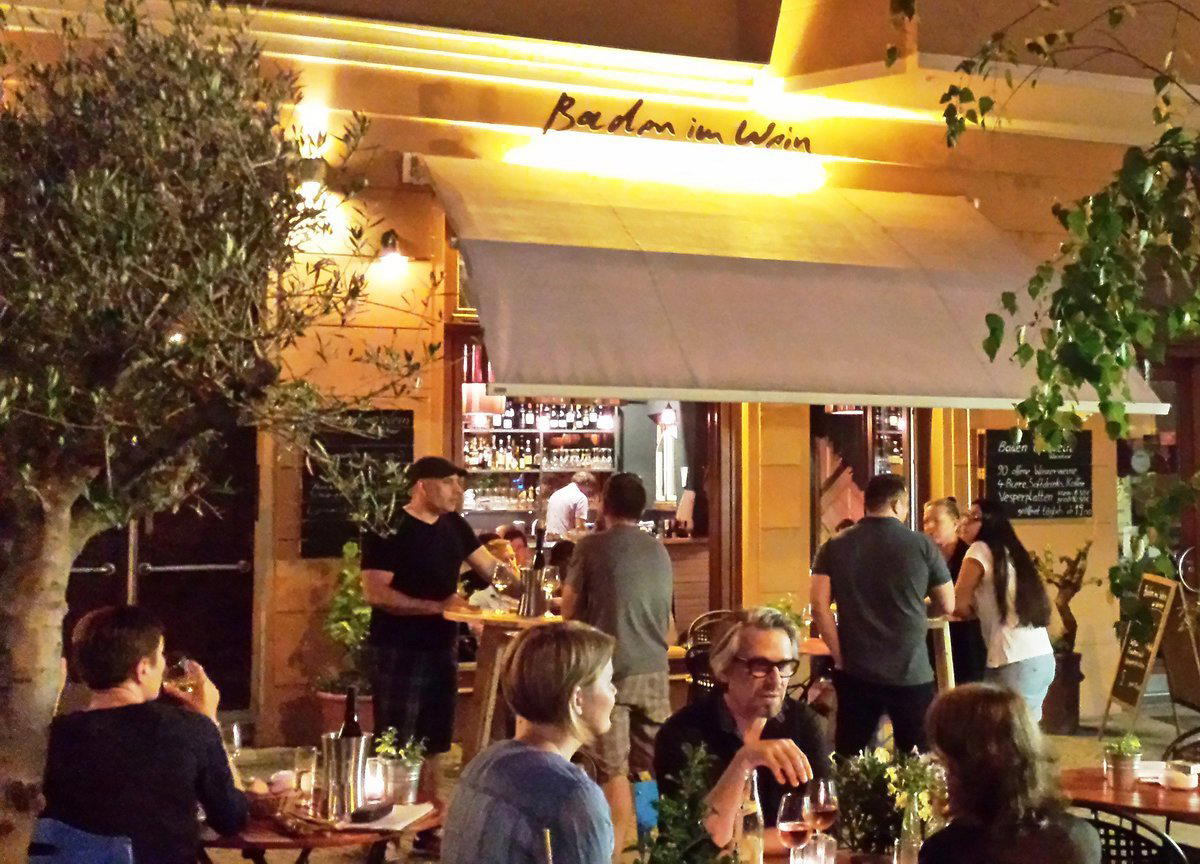
Open, light, sophisticated-yet-ambient atmosphere that spills out onto the streets.