
Tabelog 100 #54
Our verdict
Gion Sambor sits in Kyoto’s Gion bar culture rather than the hotel-lounge school of drinking: compact, counter-led, and tuned to the neighbourhood’s evening rhythm. Its Tabelog Bar 100 selection in 2022 gives it a clear quality signal, while the format points to a drinks-first stop for solo guests or small groups before or after dinner in Higashiyama.

Pearl is the En Primeur Club membership app, where members save venues, book tables and use the concierge.
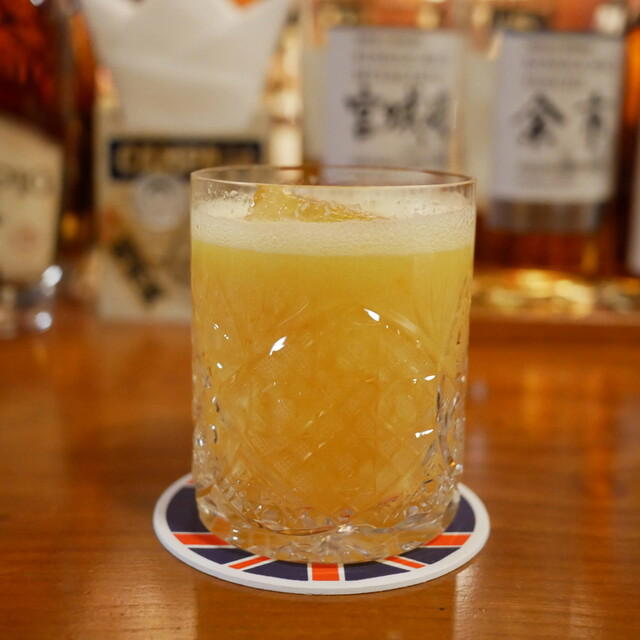
Kyoto after dark has a distinct tempo: lantern light, narrow approaches, and a quick shift from sightseeing to small rooms and practiced rituals. Here, the serious bar is rarely loud or concept-heavy. It is compact in feeling, precise, and built around a slower register. Gion Sambor fits that older Kyoto drinking grammar, where the room is less spectacle than filter: measured conversation, a controlled pour, and a quieter mood than the restaurant-heavy streets around it.
The setting is Kyoto. The city’s dining map pulls visitors toward refined Japanese rooms such as Gion Kida, Gion Rakumi, and Sakagawa, while places like Yamaguchi show how varied formats sit inside the same broader city logic. A bar here has a different job: to work before dinner, after dinner, and for the solo drinker who wants Kyoto’s evening without making it a performance. That is why the category signal matters: Gion Sambor was selected for Tabelog Bar 100 in 2022, useful in a city where many serious drinking rooms are small, local-facing, and not built for English-language discovery.
Kyoto bar culture, without the hotel-lounge gloss
Kyoto does not drink like Tokyo. The capital’s cocktail culture can lean toward international awards, reservation systems, and bars that behave almost like tasting-menu restaurants. Kyoto is more elliptical. Its stronger rooms often sit near restaurant districts, visitor routes, and traditional evening areas, drawing local regulars, visiting diners, and people using the bar as a second act rather than the whole evening. In Kyoto, restraint becomes an advantage.
Gion Sambor’s listed category is direct: Bar. That places it in the drinking-room lane rather than a restaurant-first or clubby late-night model. The draw is not a vast claim about food, ownership, or a theatrical concept. It is the discipline of a bar that understands its city: close enough in spirit to dinner plans to function as a transition, small-feeling enough to reward a quiet drink, and formal enough to feel intentional without becoming rigid.
That distinction matters when planning Kyoto nights. The city can punish over-scheduling, especially when dinner times, taxi flows, and visitor movement compress the evening. A compact bar works well as a calibrated stop, not a sprawling session: after dinner, before a late reservation, or as a controlled final drink when a larger venue would feel out of register.
A small-room mood in a high-context city
Scale is part of the editorial case, even without turning the room into a numbers exercise. The format reads closer to Kyoto’s intimate drinking tradition than to the broader urban bar model built around groups, standing traffic, and volume. Small Japanese bars often depend on behaviour as much as beverage: lower voices, slower pacing, and sensitivity to how much space a party takes. That is especially true in Kyoto, where many rooms are narrow and culturally coded for discretion.
The broader context also matters for visitors. Kyoto’s bar scene is not uniform, and small, serious rooms can preserve older habits and expectations even as the city becomes easier to navigate for international travellers. The safest assumption is to arrive with a quieter tempo, read the room, and treat the bar as part of the city’s evening culture rather than as a casual drop-in lounge.
The occasion is best understood in modest terms. This is not a venue to frame as a managed group night or a detached hotel-lounge experience. Read it as a bar for one or two people, or a small party comfortable with the close quarters and social awareness that define many Kyoto drinking rooms. The point is direct engagement with the evening, not a heavily produced scene.
How to fold it into a Kyoto evening
Strongest use case is geographic in the broad sense: Gion Sambor belongs to Kyoto planning. It is a practical companion to a dinner-led night rather than a standalone expedition built around spectacle. For visitors moving through the city in the evening, the bar fits best as one focused stop inside a wider Kyoto circuit instead of requiring a separate plan.
Price positioning keeps it accessible within Kyoto’s premium orbit. The listed spend is JPY 3,000 - JPY 3,999, far below what the city’s formal restaurants can command, so the night’s budget need not concentrate here. Treat the bar as a quality checkpoint in a city where one drink can sharpen the evening or blur it. Its Tabelog score of 3.70 adds another local-market signal, useful because Tabelog ratings in Japan tend to be compressed and culturally conservative compared with many global review platforms.
For a broader Kyoto itinerary, this belongs on the drinks side of the map, not the restaurant list. Use Our full Kyoto bars guide for comparable drinking rooms, then cross-check dining plans through Our full Kyoto restaurants guide. Nearby restaurant planning can move from casual and snack-led stops to more contemporary Kyoto dining rooms and refined addresses, depending on the night’s budget and appetite. For the rest of the trip, keep the planning architecture separate: Our full Kyoto hotels guide, Our full Kyoto wineries guide, and Our full Kyoto experiences guide.
Outside Kyoto, the comparison is about travel rhythm, not similarity. A small Kyoto bar serves a different purpose from destination dining across Japan and abroad, where other addresses may answer meal questions. Gion Sambor answers a Kyoto evening question: where to place a serious, compact bar stop in a city that rewards restraint.
Frequently asked questions
Is Gion Sambor okay with children?
Gion Sambor is listed as a bar in Kyoto, so it reads more as an adult drinking spot than a family venue.
What's the vibe at Gion Sambor?
Expect a compact-feeling Kyoto bar suited to a focused drink rather than a loud, high-volume night out. The format suits solo drinkers and small groups looking for a measured evening stop.
How much does it cost to eat at Gion Sambor?
Pricing at Gion Sambor is listed as JPY 3,000 - JPY 3,999.
What days is Gion Sambor closed?
Specific opening days and hours are not provided here; check directly before visiting.
What's the address for Gion Sambor?
Kyoto.
What's Gion Sambor best at?
Its strongest point is the bar format itself, supported by a Tabelog Bar 100 selection for 2022. At JPY 3,000–3,999, it sits in a practical range for a focused drink stop in Kyoto.
The Quick Read
Comparable venues for orientation by cuisine and category.
| Venue | Cuisine | Price | Awards | Notes |
|---|---|---|---|---|
| Gion SamborThis venue (the venue you are viewing) | Classic Japanese Cocktail Bar | $30–50 | Tabelog 100 #54 | Not listed |
| Yamaguchi | Japanese-Italian Fusion | $300–500 | Tabelog Silver #155 | Italian |
| Gion Rakumi | Seasonal Kyoto Japanese | $150–200 | Michelin Plate · Star Wine List | Japanese |
| Sakagawa | Traditional Kaiseki | $150–200 | Tabelog Bronze #381 | Kaiseki |
| Rigoletto | Smoke-Infused Spanish-Italian | $30–50 | Not listed | Not listed |
| Gion Kida | Kaiseki | $300–500 | 1 Michelin Star | Japanese |
Recognition history
Dated appearances from independent guides and award organizations, with the underlying list record or original source where available.
Tabelog 100 #54 · No. 54
Tabelog · Tabelog 100 - Bar - 2022
Continue exploring
More in Kyoto
Restaurants in Kyoto
All restaurants in Kyoto →
Bars in Kyoto
All bars in Kyoto →
Hotels in Kyoto
All hotels in Kyoto →
Wineries in Kyoto
Browse all →
Details
- Classic
- Cozy
- Intimate
- Sophisticated
- After Work
- Date Night
- Solo
- Casual Hangout
- Late Night
- Standalone
- Historic Building
- Design Destination
- Craft Cocktails
- A La Carte
- Counter Dining
- Small Plates
- Cocktails
- Whisky
- Spirits
Current opening hours
- Monday
- Closed
- Tuesday
- 4–11 PM
- Wednesday
- 4–11 PM
- Thursday
- 4–11 PM
- Friday
- 4–11 PM
- Saturday
- 3–11 PM
- Sunday
- 3–10 PM
Hours can change for holidays and private events. Hours as of .
A small, relaxed counter bar in a traditional Gion townhouse, with a cozy hideout feel, low-key quiet atmosphere, and a classic Japanese bar style that focuses attention on the bartender and drinks rather than loud music or crowds.