1 Michelin Star
Our verdict
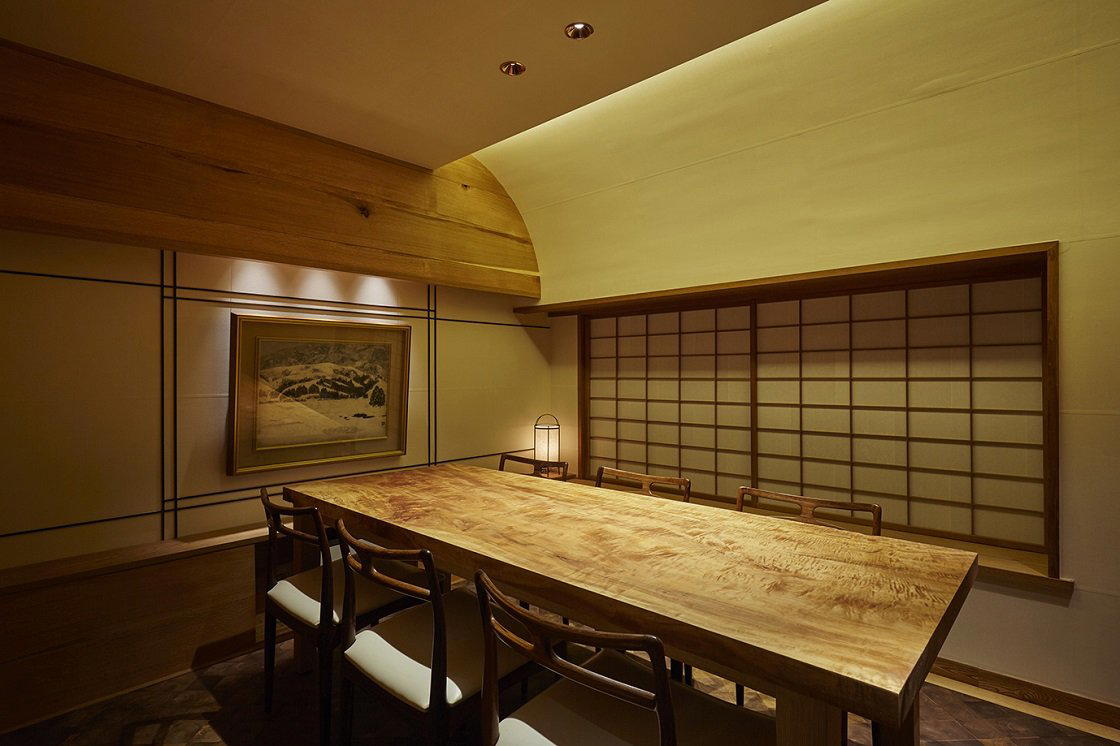
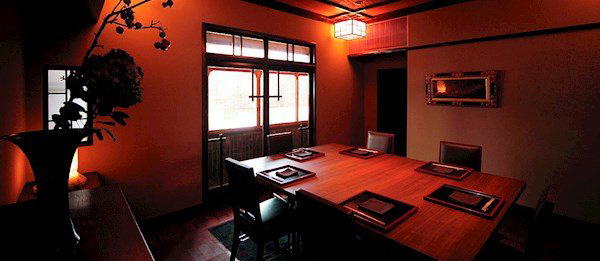
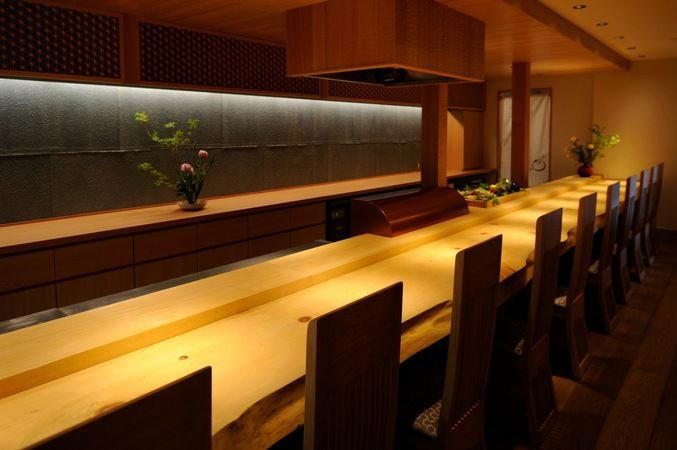
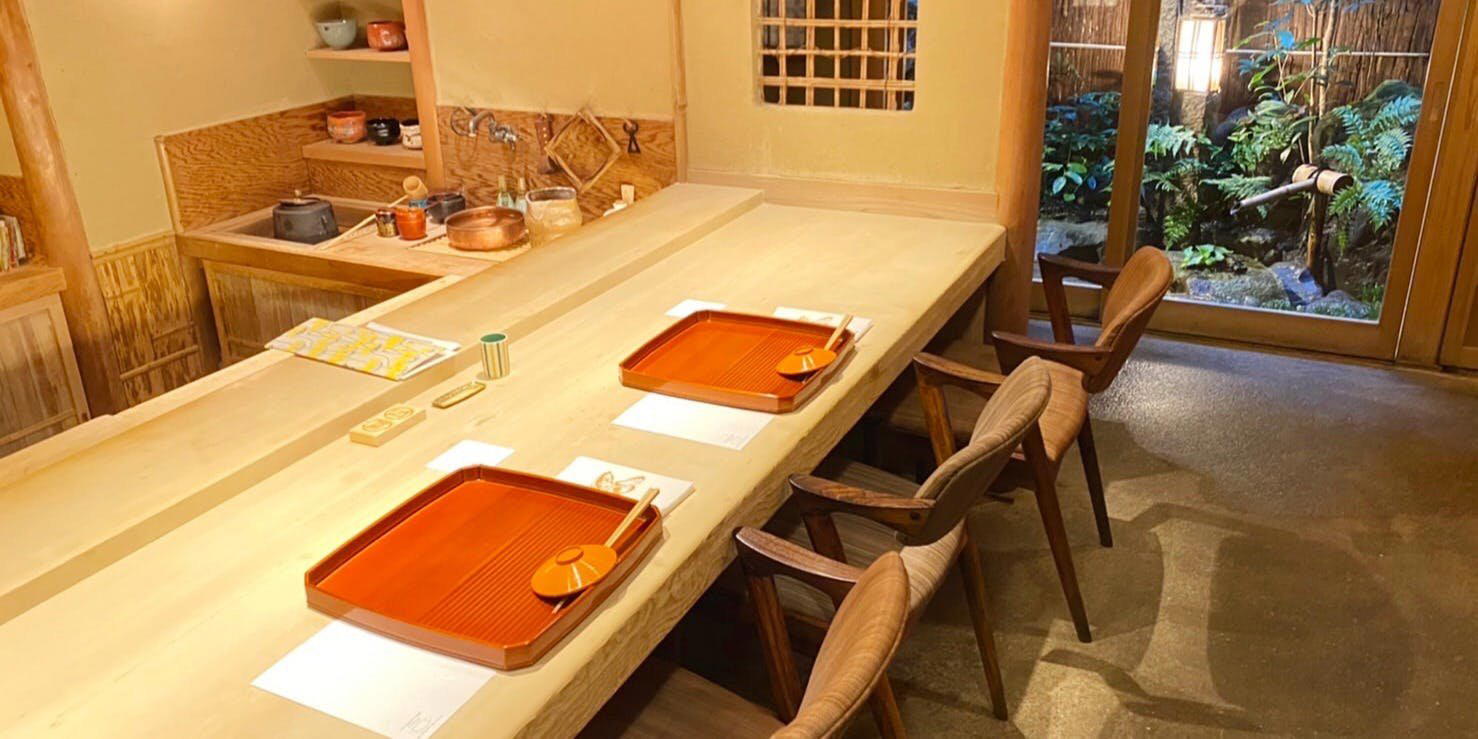
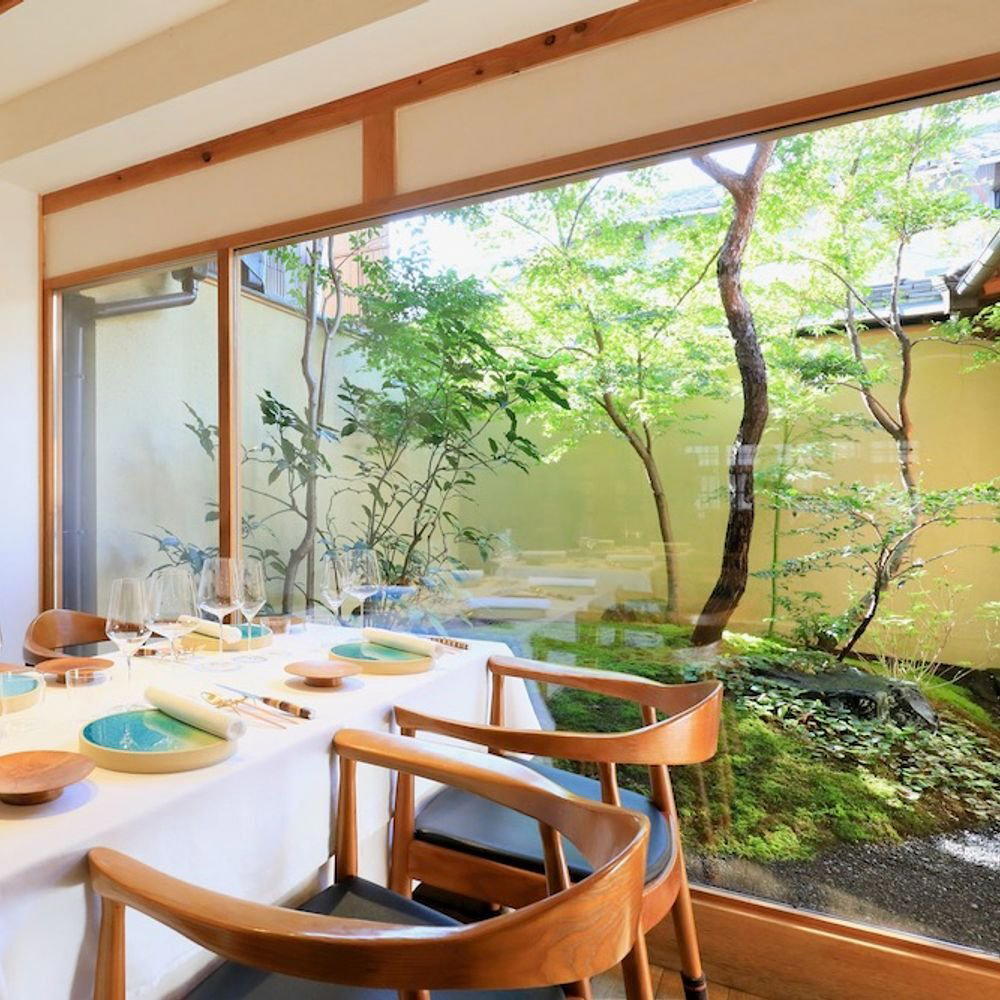
Gion Kida in Kyoto presents modern kappo/kaiseki focused on seasonal omakase. Must-try dishes include fugu shirako, Hokkaido crab nigiri and awabi (abalone). The intimate eight-seat counter and private tatami rooms deliver an interactive chef-led experience, while a Michelin star (2023–2025) and generous portions underline the restaurant’s high standards. Expect carefully prepared flavors, precise textures, warm sake service and a calm, refined atmosphere in Gion’s historic Higashiyama quarter. Reservations are required and menus change daily to highlight matsutake, winter fugu and the region’s best seafood.

Pearl is the En Primeur Club membership app, where members save venues, book tables and use the concierge.
Where Gion's Stone Lanes Meet the Counter
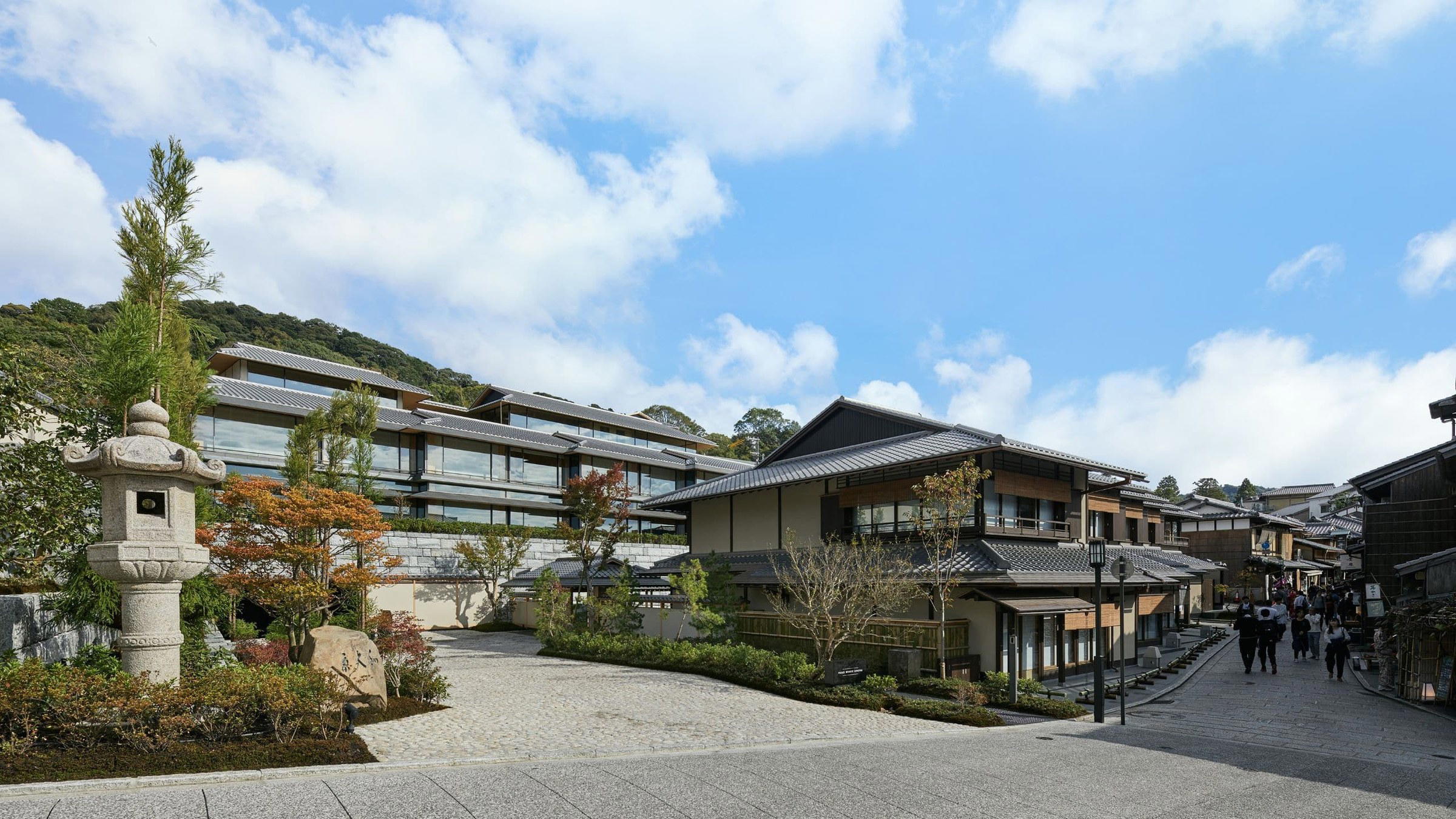
Gionmachi Minamigawa runs parallel to the Shirakawa canal in the Higashiyama district, a preserved stretch of Kyoto where the wooden ochaya facades lean close enough that lantern light from one building grazes the shutters of the next. By evening, the sound traffic drops to footsteps and the occasional bell. It is against this backdrop that Gion Kida operates, occupying an address at 570-192 on that same lane, the kind of setting that enforces a certain decompression before you even sit down. The physical approach matters in Kyoto's kaiseki tradition. By the time guests cross the threshold, the formality of what follows feels earned rather than imposed.
Kyoto's Kaiseki Tier and Where This Counter Sits
Kyoto's serious Japanese restaurant category stratifies sharply at the leading end. Gion Sasaki holds three Michelin stars; Ifuki and Kyokaiseki Kichisen each hold two. Gion Kida carries one Michelin star (2024) and a ranking of 603 in the Opinionated About Dining Leading Restaurants in Japan list for 2025, placing it in a tier that commands full attention without the waiting lists and pricing pressure of the city's three-star rooms. It is a bracket occupied by technically capable kitchens where the chef's relationship to ingredients, rather than spectacle or celebrity, does the persuading. At the ¥¥¥¥ price level, this is a considered spend, comparable in outlay to neighbours like Isshisoden Nakamura and Gion Matayoshi, each of which operates its own distinct interpretation of Kyoto cuisine from within the same district.
The Architecture of the Meal
Japanese cuisine's 72 micro-seasons, a classical framework dividing the year into intervals of roughly five days each, are not decorative philosophy at Gion Kida. They are operational logic. Chef Yasuo Kida's kitchen sources daily, and what arrives at the counter reflects what is at the exact point of its seasonal arc that morning, not a fixed menu printed weeks in advance. This is the structure around which the meal builds: each course exists as evidence of a specific moment in the natural calendar rather than as a set piece in a rehearsed programme.
The progression follows traditional kaiseki sequencing: the meal moves from lighter, more delicate preparations toward richer, more substantive courses before resolving in rice and preserved accompaniments. What distinguishes Gion Kida's stated approach is the framing of ingredient as protagonist. The venue's own articulation of this is unusually direct: if ingredients are the cause and cooking is the effect, the natural world is the connection. Guests, in that framing, receive the life of the ingredient, not its transformation into something that obscures origins, but its expression at the moment the chef judges it to be at its most articulate.
Within kaiseki's architecture, the first courses typically carry the lightest hand: clear soups that read the dashi's depth, small seasonal vegetable preparations that establish the ingredient register for what follows. Mid-sequence courses tend to introduce protein in forms that ask for more from the cook, simmered dishes, yakimono grilled preparations, hassun platters that show the season in compressed form. The closing rice course, a structural feature of kaiseki that some lesser kitchens treat as a formality, in serious rooms like this represents its own statement, the grain sourced and cooked with the same attentiveness applied to everything prior.
The Micro-Season as Menu Logic
Kaiseki's relationship to Japanese seasonality runs deeper than most seasonal-cooking claims elsewhere. The 72-season framework, derived from a Chinese agricultural calendar adapted to Japanese agricultural cycles, identifies phenomena as granular as the first singing of certain insects, the blooming of specific wildflowers, or the moment a particular river fish enters its prime feeding condition. For a kitchen operating on this clock, the gap between an ingredient available last week and the same ingredient today can be substantive. What this means practically for the guest is that a meal in early spring, when mountain vegetables like fuki and taranome are at their brief peak, will carry a completely different register than the same counter visited in autumn, when matsutake mushrooms and Pacific saury define the season.
Kyoto's geographical position in a basin surrounded by mountains gives its market access to both highland foraged ingredients and lowland river and lake products simultaneously. The Nishiki market, a short distance from Gionmachi, reflects this in its vendor mix. For kaiseki kitchens, that geographic range translates into sourcing depth: more micro-seasonal options within each window than coastal or flat-plain cities can sustain. Comparable kaiseki rooms in Tokyo, including Myojaku and Azabu Kadowaki, operate within the same seasonal discipline but draw from different regional ingredient pools, making the Kyoto version of this cuisine specifically about what the surrounding geography can offer within each five-day window.
Gion as a Context for Serious Dining
The Higashiyama district is dense with dining options of varying ambition. Kenninji Gion Maruyama, Kikunoi Roan, and Kodaiji Jugyuan each represent different points within the area's serious dining tier. What Gionmachi Minamigawa specifically provides, beyond its aesthetic coherence, is an unbroken ochaya streetscape that maintains the pre-Meiji atmosphere of Kyoto's entertainment quarter. Dining here carries cultural context that changes the frame. The neighbourhood is not simply backdrop; it reflects the same logic of restraint and precision that the leading kitchens in the area apply to their cooking. The two reinforce each other.
Japan's wider kaiseki geography extends the comparison further. HAJIME in Osaka and Goh in Fukuoka represent regional alternatives that bring their own ingredient access and culinary register. akordu in Nara offers a different angle entirely, drawing on Nara's ancient culinary heritage. Against this wider field, Gion Kida's position is specifically Kyoto-rooted: the micro-seasonal sourcing logic, the counter format, and the address in Gion place it within the classical kaiseki tradition at a level where one Michelin star and OAD recognition provide meaningful external calibration.
Planning a Visit
Gion Kida operates at the ¥¥¥¥ tier, placing individual dining costs at the higher end of Kyoto's restaurant market. For those planning around peak seasonal windows, spring mountain vegetable season (late March through April) and autumn's mushroom and game period (October through November) represent the moments when Kyoto's ingredient calendar is at its most defined. Booking ahead for those windows is advisable; comparable Gion addresses see demand compress around cherry blossom and autumn foliage periods. Gion Kida sits in Higashiyama Ward, accessible from central Kyoto via the Keihan line to Gion-Shijo station, a short walk from the Minamigawa address. For accommodation context, see our full Kyoto hotels guide. For broader dining planning across the city, our full Kyoto restaurants guide maps the full tier range. Explorers of the wider Kyoto scene can also reference our Kyoto bars guide, our Kyoto wineries guide, and our Kyoto experiences guide.
For those building a broader Japan itinerary around serious Japanese cuisine, Harutaka in Tokyo, 1000 in Yokohama, and 6 in Okinawa extend the geographic range of the same level of culinary seriousness to different regional ingredient traditions. Isshisoden Nakamura within Kyoto itself represents an alternative at a comparable tier for those seeking a second serious meal in the city.
Frequently asked questions
Which chef is Gion Kida associated with?
The chef associated with Gion Kida is Yasuo Kida.
What's Gion Kida's location?
Gion Kida is located at 570-192 Gionmachi Minamigawa, Higashiyama Ward, Kyoto, 605-0074, Japan, Kyoto.
What's the best thing to order at Gion Kida?
Gion Kida does not operate an à la carte menu. Chef Yasuo Kida's approach is a set kaiseki sequence built around whichever ingredients reflect the current micro-season, one of 72 five-day intervals in the Japanese culinary calendar. The Michelin one-star counter at Gionmachi Minamigawa is priced at the ¥¥¥¥ tier, and the meal itself is the single offering: the kitchen determines what arrives based on what the market produces that day.
What should I expect cuisine-wise at Gion Kida?
Similar Picks
| Venue | Cuisine | Price | Awards | Notes |
|---|---|---|---|---|
| Gion KidaThis venue (the venue you are viewing) | Kaiseki | $300–500 | 1 Michelin Star | Not listed |
| Gion Sasaki | Modern Kaiseki | $300–500 | 3 Michelin Stars · La Liste Top Restaurants | Kaiseki, Japanese |
| cenci | Innovative Italian-Japanese Fusion | $100–150 | 1 Michelin Star · World's 50 Best #76 | Italian |
| Ifuki | Sumibi Kappo Kaiseki | $200–300 | 2 Michelin Stars · La Liste Top Restaurants | Kaiseki |
| Kyokaiseki Kichisen | Kyoto Kaiseki | $200–300 | 2 Michelin Stars · La Liste Top Restaurants | Japanese |
| Kyo Seika | Modern Chinese Fine Dining | $150–200 | 1 Michelin Star · Tabelog Bronze #216 | Chinese |
Recognition history
Dated appearances from independent guides and award organizations, with the underlying list record or original source where available.
Michelin 1 Star
Michelin
Opinionated About Dining Top Restaurants in Japan Recommended
Opinionated About Dining
Full recognition history (4 entries)
Opinionated About Dining Top Restaurants in Japan Ranked #603
Opinionated About Dining
Michelin 1 Star
Michelin