Google: 4.6 · 27 reviews


Da Vittorio brings the Cerea family's Bergamo-rooted Italian fine dining to Shanghai's Bund area, operating from the third floor of the Waitanyuan complex on Zhongshan East First Road. The Shanghai outpost extends one of Italy's most recognised restaurant lineages into China's most competitive dining market, positioning it alongside the city's top-tier European tables.
 Discover on Pearl
Pearl is the En Primeur Club membership app — saves, bookings, and concierge access live there. Same editors, same standards.
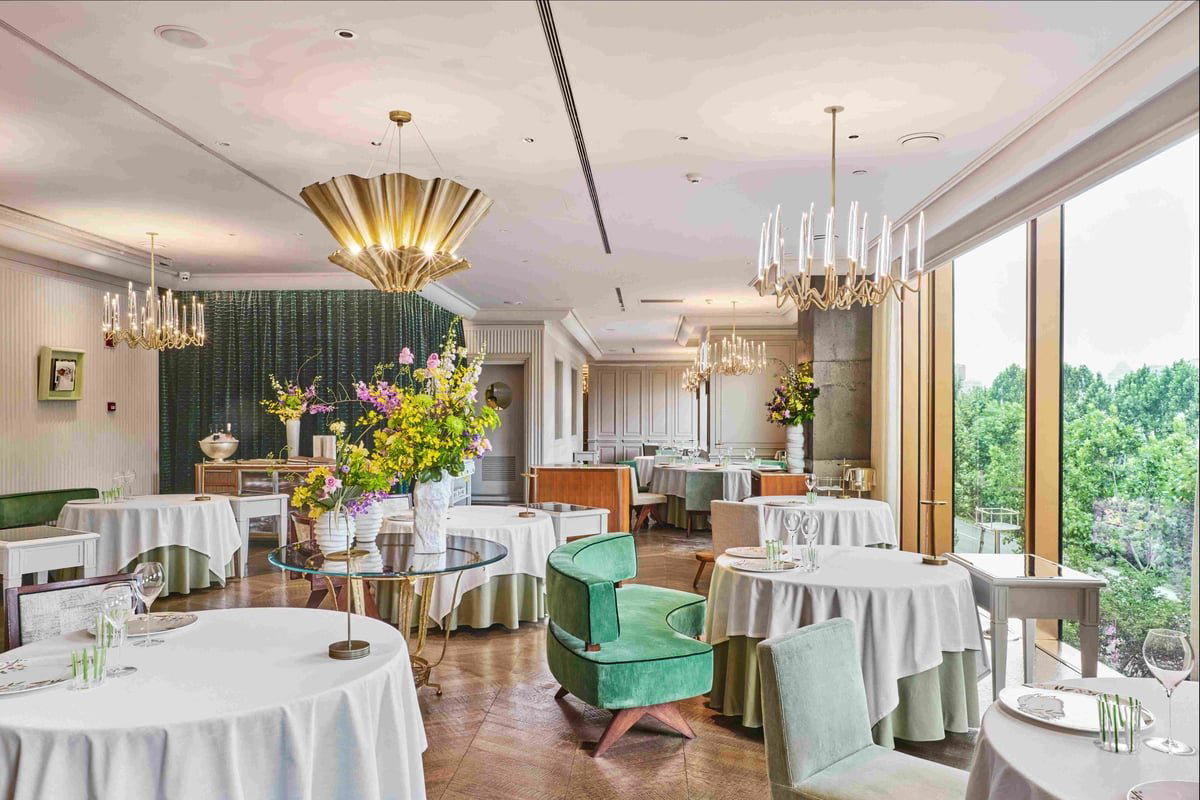
Italian Fine Dining in Shanghai: Where the Ritual Comes First
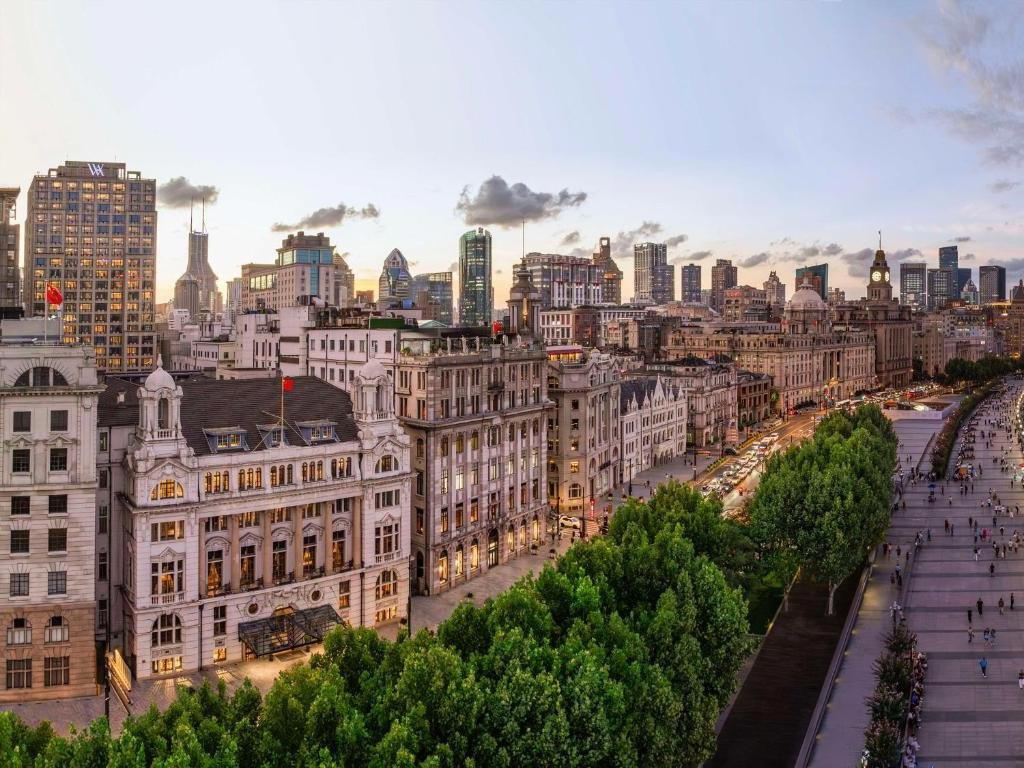
The Bund district has long functioned as Shanghai's proving ground for European fine dining imports. Colonial-era facades face the Huangpu River, and the buildings that line Zhongshan East First Road now contain some of the most formally operated restaurants in mainland China. It is a setting that demands a certain kind of meal — one with structure, pacing, and intent. Da Vittorio, operating from the third floor of the Waitanyuan complex at No. 600, arrives into that context carrying one of the more substantive Italian restaurant lineages in existence: the Cerea family's original Da Vittorio in Brusaporto, near Bergamo, holds three Michelin stars and has been in continuous family operation across generations.
That backstory matters here not as biography but as a signal about what the dining ritual at this address is likely to resemble. Restaurants that carry Michelin-starred lineage from Europe into Asia typically do so with a specific obligation: to maintain the pacing, the service grammar, and the culinary logic of the original. The meal is not abbreviated or adapted into a casual format. It runs long, it runs in courses, and it is designed to be read as a sequence rather than a selection.
The Architecture of the Meal
Italian fine dining at this level operates on a different internal rhythm than French haute cuisine or Japanese omakase. There is more latitude for the table to breathe between courses, more room for conversation, and a traditional expectation that pasta will arrive mid-sequence as a bridge between antipasti and secondi rather than as a peripheral addition. At the Brusaporto original, this structure has remained largely intact across decades, and the Shanghai address inherits that framework.
For diners more familiar with Shanghai's Chinese fine dining format — the family-style pacing of somewhere like 102 House or the meditative vegetarian sequencing at Fu He Hui , the shift to European coursework requires a different kind of attention. You are not orchestrating a shared table; you are moving through a predetermined arc. That distinction shapes everything from how you order to how long you stay.
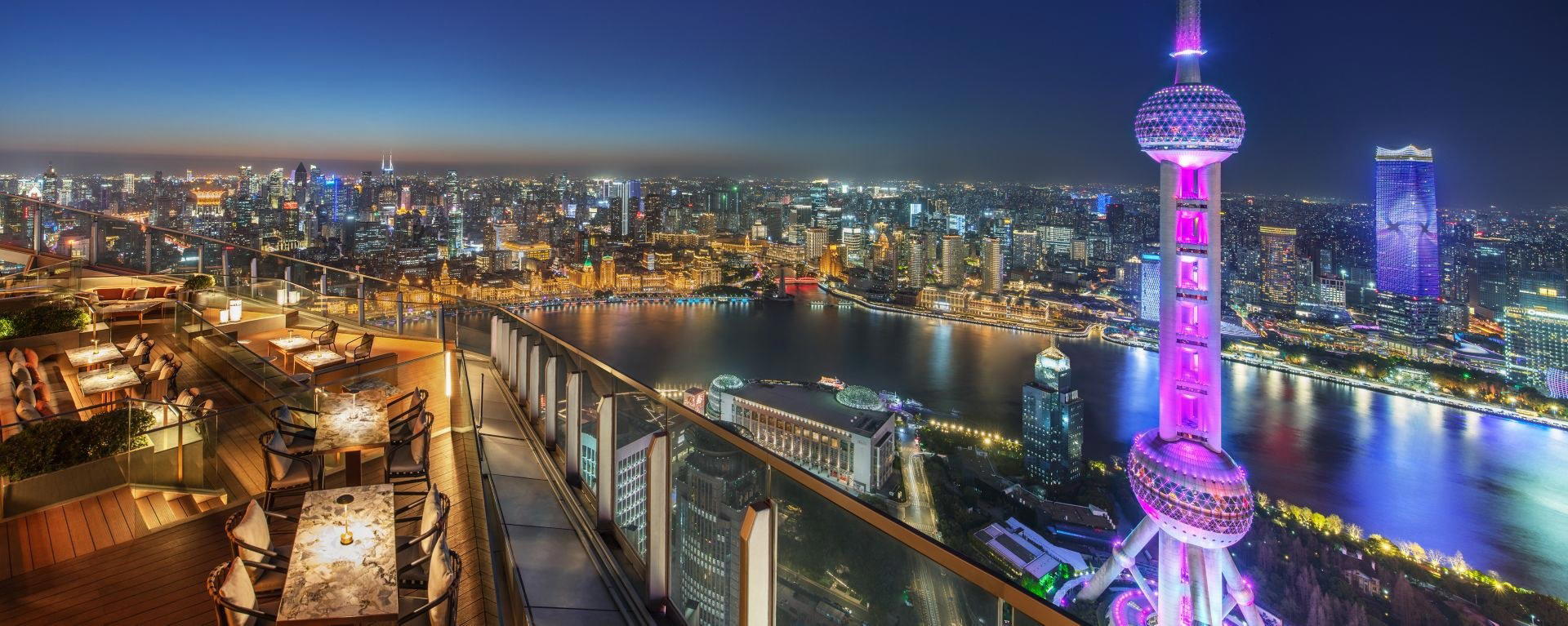
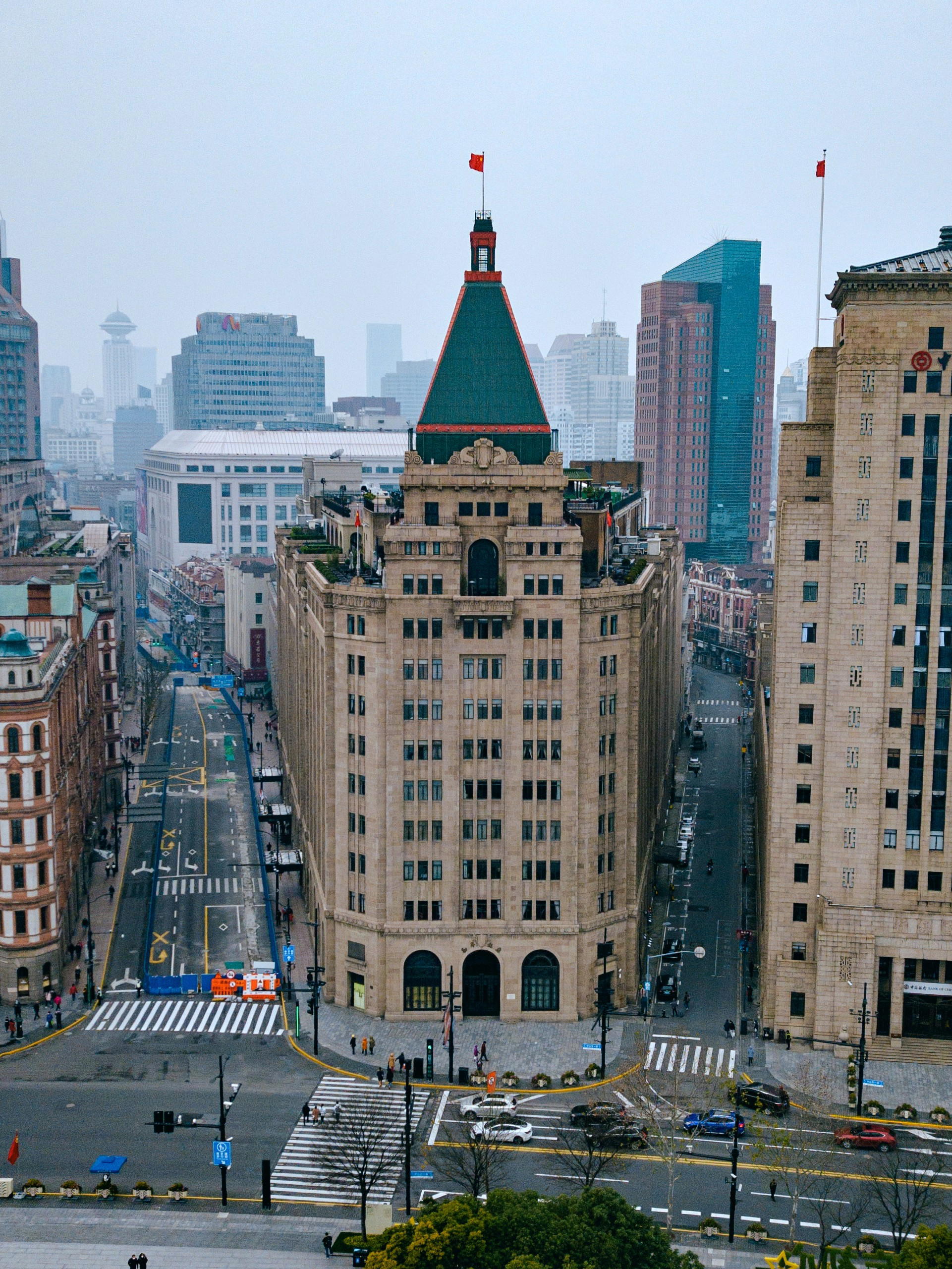
The Waitanyuan complex itself supports this kind of meal. It is a heritage-protected zone of restored early twentieth-century buildings set slightly back from the main Bund promenade, which means the approach is quieter than the riverside stretch. The third-floor positioning at N3 Building adds a degree of remove from street noise, a practical advantage for a dining format that benefits from relative calm.
Placing Da Vittorio in Shanghai's European Dining Tier
Shanghai's high-end Italian and European restaurant set is smaller than its Chinese fine dining tier but more internationally legible. 8½ Otto e Mezzo Bombana, which holds three Michelin stars in Hong Kong and has operated in Shanghai with consistent recognition, represents the benchmark against which Italian imports in the city are measured. Da Vittorio enters that comparison with its own European credentials and a brand identity that is distinct from Bombana's: where Bombana's Hong Kong flagship is chef-forward and Mediterranean in spirit, Da Vittorio is family-name-forward and specifically northern Italian.
The broader European category in Shanghai also includes Taian Table, which approaches modern European cooking from an innovative, tasting-menu-only position, and sits at the more experimental end of the spectrum. Da Vittorio occupies a more classical register. For diners considering the full range of serious European tables in the city, the choice between them is partly a question of culinary philosophy and partly a question of dining ritual preference.
The Bund Setting and What It Signals
Location on or near the Bund is a statement of positioning in Shanghai's restaurant hierarchy. The real estate is among the most expensive in the city, and the addresses that occupy it are self-selecting for a particular price tier and clientele. Internationally branded fine dining restaurants across Asia , from Chef Tam's Seasons in Macau to Imperial Treasure Fine Chinese Cuisine in Guangzhou , follow a similar logic: anchor in the city's most visible hospitality zone to signal seriousness before the first course arrives.
Waitanyuan specifically draws a clientele that is already oriented toward heritage and formality. The complex has attracted other high-end dining and cultural tenants, which means Da Vittorio's neighbours reinforce rather than dilute the register. Arriving for dinner here is not a casual detour; it is a planned event, and the environment is designed to make that legible from the entrance.
Planning Your Visit
The Waitanyuan complex is located at 600 Zhongshan East First Road in Huangpu District, with Da Vittorio on the third floor of the N3 Building. The address is within walking distance of the main Bund waterfront and accessible by metro via the Nanjing East Road station. Given the formal dining format and the profile of the restaurant's parent brand, booking in advance is advisable; walk-in availability at this category of restaurant in Shanghai is not reliable, and weekend evenings in particular fill ahead. Contact details for reservations are leading confirmed directly through the Waitanyuan complex or via current booking platforms, as specific phone and online booking information was not available at time of publication.
For comparison across Shanghai's dining spectrum, our full Shanghai restaurants guide maps the city's key tables by cuisine and price tier. Elsewhere in the region, readers planning broader itineraries may find useful reference points in Ru Yuan in Hangzhou, Pingjiangsong in Suzhou, and Xin Rong Ji on West Nanjing Road for a contrasting view of how Taizhou cuisine operates at a formal level. Those approaching the meal from a European fine dining perspective and curious about how comparable operators handle different cultural markets might also look at Le Bernardin in New York City for a point of reference in sustained European fine dining outside Europe.
A Pricing-First Comparison
A compact comparison to help you place this venue among nearby peers.
| Venue | Price | Awards | Notes |
|---|---|---|---|
| Da Vittorio | This venue | ||
| Fu He Hui | ¥¥¥¥ | Michelin 2 Star | Vegetarian, ¥¥¥¥ |
| Ming Court | ¥¥¥ | Michelin 1 Star | Cantonese, ¥¥¥ |
| Polux | ¥¥ | French, ¥¥ | |
| Royal China Club | ¥¥¥ | Chinese, Cantonese, ¥¥¥ | |
| Scarpetta | ¥¥¥ | Italian, ¥¥¥ |

At a Glance
- Elegant
- Sophisticated
- Intimate
- Modern
- Classic
- Special Occasion
- Date Night
- Business Dinner
- Celebration
- Private Dining
- Waterfront
- Hotel Restaurant
- Extensive Wine List
- Skyline
- Waterfront
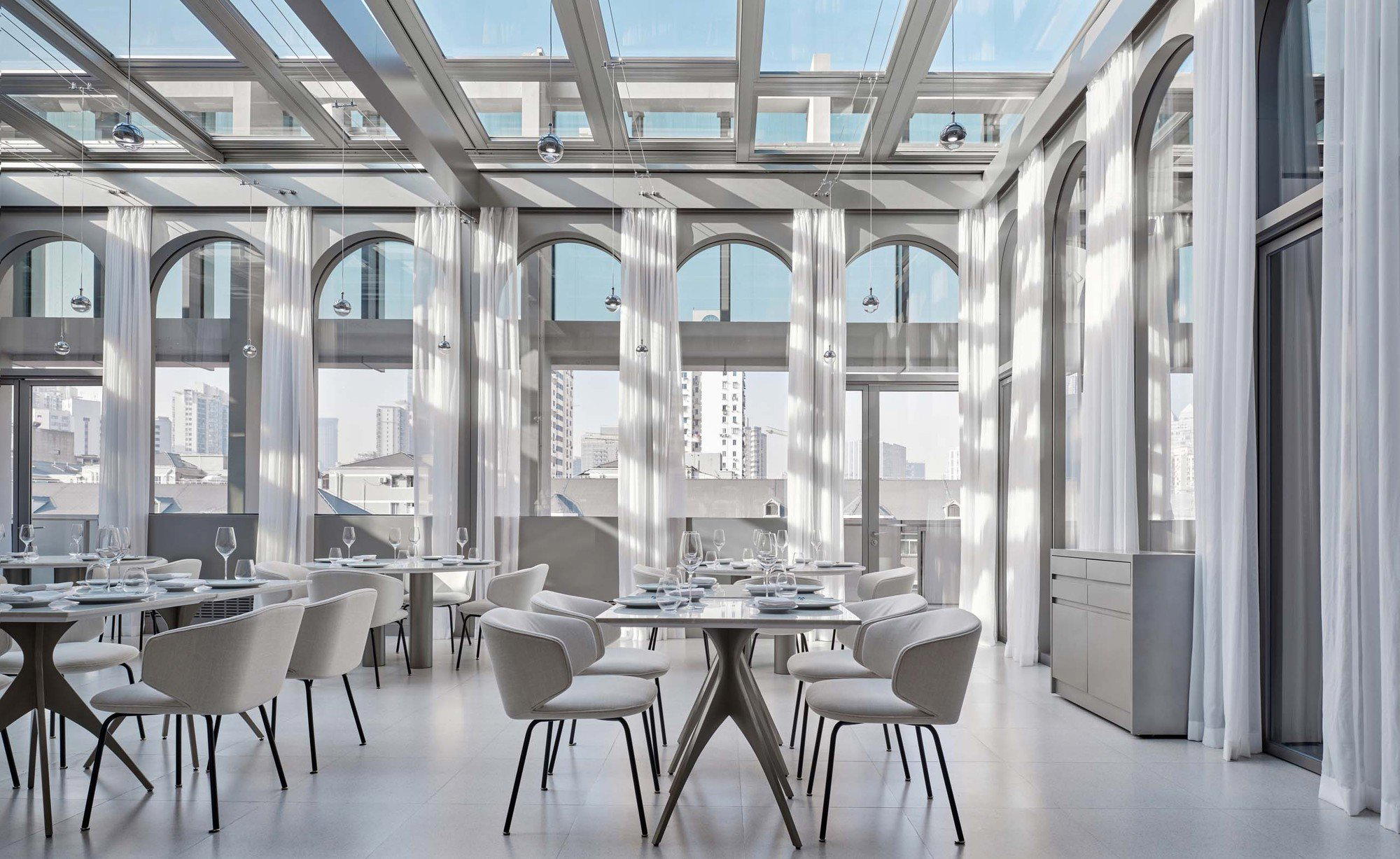
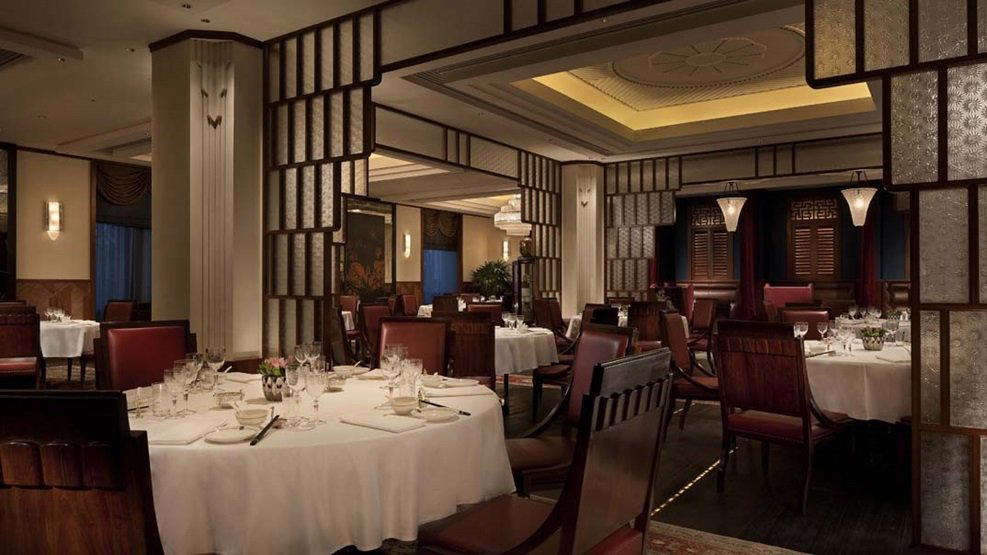
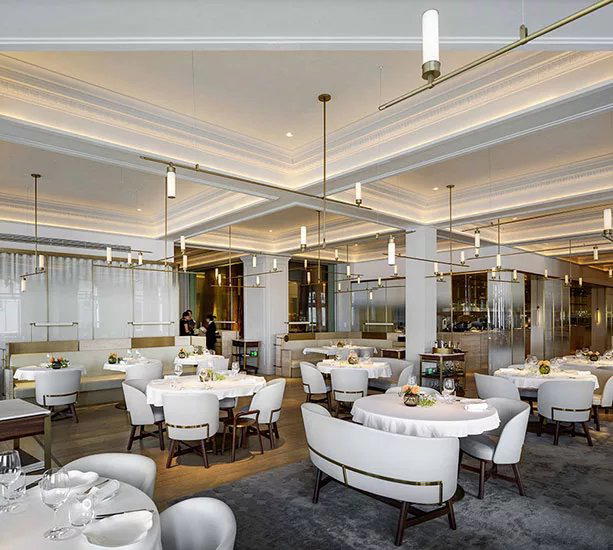
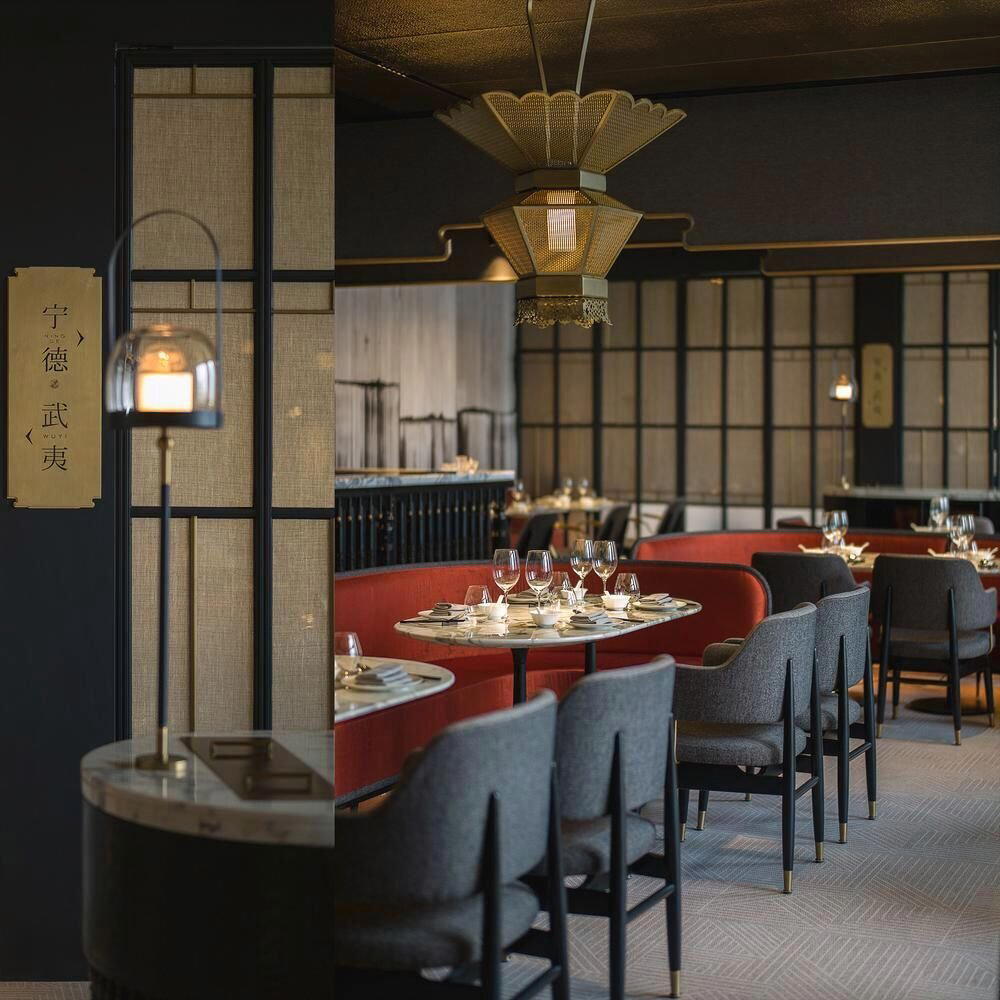
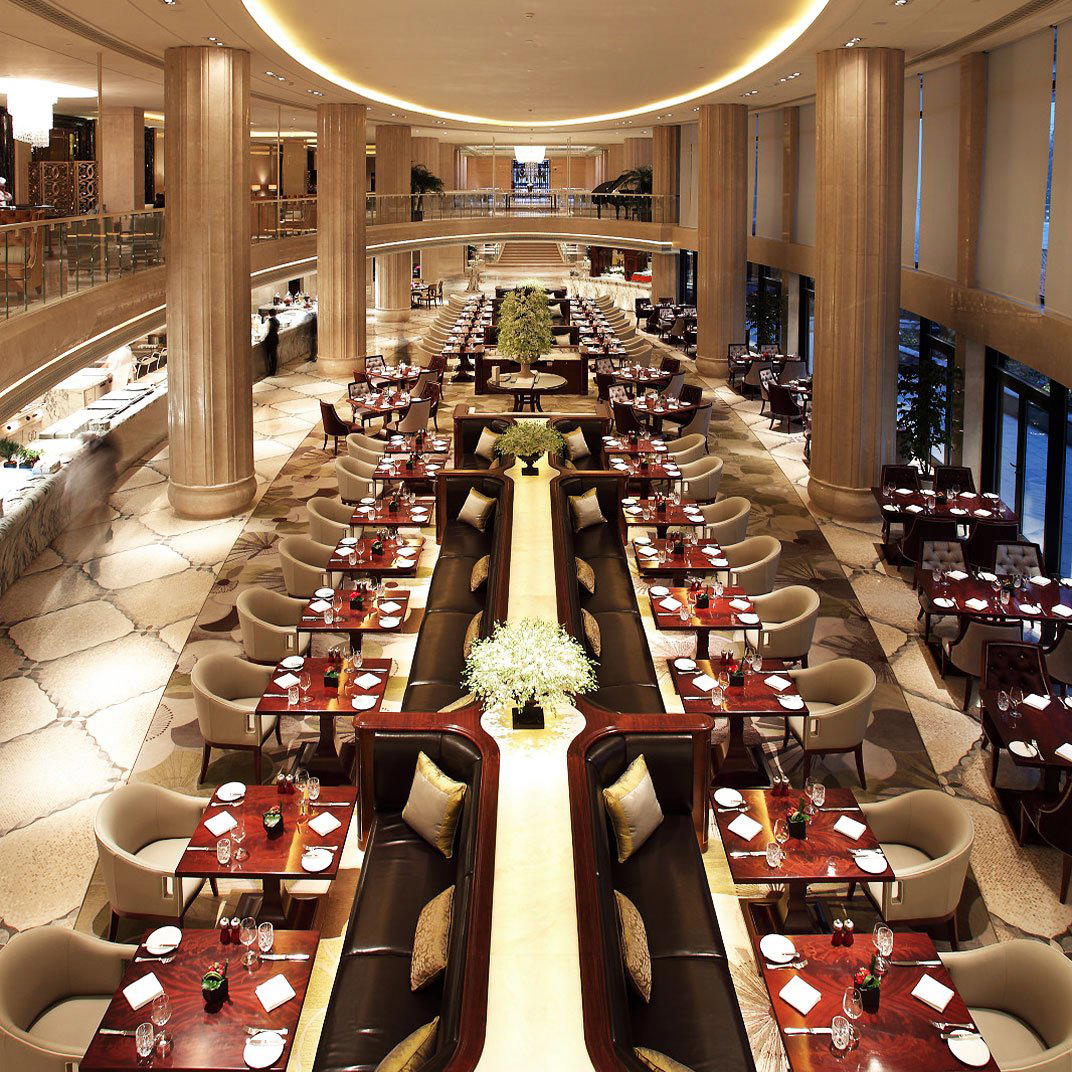
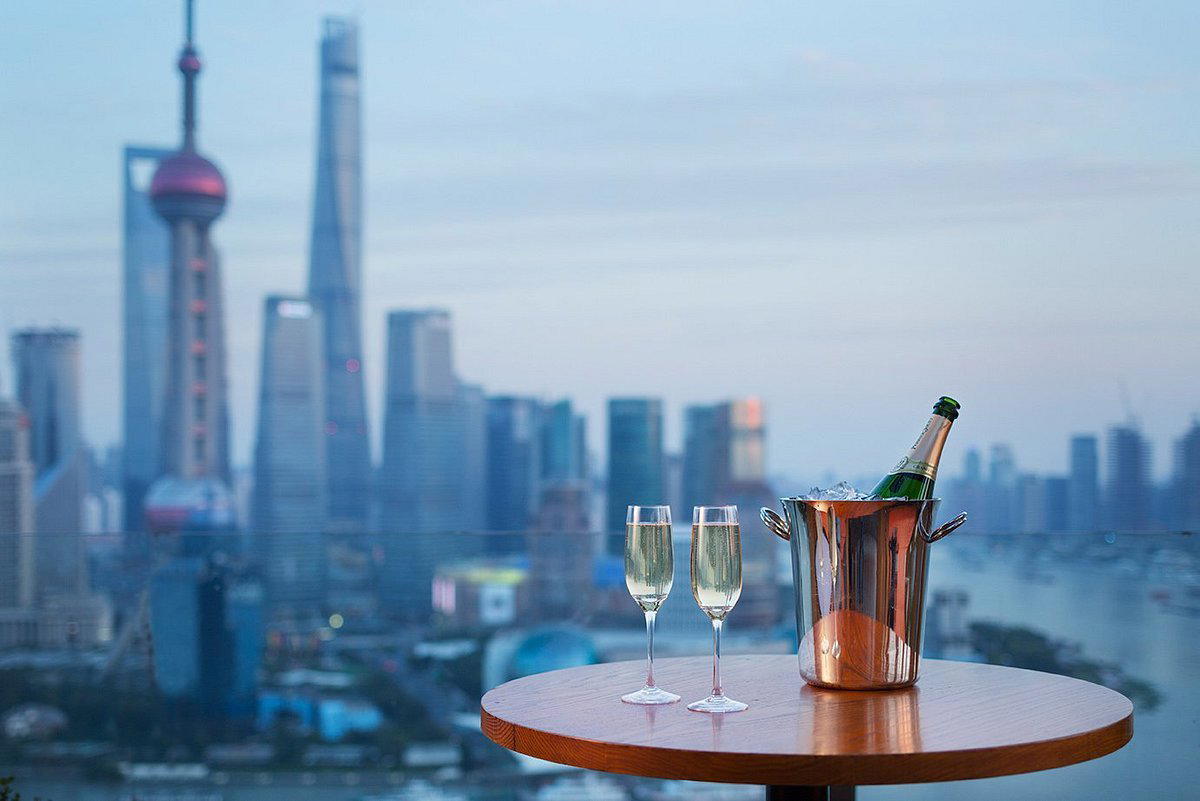
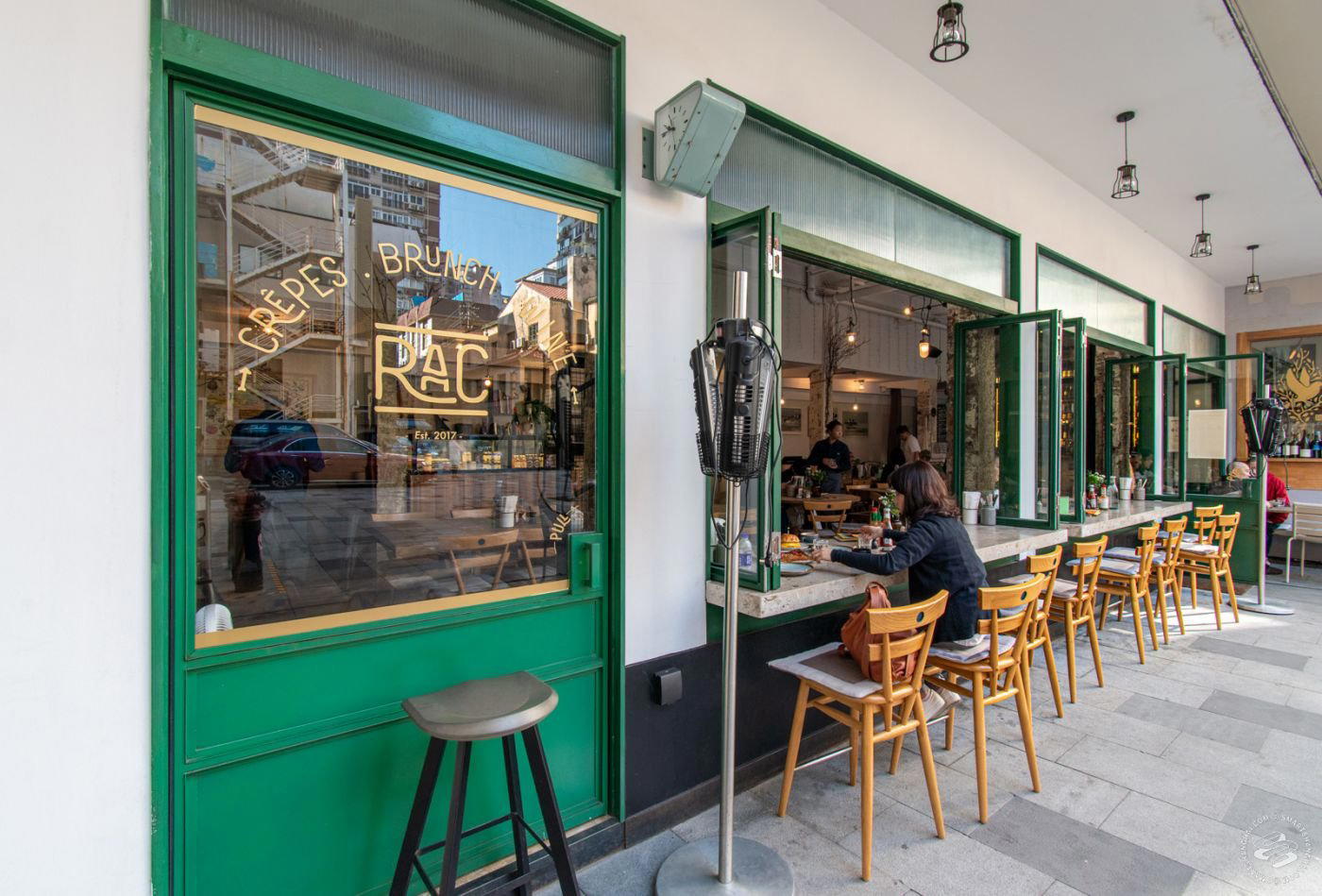
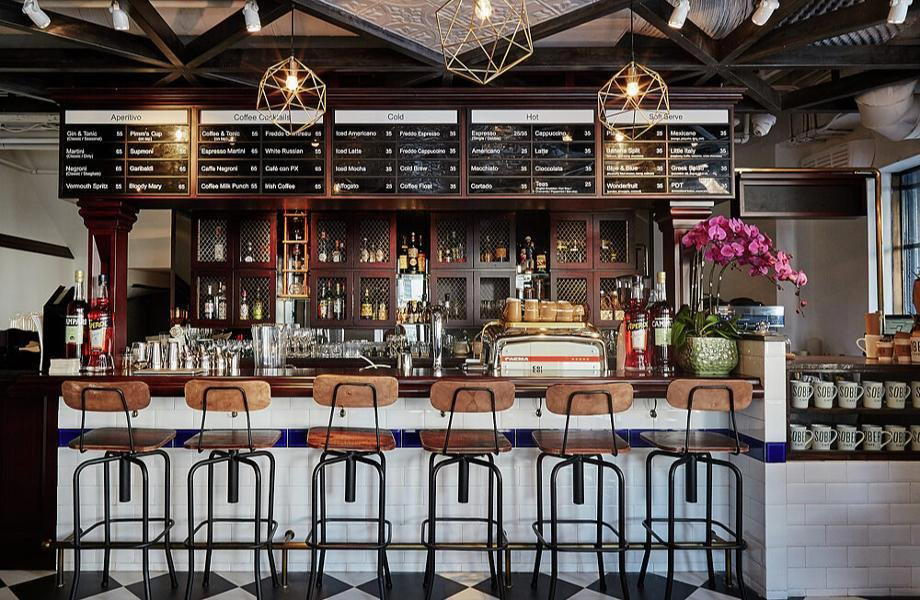
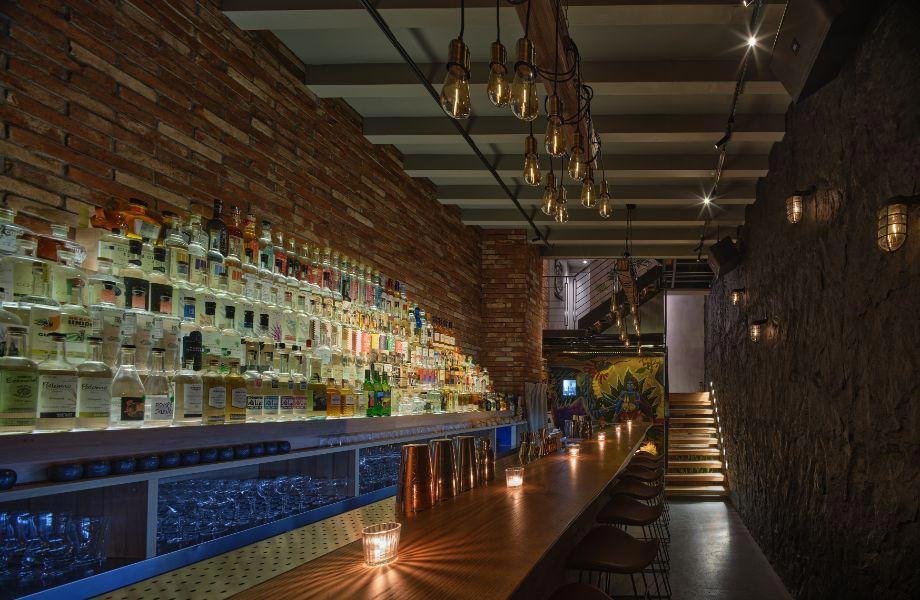
Elegant and intimate with mid-century modern aesthetics, crystal chandeliers, stained glass windows offering Bund views, and a sober, chic atmosphere.