
Kyoto’s ramen culture is often overshadowed by kaiseki, tofu, and temple-side sweets, but the city’s counter shops carry a different kind of discipline. Ginjo Ramen Kubota belongs to the compact, serious end of that scene: a 10-seat counter known for tsukemen and ramen, selected for Tabelog Ramen WEST “Tabelog 100” across multiple years through 2025.
Pearl is the En Primeur Club membership app — saves, bookings, and concierge access live there. Same editors, same standards.
- Address
- 563-2 Nishimatsuyacho, Shimogyo Ward, Kyoto, 600-8326, Japan
- Phone
- +81 75-351-3805
- Website
- kubota.base.shop
 Saves & bookings on Pearl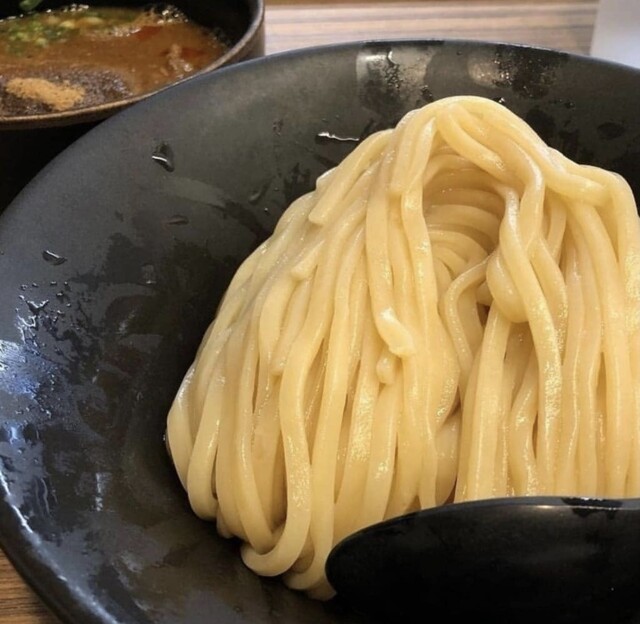
A serious Kyoto ramen counter has none of the ceremony tourists associate with the city: no garden prelude, hushed corridor, or lacquered private room. The signal is tighter: a small Shimogyo frontage, arrivals near meal times, and the compressed focus of a counter with the kitchen as its working center. In a city that can turn dining into choreography, ramen stays brisk, physical, and democratic.
Kyoto’s dining reputation is usually framed by kaiseki, shojin ryori, tea sweets, and polished hotel restaurants. Ramen cuts across that image. It belongs to students, office workers, rail travelers, and repeat locals who judge concentration, noodle texture, heat, and speed, not linen or view. Ginjo Ramen Kubota sits in that second Kyoto, built around stations, side streets, and compact counters rather than riverside terraces.
Kyoto's counter culture, read through tsukemen
Tsukemen changes ramen’s tempo. Instead of noodles submerged in broth, noodles and dipping soup arrive separately, exposing texture. The noodle must carry its own weight; the broth must cling without turning heavy; each bite is assembled by the diner. In Kyoto, where visitors often expect delicacy, a tsukemen counter is a useful correction: flavor can be direct without being careless.
Ginjo Ramen Kubota is categorized around tsukemen and ramen, and its recognition gives it measurable regional standing. Selection for Tabelog Ramen WEST “Tabelog 100” in 2025, with prior selections from 2019 through 2024, places it among a curated group of western Japan ramen shops, not just neighborhood lunch options. Its Tabelog score is 3.73, a useful signal in a category where small differences often reflect deep repeat dining and comparison shopping.
The room reinforces that seriousness. Ten counter seats make the meal close-range by design: production, service, and eating happen within a narrow band. Counter-only ramen removes slack: less lingering, less indecision, more pressure on timing. Kyoto has restaurants for extended evenings, from French-leaning rooms such as Abbesses and the more formal register of L'aparté to station-area meals at Kyōto Hyōto Kyōto Ekimae Honten. This counter is different: focused, quick, and built around the bowl.
For readers mapping Kyoto by appetite rather than sightseeing zones, the contrast helps. Shijo-Karasuma has casual density, including 3TOKU6MI Shijo karasuma ten; Kyoto Station pulls travelers who might also look at 551蓬莱; smaller contemporary rooms such as [ki:] show another side of the city’s informal dining intelligence. Ramen is the city’s practical counterpoint, not an afterthought.
The experience is compact, hot, and intentionally unsentimental
The sensory vocabulary is not tasting-menu luxury. It is steam, counter noise, bowls landing, noodles lifted, and the short pause before the next seat turns. A small ramen shop can reveal more than a grand dining room because the kitchen’s rhythm is exposed and the guest’s role is clear: choose, eat, yield the seat. In Japan, that economy is cultural as much as operational.
The pricing band, JPY 1,000 to JPY 1,999 for both lunch and dinner, keeps the experience accessible even with awards recognition. That matters in Kyoto, where the global profile has pushed many meals into reservation-led, higher-spend territory. This counter preserves another value equation: low spend, tight capacity, specialist focus. It is not casual for lack of ambition; it is casual because ramen at this level needs no dining room to announce itself.
Official description points to custom-made noodles from Menya Teigaku and a miso dipping-noodle focus, making tsukemen the smarter lens. The point is not novelty. Western Japan’s ramen field is crowded, and recognition tends to reward consistency over spectacle. A shop repeatedly selected for Tabelog’s Ramen WEST list must survive comparison by diners who know the difference between a bowl that photographs well and one that holds up across return visits.
There is Kyoto-specific pleasure in choosing ramen near Gojo. The area sits between transit logic and older residential grain, close enough to Kyoto Station for movement but removed from Higashiyama’s postcard pressure. It is useful between hotel check-in, temple routes, and late-afternoon fatigue. Travelers building a fuller plan can pair this counter meal with broader Kyoto restaurants, Kyoto hotels, Kyoto bars, Kyoto wineries, and Kyoto experiences.
How to fit it into a Kyoto eating day
Reservations are unavailable, which suits the category but changes planning. With 10 counter seats, timing matters more than desire. Lunch and dinner run in defined windows, and the counter rewards arriving with a simple plan rather than treating it like a flexible group dinner. Payment is cash-led in practice: credit cards, electronic money, and QR payments are not accepted. Parking is not provided, so this is a transit or walking meal, not a drive-up stop.
The Shimogyo address is within reach of Gojo Station and Kyoto Station, useful for travelers moving between central hotels and rail connections. Treat it as a focused ramen interval rather than the centerpiece of a night. That leaves room elsewhere for Kyoto’s older snack traditions, from aburi mochi at Aburi Mochi Honke Nemoto Kazariya to a different casual register at Hanhan, or for a more composed dinner later.
Against Japan’s wider casual dining map, this belongs to a national habit of specialization: small rooms, narrow menus, repeatable craft. The pattern connects Kyoto to everyday excellence elsewhere, whether beef in Kamakura at -Grilled beef Sukiyaki- KAMAKURA TANUKIAN 鎌倉 たぬき庵 in Kamakura, tuna and charcoal grilling at. 鮪と炭火焼き うお炭 秋葉原店 in Tokyo, cafe culture at.cafe in Osaka, Kumamoto dining at.know in Kumamoto, Vietnamese cooking at (Shoku) Vietnam in Kawasaki, curry specialization at [Curry Senmon Ten] Maruyama Kyoju. in Sapporo, or Japanese drinking-food culture translated abroad at Jōdo Saké Bar in Los Angeles and Onigiri Time in Pasadena.
The editorial case for Ginjo Ramen Kubota is not that every Kyoto visitor needs another checklist stop. It is that the city’s food culture is incomplete without at least one meal where craft is compressed into a bowl, a counter seat, and a short wait. For a traveler who has booked the temples and polished dinners, this is the corrective: Kyoto without performance, served hot and quickly.
How It Stacks Up
Comparable venues for orientation by cuisine and category.
| Venue | Cuisine | Price | Notes |
|---|---|---|---|
| Ginjo Ramen KubotaThis venue — the venue you are viewing | Miso Tsukemen & Ramen Shop | $ | Not listed |
| Kaidashi Men Kitada | Shellfish Ramen | $ | Shimogyō |
| Menya Yuko | Japanese Ramen | $ | Nakagyō |
| Men Dokoro Toritani | Kyoto chicken ramen | $ | Ukyō |
| Kono Hana | Traditional Japanese sweets & cafe near Kitano Tenmangu | $ | Kamigyō |
| Chuka Soba Takayasu | Kyoto tonkotsu ramen shop | $ | Sakyō |
Recognition history
Dated appearances from independent guides and award organizations, with the underlying list record or original source where available.
Tabelog 100 #10 · No. 10
Tabelog · Tabelog 100 - Ramen - WEST - 2025
Continue exploring
More in Kyoto
Restaurants in Kyoto
Browse all →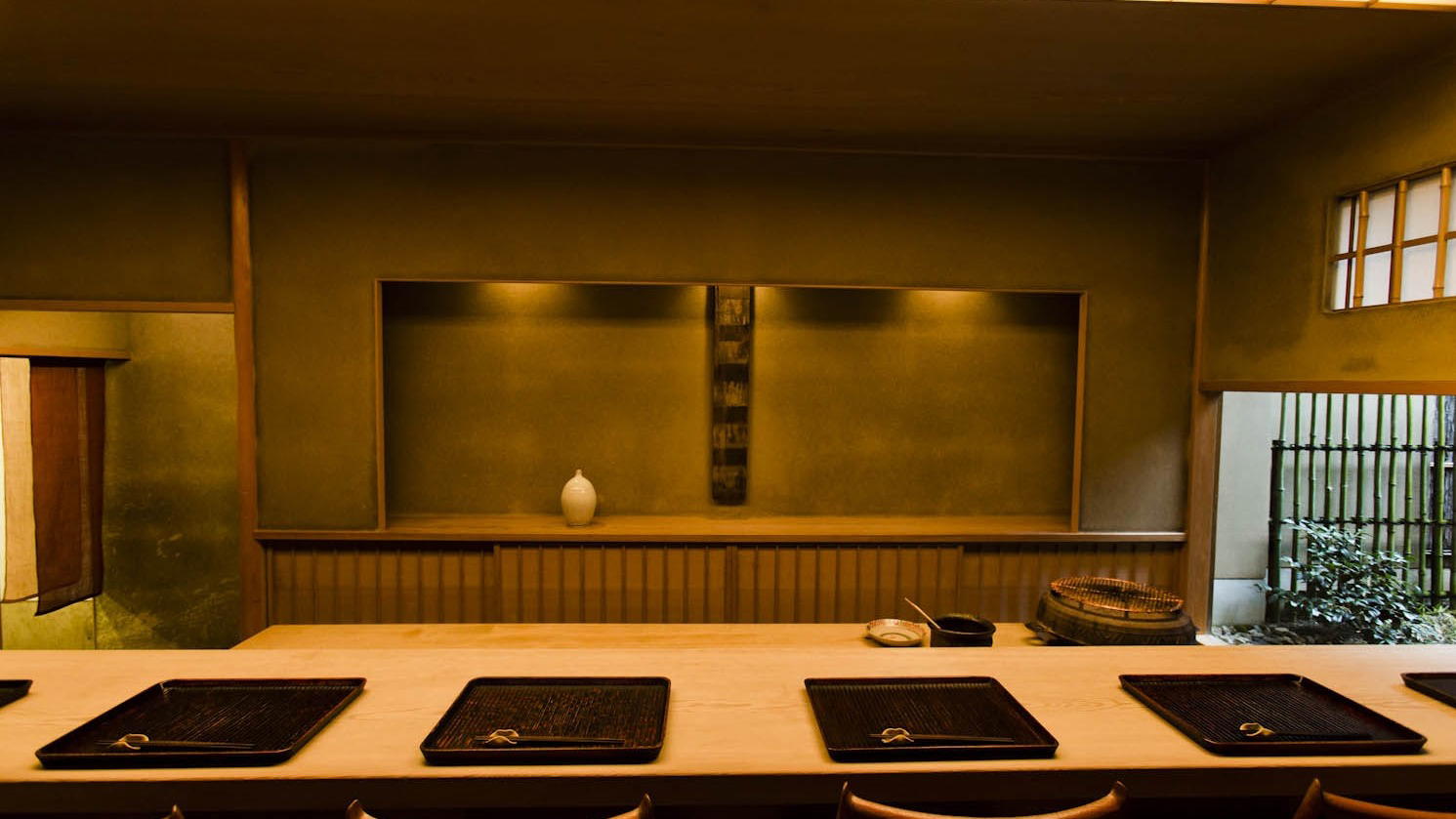
Bars in Kyoto
Browse all →
Hotels in Kyoto
Browse all →
Wineries in Kyoto
Browse all →
At a Glance
- Lively
- Cozy
- Solo
- Casual Hangout
- After Work
- Standalone
Current opening hours
- Monday
- 11 AM–2:30 PM, 6–10 PM
- Tuesday
- 11 AM–2:30 PM, 6–10 PM
- Wednesday
- 11 AM–2:30 PM, 6–10 PM
- Thursday
- 11 AM–2:30 PM, 6–10 PM
- Friday
- 11 AM–2:30 PM, 6–10 PM
- Saturday
- 11 AM–2:30 PM, 6–10 PM
- Sunday
- 11 AM–2:30 PM, 6–10 PM
Hours can change for holidays and private events. Last verified .
A compact, popular ramen shop near Gojo Station with a casual counter-style feel that fills up quickly at lunch, creating a bustling but welcoming atmosphere.