
Kono Hana belongs to Kyoto’s disciplined sweets-cafe tradition, where a pause for wagashi or kakigori can carry the same ritual weight as a formal meal. Its Tabelog 100 selection for Japanese traditional sweets and sweets cafes in West Japan places it in a serious regional conversation rather than a casual snack stop.
Pearl is the En Primeur Club membership app — saves, bookings, and concierge access live there. Same editors, same standards.
- Address
- Japan, 〒602-8386 Kyoto, Kamigyo Ward, Bakurocho, 898 北野天満宮 南門 横
- Phone
- +81 75-461-6687
- Website
- wa-konohana.jp
 Saves & bookings on Pearl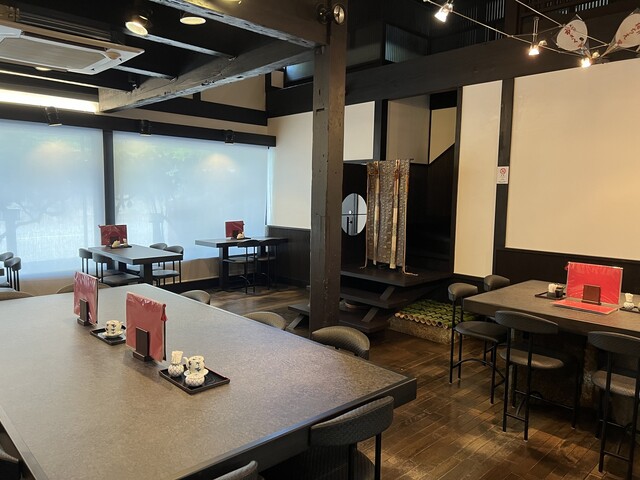
Approaching the south gate of Kitano Tenmangu, the mood shifts from Kyoto sightseeing into something more local and slower: shrine traffic, small storefronts, and the city’s habit of treating sweets as a proper stop rather than an afterthought. In this part of Kamigyo, the dining ritual is not built around a long tasting menu or a chef’s counter. It is built around timing, restraint, and the Japanese idea that a short break can still have form.
That matters in Kyoto, where wagashi and sweet-cafe culture sit close to temple visits, tea practice, and neighborhood errands. The category can look modest from the outside, but the better addresses are judged with the same seriousness applied elsewhere in the city’s food culture: texture, seasonality, serving temperature, and pacing. Kono Hana’s selection for the 2023 Tabelog 100 list for Japanese traditional sweets and Japanese sweets cafes in West Japan puts it inside that more exacting tier.
Kyoto sweets as a ritual, not a snack
Kyoto’s sweet-cafe tradition rewards patience. A visitor moving from lunch to dinner may treat kakigori or wagashi as a bridge, but locally the pause has its own etiquette: arrive with time, avoid turning the table into a checklist, and let the format decide the pace. The point is not abundance. It is calibration.
Within that frame, Kono Hana works as part of a broader Kyoto pattern: specialized places near shrines and old commercial streets that function as small cultural intervals. The categories attached to the shop, Japanese sweets cafe, kakigori, and Japanese cuisine, point to a hybrid space rather than a Western dessert counter. That distinction is useful. In Kyoto, sweets can belong to tea culture, seasonal observance, and neighborhood dining at once.
Comparison helps define the lane. Castella do Paulo operates at a higher listed spend, while Awamochidokoro Sawaya sits in a leaner price band; Cricket shares a similar casual-sweets bracket. Ito Sen moves into a more expensive range. Kono Hana occupies the accessible middle of that field while carrying a Tabelog sweets recognition, which is the combination that makes the address interesting for travelers who usually spend their Kyoto dining energy on kaiseki, sushi, or counter tempura.
The Kitano Tenmangu context changes the meal
Location matters in Kyoto more than many visitors allow. A sweets stop beside Kitano Tenmangu reads differently from one in a department-store basement or a central shopping arcade. The shrine setting gives the meal a built-in rhythm: approach, pause, sit, continue. This is a city where food often works in sequence with a walk, a gate, a garden, or a market street, and the strongest small meals understand that they are part of a wider day.
The house-restaurant setting also pulls the experience away from high-design dessert rooms. That is a useful corrective in a city increasingly crowded with photogenic formats. The serious sweet shops do not need theatrical plating to make their case. They rely on familiarity with the category and the confidence to keep the occasion compact.
There is also a practical cultural point here: Kyoto rewards earlier, slower movement. Sweets cafes attached to shrine districts tend to fit daylight itineraries better than late dining plans, and the custom is closer to a measured afternoon stop than a post-dinner dessert run. For travelers building a food day, this is where the city’s hierarchy becomes clearer. Not every meaningful meal is expensive, formal, or alcoholic.
How to read its place in Kyoto's dining map
Kono Hana should be understood as a specialist stop within Kyoto’s broader restaurant culture, not as a substitute for a full evening meal. That distinction protects expectations. The reason to go is the ritual of Japanese sweets in a shrine-side neighborhood, backed by a regional Tabelog 100 selection, not a chef-driven narrative or a luxury-service format.
For a wider Kyoto itinerary, it pairs conceptually with the city’s other tightly defined formats: ingredient-led counters, old confectionery houses, compact cafes, and restaurants whose appeal depends on neighborhood fit as much as menu ambition. Readers mapping the city can compare adjacent dining decisions through Our full Kyoto restaurants guide, then widen the trip with Our full Kyoto hotels guide, Our full Kyoto bars guide, Our full Kyoto wineries guide, and Our full Kyoto experiences guide.
Within the city’s restaurant index, nearby and contrasting references show how varied Kyoto’s casual and specialist dining can be: 3TOKU6MI Shijo karasuma ten, 551蓬莱, [ki:], Abbesses, and Aburi Mochi Honke Nemoto Kazariya. The broader Japan and overseas archive gives useful contrast in format and city rhythm, from -Grilled beef Sukiyaki- KAMAKURA TANUKIAN 鎌倉 たぬき庵 in Kamakura and. 鮪と炭火焼き うお炭 秋葉原店 in Tokyo to.cafe in Osaka,.know in Kumamoto, (Shoku) Vietnam in Kawasaki, [Curry Senmon Ten] Maruyama Kyoju. in Sapporo, Jōdo Saké Bar in Los Angeles, and Onigiri Time in Pasadena.
The editorial read is simple: this is a small-format Kyoto sweets address with enough recognition to justify planning around it, but its appeal depends on respecting the category. Treat it as a calibrated pause in the Kitano Tenmangu area, not as dessert tacked onto another meal, and the logic of the place becomes much clearer.
Cuisine and Credentials
Comparable venues at a glance for context.
| Venue | Cuisine | Price | Awards | Notes |
|---|---|---|---|---|
| Kono HanaThis venue — the venue you are viewing | Traditional Japanese sweets & cafe near Kitano Tenmangu | $ | , | |
| Kyoto Kuriya | Traditional Kyoto wagashi and chestnut sweets | $ | , | Nakagyō |
| Okonomiyaki Yoshino | Traditional Okonomiyaki & Teppanyaki | $ | , | Higashiyama |
| Menya Sanda | Kyoto chicken paitan ramen & tsukemen | $ | , | Ukyō |
| Saruya | Traditional Japanese sweets & tea | $ | , | Sakyō |
| Rokuyosha Coffee Ten | Traditional Japanese kissaten & coffee shop | $ | , | Nakagyō |
Continue exploring
More in Kyoto
Restaurants in Kyoto
Browse all →

Bars in Kyoto
Browse all →


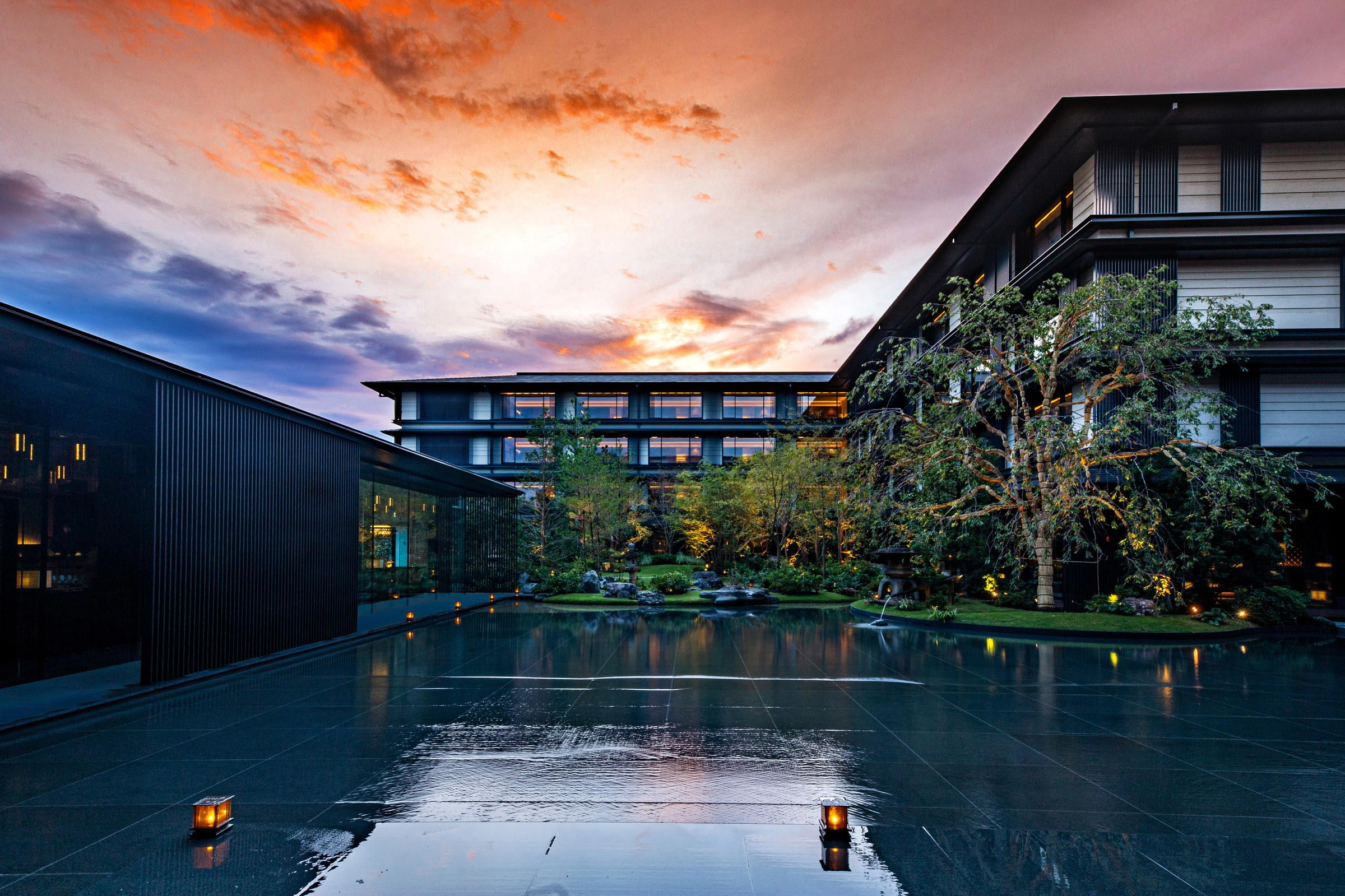
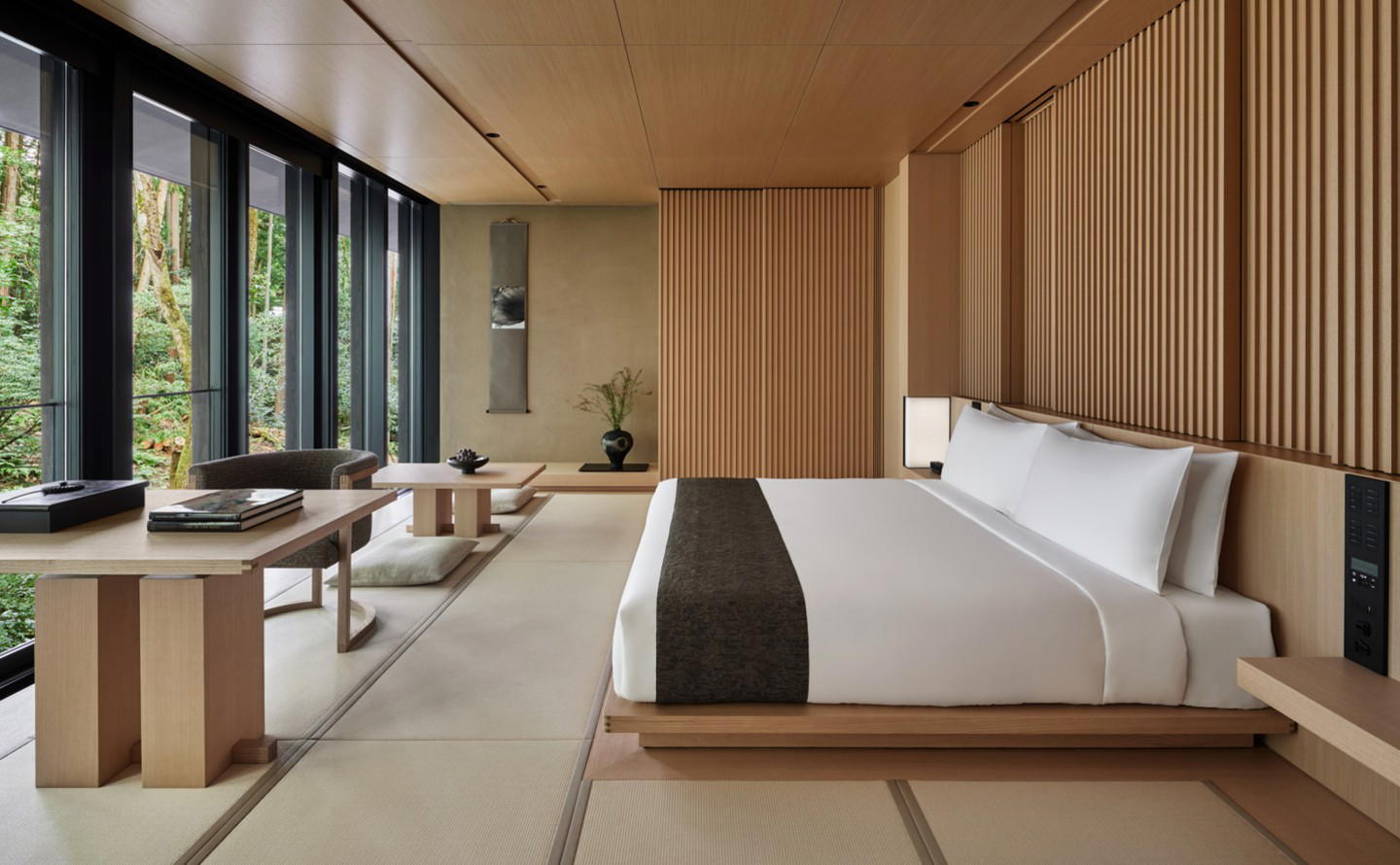
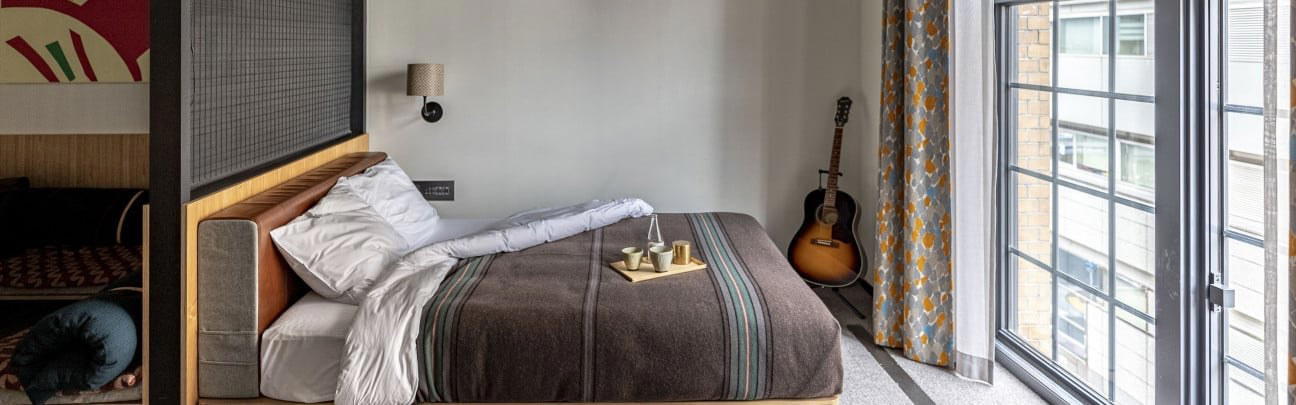
Hotels in Kyoto
Browse all →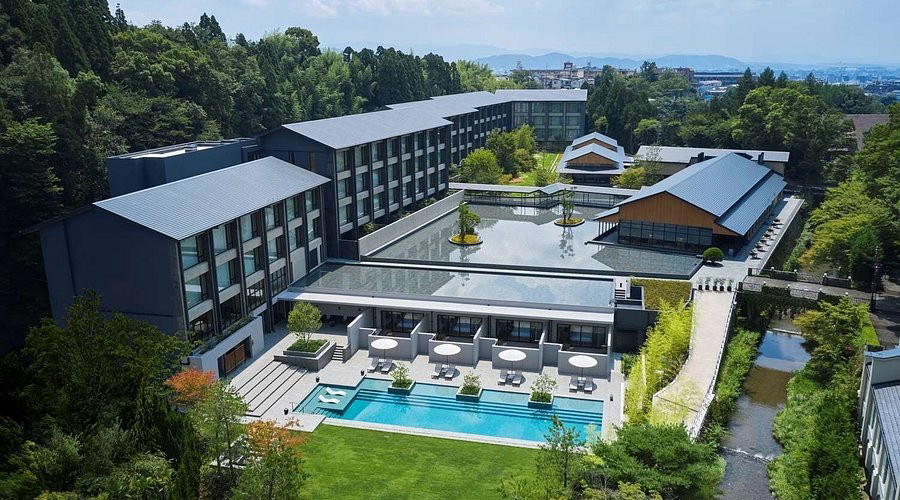
Wineries in Kyoto
Browse all →
At a Glance
- Quiet
- Cozy
- Classic
- Hidden Gem
- Solo
- Family
- Casual Hangout
- Brunch
- Standalone
- Historic Building
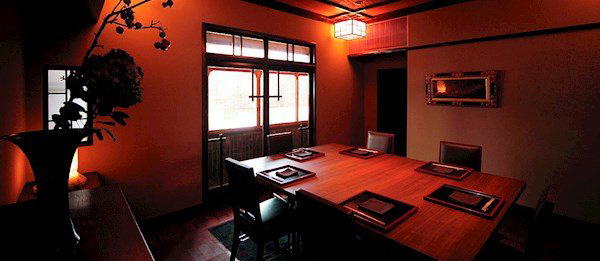
Homey and calm Japanese-style house restaurant with tatami-like warmth and simple decor, offering a quiet atmosphere to rest, have tea, and enjoy traditional sweets away from the crowds around Kitano Tenmangu.