
Chuka Soba Takayasu gives Kyoto ramen a low-cost, high-recognition counterpoint to the city’s temple-side dining image. The Ichijoji shop is listed in Tabelog Ramen WEST “Tabelog 100” 2025, with a pork-and-chicken white soup simmered for 22 hours, ramen and kara-age as the core format, and a casual setting that suits quick, focused eating rather than ceremonial dining.
Pearl is the En Primeur Club membership app — saves, bookings, and concierge access live there. Same editors, same standards.
- Address
- 10 Ichijoji Takatsukicho, Sakyo Ward, Kyoto, 606-8185, Japan
- Phone
- +81 75-721-4878
- Website
- takayasuramen.com
 Saves & bookings on Pearl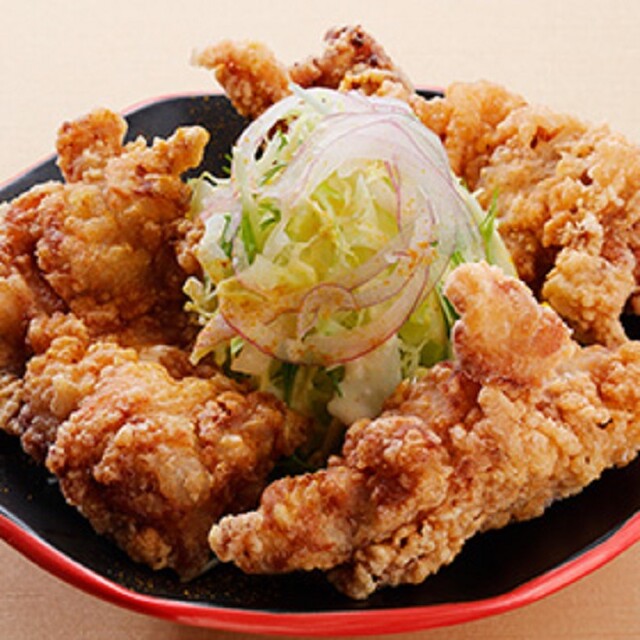
Ichijoji ramen is not Kyoto’s postcard dinner. The district trades kaiseki hush for steam, queue discipline, counter turnover, and the blunt economics of bowls built for repeat local use. In that setting, Chuka Soba Takayasu belongs to the practical school: ramen first, kara-age close behind, and a white soup valued less for theatre than for extraction, adhesion, and the loyalty a shop earns in a crowded noodle corridor.
Kyoto’s restaurant identity is often read through refinement: tea rooms, river-season menus, tofu near temples, and counter kappo with seasonal vocabulary. Ichijoji works differently. North-east of the central shopping grids, it has long been a ramen cluster where price, intensity, and late-day appetite matter. Nearby comparison points include Jukou Gundan, Ramen Jiro Kyoto ten, and GOKKEI Ichijouji honten, all operating where ramen is judged by repeatability rather than ceremony. Chuka Soba Takayasu sits in that field with a Tabelog score of 3.70 and selection for Tabelog Ramen WEST “Tabelog 100” 2025, signaling that it is measured against western Japan’s ramen specialists rather than Kyoto’s formal dining rooms.
A white soup built around extraction, not ornament
The defining idea is a milky white soup made from pork and chicken, simmered for 22 hours. That matters because ramen shops in this style are not simply seasoning broth; they are engineering body. Long simmering pulls collagen and fat into suspension, creating the coating texture that gives a bowl weight. The shop’s own framing points to specially crafted noodles adjusted for soup adhesion, a technical choice rather than a decorative one. In lighter shoyu ramen, clarity and aromatic lift may carry the bowl. Here, the test is whether noodle, broth, and topping rhythm stay coherent through the final mouthful.
Kara-age is part of the grammar, not a side-note. Across Japan, ramen-and-fried-chicken pairings work because they answer two appetites at once: broth supplies salt, fat, and heat; fried chicken adds crunch and a second protein register. Chuka Soba Takayasu is categorized for both ramen and kara-age, placing it closer to an everyday meal shop than a noodle counter built only for tasting-menu-style concentration. That distinction helps travelers. Kyoto has many meals that ask for advance planning, silence, and a long evening. Ichijoji ramen rewards another attention: watch how the bowl is constructed, eat while the noodles hold texture, and let the room move at its own pace.
The sourcing angle is not luxury ingredients but what the kitchen extracts from ordinary, familiar ones. Pork, chicken, eggs, noodles, and fried chicken sit in the everyday Japanese pantry, yet ramen culture turns them into a ranking system of craft. A 22-hour soup is labor expressed as texture. Noodles adjusted for adhesion show attention to contact between starch and broth. A named house ajitama, Kinsei Ajitama, signals egg texture as part of the bowl’s architecture rather than a casual add-on.
Ichijoji's ramen culture gives Kyoto a different register
For visitors mapping Kyoto through meals, this is the counterweight to reservation-led dining. The city’s formal restaurants often rely on seasonality, chef sequence, and a controlled room. Ichijoji ramen runs on concentration and speed. That does not make it lesser; it makes it a separate language. In the same trip, a traveler might read central Kyoto through 3TOKU6MI Shijo karasuma ten, [ki:], or Abbesses, then understand another side of the city through a ramen district where the meal is compact, direct, and democratic.
The neighborhood context explains why recognition from Tabelog’s ramen list carries weight. Michelin-style fine dining awards tend to reward service format, wine programs, and composed progression. Tabelog’s Hyakumeiten ramen selections are closer to a specialist map of where Japanese diners return for a category. Inclusion in the 2025 WEST ramen list places the shop inside a regional conversation including Osaka, Kyoto, Hyogo, and other western-Japan ramen markets. For a bowl priced in the sub-¥1,000 bracket, that recognition is a sharper signal than grand dining language.
Kyoto’s casual food map is broader than noodles, and the contrast is useful. 551蓬莱 speaks to Kansai’s takeout-and-steam culture; Aburi Mochi Honke Nemoto Kazariya anchors an older shrine-side sweet tradition. Ramen in Ichijoji is newer in tone but just as revealing: it shows how Kyoto eats when it is not performing Kyoto for visitors. For broader planning, keep Our full Kyoto restaurants guide close, then layer in Our full Kyoto hotels guide, Our full Kyoto bars guide, Our full Kyoto wineries guide, and Our full Kyoto experiences guide if the trip extends beyond the table.
How to read the meal without overcomplicating it
The room is built for a ramen decision, not a lingering tasting format. There are counter seats and a small number of tables, with a no-smoking policy and a family-friendly stance. Reservations are unavailable, which suits the category: ramen queues are part logistics, part appetite management. Treat the meal as a focused stop rather than the anchor of an entire evening.
For ordering, the editorial move is simple: start with the bowl that expresses the pork-and-chicken white soup, then consider kara-age if appetite allows. This is not a restaurant to burden with luxury expectations. Its value lies in compression: a recognized ramen shop, a defined broth identity, and a format that lets Kyoto feel less curated. In a city where travelers often over-schedule meals, that directness has real utility.
Readers building a wider Japan food itinerary can use this as a contrast point. Ramen in Kyoto sits far from beef-led special-occasion dining such as -Grilled beef Sukiyaki- KAMAKURA TANUKIAN 鎌倉 たぬき庵 in Kamakura, seafood-and-charcoal formats like. 鮪と炭火焼き うお炭 秋葉原店 in Tokyo, café culture at.cafe in Osaka, regional dining such as.know in Kumamoto, Vietnamese cooking at (Shoku) Vietnam in Kawasaki, and curry specialization at [Curry Senmon Ten] Maruyama Kyoju. in Sapporo. Abroad, Japanese casual-food formats continue in different keys at Jōdo Saké Bar in Los Angeles and Onigiri Time in Pasadena. The common thread is not luxury; it is specialization, and the restaurant is strongest when read through that lens.
At-a-Glance Comparison
Comparable options at the same price tier.
| Venue | Cuisine | Price | Notes |
|---|---|---|---|
| Chuka Soba TakayasuThis venue — the venue you are viewing | Kyoto tonkotsu ramen shop | $ | Not listed |
| Daigokuden Honpo Rokkaku ten | Japanese Sweets Cafe | $ | Nakagyō |
| Wajo Ryo Men Sugari | Kyoto ramen and tsukemen specializing in motsu (offal) | $ | Nakagyō |
| Seabura no Kami Mibu honten | Back-fat niboshi ramen | $ | Nakagyō |
| Onkashi Tsukasa Shioyoshiken | Traditional Kyoto Wagashi (Japanese confectionery) | $ | Kamigyō |
| Kissa Tirol | Classic Kyoto kissaten & yoshoku cafe | $ | Nakagyō |
Recognition history
Dated appearances from independent guides and award organizations, with the underlying list record or original source where available.
Tabelog 100 #7 · No. 7
Tabelog · Tabelog 100 - Ramen - WEST - 2025
Continue exploring
More in Kyoto
Restaurants in Kyoto
Browse all →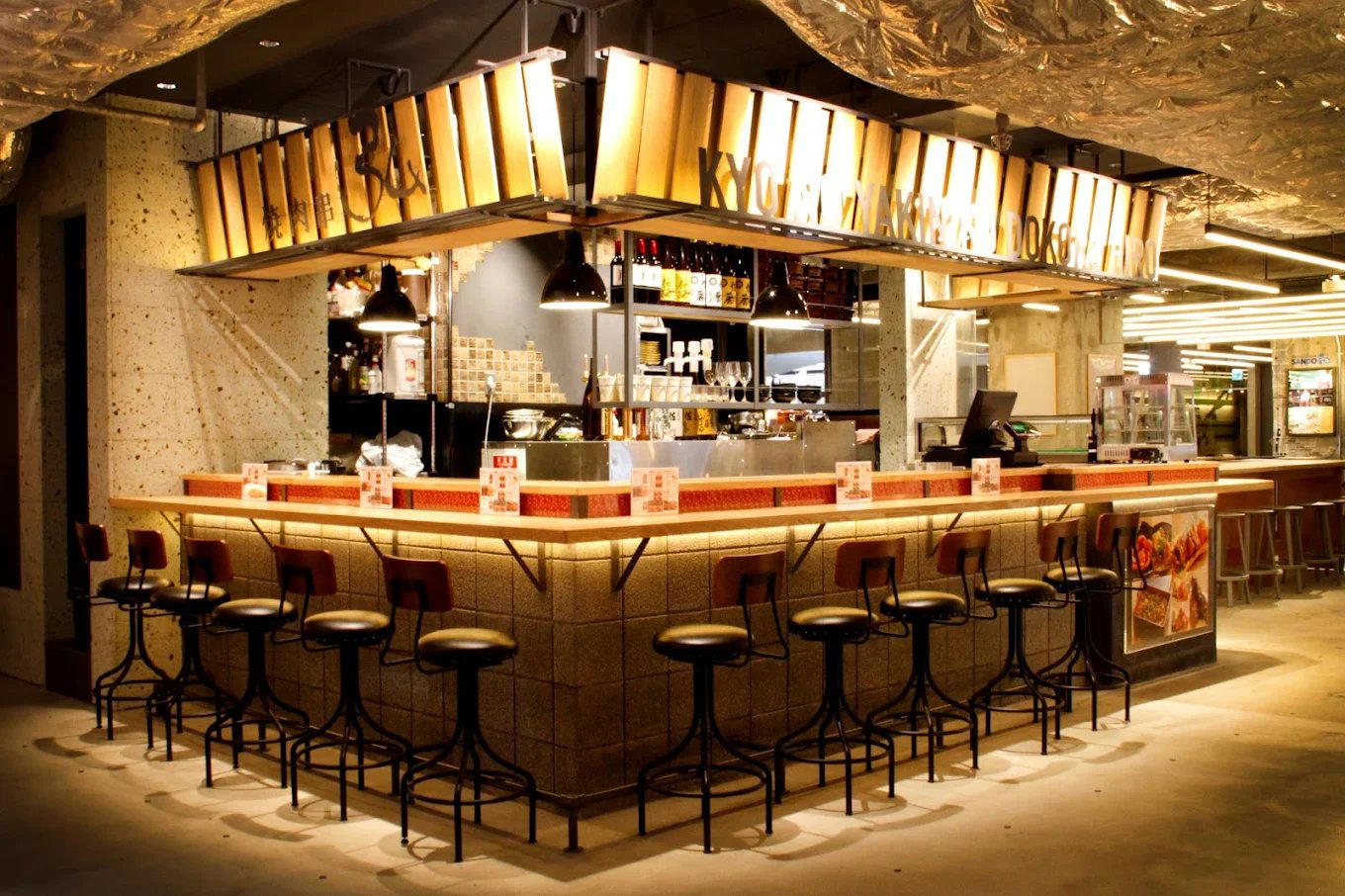
Bars in Kyoto
Browse all →
Hotels in Kyoto
Browse all →
Wineries in Kyoto
Browse all →
At a Glance
- Lively
- Cozy
- Well Known
- Solo
- Casual Hangout
- After Work
- Late Night
- Group Dining
- Standalone
- Design Destination
- Beer Program
Current opening hours
- Monday
- 11:30 AM–2 AM
- Tuesday
- 11:30 AM–2 AM
- Wednesday
- 11:30 AM–2 AM
- Thursday
- 11:30 AM–2 AM
- Friday
- 11:30 AM–2 AM
- Saturday
- 11:30 AM–2 AM
- Sunday
- 11:30 AM–2 AM
Hours can change for holidays and private events. Last verified .
Casual and bustling ramen shop with a deliberately distinctive interior for its category, offering a cozy, lively space that focuses on hearty bowls and quick turnover rather than lingering, yet aims to provide a warm, welcoming atmosphere beyond just the food.