Landgasthaus Böhm
Landgasthaus Böhm sits in Weinzierl, a quiet village in the Sieghartskirchen district west of Vienna, where the Landgasthof tradition, locally sourced ingredients, rooted Austrian cooking, and unhurried hospitality, still holds its original form. For those who find the city's fine-dining circuit overly performative, this is where Lower Austria's agricultural character translates directly to the plate.
Pearl is the En Primeur Club membership app — saves, bookings, and concierge access live there. Same editors, same standards.
- Address
- Dorfstraße 4, 3004 Weinzierl, Austria
- Phone
- +434322712240
- Website
- landgasthaus-boehm.at
- Directions
- Get directions
 Saves & bookings on Pearl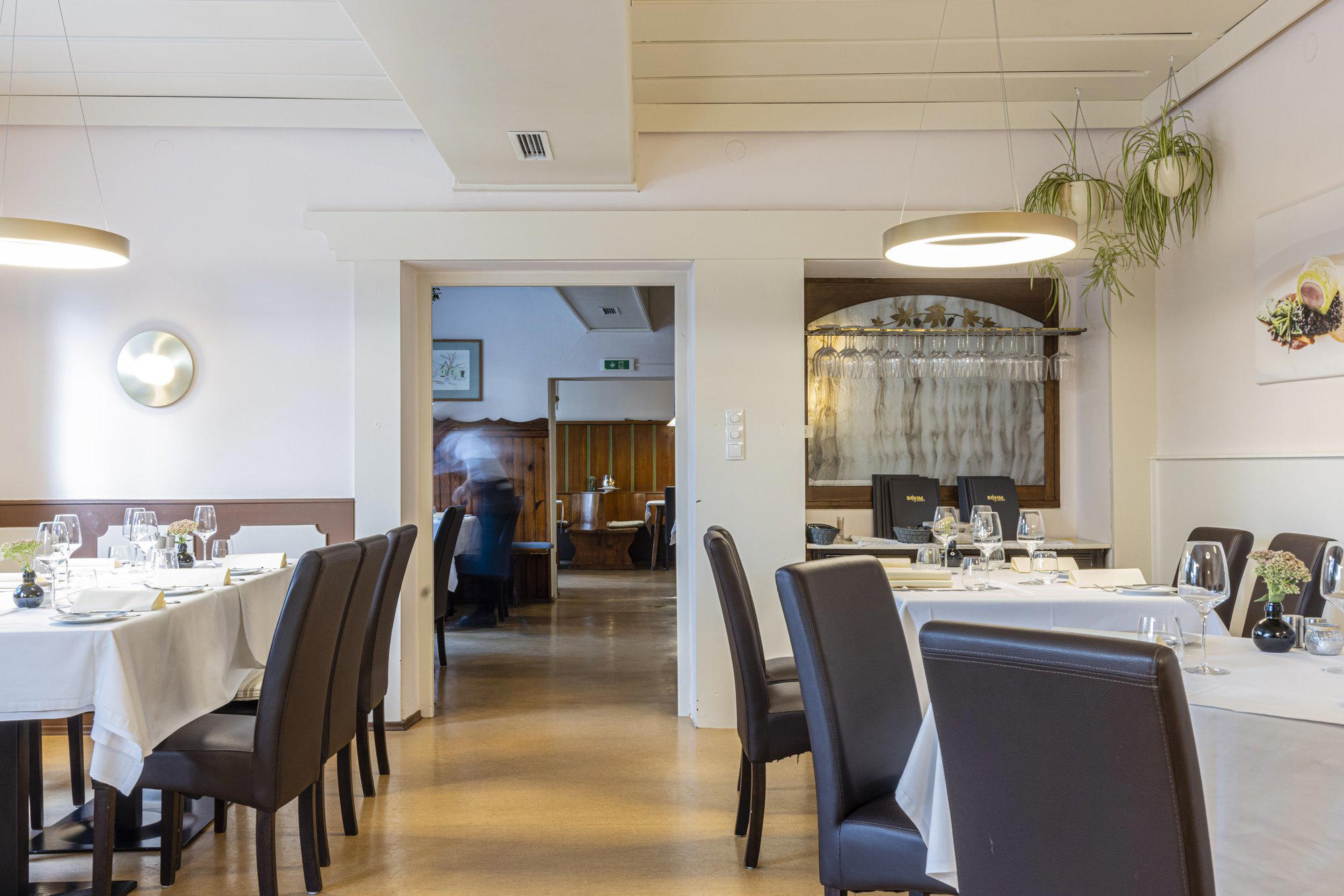
Where the Weinviertel Table Begins
The road into Weinzierl, a small settlement within the Sieghartskirchen municipality, passes through the kind of Lower Austrian countryside that has quietly supplied Vienna's kitchens for centuries: arable fields, market gardens, and the occasional vine row marking the western edge of the Weinviertel influence zone. Arriving at Dorfstraße 4, the physical logic of a Landgasthof becomes immediately apparent. These are not restaurants that import their identity from elsewhere; they are expressions of what the surrounding land produces, served in a format that has changed less than most urban dining rooms would care to admit.
The Landgasthof model, a village inn that operates as a community anchor, a dining room, and often an events space, represents one of Austria's most durable hospitality forms. Unlike the destination restaurant formats found at Döllerer in Golling an der Salzach or Obauer in Werfen, where the draw is a named kitchen and a tasting menu calibrated for traveling gastronomes, the Landgasthof earns its place through continuity, locality, and the cooking of what grows nearby. Landgasthaus Böhm operates within that tradition.
Lower Austrian Ingredients and the Logic of Proximity
Lower Austria's agricultural output is substantial and varied: cereals and root vegetables from the flat zones north and west of Vienna, game from the forested hills of the Mostviertel and Wienerwald, freshwater fish from the Danube and its tributaries, and wine from the Kremstal, Kamptal, and Wagram appellations within easy reach. For a Landgasthof in the Sieghartskirchen area, this geography is not incidental, it defines the seasonal menu rotation and the sourcing relationships that distinguish regional Austrian cooking from generic European bistro fare.
The ingredient-sourcing logic that underpins Austrian Landgasthof cooking differs meaningfully from what you find at Vienna's premium tier. At a place like Steirereck im Stadtpark, regional produce arrives via highly curated supplier networks, often with provenance documented to the individual farm. In a village Landgasthof, the same proximity is achieved through simpler, older means: the supplier is the neighbor, the game is from the local forest, the wine is from the cooperative down the road. The distance from field to plate is short not by design philosophy but by practical geography.
This distinction matters when assessing what Landgasthaus Böhm represents in the broader Austrian dining picture. It is not competing with the tasting-menu houses or the design-led destination restaurants featured in Gourmetrestaurant Tannenhof in Sankt Anton am Arlberg or Griggeler Stuba in Lech. It occupies a different register: the everyday anchor of a rural community, where the standard of cooking is judged against what local families expect, not against Michelin criteria.
The Village Inn in Regional Context
Sieghartskirchen sits roughly 35 kilometres west of Vienna's centre, in a zone where the city's commuter belt gives way to genuinely agricultural countryside. The region produces visitors who arrive deliberately, either locals from surrounding villages or travellers from Vienna seeking a format that the city's dining scene cannot replicate at any price point. What you cannot buy in a Vienna restaurant is the combination of local familiarity, unhurried pace, and food that reflects the specific land surrounding the building.
Austria's regional dining scene has bifurcated in recent years. On one side sit the destination kitchens, Ikarus in Salzburg, Kräuterreich by Vitus Winkler, Taubenkobel in Schützen am Gebirge, that draw an international audience and operate as culinary destinations in their own right. On the other sit the Gasthäuser and Landgasthöfe that remain rooted in their communities, cooking for regulars rather than critics. Landgasthaus Böhm belongs to the second category. That is not a limitation; it is a descriptor of function and audience.
The comparison with Landhaus Bacher in Mautern an der Donau is instructive: Bacher operates at the upper end of the classic Austrian category, with Michelin recognition and a wine cellar that draws serious collectors. The Landgasthof model represented by Böhm exists several tiers below that in terms of formality and price, but shares the same foundational logic of regional produce prepared with respect for Austrian cooking traditions. The difference is scale of ambition, not authenticity of approach.
Planning a Visit
For those travelling from Vienna, Sieghartskirchen is accessible by regional rail to nearby Tullnerfeld station, with the village a short drive or taxi ride away. The address, Dorfstraße 4, 3004 Weinzierl, places the restaurant in the village centre, which in a settlement this size means it is effectively unmistakable. Given the community-anchor function of most Landgasthöfe in Lower Austria, weekday lunches tend to draw local tradespeople and farmers, while weekend evenings attract families and groups. Booking ahead for weekends is advisable, particularly for larger parties, as village dining rooms of this type rarely hold excess capacity.
For readers exploring the wider Austrian dining scene, our full Sieghartskirchen restaurants guide covers the area in more detail. Those interested in how Austrian regional cooking operates across different formats and price tiers will find useful reference points at Ois in Neufelden, Schwarzer Adler in Hall in Tirol, Stüva in Ischgl, Restaurant 141 by Joachim Jaud in Mieming, Artis in Graz, and Atelier Fischer in Sankt Gilgen. For context on what the upper tier of European destination dining looks like by comparison, Le Bernardin in New York City and Atomix in New York City illustrate how different the ambition and format can become when a kitchen orients itself toward an international audience rather than a local one.
Side-by-Side Snapshot
Comparable venues nearby, for context on price, style, and recognition.
| Venue | Cuisine | Price | Notes |
|---|---|---|---|
| Landgasthaus BöhmThis venue — the venue you are viewing | Traditional Austrian Regional | $$$ | Not listed |
| Thermenresort Laa – Hotel | Regional Austrian Cuisine | $$$ | Laa an der Thaya |
| Casino Restaurant Baden | Austrian Fine Dining | $$$ | Centre |
| Königsberg Bucklige Welt | Regional Austrian Gourmet | $$$ | Bad Schönau |
| Das Blaufränkisch – Weinhotel | Regional Austrian with Blaufränkisch Focus | $$$ | Deutschkreutz |
| Urbanek | Austrian Delicatessen & Wine Bar | $$$ | Wieden |
Continue exploring
More in Sieghartskirchen
Restaurants in Sieghartskirchen
Browse all →
![[aend] restaurant in Vienna](https://cdn.enprimeurclub.com/storage/v1/object/public/images/locations/recsVyRkMfzCxPmp0/hero2.jpg?width=3840&quality=75)
Bars in Sieghartskirchen
Browse all →

Hotels in Sieghartskirchen
Browse all →
At a Glance
- Rustic
- Cozy
- Classic
- Special Occasion
- Garden
- Extensive Wine List
- Local Sourcing
- Garden
Current opening hours
- Monday
- Closed
- Tuesday
- Closed
- Wednesday
- 9 AM–2 PM, 5:45–10 PM
- Thursday
- 9 AM–2 PM, 5:45–10 PM
- Friday
- 9 AM–2 PM, 5:45–10 PM
- Saturday
- 9 AM–2 PM, 5:45–10 PM
- Sunday
- 9 AM–3 PM
Hours can change for holidays and private events. Last verified .
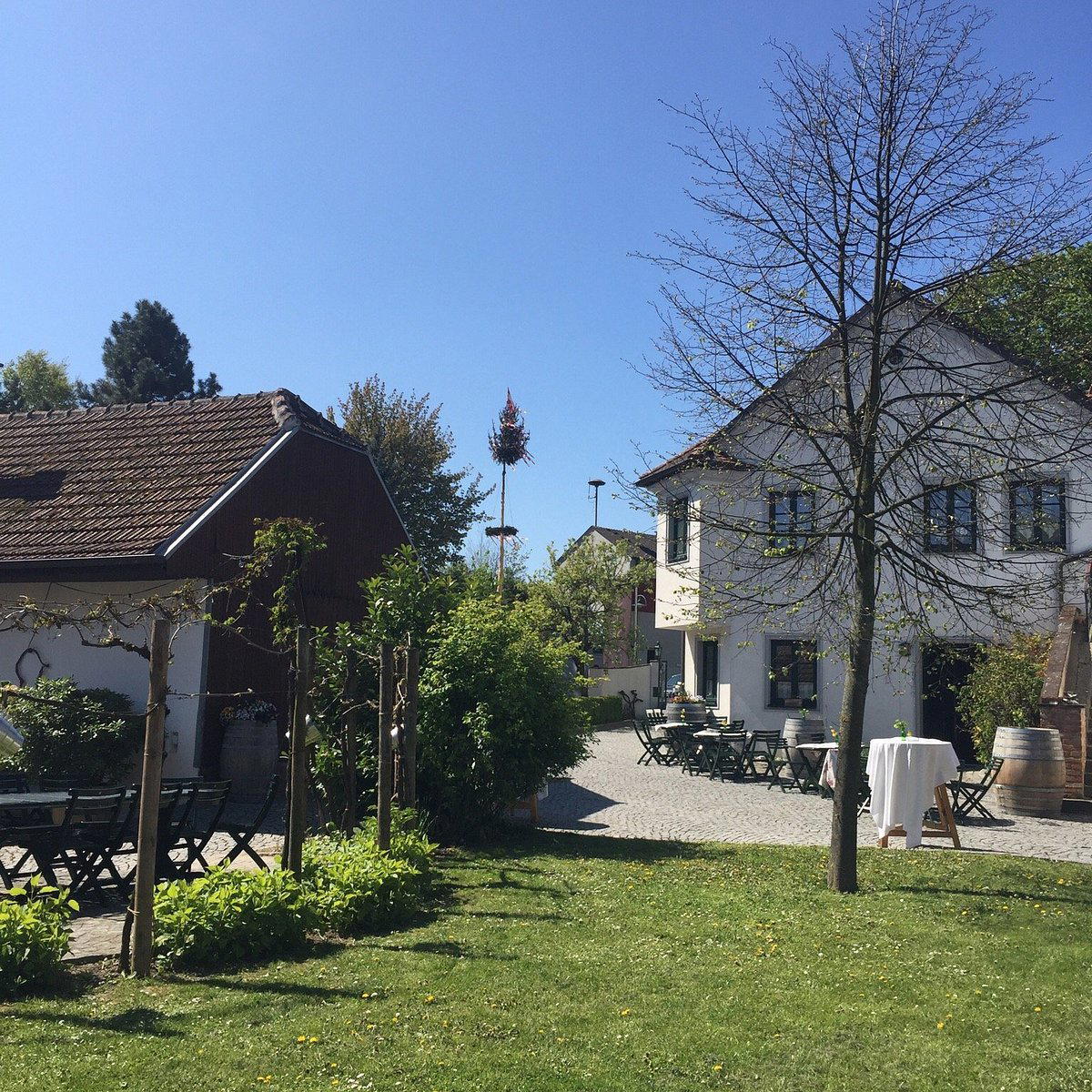
Cozy and gemütlich country inn atmosphere blending rustic charm with elegant touches, featuring a beautiful garden for outdoor dining.