GATSBY
GATSBY occupies a ground-floor suite at 1205 Half St SE in Washington D.C.'s Capitol Riverfront district, a neighborhood that has quietly absorbed some of the city's more considered new openings. The address places it within a corridor where dining ambition and residential density have grown in parallel, making it a reference point for what the southeast quadrant is becoming as a dining destination.
Pearl is the En Primeur Club membership app — saves, bookings, and concierge access live there. Same editors, same standards.
- Address
- 1205 Half St SE Suite #105, Washington, DC 20003
- Phone
- +12028173005
- Website
- gatsbyrestaurant.com
- Directions
- Get directions
 Saves & bookings on Pearl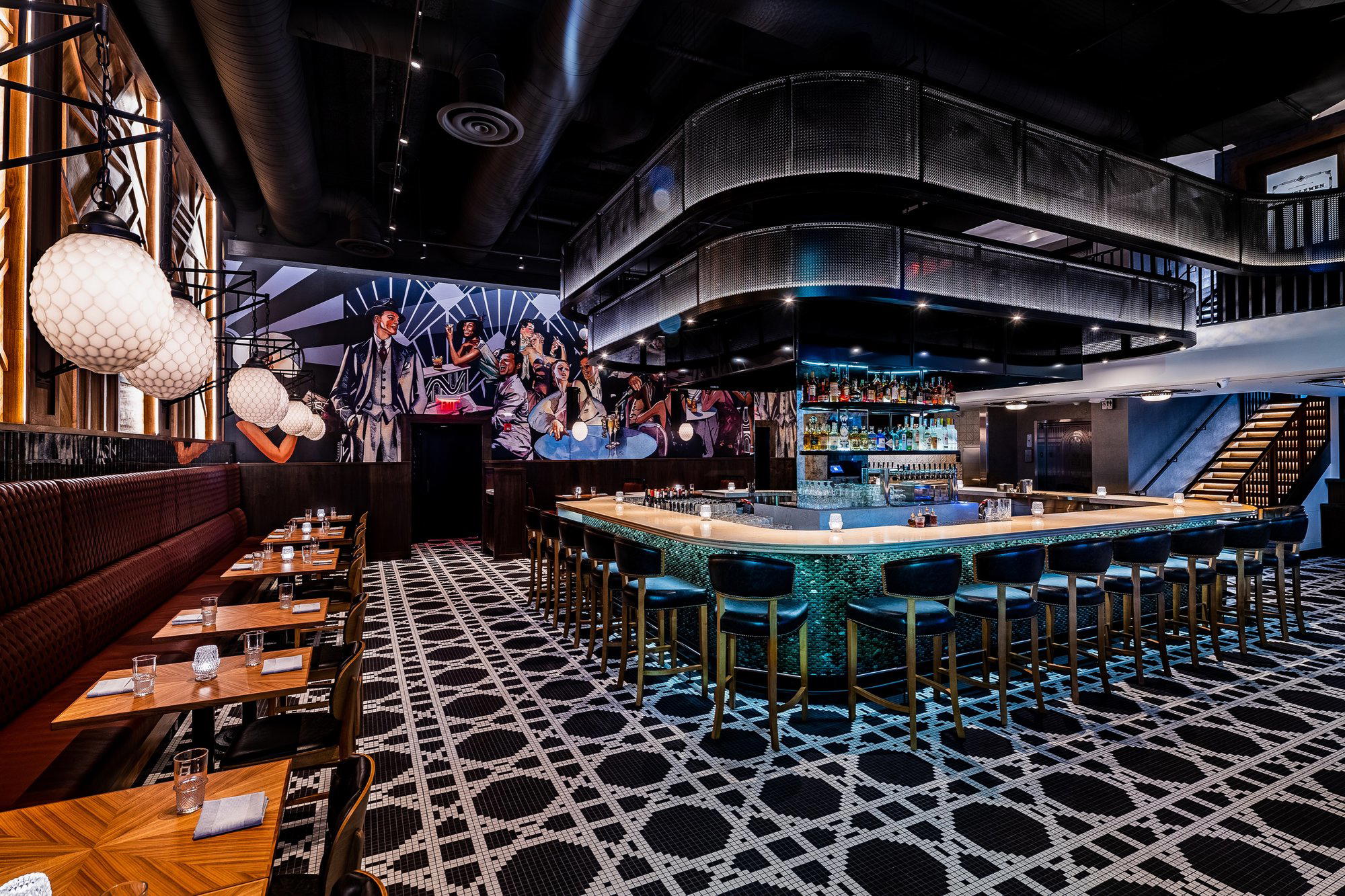
Capitol Riverfront and the Shape of a New Dining District
Washington D.C.'s southeast quadrant has spent the better part of a decade assembling a dining identity distinct from the established corridors of 14th Street or Penn Quarter. The Capitol Riverfront, anchored by Nationals Park and an accelerating residential build-out, now draws restaurants that treat the neighborhood as a destination rather than a fallback. GATSBY, at 1205 Half St SE, sits inside that logic: a ground-floor suite address in a mixed-use block, positioned where foot traffic is earned rather than assumed, and where the room has to carry weight that a busier street corner would provide automatically.
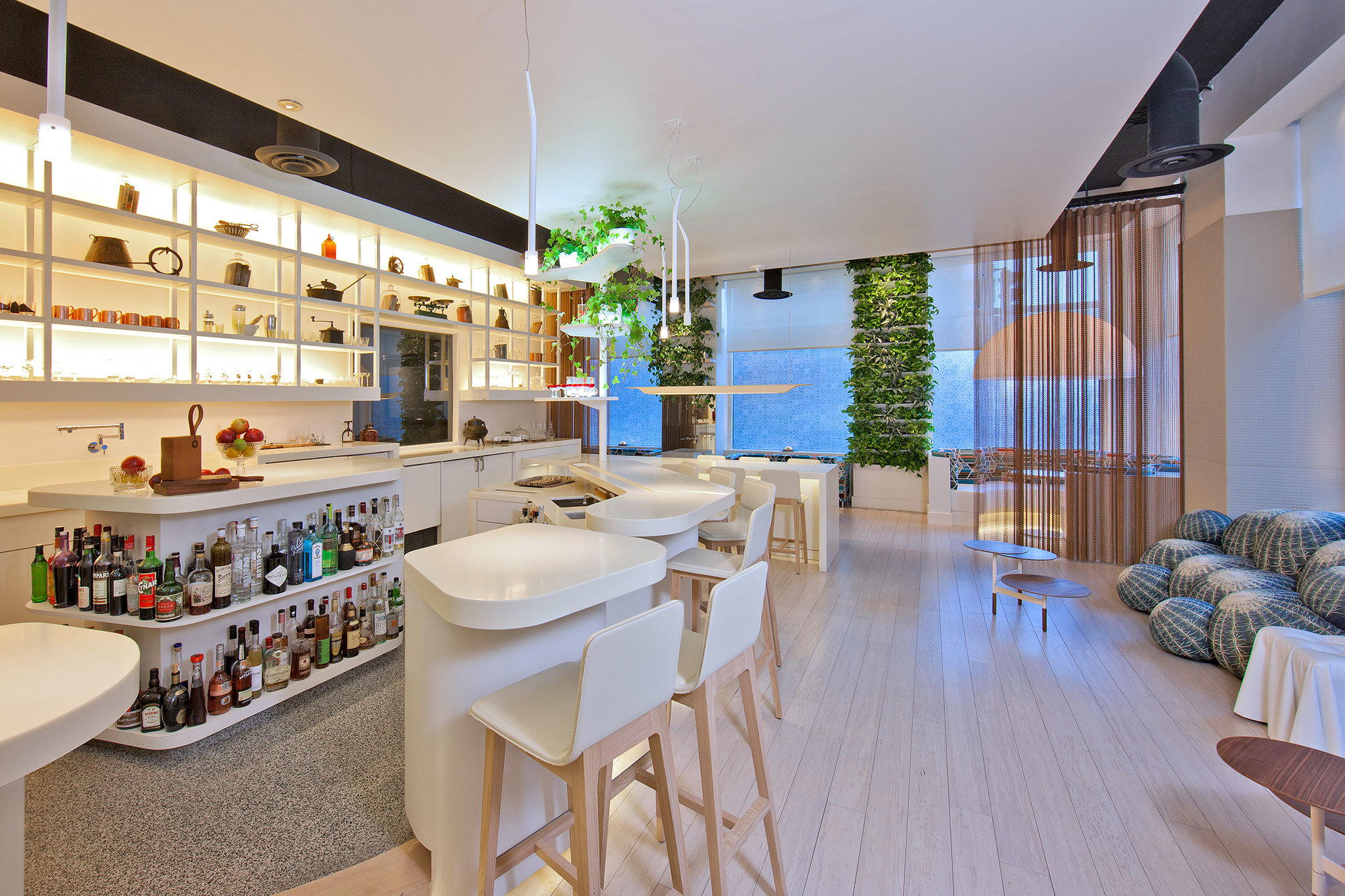
That kind of location imposes a certain discipline. Restaurants that open in emerging districts without the gravitational pull of a legacy block tend to succeed by atmosphere and word-of-mouth more than by proximity to established demand. The physical approach along Half Street SE carries the texture of a neighborhood mid-transformation: newer residential towers, patchy retail, the low hum of a city deciding what it wants a place to be. Arriving at a ground-floor suite in that context sets an expectation that the interior will do significant work.
Atmosphere as the Primary Argument
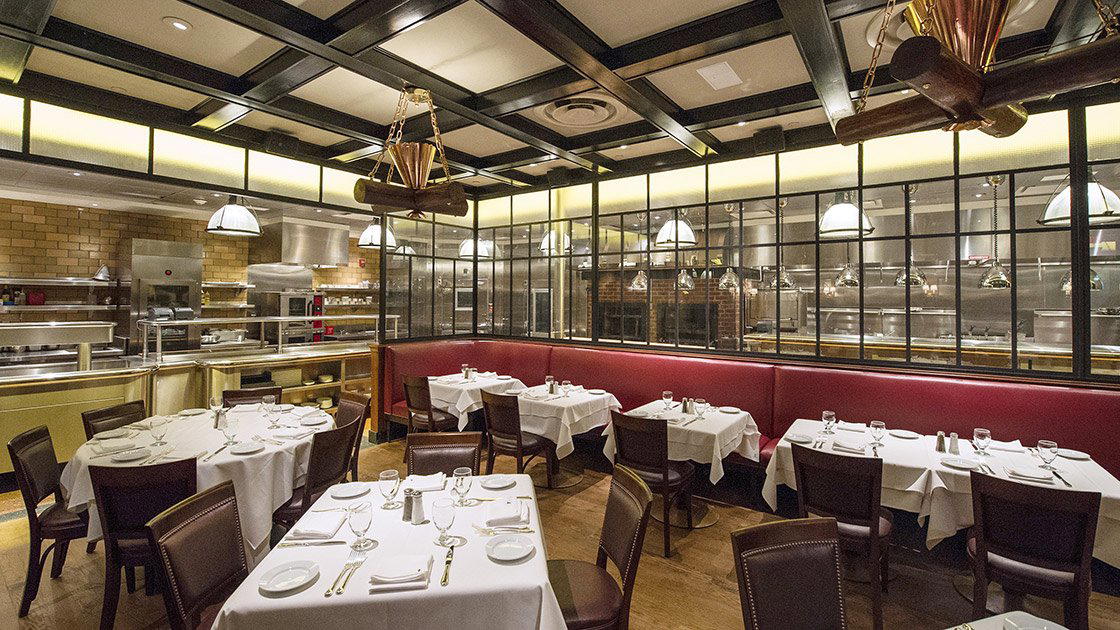
The name GATSBY carries a specific register of American cultural reference: a certain era of theatrical hospitality, of rooms designed to be seen in, of an aesthetic that treats the social dimension of dining as inseparable from the food itself. Whether or not a restaurant bearing that name fully inhabits that reference is always an open question, but the choice of name signals an intentional investment in atmosphere as a primary argument rather than an afterthought.
In Washington D.C. that argument lands in a specific competitive context. The city's dining scene has historically split between power-lunch formality in the downtown core and tighter, chef-driven rooms in neighborhoods like Shaw and Logan Circle. The Capitol Riverfront is neither of those things yet. A restaurant that prioritizes atmosphere and the sensory envelope of the room occupies a different position from the tasting-menu specialists, like Jônt or minibar, that define D.C.'s upper technical register, or from the produce-led conviction of Oyster Oyster. GATSBY's frame of reference is closer to the social dining room than to the counter experience.
Across American cities, the social dining room has evolved considerably. The format that once meant white tablecloths and formal service hierarchies has been replaced, at its more considered end, by rooms where lighting, material choice, sound calibration, and spatial arrangement carry the experiential load. Lazy Bear in San Francisco and Smyth in Chicago each made their rooms into arguments, not backdrops. The question any new entrant in this mode faces is whether the atmosphere sustains across a full evening or dissipates once the novelty of the room has been absorbed.
Where GATSBY Sits in Washington's Competitive Set
Washington D.C.'s mid-to-upper dining tier has grown considerably more competitive in the years since the pandemic reshaped the city's hospitality footprint. Restaurants like Albi and Causa have demonstrated that the city's appetite for ambitious, cuisine-specific cooking extends well beyond the traditional French and steakhouse categories that once defined the market. The price points at those rooms, both in the $$$$ bracket, reflect a diner base willing to commit to a full experience rather than a casual drop-in.
GATSBY's positioning within that tier remains less publicly documented than its neighbors. It occupies an open bracket that the room and the execution will need to define in practice. In that sense, it functions as a test of whether the Capitol Riverfront's growth has produced a diner base that shows up for atmosphere-led concepts without the credential scaffolding that guides decision-making in more established corridors.
For comparison, consider how Washington's most decorated rooms have each built legibility through different means: The Inn at Little Washington trades on decades of reputation and a specific kind of destination dining, while newer rooms have leaned on chef credentials, award recognition, or cuisine specificity to anchor their identities. A room whose primary language is sensory and social needs to build that legibility through the experience itself.
The Broader Pattern: Atmosphere-Led Rooms in American Dining
The sensory experience as a restaurant's organizing principle is not a new idea in American dining, but the execution standards have risen. Rooms at Blue Hill at Stone Barns or Single Thread Farm in Healdsburg demonstrate that atmosphere and food ambition are not in tension; particularly durable rooms in this mode treat the two as mutually reinforcing. Providence in Los Angeles and Addison in San Diego have built similar cases in their respective markets.
Internationally, the pattern holds: Atomix in New York City and Atelier Moessmer Norbert Niederkofler in Brunico each treat the physical and sensory experience as integral to the culinary argument. Le Bernardin in New York City and Emeril's in New Orleans built their longevity partly on rooms that felt intentional at every scale. GATSBY's reference set in Washington includes all of these patterns, even if its specific execution remains to be assessed through direct experience.
For the Capitol Riverfront specifically, a room that succeeds on sensory terms would mark a meaningful step in the neighborhood's maturation as a dining district. The area's restaurants have so far tended toward the casual and the sports-adjacent; a venue with genuine atmospheric ambition occupies a different tier and draws a different kind of evening.
Planning Your Visit
GATSBY is at 1205 Half St SE, Suite #105, Washington, DC 20003, in the Capitol Riverfront district. GATSBY is open Monday through Thursday from 12 to 9 PM, Friday from 12 to 10 PM, Saturday from 11 AM to 10 PM, and Sunday from 10 AM to 9 PM. Reservations are recommended.
| Venue | Cuisine / Style | Price | Booking |
|---|---|---|---|
| GATSBY | Not confirmed | Not confirmed | |
| Oyster Oyster | New American / Vegetarian | $$$ | Reserve in advance |
| Albi | Middle Eastern | $$$$ | Reserve in advance |
| Causa | Peruvian | $$$$ | Reserve in advance |
| Jônt | Modern French / Contemporary | $$$$ | Reserve well in advance |
Nearby-ish Comparables
Comparable venues nearby, for context on price, style, and recognition.
| Venue | Cuisine | Price | Notes |
|---|---|---|---|
| GATSBYThis venue — the venue you are viewing | Upscale American Diner | $$ | Not listed |
| Art and Soul | Modern Southern American | $$ | East End |
| Provost | Southern Soul Food American | $$ | Woodridge |
| Mitsitam Cafe | Native American Regional Foods | $$ | National Mall |
| Station 4 | Modern American Bistro with Mediterranean Influences | $$ | Southwest Waterfront |
| PopUp Bagels | Artisan Bagels & Schmears | $$ | Georgetown |
Continue exploring
More in Washington DC
Restaurants in Washington DC
Browse all →
Bars in Washington DC
Browse all →
Hotels in Washington DC
Browse all →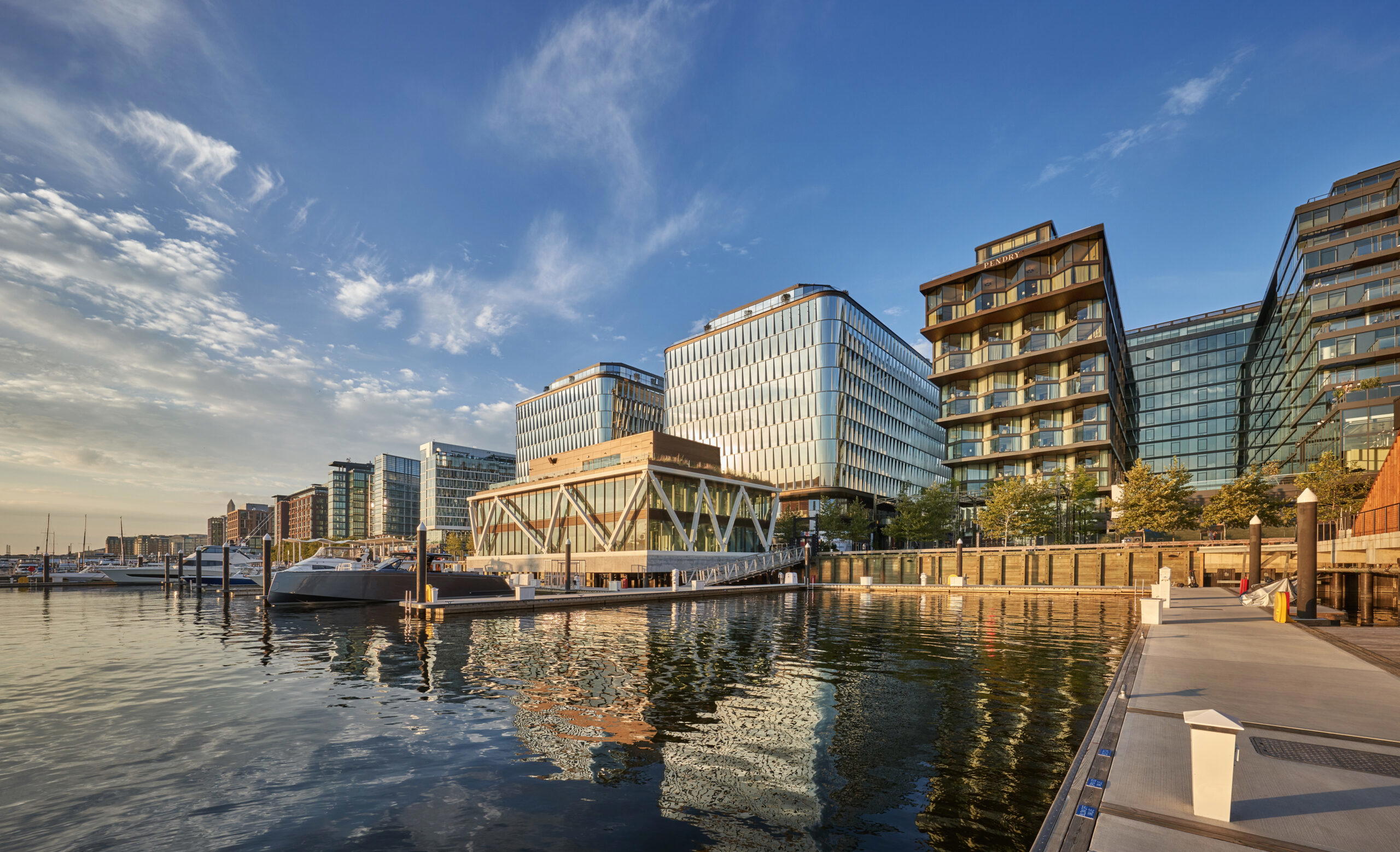
At a Glance
- Trendy
- Lively
- Elegant
- Modern
- Group Dining
- Casual Hangout
- Brunch
- Late Night
- Open Kitchen
- Craft Cocktails
- Skyline
Current opening hours
- Monday
- 12–9 PM
- Tuesday
- 12–9 PM
- Wednesday
- 12–9 PM
- Thursday
- 12–9 PM
- Friday
- 12–10 PM
- Saturday
- 11 AM–10 PM
- Sunday
- 10 AM–9 PM
Hours can change for holidays and private events. Last verified .
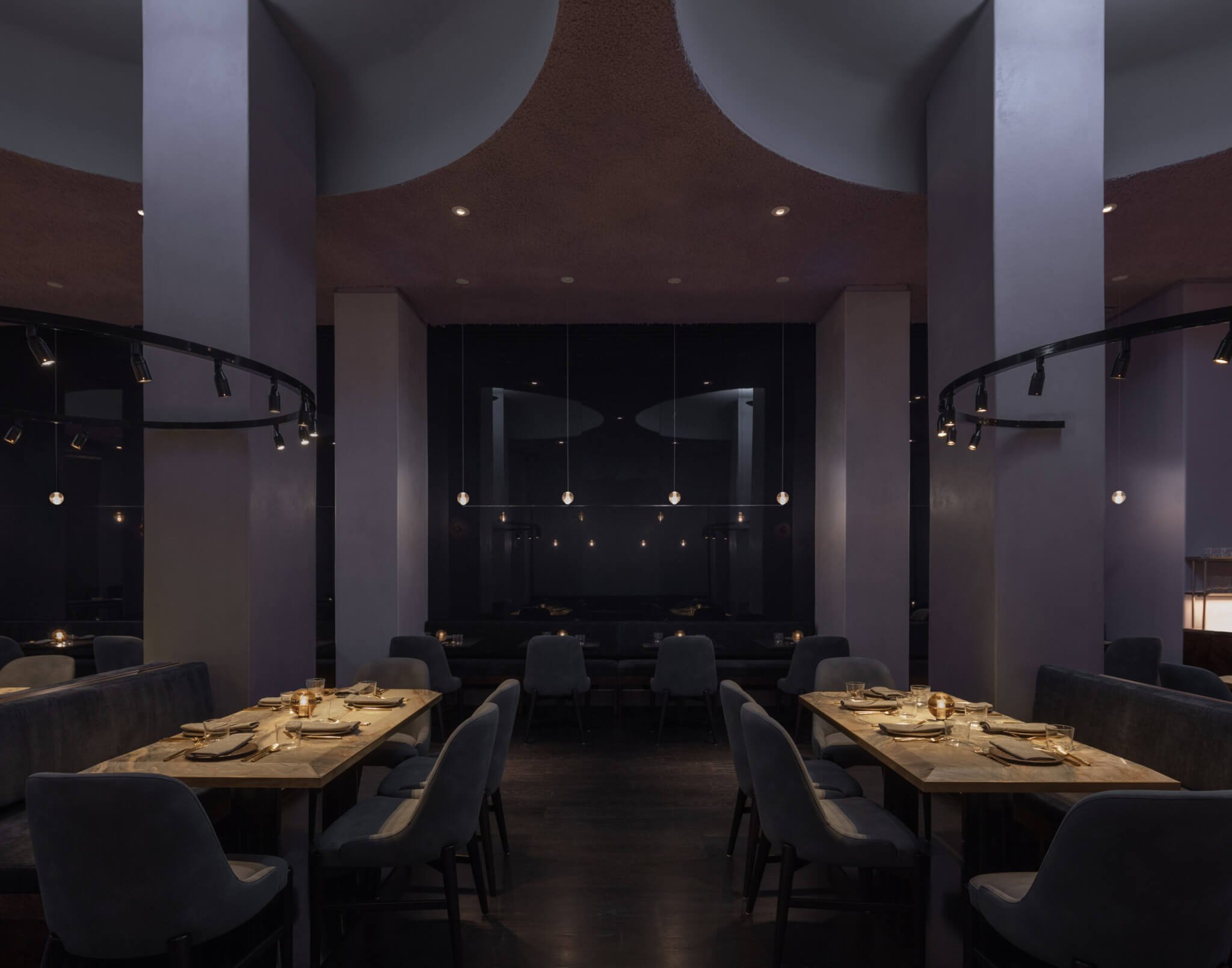
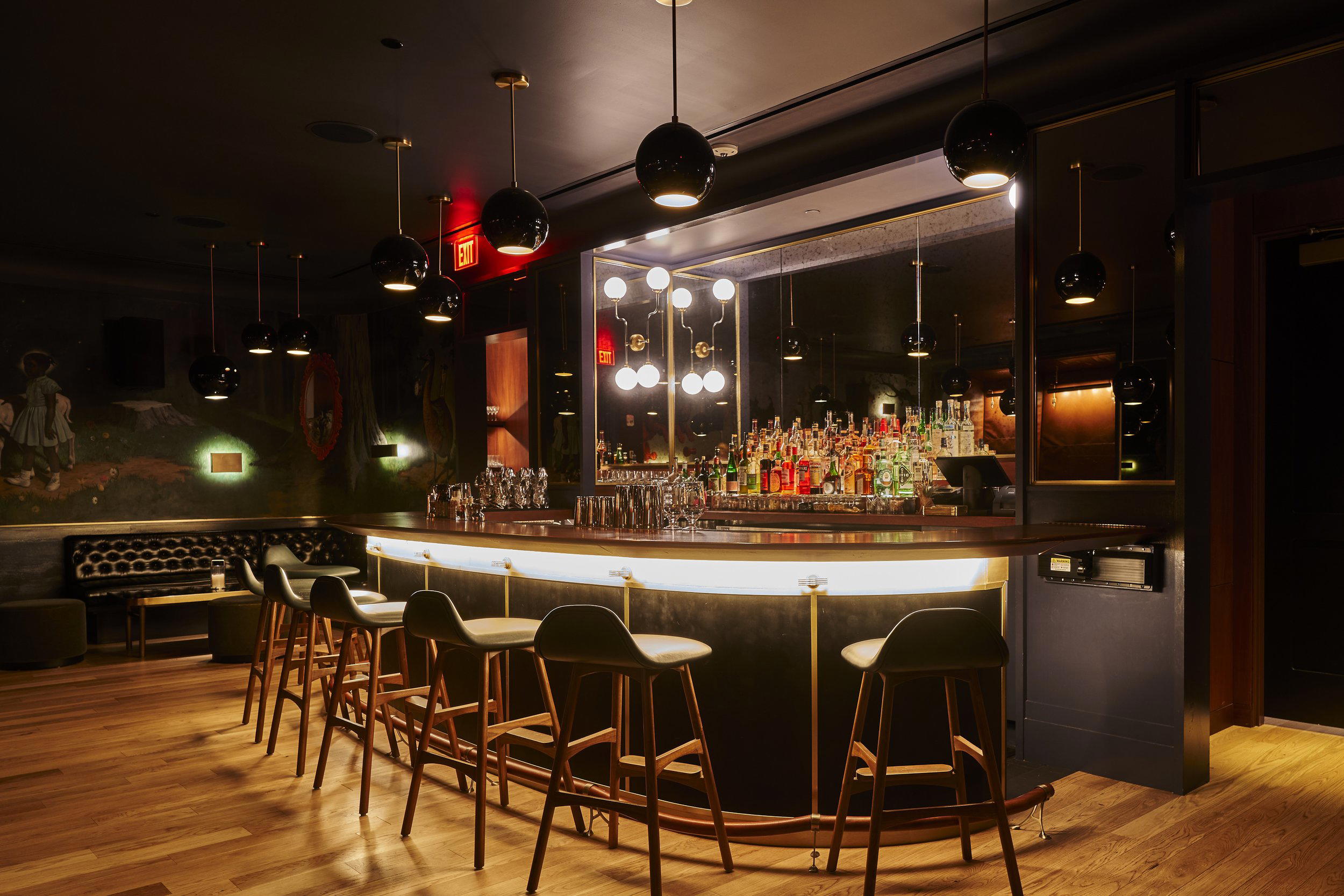
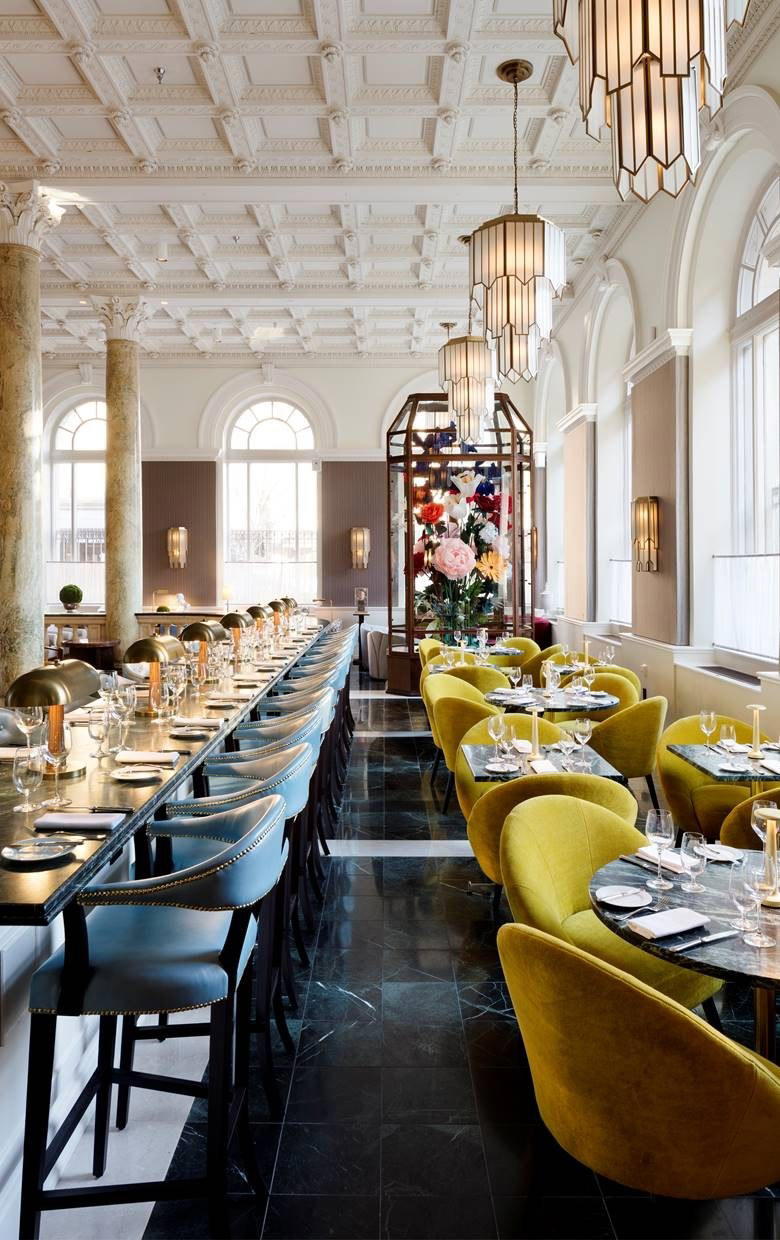
Warm glow from oval bar lighting, Art Deco elements, and murals depicting lively 1920s social scenes create a nostalgic yet upscale diner atmosphere.