Station 4
Station 4 occupies a notable address in Washington, D.C.'s Southwest Waterfront corridor, a district that has undergone significant transformation in recent years. Positioned among a growing tier of serious dining destinations in the capital, it draws comparison with the broader wave of ambitious restaurants reshaping D.C.'s culinary identity beyond its traditional steakhouse and power-lunch reputation.
Pearl is the En Primeur Club membership app — saves, bookings, and concierge access live there. Same editors, same standards.
- Address
- 1101 4th St SW, Washington, DC 20024
- Phone
- +12024880987
- Website
- station4dc.com
- Directions
- Get directions
 Saves & bookings on Pearl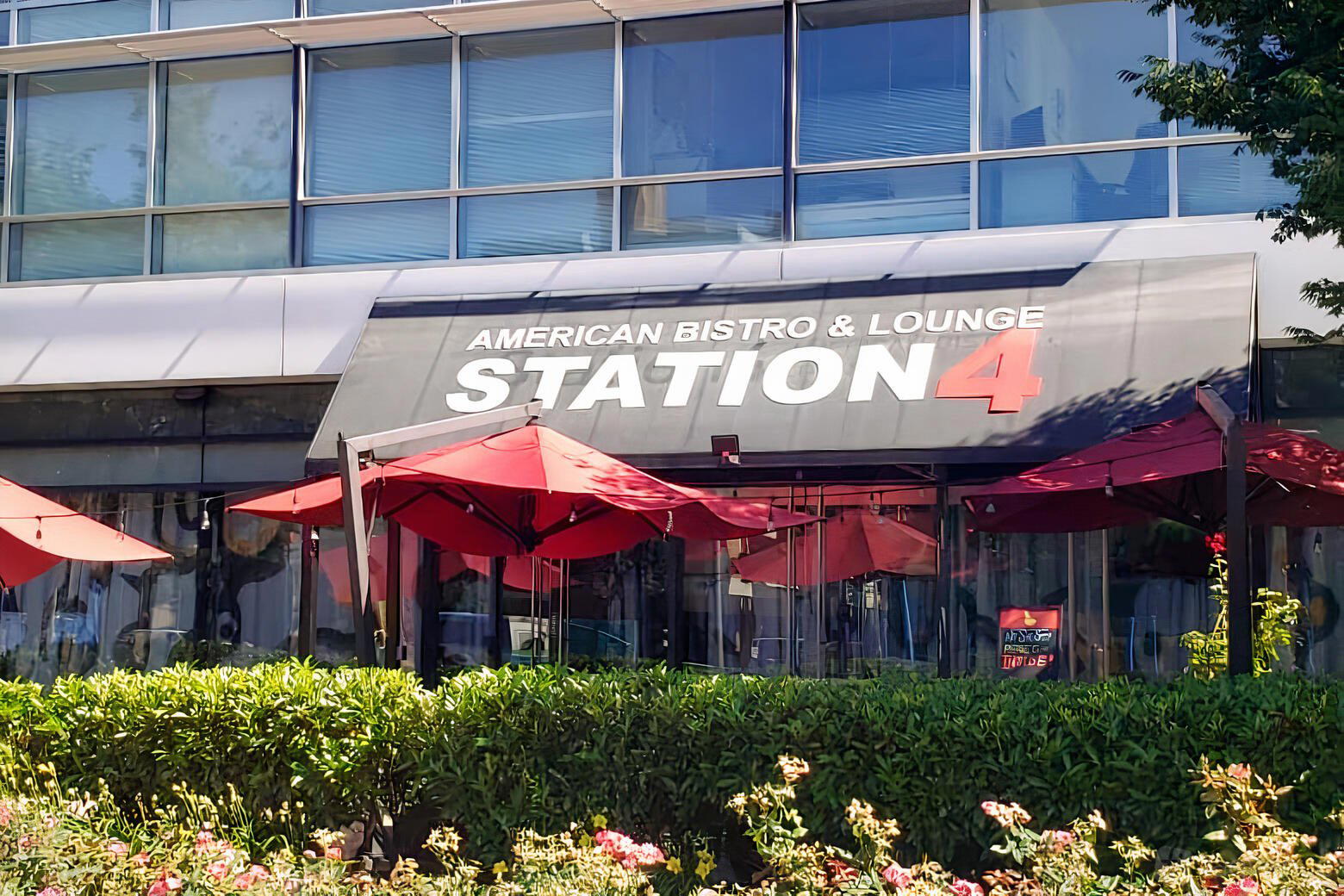
Southwest Waterfront and the Shifting Centre of D.C. Dining
Station 4 is a restaurant in Washington, D.C. with a casual dress code and recommended reservations. The traditional gravitational pull of Penn Quarter and Dupont Circle has been joined, and in some respects challenged, by the Southwest Waterfront corridor, where development pressure and a younger residential profile have created the conditions for a different kind of restaurant to take hold. Station 4, at 1101 4th Street SW, sits within that reconfigured geography. The address alone positions it in a peer conversation with a generation of D.C. restaurants that arrived not on the back of convention-centre foot traffic or Capitol Hill expense accounts, but on the expectation that the neighbourhood itself was becoming a dining destination.
D.C. dining used to be legible in fairly simple terms: power rooms near the Hill, French-inflected fine dining in Georgetown, and everything else competing for the same visiting-dignitary audience. The current scene is considerably more layered. Restaurants like Albi have anchored serious Middle Eastern cooking in the same waterfront precinct. Causa has established Peruvian fine dining at the $$$$ tier as a viable proposition in the capital. Oyster Oyster has demonstrated that sustainability-led American cooking can hold a $$$-tier room with critical seriousness. Station 4 belongs to the same generational moment, even if its specific positioning within that moment requires closer examination.
The Arc of a Meal: What the Tasting Progression Signals
In the current American fine dining register, how a kitchen sequences a meal has become as revealing as what it places on the plate. The tasting menu format, once associated primarily with French-derived kitchens, has been adopted and adapted across cuisines and price points in ways that reflect distinct editorial choices about pacing, portion weight, and the relationship between savoury and sweet. At the upper tier of this format, across kitchens as different as Jônt in D.C. and minibar further along the capital's fine dining axis, the progression itself becomes a kind of argument: about what ingredients deserve attention, about the hierarchy of flavour, about where to place tension and where to offer resolution.
Nationally, the benchmark kitchens for tasting progression include Alinea in Chicago, where the arc is conceptually driven and occasionally confrontational, and The French Laundry in Napa, where classical French sequencing underpins even particularly locally inflected courses. Lazy Bear in San Francisco has built a communal-table format around a progression that leans into American nostalgia without becoming literal about it. Single Thread Farm in Healdsburg sequences around seasonal specificity, treating the meal as a kind of growing calendar. Each of these represents a different answer to the same editorial question: what is a long meal for?
Within D.C. specifically, the tasting progression conversation also involves The Inn at Little Washington, whose multi-decade arc of seasonal menus represents among the more sustained examples of regional fine dining in the American mid-Atlantic. Taken together, these references describe a tradition that restaurant enters as a participant, whether or not its specific format has been publicly documented in full detail.
D.C. in National and International Fine Dining Context
Placing a Washington restaurant accurately requires acknowledging that the capital's fine dining tier competes in a national conversation that also includes Le Bernardin in New York City, Providence in Los Angeles, Addison in San Diego, and Blue Hill at Stone Barns in Tarrytown. Internationally, the format finds analogues at Atomix in New York City and 8½ Otto e Mezzo Bombana in Hong Kong, both of which demonstrate how different culinary traditions manage the grammar of multi-course sequencing. D.C. has historically operated in the shadow of these reference points, but the cluster of serious kitchens that has emerged since roughly 2015 makes the city a more credible participant in that conversation than it was a generation ago.
Emeril's in New Orleans is a useful comparative model for how a single anchor restaurant can shift the perceived dining geography of a neighbourhood; something similar has begun to happen in D.C.'s waterfront district, with multiple serious kitchens clustering within walking range. Our full Washington, D.C. restaurants guide maps the broader competitive set across the city's distinct dining corridors.
Positioning and comparable set
Direct peer comparison requires care. What the address and neighbourhood context do confirm is that the Southwest Waterfront has become a zone where $$$-to-$$$$-tier restaurants compete for the same audience: residents of the new waterfront developments, visitors using the District Wharf as a hotel and entertainment hub, and diners from across the city drawn by the cluster effect. The comparison table below reflects that peer landscape using confirmed data from comparable D.C. kitchens.
| Venue | Cuisine | Price Tier | Neighbourhood Context |
|---|---|---|---|
| The restaurant | Not confirmed | Not confirmed | Southwest Waterfront, 4th St SW |
| Albi | Middle Eastern | $$$$ | Southwest Waterfront |
| Causa | Peruvian | $$$$ | D.C. fine dining tier |
| Oyster Oyster | New American, Vegetarian | $$$ | D.C. sustainability-led tier |
| Jônt | Modern French, Contemporary | $$$$ | D.C. tasting menu tier |
Planning Your Visit
The Southwest Waterfront is accessible via the Waterfront Metro station on the Green Line, placing it within direct reach of central D.C. The District Wharf development has made the area a coherent evening destination, with the dining cluster concentrated along Maine Avenue and the 4th Street corridor. Prospective visitors should note the regular hours: Mon to Thu 11 AM to 10 PM, Fri 11 AM to 12 AM, Sat 10:30 AM to 12 AM, and Sun 10:30 AM to 10:30 PM. The neighbourhood rewards a longer evening: the waterfront promenade and the concentration of food and drink options make pre- or post-dinner time well spent.
Just the Basics
Comparable venues nearby, for context on price, style, and recognition.
| Venue | Cuisine | Price | Notes |
|---|---|---|---|
| Station 4This venue — the venue you are viewing | Not listed | $$ | Not listed |
| 1339 H St NE | Near Northeast, American Pie Shop | $$ | Not listed |
| Peacock Café | Not listed | $$ | West Village Georgetown, American Fusion with Persian Influences |
| Emmy Squared Pizza: Navy Yard | Near Southeast, Detroit-Style Pizza | $$ | Not listed |
| Urban Roast | Not listed | $$ | Penn Quarter, Contemporary American Shared Plates |
| I Egg You | Not listed | $$ | Capitol Hill, Egg-Centric American Breakfast |
Continue exploring
More in Washington DC
Restaurants in Washington DC
Browse all →
Bars in Washington DC
Browse all →
Hotels in Washington DC
Browse all →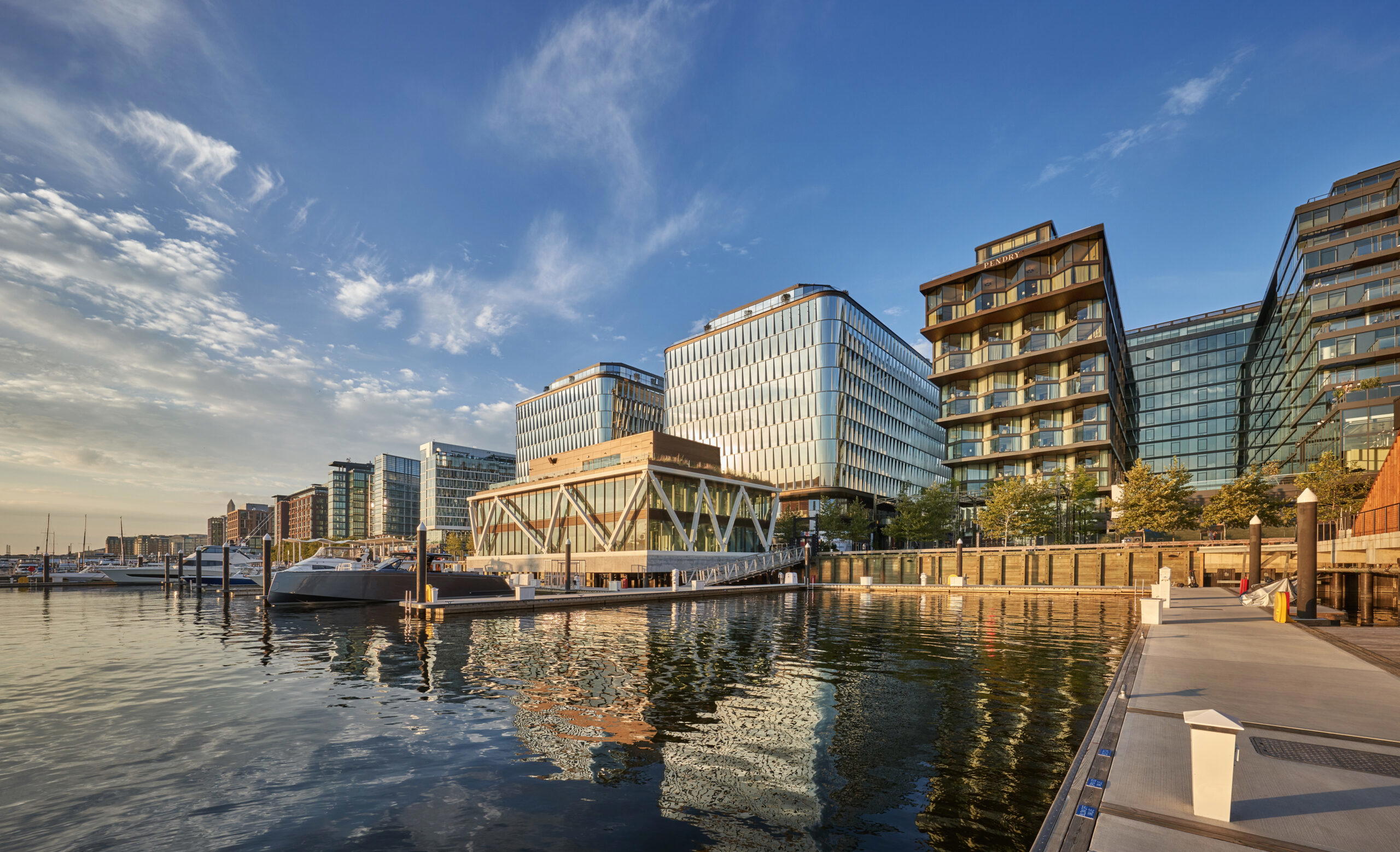
At a Glance
- Lively
- Modern
- Trendy
- Brunch
- Happy Hour
- Group Dining
- Date Night
- Open Kitchen
- Terrace
- Craft Cocktails
Current opening hours
- Monday
- 11 AM–10 PM
- Tuesday
- 11 AM–10 PM
- Wednesday
- 11 AM–10 PM
- Thursday
- 11 AM–10 PM
- Friday
- 11 AM–12 AM
- Saturday
- 10:30 AM–12 AM
- Sunday
- 10:30 AM–10:30 PM
Hours can change for holidays and private events. Last verified .
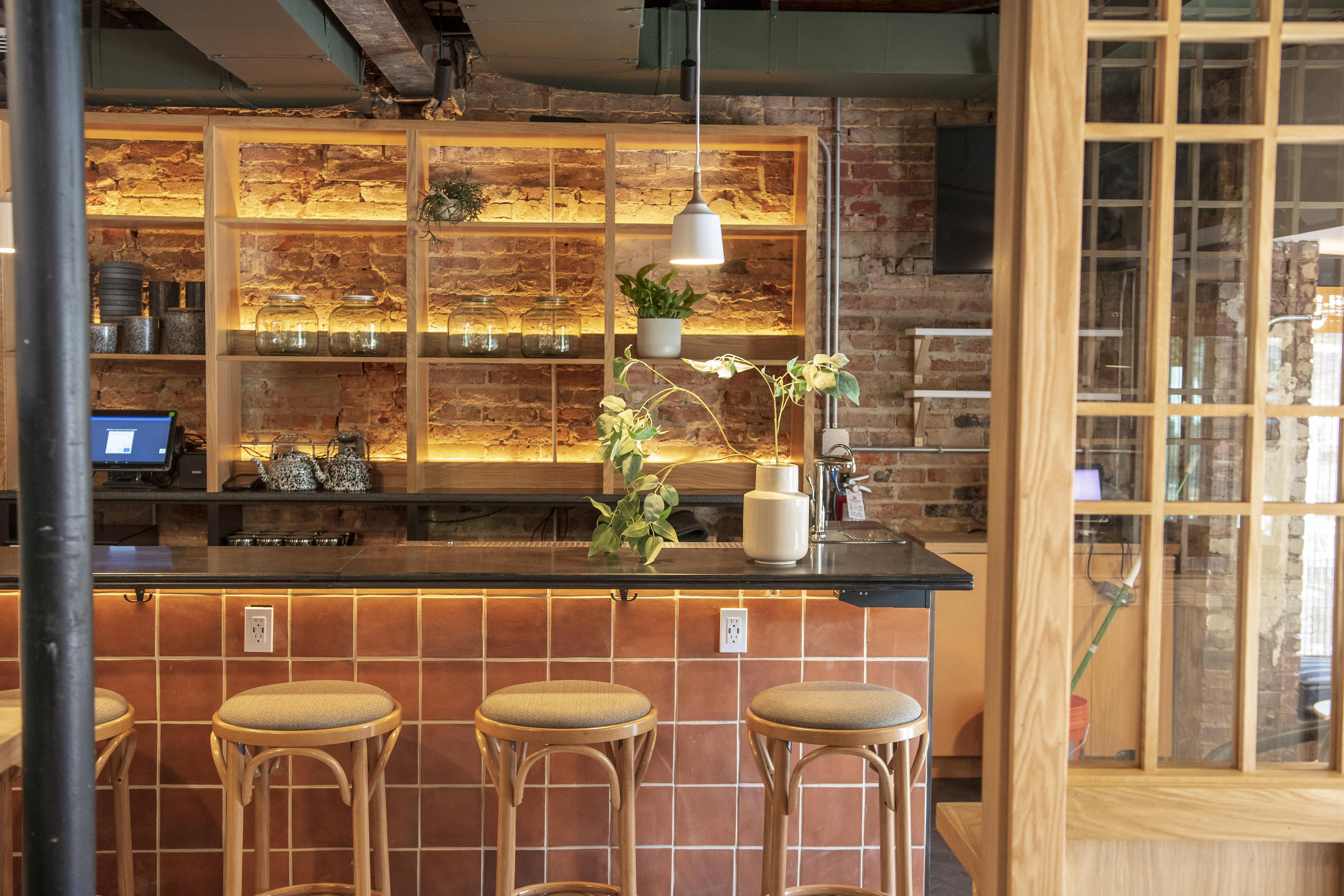
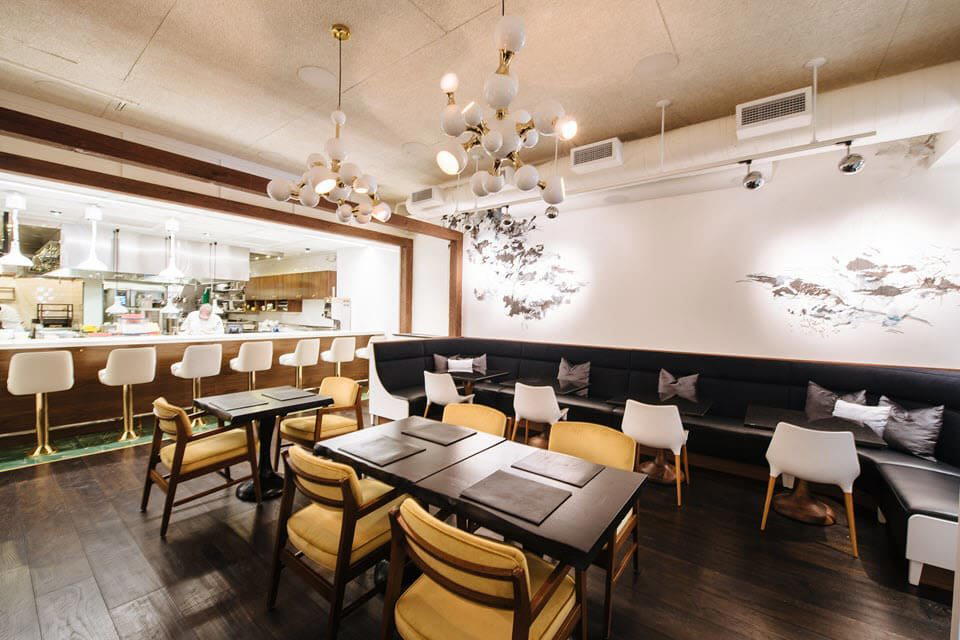
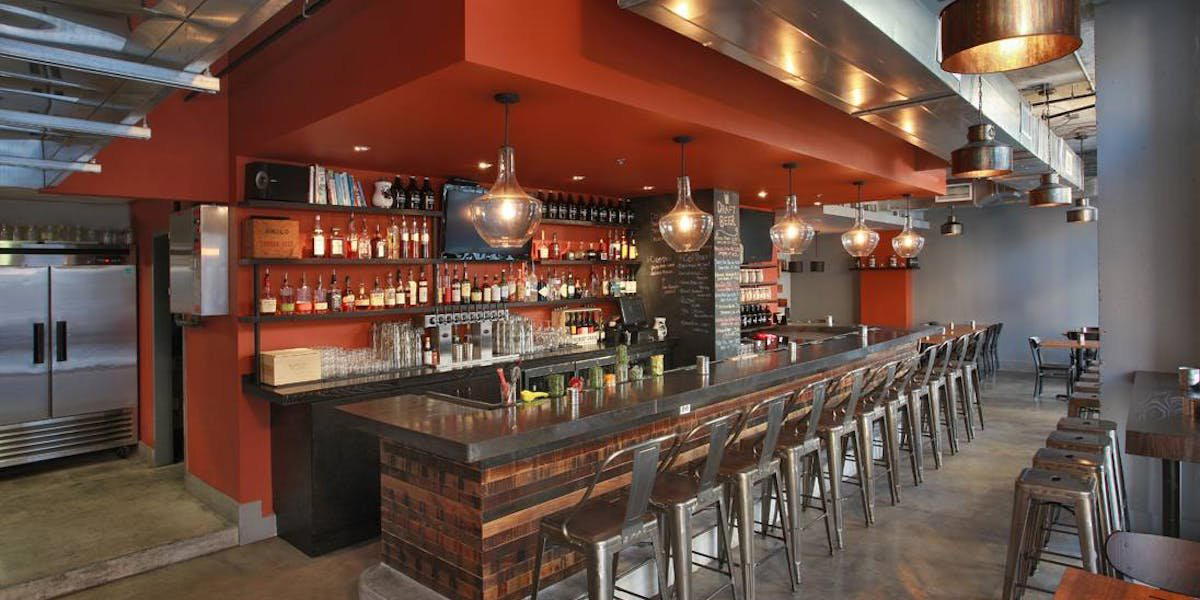
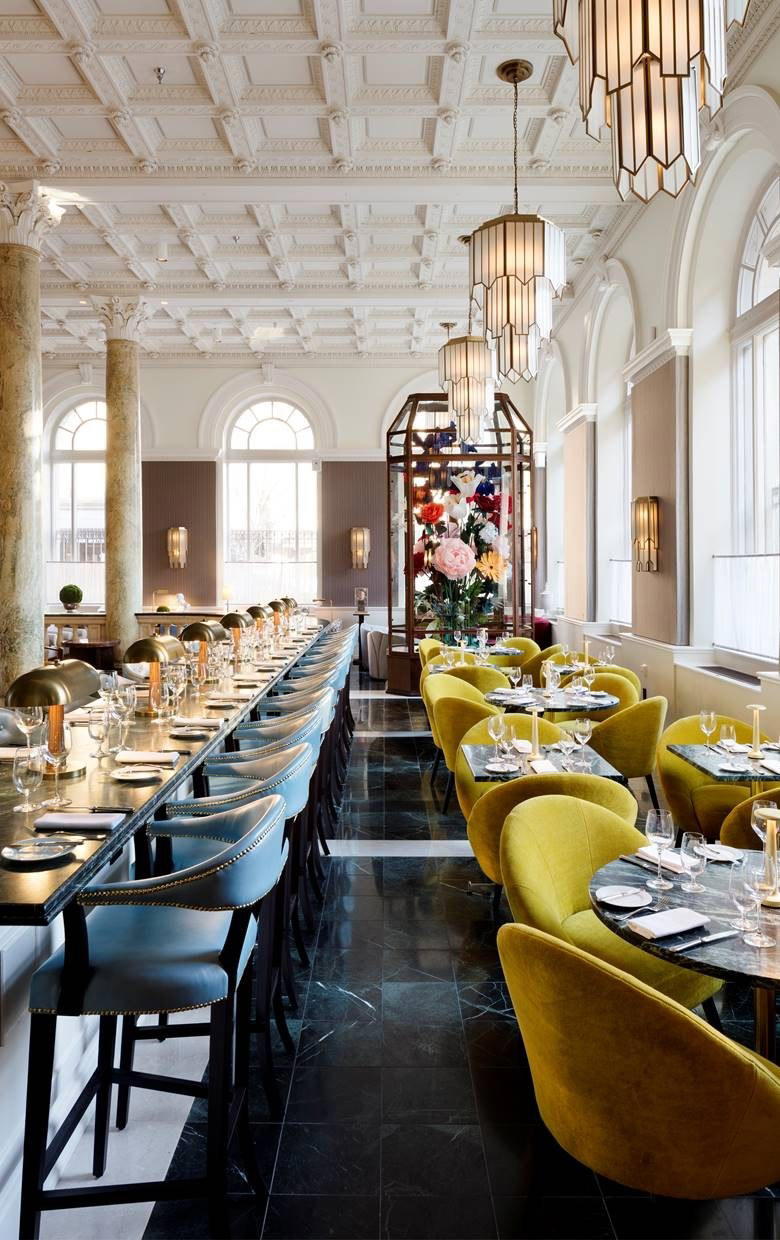
Swanky vibes with a lively atmosphere, well-suited for happy hours, brunches, and family gatherings in a modern bistro setting.