Our verdict
On Croatia's Pelješac peninsula, Gastro Mare occupies a position that reflects how seriously the Dalmatian coast now takes its seafood sourcing. Set in Kobas, a small settlement above a sheltered cove, the restaurant draws from waters and producers close enough to trace by name. For travellers moving between Dubrovnik and the island ferries, it represents a deliberate detour rather than an accidental discovery.

Pearl is the En Primeur Club membership app, where members save venues, book tables and use the concierge.

The menu
What to order
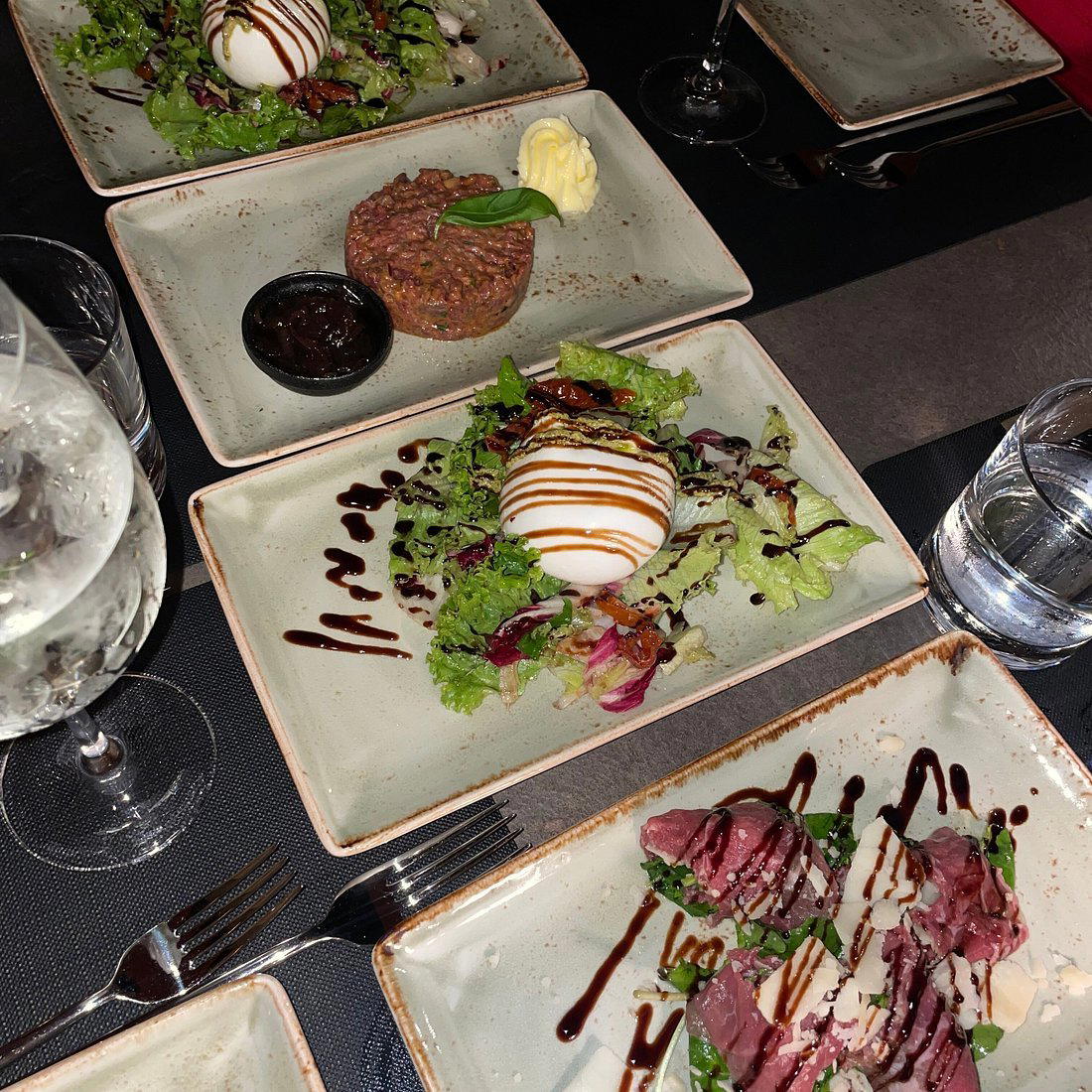
- Raw_oysters
- Grilled_oysters
- Oysters_in_tempura
- Tuna_carpaccio
- Seafood_risotto
Where the Adriatic Sets the Menu
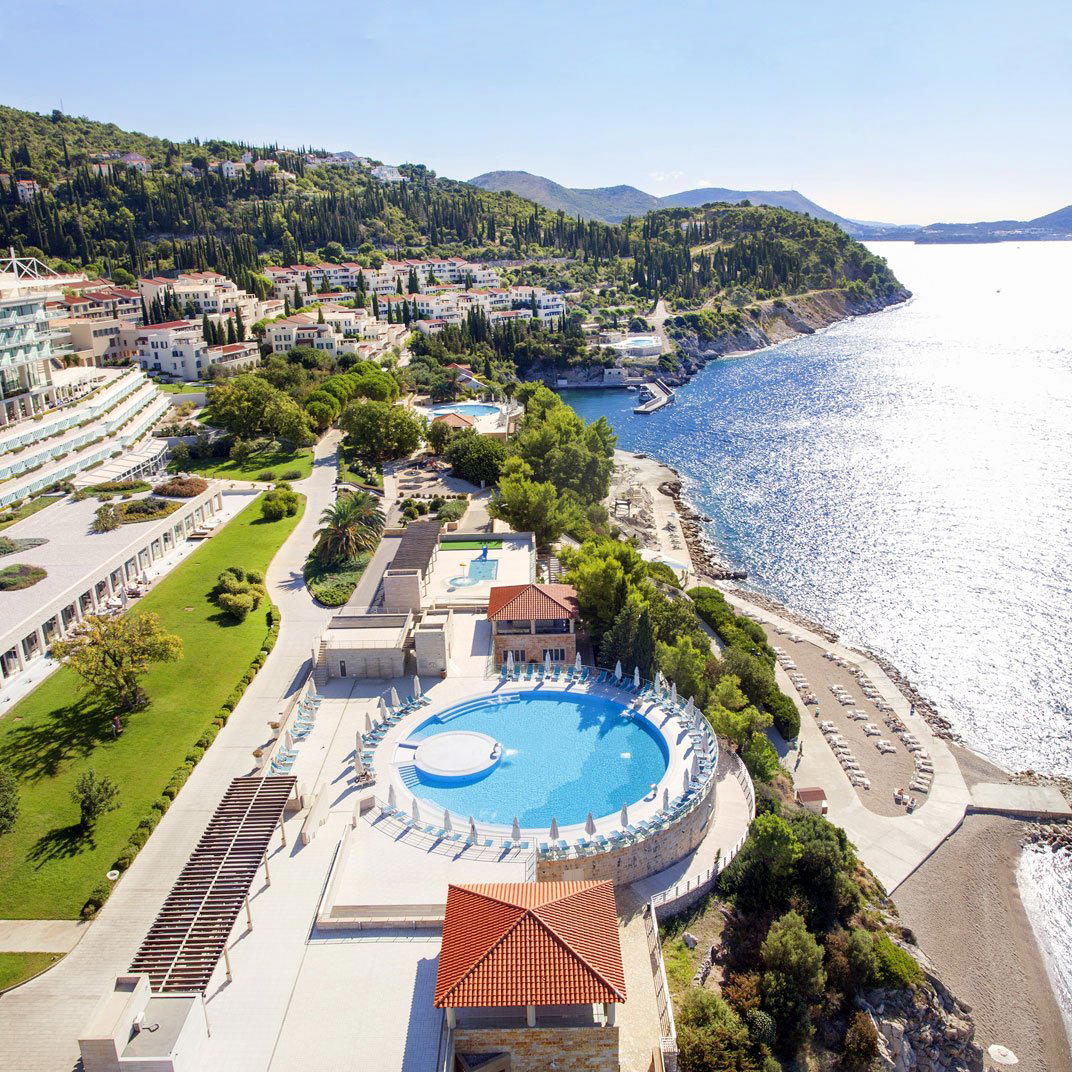
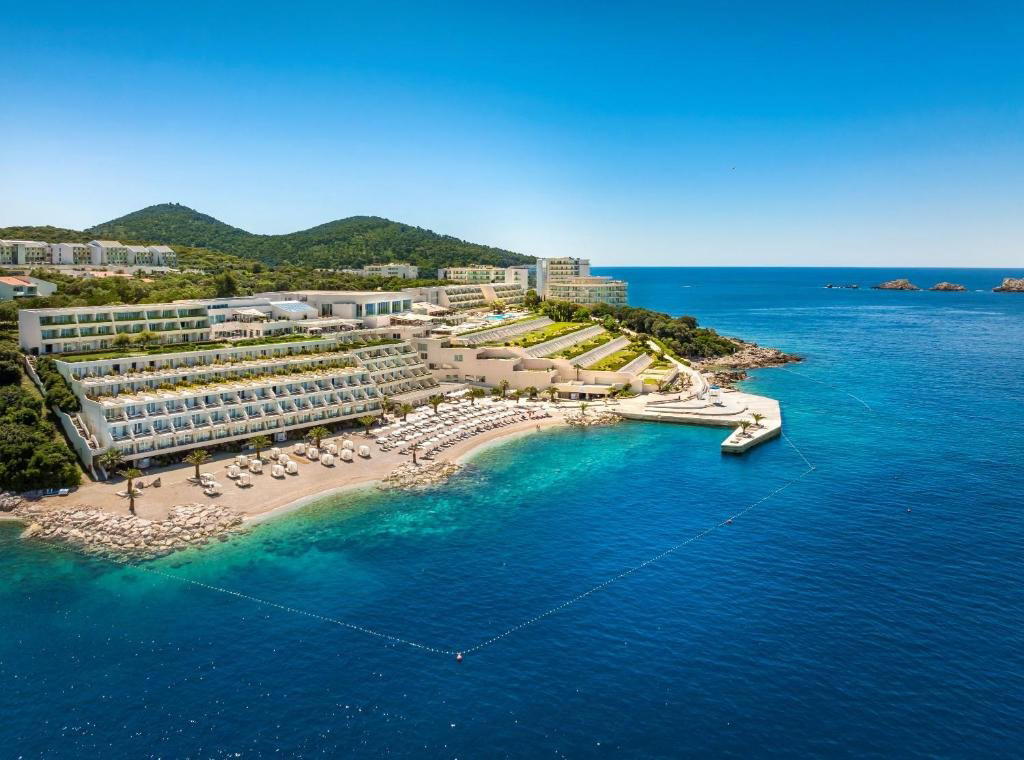
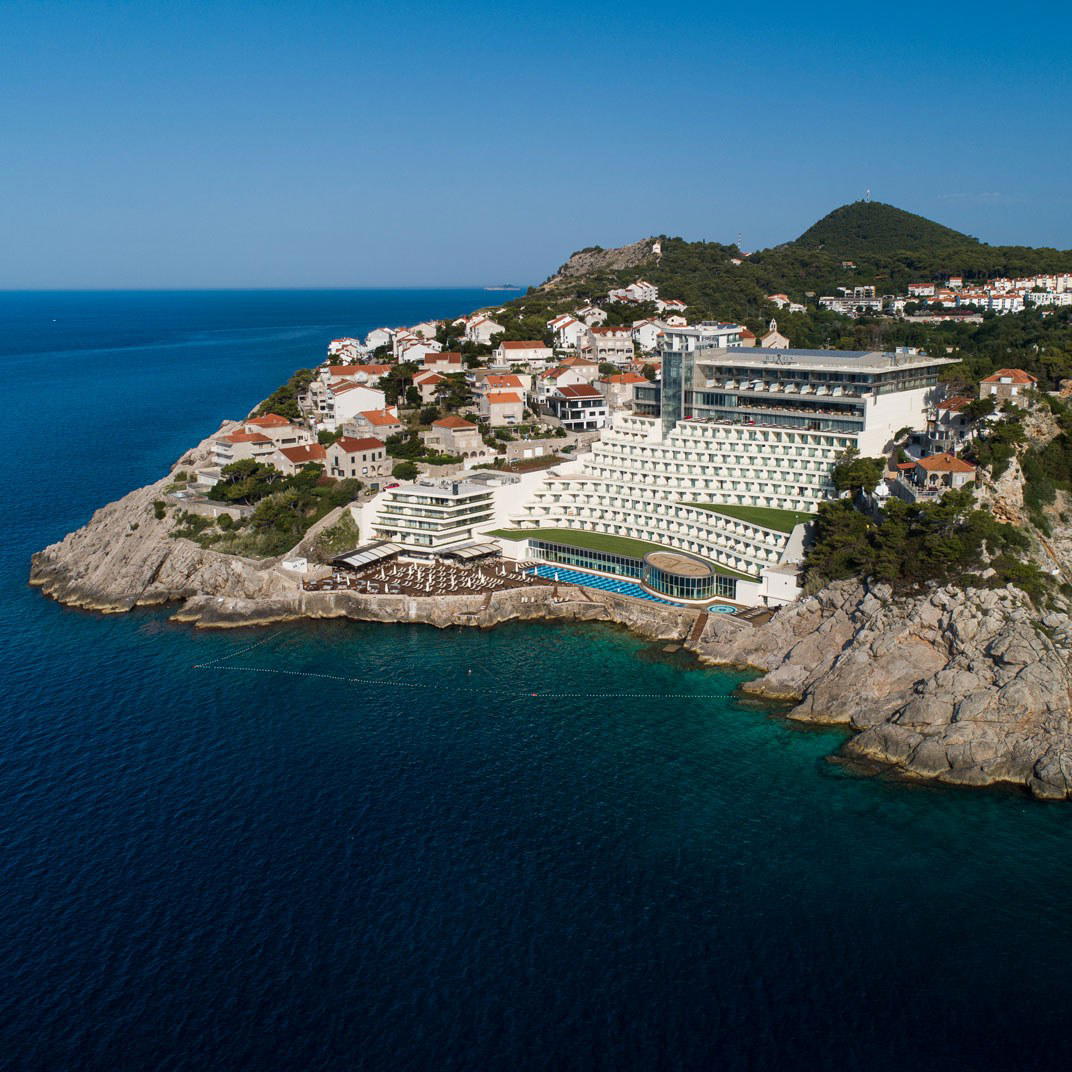
The approach to Kobas prepares you for what follows at the table. The road narrows as it descends toward the cove, pine giving way to sea views on both sides, and the village itself, a handful of stone houses arranged around a small harbour, operates at a pace determined by tides and fishing schedules rather than tourist traffic. Gastro Mare sits within this settlement at Kobas 1A, and the physical setting is not incidental to the food. On Croatia's Dalmatian coast, the distance between the water and the kitchen is one of the few reliable quality signals a diner can read before ordering anything.
The Pelješac peninsula has been producing shellfish, particularly oysters and mussels from the Ston channel to the northwest, long enough that the practice predates modern restaurant culture by centuries. Ston's oyster beds are among the oldest continuously farmed in Europe, and the cold, nutrient-rich waters of the Mali Ston bay have made the area a reference point for Adriatic shellfish quality in the same way that Brittany's estuaries function for French bivalve culture. Restaurants on and around Pelješac that source from this immediate geography are working with ingredient provenance that requires very little intervention to justify confidence.
Sourcing as Editorial Statement
Croatian coastal dining has split into two recognisable camps over the past decade. The first is the modernist Mediterranean approach, represented at the higher end by venues like Pelegrini in Sibenik and Restaurant 360 in Dubrovnik, where tasting menus and wine programs carry the price point into €€€€ territory and the kitchen treats local seafood as raw material for technique. The second camp, smaller and less photographed, keeps closer to the ingredient: grilled fish priced by the kilogram, shellfish served with nothing but lemon, and a kitchen philosophy that treats restraint not as a choice but as respect for what the sea provided that morning.
Gastro Mare operates within the second tradition. Kobas lacks the infrastructure for a fine-dining production, no sommelier team, no tasting menu architecture, but the sourcing geography makes the comparison to more elaborate coastal operations less damning than it might sound. When the catch is local and the shellfish comes from Ston-adjacent waters, the argument for simplicity is not modesty; it is confidence. The same logic applies at places like LD Restaurant in Korčula or Boskinac in Novalja, where provenance anchors the menu even when the format varies considerably.
Across the wider Adriatic region, the venues that have built durable reputations on ingredient sourcing, from Agli Amici Rovinj in Rovinj in Istria to San Rocco in Brtonigla, tend to share a commitment to named, traceable supply chains. That model is now filtering into smaller, less formally organised venues along the coast, where the sourcing story is often communicated verbally by staff who know the producers by name rather than through printed menu annotations.
The Pelješac Context
Understanding where Gastro Mare sits requires understanding what Pelješac is as a food region. The peninsula is better known internationally for its red wines, Dingač and Postup are the two protected designations, built on Plavac Mali grown on steep south-facing slopes above the sea, than for its restaurants. That wine identity has drawn visitors who then discover the seafood, creating a small but consistent demand for places that can deliver both. The combination of serious shellfish provenance and proximity to Croatia's most serious indigenous red wine geography makes Pelješac one of the more compelling places on the coast to eat and drink without requiring a tasting menu budget.
For context beyond Croatia, the dynamic is not unlike smaller fishing villages in the south of France or northern Spain, where geography and tradition have produced ingredient quality that outpaces the restaurant infrastructure around it. The analogy holds as far as it goes: the cooking in those settings does not need to compete with Le Bernardin in New York City or Lazy Bear in San Francisco on technique because the sourcing argument is different in kind, not just degree.
Inland Croatian cooking, as seen at venues like Korak in Jastrebarsko or Dubravkin Put in Zagreb, draws on a different provenance tradition: game, forest products, cured meats from continental farms. The coastal version of this sourcing integrity is fish and shellfish, and the Pelješac channel delivers both with the kind of specificity that makes the geography worth naming on a menu. Restaurants in Hvar and Korčula have built on this for years; the northern Istrian coast, represented at places like EatIstria in Pluj and Humska Konoba in Hum, does the same with truffle and olive oil. Pelješac's contribution is shellfish, and Gastro Mare works within that regional logic.
Planning a Visit
Kobas is a small settlement on the southern side of the Pelješac peninsula, accessible by road from Orebić, which is itself reached by ferry from Dominče on Korčula or by car from Dubrovnik via the Pelješac bridge, opened in 2022 and connecting the peninsula to the Croatian mainland without passing through Bosnia-Herzegovina. The drive from Dubrovnik takes roughly an hour depending on ferry connections avoided. For guests moving between Dubrovnik and the islands, Korčula, Hvar, Brač, Pelješac sits naturally on the route, and Kobas is reachable without significant detour. Seasonal access is a practical consideration: the cove is most reliably operational from late spring through early autumn, aligning with the fishing calendar and tourist season. Outside those months, operating hours and kitchen availability should be confirmed before making the journey a centrepiece of a day's itinerary. Our full Broce restaurants guide covers the wider area with additional context on timing and logistics. For those comparing options further along the coast, Nebo by Deni Srdoč in Rijeka and Alfred Keller in Mali Lošinj represent the northern Adriatic end of the Croatian restaurant spectrum. For Dalmatia specifically, Krug in Split and Restaurant Filippi in Curzola offer points of comparison at different price positions. And on Hvar, Trg Sv. Stjepana 3 in Lesina sits in the same regional ingredient conversation.
Frequently asked questions
Is Gastro Mare good for families?
Kobas is a small, unhurried cove settlement on the Pelješac peninsula, and Gastro Mare's setting at Kobas 1A suits a relaxed pace rather than a high-tempo dining room. The coastal environment tends to accommodate a range of ages, though families with very young children should factor in the narrow access road and limited infrastructure of a small settlement.
What should I expect atmosphere-wise at Gastro Mare?
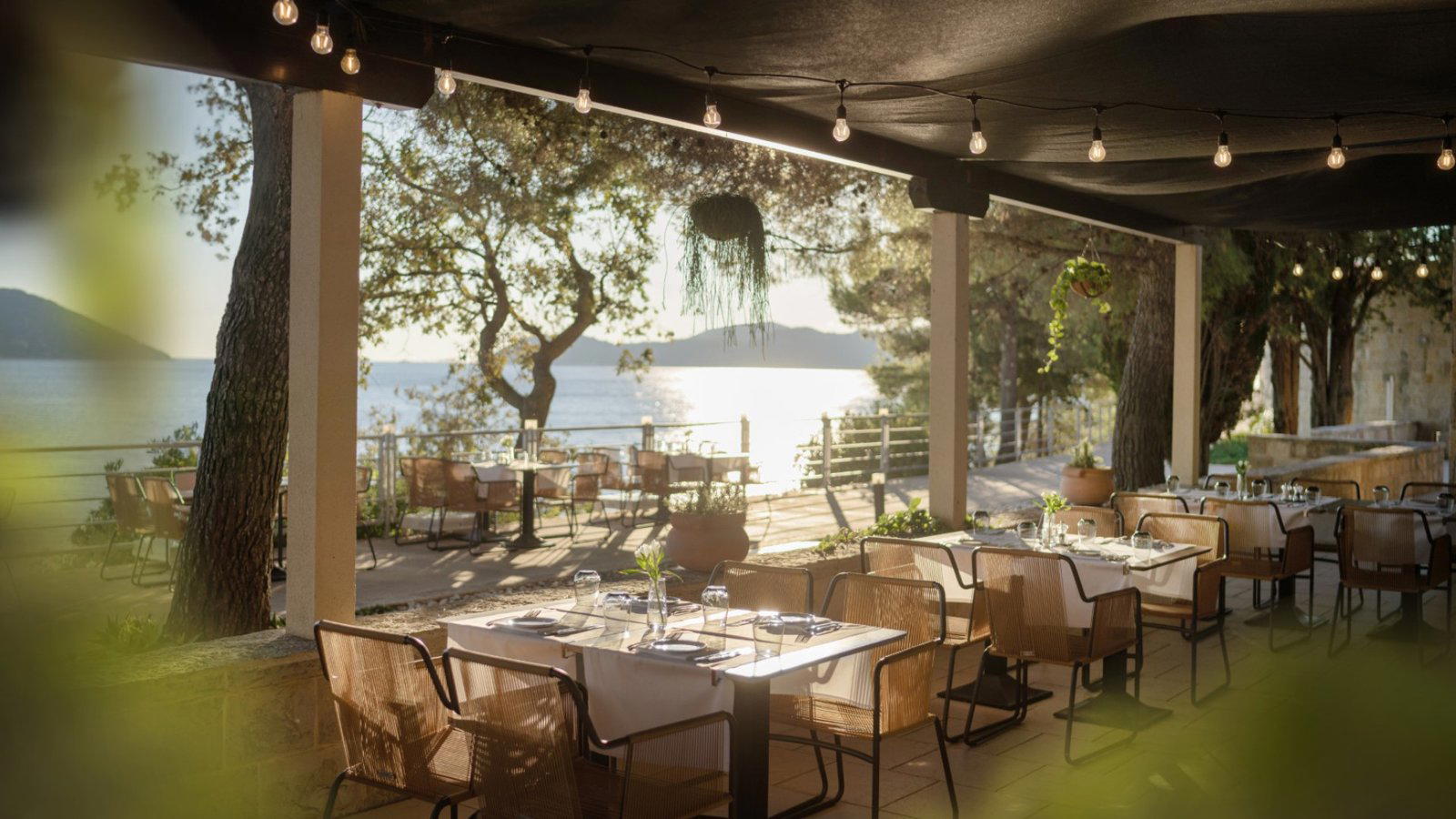
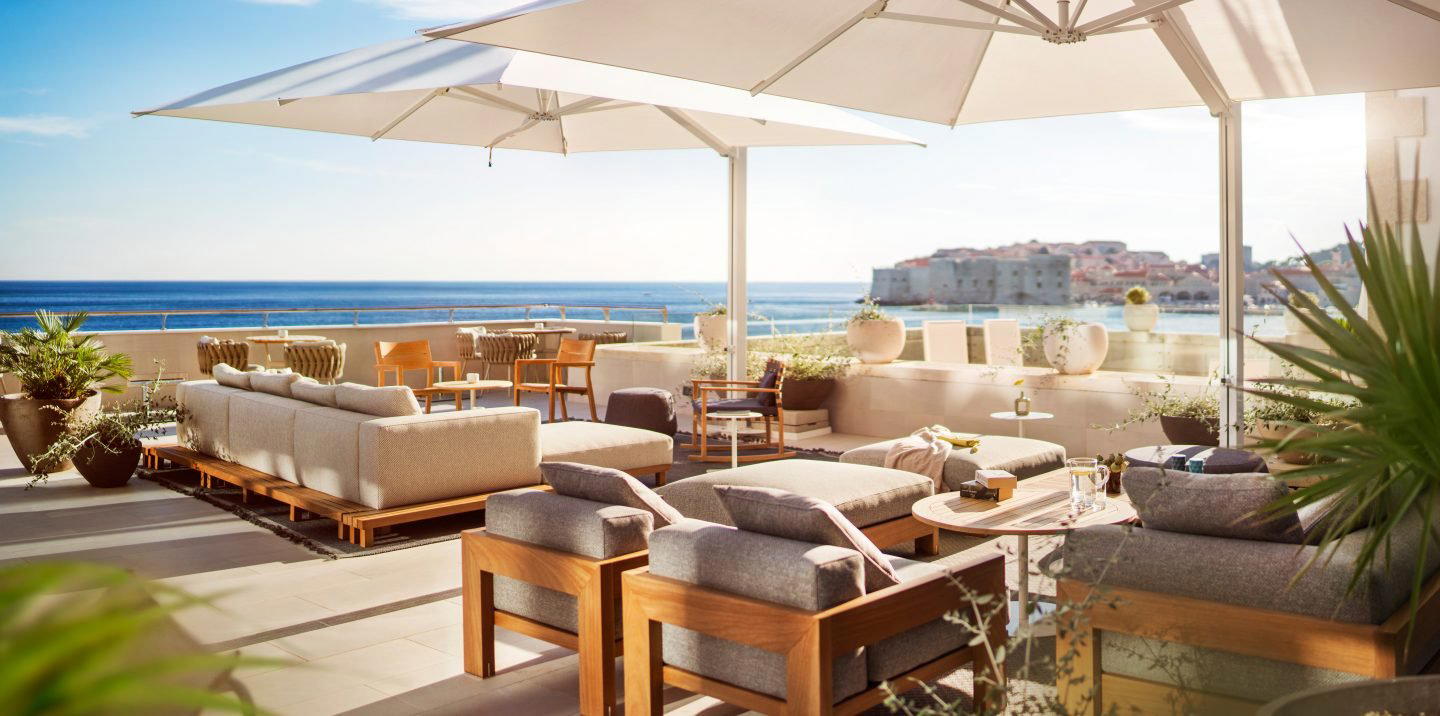
The address, Kobas 1A on the southern side of the Pelješac peninsula, situates the restaurant within a cove setting where the sea is the dominant presence. Expect something close to the Croatian konoba tradition in physical mood: proximity to water, natural light, and a pace determined by the tides of the season rather than a city dining schedule. This is not a high-production-value room; the environment is the production value.
How does Gastro Mare's location in Kobas compare to dining in Orebić or Ston?
Kobas sits on the quieter southern face of the Pelješac peninsula, a few kilometres from Orebić, which serves as the main ferry-connected town on the peninsula via the crossing from Dominče near Korčula. Unlike Ston, which draws visitors specifically for its oyster beds and salt pans, or Orebić, which has a broader tourist infrastructure, Kobas at address Kobas 1A is a smaller settlement where restaurant options are fewer and the pace considerably slower. That relative quiet is part of the appeal for those making the detour.
What do people recommend at Gastro Mare?
Any kitchen operating in Kobas with a focus on regional sourcing is working within those reference points.
How do I find Gastro Mare?
Gastro Mare is located at Kobas 1A, 20230, Kobas, Croatia, Broce.
Is Gastro Mare reservation-only?
Kobas operates on a small scale, and most restaurants in similarly sized Pelješac settlements work with limited covers, particularly during the summer months when Croatian coastal tourism peaks.
What's the defining dish or idea at Gastro Mare?
The defining idea at Gastro Mare is geographic: the Pelješac peninsula produces some of Croatia's most credible raw ingredients, from Ston shellfish to locally landed Adriatic catch, and a kitchen at Kobas 1A is positioned closer to that sourcing chain than most dining rooms in the region. The editorial premise, reflected in the venue's placement on the southern peninsula shoreline, is that proximity to the Adriatic is itself the organising principle of the cooking.
In Context: Similar Options
Comparable venues nearby, for context on price, style, and recognition.
| Venue | Cuisine | Price | Awards | Notes |
|---|---|---|---|---|
| Gastro MareThis venue (the venue you are viewing) | Modern Dalmatian Seafood | $100–150 | Not listed | Not listed |
| Ludo More | Fresh Croatian Seafood | $50–100 | Not listed | Cavtat |
| Kamenice | Traditional Croatian Seafood | $20–30 | Not listed | Old Town |
| Nikola | Dalmatian Seafood Konoba | Not listed | Not listed | Stobrec |
| Obala | Seafood Mediterranean | $20–30 | Not listed | Lopud |
| The Captain's Terrace Restaurant | Seaside Mediterranean & Seafood with Pelješac regional focus | Not listed | Relais Chateaux Award | Orebić |
Continue exploring
More in Broce
Restaurants in Broce
All restaurants in Broce →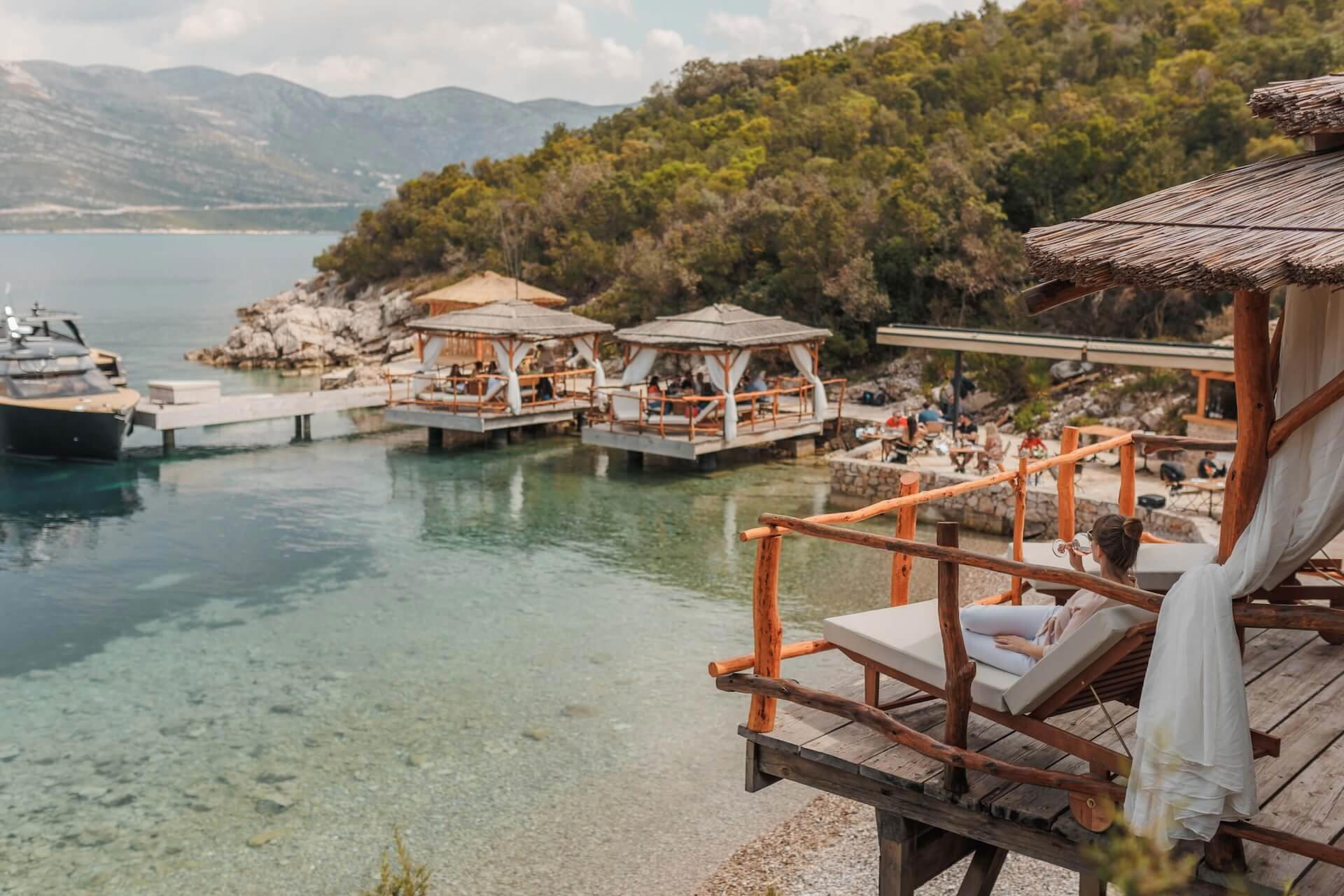
Bars in Broce
Browse all →


Details
- Scenic
- Cozy
- Elegant
- Intimate
- Date Night
- Special Occasion
- Group Dining
- Open Kitchen
- Waterfront
- Terrace
- Extensive Wine List
- Local Sourcing
- Waterfront
- Tasting Menu
- A La Carte
- Small Plates
- Local Wines
- Vegetarian Friendly
- Vegan Options
Current opening hours
- Monday
- Closed
- Tuesday
- Closed
- Wednesday
- 12:30–9 PM
- Thursday
- 12:30–9 PM
- Friday
- 12:30–10 PM
- Saturday
- 12:30–10 PM
- Sunday
- 12:30–9 PM
Hours can change for holidays and private events. Hours as of .
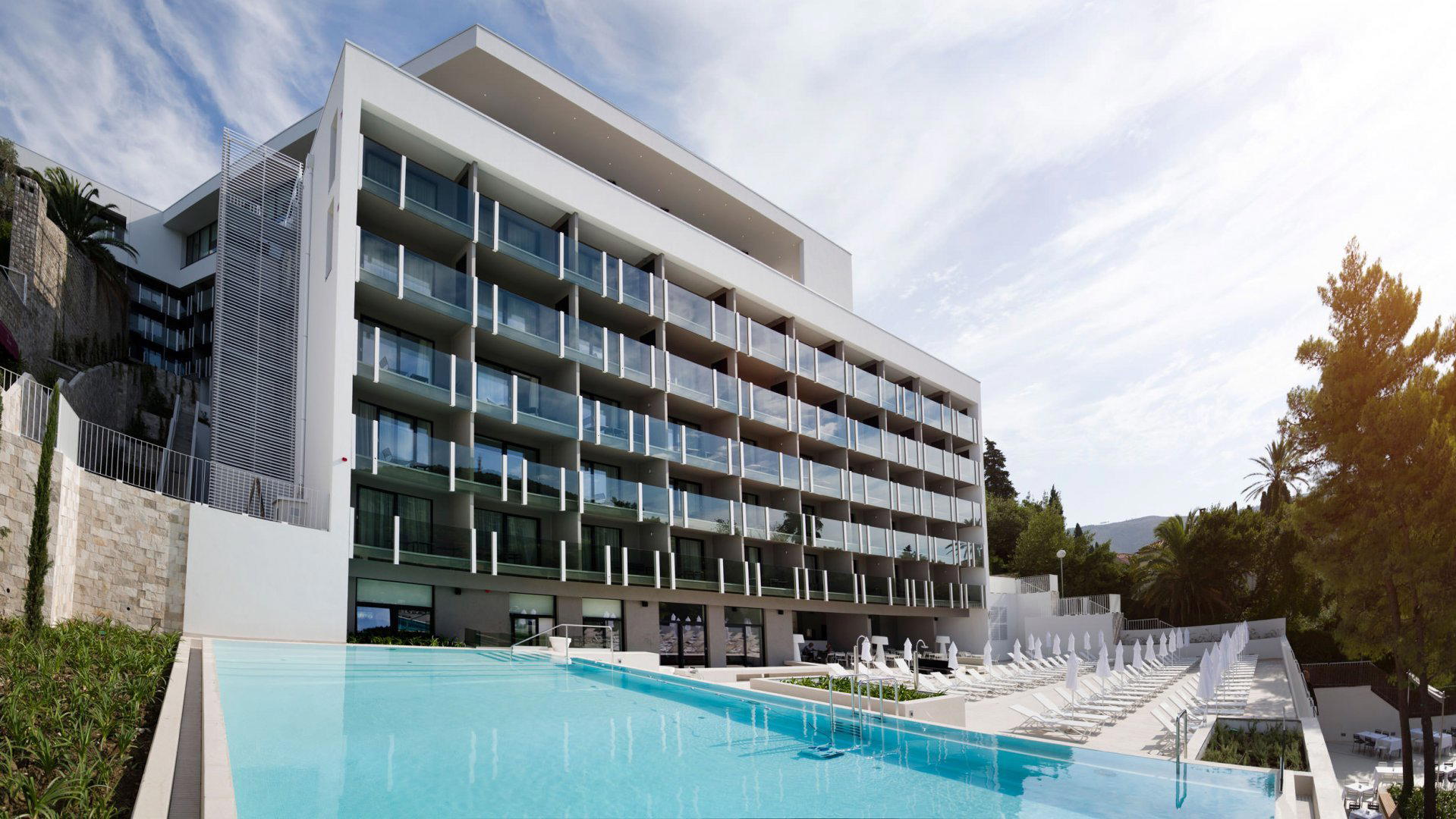
Cozy konoba under olive trees with sea views, open kitchen, and relaxed yet elegant atmosphere.