
Relais Chateaux Award
Our verdict
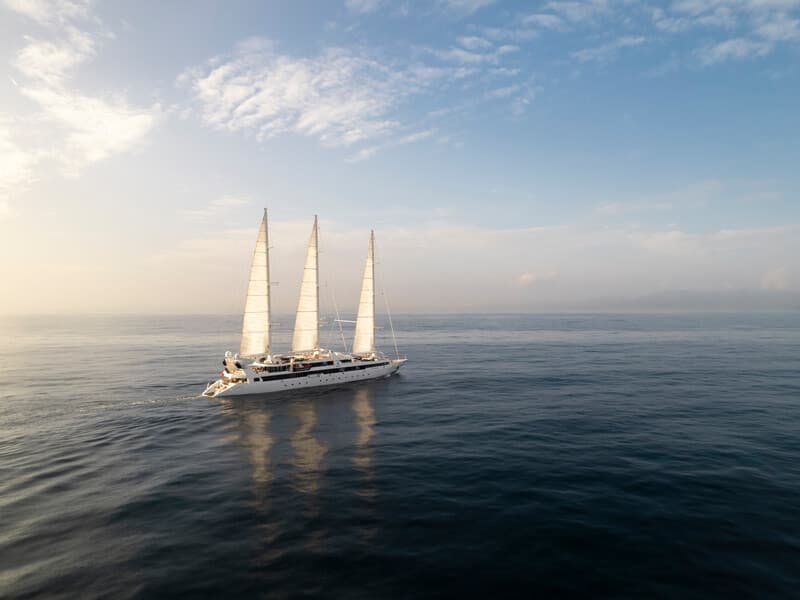
Le Ponant is a three-masted sailing ship operating eco-certified Mediterranean cruises out of the Dubrovnik region, offering an all-inclusive, small-group format that places guests on the water rather than beside it.

Pearl is the En Primeur Club membership app, where members save venues, book tables and use the concierge.
The menu
What to order
- Buffet lunch on terrace
- Elaborate evening menu at Karukera Restaurant
Sailing the Mediterranean from Dubrovnik: Where the Sea Is the Destination
There is a particular quality to arriving somewhere by sea that no road or airport can replicate. The approach is gradual, the scale honest, and the coastline reveals itself on its own terms. Le Ponant operates precisely within that logic. A three-masted sailing ship running eco-certified cruises from the Dubrovnik region, it belongs to a category of travel that has quietly grown in ambition while shrinking in passenger count: the small-ship, high-attention cruise format that positions itself against the intimacy of a private yacht rather than the scale of a conventional cruise liner.
The Mediterranean has always been a geography of overlapping cultures. Phoenician trade routes, Ottoman expansion, Venetian merchant fleets, and Greek colonial ambition all used these same waters. The southern Dalmatian coast, where Le Ponant operates, sits at one of the most historically layered intersections of that basin: the point where Adriatic trading culture met Byzantine influence, where Ragusan merchants once negotiated between East and West with extraordinary diplomatic precision. A sailing itinerary along this coastline is, structurally, a tour through that accumulated history, read at sea level rather than from a museum caption.
The Format: What Small-Ship Sailing Actually Changes
The distinction between large-format cruising and the kind of intimate, low-capacity sailing that Le Ponant represents is not purely aesthetic. It determines where the vessel can go. A three-masted sailing ship can anchor in coves and reach island harbours that conventional cruise infrastructure cannot access. This matters along the Dalmatian coast, where the most atmospheric villages, the most intact medieval settlements, and the quietest stretches of Adriatic water sit away from the main ferry routes and well outside the radius of Dubrovnik's high-season crowd density.
All-inclusive format, standard across the PONANT fleet, removes the transactional friction that accumulates on larger vessels, where shore excursions, dining upgrades, and beverage packages are priced separately. For guests travelling through a coastline this rich in options, having food, wine, and excursions consolidated into a single pre-arranged structure allows itinerary planning to focus on where to go rather than what each stop will cost. PONANT also organises accommodation, transfers, and flights for pre- and post-cruise extensions, which reduces the logistical complexity of stitching together a broader Adriatic trip.
Eco-certification that Le Ponant carries reflects a broader shift in how premium travel operators in the Mediterranean now position environmental responsibility: not as a marketing footnote but as an operating standard that affects fuel use, waste management, and port selection. Sailing-propelled itineraries, where wind supplements or replaces engine power, sit at the more credible end of that spectrum.
The Mediterranean Table Aboard
Mediterranean cuisine at this level of travel is not a single tradition but a compression of regional ones. Chef Francesco Torcasio oversees the culinary programme aboard, and the Mediterranean classification covers a basin that runs from Catalan cooking in the west through Provençal and Ligurian traditions, across the Adriatic to Dalmatian cuisine, and south through Greek island cooking and Levantine food cultures. What those traditions share is an emphasis on seasonal produce, seafood treated without heavy intervention, and the foundational ingredients, olive oil, legumes, aromatic herbs, preserved fish, that have moved across the Mediterranean since antiquity.
Dining aboard a small-ship like Le Ponant carries a contextual charge that restaurant dining on land cannot easily replicate. The catch from that morning's anchorage, the particular character of a local wine brought on at a Croatian port, the shift in flavour profile as the itinerary moves between coastlines: these are the details that distinguish an onboard dining programme from a fixed restaurant menu. The Dalmatian coast specifically offers ingredients with strong regional identity, prstaci (date mussels, now protected), pag cheese, the indigenous Plavac Mali grape variety, and itineraries that pass through Croatian island stops allow a kitchen this focused to work with local provenance rather than against it.
Dubrovnik as Departure Point
Dubrovnik's position as a departure point for Adriatic sailing is well-established. The city's own history as the Republic of Ragusa, an independent maritime state that survived for five centuries through naval skill and diplomatic intelligence, gives it a particular logic as the start of a sea voyage. Within Dubrovnik itself, the dining scene spans a wide range. Restaurant 360 (International, Modern Cuisine) and Nautika (Modern European, Classic Cuisine) both operate at the €€€€ price point and represent the city's most formal land-based dining. Bistro Tavulin (Traditional Cuisine) takes a more grounded approach to Dalmatian food at a lower price tier, while Dubrovnik (Mediterranean Cuisine) and Marco Polo (Mediterranean Cuisine) both work within the regional Mediterranean tradition that Le Ponant's kitchen extends out to sea.
For guests spending time in the city before or after departure, our full Dubrovnik restaurants guide covers the full range. The Dubrovnik hotels guide, bars guide, wineries guide, and experiences guide provide the surrounding context for a longer stay.
The Broader Croatian and Adriatic Dining Scene
Croatia has developed a serious fine-dining infrastructure over the past decade. Agli Amici Rovinj in Rovinj and Alfred Keller in Mali Lošinj both represent the Istrian and Kvarner island tradition at its most ambitious. Boskinac in Novalja on Pag island anchors its kitchen directly to local agriculture and the island's wine production. Inland, Dubravkin Put in Zagreb and Korak in Jastrebarsko show how Croatian cooking has moved beyond its coastal identity. Krug in Split sits closest geographically to the central Dalmatian stretch that Le Ponant's itineraries cover.
The Mediterranean tradition that connects these Croatian addresses to a wider culinary geography is also visible in how other cities interpret it: Apolonia in Chicago and Balear in Madrid both work within Mediterranean frameworks that share ingredients and technique with the Dalmatian coast, even as their contexts differ entirely.
Planning the Trip
Le Ponant departs from Zaton, near Dubrovnik, with GPS coordinates placing the embarkation point at 38.8851, 18.8326. PONANT handles pre- and post-cruise logistics including accommodation, transfers, and flights, which makes Le Ponant a viable anchor for a longer Adriatic itinerary rather than a standalone booking. The all-inclusive format means the principal cost is settled in advance, with shore excursions and onboard dining included.
Frequently asked questions
What distinctions does Le Ponant - Mediterranean have?
Le Ponant - Mediterranean has received recognition including: ust PONANT to organize accommodation, transfers, flights and even excurs….
Can I walk in to Le Ponant - Mediterranean?
No. Le Ponant is a sailing vessel operating scheduled departures from Zaton, near Dubrovnik, at GPS 38.8851, 18.8326. Bookings are made through PONANT directly, which also handles transfers, accommodation, and excursions around your cruise dates.
What's Le Ponant - Mediterranean best at?
Access is the clearest argument for this format. The three-masted ship reaches Dalmatian anchorages and island harbours that larger cruise vessels cannot enter, combined with eco-certified operations and an all-inclusive structure that removes the transactional friction of most onboard dining.
Style and Standing
Comparable venues nearby, for context on price, style, and recognition.
| Venue | Cuisine | Price | Awards | Notes |
|---|---|---|---|---|
| Le Ponant - MediterraneanThis venue (the venue you are viewing) | French Fine Dining Cruise | Not listed | Relais Chateaux Award | Not listed |
| Bowa | Traditional Mediterranean Seafood | $50–100 | Not listed | Šipan Island |
| Porat | Modern Croatian Seafood Grill | $20–30 | Not listed | Gruž |
| Konoba Tauris | Traditional Dalmatian Seafood Grill | $30–50 | Not listed | Sipanska Luka |
| Restaurant Kopun | Traditional Croatian with Modern Twist | $50–100 | Not listed | Old Town |
| Pantarul | Modern Croatian Mediterranean | $30–50 | Not listed | Lapad |
Recognition history
Dated appearances from independent guides and award organizations, with the underlying list record or original source where available.
Relais Chateaux Award
Relais Chateaux
Continue exploring
More in Dubrovnik
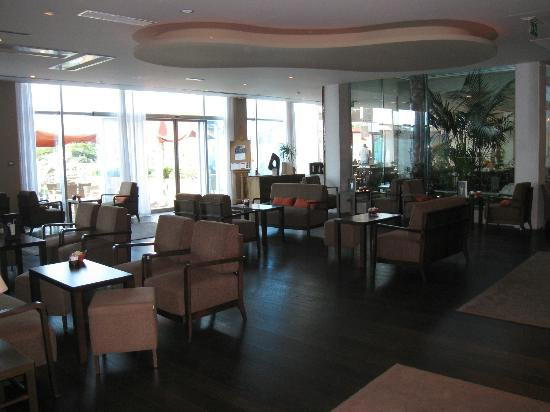
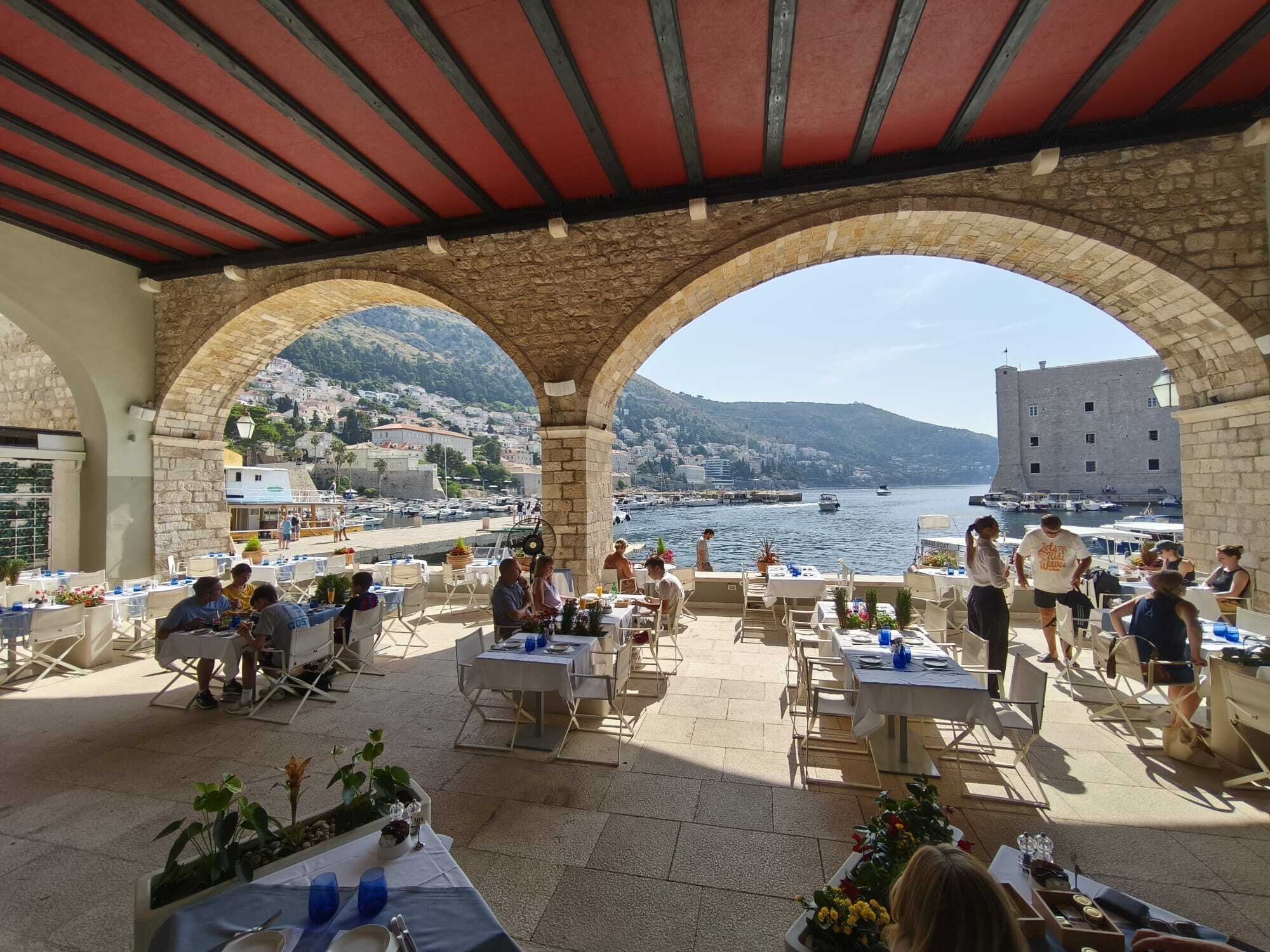
Restaurants in Dubrovnik
All restaurants in Dubrovnik →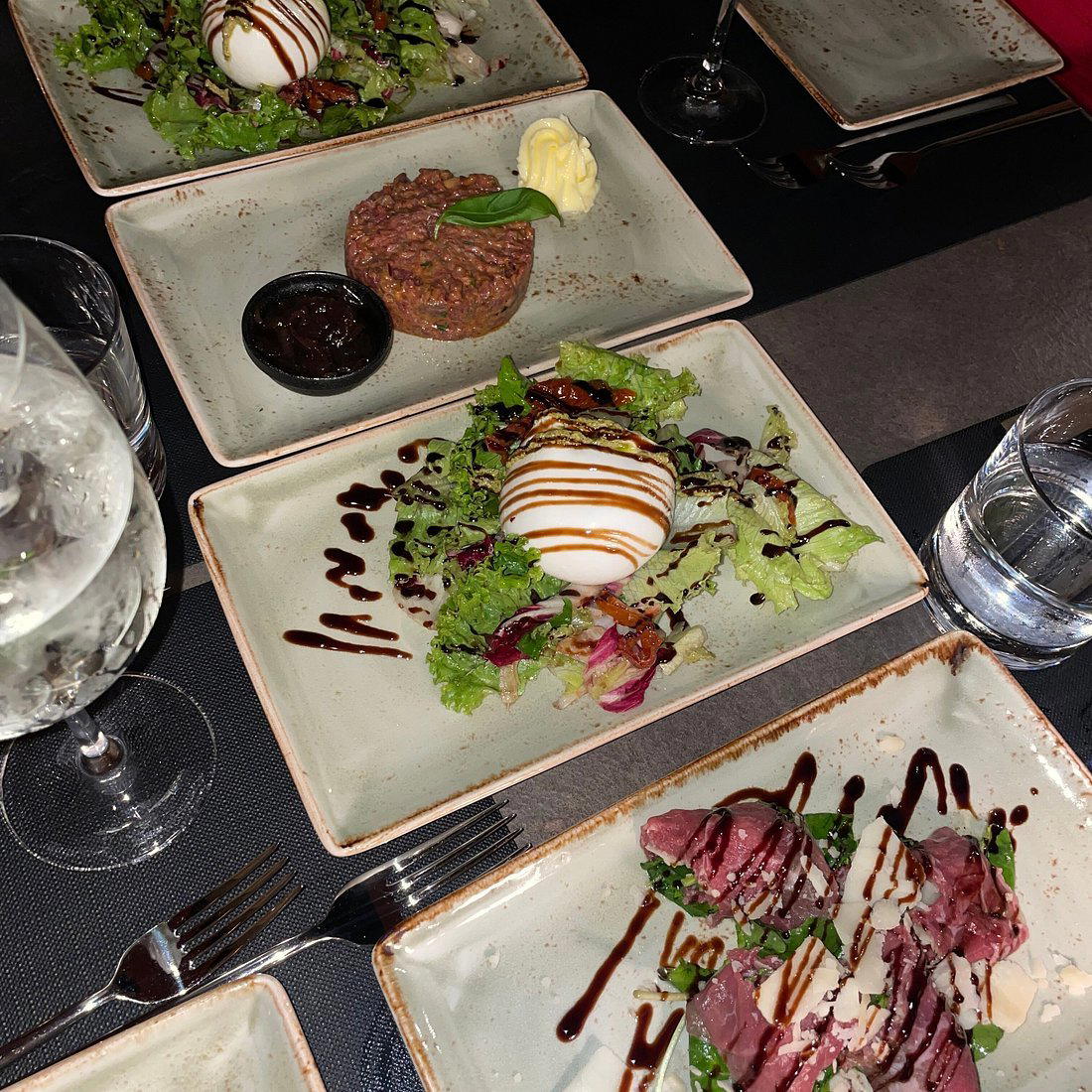
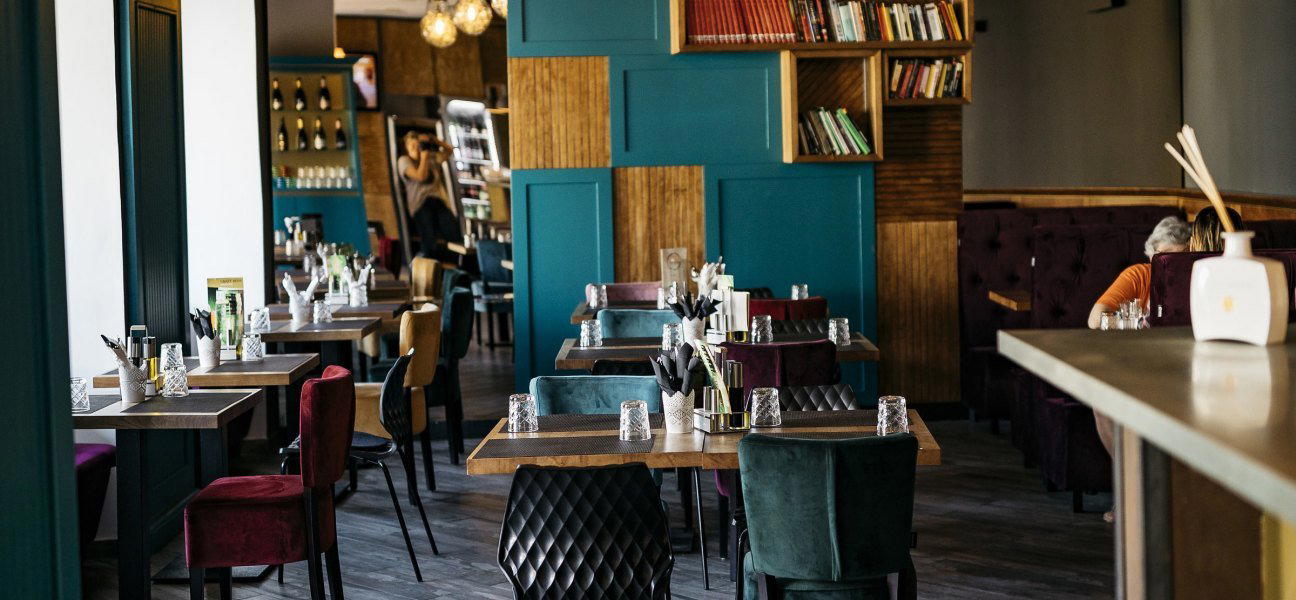
Bars in Dubrovnik
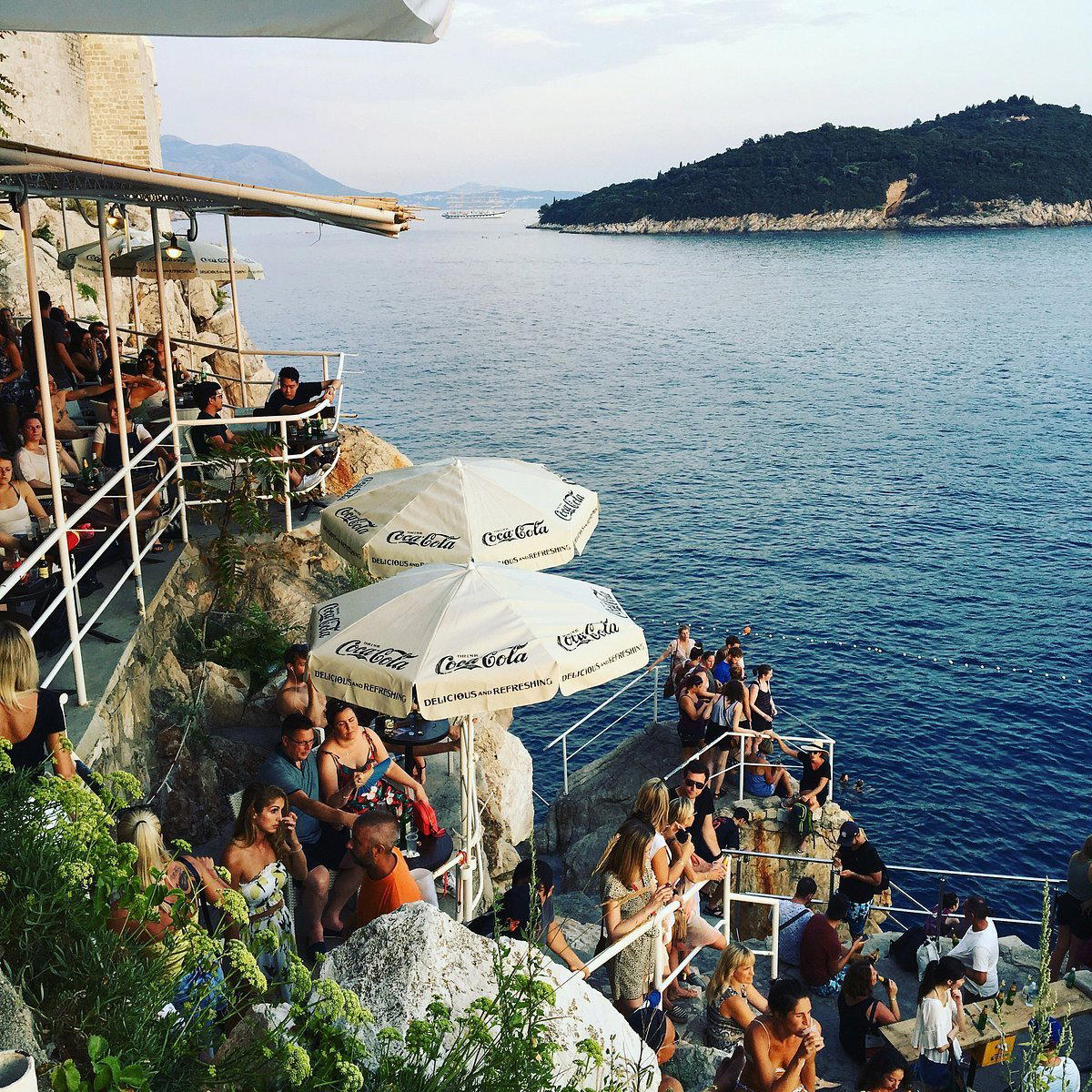
All bars in Dubrovnik →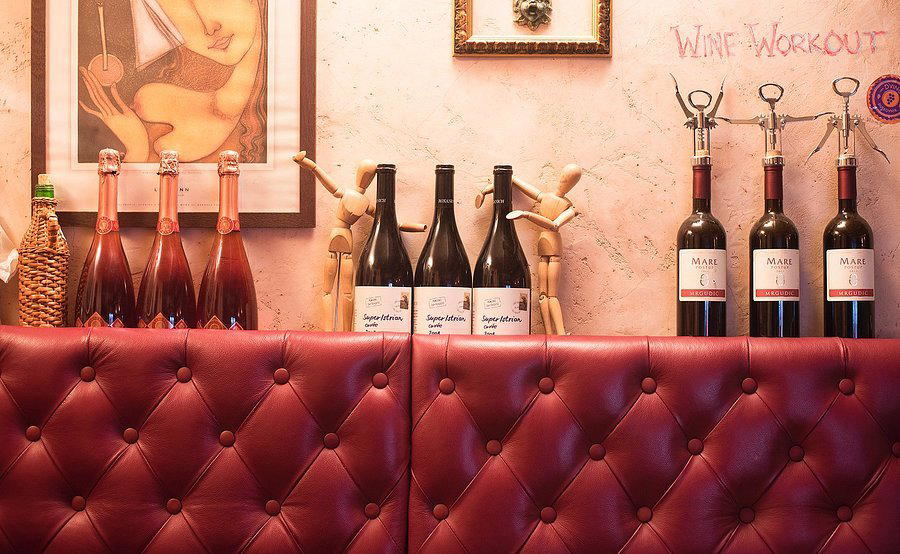


Le Ponant - Mediterranean
The wine
- Extensive wine list
- Sommelier-led
Details
- Elegant
- Romantic
- Sophisticated
- Scenic
- Special Occasion
- Celebration
- Group Dining
- Waterfront
- Terrace
- Panoramic View
- Private Dining
- Historic Building
- Extensive Wine List
- Sommelier Led
- Local Sourcing
- Organic
- Waterfront
- Buffet
- A La Carte
- Set Menu
- Wine
- Local Specialties
- Vegetarian Friendly
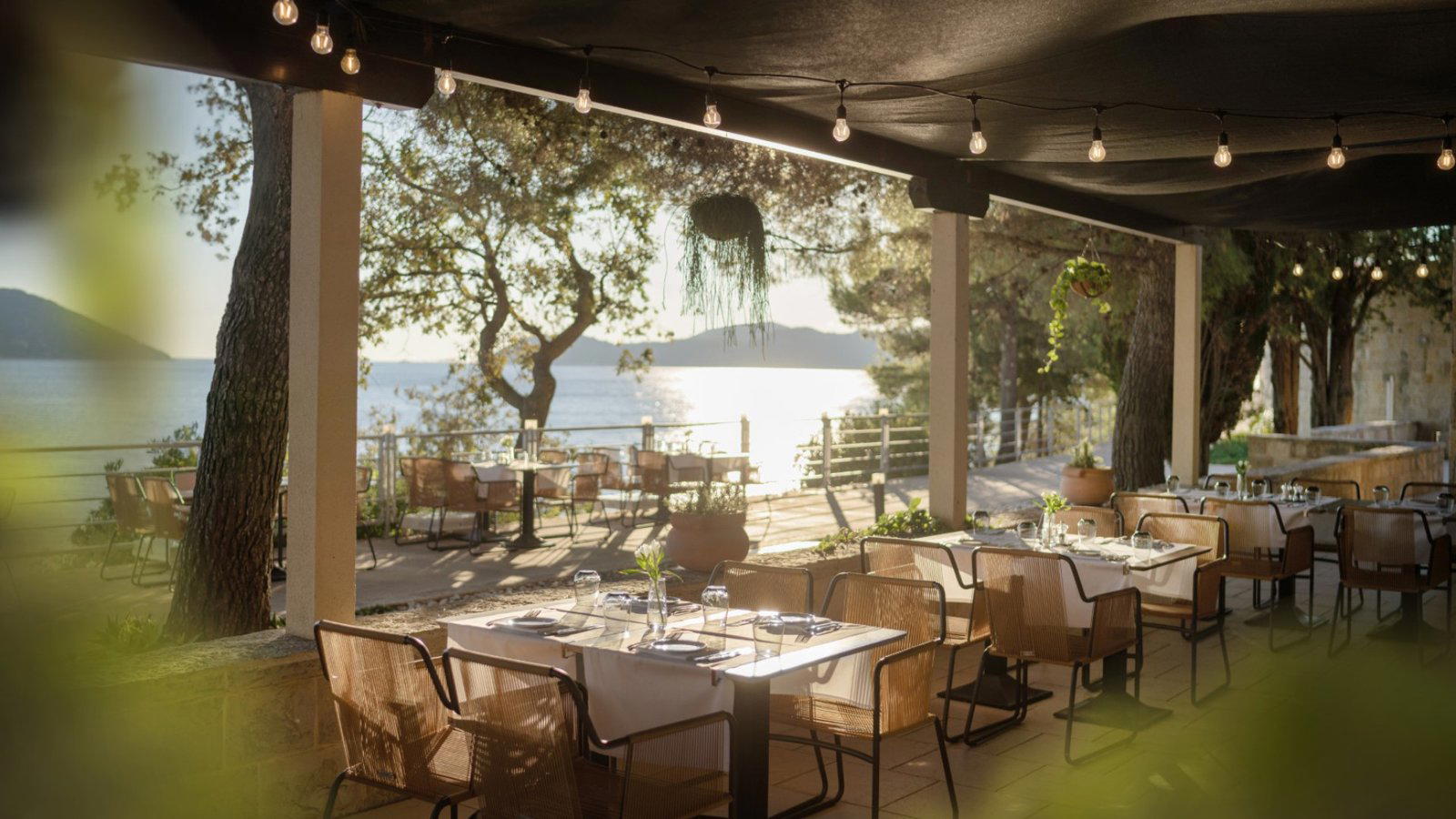
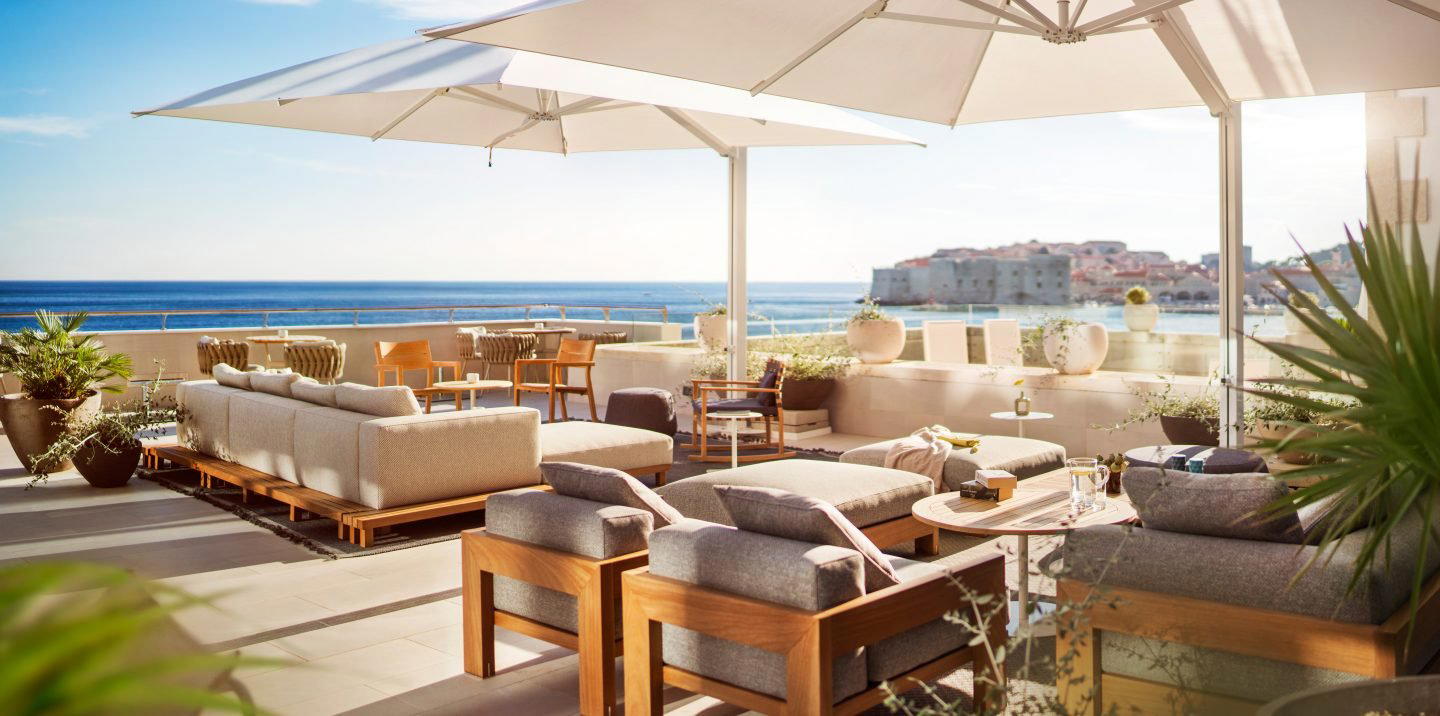
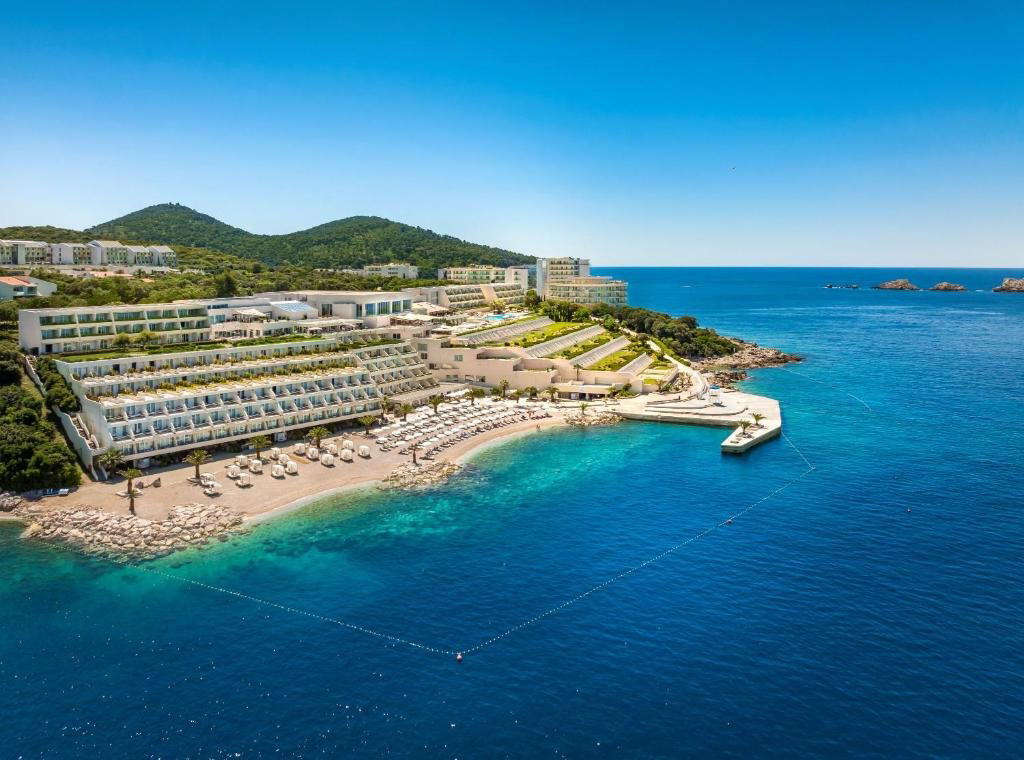
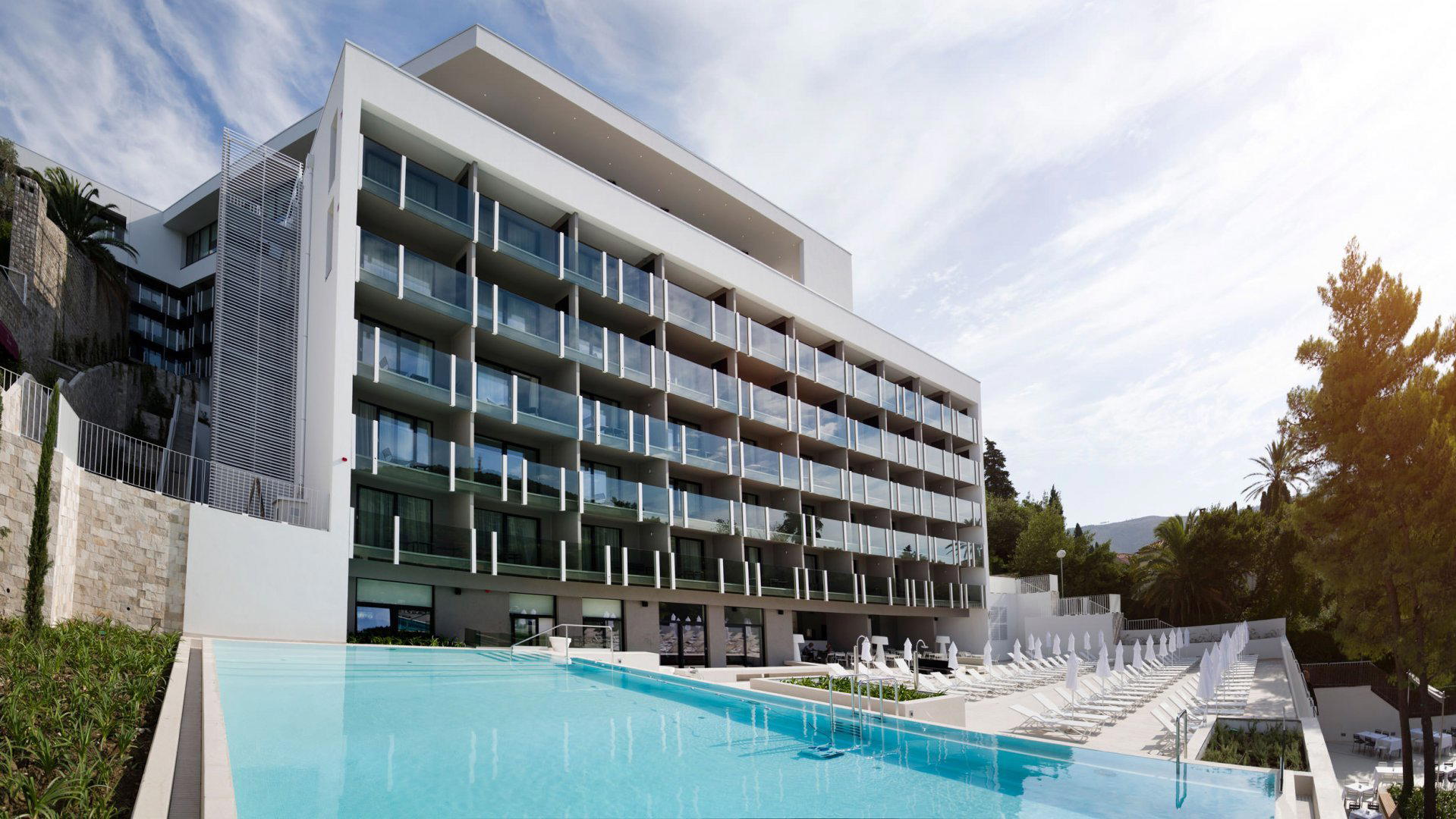
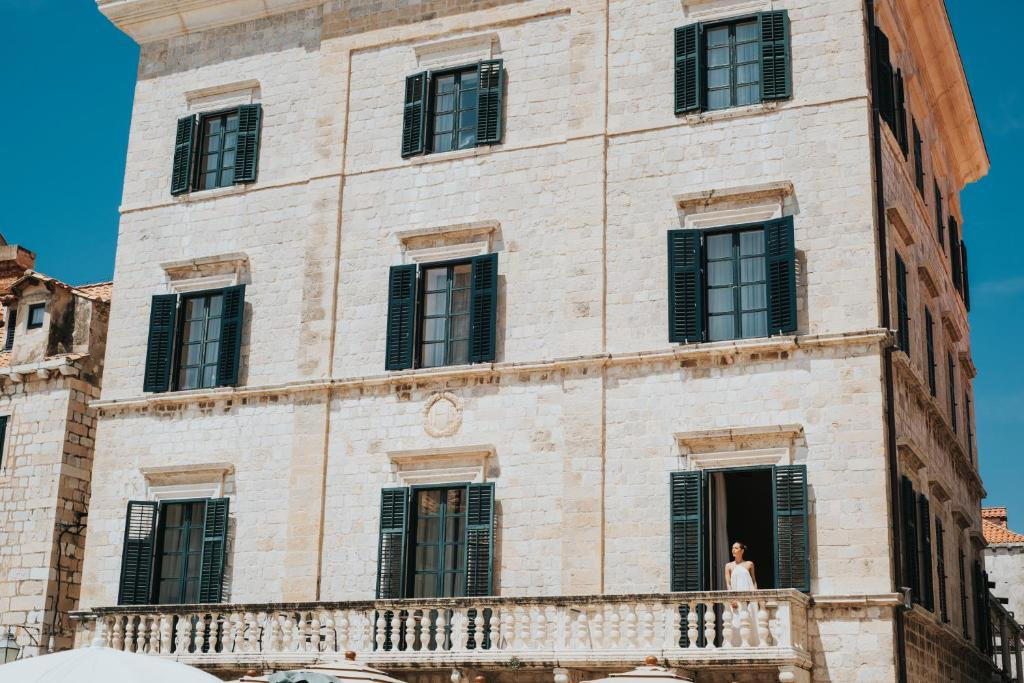
Refined and intimate with warm evening light reflecting off white-stone architecture; panoramic sea views from open-air dining areas; warm wood paneling in evening dining spaces.