On the car-free island of Lopud, a short ferry ride from Dubrovnik, Obala occupies a waterfront position that frames Adriatic dining in its most unhurried form. The restaurant draws on the Elaphiti Islands' tradition of seafood-led cooking, where proximity to the catch and a slower pace of service shape the experience as much as anything on the plate. For visitors crossing from the city, it represents a distinct register of Dalmatian hospitality.
Pearl is the En Primeur Club membership app — saves, bookings, and concierge access live there. Same editors, same standards.
- Address
- Obala Iva Kuljevana 18, 20222, Lopud, Croatia
- Phone
- +38598512725
- Website
- obalalopud.com
- Directions
- Get directions
 Saves & bookings on Pearl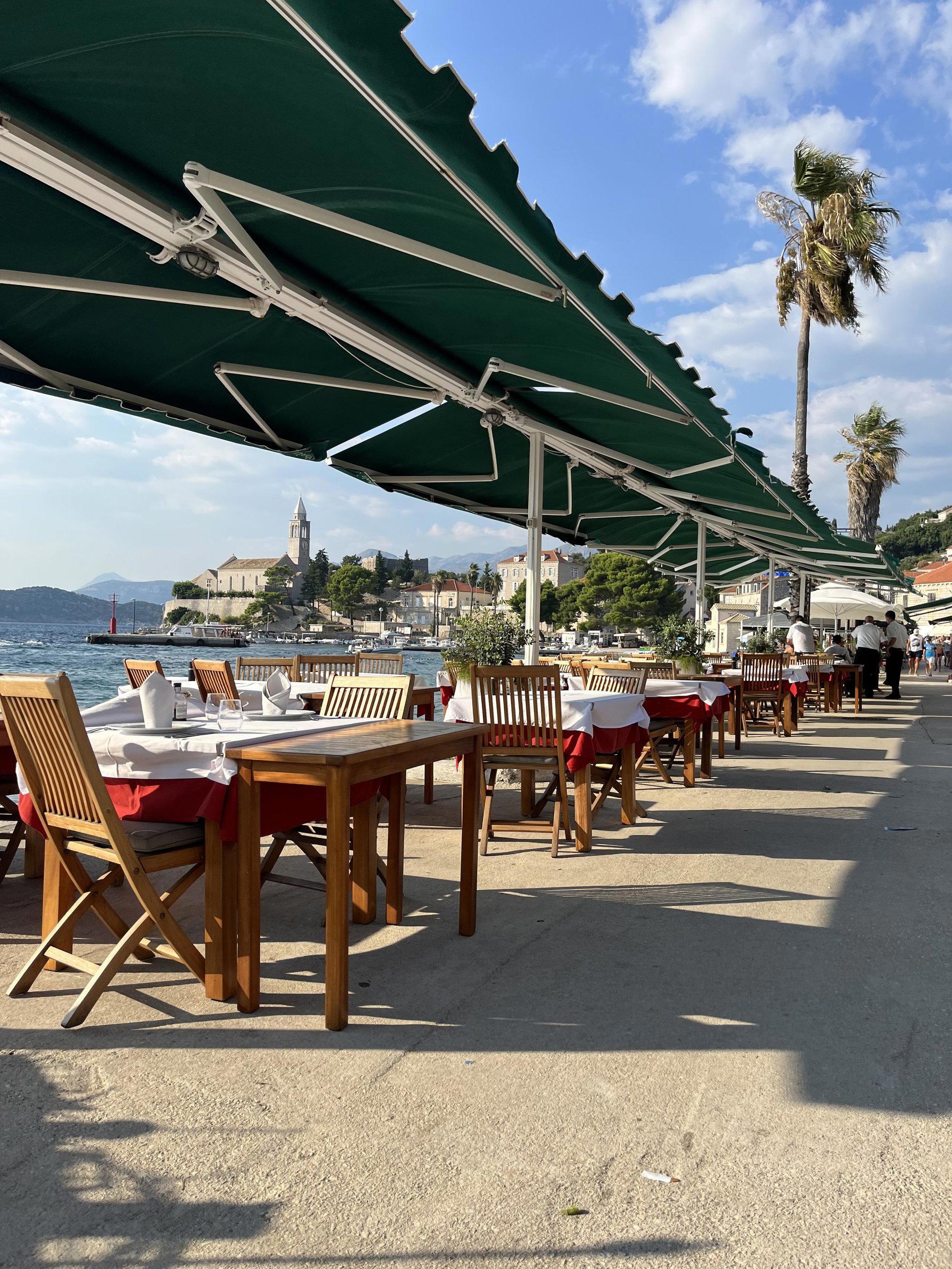
Lopud and the Case for Slowing Down
The Elaphiti Islands sit northwest of Dubrovnik's old town, reachable by a ferry that takes roughly 45 minutes depending on the crossing. Of the three main islands in the archipelago, Lopud is the one most visited by day-trippers drawn to Šunj beach, yet the village itself, with its car-free promenade and row of stone facades along the waterfront, operates at a register almost entirely removed from the pace of the city. That contrast is not incidental to understanding what Obala offers. In Dubrovnik's dining scene, where venues like Restaurant 360 and Above 5 have positioned themselves around architectural drama and city views, Obala operates from a different premise: the setting is the sea itself, and the meal is structured around that fact.
Waterfront dining along the Dalmatian coast has a long tradition of relying on the surrounding geography to do heavy lifting. What distinguishes the better examples from the merely scenic is whether the kitchen holds its own against that backdrop. On Lopud, where the supply chain runs through local fishermen rather than Dubrovnik's larger wholesale infrastructure, the relationship between what is sourced and what arrives at the table tends to be shorter and more direct than at mainland restaurants operating at higher volume.
The Setting Along Obala Iva Kuljevana
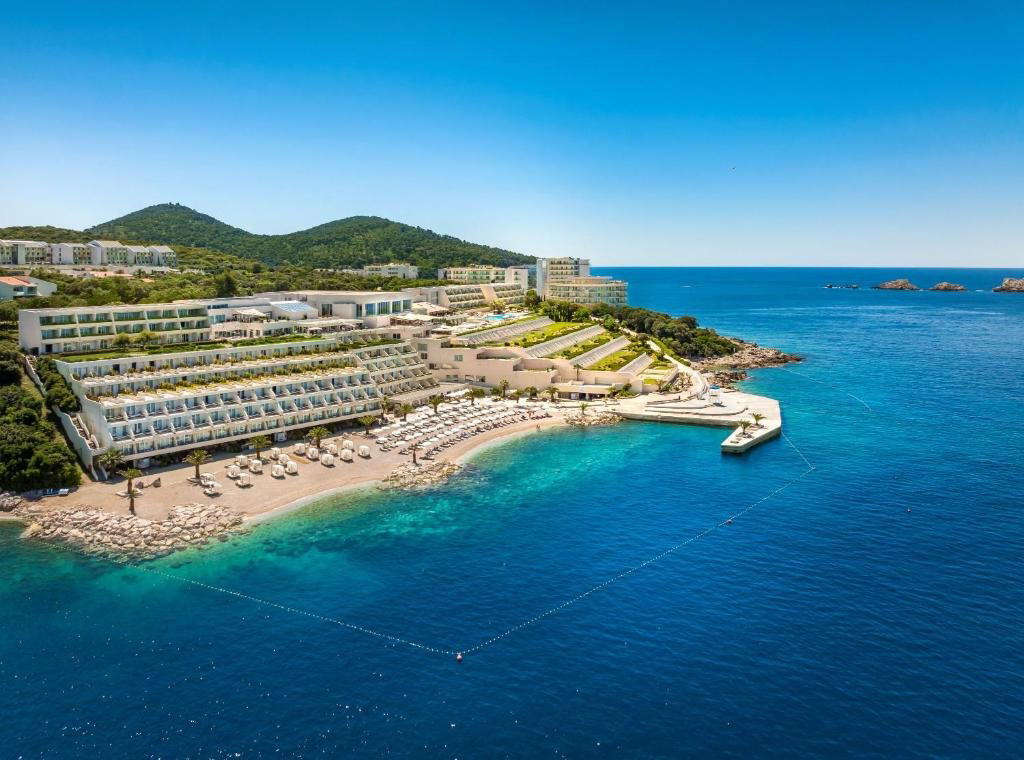
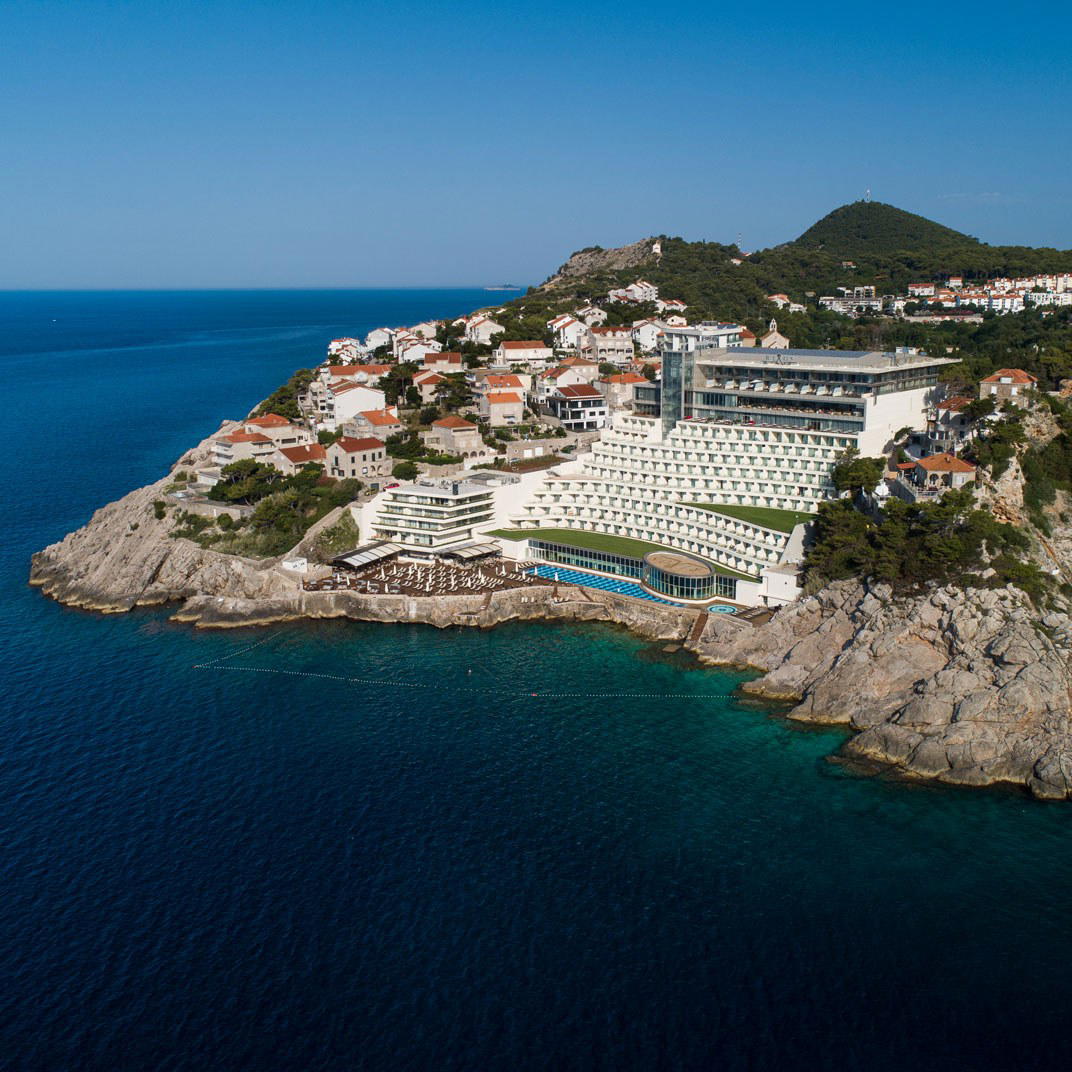
Obala sits on the promenade at Obala Iva Kuljevana 18, the main waterfront strip that defines the village's public life. Approaching from the ferry landing, the promenade opens gradually, with the Adriatic on one side and a sequence of stone buildings on the other. Outdoor seating here is not a supplement to the interior experience but the primary mode of dining: the water is at close enough range that the ambient sound and light of the sea are constant presences throughout a meal. In the evening, when day-trippers have largely returned to Dubrovnik, the promenade quietens to a point where the experience reads less like a tourist restaurant and more like an extension of how the island's permanent residents actually use the waterfront.
This temporal quality matters. Lopud's hospitality operates on a seasonal rhythm that mirrors the Adriatic more broadly.
Dalmatian Seafood in Its Island Context
Across the Dalmatian coast, the culinary tradition is built on a relatively contained repertoire: grilled fish, shellfish, brodeto, peka preparations, and locally grown vegetables dressed simply with olive oil and Adriatic salt. What varies is the quality and freshness of the primary ingredient, and in that respect, island restaurants occupy a specific position. Venues on the mainland, including well-regarded options such as Barba or Bistro Tavulin, operate within Dubrovnik's established dining infrastructure. An island kitchen like Obala's works from a more constrained but potentially more direct supply relationship with local fishermen, which, when it functions well, narrows the gap between ocean and plate to a degree that urban restaurants structurally cannot replicate.
The Dalmatian approach to fish is characteristically restrained: wood-fire grilling, minimal seasoning, and a focus on presenting the ingredient rather than transforming it. This is a tradition that rewards sourcing above technique, and it is one shared by some of Croatia's most discussed restaurants, from Pelegrini in Sibenik to LD Restaurant in Korčula, both of which have drawn sustained recognition for applying this philosophy with discipline. Obala's island position places it within that same regional tradition, even if it operates in a less formally ambitious register.
Service on an Island Scale
The service dynamic is particularly relevant in a context like Lopud, where a small-island restaurant cannot rely on the staffing depth of a large Dubrovnik operation. On the Elaphiti Islands, front-of-house tends to be carried by a compact team where individual roles overlap: the person who explains the day's catch is often the same person managing the room and advising on the local wine list. This overlapping structure, common across small Croatian island restaurants, produces a style of service that can feel either more personal or less polished than a mainland operation, depending on the execution. At its leading, it creates a conversation about the food that a more hierarchically organized dining room rarely allows.
A restaurant on Lopud, drawing from Dalmatian producers rather than international import lists, has access to a wine geography that few diners from outside the region will know well.
Placing Obala in Dubrovnik's Wider Dining Frame
Dubrovnik's restaurant scene has matured significantly over the past decade. At the summit of the city's dining hierarchy, venues such as Restaurant 360 compete on a different level entirely, with architecture, wine lists, and kitchen ambition calibrated to an international clientele. Mid-tier options like Bistro 49 fill the space between casual and formal within the city itself. Obala operates outside that hierarchy by virtue of its location: it is not competing with Dubrovnik's leading tables in any direct sense. The journey to reach it, the ferry crossing, the car-free promenade, the quieter pace, is part of what it offers.
For context on how island dining elsewhere in Croatia has developed, BioMania Bistro Bol in Bol and Boskinac in Novalja represent two different approaches to island hospitality: one rooted in casual, local-sourcing principles, the other in a more considered wine and food program. Obala's positioning on Lopud sits closer to the former in format, even if its waterfront address gives it a setting that neither of those can match.
Planning the Visit
Reaching Lopud requires taking a ferry from Dubrovnik's Gruž harbour, with the crossing taking approximately 45 to 50 minutes. Ferry services run regularly during the summer season but reduce in frequency outside July and August, so checking the schedule in advance is necessary for day-trip planning. The island has no cars, which means arriving on foot from the ferry landing and walking the promenade to Obala's address at number 18 is the only approach.
Price and Positioning
Comparable venues nearby, for context on price, style, and recognition.
| Venue | Cuisine | Price | Notes |
|---|---|---|---|
| ObalaThis venue — the venue you are viewing | Lopud, Seafood Mediterranean | $$ | Not listed |
| Porat | Gruž, Modern Croatian Seafood Grill | $$ | Not listed |
| Barba | Old Town, Dalmatian Seafood Street Food | $$ | Not listed |
| Konoba Pjatanca | Ploče, Traditional Dalmatian Croatian | $$ | Not listed |
| Trattoria Carmen | Not listed | $$ | Old City, Traditional Italian Trattoria with Local Croatian Flavors |
| Orsan | Lapad, Dalmatian Seafood | $$$ | Not listed |
Continue exploring
More in Dubrovnik
Restaurants in Dubrovnik
Browse all →
Bars in Dubrovnik
Browse all →
Hotels in Dubrovnik
Browse all →

At a Glance
- Scenic
- Cozy
- Casual Hangout
- Family
- Waterfront
- Terrace
- Extensive Wine List
- Waterfront
Relaxed seaside atmosphere with the sound of lapping waves and moderate pricing.