On Dubrovnik's working waterfront, Porat occupies a stretch of Obala Stjepana Radića where the harbour's daily rhythm plays out in full view. The address places it firmly in the city's mid-to-upper dining tier, drawing a crowd of regulars who return for the proximity to the sea and the kind of unhurried service that tourist-facing restaurants rarely manage. For visitors, it reads as a local's choice rather than a stage-set spectacle.
Pearl is the En Primeur Club membership app — saves, bookings, and concierge access live there. Same editors, same standards.
- Address
- Obala Stjepana Radića 30, 20000, Dubrovnik, Croatia
- Phone
- +38520333552
- Directions
- Get directions
 Saves & bookings on Pearl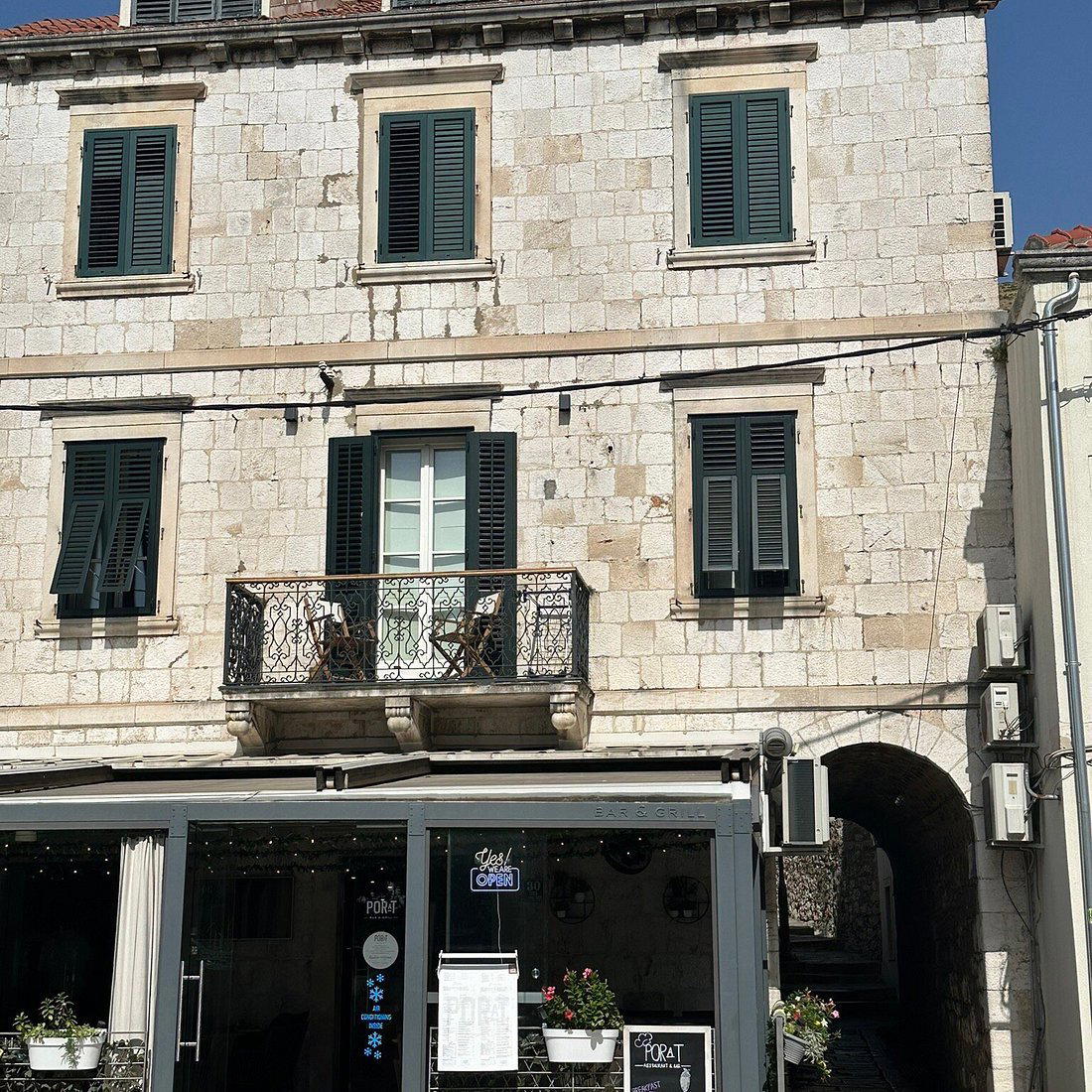
Waterfront Without the Performance
Dubrovnik's dining scene has a structural problem that most visitors only notice after a few meals: the further a restaurant sits from the Old Town walls, the more likely it is to be feeding people who actually live here. The promenade along Obala Stjepana Radića runs through Gruž, the city's working port district, where the morning fish market sets the agenda and the clientele skews decidedly local. Porat sits at number 30 on that stretch, in a part of Dubrovnik that doesn't need a view of the Stradun to justify its existence. That distinction matters more than it sounds.
The Adriatic waterfront dining category in Croatia splits cleanly between two registers: venues selling the view as the primary product, and venues where the proximity to the water means access to better ingredients and a more grounded atmosphere. Porat belongs to the second category. The harbour setting here is functional rather than theatrical, which tends to produce a different kind of meal. Regulars know this and return for it. Tourists who find their way here often remark on the shift in atmosphere, less choreographed, more direct. For context on where Dubrovnik's higher-production dining sits, Restaurant 360 and Above 5 operate at the city's premium-format end, where the staging is part of the offer. Porat is not competing in that register.
What the Regulars Come Back For
In harbour-adjacent restaurants along the Dalmatian coast, the unwritten menu often matters as much as the printed one. This is a dining culture where relationships with suppliers are long-standing, where what arrived on the morning boat shapes what a kitchen does that afternoon, and where the table that's been occupied by the same family every summer for a decade tends to get a different level of attention than the table booked through a hotel concierge the night before. This pattern holds across the region, from the waterfront trattorias of Šibenik to the port-side konobas of Korčula, and Porat operates within the same tradition.
The loyal clientele dynamic at this address is built partly on consistency and partly on geography. Gruž is where Dubrovnik residents who aren't in the hospitality trade actually eat, shop, and move through their day. A restaurant that holds its place in that neighbourhood for any significant period does so by earning repeat business from people who have other options and no particular reason to be generous. For visitors, that's a more reliable signal than a tourism award or a guidebook mention. The crowd reading the local newspaper at the next table is a form of quality assurance that no rating system fully captures.
Across Croatia's finer dining tier, the regulars' perspective reveals a consistent preference: proximity to ingredient sources and a kitchen that doesn't overwork what arrives. Pelegrini in Šibenik has built a loyal following on exactly that principle, with a Michelin star to mark the formal recognition. LD Restaurant in Korčula works a similar harbour-adjacent logic. Porat operates without that level of formal recognition, but the address and neighbourhood context place it in a peer conversation about Dalmatian coastal cooking at its less-produced end.
The Dalmatian Coastal Kitchen in Context
Understanding what a restaurant on this stretch of Dubrovnik's waterfront is likely to do well requires some knowledge of the regional tradition. Dalmatian coastal cooking is built on a relatively narrow repertoire executed with precision: grilled or baked fish and shellfish, olive oil from the hinterland, seasonal vegetables, and a wine list that leans heavily on indigenous Adriatic varieties. The showpiece dishes at the summit of the category, like the slow-cooked lamb and the peka preparations found at venues like Bistro Tavulin, require hours of preparation and a kitchen committed to the long game. The simpler end of the spectrum, grilled bream, octopus salad, brudet, depends entirely on the quality of what came in that morning.
Restaurants that place themselves in the working-harbour part of a city are making an implicit argument about sourcing. Gruž receives regular fish market deliveries that feed the whole of Dubrovnik's kitchen supply chain. A kitchen at this address has a logistical advantage over those operating inside the Old Town walls, where supply access is more constrained and the premium is paid partly just for the postcode. That structural reality shapes what ends up on the plate, regardless of any individual chef's ambitions.
For comparison across Croatia's coastal dining, Agli Amici Rovinj in Istria and BioMania Bistro Bol on Brač represent different points on the spectrum of how Croatian coastal kitchens handle their proximity to ingredients. Further afield, Boskinac in Novalja and Alfred Keller in Mali Lošinj show what the island end of the same tradition looks like when it takes itself seriously as a fine dining proposition. Porat sits somewhere between these poles, in the category of honest waterfront cooking that serves a neighbourhood as much as it serves tourists.
Planning Your Visit
Porat's address at Obala Stjepana Radića 30 puts it in Gruž, roughly 2.5 kilometres from the Old Town by the coastal road. That distance is a feature rather than a drawback: it keeps the atmosphere distinctly different from the wall-adjacent restaurants and puts the kitchen within easy reach of the port's supply infrastructure. Getting here by local bus is direct from the Old Town, and the walk along the harbour road is manageable in the cooler morning or evening hours. Dubrovnik's summer season peaks between June and August, when Old Town restaurant availability tightens considerably; the Gruž waterfront is less subject to that pressure, though demand at well-regarded addresses still warrants checking availability in advance during peak weeks.
Cuisine and Recognition
Comparable venues nearby, for context on price, style, and recognition.
| Venue | Cuisine | Price | Awards | Notes |
|---|---|---|---|---|
| PoratThis venue — the venue you are viewing | Modern Croatian Seafood Grill | $$ | Not listed | Not listed |
| Barba | Dalmatian Seafood Street Food | $$ | Not listed | Old Town |
| Mandrac | Traditional Croatian Seafood | $$ | Not listed | Lopud |
| Kamenice | Traditional Croatian Seafood | $$ | Not listed | Old Town |
| Proto Fish | Classic Dalmatian Seafood | $$$ | Michelin Plate | Old Town |
| Orsan | Dalmatian Seafood | $$$ | Not listed | Lapad |
Continue exploring
More in Dubrovnik
Restaurants in Dubrovnik
Browse all →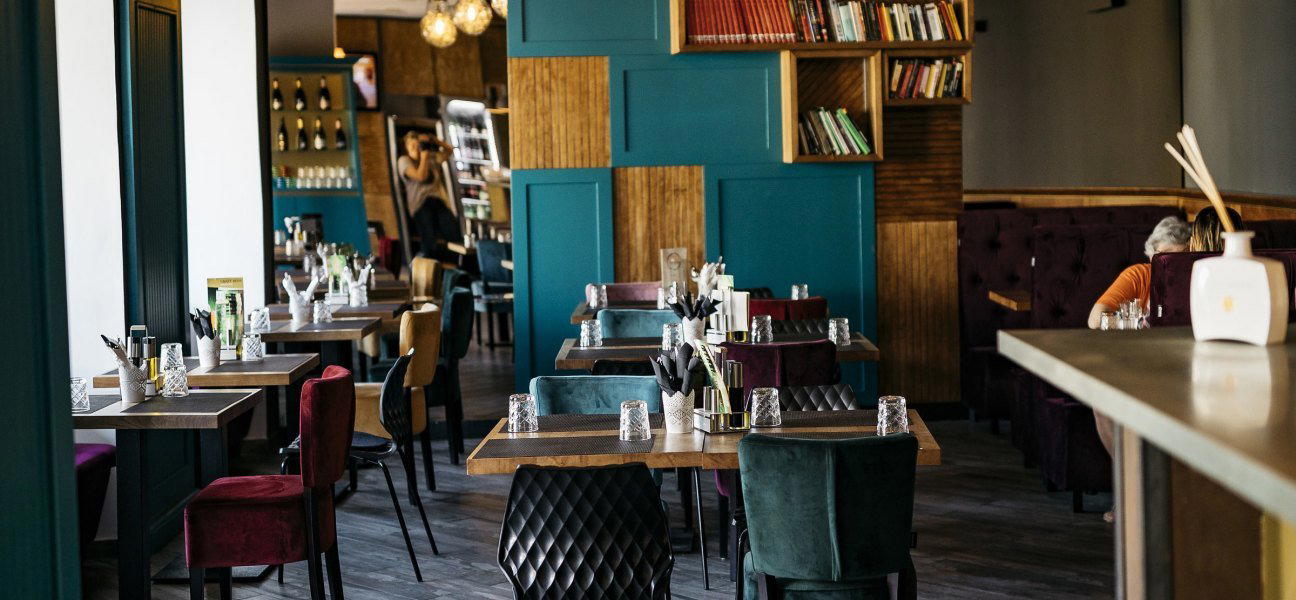
Bars in Dubrovnik
Browse all →
Hotels in Dubrovnik
Browse all →

At a Glance
- Modern
- Cozy
- Scenic
- Casual Hangout
- Family
- Waterfront
- Terrace
- Local Sourcing
- Waterfront
- Street Scene
Current opening hours
- Monday
- 8 AM–10 PM
- Tuesday
- 8 AM–10 PM
- Wednesday
- 8 AM–10 PM
- Thursday
- 8 AM–10 PM
- Friday
- 8 AM–10 PM
- Saturday
- 8 AM–10 PM
- Sunday
- Closed
Hours can change for holidays and private events. Last verified .
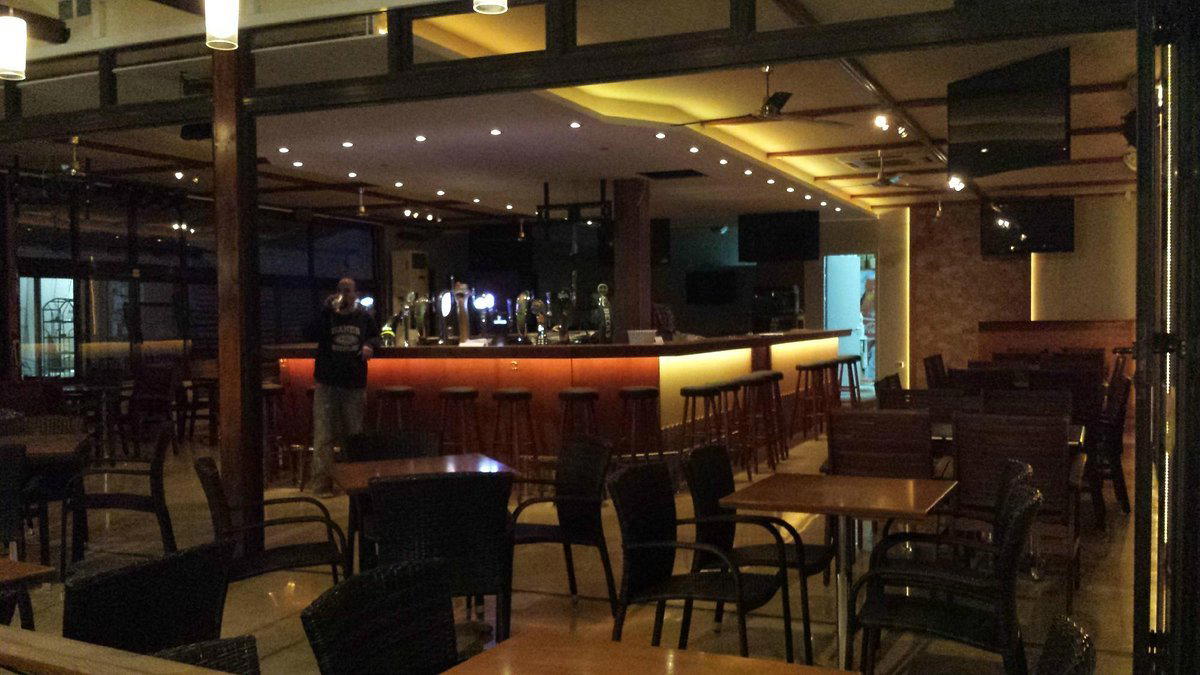
Neutral modern interior with cozy welcoming atmosphere, enhanced by harbor views from the terrace.