Our verdict
Gajalee in Vile Parle East has held its ground as one of Mumbai's most cited addresses for coastal Maharashtrian and Malvani seafood, drawing regulars from across the city to its no-frills setting on Hanuman Road. The cooking centres on the bold, coconut-forward flavours of the Konkan coast, served in portions sized for the table rather than the occasion. It sits in a different register from the city's refined seafood dining, and that distance is largely the point.

Pearl is the En Primeur Club membership app — saves, bookings, and concierge access live there. Same editors, same standards.
- Address
- Kadamgiri Complex, Hanuman Rd, next to Icici Bank, Vishnu Prasad Society, Navpada, Vile Parle East, Vile Parle, Mumbai, Maharashtra 400057, India
- Phone
- +912226166470
- Hours
- Daily 11 AM–3:30 PM, 7–11:30 PM
- Website
- gajalee.in
- Directions
- Get directions
- Booking
- Book on the venue's website
The Room Before the Food
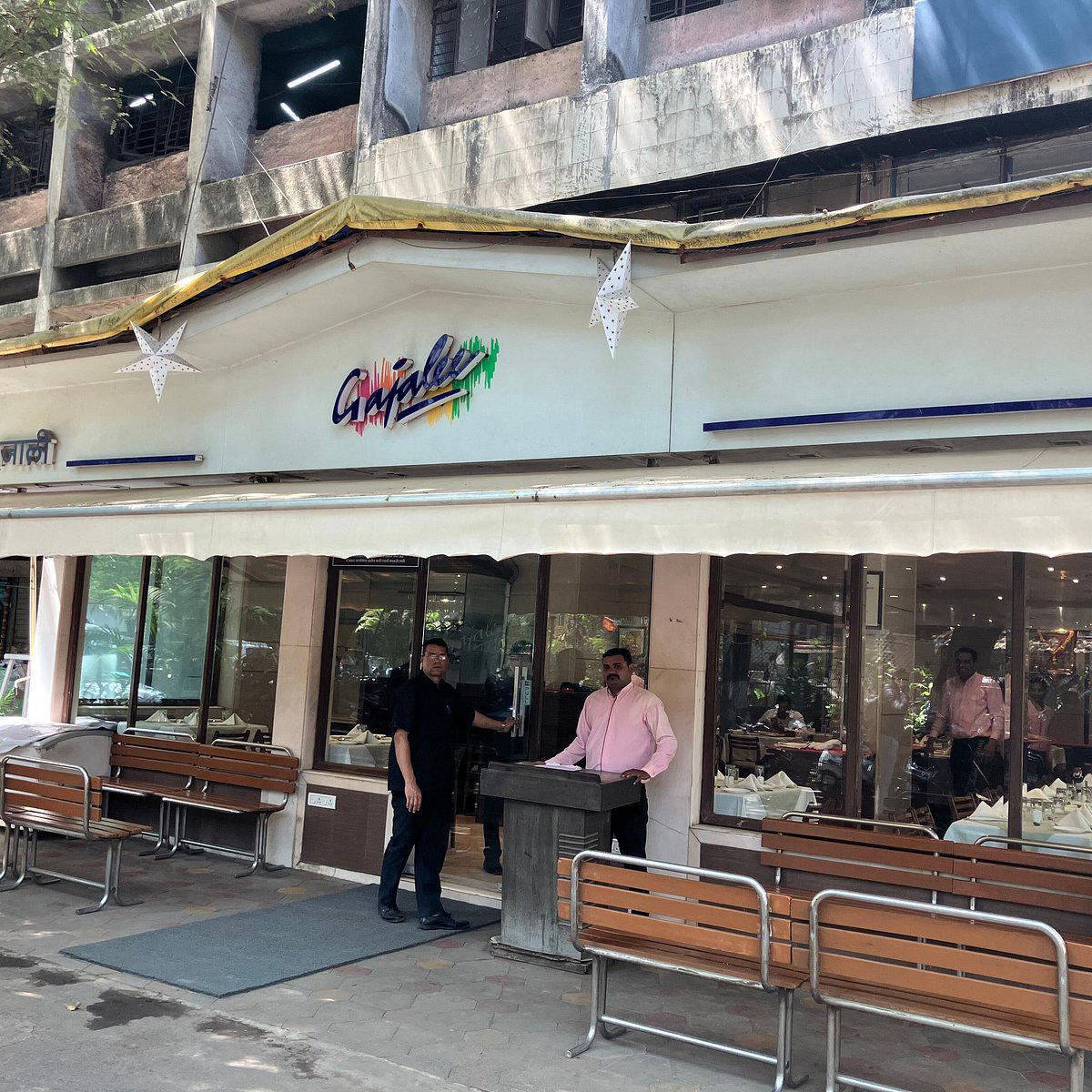
Vile Parle East is not where Mumbai's dining press tends to gather. The neighbourhood runs on commuter logic: wide arterial roads, mid-rise commercial blocks, the steady churn of auto-rickshaws cutting between Hanuman Road and the station. Kadamgiri Complex, where Gajalee occupies its ground-floor space next to an ICICI Bank branch, signals nothing from the outside that would alert a first-time visitor to the crowd waiting inside on most evenings. That gap between exterior indifference and interior conviction is a feature of a particular kind of Mumbai restaurant, one that built its following through cooking rather than address or aesthetics.
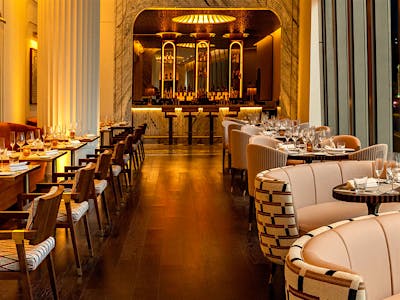
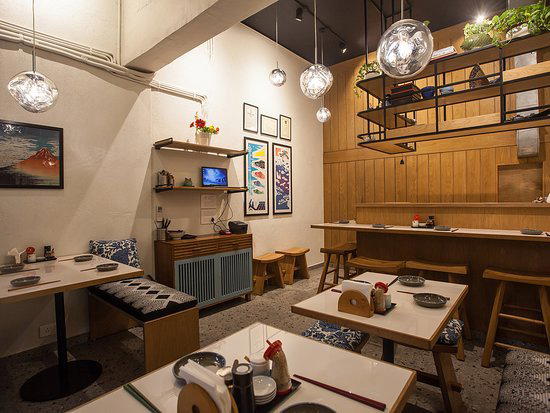
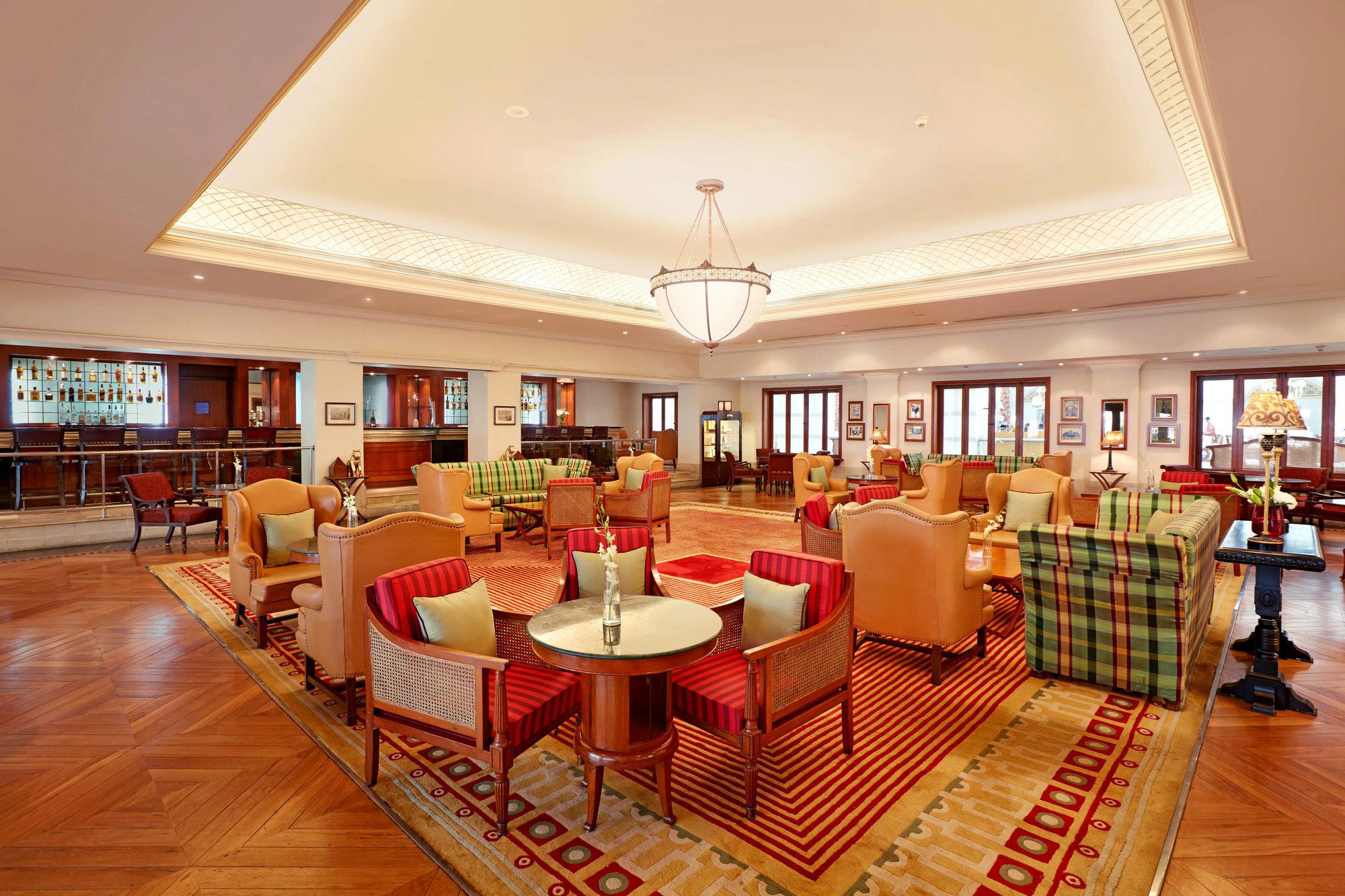
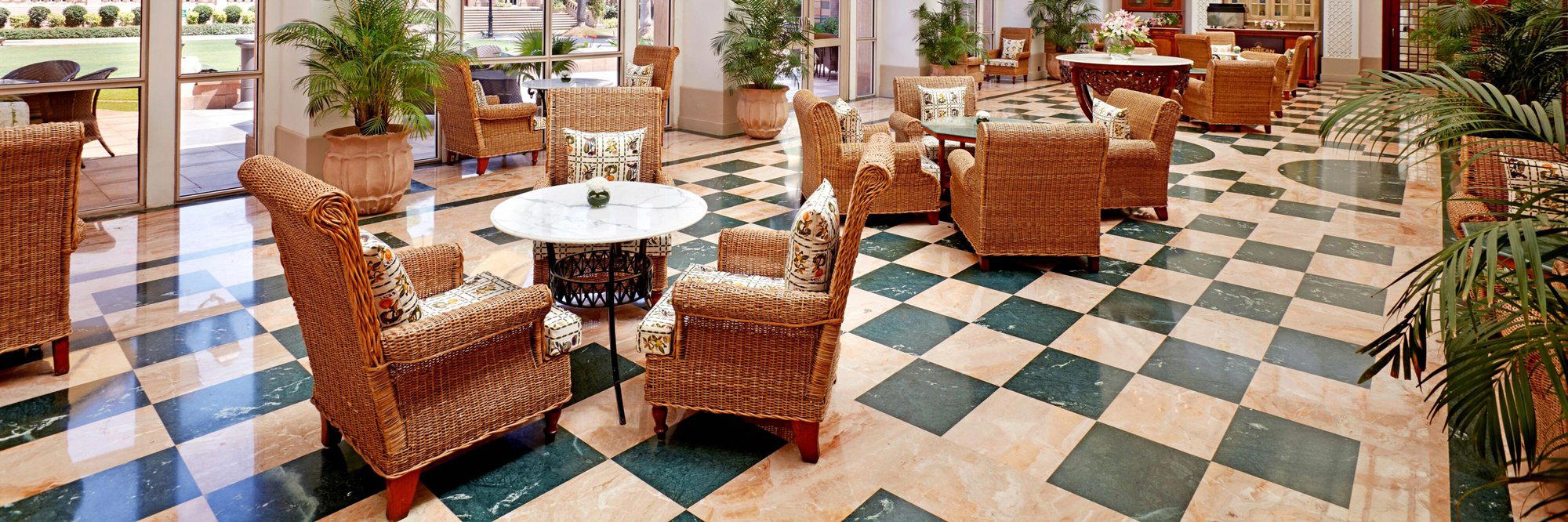
The physical container at Gajalee belongs to the functional tier of Mumbai dining: tiled floors, fluorescent-lit dining rooms, tables set close enough that the conversation at the next seat arrives whether you want it or not. There is no design programme here in the way that drives the interiors at Masque or the considered informality of The Bombay Canteen. What the space does instead is communicate priority: the dining room exists to deliver food, not to frame it. The acoustic register is high, the service brisk, and the overall atmosphere closer to a large family kitchen than a curated restaurant experience. For a certain kind of diner, that is precisely the point.
Malvani Cooking in the Mumbai Context
Mumbai's seafood dining splits along a familiar axis. On one side sit the polished rooms of South Mumbai, where Ziya and Indigo have trained their rooms toward restraint and presentation. On the other sits a longer, less visible tradition of coastal Maharashtrian cooking, where the grammar is coconut milk, kokum, dried red chillies, and fish caught along the Konkan shoreline between Ratnagiri and Malvan. Gajalee sits firmly in the second category, and its longevity in Vile Parle East reflects how durable that second tradition is when executed with consistency.
Malvani cuisine is not well represented in India's international dining conversation, which tends to compress the subcontinent's coastal cooking into Kerala seafood or Goan preparations. That compression misses the Konkan belt entirely, where the spicing is sharper, the coconut use more structural than decorative, and the preference for whole fish over fillet reflects a kitchen philosophy rooted in locality rather than adaptation. Gajalee operates within that tradition, serving the kind of cooking that Maharashtrian families from the Konkan coast would recognise as home food, scaled up for a restaurant environment. Compared to the creative coastal reframing at Americano, Gajalee makes no argument for reinvention. The tradition is the point.
The same coastal thread appears in very different registers elsewhere in India. Kappa Chakka Kandhari in Chennai applies a similar fidelity-first approach to Kerala cooking, while Leela Kerala Terrace in Trivandrum frames the same ingredient logic within a hotel property. Neither overlaps with what Gajalee is doing, but all three reflect the same structural choice: depth in a specific regional tradition over breadth across a wider Indian menu.
Where Gajalee Sits in Mumbai's Dining Tiers
Mumbai's restaurant market currently operates across several distinct tiers. At the leading, contemporary Indian restaurants like Masque, The Table, and Avatara are building menus around sourcing provenance, tasting formats, and seasonal menus that change at pace. Below that, a mid-tier of neighbourhood institutions has served specific cuisines to specific communities for decades, accumulating reputation through repetition rather than reinvention. Gajalee operates in the latter group. Its draw is not novelty but reliability: the expectation that a fish curry ordered on a Tuesday will taste the same as the one ordered on the previous Saturday.
That reliability has extended Gajalee's reach well beyond Vile Parle. The restaurant draws diners from Bandra, Andheri, and South Mumbai who treat the trip as intentional, not incidental. In a city where dining decisions are increasingly shaped by proximity and convenience, that willingness to travel signals something: the cooking has established a pull that local competition has not eroded.
For context on how India's broader restaurant scene handles regional specificity, Farmlore in Bangalore and Adaa at Falaknuma Palace in Hyderabad both treat regional Indian cooking as their structural foundation, though within very different physical and price contexts. Further afield, Bomras in Anjuna applies a similar regional-depth logic to Burmese cooking in a Goa setting. The comparison holds: regional specificity, executed consistently, builds the kind of loyalty that a more generalist menu rarely achieves.
Planning the Visit
Gajalee's location in the Kadamgiri Complex on Hanuman Road, Vile Parle East, puts it within easy reach of Vile Parle railway station on the Western line, making it accessible from both the northern suburbs and central Mumbai without requiring a car. The restaurant operates in a commercial neighbourhood rather than a dining precinct, so the surrounding area offers little in the way of pre-dinner drinking or post-dinner strolling. The visit is the destination. Given the volume of covers the restaurant turns on weekend evenings, arriving early in the service or on a weekday reduces the likelihood of a long wait. No booking details are confirmed from available data, so arriving in person and checking availability on arrival is the safer approach.
For those building a wider Mumbai itinerary, the full Mumbai restaurants guide maps the city's dining across neighbourhoods and price tiers. Those interested in how coastal and regional Indian cooking appears in formats further from Mumbai's centre might look at Dining Tent in Jaisalmer, Naar in Kasauli, or Neel in Patiala for how regional Indian kitchens are operating outside the metropolitan tier. For Indian cooking at international scale, Inja in New Delhi and Palaash in Yavatmal each reflect the range of approaches currently in play. For reference points in global seafood dining at a very different register, both Le Bernardin in New York City and Lazy Bear in San Francisco illustrate how the highest tier of their respective categories operates.
Frequently asked questions
Is Gajalee a family-friendly restaurant?
Gajalee draws a cross-generational crowd from Vile Parle and surrounding suburbs, which skews naturally toward family groups rather than solo diners or corporate tables. The Kadamgiri Complex address in a mid-rise residential and commercial neighbourhood sets the tone: this is a local institution, not a venue designed around couples or business dining. Families with children are a regular part of the room.
Is Gajalee better for a quiet night or a lively one?
Gajalee operates closer to the lively end of the spectrum. Vile Parle East runs on commuter and family rhythms, and the restaurant reflects that energy, particularly on weekends when the tables fill with large groups. If you want a contemplative dinner, earlier weekday visits give you more room to breathe.
How does Gajalee's Malvani cooking differ from other seafood restaurants in Mumbai?
Malvani cuisine is specific to the coastal Sindhudurg and Ratnagiri districts of Maharashtra, relying on dried red chillies, fresh coconut, and kokum rather than the cream or tomato-based gravies common in North Indian seafood preparations. Gajalee, situated in Vile Parle East in Mumbai, applies this regional framework to locally sourced coastal fish in a neighbourhood setting rather than a hotel or fine-dining room. That positioning places it in a different category from South Mumbai venues and from pan-Indian seafood restaurants that blend regional styles.
What do people recommend at Gajalee?
Gajalee has built its following on Malvani seafood cooking, the coastal cuisine of the Konkan region that uses coconut, kokum, and ground spice pastes in ways distinct from Mumbai's broader Maharashtrian kitchen. The seafood preparations are the reason regulars return.
What part of town is Gajalee in?
Gajalee is located at îKadamgiri Complex, Hanuman Rd, next to Icici Bank, Vishnu Prasad Society, Navpada, Vile Parle East, Vile Parle, Mumbai, Maharashtra 400057, India, Mumbai.
How hard is it to get a table at Gajalee?
Gajalee does not publish a reservations policy, and no online booking platform is linked in its current public records. Weekend evenings at a well-established Mumbai neighbourhood seafood restaurant of this profile tend to fill quickly, so arriving early or visiting on a weekday reduces wait time. Calling ahead when a phone number is available is standard practice for tables of four or more.
What has Gajalee built its reputation on?
Gajalee's standing in Mumbai rests on consistent Malvani seafood cooking served outside the South Mumbai restaurant corridor where most press attention concentrates. Vile Parle East regulars have sustained the restaurant across years, which in Mumbai's competitive dining market is a more reliable signal than awards coverage. The cuisine itself draws from the Konkan coast tradition, a regional school with a distinct identity from the Mughlai and tandoor formats that dominate much of Mumbai's mid-market dining.
The Short List
Comparable venues nearby, for context on price, style, and recognition.
| Venue | Cuisine | Price | Notes |
|---|---|---|---|
| GajaleeThis venue — the venue you are viewing | Malvani Seafood | $20–30 | Not listed |
| Trishna | Iconic Mumbai Seafood | $20–30 | Fort Mumbai, Well-known Mumbai Seafood |
| Prasad Food Divine | Vegetarian Multi-Cuisine | $10–20 | Nahur, Vegetarian Multi-Cuisine |
| Khyber | North-West Frontier/Mughlai | $20–30 | Fort Mumbai, North-West Frontier/Mughlai |
| Dakshin | Authentic South Indian Fine Dining | $30–50 | Sahar, Authentic South Indian Fine Dining |
| Copper Chimney Juhu | Authentic North Indian | $20–30 | Juhu Beach, Mumbai, Authentic North Indian |
Details
- Lively
- Well Known
- Group Dining
- Family
- Celebration
- Standalone
- A La Carte
- Vegetarian Friendly
- Vegan Options
- Gluten Free Options
Current opening hours
- Monday
- 11 AM–3:30 PM, 7–11:30 PM
- Tuesday
- 11 AM–3:30 PM, 7–11:30 PM
- Wednesday
- 11 AM–3:30 PM, 7–11:30 PM
- Thursday
- 11 AM–3:30 PM, 7–11:30 PM
- Friday
- 11 AM–3:30 PM, 7–11:30 PM
- Saturday
- 11 AM–3:30 PM, 7–11:30 PM
- Sunday
- 11 AM–3:30 PM, 7–11:30 PM
Hours can change for holidays and private events. Last verified .