

Few airport hotels make a case for arriving early, but Fairmont Mumbai reframes the transit-zone stay entirely. A stark white 1930s-inflected façade gives way to monochrome marble, stained-glass ceilings, and an art program that treats Bombay's history as primary material. Five restaurants, a biohacking wellness suite, and rates from $217 per night complete an offer that sits well above its airport-adjacent peers.
Pearl is the En Primeur Club membership app — saves, bookings, and concierge access live there. Same editors, same standards.
- Address
- C06 At, Chhatrapati Shivaji Maharaj International Airport Mumbai, Terminal 2, C T S No 1405 (Part, Navpada, Maharaj, Vile Parle, Mumbai, Maharashtra 400099, India
- Phone
- +91 22 6933 2222
- Website
- fairmont.com
- Directions
- Get directions
 Saves & bookings on Pearl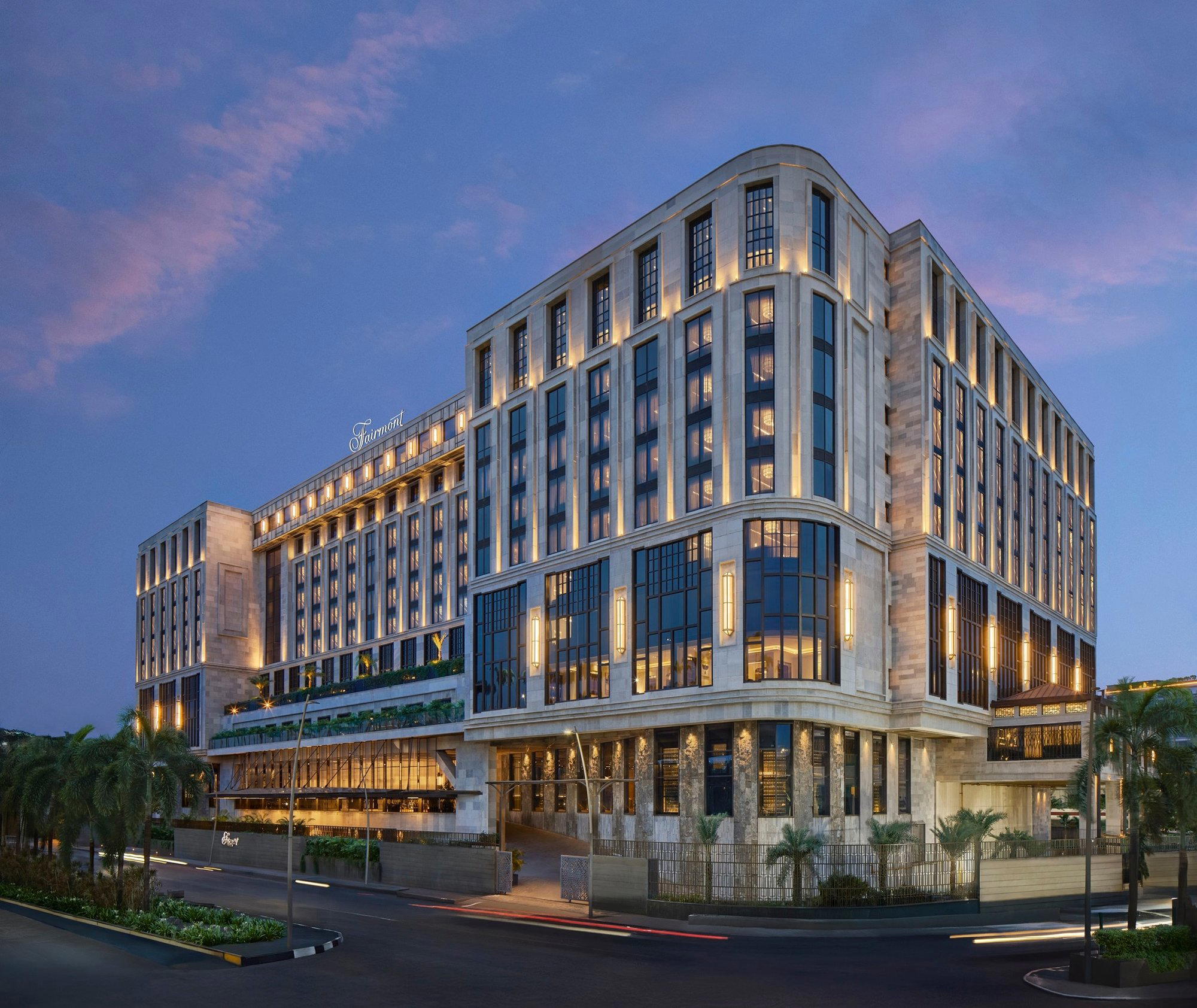
What Mumbai's Airport Address Actually Delivers
Airport hotels occupy a peculiar tier in any city's hospitality hierarchy. They absorb transit passengers, early arrivals, and red-eye refugees, but they rarely make a case for themselves beyond proximity and convenience. Mumbai's airport corridor, running past Chhatrapati Shivaji Maharaj International's Terminal 2, has a denser cluster of serious hotels than most cities can claim at the runway's edge. ITC Maratha and Aurika Mumbai International Airport both operate in this zone, and each makes a credible offer. What Fairmont Mumbai does differently is aesthetic ambition at a scale those peers don't attempt.
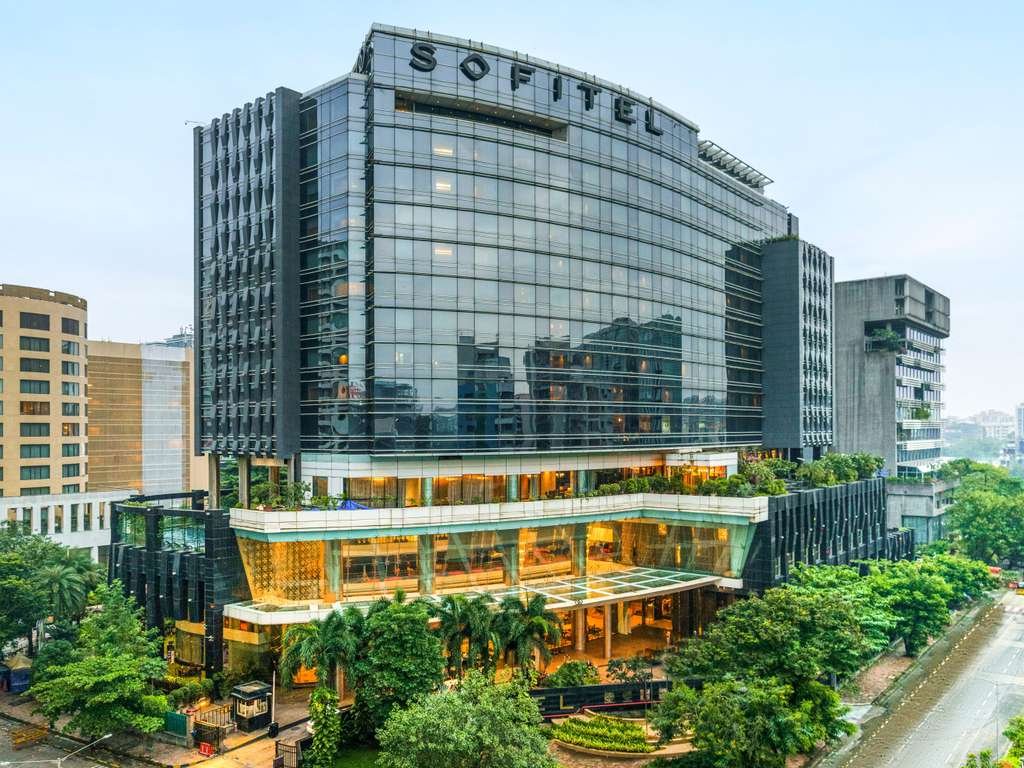
The building announces itself before the lobby does. A stark white façade with black and gold accents sits incongruously against the surrounding concrete and minor chaos of the approach road. The visual register is closer to a 1930s film set than to the glass-and-steel grammar of contemporary airport hospitality. That is not accidental. Mumbai holds more Art Deco architecture than any city outside Miami, a legacy of the building boom that followed the 1931 Bombay Town Planning Act, and Fairmont's designers have taken that civic inheritance seriously.
The Art Program as Architectural Argument
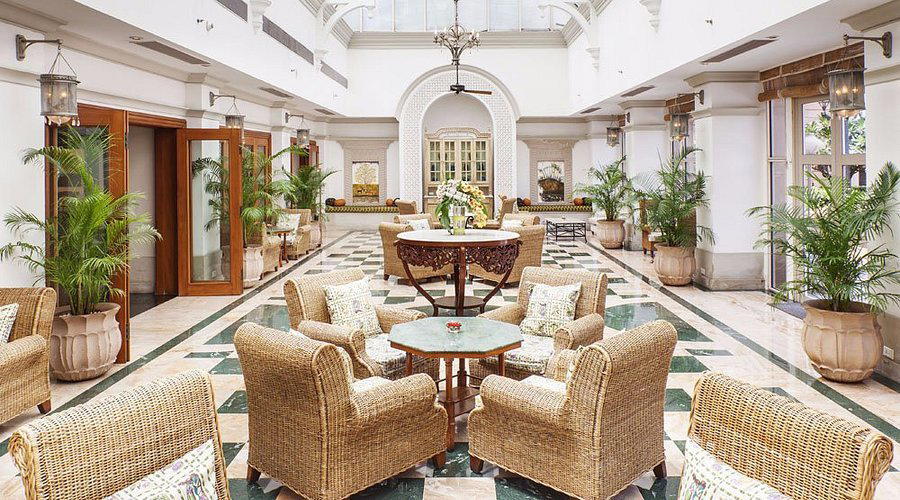
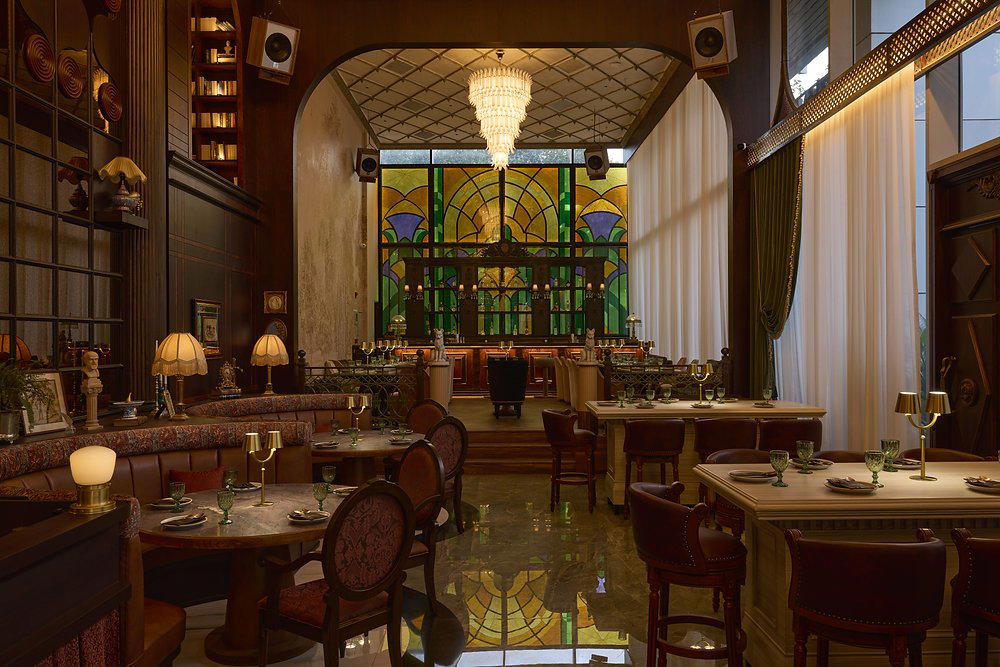
Inside, the lobby resolves into monochrome marble, a sunburst ceiling lit through stained glass, and a large sculptural artwork referencing Mumbai's Hanging Gardens. The piece is made from enamel, repoussé metal, embroidered textiles, and block-printed wood, which places it in the tradition of Indian craft forms rather than generic hotel lobby sculpture. The distinction matters: this is decorative language that belongs to a specific place.
Artist Venu Juneja's work across the hotel's walls operates on a different register again, treating Bombay's social and cultural past as archival material. Vintage train tickets appear as collage elements. Sari-clad women move through frames threaded with Deco motifs. 1920s Indian women aviators are reimagined in stylized compositions. The cumulative effect is less interior design than it is a sustained editorial argument: that this building exists in a city with a particular history, and that history is worth paying attention to. For a hotel at an airport, where the entire design vocabulary of the category typically strains toward placelessness, that argument carries real weight.
Properties that use Indian art and craft as genuine structural material rather than decorative afterthought occupy a distinct sub-tier within the country's luxury hospitality scene. The Leela Palace New Delhi and The Leela Palace Jaipur both work within this tradition, as do heritage-forward properties like Suryagarh in Jaisalmer and Taj Lake Palace in Udaipur. Fairmont Mumbai draws on the same visual and craft vocabulary, deployed inside a transit-zone format that those properties don't serve.
Five Restaurants, One Consistent Argument
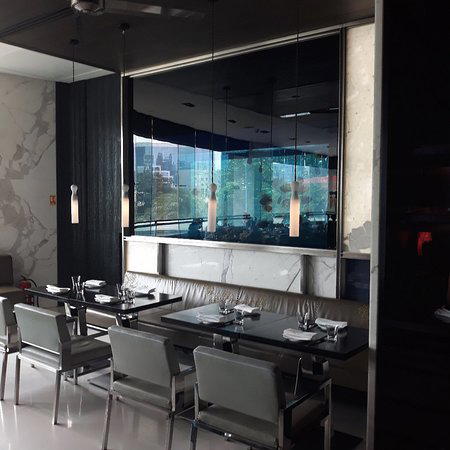
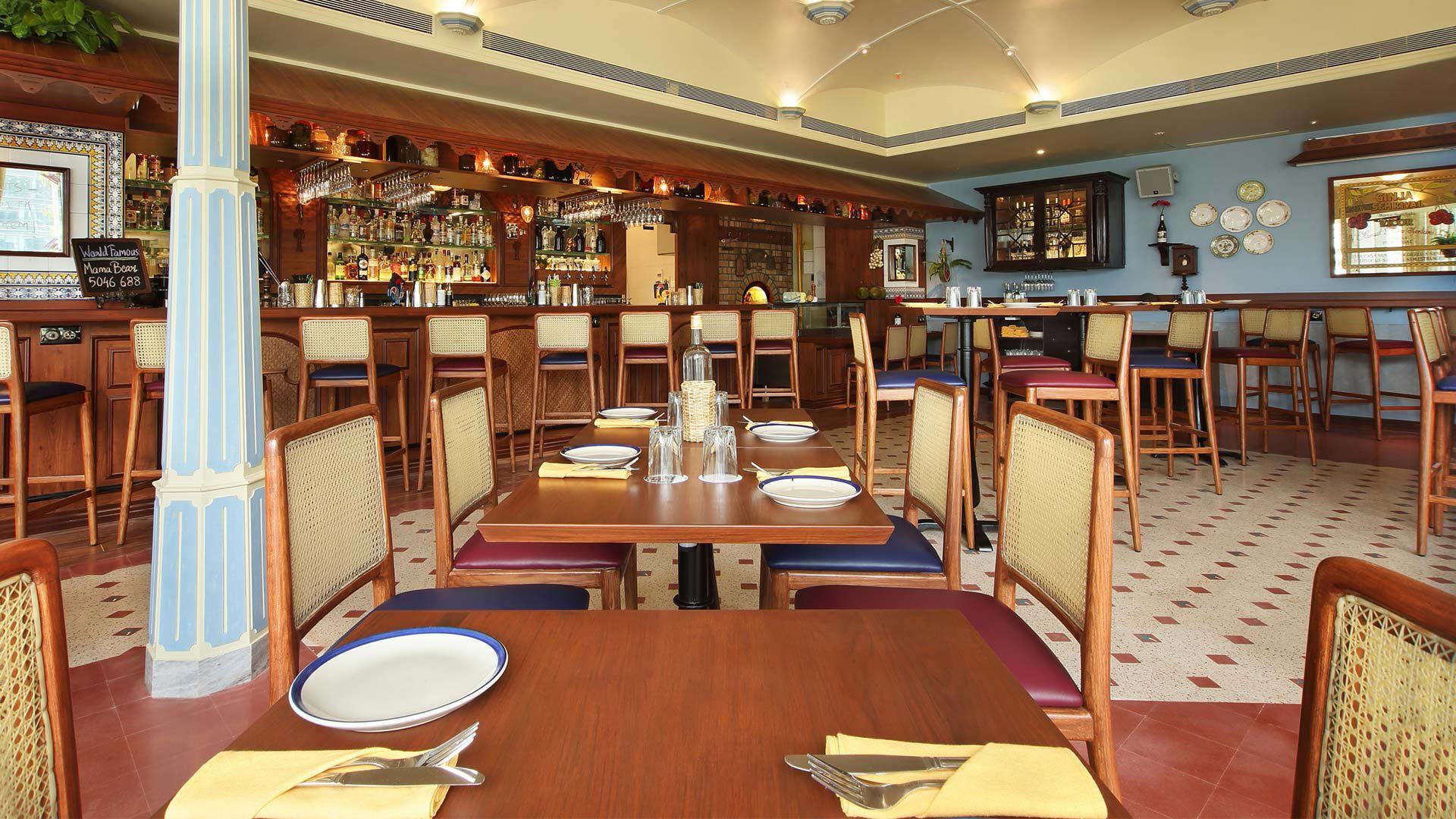
The food and beverage program across five outlets makes a case that the hotel is not relying on its design alone. An Indo-French patisserie operates beneath cherry trees, a format that appears in fewer than a handful of properties across India and positions the hotel within a specific cross-cultural tradition that Mumbai's colonial and cosmopolitan history actually supports. A food hall draws its concept from itinerant traders, which gives it a structural connection to the city's street-food culture rather than simply offering a buffet in a large room.
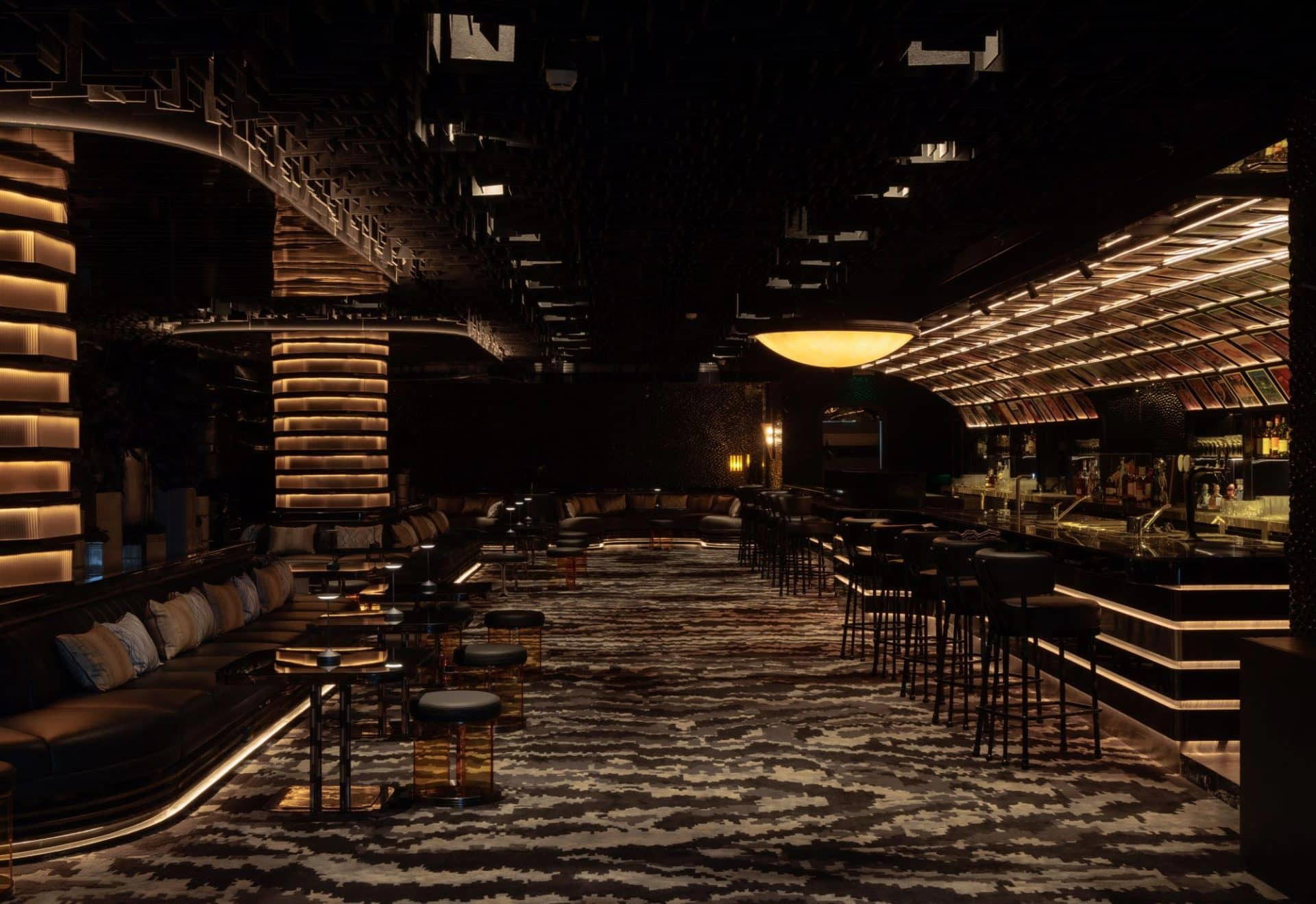
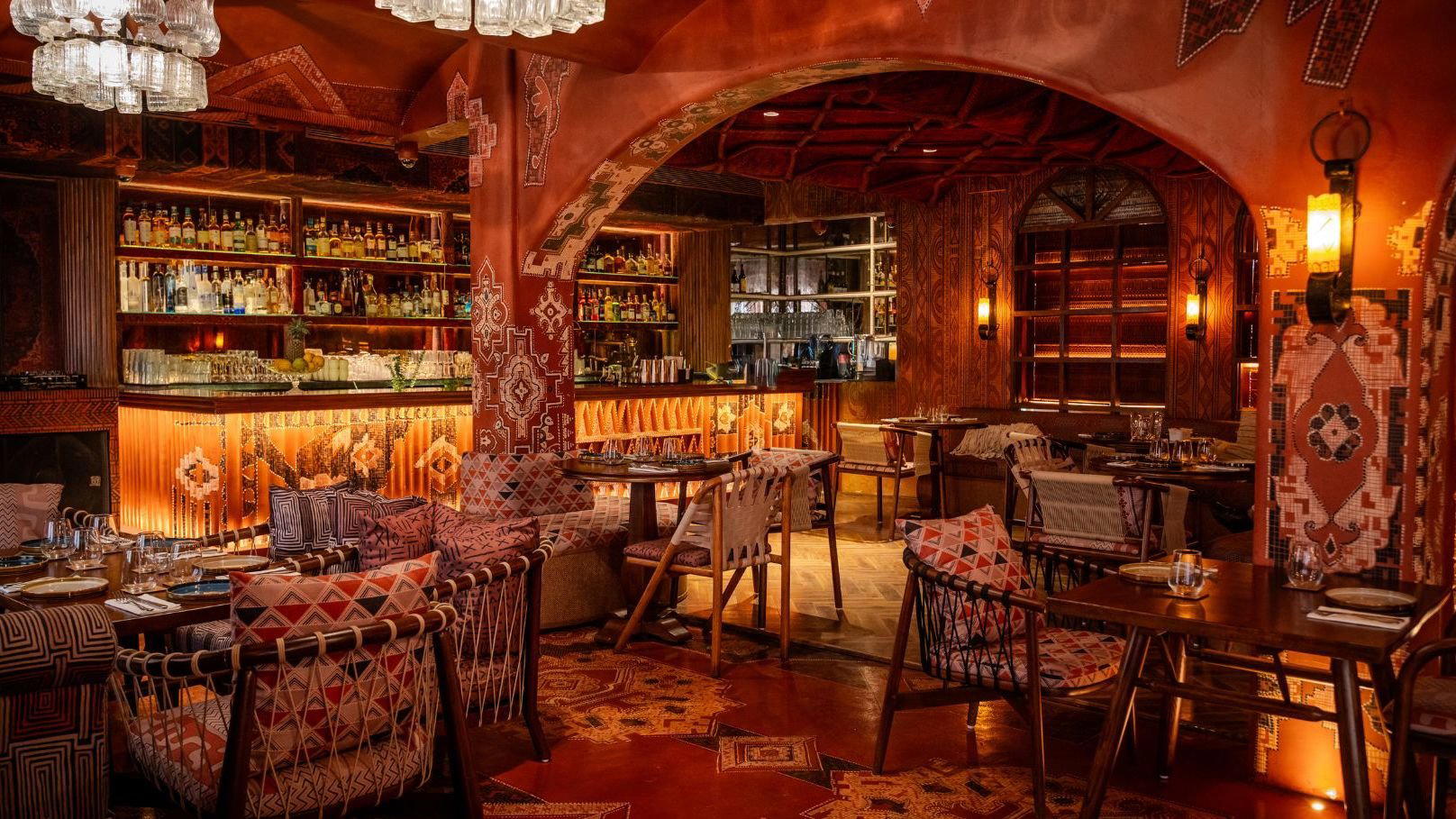
The Sichuan lounge, described as moody and active past midnight, addresses a gap in the airport-hotel category: a drinking and eating option with genuine atmosphere that runs late. Most hotels in the T2 corridor close their outlets by eleven; a Sichuan lounge that operates into the early hours serves a real function for passengers arriving on international red-eyes or departing on early-morning flights to East Asia.
The Blu Xone: Wellness as a Distinct Category
Wellness offering at Fairmont Mumbai sits in a different conceptual register from the hotel's aesthetic program. Cryotherapy, hyperbaric oxygen, and red light therapy place The Blu Xone inside the biohacking and cellular-recovery category rather than the spa-and-massage tradition that most luxury hotels in India serve. This is a genuine point of differentiation: these modalities are available at a dozen hotel properties across the entire subcontinent, and the format skews toward a traveler profile that prioritises physiological recovery over relaxation. For a property that absorbs a large volume of long-haul arrivals crossing multiple time zones, the positioning is coherent.
Location as the Defining Variable
Editorial angle on Fairmont Mumbai is ultimately about what proximity to T2 actually provides, rather than what it forecloses. The hotel's address places arriving international passengers within minutes of check-in without the forty-five-minute to one-hour transfer that reaching South Mumbai's established luxury corridor requires. Properties like The Taj Mahal Palace and InterContinental Marine Drive offer different kinds of authority, Marine Drive's seafront position and the Taj's Colaba address carrying neighbourhood and historical weight that an airport property structurally cannot replicate. But for travelers whose Mumbai visit is a transit point between longer India itineraries, or who are connecting through the city en route to The Oberoi Amarvilas in Agra, Amanbagh in Ajabgarh, or Suján Jawai in Pali, the calculation is different. The question is not whether the Fairmont competes with the Taj on neighbourhood access. It doesn't. The question is whether it makes the airport stop worth treating as a destination in itself, and on that measure, the answer is yes.
Rates from $217 per night place the hotel within reach of the upper-midscale and lower-luxury tier, pricing it accessibly against the Grand Hyatt Mumbai and Four Seasons Hotel Mumbai in the broader city market, while the design and programming investment justifies the positioning against budget airport options. Travelers building India itineraries that include Kumarakom Lake Resort, Anantya By The Lake, or Woods at Sasan in Sasan Gir will pass through Mumbai's T2 at both ends of their trip; spending a night at Fairmont both times costs less than a single night at comparable properties in the global airport-luxury category. For context, the format recalls what Badrutt's Palace Hotel in St. Moritz or Hôtel de Paris Monte-Carlo achieve in their respective settings: a hotel whose physical presence makes an argument that the address is worth inhabiting.
Planning a Stay
The hotel sits at T2 C06, Chhatrapati Shivaji Maharaj International, placing it within a short transfer of Terminal 2 arrivals. The entry price point of $217 applies to standard room categories. The Sichuan lounge is one useful late-arrival option for dining; the biohacking suite warrants booking in advance given its specialist equipment and likely limited appointment windows.
Compact Comparison
Comparable venues nearby, for context on price, style, and recognition.
| Venue | Cuisine | Price | Notes |
|---|---|---|---|
| Fairmont MumbaiThis venue — the venue you are viewing | Not listed | $$$$ | Not listed |
| Roswyn, A Morgans Originals Hotel | Not listed | $$$$ | Chhatrapati Shivaji Maharaj International Airport T2, Lifestyle, all‑suite design hotel positioned as a modern cultural address near Mumbai Airport. |
| InterContinental Marine Drive-Mumbai | Churchgate, Oceanfront luxury boutique | $$$$ | Not listed |
| Roswyn | Not listed | $$$$ | Vile Parle East, Luxury design hotel with residential-style suites and lifestyle-driven public spaces. |
| Taj Santacruz Mumbai | Not listed | $$$$ | Santacruz East, Art Deco-inspired luxury with spacious rooms |
| The St. Regis Mumbai | Not listed | $$$$ | Lower Parel, Luxury urban hotel with butler service and city views |
Recognition history
Dated appearances from independent guides and award organizations, with the underlying list record or original source where available.
Conde Nast Hot List Hotels
Conde Nast
Michelin Guide New Hotels New Hotel
Michelin Guide New Hotels
Michelin Selected
Michelin
At a Glance
- Elegant
- Sophisticated
- Ornate
- Classic
- Business Trip
- Family Vacation
- Weekend Escape
- Rooftop Pool
- Historic Building
- Pool
- Spa
- Fitness Center
- Room Service
- Concierge
- Business Center
- Valet Parking
- Kids Club
- Skyline
- Pool
- Spa
- Fitness Center
- Room Service
- Concierge
- Business Center
- Valet Parking
- Kids Club
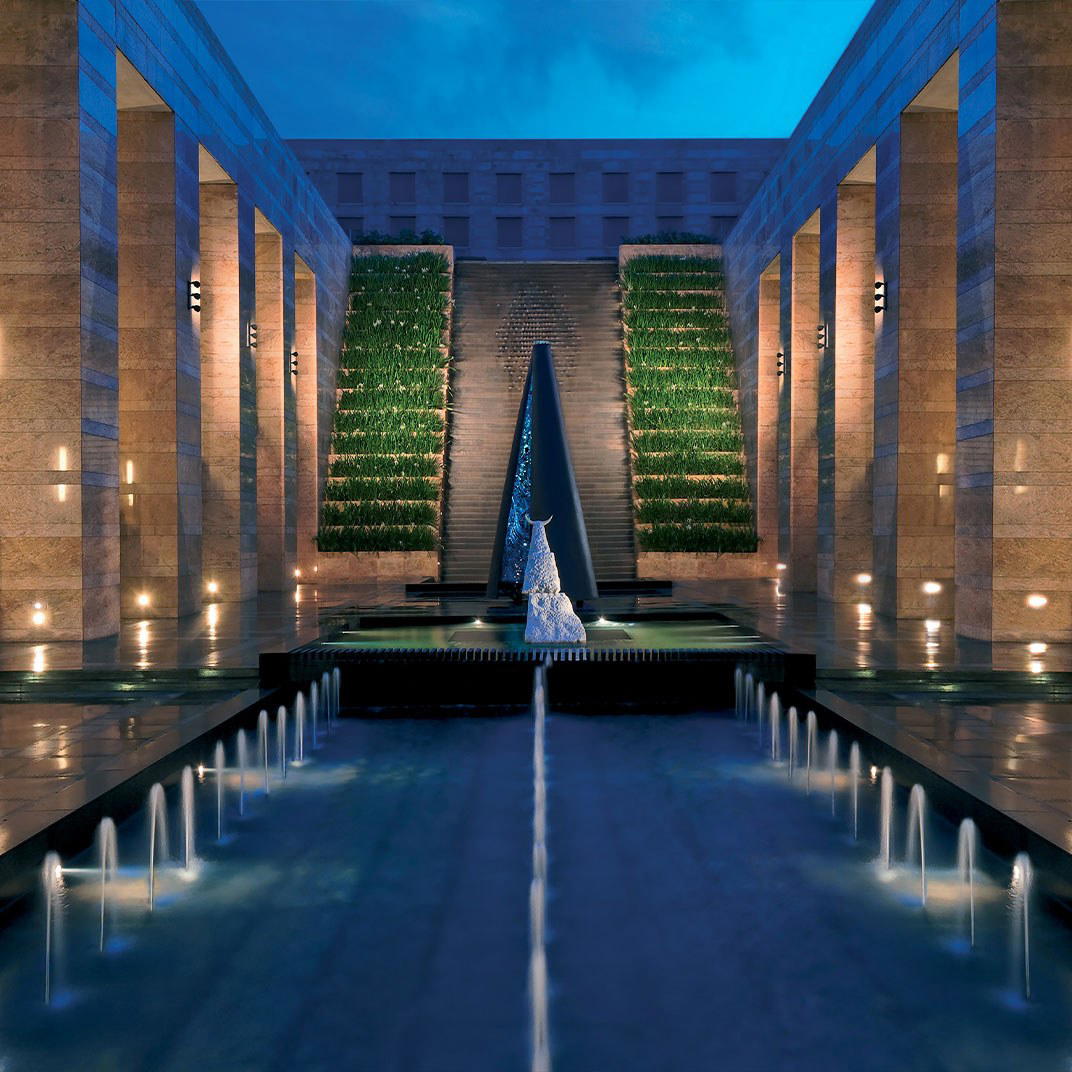
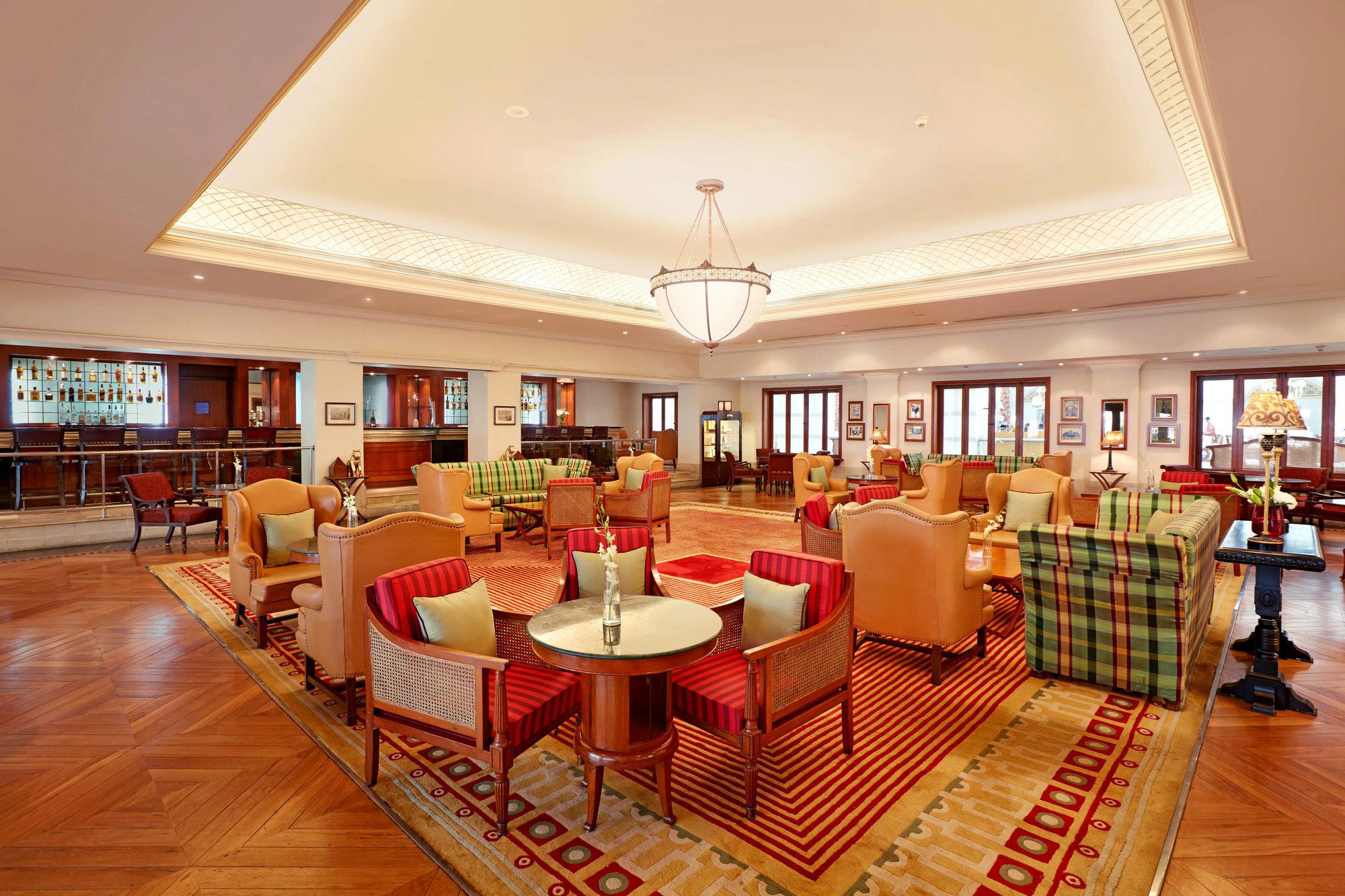
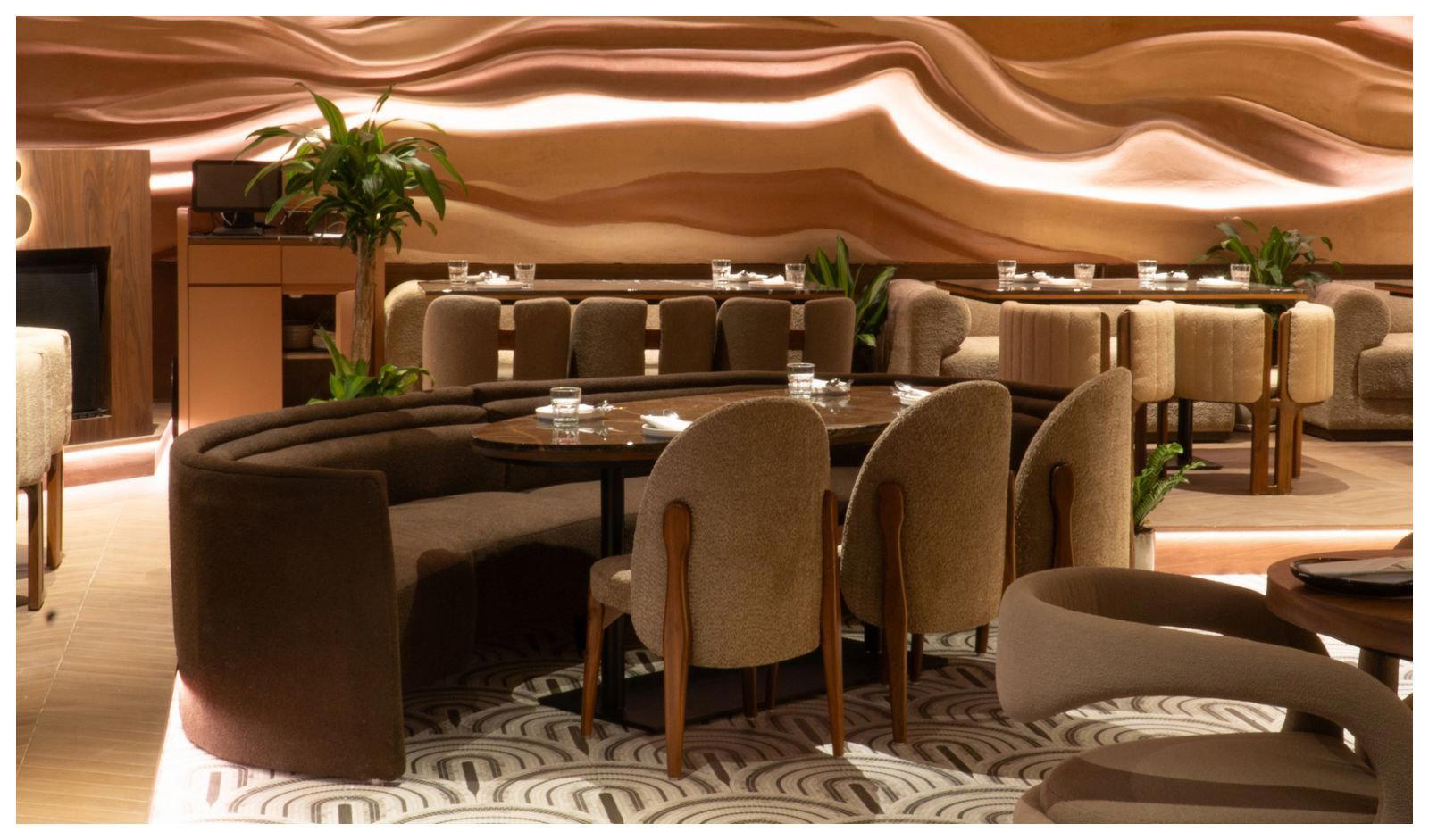
Grand marble-clad lobby with backlit glass ceiling and bold graphic patterns creates a dramatic yet restrained Art Deco atmosphere, balanced by softer guestroom sanctuaries offering calm respite.