Copper Chimney Juhu sits on Juhu Tara Road, one of Mumbai's most reliably busy dining corridors, where the brand's decades-long presence in Indian dining carries recognisable weight. A neighbourhood fixture for north Indian classics, it draws a regular crowd from Juhu's residential and film-industry set. For visitors and locals alike, it represents a consistent, familiar point on Mumbai's broader map of Indian restaurants.
Pearl is the En Primeur Club membership app — saves, bookings, and concierge access live there. Same editors, same standards.
- Address
- 883/1, Juhu Tara Rd, next to Juhu Residency Hotel, opp. HSBC Bank, Airport Area, Juhu, Mumbai, Maharashtra 400049, India
- Phone
- +917208990200
- Website
- copperchimney.in
- Directions
- Get directions
 Saves & bookings on Pearl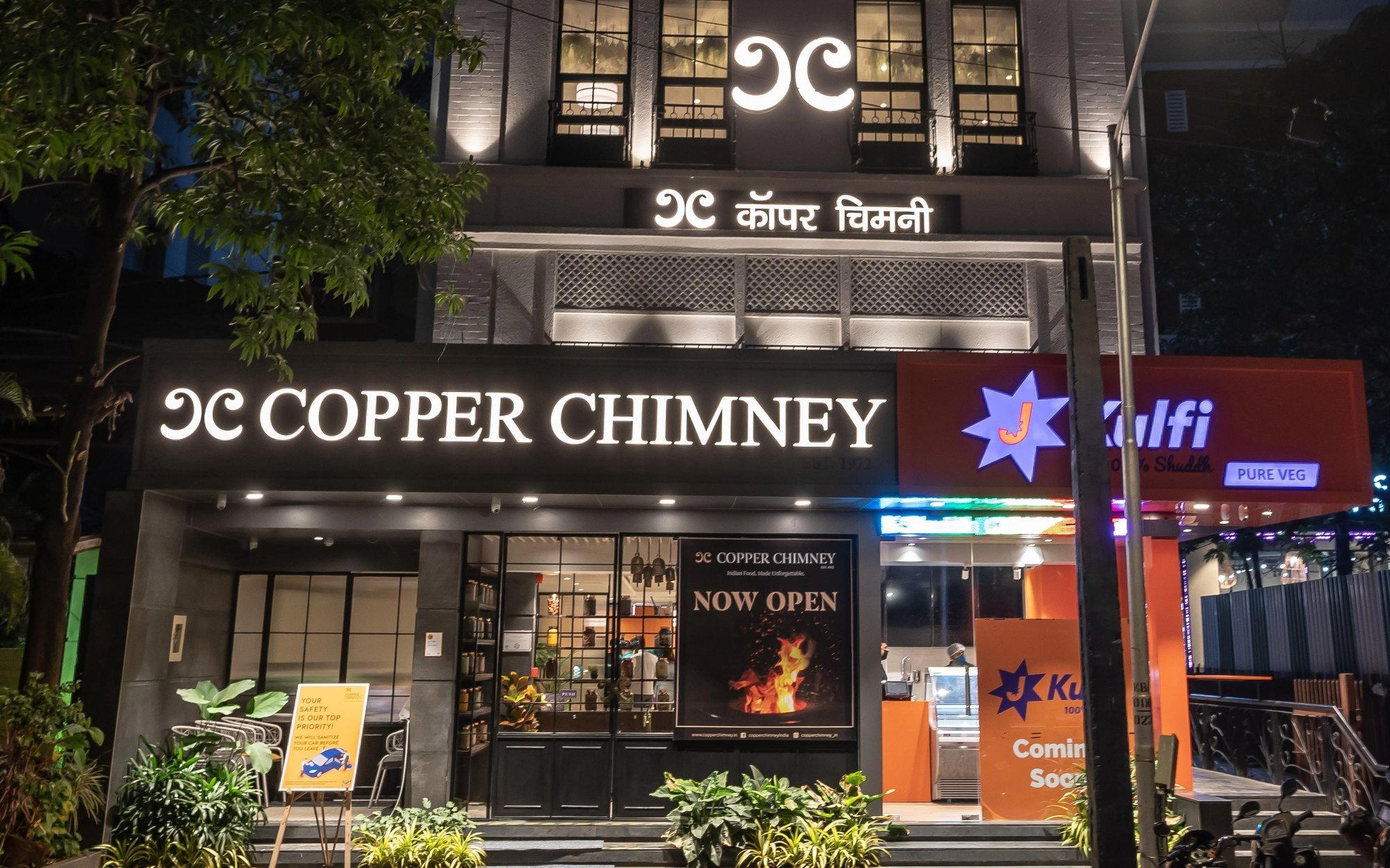
Juhu Tara Road and the Neighbourhood Dining Tier
Copper Chimney Juhu is a full-service authentic North Indian restaurant in Juhu, Mumbai, with. South Mumbai holds the newer fine-dining addresses, places like Masque (Contemporary Indian) or The Table (Contemporary Indian), while the western suburbs run a parallel circuit that is less photographed but no less embedded in how Mumbaikars actually eat. Juhu sits at the northern end of that suburban arc, where Juhu Tara Road functions as a neighbourhood dining spine rather than a destination strip.
Copper Chimney, as a brand, belongs to that suburb-first logic. The Juhu outpost on Juhu Tara Road, opposite an HSBC Bank, next to Juhu Residency Hotel, sits in the kind of address that prioritises arrival by car or auto rather than a scenic approach on foot. The building anchors rather than announces itself, which is consistent with how north Indian restaurant groups have always operated in Mumbai's outer western corridor: serving a clientele that already knows the name and returns for reliability over novelty.
The Logic of an Established North Indian Format
Across Mumbai, the north Indian restaurant category divides into at least three distinct tiers. The upper tier is occupied by hotel dining rooms, Ziya at The Oberoi, for instance, where price points and service ratios reflect the surrounding infrastructure. The lower tier is dominated by local dhabas and takeaway formats. The middle tier, where Copper Chimney has historically operated, is what might be called the polished-familiar format: a full-service restaurant with tandoor-centred cooking, a drinks programme, and the expectation that tables will turn but not too quickly.
That format has faced pressure from two directions over the past decade. From above, contemporary Indian restaurants, The Bombay Canteen (Indian), Americano (Indian Fusion), and Avatara, have absorbed the more curious dining audience with menus that frame regional Indian cooking as a subject of investigation rather than a comfort staple. From below, casual formats and delivery-first kitchens have eroded the everyday occasion. Copper Chimney Juhu's position in this environment reflects what long-running mid-market Indian restaurants do when the category polarises: they hold their lane, bank on loyalty, and keep the format recognisable.
Service, Setting, and the Team Dynamic at This Price Point
In Mumbai's north Indian mid-market, the dining experience is shaped less by any single named chef and more by the consistency of a service team that manages volume across extended family groups, corporate tables, and solo diners simultaneously. This is the hallmark of the format: front-of-house must read tables quickly, because a group of eight ordering butter naan and dal makhani for a weeknight dinner has different pacing requirements than a two-leading working through the full tandoor selection.
The editorial angle here is less about individual brilliance and more about operational coherence. At restaurants like this, the relationship between the kitchen, the floor, and the drinks station is built on repetition and institutional memory rather than innovation cycles. That kind of stability is undervalued by critics who benchmark everything against the tasting-menu format, but it is precisely what the Juhu residential crowd is paying for. When compared to the collaborative fine-dining model, where a sommelier curates a pairing programme alongside a chef's seasonal menu, as at Farmlore in Bangalore or Inja in New Delhi, Copper Chimney Juhu operates on a different axis entirely: the team dynamic here is about throughput discipline and consistency, not experimentation.
For context, the range of what serious Indian restaurant teams are building elsewhere in the country is wide. Adaa at Falaknuma Palace in Hyderabad frames its service around heritage theatre. Naar in Kasauli and Dining Tent in Jaisalmer anchor their team dynamic to landscape and local sourcing. Kappa Chakka Kandhari in Chennai and Leela Kerala Terrace in Trivandrum prioritise regional specificity. The restaurant sits outside all of those narratives: it is a volume-capable, comfort-oriented urban restaurant whose team's skill lies in making the familiar feel reliable.
What to Order and How to Approach the Menu
The north Indian tandoor canon, seekh kebab, dal makhani, butter chicken, roomali roti, is the core logic of a menu like this. Order through that lens: the tandoor output is the kitchen's structural strength at any Copper Chimney outlet, and the breads deserve attention as much as the main dishes. Curries in this format are designed for the table rather than the individual, so sharing across three or four dishes alongside rice and bread gives a more accurate read of the kitchen's range than ordering a single plate.
Juhu Tara Road can get congested on weekend evenings, so arriving slightly before peak service (generally 8pm onwards on Fridays and Saturdays in this neighbourhood) gives the floor team better capacity to seat and pace properly.
Planning Your Visit
The restaurant is located at 883/1, Juhu Tara Road, next to Juhu Residency Hotel, opposite HSBC Bank, in Mumbai's Juhu neighbourhood. The address is accessible from Andheri and Bandra by road, and Juhu itself is a logical dinner destination when combining it with the beach or nearby film-industry social venues. For those exploring the wider Mumbai dining picture, Additional reference points for understanding the Indian mid-market elsewhere include Bomras in Anjuna, Neel in Patiala, and Palaash in Yavatmal, which each represent how regional formats have developed outside the major metro circuits. For international benchmarks on what sustained service consistency looks like at the upper end of any category, Le Bernardin in New York City and Lazy Bear in San Francisco are useful reference points, though the format and price tier differ entirely from what the restaurant represents.
Booking and Cost Snapshot
Comparable venues nearby, for context on price, style, and recognition.
| Venue | Cuisine | Price | Notes |
|---|---|---|---|
| Copper Chimney JuhuThis venue — the venue you are viewing | Not listed | $$$ | Not listed |
| Trishna | Fort Mumbai, Well-known Mumbai Seafood | $$$ | Not listed |
| Thaker Bhojanalay | Bhuleshwar, Authentic Gujarati Thali | $$ | Not listed |
| Khyber | Not listed | $$$ | Fort Mumbai, North-West Frontier/Mughlai |
| Gajalee | Vile Parle, Malvani Seafood | $$ | Not listed |
| Dakshin | Parel, Premium South Indian Fine Dining | $$$ | Not listed |
At a Glance
- Classic
- Cozy
- Well Known
- Family
- Group Dining
- Casual Hangout
- Standalone
- Street Scene
Current opening hours
- Monday
- 12–4 PM, 7–11 PM
- Tuesday
- 12–4 PM, 7–11 PM
- Wednesday
- 12–4 PM, 7–11 PM
- Thursday
- 12–4 PM, 7–11 PM
- Friday
- 12–4 PM, 7–11 PM
- Saturday
- 12–4 PM, 7–11 PM
- Sunday
- 12–4 PM, 7–11 PM
Hours can change for holidays and private events. Last verified .
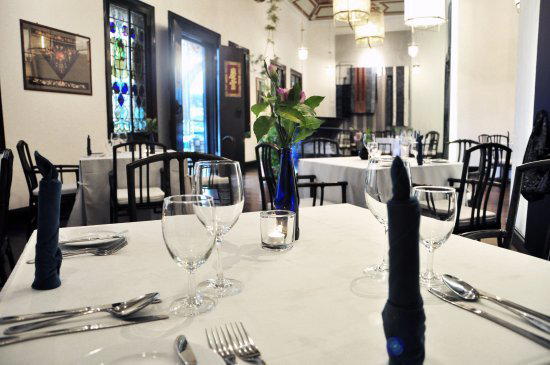
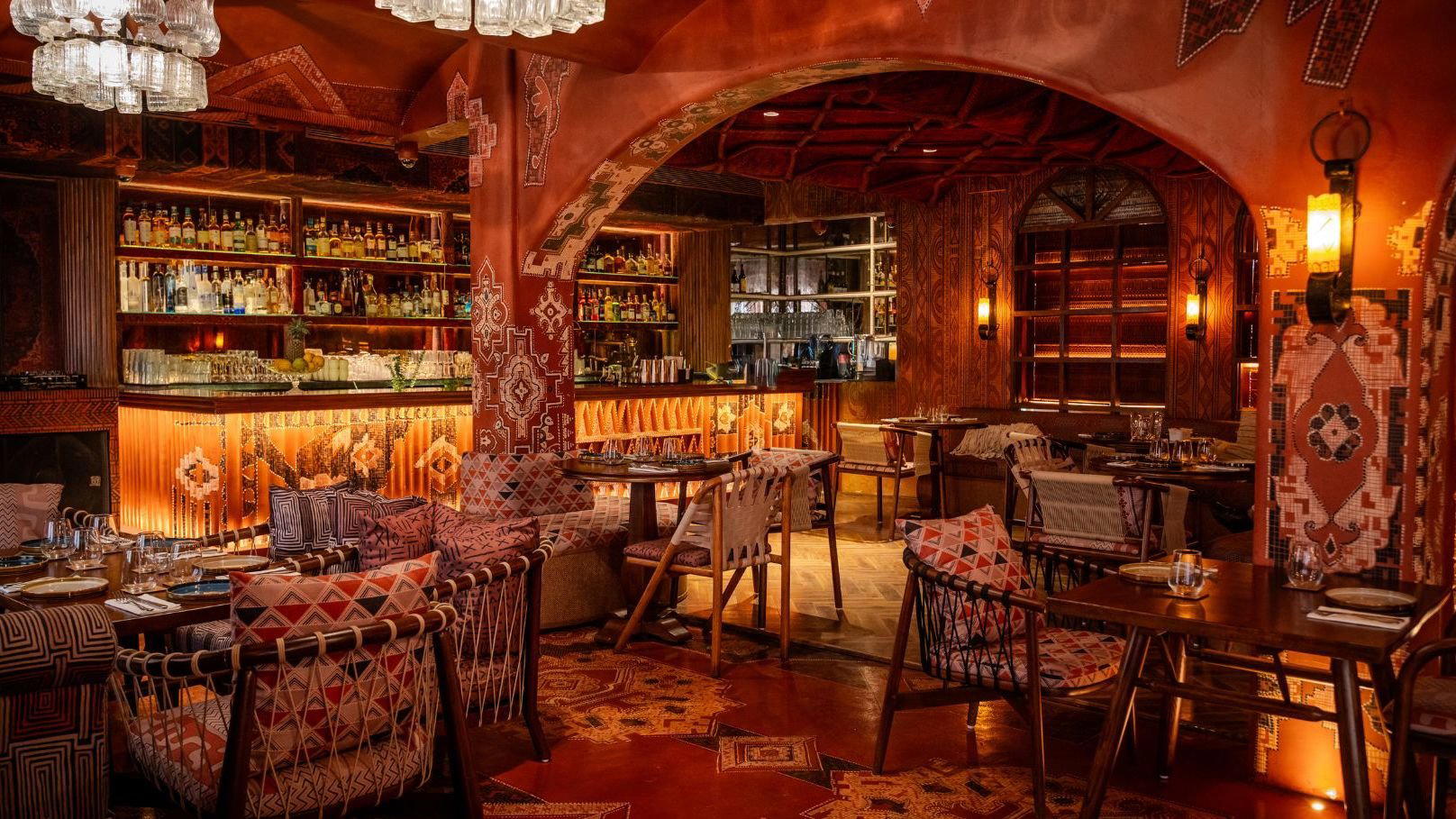
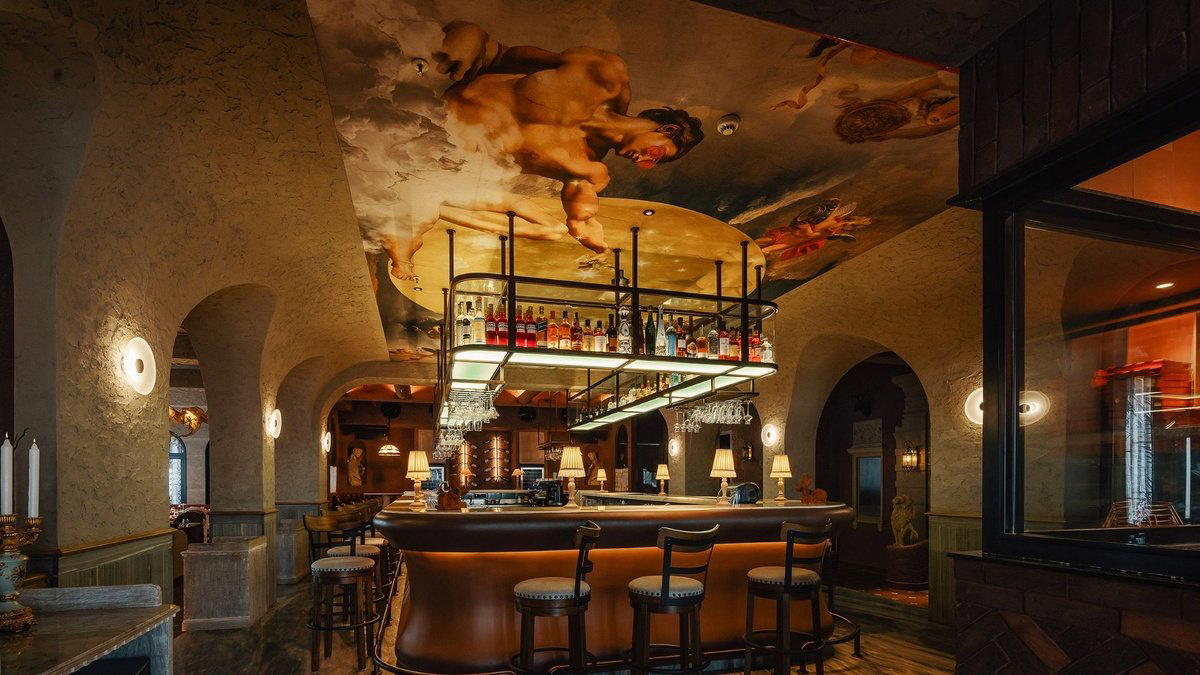
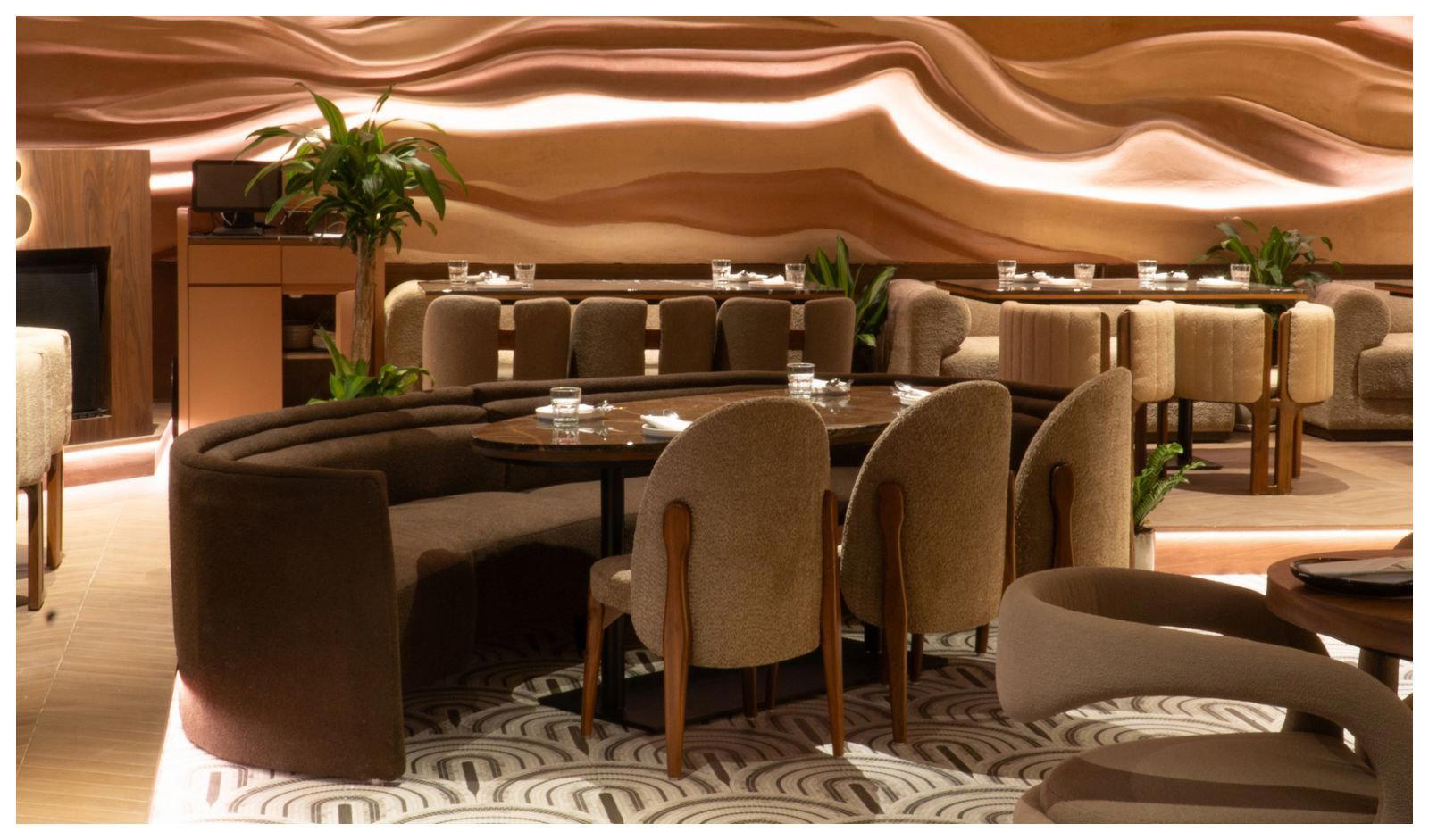
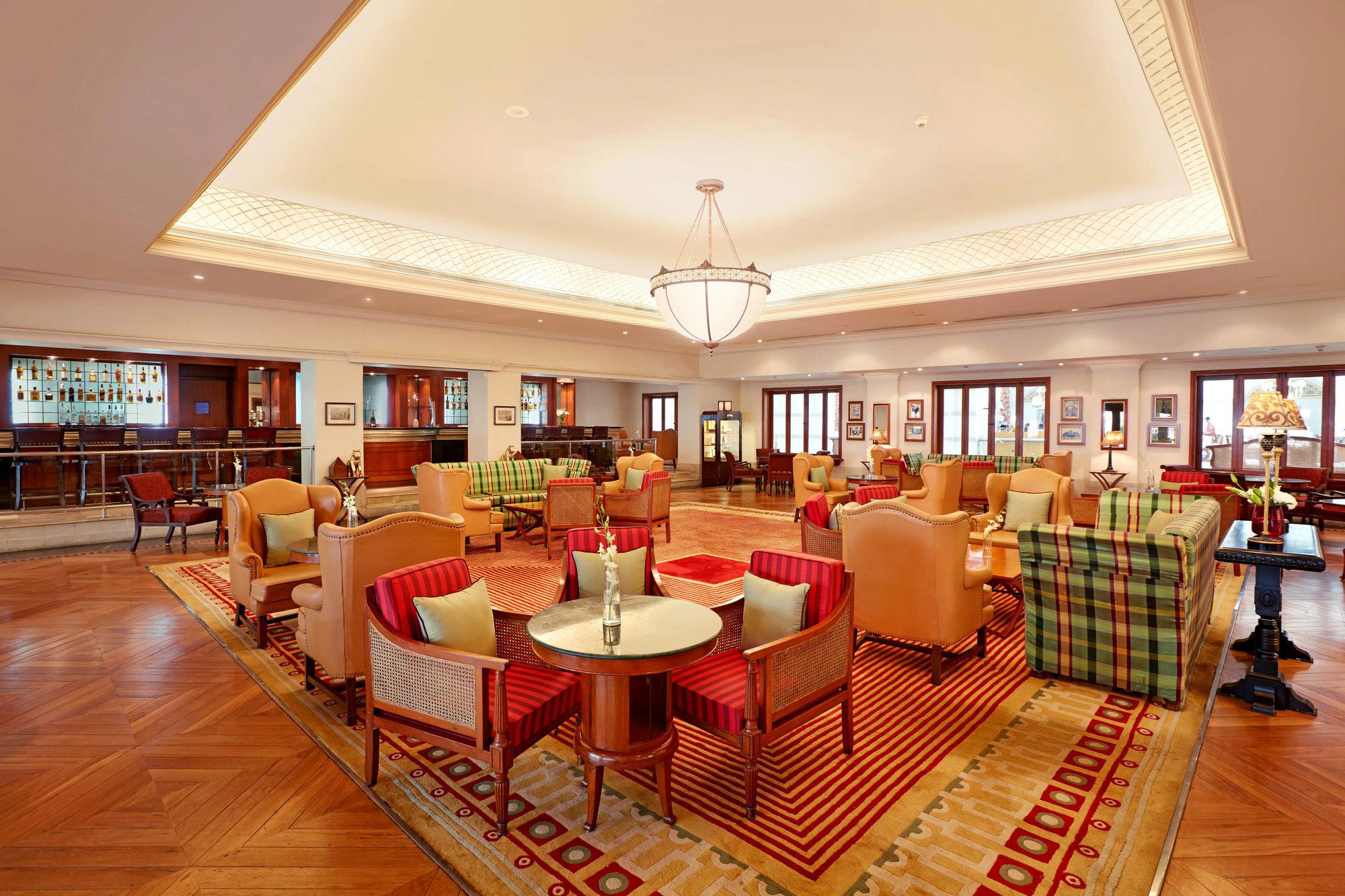
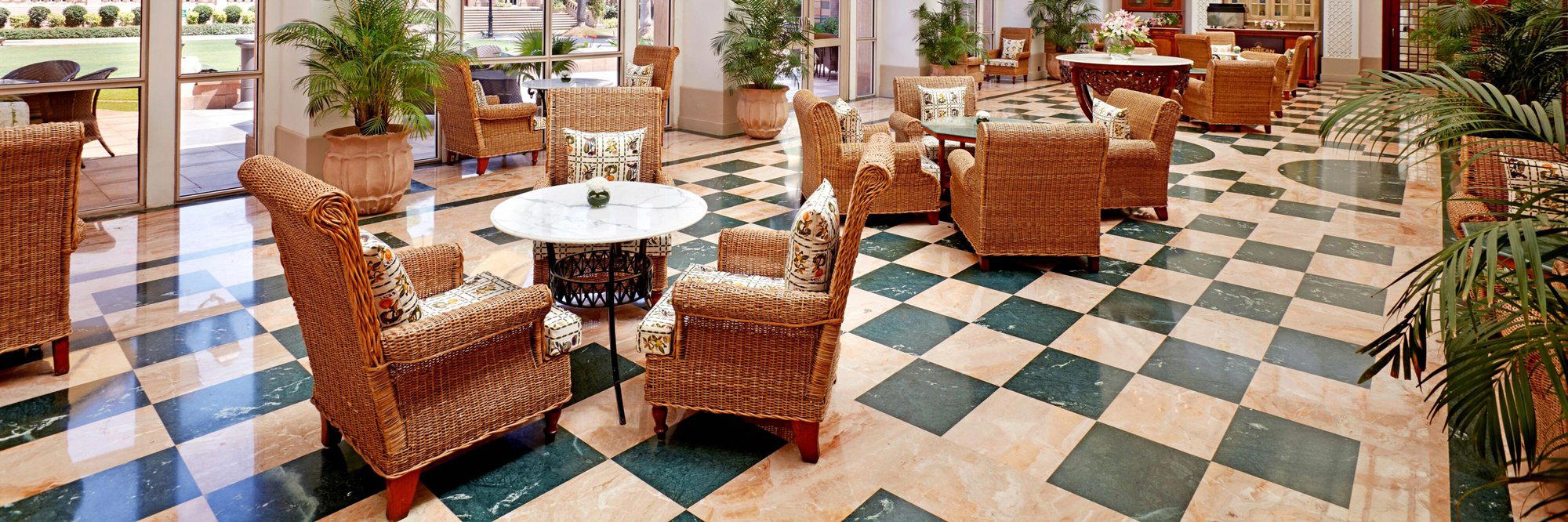
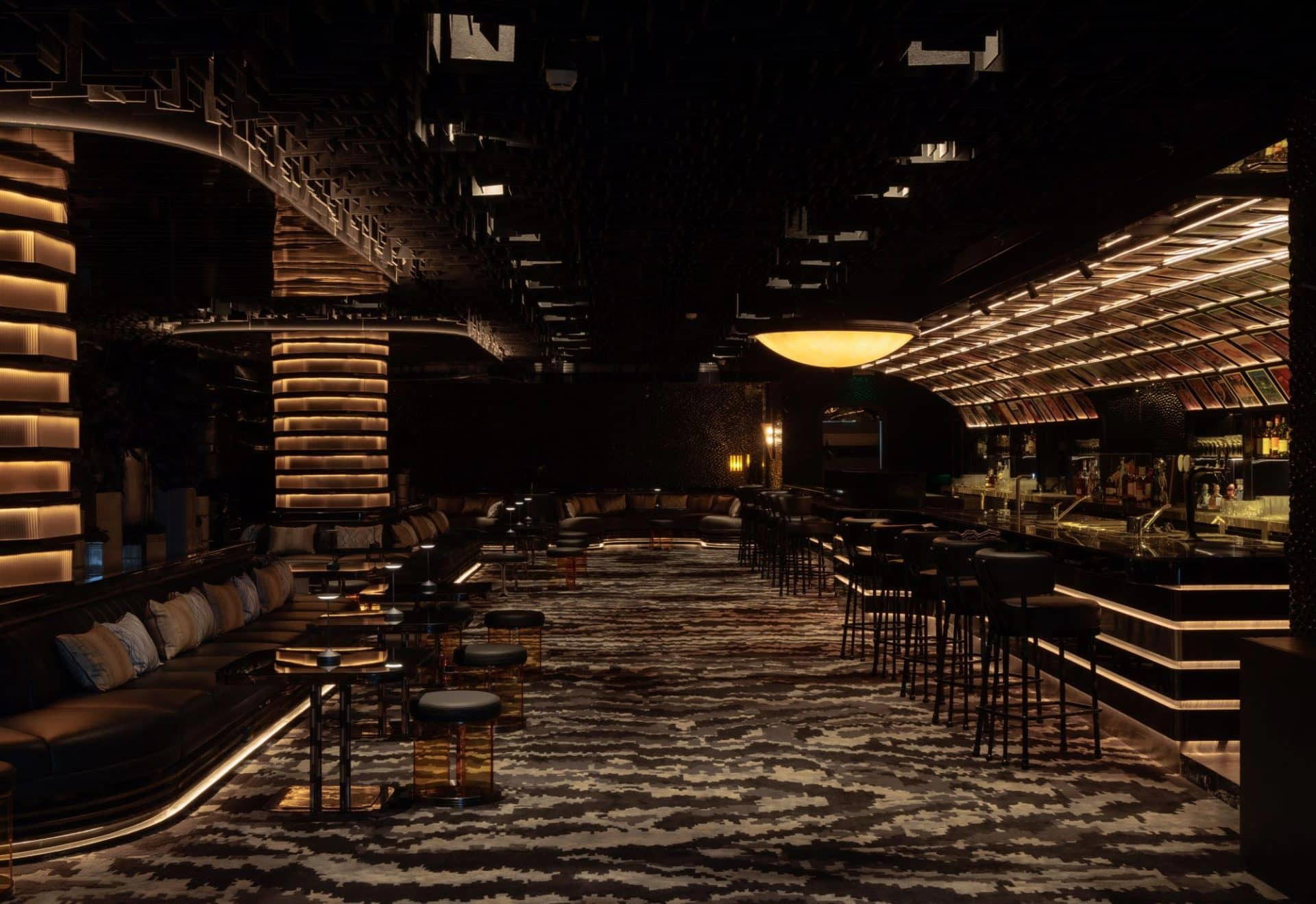
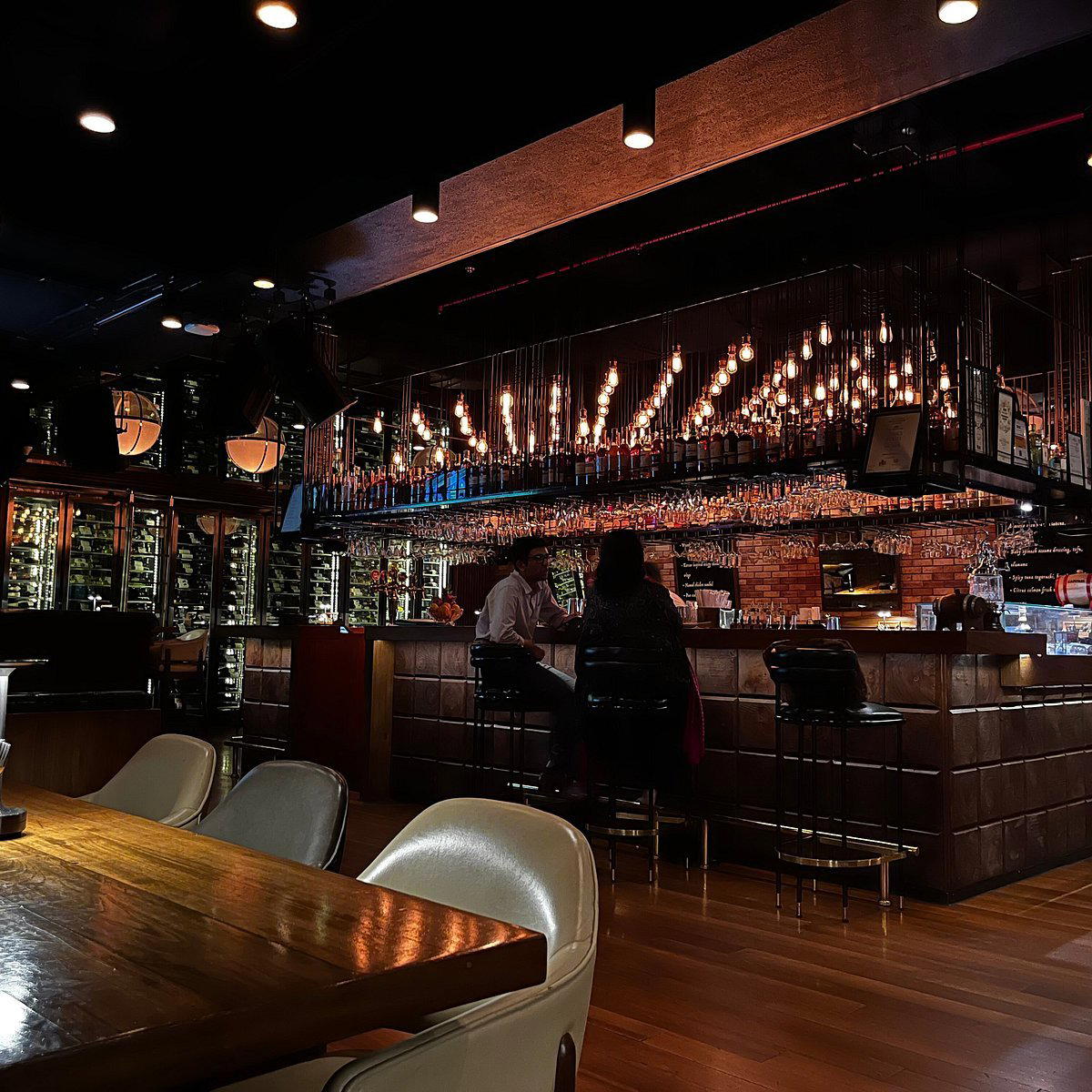
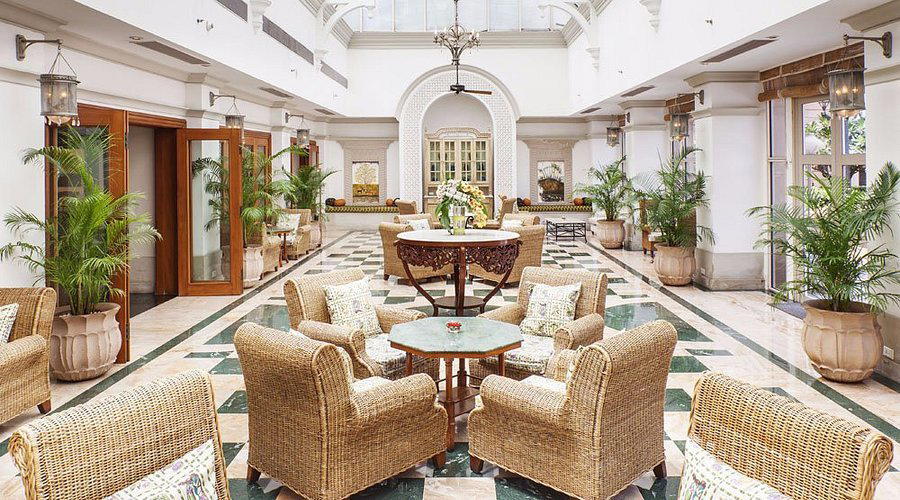
Cozy atmosphere featuring beautiful copper accents.