Our verdict
Trishna in Kala Ghoda has spent decades shaping how Mumbai understands coastal Indian cooking, particularly the Konkan and Mangalorean traditions that define its reputation. The menu reads as a structured argument for the complexity of seafood-forward Indian cuisine, with the butter-pepper-garlic crab at its centre. It occupies a position between institution and reference point for the city's serious dining circuit.

Pearl is the En Primeur Club membership app — saves, bookings, and concierge access live there. Same editors, same standards.
- Address
- Sai Baba Mandir Marg, next to Commerce House, opp. Kalaghoda Cafe, Kala Ghoda, Fort, Mumbai, Maharashtra 400001, India
- Phone
- +919206260260
- Hours
- Mon–Thu 12–3:30 PM, 6–11:30 PMFri–Sat 12–3:30 PM, 6 PM–12 AMSun 12–3:30 PM, 6–11:30 PM
- Website
- swiggy.com
- Directions
- Get directions
- Booking
- Book on the venue's website
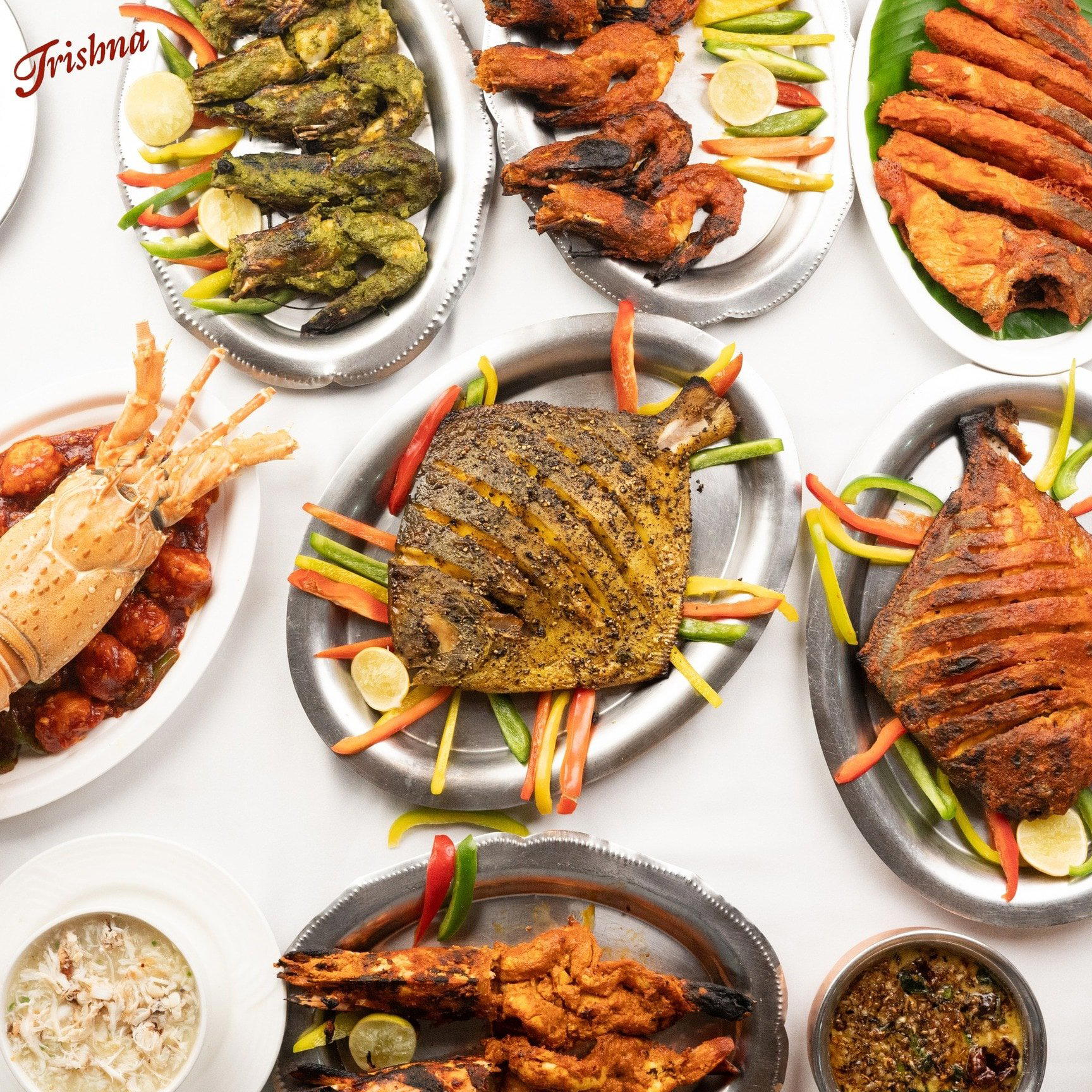
Kala Ghoda's Seafood Reference Point
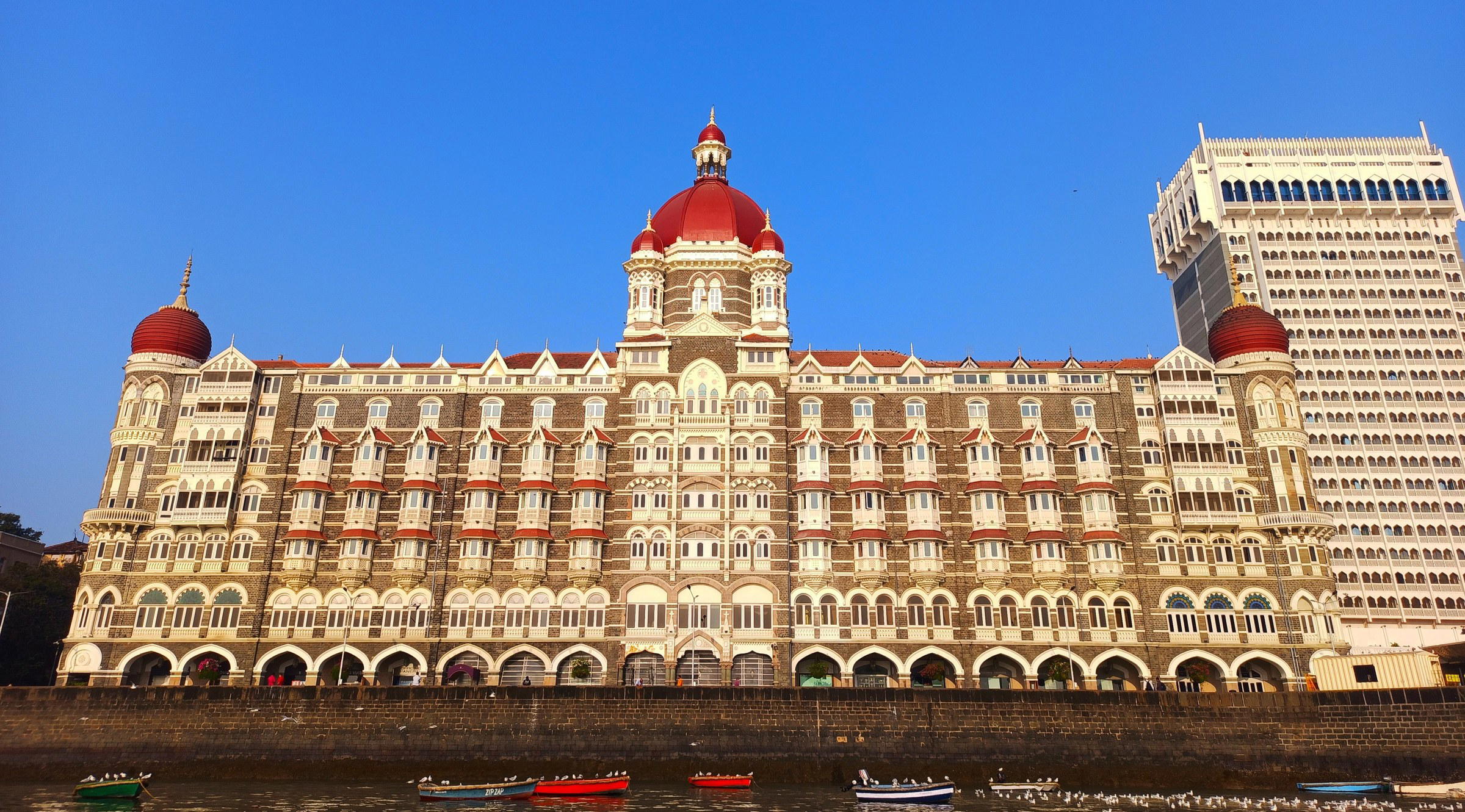
Fort's Kala Ghoda precinct has a particular density of restaurants that resist easy categorisation — places that have been around long enough to stop performing for newcomers and simply do what they do. Trishna, on Sai Baba Mandir Marg opposite Kalaghoda Cafe, belongs firmly in that cohort. The address puts it in one of Mumbai's most historically layered neighbourhoods, where colonial-era architecture and contemporary gallery culture sit in close proximity to the city's financial district. That context matters: Kala Ghoda draws a crowd with specific expectations, and Trishna has met those expectations for long enough to become a fixed coordinate in how people think about eating well in this city.
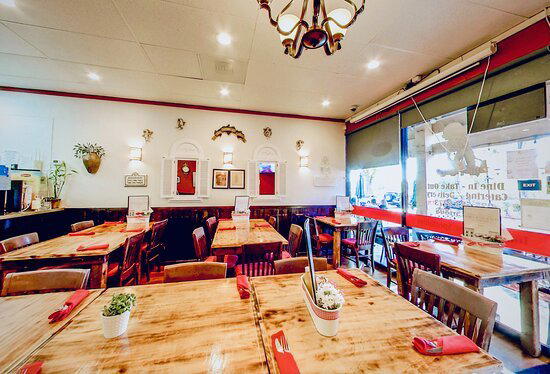
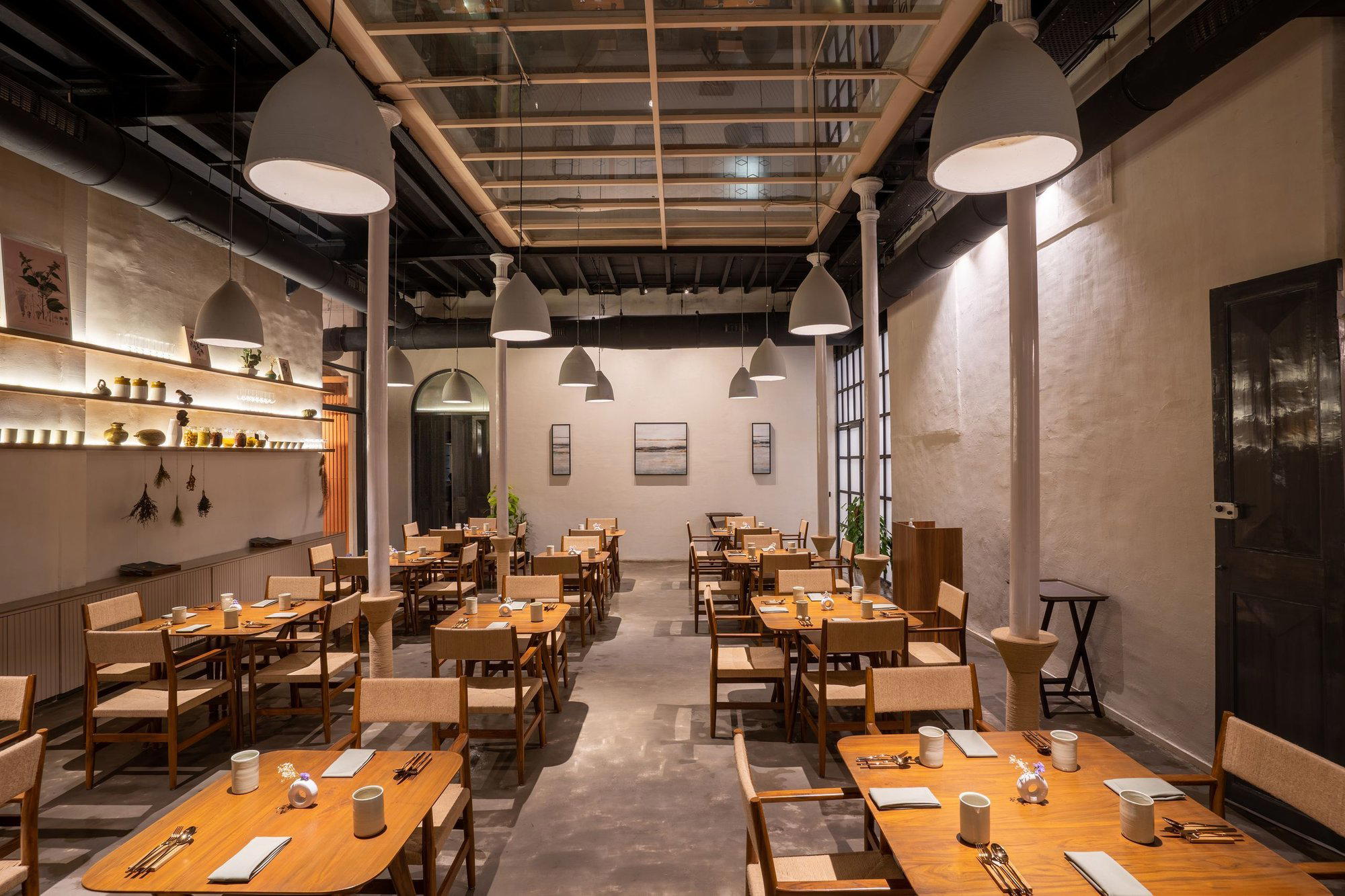
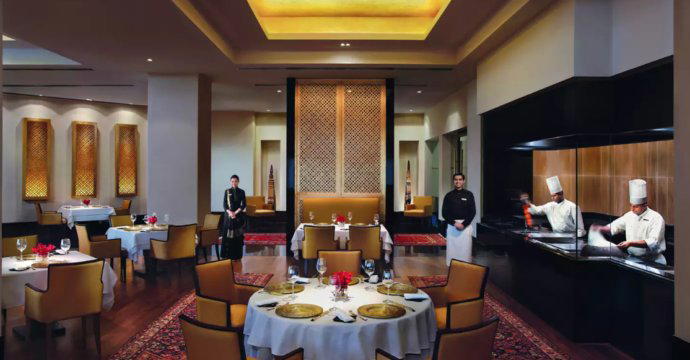
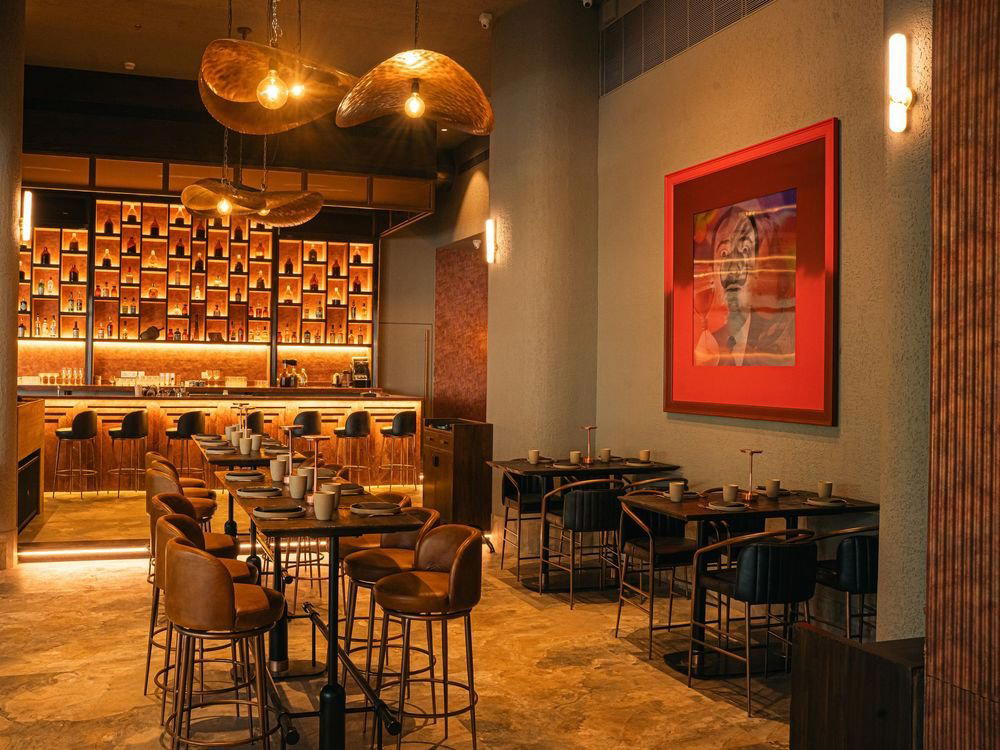
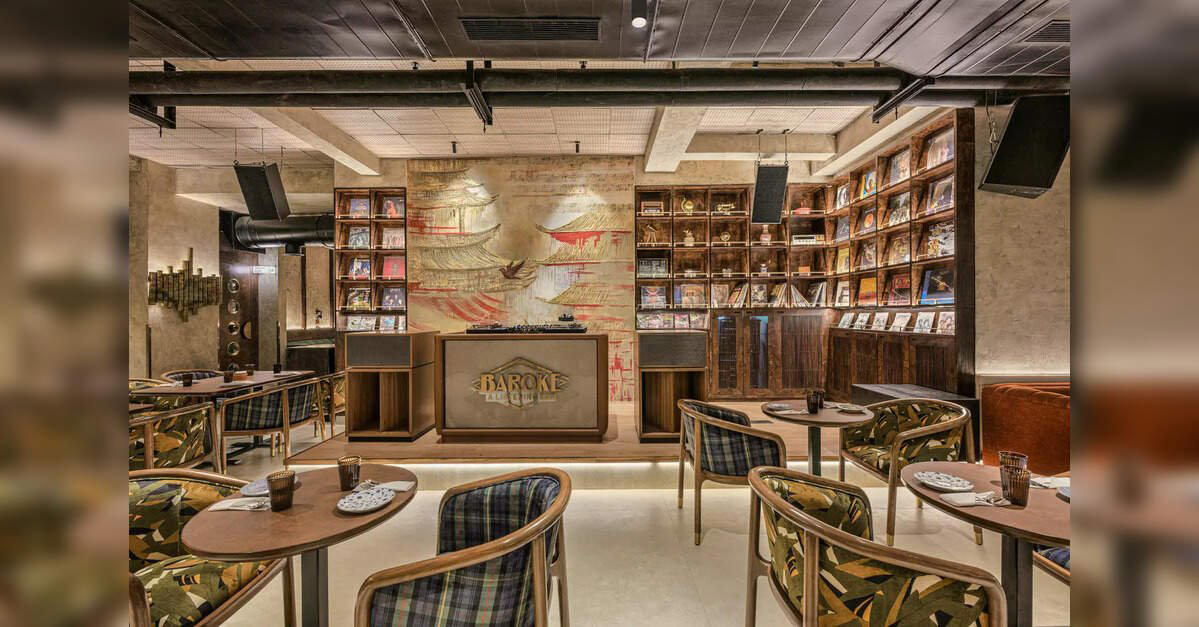
Walking into Trishna, you leave the street noise of Fort behind and enter a room that has never needed to reinvent itself visually. The space is functional rather than designed, which in a city that cycles through concept restaurants at speed, reads as quiet confidence. The focus here is on the plate, and the menu architecture makes that priority explicit from the first read-through.
How the Menu Is Built — and What It Argues
The structure of Trishna's menu is itself a statement about Indian coastal cooking. Rather than presenting seafood as a supporting cast to curries or tandoor items, the menu places fish and shellfish at the centre of the ordering logic. Konkan and Mangalorean preparations form the backbone, these are traditions that depend on freshness, restraint, and a specific understanding of how to carry spice without obscuring the primary ingredient. This is a different register from the Mughal-influenced north Indian cooking that often dominates international conversations about Indian cuisine, and Trishna's menu insists on that distinction without explaining it to you.
The butter-pepper-garlic crab is the dish that functions as the menu's anchor, the preparation that has drawn regulars back for years and that most visitors arrive having already decided to order. Its longevity on the menu is not nostalgia, it reflects a technical consistency that is harder to maintain than it looks. Crab cooked in this style requires timing and heat management that even well-resourced kitchens get wrong. The fact that this dish carries the restaurant's reputation is a signal worth reading: it means the kitchen is confident in execution under volume, which is a specific kind of competence.
Beyond the crab, the menu moves through preparations that reflect the Konkan coast's pantry: coconut, tamarind, kokum, and dried spices used with geographical specificity rather than generically. Mumbai's position as a port city means that its coastal cooking traditions absorbed influences from Goa, Kerala, and the Mangalorean shoreline, and the menu at Trishna draws from that wider regional network. Comparing this to the Goan-inflected seafood approach at Masque or the broader reinterpretation of Indian tradition at The Bombay Canteen helps locate Trishna's specific position: it is not reinterpreting or modernising the tradition, it is executing it at a high level of consistency.
Vegetarian options exist within the menu, though the kitchen's identity is built around fish and shellfish. Visitors with vegetarian requirements will find dishes to order, but the menu is not structured around parity between seafood and vegetable preparations. This is a choice that reflects the restaurant's culinary logic rather than an oversight, and it is worth factoring into group dining decisions.
Where Trishna Sits in Mumbai's Dining Order
Mumbai's serious restaurant circuit has expanded substantially in the past decade. Properties like Americano and The Table have built audiences around contemporary and international frameworks. Avatara has made a case for fine-dining vegetarian Indian cooking as a category in its own right. In that context, Trishna operates differently, it holds institutional authority rather than critical novelty. It is the kind of restaurant that appears on shortlists because it has earned a long-term position, not because it opened recently.
That institutional status is earned differently from the recognition structures that govern newer fine-dining formats. Across India, there is a broader set of restaurants that have built comparable reputations through consistency and regional specificity: Bukhara in New Delhi operates on similar logic in the north Indian tradition, holding its position not through reinvention but through the authority of decades of consistent execution. Farmlore in Bangalore and Naar in Kasauli represent a newer generation of regionally grounded Indian restaurants, which makes the contrast with Trishna instructive: longevity and novelty solve different problems for the diner.
Internationally, the comparison that holds is not with Indian restaurants abroad, but with the category of seafood-specialist institutions that exist in most serious food cities. The clarity of focus at Le Bernardin in New York City, a kitchen built entirely around a single protein category, reflects a similar structural logic, even if the culinary tradition and price tier differ substantially. The discipline of organising a full restaurant around seafood execution, rather than offering it as one strand of a broader menu, creates a specific kind of accountability.
Getting There and Planning the Visit
Trishna's location in Kala Ghoda places it within walking distance of Chhatrapati Shivaji Maharaj Terminus and a short cab or auto-rickshaw ride from most of Fort and Colaba. The neighbourhood is navigable on foot in the evening, with the gallery precinct and the surrounding streets providing a natural pre- or post-dinner circuit. Reservations are advisable, particularly for dinner on weekdays and across weekends, when the restaurant's sustained reputation drives consistent demand. The practical approach is to book ahead rather than arrive on speculation, the room is not large, and the kitchen's output reflects that scale. For visitors building a broader Mumbai itinerary, the EP Club Mumbai restaurants guide provides additional context on the city's current dining order.
Frequently asked questions
How do I find Trishna?
Trishna is located at Sai Baba Mandir Marg, next to Commerce House, opp. Kalaghoda Cafe, Kala Ghoda, Fort, Mumbai, Maharashtra 400001, India, Mumbai.
How does Trishna compare to other seafood restaurants in Mumbai's Fort and Kala Ghoda area?
Trishna occupies a different register from the newer Kala Ghoda openings that have arrived since the precinct's arts-district profile rose: it is not a concept restaurant, and the cooking does not chase trends. Within the city's coastal seafood category, its position at Sai Baba Mandir Marg has remained consistent while the neighbourhood around it has changed considerably.
What dish is Trishna famous for?
Trishna's reputation in Mumbai is built most firmly on its butter garlic crab, a preparation that has become a reference dish for the city's coastal cooking. The Kala Ghoda address draws regulars specifically for shellfish preparations that treat the main ingredient as the point of the plate, not a backdrop to sauce.
How hard is it to get a table at Trishna?
Trishna does not take online reservations through a widely publicised booking system, so the practical approach is to call ahead or arrive early, particularly on weekends. The Fort and Kala Ghoda area draws significant foot traffic from office workers at lunch and visitors in the evening, which keeps demand consistent.
What has Trishna built its reputation on?
Longevity and consistency in a city where restaurants turn over fast. Trishna has been a fixture in Kala Ghoda long enough that its name functions as shorthand for serious Mumbai seafood, particularly for Mangalorean and coastal preparations. That kind of standing is earned incrementally, not through a single press moment.
Can Trishna handle vegetarian requests?
The menu skews heavily toward seafood and coastal fish preparations, which is the kitchen's clear focus. Vegetarian options exist but are not the reason to make the trip to Kala Ghoda. Guests with strict vegetarian requirements will find the selection limited compared to a dedicated vegetarian kitchen in Mumbai.
Is Trishna worth it?
For anyone tracking where Mumbai's coastal seafood tradition is being maintained rather than reinterpreted, Trishna in Fort remains a practical answer. The Kala Ghoda location puts it close to Chhatrapati Shivaji Maharaj Terminus, which makes it a workable stop whether you are visiting the precinct or already in the neighbourhood.
Awards and Standing
Comparable venues nearby, for context on price, style, and recognition.
| Venue | Cuisine | Price | Awards | Notes |
|---|---|---|---|---|
| TrishnaThis venue — the venue you are viewing | Iconic Mumbai Seafood | $20–30 | Not listed | Not listed |
| Dakshin | Authentic South Indian Fine Dining | $30–50 | Not listed | Sahar |
| Khyber | North-West Frontier/Mughlai | $20–30 | Not listed | Fort Mumbai |
| Copper Chimney Juhu | Authentic North Indian | $20–30 | Not listed | Juhu Beach, Mumbai |
| Avatara | Modern Indian Vegetarian Fine Dining | Not listed | We're Smart World 4 Radishes | Bandra G |
| Thaker Bhojanalay | Authentic Gujarati Thali | $1–10 | Not listed | Bhuleshwar |
Details
- Well Known
- Classic
- Special Occasion
- Group Dining
- Standalone
- A La Carte
- Vegetarian Friendly
- Vegan Options
- Gluten Free Options
Current opening hours
- Monday
- 12–3:30 PM, 6–11:30 PM
- Tuesday
- 12–3:30 PM, 6–11:30 PM
- Wednesday
- 12–3:30 PM, 6–11:30 PM
- Thursday
- 12–3:30 PM, 6–11:30 PM
- Friday
- 12–3:30 PM, 6 PM–12 AM
- Saturday
- 12–3:30 PM, 6 PM–12 AM
- Sunday
- 12–3:30 PM, 6–11:30 PM
Hours can change for holidays and private events. Last verified .
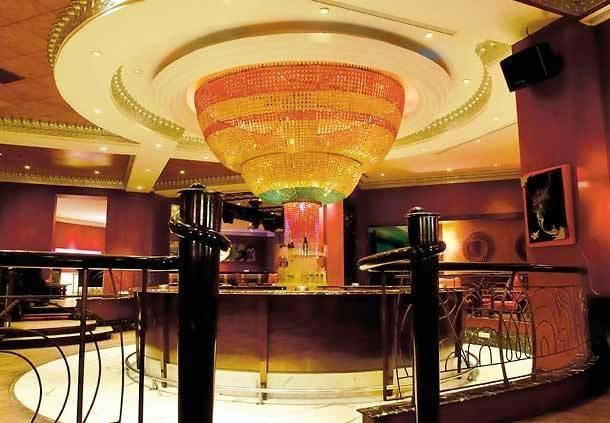
Simple, unprepossessing decor with a focus on the food rather than frills, featuring drab beige and cream tones.