
On the seventh floor above Juhu Tara Road, Avatara makes a case that 100% plant-based cooking and the full range of Indian culinary tradition are not in tension but in conversation. Recognised by the We're Smart Green Guide for sophisticated, colourful pure-plant cuisine, and noted for a non-alcoholic drinks menu that holds its own against the wine list, it sits at a tier of Mumbai dining where ambition and sourcing discipline define the offer.
Pearl is the En Primeur Club membership app — saves, bookings, and concierge access live there. Same editors, same standards.
- Address
- 7th floor, Krishna Curve Building, Juhu Tara Rd, opp. Juhu Garden, Hasmukh Nagar, Santacruz (West), Mumbai, Maharashtra 400054, India
- Phone
- +91 91527 00123
- Website
- avatararestaurant.com
- Directions
- Get directions
 Saves & bookings on Pearl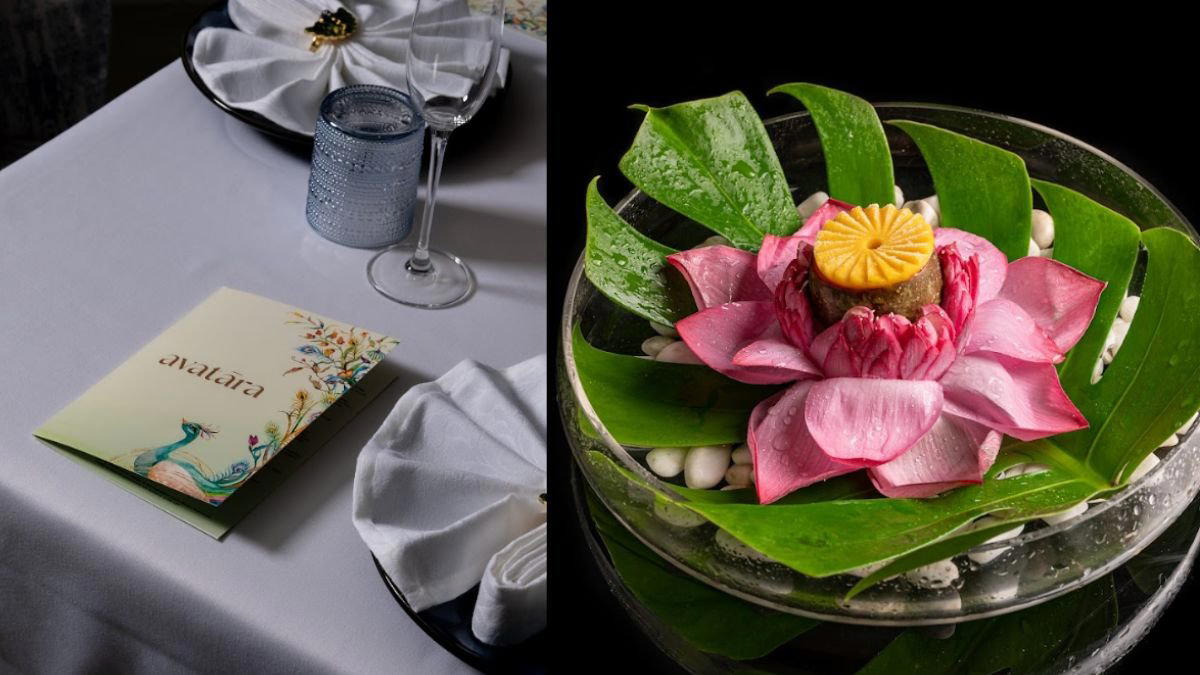
A Seventh-Floor Argument for Plant-Based Seriousness
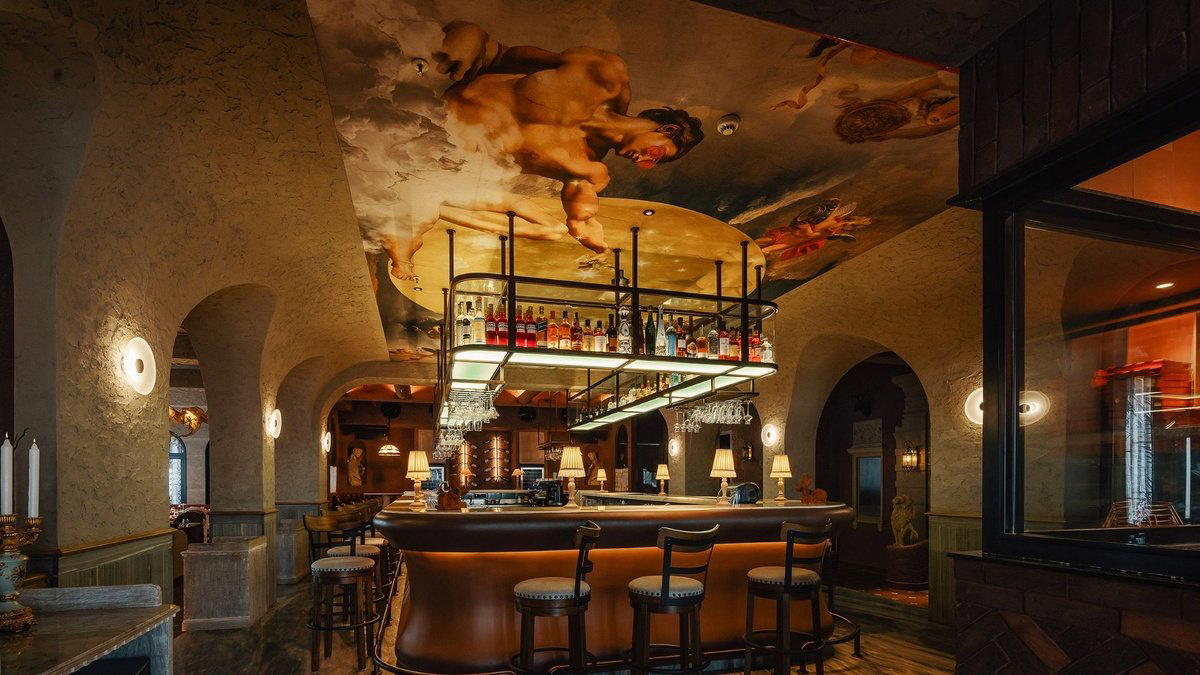
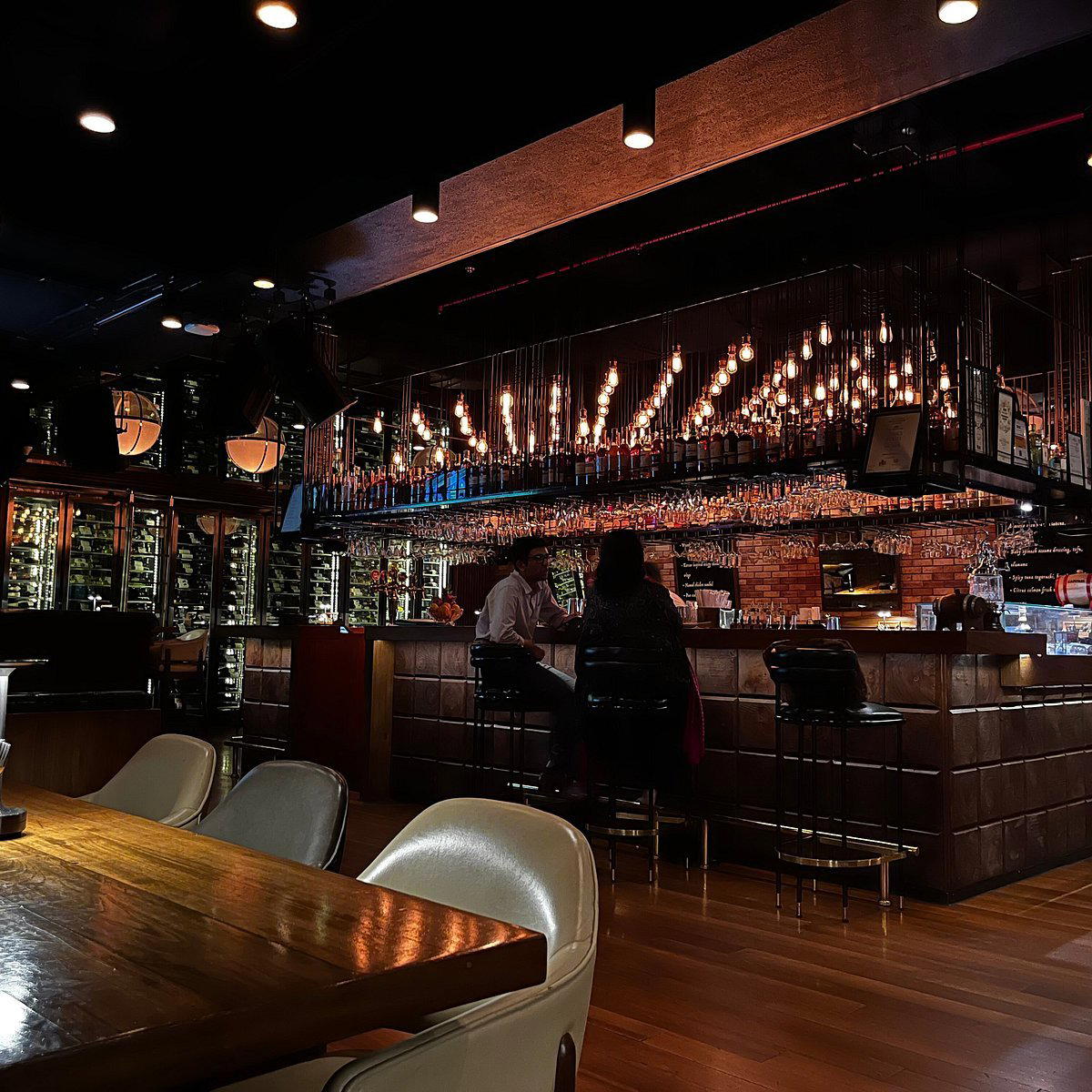
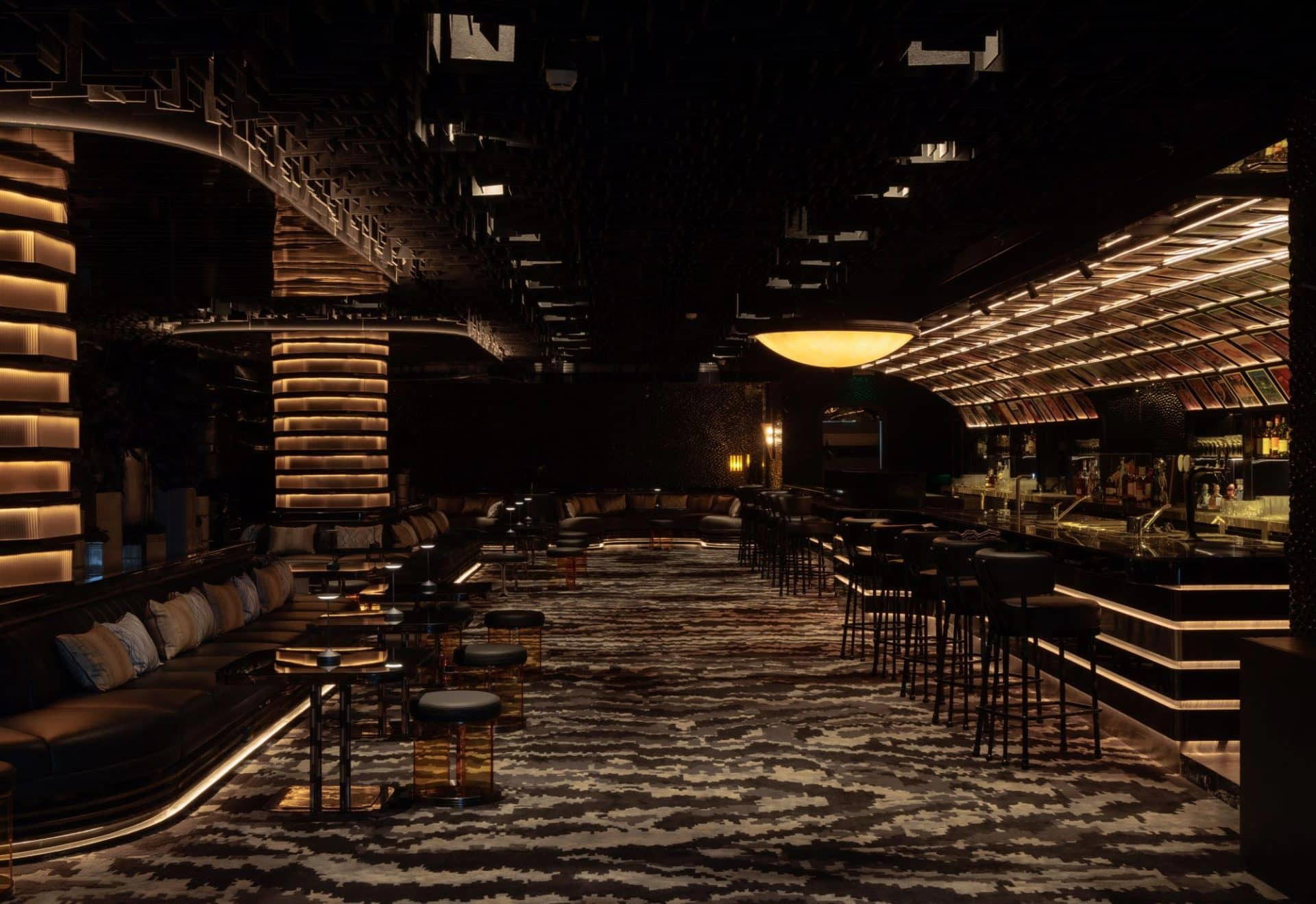
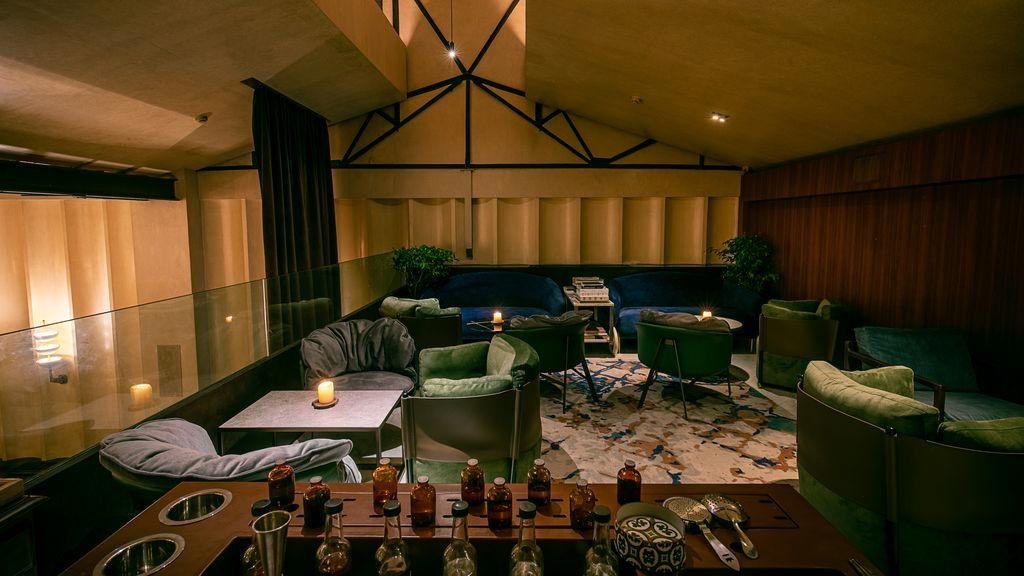
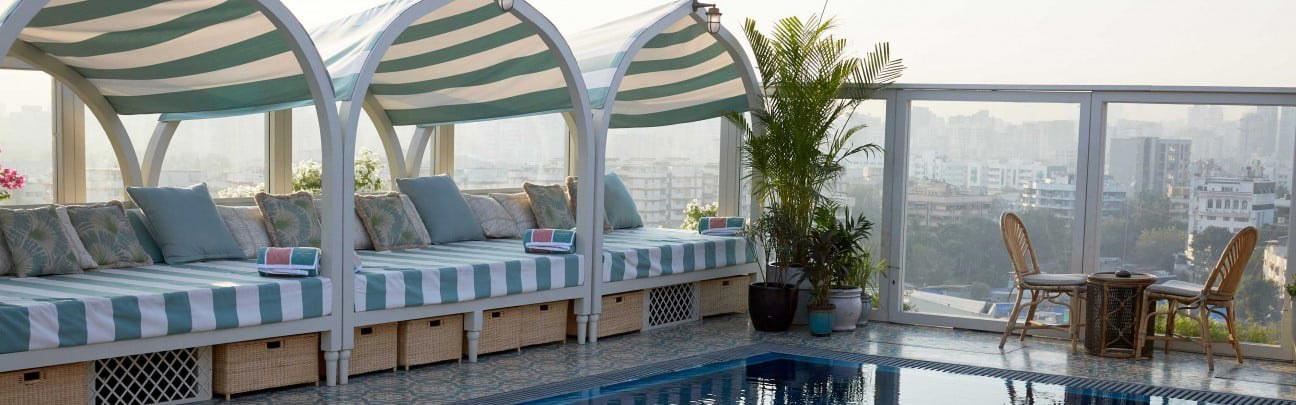
The approach to Avatara already tells you something about how the restaurant positions itself. The seventh floor of the Krishna Curve Building on Juhu Tara Road places it in Santacruz West, Mumbai, where the room looks out over the neighbourhood below. The physical remove is deliberate in feel: you arrive somewhere that has separated itself from the casual dining strip below, and the room reads accordingly. This is not a place built around accessibility or volume. It is built around a particular argument about what Indian cooking can do when it works exclusively with plants.
That argument is increasingly relevant in Mumbai's upper dining tier. The city's ambitious restaurants have spent the past decade sorting themselves into legible categories: contemporary Indian tasting menus, regional specialists, farm-to-table formats, and fusion addresses. Avatara occupies a position across several of those categories at once. It is technically a plant-based restaurant, but the framing it has chosen is sophisticated pure-plant Indian cooking rather than the wellness-coded vegetarian format that dominated the previous generation. The distinction matters. Where older vegetarian fine dining in India often softened or simplified to avoid offence, Avatara's approach, as recognised by the We're Smart Green Guide, is described as colourful, sophisticated, and carrying added value, language that signals technique and intentionality rather than restraint for its own sake.
Where the Food Comes From and Why That Shapes the Menu
The We're Smart Green Guide recognition is the clearest external signal of Avatara's sourcing orientation. That guide evaluates restaurants on their relationship to plant-based ingredients at a structural level: how they source, how they treat ingredients through the cooking process, and whether the kitchen demonstrates genuine depth with plant material rather than simply removing animal products from a conventional framework. Avatara's inclusion places it in a category of restaurants being tracked for development. That is a more demanding framing than a static award.
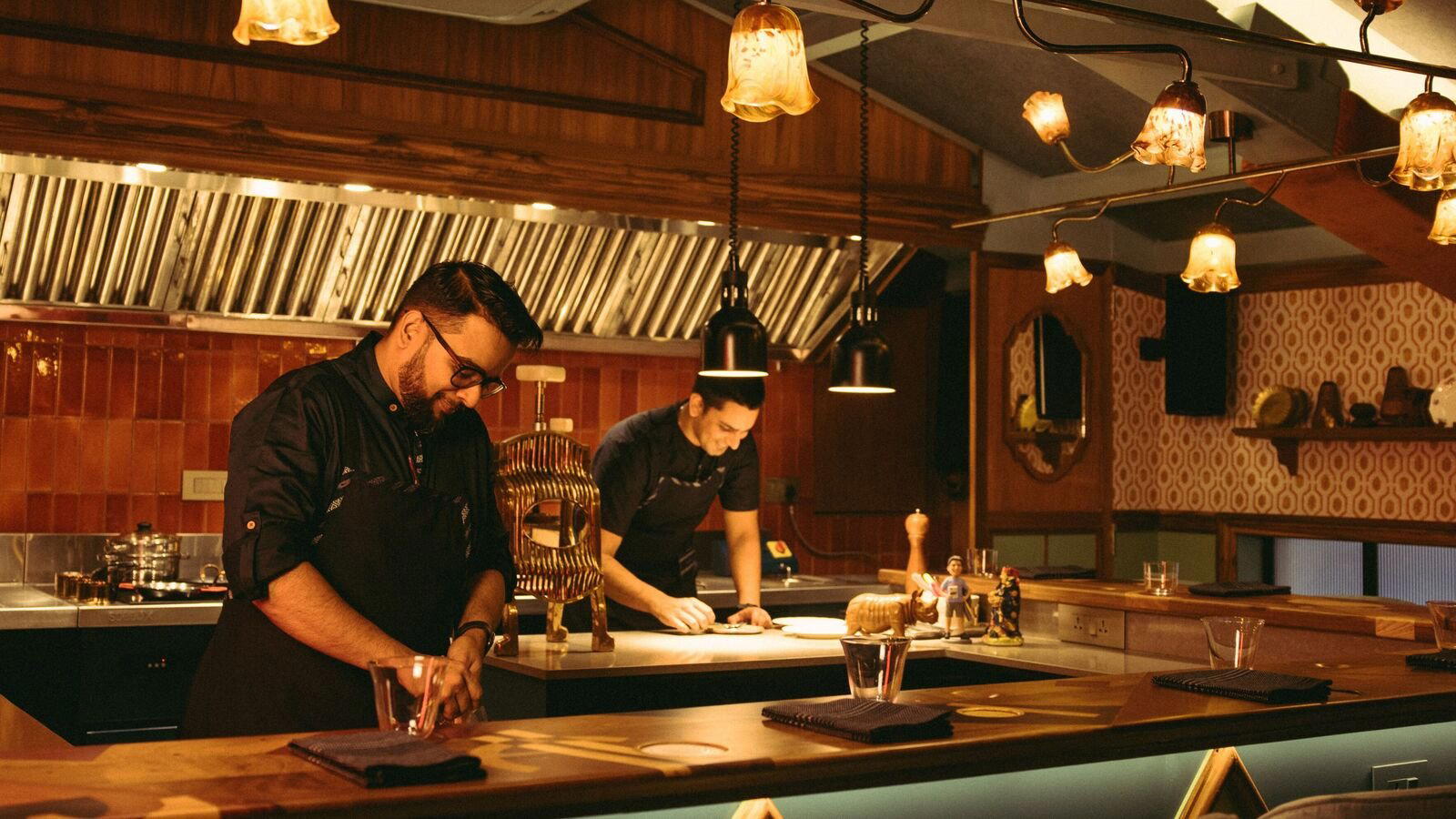
In practical terms, this sourcing discipline has consequences for the menu that are worth understanding before you arrive. Indian cuisine has one of the longest and most technically developed vegetarian traditions of any culinary culture in the world, drawing on regional logics from Rajasthani dal preparations to South Indian coconut and tamarind frameworks to the paneer-centred North Indian canon. A kitchen working exclusively with plants inside that tradition has a vast sourceable range to draw from. Chefs Rahul Rana, Himanshu Saini, and Sanket Joshi operate within that range, and the We're Smart Green Guide specifically flags the cuisine as pure Indian, meaning the sourcing logic is anchored in Indian ingredient systems rather than borrowing from international plant-based cooking conventions.
Avatara in Mumbai's Competitive Tasting-Menu Field
Mumbai's fine dining field in 2024 is more competitive at the upper end than it has been at any previous point. Masque has held the contemporary Indian tasting-menu position with consistency and critical recognition. The Bombay Canteen has built a loyal following around regional Indian cooking made accessible without being simplified. The Table operates in a contemporary global register. Americano covers the Indian-fusion space. Against that comparable set, Avatara's 100% plant-based commitment is not a niche constraint but a positioning decision that separates it from the field entirely. In Mumbai, few restaurants match its technique within a pure-plant Indian framework.
The drinks program reinforces the seriousness of the overall offer. The We're Smart Green Guide notation specifically flags both the non-alcoholic menu and the world wine list as notable, which is an unusual pairing. Most restaurants at this price point in Mumbai build their beverage program around wine and cocktails, with non-alcoholic options as an afterthought. A non-alcoholic list that receives external recognition alongside a proper wine program suggests the kitchen and beverage team are thinking about the full table experience with equal attention to both drinkers and non-drinkers. In a city where the premium dining audience includes a significant proportion of guests who do not drink alcohol, that balance has real practical value.
What the We're Smart Green Guide Recognition Actually Signals
The We're Smart Green Guide sits within a small group of international reference points for plant-forward fine dining, alongside frameworks like the Michelin Green Star, which evaluates sustainability practices, and the independent assessments that track farm-to-table sourcing depth. What distinguishes the We're Smart framework is its focus on plant-based cooking as a culinary discipline rather than an ethical category. A restaurant can receive recognition without being preachy about its choices, which aligns with Avatara's evident positioning as a serious dining address rather than a cause-driven concept.
Note that the kitchen has potential to grow within the guide's system is not a qualification to be read negatively. It is the kind of assessment that tends to precede upward movement in ranking when a kitchen is demonstrably developing. Chef Rahul Rana is cited as a leading figure in pure plant culinary practice, and the collaborative kitchen structure with Himanshu Saini and Sanket Joshi suggests a team rather than a single-chef operation, a structural choice that tends to produce more consistent results over time. Comparable kitchen ambition in the broader Indian context can be found at Naar in Kasauli and Adaa at Falaknuma Palace in Hyderabad, both of which demonstrate how Indian fine dining is diversifying beyond metropolitan centres. At the international level, the precision sourcing philosophy visible in plant-forward kitchens connects to a broader shift seen at addresses like Le Bernardin in New York City, where ingredient primacy shapes every decision on the menu.
Planning Your Visit
Avatara is located at the seventh floor of the Krishna Curve Building on Juhu Tara Road in Santacruz West, across from Juhu Garden. The Juhu area is most efficiently reached by cab or auto-rickshaw from Bandra or the western suburbs; the building's position on Juhu Tara Road puts it within a short distance of the Juhu beach stretch. Given the restaurant's recognition profile and the relatively limited number of restaurants in Mumbai operating at this technical level within a plant-based framework, advance booking is advisable, particularly for weekend evenings. The non-alcoholic drinks program is worth engaging with seriously rather than defaulting to wine, given its noted quality. Those planning trips across India's restaurant cities may also find useful reference points at Kewpie in Kolkata and Bukhara in New Delhi, which anchor different but equally serious regional traditions. For those covering the southern states, our Mumbai wineries guide and the Emeril's in New Orleans listing offer useful contrast points on how ingredient-led kitchens operate across different culinary cultures.
Side-by-Side Snapshot
Comparable venues nearby, for context on price, style, and recognition.
| Venue | Cuisine | Price | Notes |
|---|---|---|---|
| AvataraThis venue — the venue you are viewing | Modern Indian Vegetarian Fine Dining | $$$$ | Not listed |
| Dakshin | Authentic South Indian Fine Dining | $$$$ | Sahar |
| Trishna | Well-known Mumbai Seafood | $$$ | Fort Mumbai |
| Cecconi's Mumbai | Modern Northern Italian | $$$$ | Juhu Beach, Mumbai |
| Copper Chimney Juhu | Authentic North Indian | $$$ | Juhu Beach, Mumbai |
| Gypsy CORNER | Authentic Maharashtrian | $$ | Mahikavati |
Recognition history
Dated appearances from independent guides and award organizations, with the underlying list record or original source where available.
We're Smart World 4 Radishes
We're Smart World
At a Glance
- Elegant
- Sophisticated
- Intimate
- Special Occasion
- Date Night
- Celebration
- Open Kitchen
- Extensive Wine List
- Local Sourcing
Current opening hours
- Monday
- 12–4 PM, 7–11 PM
- Tuesday
- 12–4 PM, 7–11 PM
- Wednesday
- 12–4 PM, 7–11 PM
- Thursday
- 12–4 PM, 7–11 PM
- Friday
- 12–4 PM, 7–11 PM
- Saturday
- 12–4 PM, 7–11 PM
- Sunday
- 12–4 PM, 7–11 PM
Hours can change for holidays and private events. Last verified .
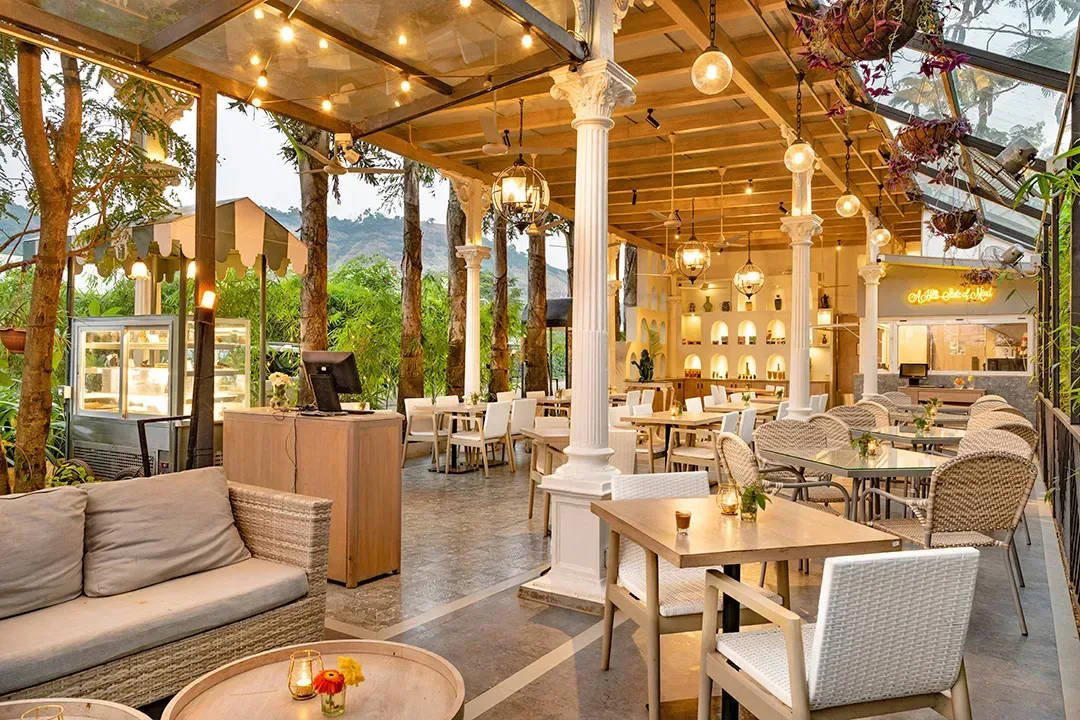
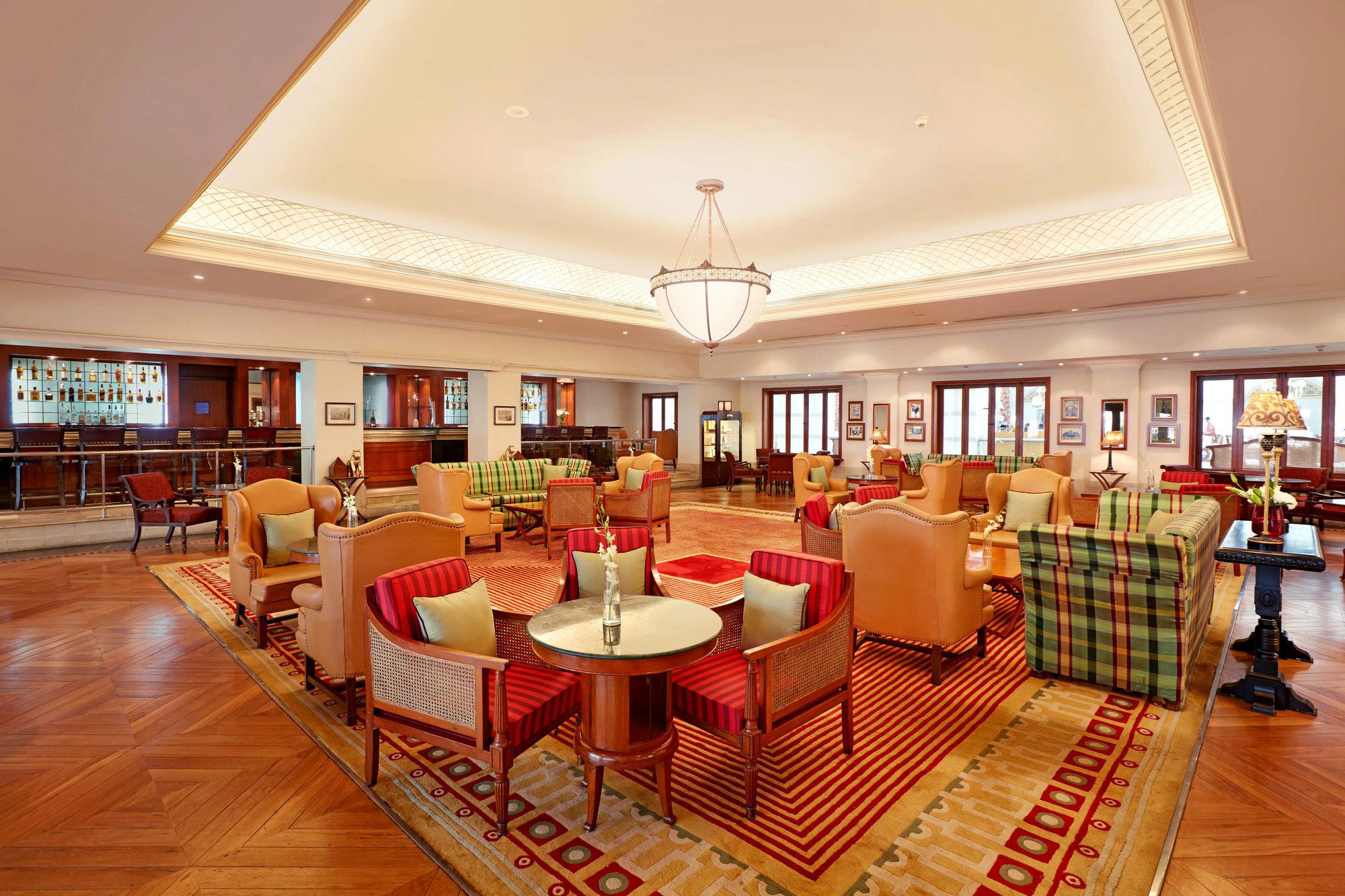
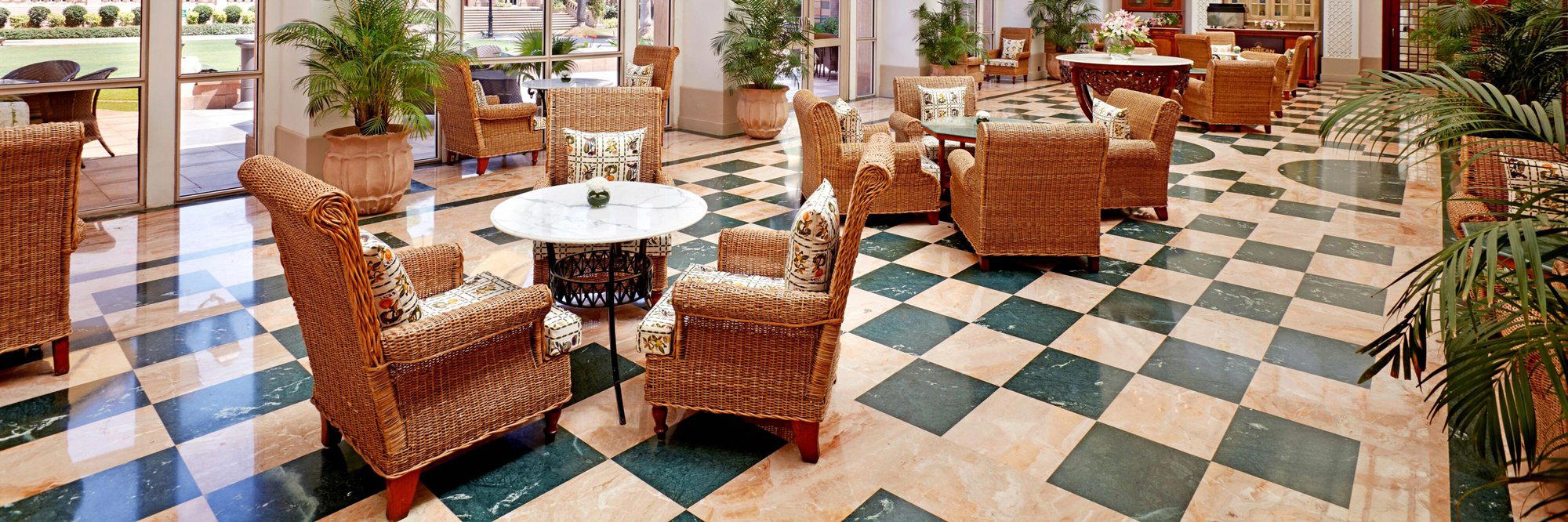
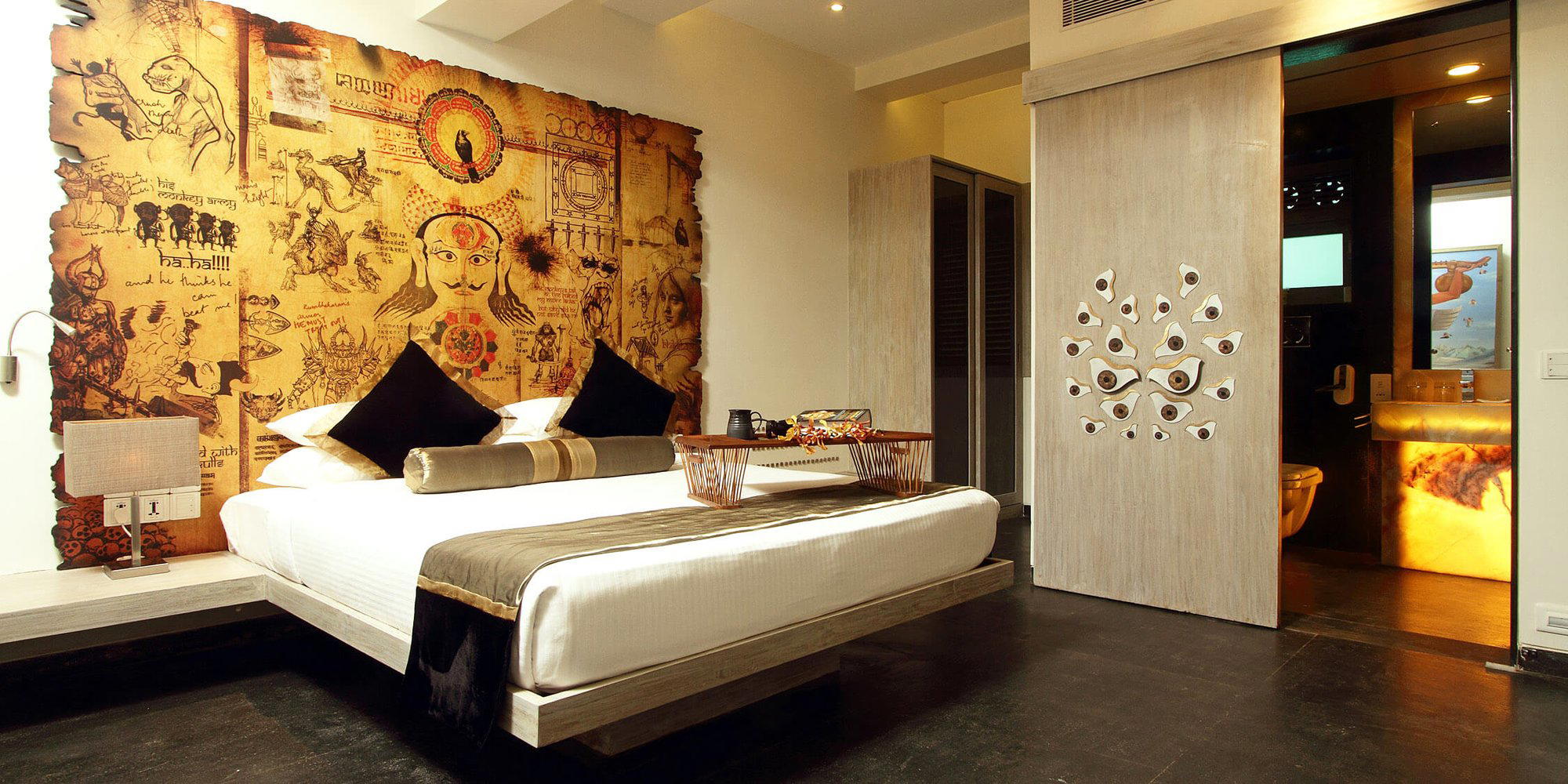
Ornate and soothing aqua & white interiors creating an elegant, sensory-focused fine dining atmosphere.