
Soho House Mumbai occupies a Juhu beachfront position that places it yards from the Arabian Sea while remaining accessible to Mumbai's creative industries. The 38-room property prices from $349 per night and carries the network's signature country-house design vocabulary, reshaped here through contemporary Indian art and local sensibility. Cecconi's, the Italian restaurant, is open to non-members; the Club restaurant operates on a members-only basis.
Pearl is the En Primeur Club membership app — saves, bookings, and concierge access live there. Same editors, same standards.
- Address
- 16, Juhu Tara Rd, Chandrabai Nagar, Juhu, Mumbai, Maharashtra 400049
- Phone
- +91 22 6213 3333
- Website
- sohohouse.com
- Directions
- Get directions
 Saves & bookings on Pearl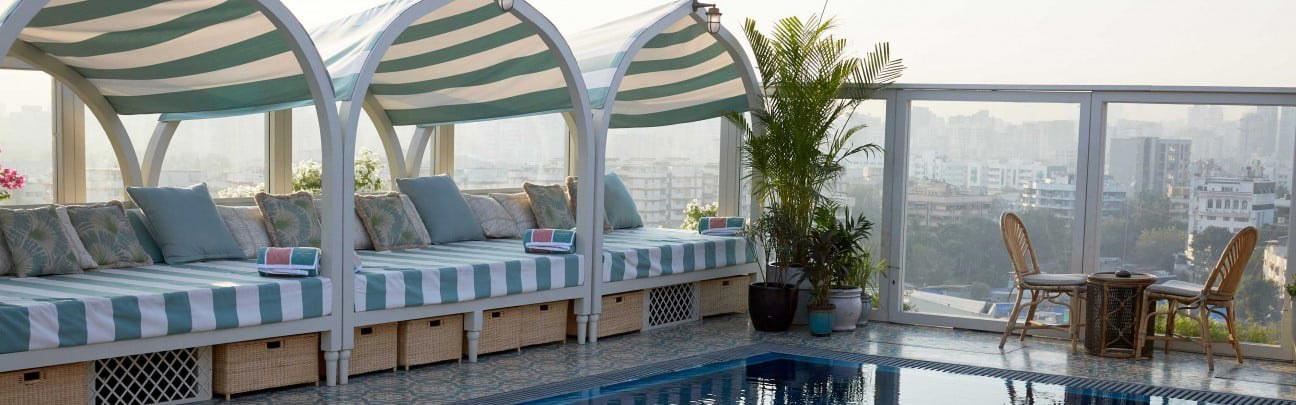
Juhu, the Arabian Sea, and the Creative-Industry Hotel Model
Soho House Mumbai is a 4-star, 38-room hotel and private members club in Juhu, Mumbai. Mumbai's hotel geography has traditionally split between the heritage grandeur of Colaba, where The Taj Mahal Palace anchors the southern tip of the city, and the corporate-facing properties clustered around BKC and the airport corridor, including ITC Maratha and Aurika Mumbai International Airport. Juhu occupies a third position: a suburb with a working film industry, a resident artist community, and a seafront promenade that operates at a different register from the city's financial or tourist centres. Soho House Mumbai sits on Juhu Tara Road, and the choice of neighbourhood is itself an editorial statement about which version of Mumbai the property is addressing.
The Soho House model, which originated at the original Greek Street club in London's Soho in the 1990s, was built around a specific thesis: that creative professionals needed a hospitality format calibrated to their working rhythms and social patterns, not to the conventions of business travel or luxury tourism. That thesis has since been tested across dozens of cities. In Mumbai, the format encounters a city with one of the world's most concentrated film and media industries, a contemporary art market with serious international standing, and a culture of hospitality that has its own deep traditions. What Soho House Mumbai does with that encounter is the more interesting question.
The Physical Environment: Country House Meets Contemporary India
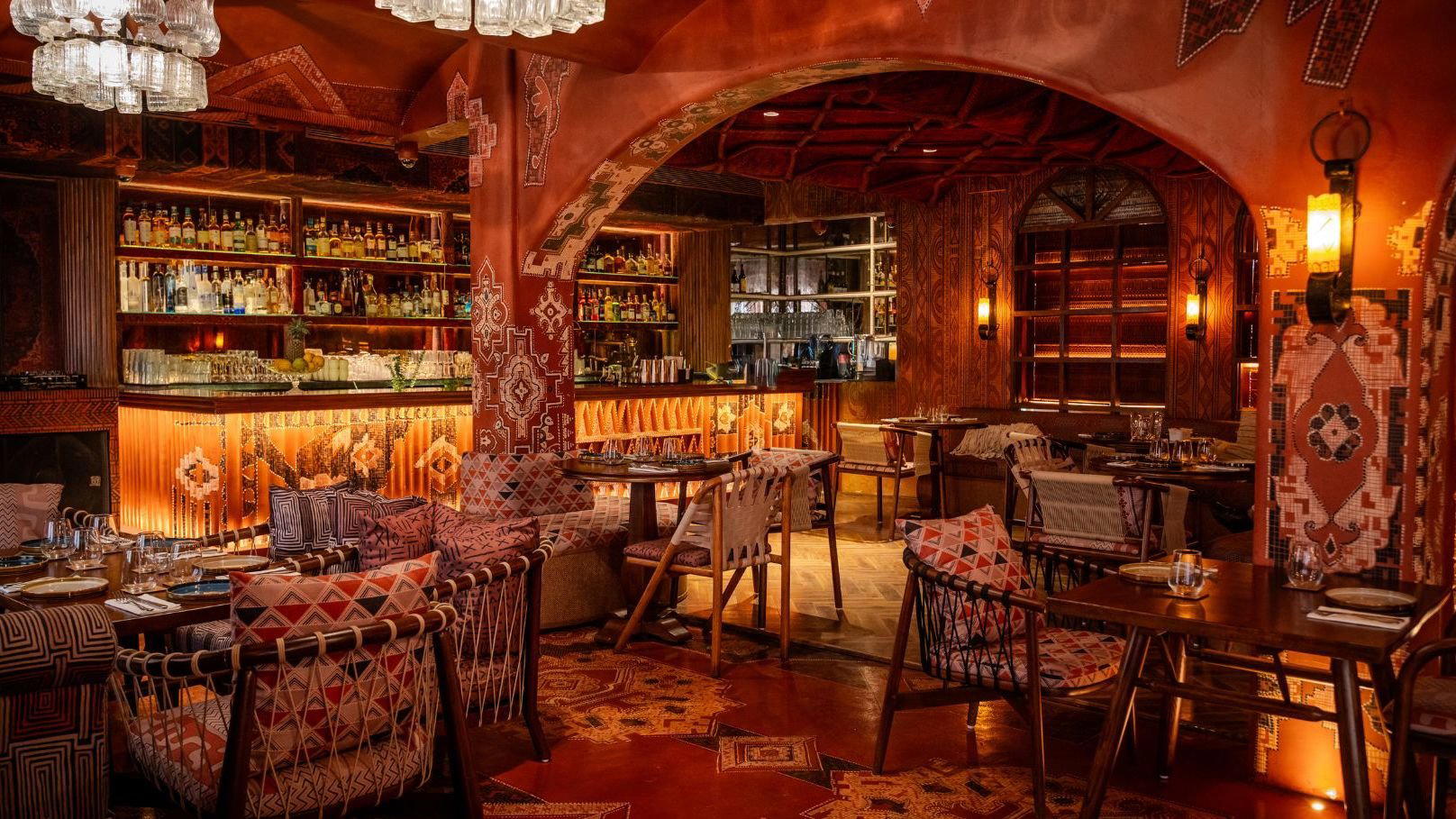
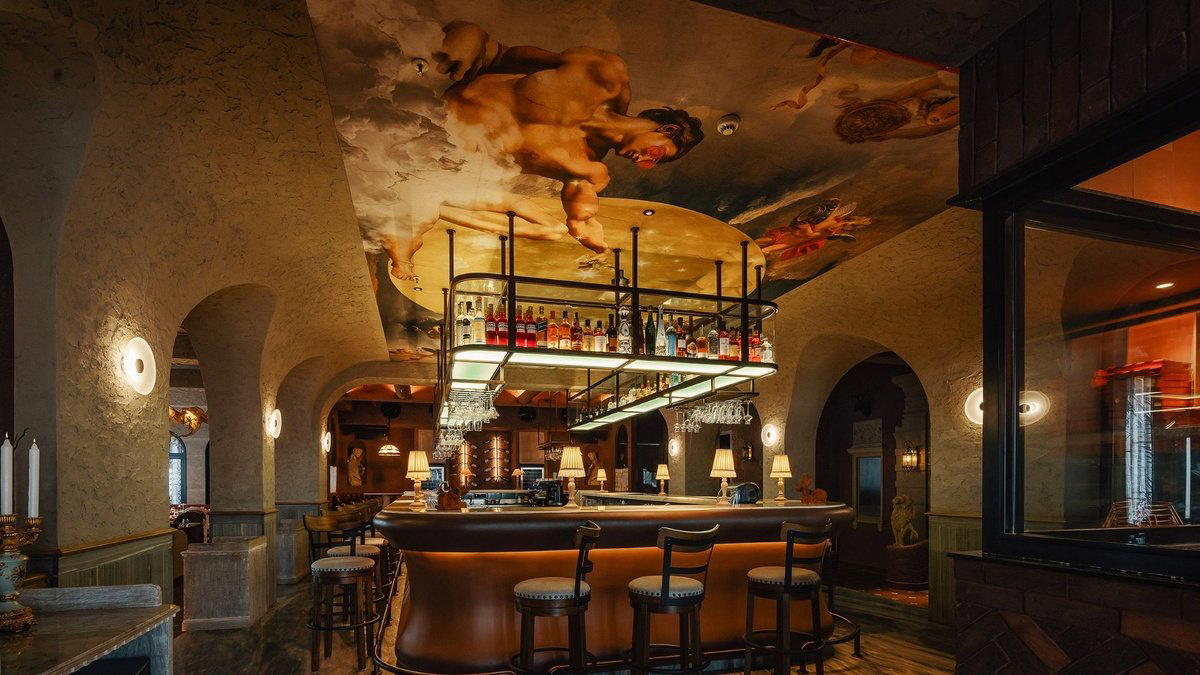
The property holds 38 rooms across a building that reads, in the Soho House tradition, as deliberately residential rather than overtly hotelier. The design vocabulary the group developed in its UK properties, worn leather, dark wood, library aesthetics, a palette that avoids both the clinical white of design hotels and the gold-and-marble register of conventional luxury, is present here, but it has been substantially inflected by contemporary Indian visual culture. Public spaces carry a significant volume of work by Indian artists, and the overall effect is less a transplanted London club than a considered translation of the format into a specific cultural context.
Le Sutra the Indian art hotel also occupies from a different angle: properties where the art program is structural rather than decorative. The difference is scale and network affiliation. Soho House brings a global membership infrastructure; Le Sutra operates as an independent boutique. Both sit outside the mainstream luxury-hotel conventions represented by Sofitel Mumbai BKC or InterContinental Marine Drive, which position themselves through brand equity and landmark address rather than curatorial identity.
This matters for the creative-industry guest profile, where working hours are irregular and structured wellness access is a genuine amenity rather than a checked box.
The Sustainability and Community Dimension in a Juhu Context
The Soho House group has, across its network, articulated commitments to local sourcing, community engagement, and reduced environmental footprint, commitments that its Mumbai property inherits and localises. In Juhu, the coastal position creates a specific set of responsibilities. The Arabian Sea beachfront in this part of Mumbai has faced documented pressures from overdevelopment and pollution; a property that trades on proximity to the seafront carries an implicit obligation to how that relationship is managed.
Emphasis on contemporary Indian artists in the public spaces functions as a form of community investment, keeping financial flows within the local creative economy rather than importing a generic international design program. This is a choice with both ethical and commercial dimensions: guests who come to the hotel for its cultural positioning are better served by art that is actually rooted in the city's current output. The model resembles, in different form, what properties like Haveli Dharampura in Delhi do with heritage craftsmanship, using hospitality as a mechanism for preserving and circulating local cultural production.
They sit differently from, say, the conservation-led model deployed by Suján Jawai in Pali, where the environmental program is the central identity of the property. At the hotel, sustainability functions as a supporting framework within a primary identity built around creative-industry community.
The Food and Beverage Program
Two restaurants operate under the property's roof under different access conditions. Cecconi's, the Northern Italian restaurant the group has deployed across several of its properties, operates as a public venue, bookable by guests and non-guests alike. It represents one of Mumbai's more considered Italian offerings in the Juhu area, though the city's serious Italian dining is a small category overall.
The Club restaurant is members-only and serves a broader menu that mixes Soho House comfort-food signatures with Indian and Mediterranean options. The dual-restaurant structure means that the full food and beverage offer is segmented by membership status, a condition that guests should factor into their stay expectations. Non-members staying at the hotel access Cecconi's but not the Club restaurant without a member's invitation.
Planning Your Stay
Rooms at the hotel start from $349 per night across 38 keys, at a price point that positions the property above the mid-market and broadly alongside the smaller-scale design properties in the city, though below the full-service heritage luxury tier represented by The Taj Mahal Palace or the institutional scale of ITC Grand Central. Every room includes a balcony oriented toward either the city or the Arabian Sea; the sea-facing rooms command the more distinctive outlook. The property sits at 16 Juhu Tara Road in Chandrabai Nagar, Juhu, a neighbourhood that is more easily reached from the western suburbs and the airport corridor than from South Mumbai's hotel cluster, where the InterContinental Marine Drive and Sea Palace Hotel operate.
Juhu's position works well for airport access.The Leela Palace Jaipur or Amanbagh in Ajabgarh, or continuing north to The Leela Palace New Delhi or The Oberoi Amarvilas in Agra will find the airport proximity useful. Mumbai works as a gateway in both directions, and Soho House's Juhu position reduces the transit burden considerably versus a South Mumbai base.
A Pricing-First Comparison
Comparable venues nearby, for context on price, style, and recognition.
| Venue | Cuisine | Price | Awards | Notes |
|---|---|---|---|---|
| Soho House MumbaiThis venue — the venue you are viewing | Not listed | $$$$ | Michelin 1 Key | Not listed |
| Grand Hyatt Mumbai | Not listed | $$$$ | 5-Star | Kolekalyan, Contemporary urban resort with Mughal garden influences |
| Roswyn | Not listed | $$$$ | 5-Star | Vile Parle East, Luxury design hotel with residential-style suites and lifestyle-driven public spaces. |
| InterContinental Marine Drive-Mumbai | Churchgate, Oceanfront luxury boutique | $$$$ | 5-Star | Not listed |
| Taj Mahal Tower, Mumbai | Not listed | $$$$ | Michelin 1 Key | Bombay Colaba, Dual-wing luxury hotel combining historic colonial-era Palace architecture with modern Tower design, positioned as Mumbai's premier heritage luxury destination. |
| Sofitel Mumbai BKC | Not listed | $$$$ | 5-Star | Kolekalyan, Contemporary luxury business hotel with Indian influences |
Recognition history
Dated appearances from independent guides and award organizations, with the underlying list record or original source where available.
Mr & Mrs Smith Smith Seal of Approval
Mr & Mrs Smith
Michelin 1 Key
Michelin
Continue exploring
More in Mumbai
Hotels in Mumbai
Browse all →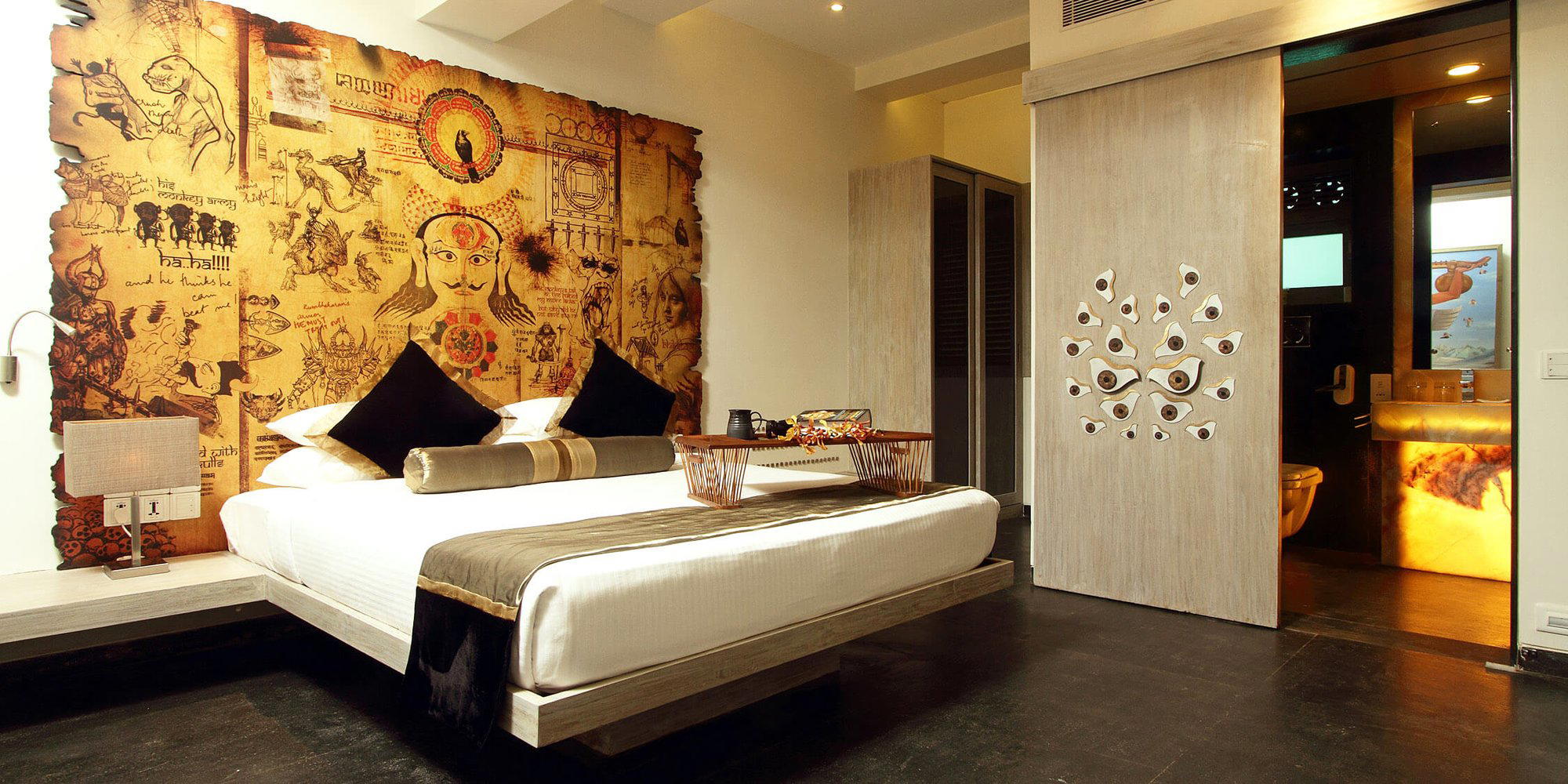
Bars in Mumbai
Browse all →
Restaurants in Mumbai
Browse all →
At a Glance
- Trendy
- Sophisticated
- Modern
- Elegant
- Romantic Getaway
- Business Trip
- Weekend Escape
- Rooftop Pool
- Beachfront
- Terrace
- Wi Fi
- Pool
- Fitness Center
- Spa
- Room Service
- Concierge
- Restaurant
- Waterfront
- Skyline
- Wi Fi
- Pool
- Fitness Center
- Spa
- Room Service
- Concierge
- Restaurant
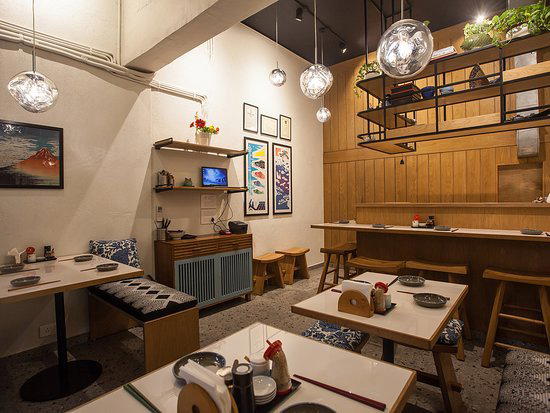
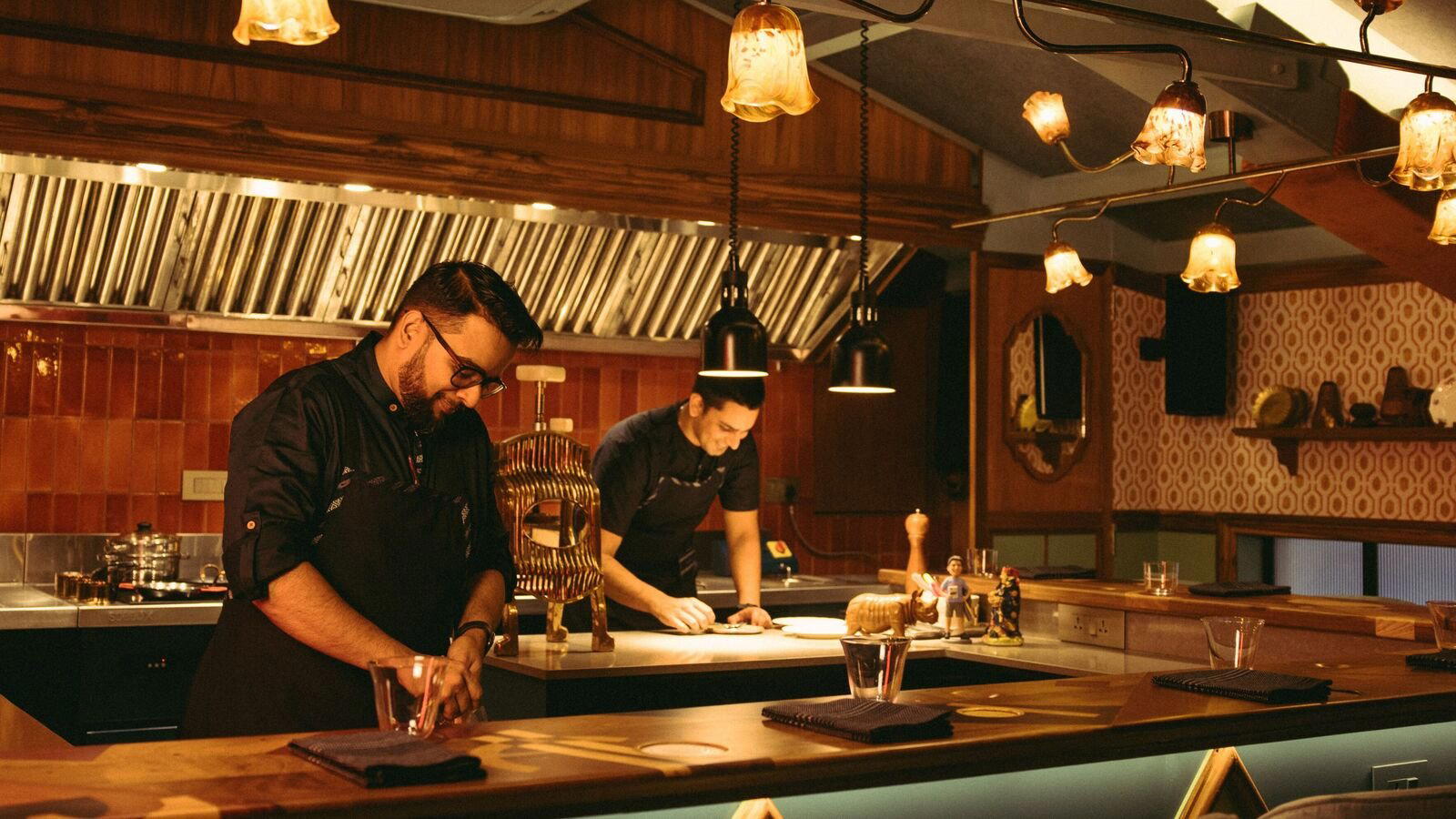
Chic and stylish with dim lighting, busy rooftop atmosphere, and relaxing club lounges featuring sea views and a mix of modern minimalism with regional flair.