
Rahul Akerkar's Indigo in Andheri West has held a place on the Opinionated About Dining Top Restaurants in Asia list since 2023, ranking #422 in 2024. The kitchen works within an Indian framework that rewards vegetarian cooking, drawing on the subcontinent's deep tradition of dal, paneer, and layered spice work..
Pearl is the En Primeur Club membership app — saves, bookings, and concierge access live there. Same editors, same standards.
- Address
- G-2, STAND FORD PLAZA, near Foo Andheri, Off Link Rd, near Foo Andheri, Lokhandwala Complex, Andheri West, Mumbai, Maharashtra 400053, India
- Phone
- +91 80974 74374
- Website
- indigodeli.com
- Directions
- Get directions
 Saves & bookings on Pearl
Where Andheri West's Restaurant Scene Lands on the City Map
Mumbai's dining geography has always been stratified. The southern tip of the city, from Colaba to Fort, carries the heritage of colonial-era clubs and the first wave of fine-dining openings. Bandra consolidated a younger, more experimental scene through the 2010s. Andheri West, anchored around Lokhandwala Complex and the Link Road corridor, developed differently: a denser, more neighbourhood-facing restaurant culture that serves the working professionals and creative industries concentrated in the western suburbs. Indigo occupies a ground-floor address in Stanford Plaza, off Link Road, which positions it as a venue for regular visitors rather than one-occasion destination diners crossing the city. That distinction matters. Restaurants that survive on repeat suburban trade tend to refine their core dishes more aggressively than those relying on tourism or occasion dining.
Indian Vegetarian Cooking as Architecture, Not Afterthought
India's vegetarian tradition is not a dietary restriction dressed up with protein substitutes. It is a centuries-old culinary architecture built around dal, paneer, legumes, seasonal vegetables, and layered spice combinations that achieve complexity without meat as a structural element. The country's north-south axis alone produces radically different vegetarian grammars: the ghee-enriched dals of Punjab, the coconut-forward curries of Kerala, the tamarind-soured rasams of Tamil Nadu, and the chaat culture of Maharashtra and Uttar Pradesh that turns fried dough, yoghurt, and chutneys into something simultaneously acidic, sweet, and textured. Restaurants working within the Indian framework, as Indigo does, carry this inheritance whether they intend to or not. The test is whether the kitchen treats vegetarian dishes as the menu's depth or its concession.
At its strongest, this tradition produces plates that require no apology and no footnote. A properly constructed dal makhani reduces for hours; a well-made palak paneer is not a simple dish, it is an emulsion, a seasoning exercise, and a vegetable cookery challenge simultaneously. Chefs trained in this register understand that restraint in spicing reveals ingredient quality, while over-spicing conceals it. Rahul Akerkar, the name attached to Indigo's kitchen, has a profile in Mumbai's restaurant community that predates the current generation of contemporary Indian venues. His presence connects this address to a longer arc of the city's dining development.
The OAD Signal and What It Means in Practice
Opinionated About Dining ranked Indigo at #422 in its Leading Restaurants in Asia list for 2024, following a Recommended citation in 2023. The movement from Recommended to a numbered rank indicates upward trajectory within a comparable set that includes thousands of nominees across the continent. OAD rankings weight the opinions of prolific diners who visit the same venues repeatedly over time, which means the list skews toward consistency over spectacle. An entry-level inclusion in that ranking, for a Mumbai venue operating in the western suburbs rather than the traditional fine-dining corridors, carries a specific implication: the food holds up across multiple visits from informed repeat guests.
For context within Mumbai's critically recognised Indian restaurants, Indigo occupies a different tier than the maximalist contemporary formats. Masque (Contemporary Indian) works in a tasting-menu register with strong sourcing credentials. The Bombay Canteen has built its reputation on regional Indian ingredients reframed for a metropolitan audience. Americano (Indian Fusion) operates across the fusion register. Ziya sits in the hotel fine-dining bracket. Indigo's OAD placement at #422 puts it in the conversation without claiming territory in any of those sub-categories specifically. Its.
Andheri West in Context
The neighbourhood surrounding Indigo is worth understanding before visiting. Lokhandwala Complex functions as a self-contained residential and commercial district for a significant portion of Mumbai's media, entertainment, and professional class. The restaurant density here is high, and competition for repeat patronage is genuine. Restaurants that underperform on consistency tend to empty out within a year; the ones that endure tend to do so because residents return on a weekly rather than monthly cycle. Indigo's longevity in this environment, evidenced by its OAD recognition and review volume, reflects that dynamic. The address on Stanford Plaza's ground floor puts it in a well-trafficked retail and office complex accessible from the Link Road, making it practical for both weekday lunches and evening dining without requiring the kind of destination planning that south Mumbai venues typically demand.
For visitors staying in Bandra or Juhu, or for business travellers based around the Andheri East commercial corridor, Indigo represents a credentialled Indian dining option that does not require a trip across the city.
Placing Indigo in the Broader Indian Fine-Dining Conversation
Across India, the restaurant category most discussed in critical circles has shifted toward regional specificity. Avartana in Chennai has built a strong reputation around South Indian technique applied to tasting-menu formats. Farmlore in Bangalore works a farm-to-table vernacular that emphasises local sourcing. Bukhara in New Delhi holds its institutional position in the north Indian tandoor tradition. Adaa at Falaknuma Palace in Hyderabad layers its food with heritage hospitality context. Naar in Kasauli demonstrates how Himalayan ingredients are entering the fine-dining vocabulary. Indian restaurants abroad, including Trèsind Studio in Dubai and Opheem in Birmingham, show how the cuisine translates across international markets. Indigo belongs to a different cohort from all of these: a Mumbai institution working within a more classical Indian register, recognised by sophisticated international diners, operating in a part of the city that produces consistent rather than headline-driven food.
Planning a Visit
Indigo is located at G-2, Stanford Plaza, near Lokhandwala Complex in Andheri West, accessible from Link Road in the western suburbs. Reservations are recommended. Booking ahead for weekend evenings is advisable. The restaurant's modern Italian deli framework suits those who want a casual meal, and its Andheri West location makes it practical for weekday lunches and evening dining.
What Do People Recommend at Indigo?
OAD's ranking signals that repeat informed diners rate the kitchen's overall consistency, which in an Indian vegetarian-forward context typically reflects the quality of core dishes: dals, paneer preparations, and house bread rather than novel set-pieces. Chef Rahul Akerkar's association with the venue gives it a culinary lineage within Mumbai's restaurant development that predates many of the city's current critical favourites. The 2024 OAD ranking at #422 across Asia and the. For those ordering without a specific recommendation: anchor on the dishes that depend most on time, technique, and spice balance, which in Indian cooking means slow-cooked preparations rather than quick assembles.
- crispy cheese ravioli
- paper-thin pizzas
- Belgian chocolate ice cream
- eggs Florentine
- barbecue ribs
- Thai red curry
A Credentials Check
Comparable venues nearby, for context on price, style, and recognition.
| Venue | Cuisine | Price | Notes |
|---|---|---|---|
| IndigoThis venue — the venue you are viewing | Modern Italian Deli | $$$ | Not listed |
| Cin Cin | Italian Pizza and Pasta | $$$ | Kolekalyan |
| Cecconi's Mumbai | Modern Northern Italian | $$$$ | Juhu Beach, Mumbai |
| Botticino | Contemporary Italian Fine Dining | $$$$ | Kolekalyan |
| Celini | Authentic Italian Fine Dining | $$$ | Kolekalyan |
| Copper Chimney Juhu | Authentic North Indian | $$$ | Juhu Beach, Mumbai |
Recognition history
Dated appearances from independent guides and award organizations, with the underlying list record or original source where available.
Opinionated About Dining Top Restaurants in Asia Ranked #422
Opinionated About Dining
Opinionated About Dining Top Restaurants in Asia Recommended
Opinionated About Dining
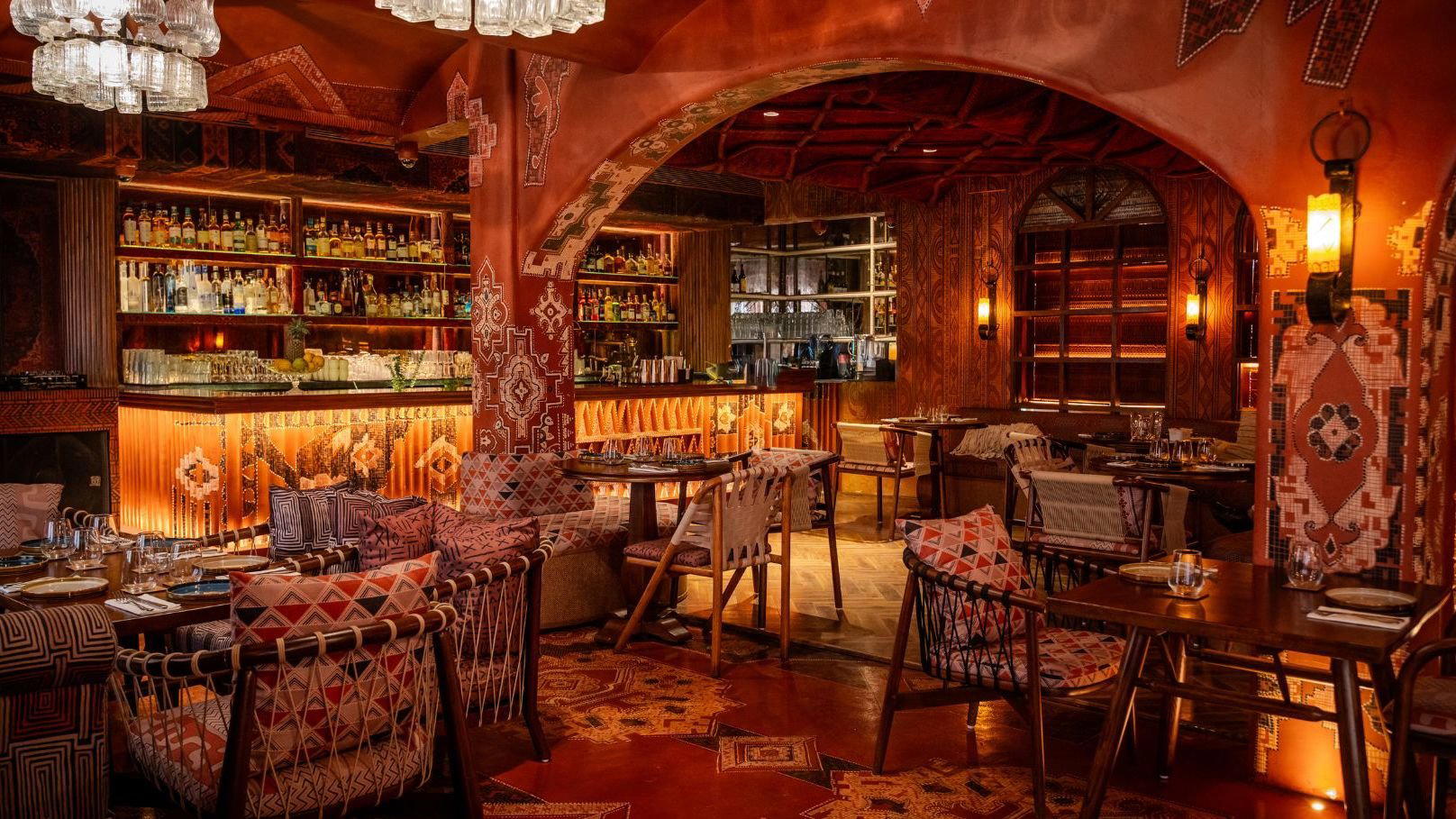
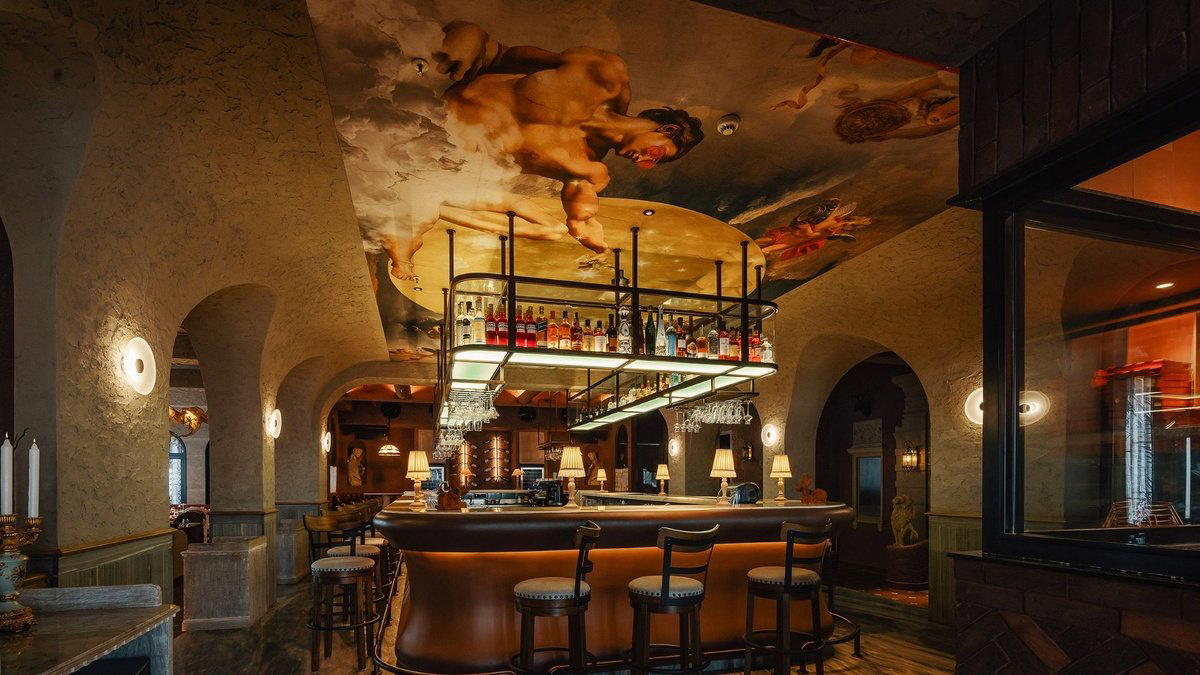
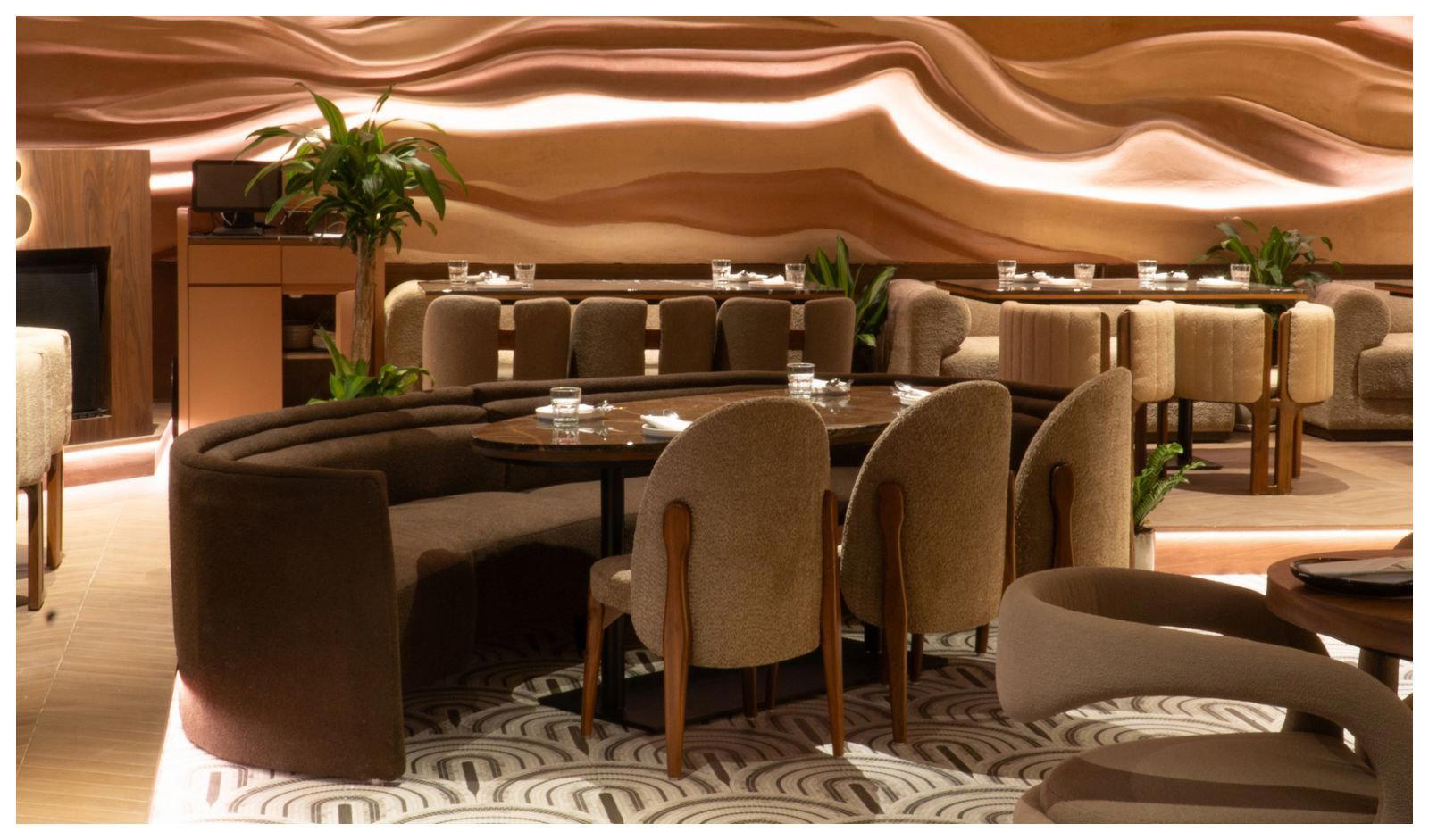
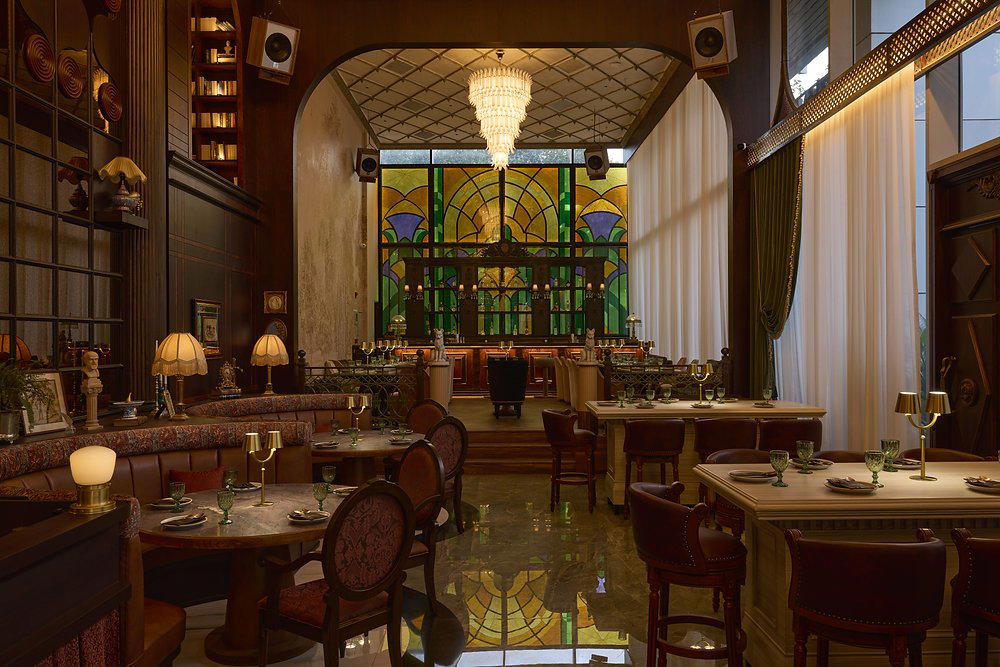
At a Glance
- Modern
- Elegant
- Lively
- Cozy
- Brunch
- Date Night
- Business Dinner
- Group Dining
- Casual Hangout
- Open Kitchen
- Extensive Wine List
- Craft Cocktails
Current opening hours
- Monday
- 10 AM–11:30 PM
- Tuesday
- 10 AM–11:30 PM
- Wednesday
- 10 AM–11:30 PM
- Thursday
- 10 AM–11:30 PM
- Friday
- 10 AM–11:30 PM
- Saturday
- 10 AM–11:30 PM
- Sunday
- 10 AM–11:30 PM
Hours can change for holidays and private events. Last verified .