Dakshin at ITC Maratha brings the culinary traditions of India's four southern states to Andheri East, framing Tamil Nadu, Karnataka, Kerala, and Andhra Pradesh as distinct regional identities rather than a single homogenised category. The setting at one of Mumbai's established airport-adjacent luxury hotels gives the restaurant a formal register that few dedicated South Indian dining rooms in the city can match.
Pearl is the En Primeur Club membership app — saves, bookings, and concierge access live there. Same editors, same standards.
- Address
- 31/1, 31/2, Itc Maratha, 31/3, IA Project Rd, Sahar Village, Andheri East, Mumbai, Maharashtra 400099, India
- Phone
- +91 124 4172055
- Directions
- Get directions
 Saves & bookings on Pearl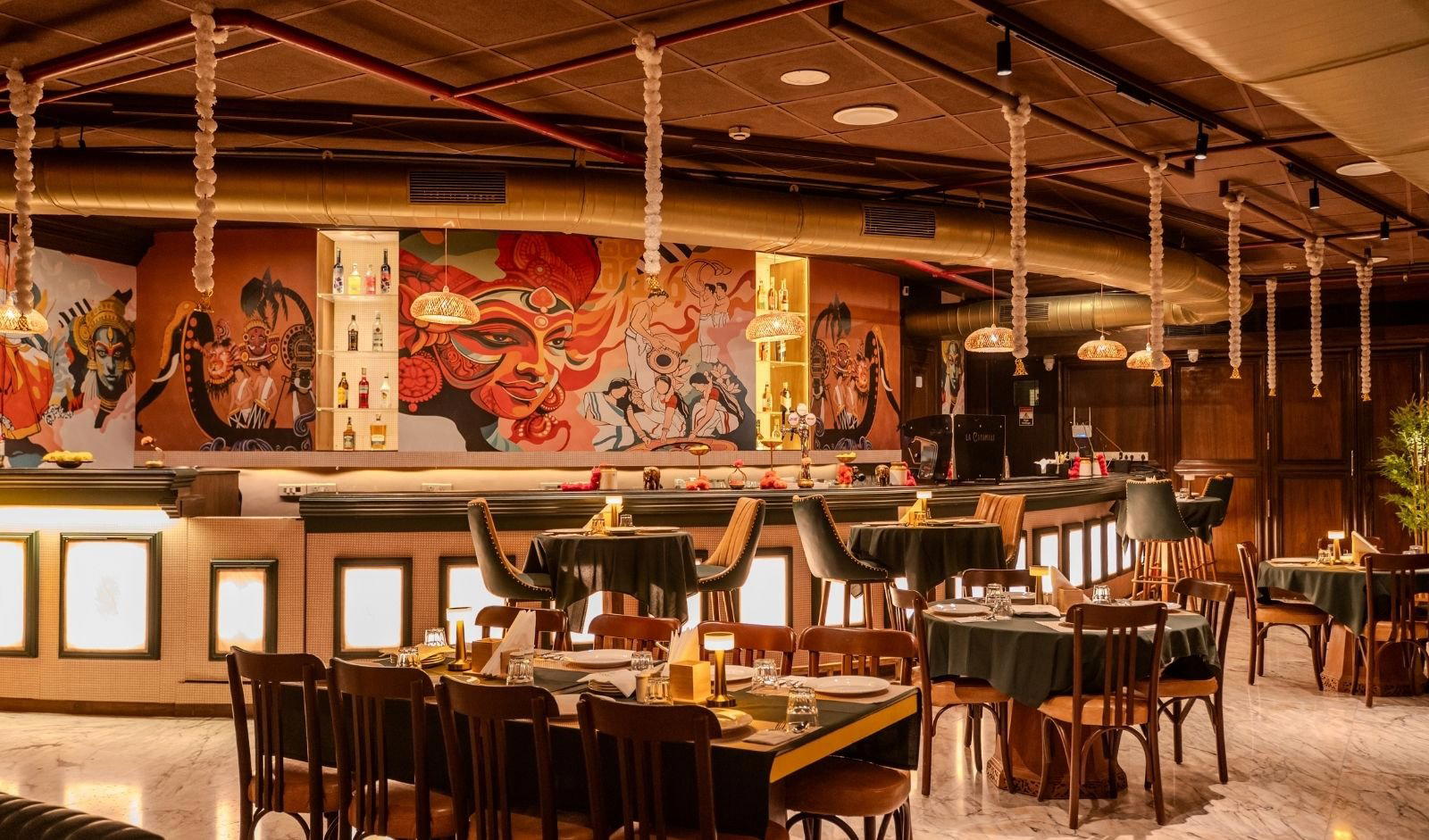
The South Indian Table in a City That Often Misreads It
Mumbai's relationship with South Indian food is long and complicated. The city has absorbed idli, dosa, and filter coffee into its street-level grammar so thoroughly that the deeper traditions of Chettinad, Malabar, and Udupi cooking tend to get flattened into a single regional category. Dakshin, operating within ITC Maratha at Sahar Village in Andheri East, works against that compression. The restaurant organises its identity around four distinct culinary geographies: Tamil Nadu, Karnataka, Kerala, and Andhra Pradesh, treating each as a separate argument about spice, sourcing, and technique rather than a chapter in the same story.
The ITC Maratha's location in Andheri East places it in the orbit of Chhatrapati Shivaji Maharaj International Airport rather than the city's more conspicuous dining corridors in Bandra or Colaba. That geography matters. The hotel has long served a business and transit clientele that rewards consistency and a clearly articulated offer, and Dakshin has settled into that context as a formal dining room with real regional ambition rather than a casual tiffin operation with pretensions.
Four Traditions, One Room
South Indian cooking is not monolithic. The same coconut that turns up in a Kerala fish curry carries a different weight in an Andhra gongura preparation or a Karnataka Bisi Bele Bath. Tamil Nadu's Chettinad tradition is among the more aggressively spiced regional cuisines in India, built on kalpasi, marathi mokku, and stone-flower combinations that have no close equivalent elsewhere on the subcontinent. Kerala's coastal repertoire leans on curry leaf, mustard seed, and coconut milk in proportions shaped by the Malabar Coast's spice trade history, which left the region cooking with ingredients that once commanded European naval expeditions.
Restaurants that attempt to hold all four traditions simultaneously risk producing a menu that reads like a sampler plate rather than a culinary position. The more authoritative approach, which the Dakshin format has historically aimed at across the ITC hotel chain, is to treat each regional section with enough depth that the distinctions are felt at the table rather than just described on the menu. Avartana in Chennai takes a different route, applying contemporary technique to South Indian ingredients, but the underlying respect for regional grammar is the same impulse. Adaa at Falaknuma Palace in Hyderabad does comparable work for Hyderabadi and Nizami traditions further north.
Where Dakshin Sits in Mumbai's Indian Dining Scene
Mumbai's fine-dining attention has spent much of the past decade on the contemporary Indian format: chefs reworking subcontinental ingredients through European plating codes and tasting-menu architecture. Masque operates squarely in that space, with a locally sourced, research-driven menu that places it in conversation with progressive dining globally. The Bombay Canteen and Ekaa each approach Indian ingredients through their own contemporary frameworks, while Americano and The Table sit in the international-contemporary tier. Dakshin is doing something different from all of them. The project is preservation and articulation of existing tradition rather than transformation of it, a position that carries its own difficulty: you are judged against the source material rather than against personal creative vision.
That positioning puts Dakshin in a smaller comparable set nationally. Bukhara in New Delhi has held a comparable role for North Indian frontier cooking since the 1970s, maintaining a fixed menu that has resisted revision as a point of cultural confidence. The logic is similar at Dakshin: the cuisine's authority comes from fidelity to regional practice, not from quarterly menu evolution. Farmlore in Bangalore and Naar in Kasauli both engage with Indian culinary heritage from different angles, but neither is engaged in the same formal, multi-regional South Indian project.
The Cultural Stakes of the Format
There is an argument to be made that formal South Indian dining rooms do something that street-level and casual formats cannot: they create conditions in which eaters from outside the tradition pay the kind of sustained attention that the cooking rewards. A Chettinad kuzhambu built on a seven-spice base that has been slow-cooked for hours is not well served by the speed of a busy canteen. The hotel dining room, with its deliberate pacing and fuller service register, makes space for those preparations to arrive as they were designed to be eaten.
That argument cuts both ways. Hotel restaurants carry the risk of institutional conservatism, of menus that have calcified into safety. The ITC Dakshin format, which operates across several ITC properties in India, has enough of a track record to suggest it understands the balance, but each property executes with some variation. The Mumbai iteration at ITC Maratha sits within a hotel that has carried five-star positioning for years at the airport end of the city, with a clientele that includes both Indian business travellers who use the restaurant as a reference point for quality regional cooking and international visitors for whom Dakshin may be their introduction to the depth of South Indian culinary tradition.
Planning a Visit
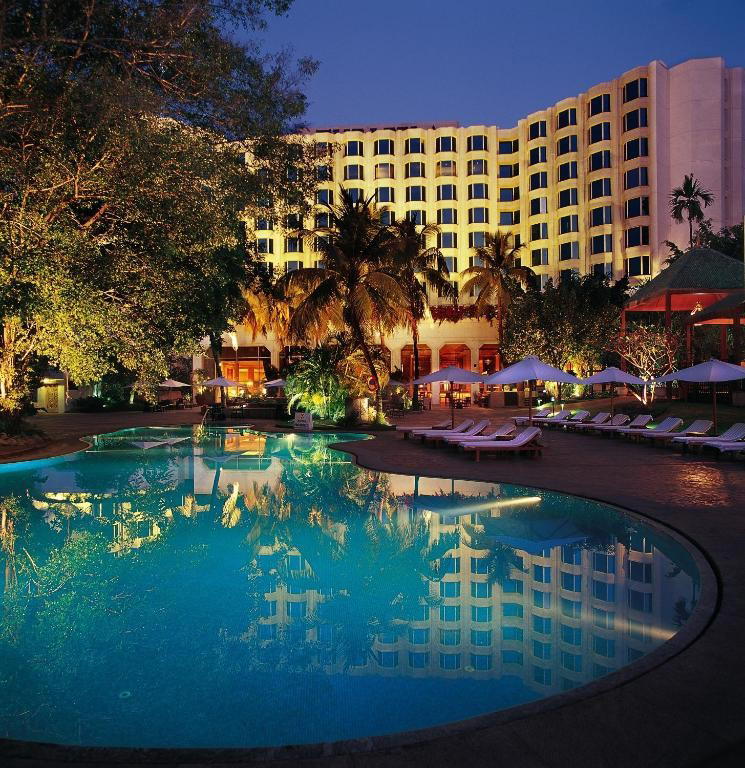
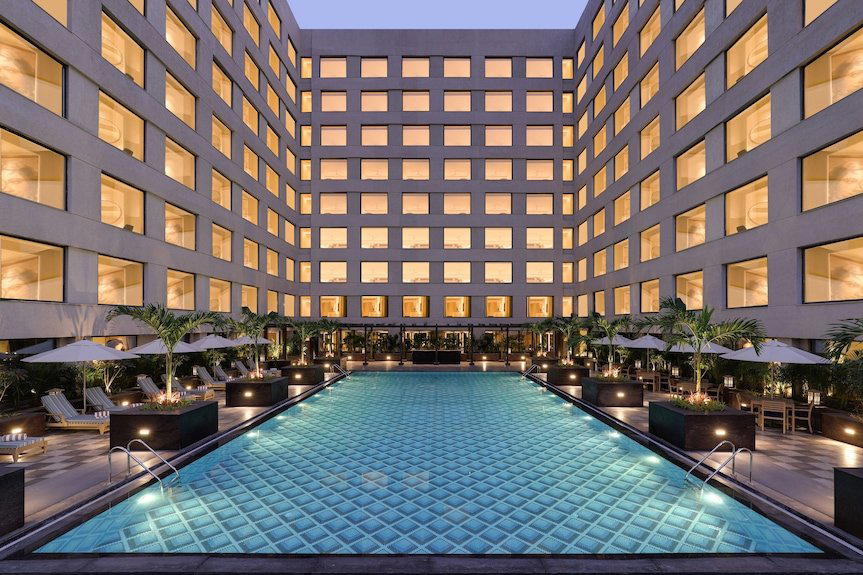
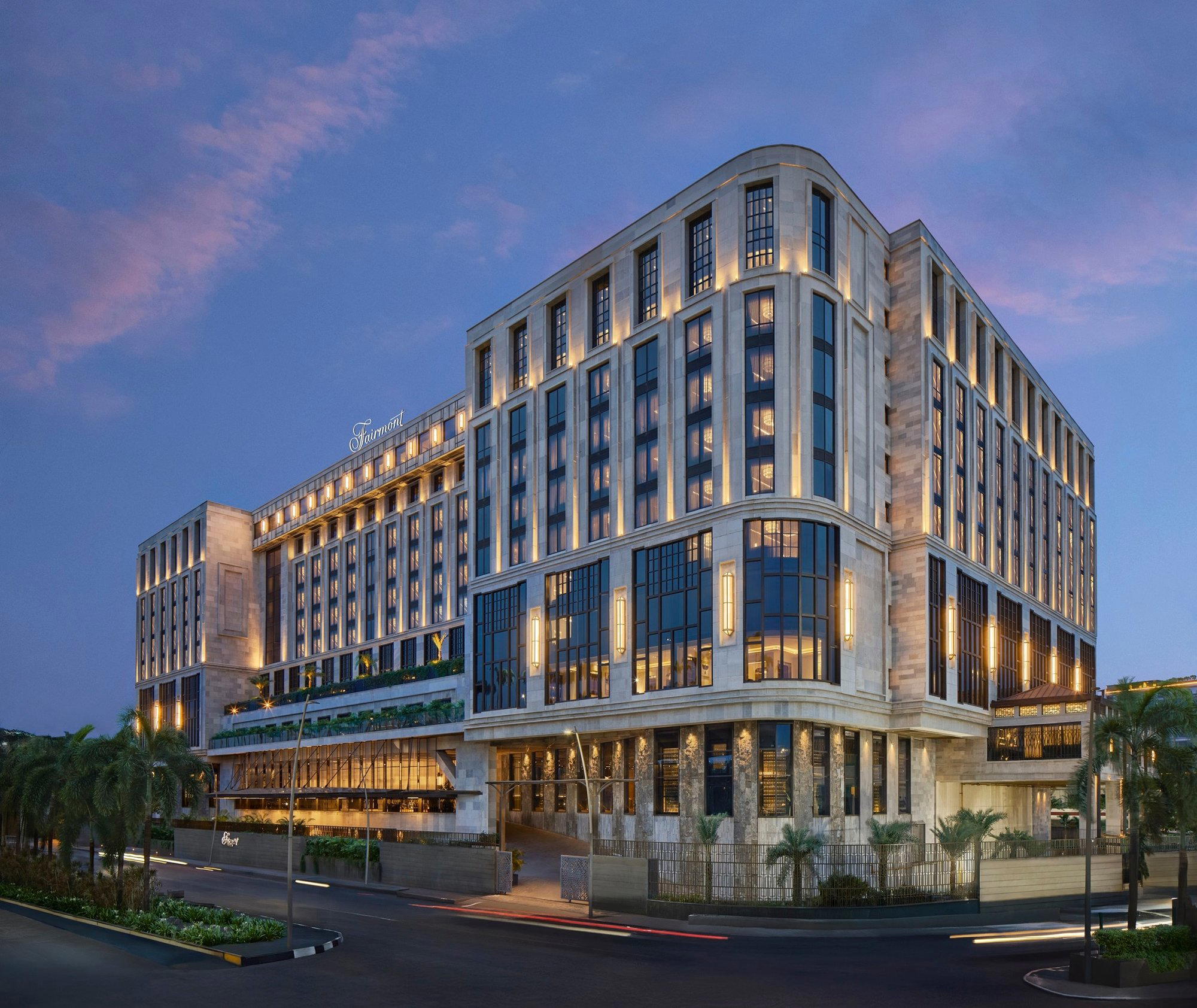
ITC Maratha is located at IA Project Road, Sahar Village, Andheri East, a few minutes from the international airport terminal, making it a practical choice for either a pre-departure dinner or a landing-night meal before heading into the city. Reservations through the hotel are advisable, particularly on weekends, when the dining room fills across all sections. The hotel format means dress expectations skew towards smart casual at minimum. For South Indian dining at a higher level of contemporary ambition, Avartana in Chennai offers a useful comparison.
Pricing, Compared
Comparable venues nearby, for context on price, style, and recognition.
| Venue | Cuisine | Price |
|---|---|---|
| DakshinThis venue — the venue you are viewing | Not listed | $$$$ |
| Peshawari Mumbai | Sahar, North West Frontier Indian | $$$$ |
| Trishna Mumbai | Oshiwara, Mangalorean Seafood | $$$ |
| Jamavar Mumbai | Marol, Authentic Pan-Indian Fine Dining | $$$$ |
| Gypsy CORNER | Mahikavati, Authentic Maharashtrian | $$ |
| Thaker Bhojanalay | Bhuleshwar, Authentic Gujarati Thali | $$ |
At a Glance
- Elegant
- Sophisticated
- Cozy
- Family
- Celebration
- Special Occasion
- Hotel Restaurant
Current opening hours
- Monday
- 7–11:30 PM
- Tuesday
- 7–11:30 PM
- Wednesday
- 7–11:30 PM
- Thursday
- 7–11:30 PM
- Friday
- 7–11:30 PM
- Saturday
- 7–11:30 PM
- Sunday
- 11 AM–3:30 PM, 7–11:30 PM
Hours can change for holidays and private events. Last verified .
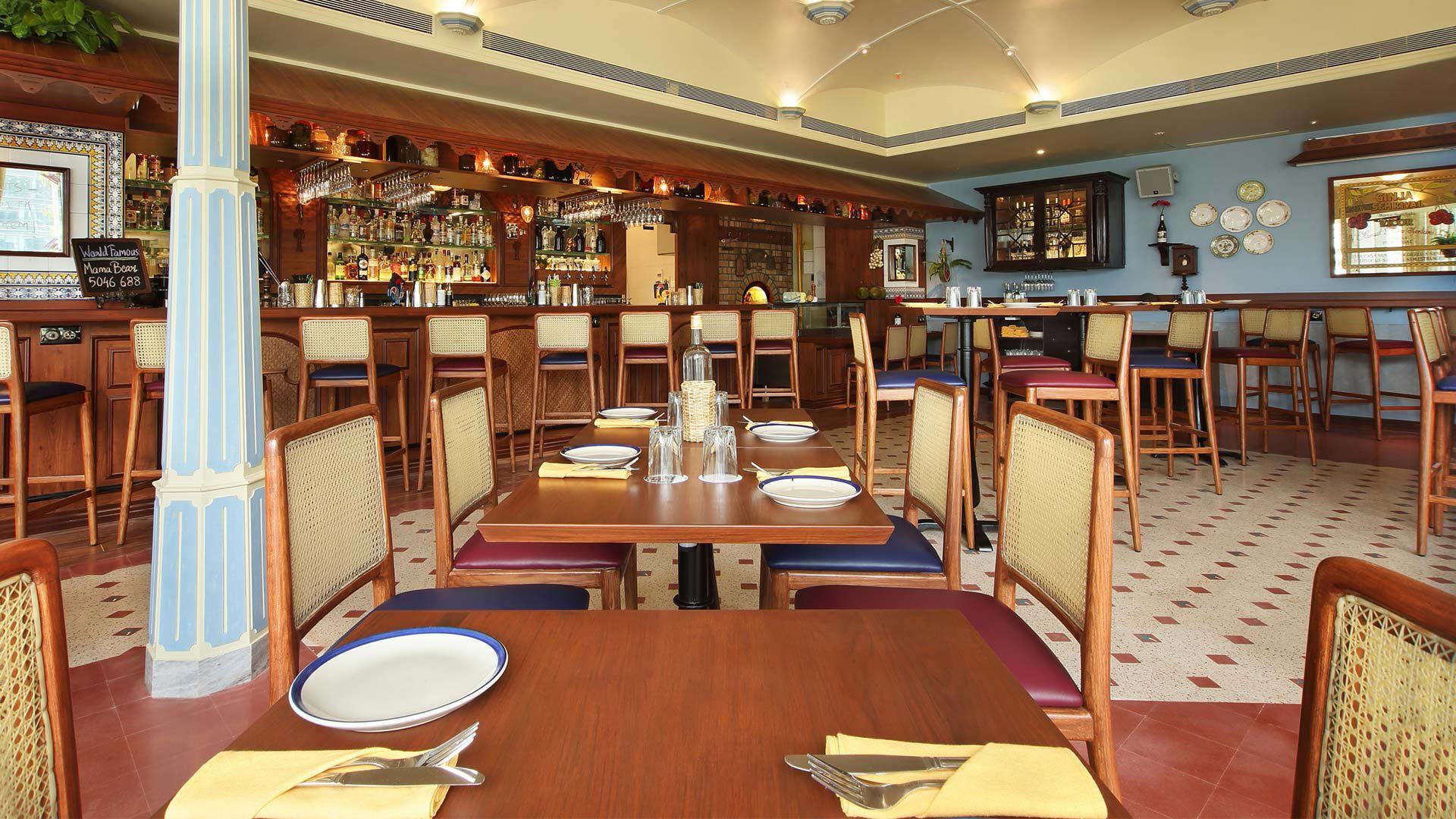
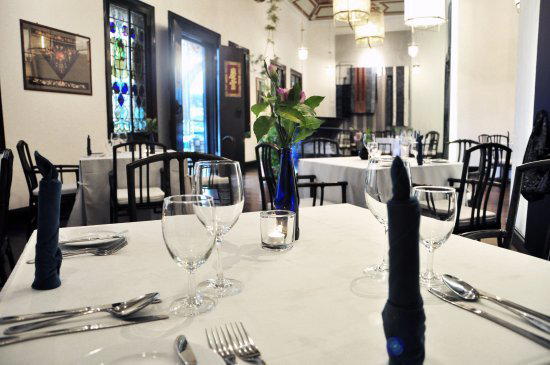
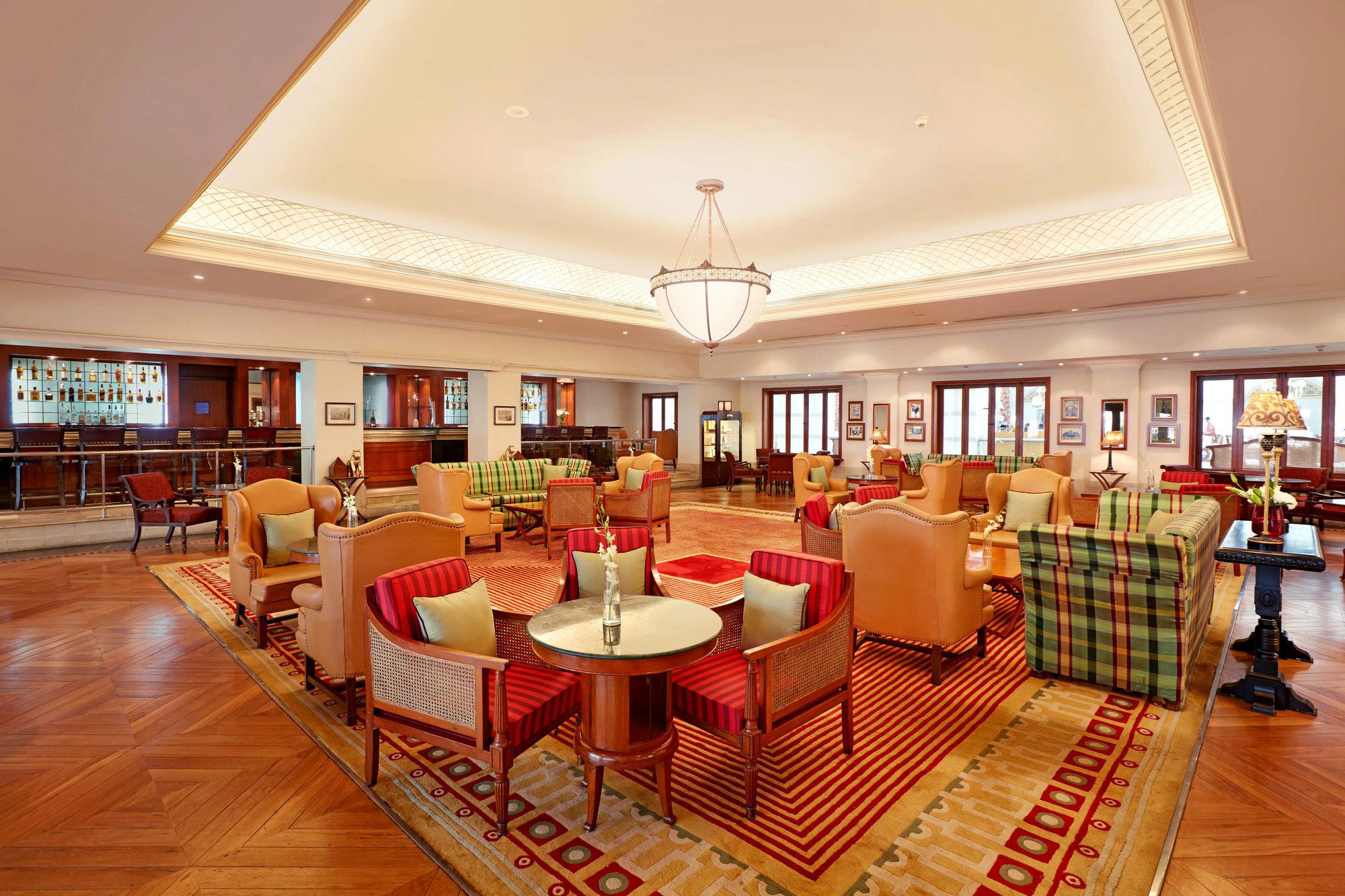
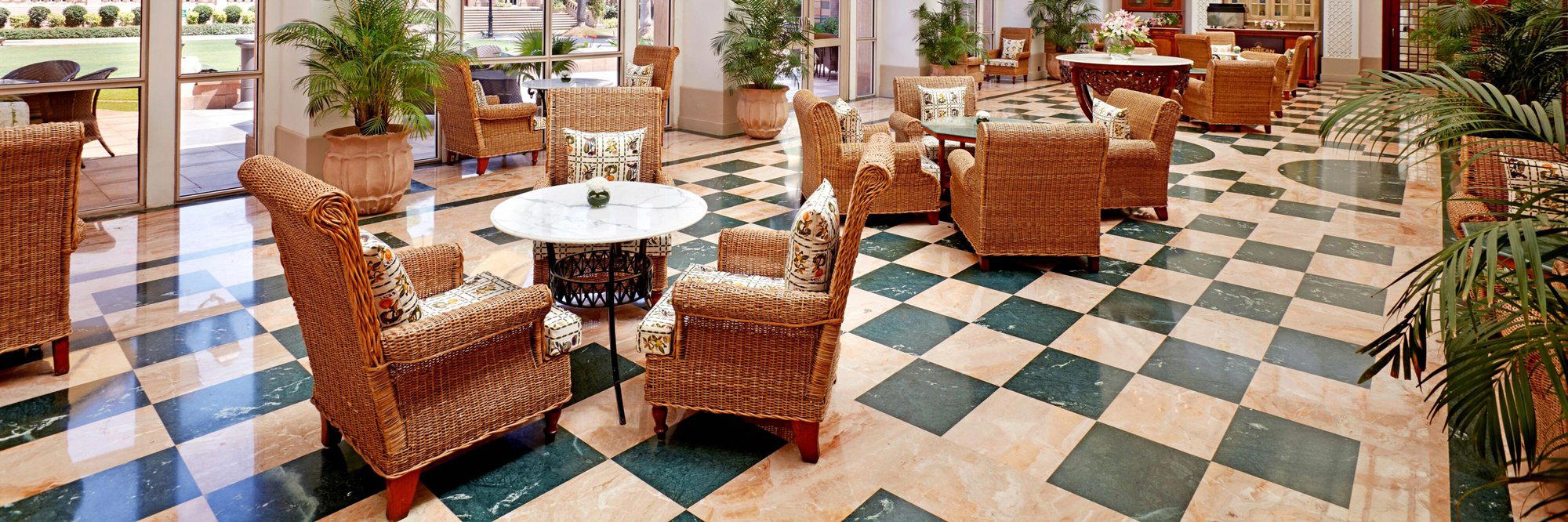
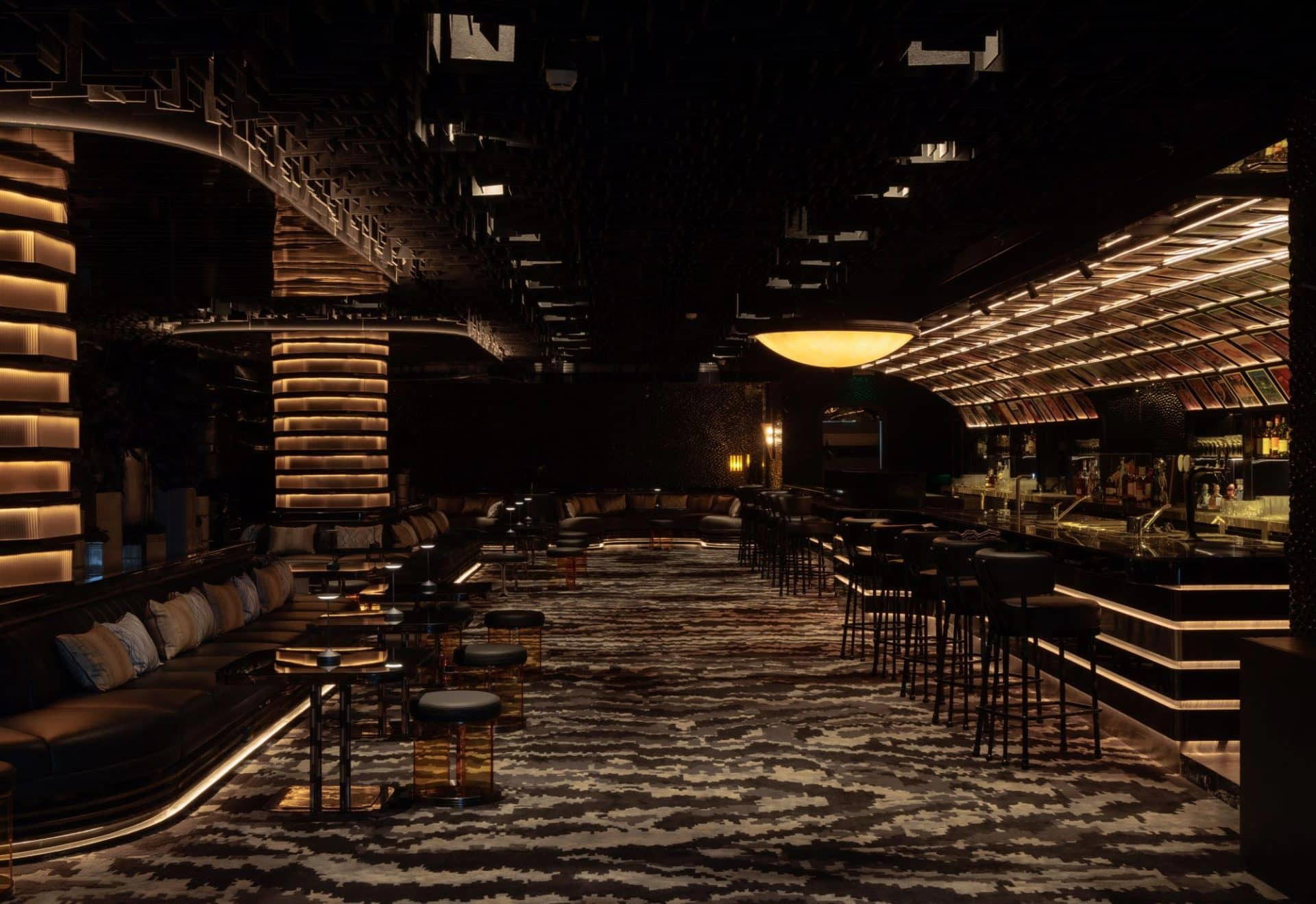
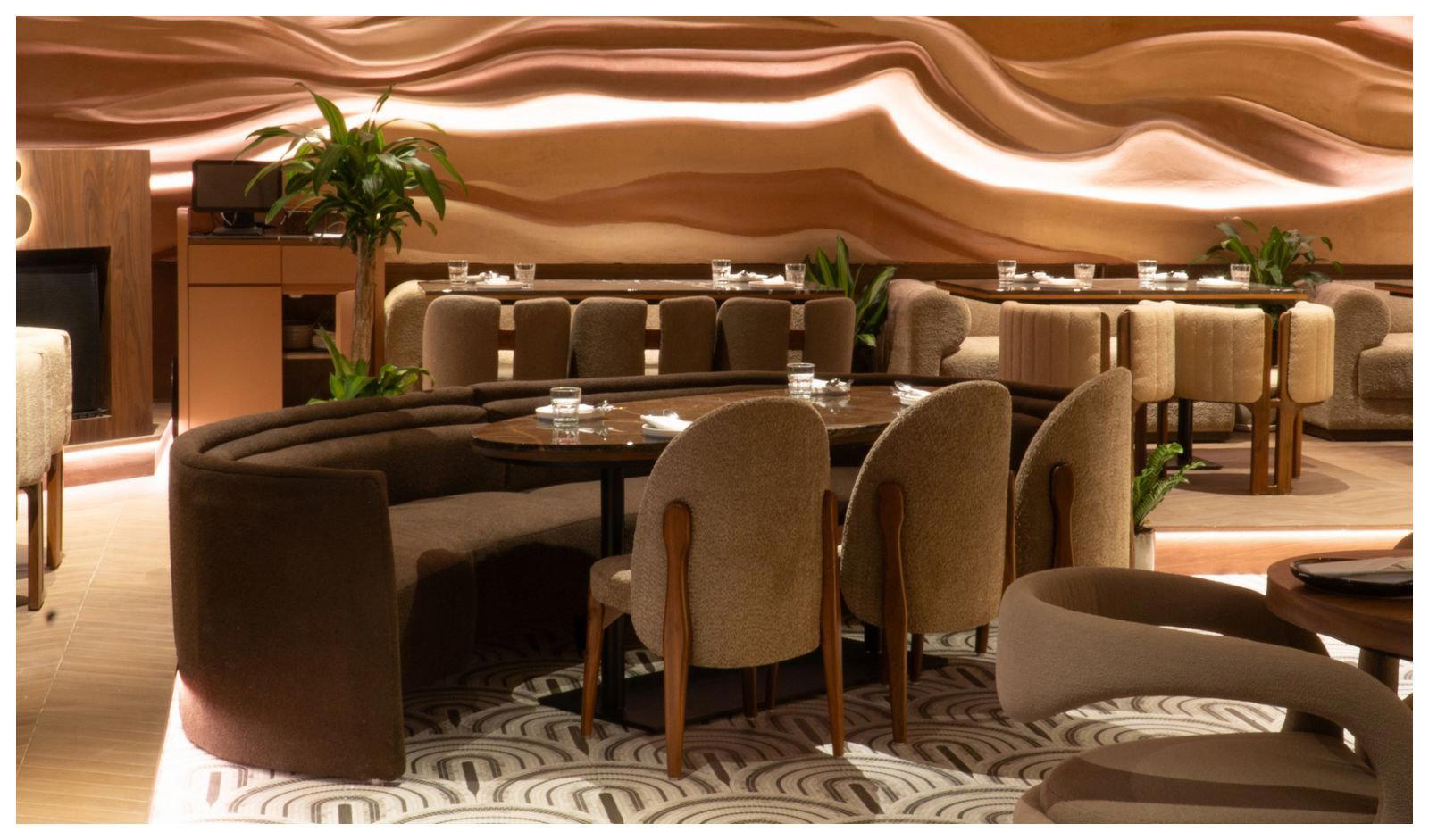
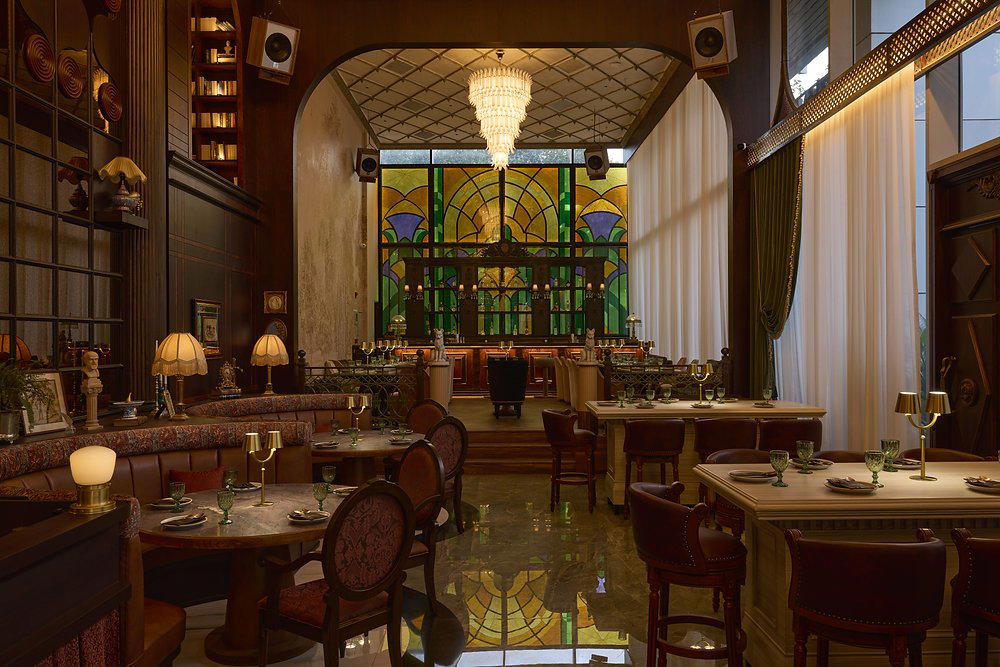
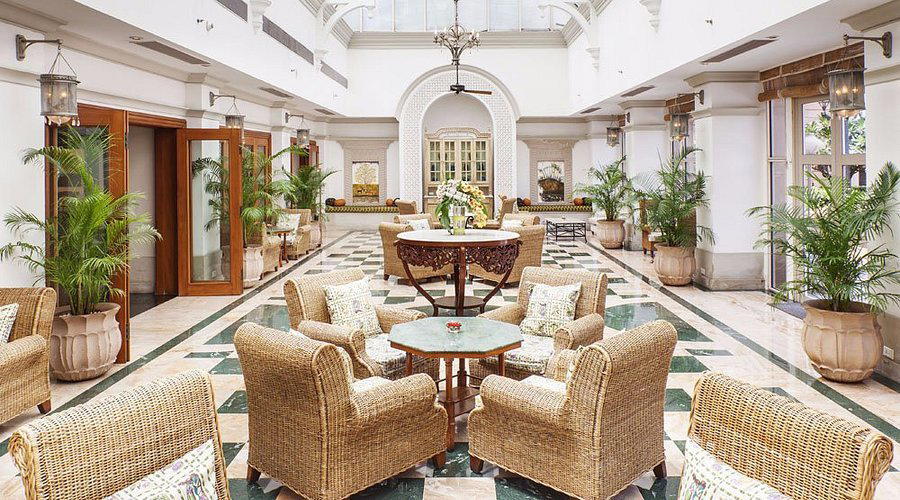
Beautiful and cozy with subtle South Indian melodies, polished service, and a warm welcoming atmosphere.