Prasad Food Divine sits in Bhandup West on the Mulund-Goregaon Link Road, serving a stretch of Mumbai that sits well outside the city's headline dining circuit. The venue draws from the devotional food traditions that frame vegetarian cooking across Maharashtra and broader India, where the meal itself carries ritual weight beyond nutrition. For residents of the western suburbs, it fills a specific and practical gap.
Pearl is the En Primeur Club membership app — saves, bookings, and concierge access live there. Same editors, same standards.
- Address
- D-702, Mulund - Goregaon Link Rd, Industrial Area, Bhandup West, Mumbai, Maharashtra 400078, India
- Phone
- +919920279393
- Website
- prasadfooddivine.com
- Directions
- Get directions
 Saves & bookings on Pearl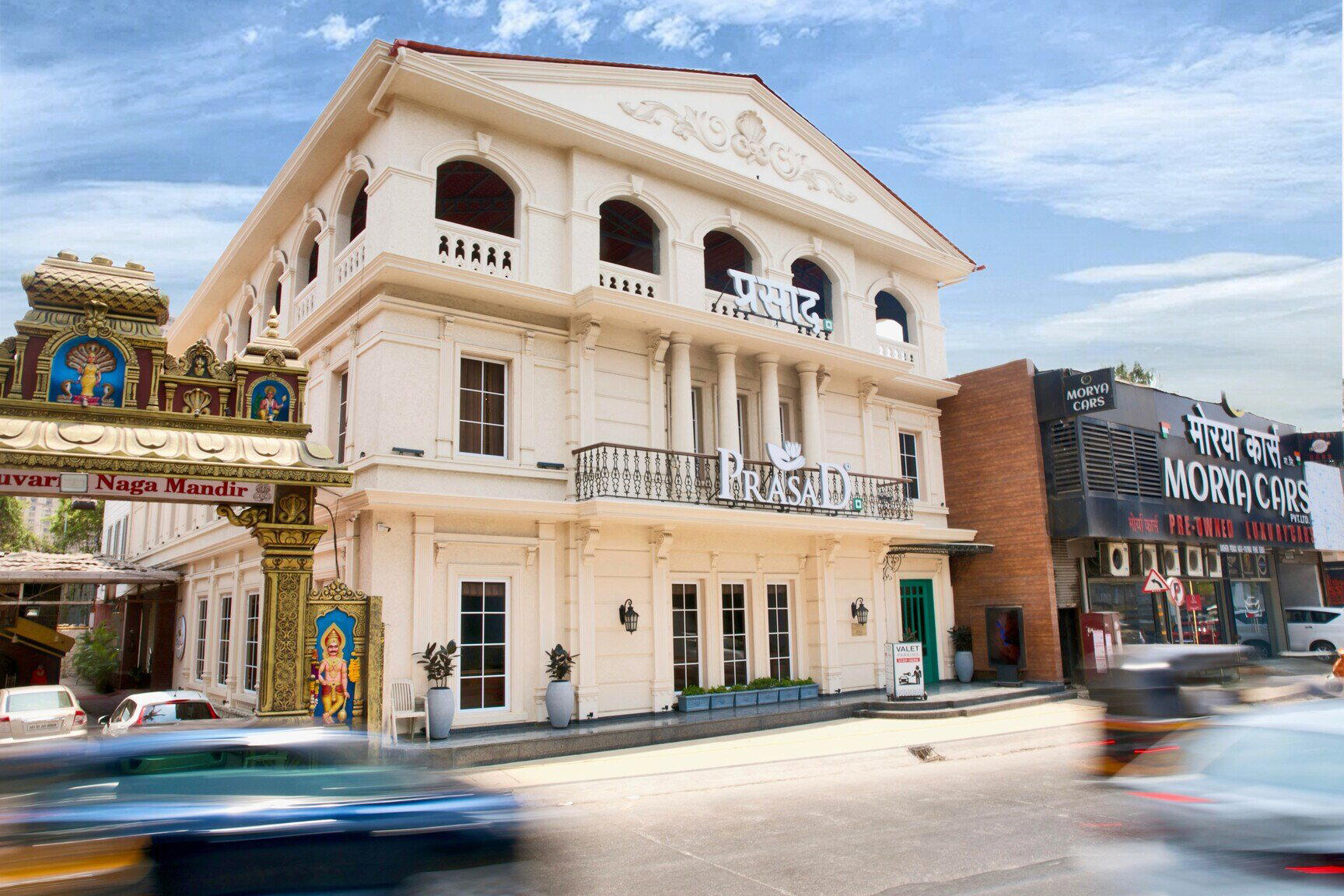
Eating on the Western Corridor
Mumbai's dining conversation concentrates heavily on South Mumbai and the Bandra-Kurla stretch, which means the suburbs along the Mulund-Goregaon Link Road receive far less attention than the quality and density of their dining scenes warrant. Bhandup West, where Prasad Food Divine is located at D-702 in the Industrial Area, sits in that overlooked band of the city. The surrounding neighbourhood is residential and working-class commercial in equal measure, and the restaurants that survive here do so because they serve a genuine local need rather than a destination crowd. That context matters when assessing what a place like Prasad Food Divine represents: it is part of the fabric of everyday eating in a city where everyday eating has its own serious traditions.
Across Mumbai, vegetarian cooking rooted in devotional or sattvic principles occupies a distinct and respected tier. This is food shaped by religious practice, by the calendars of fasting and feasting that govern many Maharashtrian and Gujarati households, and by a culinary philosophy that treats restraint as a form of skill rather than limitation. The absence of meat, onion, and garlic in stricter preparations forces a different kind of flavour-building, one that leans on dairy, lentils, seasonal vegetables, and the careful layering of spice. In cities like Mumbai, where this tradition has deep roots, restaurants operating in this register serve communities whose expectations are precise and whose tolerance for shortcut cooking is low.
The Ritual Frame of the Indian Meal
To understand the dining experience that places like Prasad Food Divine are built around, it helps to understand the structure of the Indian vegetarian meal as a ritual form. This is not a cuisine designed around individual plates arriving in sequence in the Western tasting-menu sense. The traditional Indian thali, and the informal meal structures that derive from it, involve multiple preparations arriving together or in close succession: dal, sabzi, rice, roti, pickle, papad, and often a sweet. Each element has a prescribed role, and the diner moves between them according to personal rhythm rather than a kitchen-imposed sequence.
This format creates a different kind of attentiveness at the table. The meal is not paced by courses but by appetite and habit. A diner familiar with the tradition knows when to add more dal to the rice, when to reach for the pickle, when the roti should be eaten with which preparation. The knowledge is embodied and cultural, passed through family meals rather than restaurant training. Venues that serve this food well understand that they are participating in something the diner already knows intimately, which raises the bar considerably. There is no novelty to hide behind.
The suburban Mumbai context adds another layer to this ritual. Neighbourhood restaurants in areas like Bhandup West often function as extensions of the domestic kitchen, particularly for office workers eating lunch or families who want a meal outside the home without departing far from what home cooking tastes like. The regulars at such places are not seeking discovery; they are seeking consistency, familiarity, and the specific comfort of food that tastes like it was made with intention rather than efficiency.
Where Prasad Food Divine Sits in Mumbai's Wider Scene
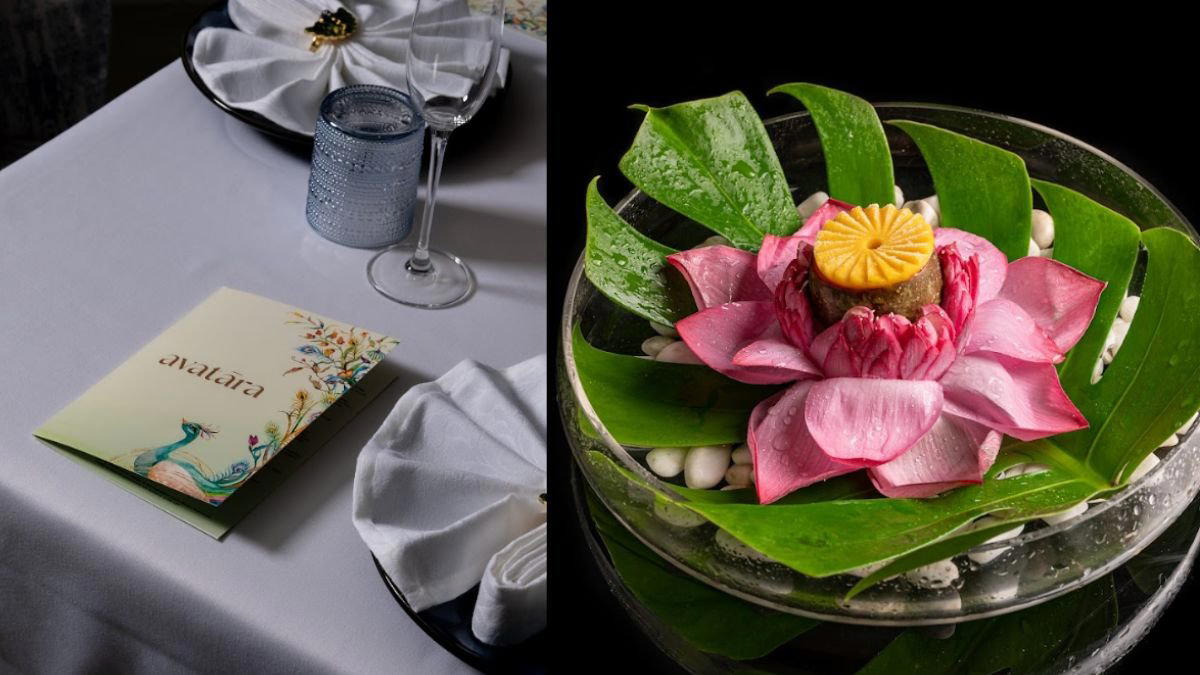
Mumbai's premium vegetarian dining has a visible upper tier. Avatara operates as a fine-dining vegetarian destination with tasting-menu ambitions. Masque applies a contemporary Indian framework across its menu, including strong vegetable-forward cooking. The Bombay Canteen and The Table both accommodate vegetarian dining within broader contemporary Indian formats, while Americano operates in the Indian fusion register. These are all South Mumbai or central-adjacent venues with a destination-dining profile and pricing to match.
The restaurant operates in a different register entirely, serving a suburban catchment where the comparison set is local rather than city-wide. Its position on the Link Road makes it accessible to commuters moving between Mulund and Goregaon, and to residents of the surrounding industrial and residential precincts. This is neighbourhood dining in the original sense: a restaurant whose relevance is defined by proximity and by the quality of its relationship with the people who return regularly, not by the attention of food critics or award committees.
Across India, this kind of venue forms the backbone of how people actually eat. Bukhara in New Delhi and Farmlore in Bangalore represent the destination end of Indian dining; places like Prasad Food Divine represent the everyday end, and the everyday end is where most of the country's actual food culture lives. Similar dynamics play out in other Indian cities: 5868 Restaurant in Gandhinagar and Harvest Kitchen Somnath in Veraval both serve regional communities whose dining expectations are shaped by local tradition rather than national trend. Even internationally, the gap between neighbourhood staple and destination restaurant defines how cities organise their food cultures, whether in Le Bernardin in New York City or the more community-rooted dining of outer-borough restaurants, a distinction that Atomix in New York City straddles from the other direction.
Other Indian regional venues worth contextualising against this neighbourhood model include Beera Chicken House in Amritsar, which serves a similarly loyal local crowd in a different culinary register, Esphahan in Agra, Leela Kerala Terrace in Trivandrum, WelcomCafe Oceanic Restaurant in Visakhapatnam, Naar in Kasauli, and La Fountain Blu in Navsari, each of which anchors a local dining identity in ways that mirror what the restaurant does for Bhandup West.
Planning a Visit
The restaurant is located at D-702, Mulund-Goregaon Link Road, Industrial Area, Bhandup West, Mumbai 400078. The venue is accessible from both the Mulund and Bhandup ends of the Link Road, and the industrial area setting means parking availability is generally better than in denser commercial neighbourhoods. No website or booking contact is listed in current records, which is consistent with the walk-in model that most neighbourhood restaurants of this type operate on. Visiting during standard lunch hours on weekdays is likely to reflect the core experience; weekend patterns may differ depending on local foot traffic.
Cuisine Context
Comparable venues nearby, for context on price, style, and recognition.
| Venue | Cuisine | Price | Notes |
|---|---|---|---|
| Prasad Food DivineThis venue — the venue you are viewing | Vegetarian Multi-Cuisine | $$ | Not listed |
| Gypsy CORNER | Authentic Maharashtrian | $$ | Mahikavati |
| Khyber | North-West Frontier/Mughlai | $$$ | Fort Mumbai |
| Gajalee | Malvani Seafood | $$ | Vile Parle |
| O Pedro | Modern Goan-Portuguese | $$$ | Kolekalyan |
| Thaker Bhojanalay | Authentic Gujarati Thali | $$ | Bhuleshwar |
At a Glance
- Cozy
- Elegant
- Classic
- Family
- Group Dining
- Casual Hangout
- Standalone
Current opening hours
- Monday
- 11 AM–11:30 PM
- Tuesday
- 11 AM–11:30 PM
- Wednesday
- 11 AM–11:30 PM
- Thursday
- 11 AM–11:30 PM
- Friday
- 11 AM–11:30 PM
- Saturday
- 11 AM–11:30 PM
- Sunday
- 11 AM–11:30 PM
Hours can change for holidays and private events. Last verified .
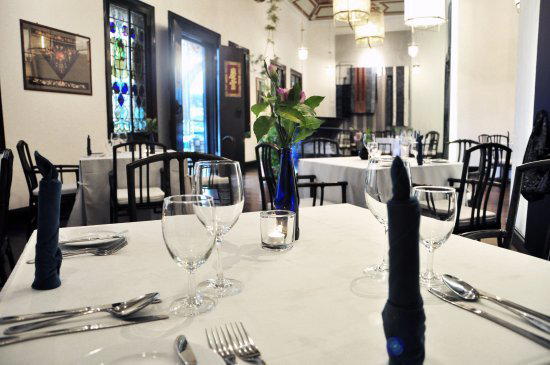
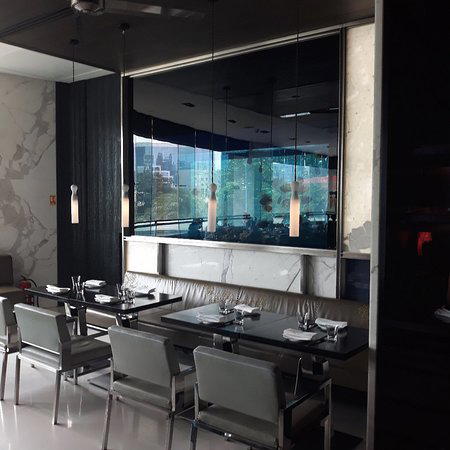
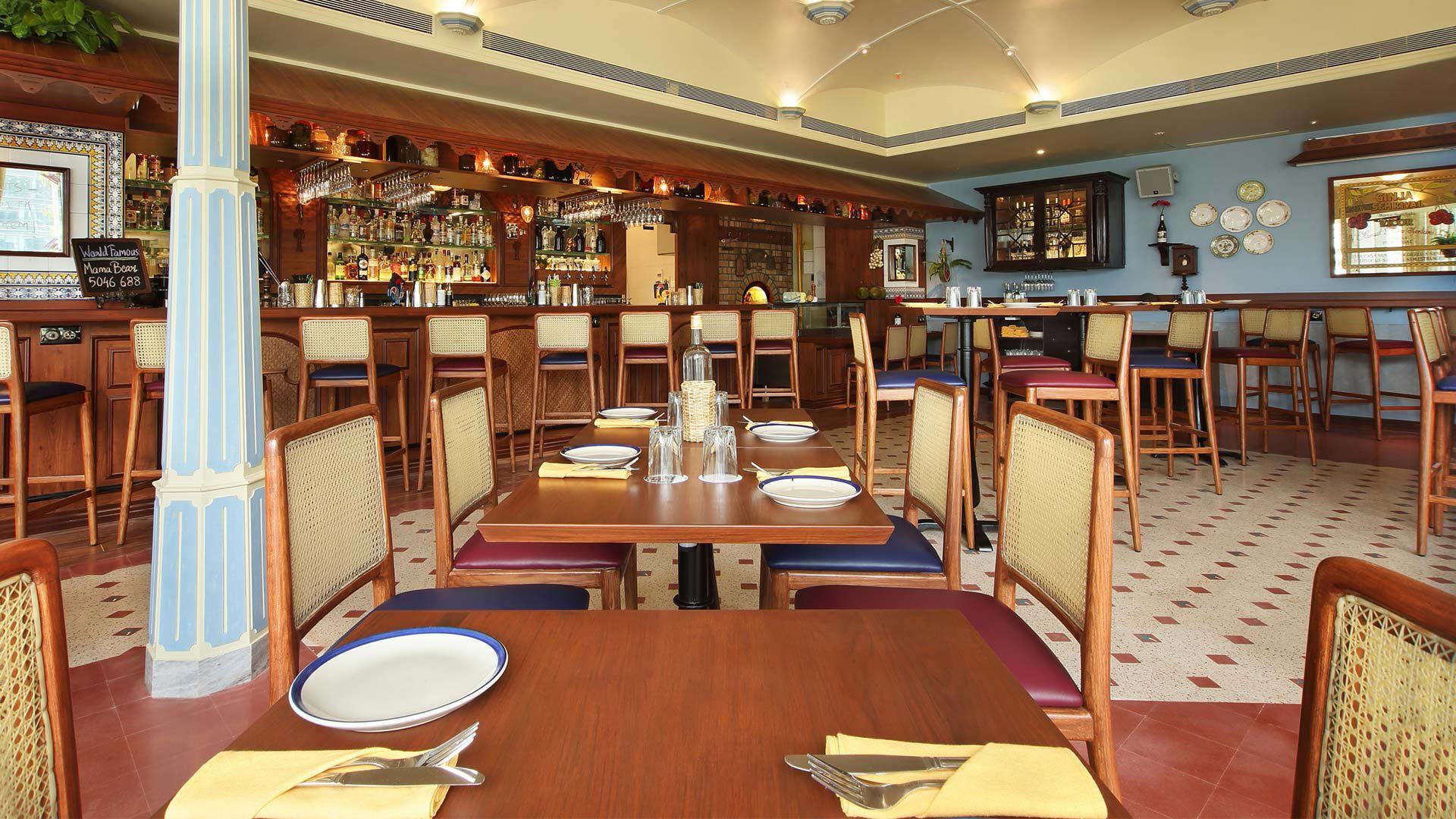
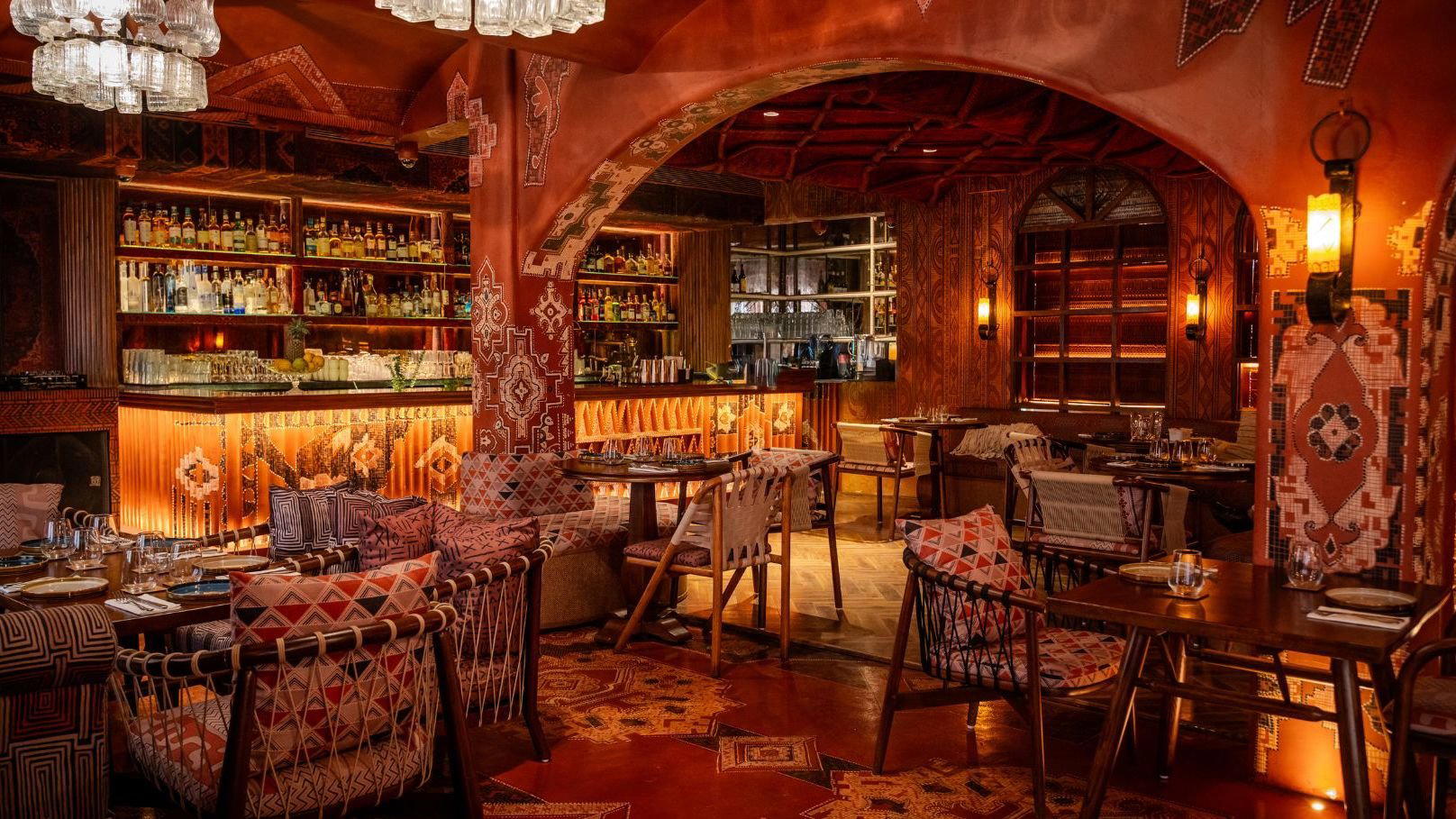
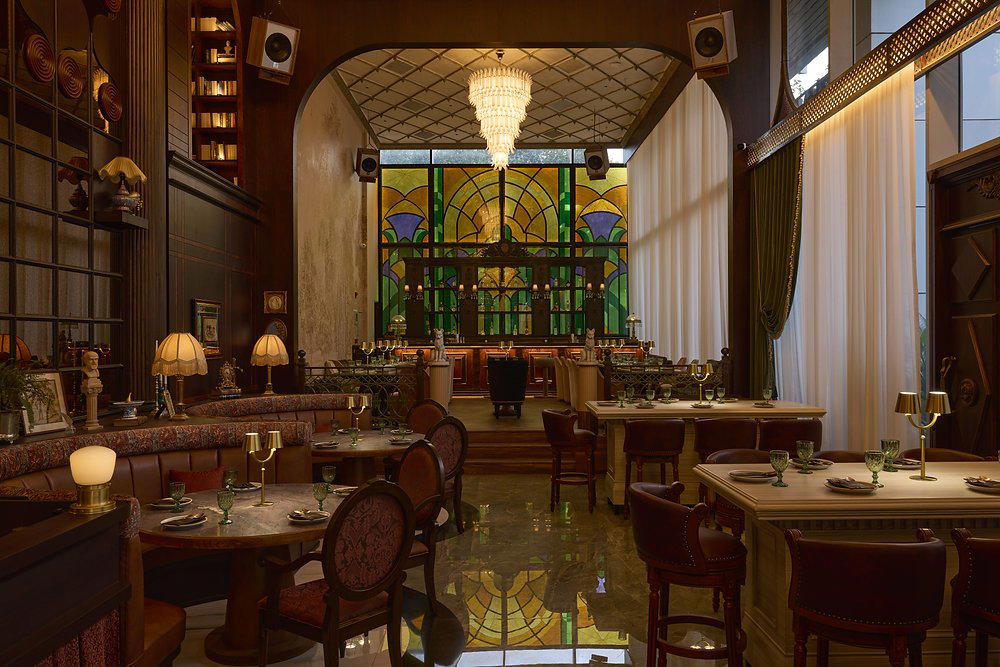
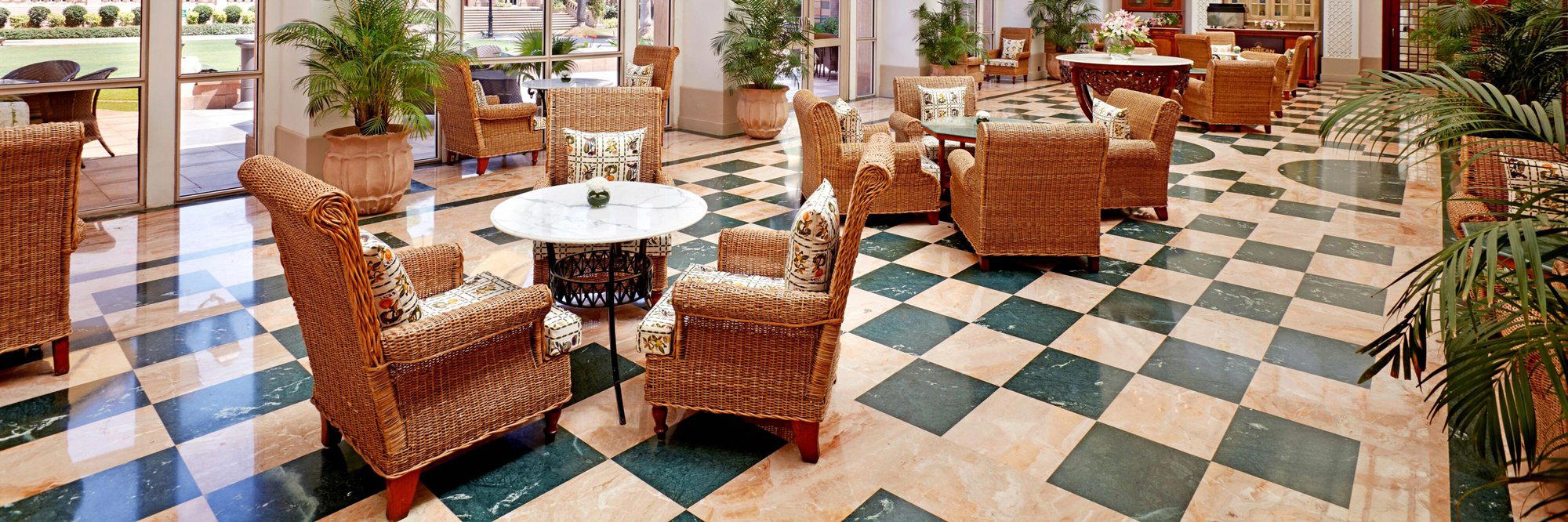
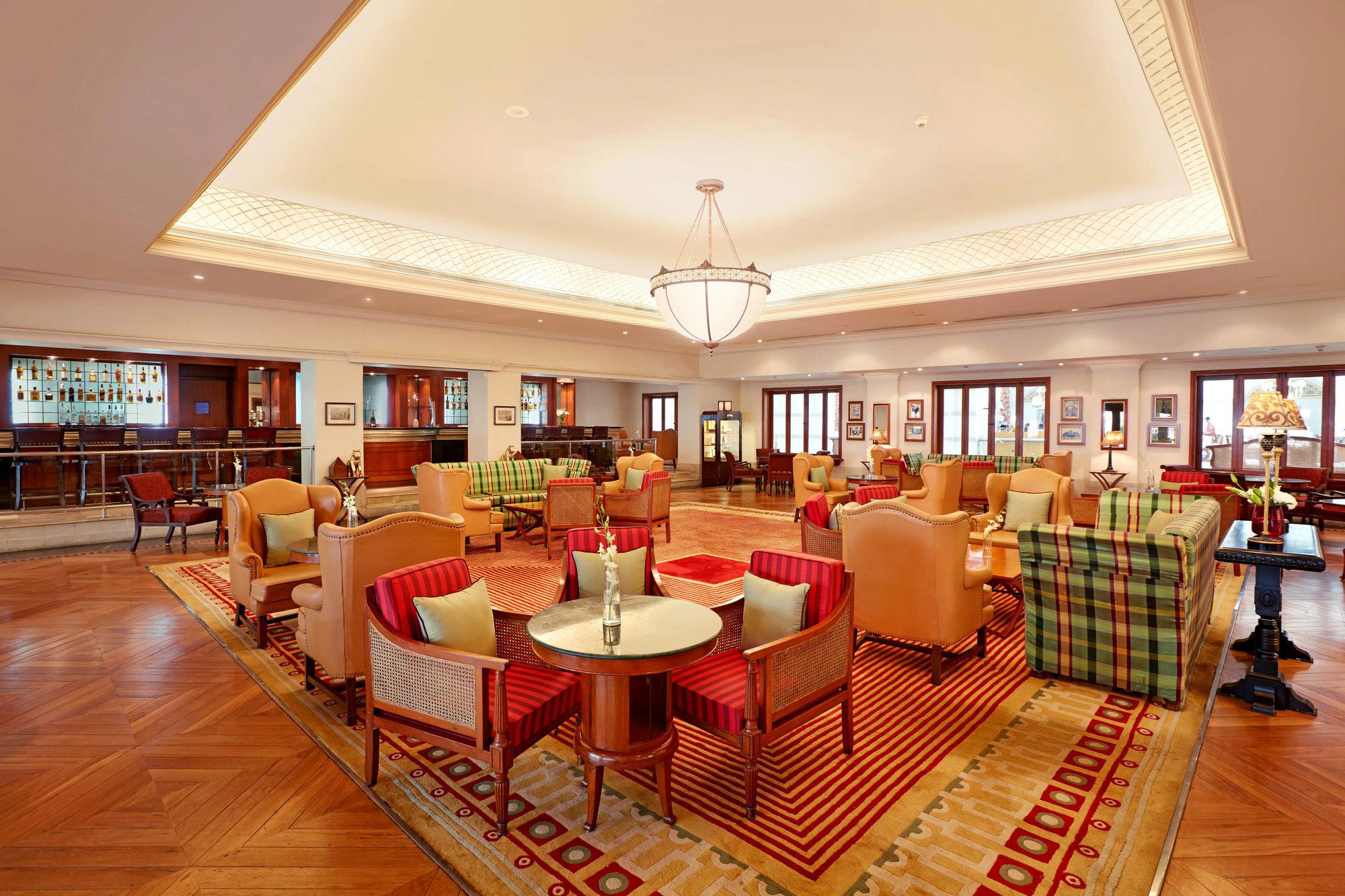
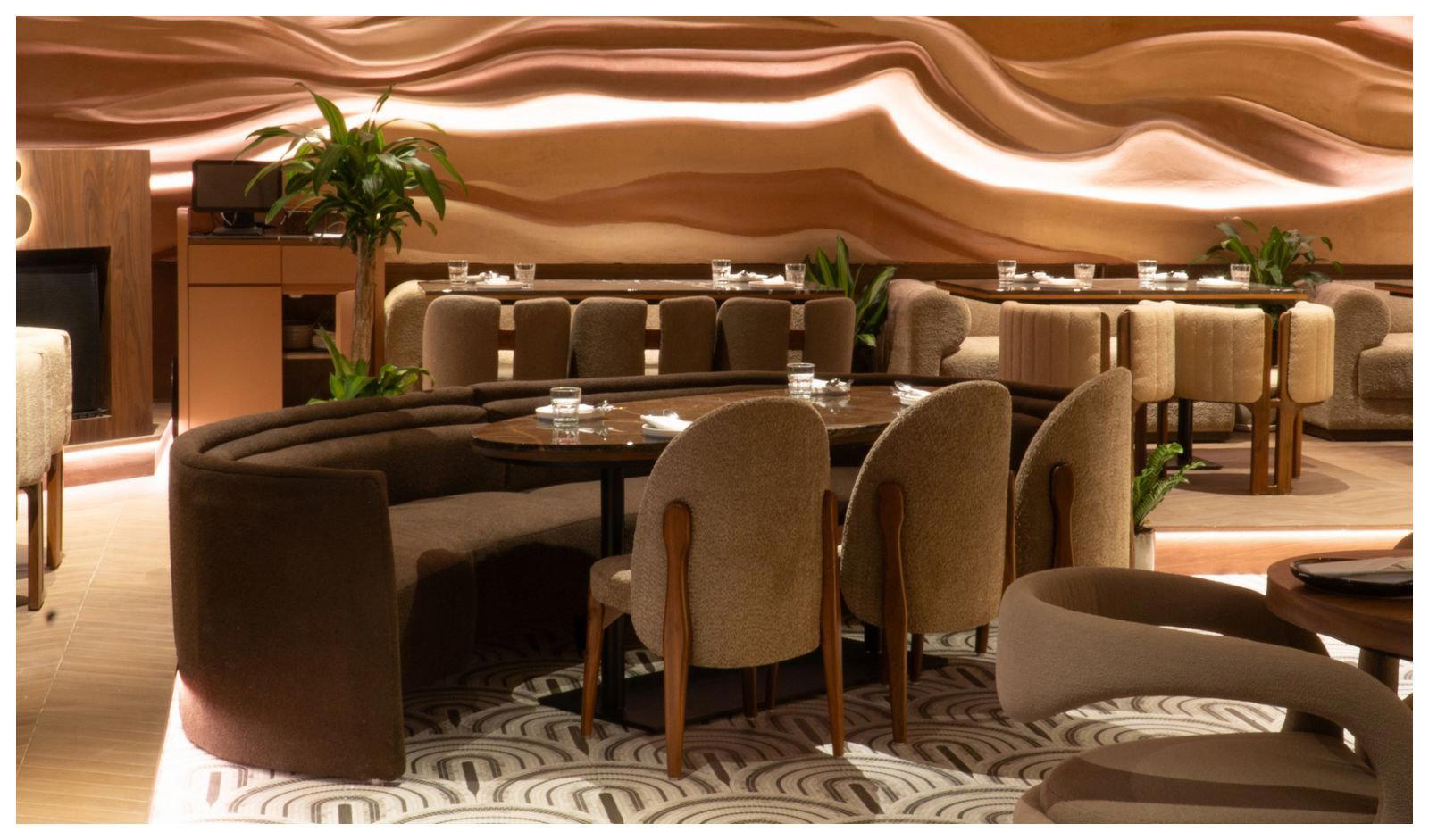
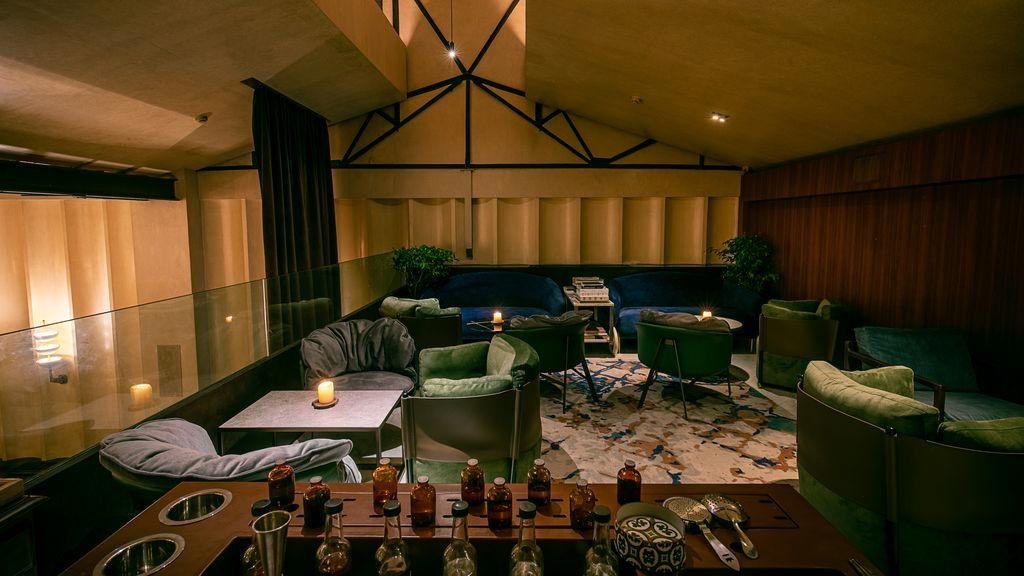
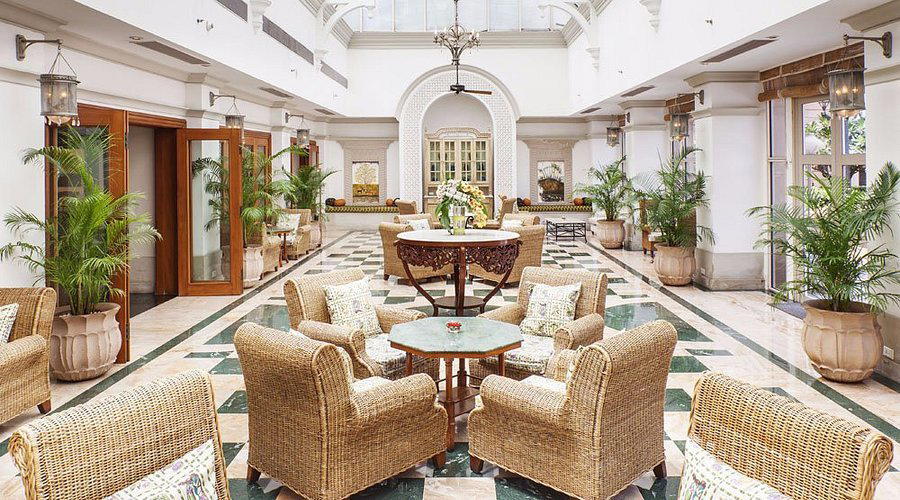
Rich, luxurious interiors with classic seating, spacious mezzanine floor, and calming atmosphere praised for family gatherings.