In Kirkenes, where the Russian border sits closer than the nearest Norwegian city of scale, Gabba Restaurant operates at an extreme of Nordic geography that shapes everything on the plate. The kitchen draws from a larder defined by Arctic proximity: reindeer, coastal fish, and foraged ingredients that reflect what this latitude actually produces. For a town of fewer than 4,000 people, the dining offer here is worth understanding on its own terms.
Pearl is the En Primeur Club membership app — saves, bookings, and concierge access live there. Same editors, same standards.
- Address
- Kirkenes, Norway
- Directions
- Get directions
 Saves & bookings on Pearl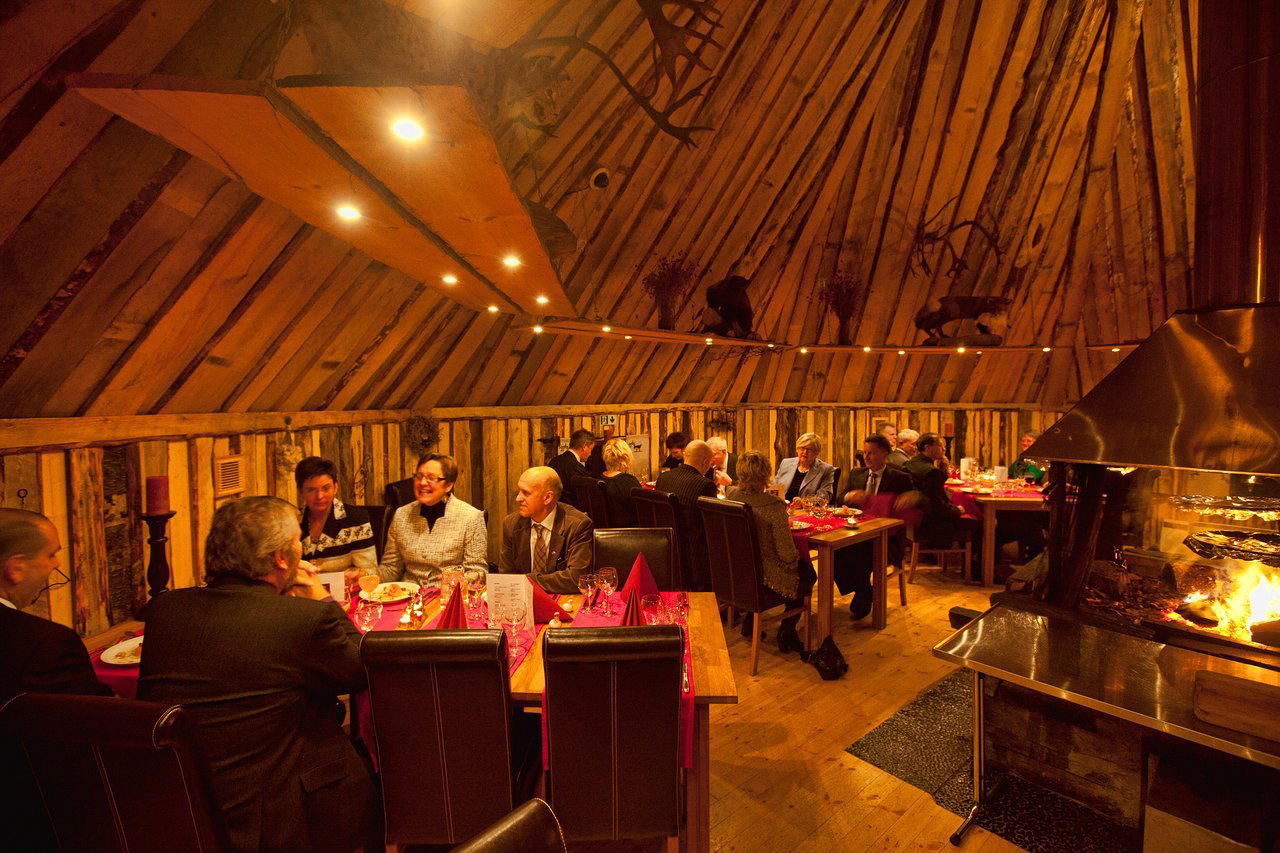
Where the Ingredients Come From
Kirkenes sits at 69 degrees north, roughly 400 kilometres above the Arctic Circle and within a few kilometres of the Russian and Finnish borders. This is not a geography that softens or obscures its influence on the table. The larder here is shaped by extreme seasonality, sparse land mass, and access to one of Europe's least-pressured coastlines. At Gabba Restaurant, that geography is the dominant editorial fact about what arrives in the kitchen and, by extension, what lands in front of a guest.
Arctic Norway's food supply operates on rhythms that most European kitchens work around rather than with. The Barents Sea, which defines Kirkenes's eastern horizon, is home to some of the continent's most productive cod and king crab fisheries. Reindeer herding, a practice anchored in Sámi culture across Finnmark county, provides meat with a flavour profile shaped by lichen-heavy grazing over vast open terrain. These are not marketing categories. They are the actual conditions under which Kirkenes's food exists, and any kitchen operating seriously in this town is working directly with those supply chains rather than importing past them.
The Arctic Dining Context
Norway's fine dining conversation tends to concentrate in its southern cities. Maaemo in Oslo and RE-NAA in Stavanger represent the Michelin-starred tier of New Nordic ambition, operating with extensive teams, multi-course tasting formats, and access to national supplier networks. FAGN in Trondheim and Gaptrast in Bergen sit one rung below in terms of award recognition but maintain comparable seriousness of intent. Kirkenes is not in that cluster, and Gabba Restaurant does not compete in that tier. What it does is operate at a latitude where the raw ingredient quality, particularly for seafood and reindeer, is stronger than anything those southern kitchens can source locally.
The pattern across Arctic Norway's dining offer is instructive. Along the Lofoten archipelago, restaurants like Anita's Sjomat in Lofoten and Fiskekrogen in Henningsvær have built reputations almost entirely on proximity to notable fish landings. Børsen Spiseri in Svolvær and Underhuset Restaurant in Reine operate in a similar register. Further south, Brasserie 8622 in Mo i Rana and Karoline Restaurant in Ramberg demonstrate that serious cooking exists well above the Arctic Circle without requiring a major urban infrastructure behind it. Kirkenes extends that logic to its geographic extreme. Umami Harstad in Harstad and Experience Restaurant in Steinkjer round out a northern Norwegian dining circuit that, taken together, represents a distinct culinary tradition rather than a peripheral echo of Oslo's output.
Kirkenes as a Destination
Visitors typically arrive in Kirkenes for reasons that have nothing to do with restaurants: the Hurtigruten coastal ferry route terminates here, aurora borealis tours operate from the town in winter, and snowmobile and dog-sled excursions into Finnmark attract a specific type of adventure traveller. The dining scene in a town of this size is therefore shaped partly by that visitor profile and partly by the logistical realities of running a kitchen at this latitude. Supply chains are longer, staff pools are smaller, and seasonal fluctuation in demand is sharper than in cities.
That context matters when reading any Kirkenes restaurant, including Gabba. The frame of reference should not be a mid-sized European capital. It should be other serious kitchens operating in similar conditions of geographic isolation, seasonal extremes, and notable primary produce. By that measure, the question is not why there isn't more fine dining in Kirkenes, but how a kitchen here connects to the specific ingredients that this corner of Norway actually produces. Aurora Restobar, also in Kirkenes, represents a different format within the same town's offer, and together both venues give the destination more dining range than its population size might suggest.
Under in Lindesnes and Hardanger House in Jondal show how Norway's most geographically specific restaurants have built international profiles by treating location as the central ingredient rather than a logistical obstacle.
What Ingredient-Sourcing Means at This Latitude
The case for eating in Kirkenes rests almost entirely on provenance. King crab from the Barents Sea, harvested commercially in Norwegian waters since the 1990s after the species spread west from Russian stock, is particularly discussed ingredient in this region. It is not a luxury import here; it is a local catch, landed close to where it is served. The same logic applies to cod, haddock, and the various salmonid species that move through Arctic Norwegian waters across the year.
Reindeer occupies a different place in the larder. Finnmark is one of the primary reindeer-herding regions in Scandinavia, and the meat available to kitchens in Kirkenes has a shorter supply chain than virtually anywhere else in Norway. The flavour profile, shaped by lichen and open tundra grazing over enormous distances, is markedly different from farmed venison. For comparison, the ingredient-focused approach taken by upper-tier Nordic restaurants like Le Bernardin in New York City or the technically precise sourcing discipline at Atomix in New York City illustrates how seriously provenance-led cooking tracks its supply chains. In Kirkenes, the supply chain is short by necessity and by geography, not by design philosophy.
Foraged ingredients follow the same pattern. Cloudberries, Arctic crowberries, and various coastal botanicals are not sourced from specialty suppliers in Kirkenes; they grow in the terrain surrounding the town. The window for harvesting is compressed by the climate, which gives the late summer and autumn seasons particular intensity from a sourcing perspective.
Planning a Visit
The town is small enough that most accommodation and dining are within walking distance of each other, though winter conditions between November and March require appropriate preparation. Aurora season runs roughly from late September through March, which aligns with the period when Kirkenes sees visitor traffic.
Quick Comparison
Comparable venues nearby, for context on price, style, and recognition.
| Venue | Cuisine | Price | Notes |
|---|---|---|---|
| Gabba RestaurantThis venue — the venue you are viewing | Arctic Nordic Grill | $$$ | Not listed |
| Aurora Restobar | Scandinavian Fusion Gastropub | $$ | Kirkenes center |
| Solsiden Lofoten | Italian & Local Seafood | $$$ | Ballstad |
| Kitchen & Table Fishery | Norwegian Seafood | $$ | Youngstorget |
| Fiskekrogen | Traditional Norwegian Seafood | $$$ | Henningsvær |
| Enhjørningen | Traditional Norwegian Seafood | $$$ | Vågen |
Continue exploring
More in Kirkenes
Restaurants in Kirkenes
Browse all →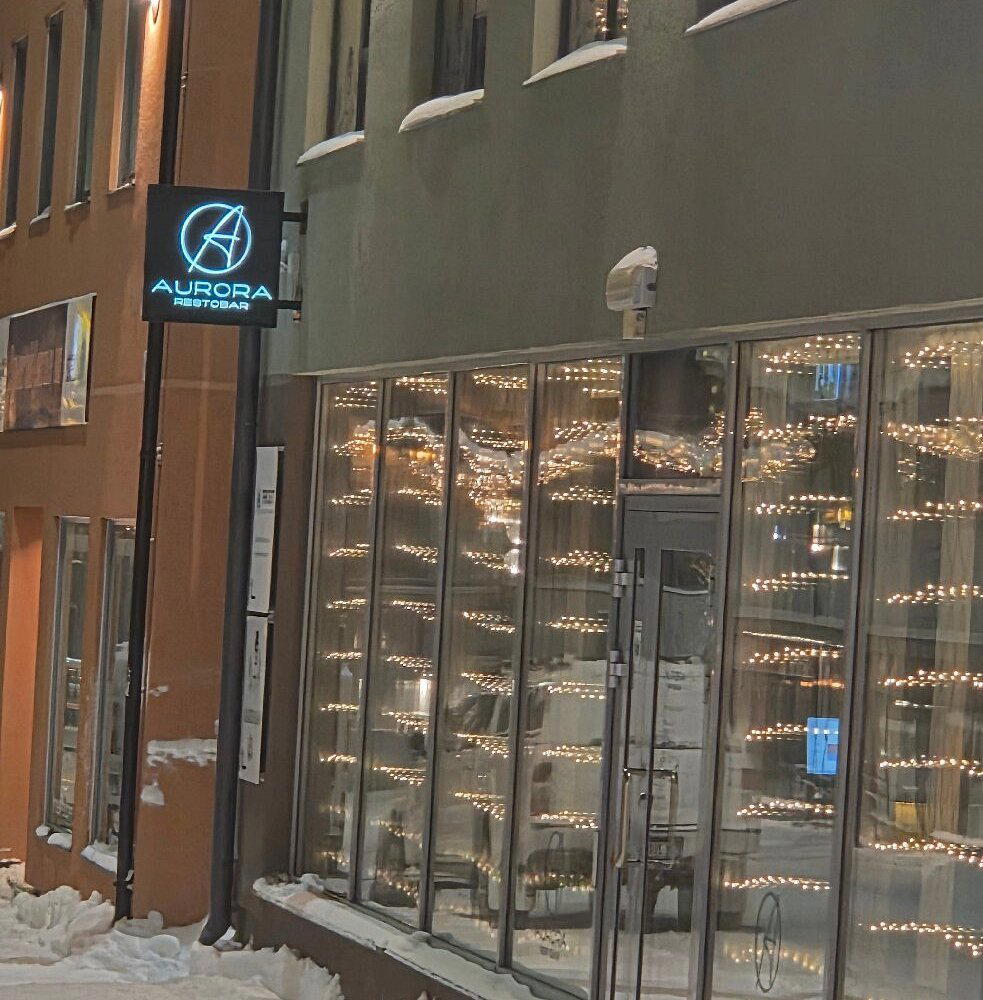
At a Glance
- Rustic
- Cozy
- Scenic
- Intimate
- Special Occasion
- Group Dining
- Celebration
- Open Kitchen
- Standalone
- Historic Building
- Beer Program
- Local Sourcing
- Sustainable Seafood
Warm and intimate with a central open fire, traditional Sami tent architecture, and cozy lighting from the fireplace creating an authentic Arctic dining experience.