
Tabelog 100 #74
Our verdict
Fumi puts Kobe’s tachinomi tradition in a seafood-focused, low-cost register: stand-up drinking, compact ordering, and a Tabelog 100 - Tachinomi - 2025 selection rather than luxury dining ceremony. In Shinkaichi, a district with an older entertainment streak, it makes sense as a sharp contrast to Kobe’s beef-led dining image.

Pearl is the En Primeur Club membership app, where members save venues, book tables and use the concierge.
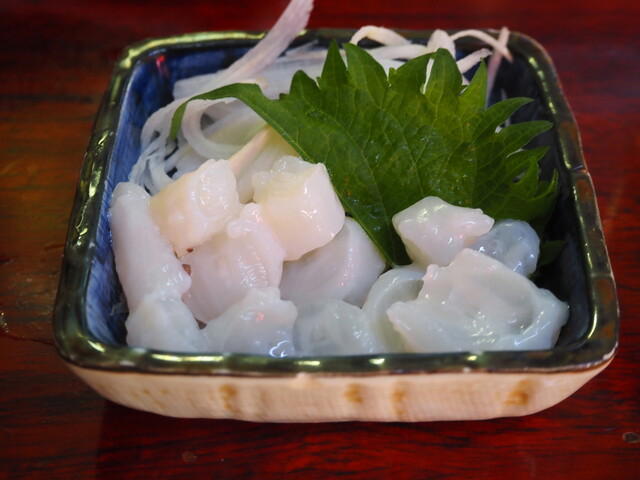
Kobe has never needed only the polished script around its better-known dining districts. The city reads in short intervals: station exits, narrow shopfronts, quick drinks, and counters for regulars rather than ceremony. Fumi belongs to the city’s tachinomi grammar: compressed room, standing-space pacing, and a menu that communicates fast. This is not Kobe as white-tablecloth theatre, but as a city with a working appetite for seafood, alcohol, and low-friction eating.
The useful reading is menu architecture. Tachinomi rewards focus because the format leaves little room for wandering: dishes must be legible, fast to order, and compatible with drinking. Here, the public pairing of stand-up bar and seafood does the editorial work. It places Fumi closer to everyday drinking rooms than destination tasting menus. The 2025 Tabelog 100 - Tachinomi selection confirms the appeal is not merely local convenience; it has been noticed within a national category built around stand-up drinking culture.
Seafood gives the standing-bar format its discipline
Japanese tachinomi is often misunderstood by visitors as a budget category first and a culinary category second. Price matters, but the better examples are disciplined because they must be. A standing counter cannot rely on long explanations, elaborate pacing, or seated tasting-menu theatre. Ordering logic has to be direct: small plates, quick drinks, and a rhythm that lets people arrive, eat, drink, and move on without turning the room into a waiting lounge.
Fumi’s seafood emphasis gives that structure identity. In Kobe, where outside attention often defaults to more familiar prestige dining, seafood-led casual drinking is a useful corrective. The city’s everyday dining map makes fish and drinking culture part of ordinary eating rather than a niche pursuit. The menu need not imitate a formal progression; its job is to make seafood work inside the faster tempo of tachinomi.
That puts it in a different lane from Kobe yoshoku names such as Yoshokuya Yuuki, Grill Ippei Shinkaiti honten, Yoshoku no Fuji, and Fuji, all expressing a different comfort-food lineage rather than standing-bar seafood. Place de Pasto points to another casual register. The comparison shows Kobe’s value is not one-dimensional: the city supports multiple forms of accessible eating, from familiar plates to stand-up seafood drinking, and Fumi’s recognition comes from the latter tradition.
Kobe's value dining is broader than Kobe beef
Kobe’s international reputation narrows the city too quickly. Beef is part of the story, but it can flatten the map for travellers who do not move beyond the most familiar dining circuits. Kobe offers a less polished, more revealing register: small restaurants, drinking rooms, and counters where price accessibility is normal rather than strategic branding.
The Tabelog 100 - Tachinomi - 2025 listing is the trust signal. It does not turn Fumi into a luxury address, and that is the point. Tachinomi recognition measures different virtues: consistency, drinking compatibility, local appeal, and the ability to make a small format coherent. A Tabelog score of 3.59 also sits where Japanese review culture tends to reward reliability rather than spectacle. For travellers used to Western rating inflation, the number should not be read casually; in Japan, mid-3 scores can indicate serious local traction.
The format also has practical meaning. Stand-up bars are poor choices for lingering, large-group dining, or guests who want long explanations in English. They are strong for solo diners, pairs, and travellers comfortable with short, focused meals. Rather than stage a formal occasion, Fumi is better understood as a place to read a local drinking tradition at counter height.
How to place Fumi in a Kobe itinerary
Smartest itinerary does not treat Fumi as a substitute for Kobe’s beef houses; it treats it as an antidote to the idea that Kobe dining begins and ends there. Travellers building a protein-heavy Kobe plan can use Fumi to see the city’s casual drinking side, where the point is speed, value, and seafood rather than ceremony. For a slower daytime contrast, other Kobe dining rooms and cafés give another view of the city’s hospitality, while unnamed local restaurants show how varied the map becomes once the beef narrative loosens its grip.
For readers comparing Japan’s casual formats across cities, the broader network is instructive without needing a checklist of famous names. Other dining in Kobe and beyond can point to different registers: beef-led meals, seafood drinking culture, café pacing, regional dining, urban casual cooking, and specialist comfort-food formats. Outside Japan, Japanese drinking and snack formats often translate with more explanation and less compression.
The verdict is simple: Fumi is for readers who want Kobe at street level, not as a prestige checklist. Its value lies in the alignment between place, format, and menu. Seafood gives the counter its culinary spine; tachinomi gives it speed and social texture; Kobe gives it the right urban setting. That combination explains why a small standing bar can say more about the city than another formal dinner built around Kobe’s familiar export.
Frequently asked questions
What are the opening hours for Fumi?
Current opening hours for Fumi should be checked directly with the venue before visiting.
What price level is Fumi?
Pricing at Fumi is listed as JPY 1,000 - JPY 1,999 JPY 1,000 - JPY 1,999.
What part of town is Fumi in?
Kobe.
What is Fumi known for?
Fumi is known as a seafood-focused stand-up bar in Kobe, and it was selected for Tabelog 100 Tachinomi 2025. The listed price range is JPY 1,000–JPY 1,999 for both lunch and dinner.
Is Fumi allergy-friendly?
Fumi is listed as a stand-up bar with a seafood category, so diners with seafood allergies or other dietary restrictions should confirm suitability directly with the venue before visiting.
City Peers
Comparable venues in the metro at similar price points.
| Venue | Cuisine | Price | Awards | Notes |
|---|---|---|---|---|
| FumiThis venue (the venue you are viewing) | Seafood Stand-Up Bar | Not listed | Tabelog 100 #74 | Not listed |
| Yoshokuya Yuuki | Japanese yoshoku (Western-style comfort food) | $10–20 | Tabelog 100 #44 | JPY 1,000 - JPY 1,999 JPY 1,000 - JPY 1,999 |
| Grill Ippei Shinkaiti honten | Yoshoku (Japanese-Style Western Cuisine) | $10–20 | Tabelog 100 #27 | JPY 1,000 - JPY 1,999 JPY 1,000 - JPY 1,999 |
| Yoshoku no Fuji | Yoshoku (Japanese-style Western cuisine) | $10–20 | Tabelog 100 #40 | JPY 1,000 - JPY 1,999 JPY 1,000 - JPY 1,999 |
| Fuji | Okonomiyaki (Japanese savory pancakes) | $10–20 | Tabelog 100 #27 | JPY 1,000 - JPY 1,999 JPY 1,000 - JPY 1,999 |
| Place de Pasto | French-inspired bakery & deli | Not listed | Tabelog 100 #63 | JPY 1,000 - JPY 1,999 JPY 1,000 - JPY 1,999 View spending breakdown |
Recognition history
Dated appearances from independent guides and award organizations, with the underlying list record or original source where available.
Tabelog 100 #74 · No. 74
Tabelog · Tabelog 100 - Tachinomi - 2025
Continue exploring
More in Kobe
Restaurants in Kobe
All restaurants in Kobe →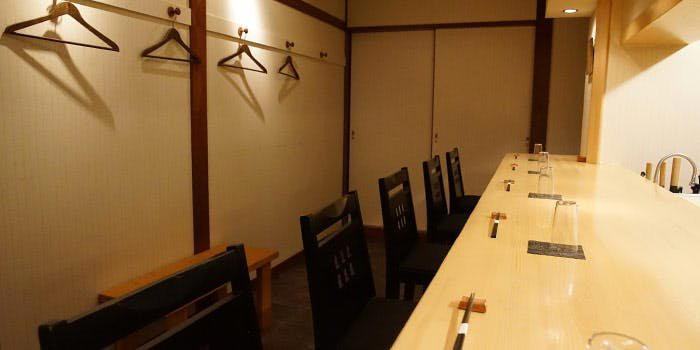
Bars in Kobe
Browse all →

Hotels in Kobe
All hotels in Kobe →
Wineries in Kobe
Browse all →
Details
- Cozy
- Lively
- Casual
- Solo
- Casual Hangout
- After Work
- Standalone
- Sustainable Seafood
- A La Carte
- Beer
- Pescatarian Friendly
Current opening hours
- Monday
- 1–8:30 PM
- Tuesday
- 1–8:30 PM
- Wednesday
- Closed
- Thursday
- 1–8:30 PM
- Friday
- 1–8:30 PM
- Saturday
- 1–8:30 PM
- Sunday
- 1–8:30 PM
Hours can change for holidays and private events. Hours as of .
A cozy, informal standing-bar atmosphere with a friendly, local feel and a compact footprint.