
Tabelog 100 #63
Our verdict
Place de Pasto sits in Kobe’s serious bread culture rather than its destination-dining circuit: small-scale, take-out oriented, and recognised in Tabelog Bread WEST “Tabelog 100” in 2020 and 2022. The appeal is the ritual of a compact bakery-cafe visit, where limited seating, low spend, and production-led closures make timing part of the experience.

Pearl is the En Primeur Club membership app, where members save venues, book tables and use the concierge.
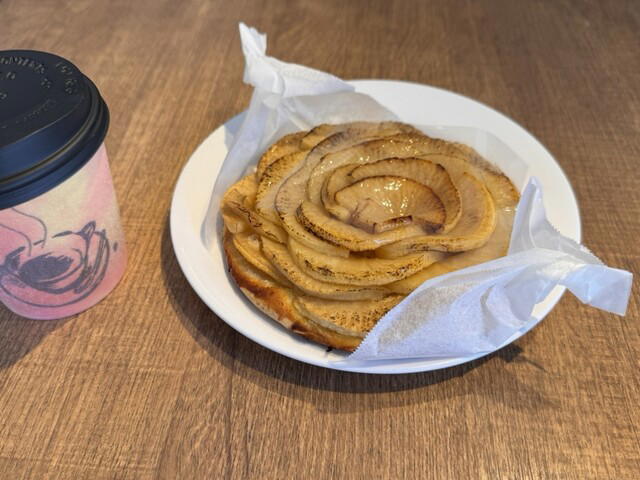
The menu
What to order
- French-style breads
- Pastries
- Rillettes
- Deli side dishes
Approaching a bread shop in Kobe changes the tempo of eating. The city’s grand food reputation often begins with beef, port trade, and European-style confectionery, but its everyday craft is just as visible in bakeries where the visit is short, purposeful, and governed by what has come out of production rather than by the pacing of a restaurant table. Place de Pasto belongs to that focused ritual: bread, side dishes, delicatessen items, and cafe use folded into a format where the counter matters more than a dining room.
Kobe is one of Japan’s more natural homes for this kind of bakery culture. The city’s long port history helped normalize Western-style baking earlier than in many inland cities, and the local appetite for pan, sandwiches, and prepared foods has never been a minor side story. In that context, a recognised bakery is not simply a place to buy breakfast. It is part of the city’s daily food infrastructure, closer to a local habit than a formal meal.
Kobe's bread ritual rewards timing, not ceremony
The key distinction here is format. This is not a tasting-menu room trying to turn bread into theatre; it is a bakery-cafe whose appeal sits in the categories it lists: bread, side dishes, delicatessen items, and cafe use. That puts the reader in a different frame of mind from Kobe’s beef counters and yoshoku rooms. A visit is brief, selection-driven, and tied to production rhythm. The useful comparison is with the city’s casual daytime food culture, where the quality signal often comes from repetition, turnover, and a narrow sense of purpose.
Recognition gives the format weight. Place de Pasto appears in the 2022 Tabelog Hyakumeiten source, a reference point that matters because bread in Japan is a crowded category. Its Tabelog score is 3.62, a strong mark within a platform where scores tend to move cautiously. The source display order should not be read as an official ranking, but the recognition is enough to put the shop inside Kobe’s serious bakery conversation rather than the casual snack tier.
That distinction matters for travellers. Kobe’s dining map can pull visitors toward set-piece meals, but bakery stops often show the city at a more local scale. The same day can hold beef, coffee, and bread without turning into a checklist. Readers building a Kobe food route might pair this bakery register with other Kobe dining rooms, then use the city’s quieter daytime stops to understand the slower end of local habits.
A focused format changes the etiquette
Bakery-cafes ask for a different kind of attention than restaurants with servers, courses, and reservations. The etiquette is efficient: arrive with appetite, read the room quickly, and treat any pause as secondary to choosing well. Place de Pasto is best approached as a focused Kobe stop rather than as a venue for a hosted meal or a long group session.
The category mix also explains the audience. Bread alone can draw purists, but side dishes and delicatessen items make the stop more flexible: a light lunch, a take-away-style meal component, or a pause between errands in Kobe. That hybridity is common in Japan’s better bakeries, where the boundary between bakery, cafe, and prepared-food counter is often less rigid than in European models. The pleasure is practical. A good bakery visit can solve a meal without announcing itself as one.
Within Kobe, that places the shop in conversation with casual addresses rather than formal dining rooms. Comparison venues such as Fuji, Fumi, Grill Ippei Shinkaiti honten, Okada Shokuhin Kabushiki Gaisha, and Yoshoku no Fuji occupy different food traditions and different roles in a day of eating. The useful point is not that these places compete dish for dish; it is that Kobe’s appeal often sits in modest formats with clear local use-cases.
For a broader itinerary, the city rewards mixing categories rather than chasing a single cuisine. Other casual dining in Kobe and the wider edit in Our full Kobe restaurants guide give a better read of the city than a beef-only plan. Travellers extending the trip can also use Our full Kobe hotels guide, Our full Kobe bars guide, Our full Kobe wineries guide, and Our full Kobe experiences guide to keep the food day anchored by city logic rather than by isolated stops.
How to read the recognition
Tabelog’s Hyakumeiten references are useful for categories that Michelin-style coverage often underrepresents. Bread is exactly that kind of category: technically demanding, locally competitive, and easy to underrate from outside Japan because it rarely comes with a chef biography or formal menu narrative. A 2022 Hyakumeiten listing signals visibility in a field where daily execution matters. It does not turn a bakery into a luxury restaurant, and it should not be judged by that template.
The better question is what role this stop plays in a Kobe day. For visitors who understand Japanese bakery culture, Place de Pasto reads as a disciplined, focused address in a city with deep bread habits. For travellers new to Kobe, it offers a corrective to the idea that the city’s food identity begins and ends with steak. The smarter itinerary gives bread its own slot: not as filler between reservations, but as evidence of how Kobe eats when formality drops away.
That same lens can carry beyond Kobe. Japan’s regional casual-food map is broad, and unnamed dining rooms across the country show how compact formats can matter as much as formal restaurants. For readers pairing Japan with overseas travel, Japanese-inspired casual formats abroad show how familiar ideas travel, change, and find new audiences.
Frequently asked questions
What price level is Place de Pasto?
Pricing at Place de Pasto is listed as JPY 1,000 - JPY 1,999 JPY 1,000 - JPY 1,999 View spending breakdown.
Is Place de Pasto open every day?
Check the venue's official channels for the latest schedule.
Where is Place de Pasto located?
Kobe.
What do critics highlight about Place de Pasto?
Critics point first to the recognition: Place de Pasto appears in the 2022 Tabelog Hyakumeiten source, with a Tabelog score of 3.62. Its listed categories are bread, side dishes, delicatessen, and cafe, making it a focused Kobe bakery-cafe rather than a long-stay restaurant.
How does Place de Pasto handle allergies?
Because Place de Pasto lists bread, side dishes, delicatessen, and cafe categories, direct confirmation matters for allergy-sensitive visitors. Check the venue's official channels for the latest details.
Cuisine and Recognition
Side-by-side context: comparable cuisine and price.
| Venue | Cuisine | Price | Awards | Notes |
|---|---|---|---|---|
| Place de PastoThis venue (the venue you are viewing) | French-inspired bakery & deli | Not listed | Tabelog 100 #63 | Not listed |
| Ca marche | Bakery Café | $1–10 | Tabelog 100 #19 | Chūō |
| arima gelateria Stagione | Handmade Gelato & Café | $1–10 | Tabelog 100 #10 | Kita |
| Kobe Turkish Rice | Japanese Yoshoku Turkish Rice | $10–20 | Tabelog 100 #24 | Hyōgo |
| Piaccollina Sai | Cheesecake & cake specialty shop | $1–10 | Tabelog 100 #1 | Suma |
| anthem | Cheesecake-focused Cafe & Bar | $10–20 | Tabelog 100 #94 | Chūō |
Recognition history
Dated appearances from independent guides and award organizations, with the underlying list record or original source where available.
Tabelog 100 #63 · No. 63
Tabelog · Tabelog 100 - Bread - WEST - 2022
Continue exploring
More in Kobe
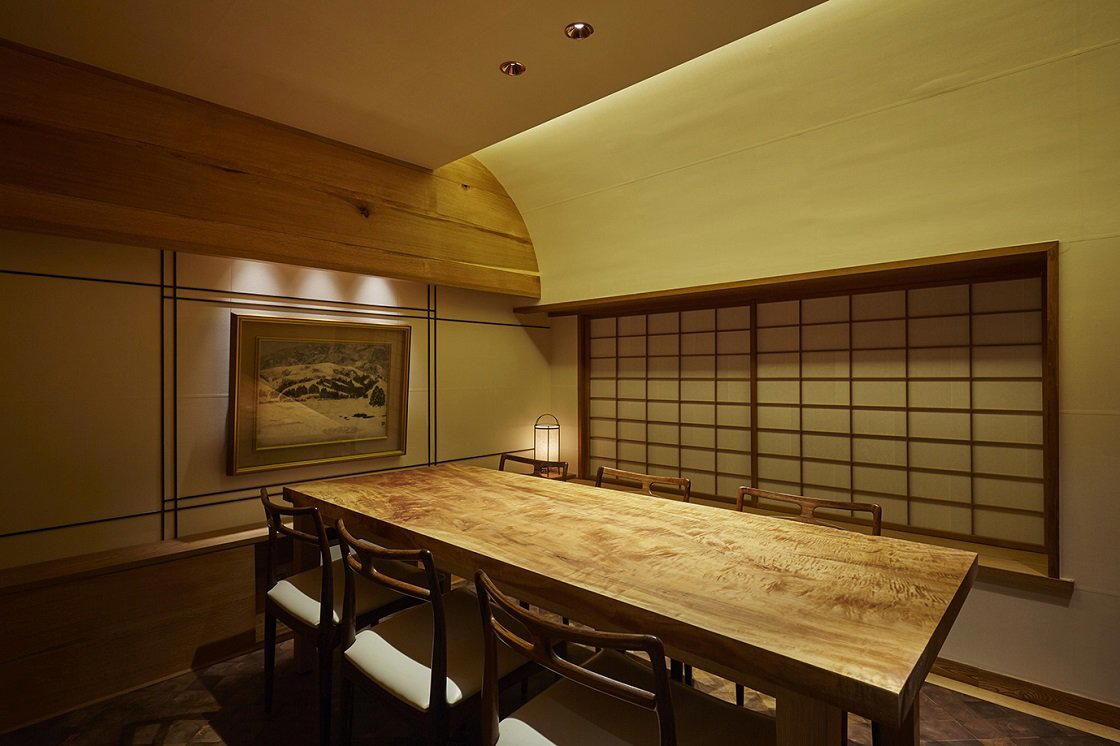
Restaurants in Kobe
All restaurants in Kobe →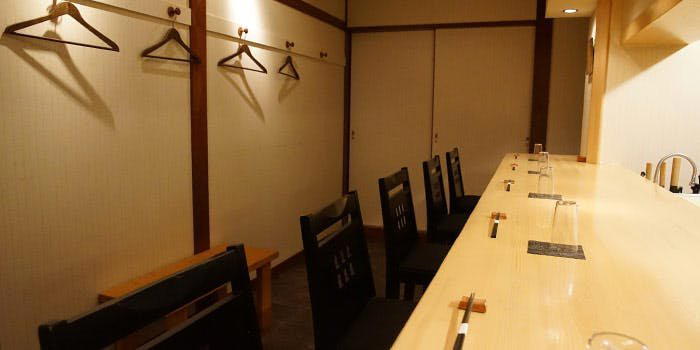
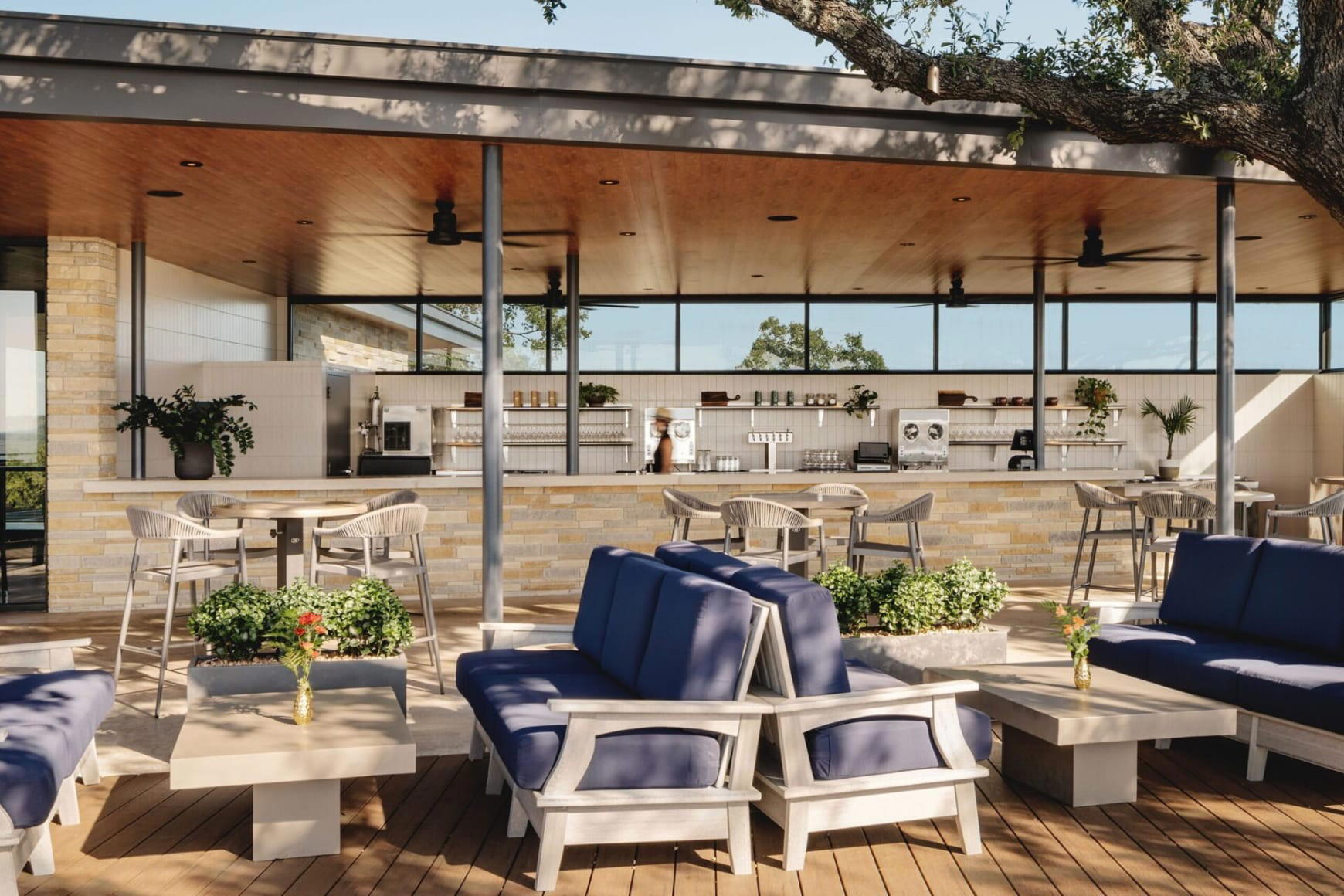

Bars in Kobe
Browse all →





Details
- Cozy
- Solo
- Casual Hangout
- After Work
- Standalone
- A La Carte
- Counter Dining
Current opening hours
- Monday
- Closed
- Tuesday
- Closed
- Wednesday
- Closed
- Thursday
- 9 AM–6 PM
- Friday
- 9 AM–6 PM
- Saturday
- 9 AM–6 PM
- Sunday
- 9 AM–6 PM
Hours can change for holidays and private events. Hours as of .
A compact, low-key bakery with a warm, neighborhood feel, more functional than decorative, where guests quickly pick up breads, pastries, and deli items rather than linger for long meals.