
Kyoto’s wagashi culture is not limited to tea ceremony formality; it also lives in small specialist shops where take-out sweets carry serious local weight. Fuka Fuchomae honten sits in that quieter category, selected for Tabelog’s Japanese traditional sweets and sweets WEST lists across multiple years, with a low-price format that makes it useful for travelers reading Kyoto through craft rather than ceremony alone.
Pearl is the En Primeur Club membership app — saves, bookings, and concierge access live there. Same editors, same standards.
- Address
- Japan, 〒602-8031 Kyoto, Kamigyo Ward, Higashiuratsujicho, 413 602-8031 京都府京都市上京区西洞院通椹木町上る
- Phone
- +81 75-231-1584
- Website
- fuka-kyoto.com
 Saves & bookings on Pearl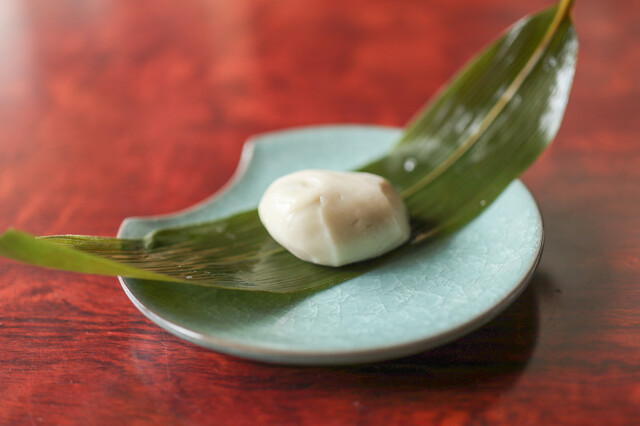
On the quieter side of central Kyoto, away from restaurant corridors that pull first-time visitors toward dinner, the city’s sweet shops demand different attention. Their rhythm is daytime, local, and precise: wagashi bought for home, family visits, tea, the office, and small social obligations that keep Kyoto’s food culture alive beyond formal dining rooms. Fuka Fuchomae honten belongs to that register. Its value is not theatrical service or a long counter performance, but the older Kyoto habit of treating sweets as craft, gift, season marker, and daily purchase.
Kyoto is often misread through expensive set pieces. Kaiseki, temple-adjacent tofu, and private-room dining dominate its international image, yet wagashi is one of the clearest ways to understand Kyoto restraint. The category rewards shape, timing, texture, and use, not abundance. A specialist sweet shop with repeated Tabelog 100 selection is not competing with tasting-menu restaurants; it sits closer to tea culture, the confectionery calendar, and the domestic gift economy. For travelers building a food day around breadth rather than one grand meal, that distinction matters.
Kyoto sweets as daily craft, not dessert course
Japanese traditional sweets occupy a separate lane from Western pastry in Kyoto. Often tied to tea, seasonal language, and regional memory, they follow a timetable apart from restaurants. The point is not to finish dinner with sugar; it is to buy something specific, often early enough to serve or carry elsewhere. Fuka Fuchomae honten’s take-out format places it inside that practical tradition, where front-of-house work means accuracy: order handling, packing, pace, and helping a small shop serve regulars without theatre.
The shop’s recognition gives that modest format sharper context. It was selected for Tabelog’s Japanese traditional sweets / Japanese sweets cafe WEST 100 in 2023, and its listed recognition also includes appearances on Tabelog Sweets WEST 100 in 2018, 2019, 2020, and 2022. In a city dense with confectionery history, that pattern signals durability rather than a single-season spike. The listed Tabelog score of 3.68 also places it where local specialists can carry authority without the international fame or pricing pressure of Kyoto’s reservation-led dining rooms.
Kyoto’s food scene is split between destination meals and small, repeatable rituals. A curry counter such as Kyoto Curry Seisakusho Kariru, a Japanese restaurant such as Kaji, a French room such as MOKO, and an Italian address such as Etto answer different questions about where to eat. A wagashi shop asks a quieter one: what does the city consider worth buying before evening begins? Fuka Fuchomae honten shows that Kyoto’s craft hierarchy is not limited to chefs working multi-course menus.
The team dynamic is retail precision: maker, packer, regular
The romance of Japanese sweets often centers on the artisan, but the operation is collaborative. A shop like this depends on the unseen handoff between production and counter: sweets made for a narrow window, staff managing take-out flow, packaging that protects form, and customers who understand timing. That front-room choreography is part of the experience. It needs no chef’s-table language to show discipline.
For visitors, the right frame is not “dessert stop” but “Kyoto errand with high standards.” The low listed spend, under JPY 999, changes the travel calculus. It lets a serious food traveler add a recognized wagashi specialist to a day shaped by higher-ticket meals without turning every Kyoto food decision into a reservation contest. That is especially valuable in Kamigyo, where administrative and residential texture differs from the hotel-heavy east and the shopping pull around Shijo.
The location explains the tone. Kamigyo is not a single postcard neighbourhood; it is a working Kyoto district of offices, homes, older streets, and cultural institutions. Its food rhythm rewards daytime planning. A sweets shop here reads less like a tourist stage and more like part of the city’s ordinary hospitality system. Children are welcome, the setting is listed as family friendly, and the format suits a short, deliberate stop rather than a lingering meal.
Kyoto’s broader dining map makes that stop more interesting. Around Shijo and Karasuma, contemporary casual addresses such as 3TOKU6MI Shijo karasuma ten, popular comfort-food names such as 551蓬莱, and sharper modern rooms such as [ki:] and Abbesses show a city comfortable moving between everyday appetite and specialist craft. For sweets, Aburi Mochi Honke Nemoto Kazariya sits in a more overtly historic lane, a useful contrast: not all Kyoto confectionery works through the same ritual or setting.
How to place it inside a Kyoto food day
The sensible use of Fuka Fuchomae honten is as a daytime anchor in a wider Kyoto itinerary, not a replacement for lunch or dinner. Build it into a route that respects the city’s category divisions: sweets in the morning or afternoon, a casual meal later, then a more formal booking if that is the point of the day. Kyoto rewards sequencing. Treat wagashi as its own appointment and the city becomes easier to read.
Travelers comparing Kyoto across categories should think in layers. Restaurants explain appetite and technique; bars explain after-dark neighbourhoods; hotels explain how a visitor occupies the city; experiences explain cultural structure. The broader can help map those layers through our full Kyoto restaurants guide, our full Kyoto hotels guide, our full Kyoto bars guide, our full Kyoto wineries guide, and our full Kyoto experiences guide.
Viewed nationally, Fuka Fuchomae honten clarifies how Japan’s casual and specialist food cultures travel across cities. A Kyoto wagashi errand has little in common with beef sukiyaki in Kamakura, tuna and charcoal grilling in Tokyo, cafe culture in Osaka, or curry in Sapporo, yet the shared thread is specificity: narrow formats, local expectations, and clear value. For comparison across Japan and beyond, see -Grilled beef Sukiyaki- KAMAKURA TANUKIAN 鎌倉 たぬき庵 in Kamakura,. 鮪と炭火焼き うお炭 秋葉原店 in Tokyo,.cafe in Osaka,.know in Kumamoto, (Shoku) Vietnam in Kawasaki, [Curry Senmon Ten] Maruyama Kyoju. in Sapporo, Jōdo Saké Bar in Los Angeles, and Onigiri Time in Pasadena.
The editorial case is concise: this is Kyoto food culture at small scale, with enough third-party recognition to merit attention and enough restraint to avoid spectacle. The shop is most useful for travelers who care how a city eats between reservations. In Kyoto, those in-between purchases often say as much as the long meals.
Just the Basics
Comparable venues at the same tier for side-by-side context.
| Venue | Cuisine | Price | Notes |
|---|---|---|---|
| Fuka Fuchomae hontenThis venue — the venue you are viewing | $ | ||
| Okashi Tsukasa Juko | Kamigyō, Japanese Wagashi | $ | |
| Miyoshiya | Higashiyama, Japanese Traditional Sweets | $ | |
| Ryokujuan Shimizu | Sakyō, Japanese Traditional Sweets | $ | |
| Ajari Mochi Honpo Kyogashi Tsukasa Mangetsu Honten | $ | Sakyō, Traditional Japanese Wagashi & Mochi Shop | |
| Menya Takei Honten | $ | Kyoto Station area, Japanese Tsukemen / Ramen |
Continue exploring
More in Kyoto
Restaurants in Kyoto
Browse all →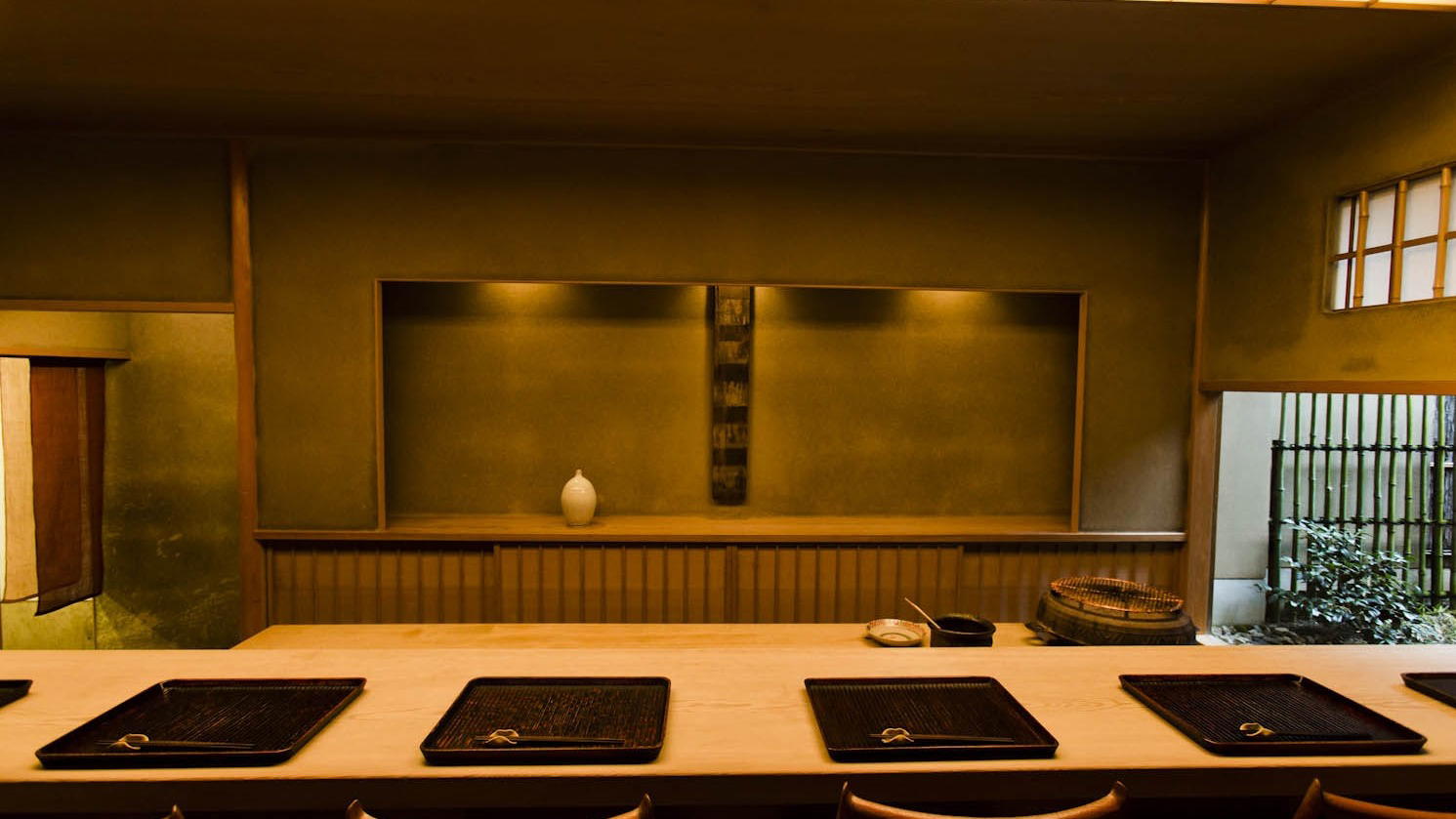
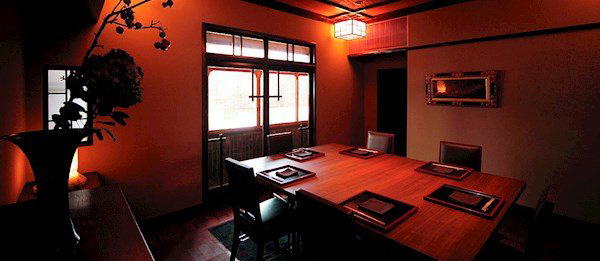
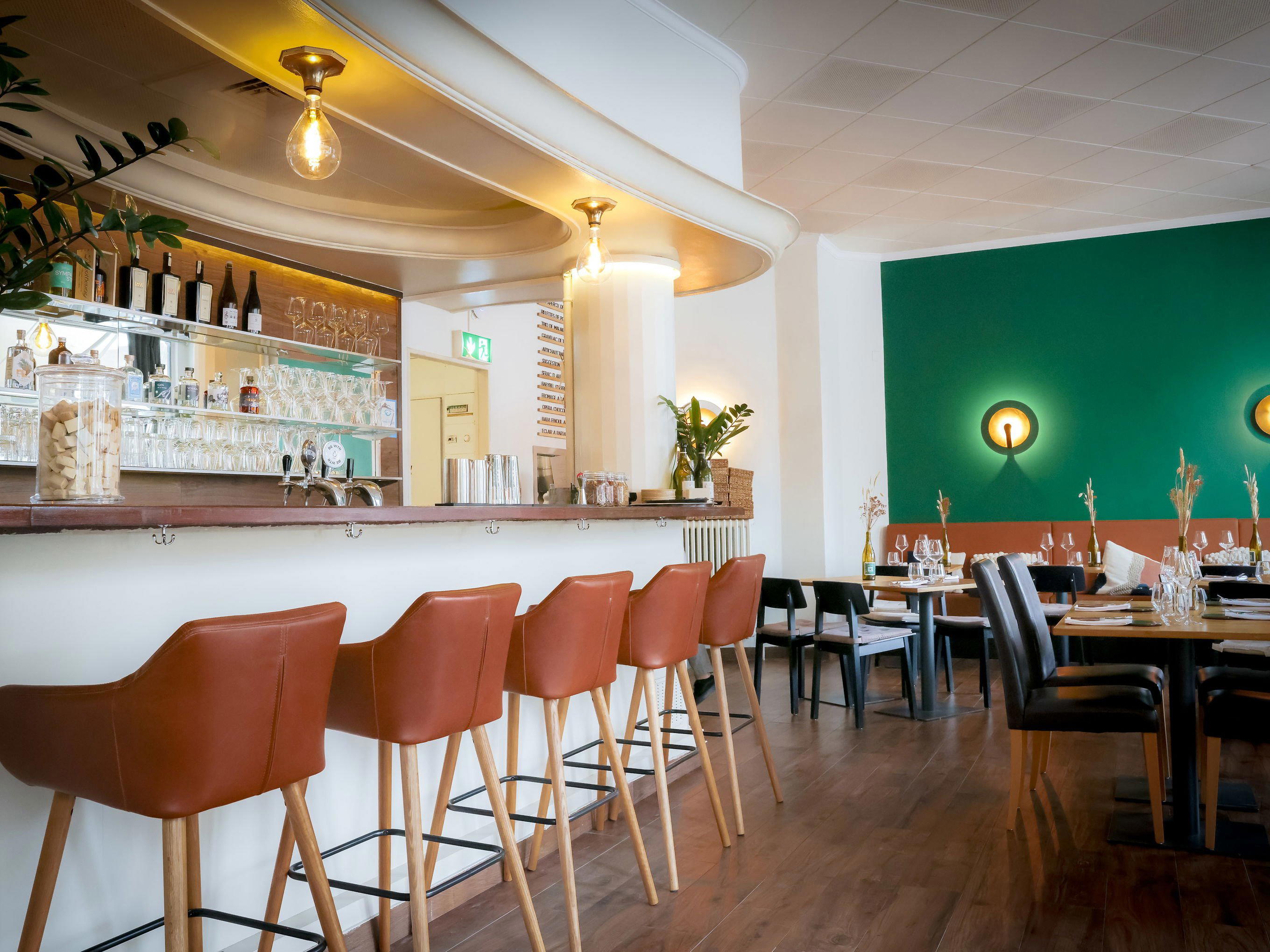
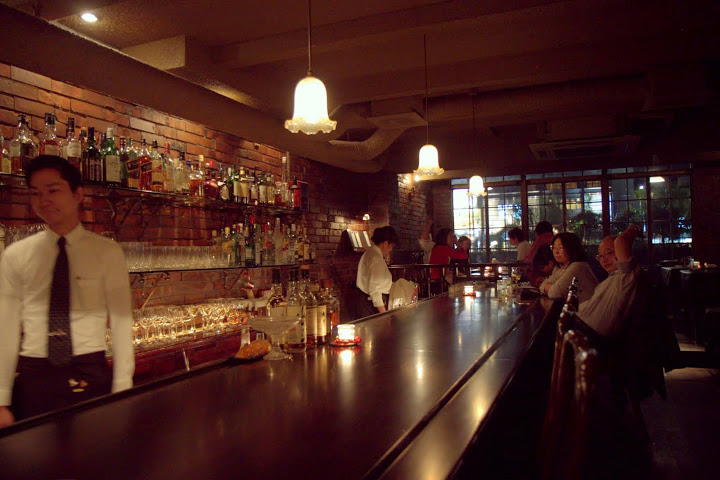
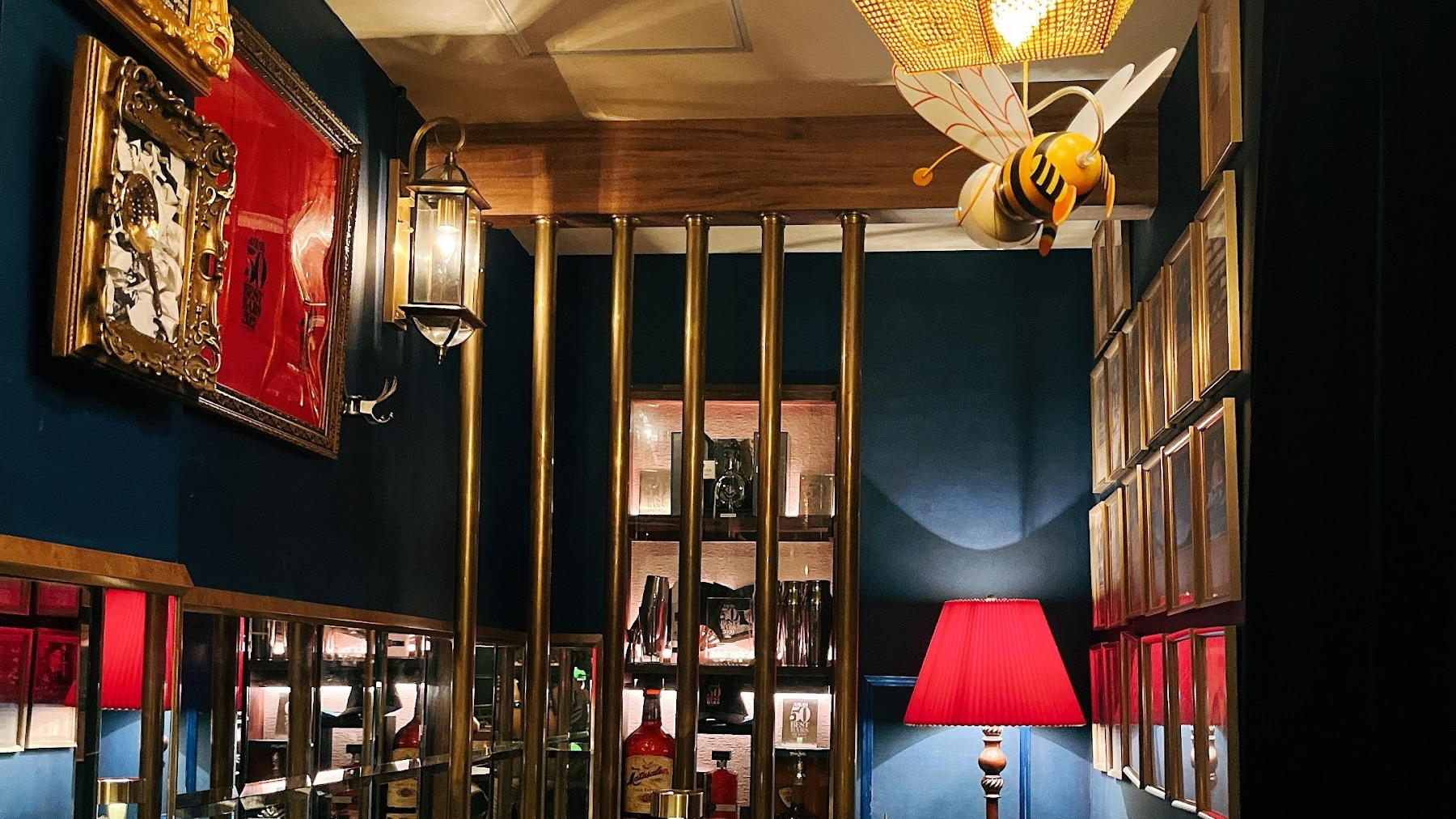
Bars in Kyoto
Browse all →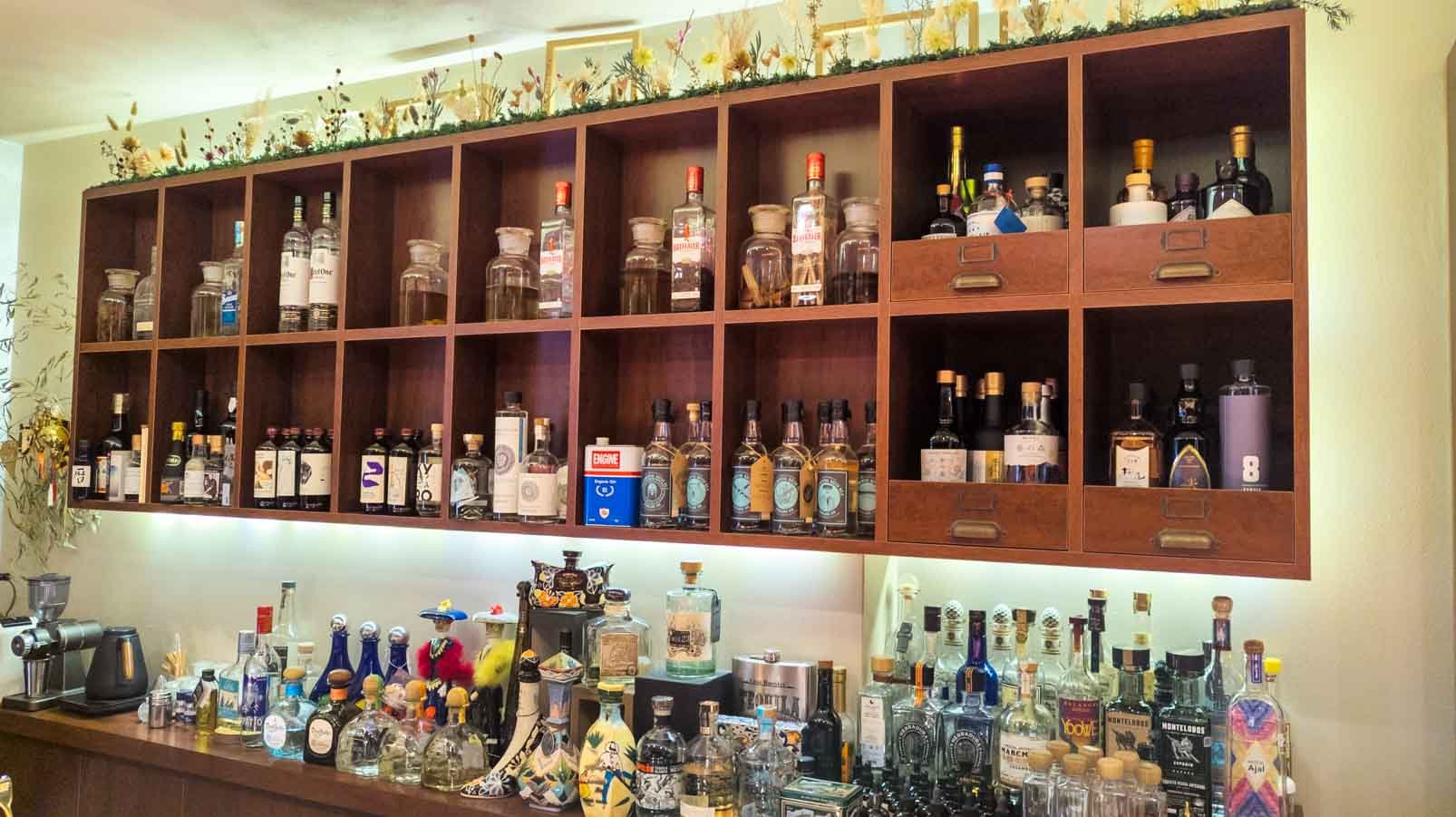
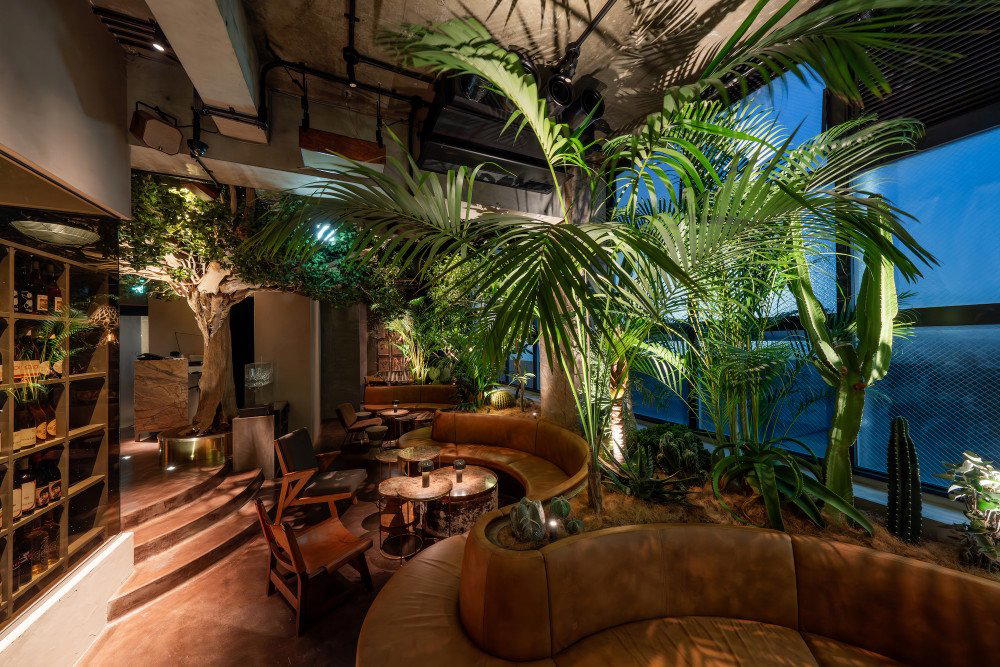

Hotels in Kyoto
Browse all →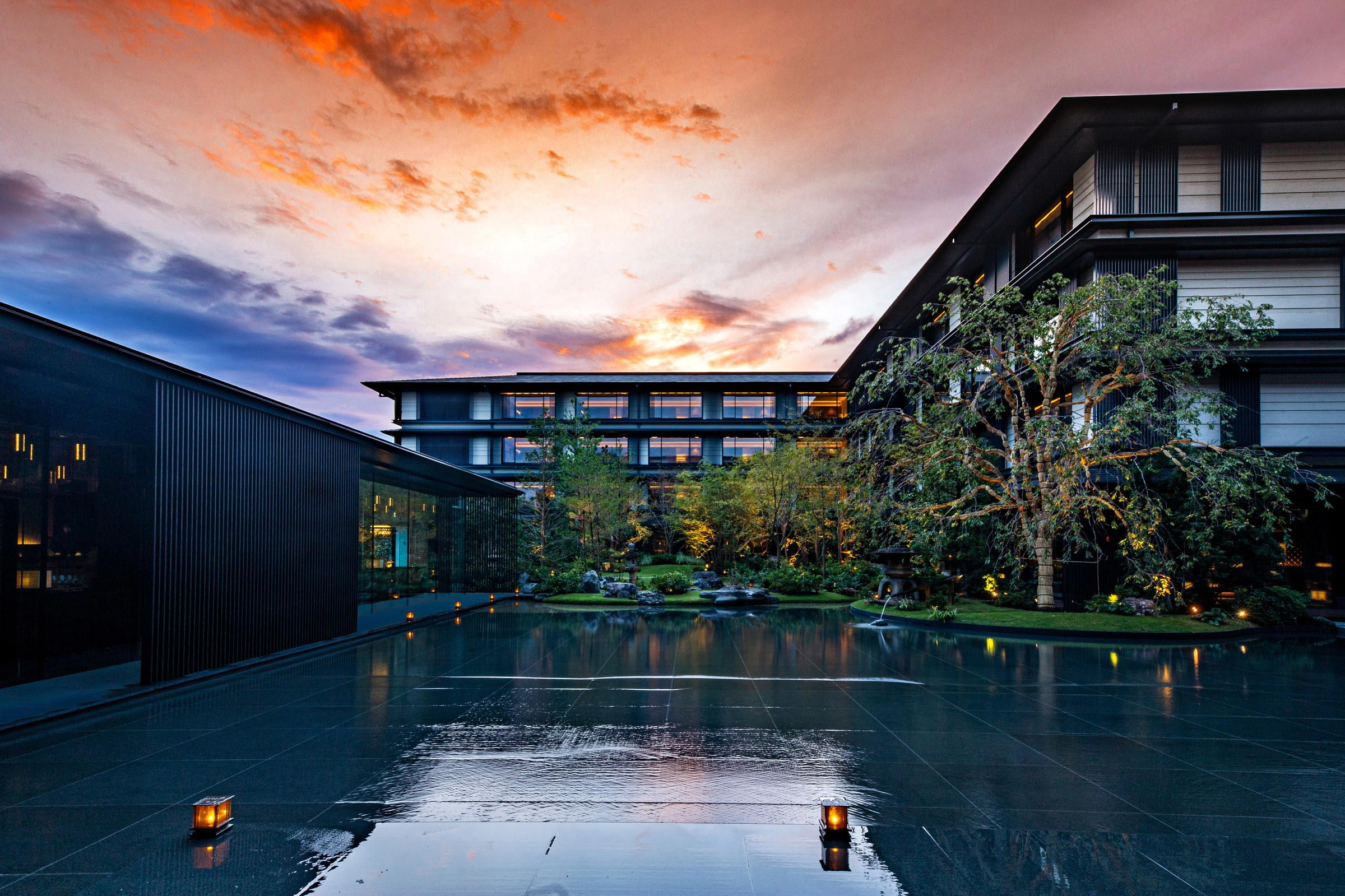
Wineries in Kyoto
Browse all →
At a Glance
- Classic
- Quiet
- Cozy
- Hidden Gem
- Solo
- Casual Hangout
- Family
- After Work
- Historic Building
- Standalone
- Local Sourcing
Traditional Kyoto machiya atmosphere with a calm, quiet setting focused on appreciating delicate wagashi and nama-fu rather than a full restaurant experience.