
Ryokujuan Shimizu belongs to Kyoto’s disciplined wagashi culture, where small formats and strict craft matter more than spectacle. Its Tabelog 100 selection for Japanese traditional sweets and sweets in WEST lists across multiple years places it in a serious regional conversation, especially for travelers interested in take-away confectionery rather than café dining.
Pearl is the En Primeur Club membership app — saves, bookings, and concierge access live there. Same editors, same standards.
- Address
- 38番地2 Yoshidaizumidonocho, Sakyo Ward, Kyoto, 606-8301, Japan
- Phone
- +81 75-771-0755
- Website
- konpeito.co.jp
 Saves & bookings on Pearl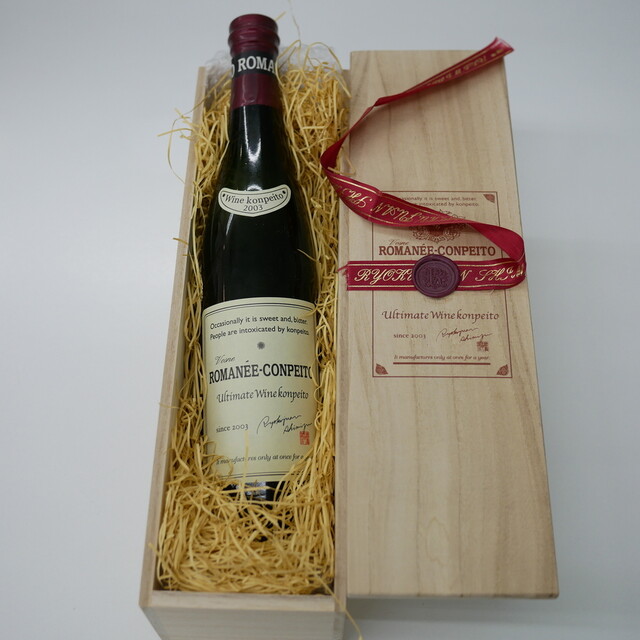
Approaching the sweets culture of northern Kyoto means leaving behind the restaurant rhythm of courses, pairings, and counter theatre. Around Demachiyanagi and the university-side streets of Sakyo Ward, wagashi works on a smaller scale: boxed, carried, given, opened later. Ryokujuan Shimizu sits inside that tradition as a take-away specialist, not a salon built around lingering. The point is not a long meal; it is the precision of selection, packaging, and restraint.
Kyoto’s confectionery scene has always rewarded literacy. A traveler who understands the difference between temple-side aburi mochi, formal tea sweets, and everyday gift confectionery reads the city more clearly. For a contrasting old Kyoto sweet-shop format, Aburi Mochi Honke Nemoto Kazariya frames sweetness through shrine-adjacent ritual and grilled mochi. Ryokujuan Shimizu works in a different register: compact, portable, and built around the logic of Japanese traditional sweets rather than a seated food stop.
Konpeito as a Kyoto menu, not a souvenir shelf
The useful way to read the selection is as menu architecture. In many Kyoto sweet shops, the offer divides between seasonal namagashi, tea-room service, and boxed gifts. Here, the take-away format pushes attention toward confectionery as an object of choice: category, quantity, presentation, and intended recipient matter. That structure suits konpeito especially well, because the candy’s cultural role is tied as much to gifting and ceremony as to immediate consumption.
The venue’s recognition sharpens that point. It was selected for Tabelog 100 Japanese traditional sweets and Japanese sweets cafe WEST in 2023, with earlier Tabelog 100 sweets WEST selections listed for 2022, 2020, 2019, and 2018. Those are not Michelin-style restaurant stars, and they should not be read as a dining-room verdict. They do, however, signal repeated attention within western Japan’s sweets category, where small specialist shops compete against tea houses, cafés, and long-running confectioners.
That makes the shop useful for a particular Kyoto itinerary: not the traveler trying to fill an evening, but the one building a day around craft categories. Nearby dining may pull in another direction entirely. 3TOKU6MI Shijo karasuma ten, 551蓬莱, [ki:], and Abbesses show how broad the city’s restaurant map has become, from casual utility to contemporary kitchens. A confectionery stop like this belongs to a separate grammar, closer to tea culture and seasonal giving than to restaurant comparison.
Where it fits in Kyoto's sweets hierarchy
Kyoto has many sweets specialists, but they do not all answer the same question. Ajari Mochi Honpo Kyogashi Tsukasa Mangetsu Honten, another Kyoto name in the comparison set, sits in the city’s everyday gift-sweet conversation at a lower listed spend. Ryokujuan Shimizu occupies a more specialist lane, where the purchase is less about filling a snack gap and more about choosing a precise confectionery form. That distinction matters for visitors who already have kaiseki, noodles, coffee, and bar reservations mapped out.
Compared with broader restaurant formats in Kyoto, the value proposition is also different. Droit and Bistro Cerisier speak to the city’s French dining strain; Oryori Hayashi belongs to the kaiseki conversation; Bakery Ryugetsudo sits in the baked-goods lane. Ryokujuan Shimizu is not competing with those meals. It adds a small but culturally specific layer to the day, especially for travelers who want Kyoto’s food culture beyond lunch and dinner reservations.
The practical reading is clear without turning the stop into an errand. This is a take-away-only sweet shop with no private rooms, no private-use format, and a no-smoking listing. Photography is not allowed inside, a detail that changes the behavior expected of visitors: choose, pay, and let the craft remain off-camera. Payment flexibility is stronger than many older small shops, with major credit cards and electronic money accepted, while QR code payments are not listed.
Ryokujuan Shimizu also sits near Demachiyanagi, an area that works well for travelers linking the Kamo River, university-side Kyoto, and northern temple routes. That location is useful because it removes the shop from the dense central shopping circuit. It rewards a day planned around Sakyo Ward rather than a last-minute detour from Shijo or Gion. For a wider city plan, use Our full Kyoto restaurants guide alongside Our full Kyoto hotels guide, Our full Kyoto bars guide, Our full Kyoto wineries guide, and Our full Kyoto experiences guide.
A small-format stop for travelers who care about category
The editorial case is strongest for visitors who treat confectionery as part of Kyoto’s cultural structure, not as a decorative add-on. A full day in the city can move from temple precincts to counter dining to whisky or sake without ever considering wagashi seriously. That misses a major local language: sweets are used to mark season, host, gift, and tea setting. A specialist counterpoint like Ryokujuan Shimizu makes that language easier to see.
The stop also suits travelers comparing Japan’s regional casual and specialist formats beyond Kyoto. -Grilled beef Sukiyaki- KAMAKURA TANUKIAN 鎌倉 たぬき庵 in Kamakura,. 鮪と炭火焼き うお炭 秋葉原店 in Tokyo,.cafe in Osaka,.know in Kumamoto, (Shoku) Vietnam in Kawasaki, and [Curry Senmon Ten] Maruyama Kyoju. in Sapporo each show how narrow formats can define a food trip. Outside Japan, Jōdo Saké Bar in Los Angeles and Onigiri Time in Pasadena extend that same idea: a small category, handled with discipline, often says more than a broad menu.
Verdict is simple. Ryokujuan Shimizu is for a Kyoto traveler who wants the city’s confectionery tradition in a concise, serious form. Its repeated Tabelog 100 sweets recognition, take-away-only structure, and position near Demachiyanagi make it a focused addition to a Sakyo Ward day rather than a substitute for a meal.
Peers Worth Knowing
Comparable venues at the same tier.
| Venue | Cuisine | Price | Notes |
|---|---|---|---|
| Ryokujuan ShimizuThis venue — the venue you are viewing | Japanese Traditional Sweets | $ | |
| Gyoza Hohei (ぎょうざ 歩兵) | Japanese Gyoza Specialist | $ | Gion |
| Ajari Mochi Honpo Kyogashi Tsukasa Mangetsu Honten | Traditional Japanese Wagashi & Mochi Shop | $ | Sakyō |
| Senmon Ten Gion honten | Kyoto Gion one‑bite gyoza specialty shop | $ | Higashiyama |
| Flip up! | Kyoto bakery & bagel shop | $ | Nakagyō |
| Kissa Madrague | Japanese Kissaten / Café | $ | Nakagyō |
Continue exploring
More in Kyoto
Restaurants in Kyoto
Browse all →
Bars in Kyoto
Browse all →
Hotels in Kyoto
Browse all →


Wineries in Kyoto
Browse all →
At a Glance
- Classic
- Quiet
- Hidden Gem
- Cozy
- Solo
- Casual Hangout
- Family
- Standalone
- Historic Building
A quiet, traditional specialty shop atmosphere with a long-established, artisanal feel rather than a full-service restaurant setting.