
Tabelog Bronze #237
Our verdict
A long-standing yoshoku counter in central Miyazaki, Ranpu Tei has earned Tabelog Bronze recognition three consecutive times (2021, 2022, 2026) and repeated selection for the Tabelog Yoshoku 100 list. With 27 seats and a wine-focused drinks program, it operates Tuesday through Sunday from 18:00, with online reservations available and a 10% service charge applied.

Pearl is the En Primeur Club membership app — saves, bookings, and concierge access live there. Same editors, same standards.
- Address
- Japan, 〒880-0002 Miyazaki, Chuodori, 8−16 第2 三輪ビル 中2階
- Phone
- +81 985-25-8337
- Hours
- Mon ClosedTue–Sun 6–11 PM
- Website
- lamptei-miyazaki.jp
- Directions
- Get directions
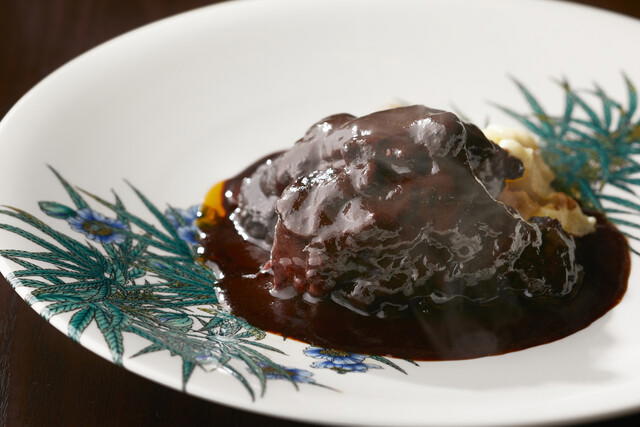
Where Western Technique Meets Japanese Discipline
Yoshoku — Japan's domesticated Western cuisine — occupies a peculiar and underappreciated position in the country's dining culture. Born from Meiji-era encounters with European cooking, it evolved into something distinctly Japanese: omu-rice, hayashi beef, cream croquettes, demi-glace built over days rather than hours. In most Japanese cities, yoshoku sits in an informal register, the kind of cooking associated with retro kissaten counters rather than reservation-only dining rooms. Miyazaki's Ranpu Tei argues against that positioning. The restaurant has held a 4.00 Tabelog score and earned Bronze recognition at the Tabelog Awards in 2021, 2022, and 2026, a run of consistency that places it among a small cohort of yoshoku establishments operating at serious restaurant level.
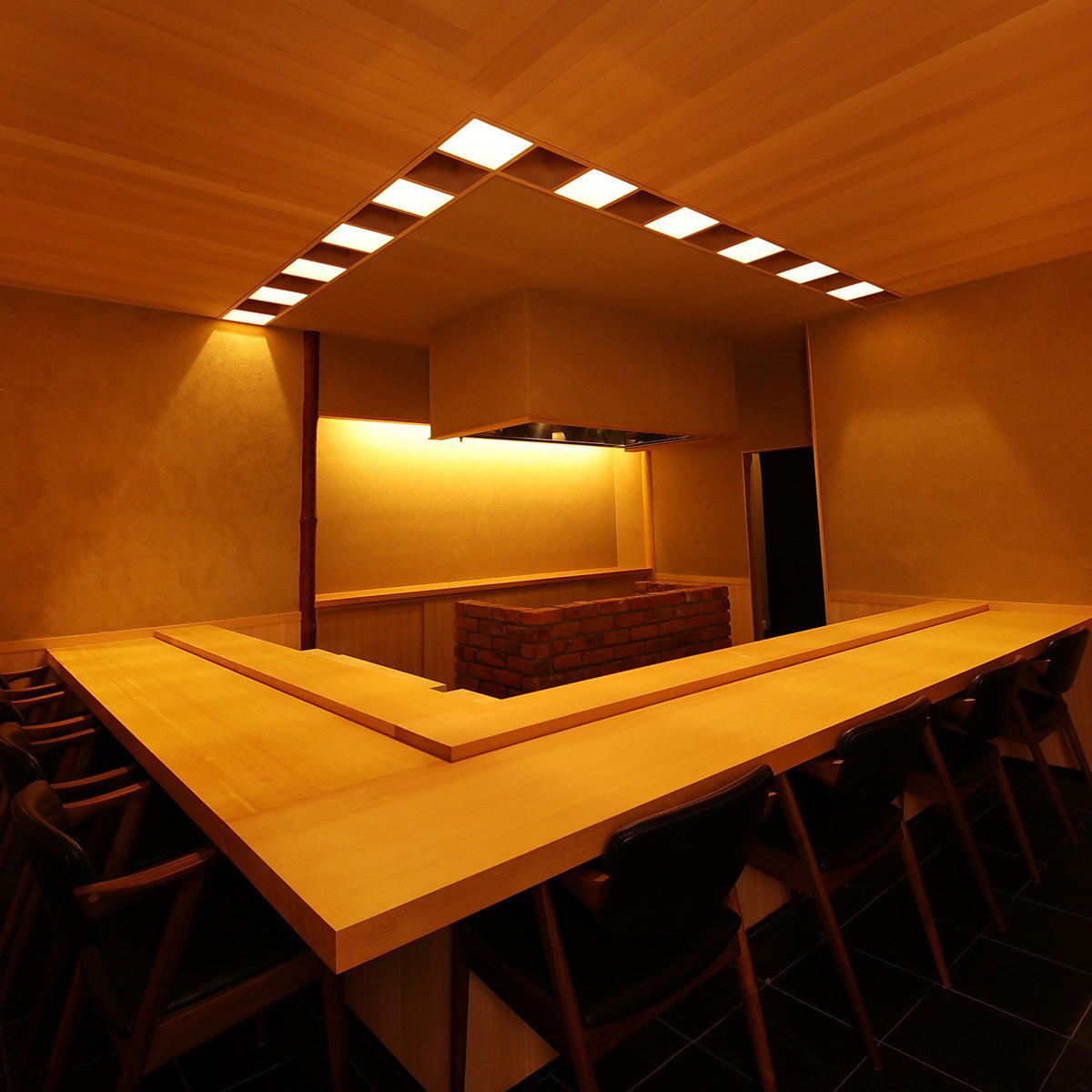
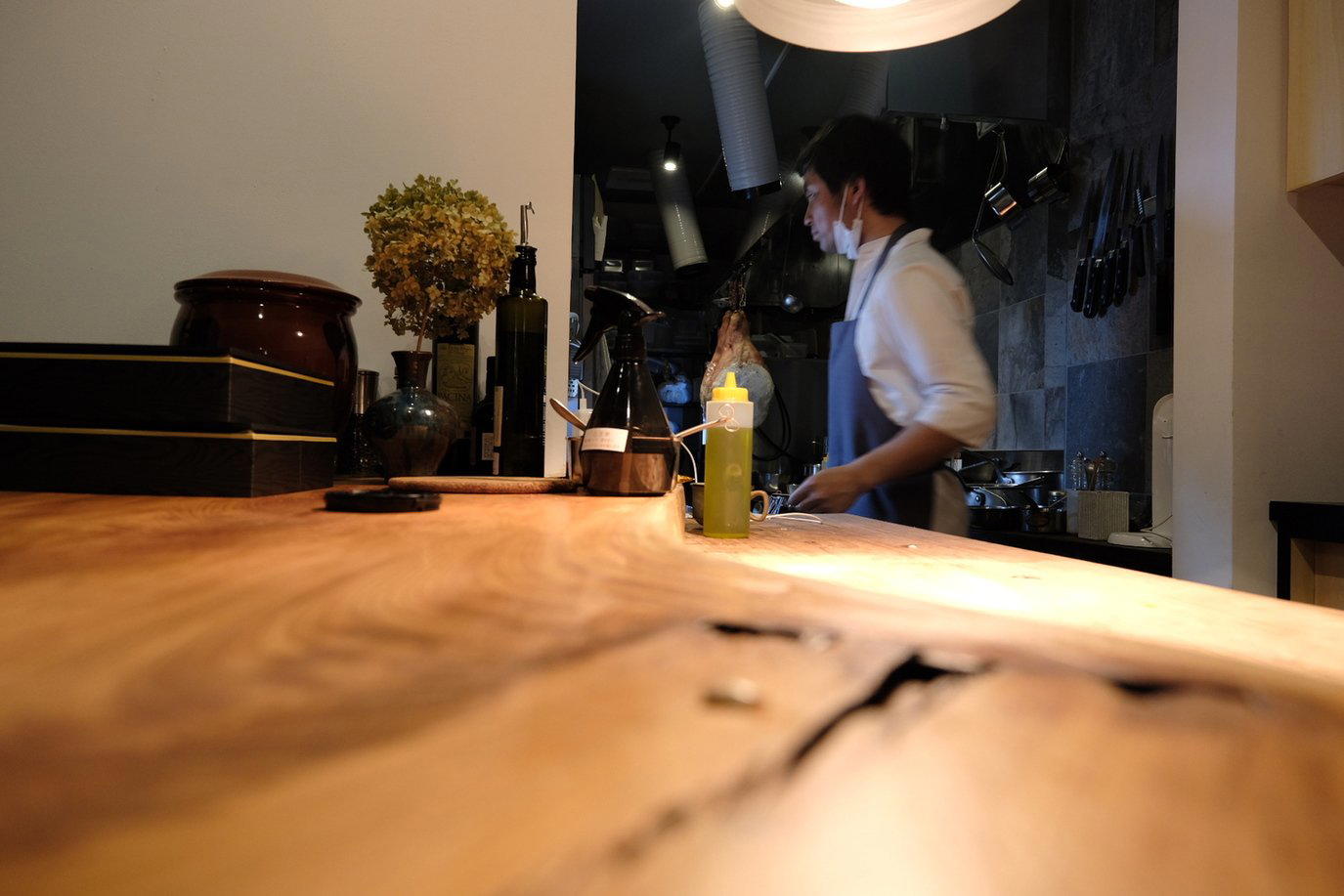
The venue is on the second floor of a building on Chuodori, Miyazaki's central commercial corridor, reached by a staircase that removes it from street-level noise. That slight remove matters. The 27-seat room, eight counter seats, nineteen at tables, with sofa seating woven through, functions as a proper dinner destination rather than a casual drop-in. The counter is the better seat, putting you close enough to the preparation zone to follow the progress of sauces and hear the characteristic hiss of protein meeting a hot surface. In yoshoku, the counter is where the cooking becomes an observable event.
The Yoshoku Counter as Performance
Japan's counter-dining culture runs across formats, sushi, kaiseki, yakitori, teppanyaki, and the shared logic is always the same: proximity to the cook gives the meal its structure and pacing. Yoshoku as a counter format is less common than its sushi equivalent, which makes establishments that execute it well worth paying attention to. At Ranpu Tei, the eight counter seats place diners at the edge of the kitchen's working surface, where the choreography of a multi-course Western dinner gets compressed into an intimate, watchable format.
This is not teppanyaki in the performance-spectacle sense associated with hotel dining rooms and theatrical knife tricks. The register is quieter and more focused. What you are watching is classical Western cooking technique, reduction, deglazing, the management of butter and timing, applied through the lens of a kitchen that has been doing this long enough to make it look unhurried. That sense of accumulated knowledge is part of what the Tabelog 100 selection in 2022, 2023, and 2025 is credentialing: not novelty, but sustained competence in a category that doesn't rotate trends as quickly as contemporary Japanese or fusion dining.
Guests seated at tables trade immediacy for comfort, and the sofa seating in particular makes the room functional for groups who want to extend dinner into a longer evening. The restaurant explicitly accommodates parties running over 2.5 hours, which signals that the kitchen's pacing is designed for a full sit, not a quick turn.
The Yoshoku 100 Cohort and What It Means in Context
Tabelog's category-specific 100 lists operate differently from the main award rankings. They are curated selections within a genre, designed to surface the strongest representatives of a cuisine type across a region. Being named to the Yoshoku WEST Tabelog 100 list, as Ranpu Tei was in 2022, 2023, and 2025, puts the restaurant in a peer group that spans Osaka, Kyoto, Kobe, and the broader Kansai and Kyushu belt. That a Miyazaki restaurant holds its position in that company across multiple years of selection reflects something about both the restaurant's consistency and the city's underestimation as a dining destination.
Miyazaki's fine-dining scene tends to attract attention for its ingredient credentials, Miyazaki Wagyu and local seafood draw visitors and chefs from across Japan, but the city's Western-influenced restaurants receive less coverage than their counterparts in Fukuoka or Kagoshima. Ranpu Tei operates somewhat outside that ingredients-forward narrative. Its claim is on technique and tradition rather than produce sourcing, which situates it differently from Miyazaki venues built around regional raw materials. For visitors building a broader eating agenda in Kyushu, that distinction matters: this is the city's representative in a classical yoshoku lineage, not its representative in local provenance dining.
Miyazaki's wider dining options run from the Dewaya and Hitotsu to sushi at Isshinzushi Koyo and the ramen counter at iwanaga. Chinese Sen operates a tier above Ranpu Tei on price (JPY 10,000–14,999 versus Ranpu Tei's JPY 8,000–9,999 listed range), giving the city a small but coherent cluster of destination-level dining at different price points. Our full Miyazaki restaurants guide maps the complete picture.
The Drinks Program and Extended Evening Format
Yoshoku and wine have a longer shared history in Japan than is sometimes acknowledged. The demi-glace and cream-based sauces that anchor the genre carry European provenance, and the wine pairings that work alongside them draw on the same logic as a European bistro dinner. Ranpu Tei's drinks list includes sake, shochu, and a wine program described as one the kitchen is particular about, a phrase that, in Japanese restaurant context, typically means a selection built with some intentionality rather than a generic house-pour approach. The combination of a curated wine list with a cuisine that can absorb both Burgundy-register reds and fuller-bodied whites gives the drinks pairing real range.
The shochu selection is worth noting separately. Miyazaki is one of Japan's primary shochu prefectures, with芋焼酎 (imo-jochu, sweet potato spirit) as a regional signature. A yoshoku restaurant that carries shochu alongside European wine is making a practical acknowledgment of where it sits geographically: technically Western in format, but rooted in a prefecture with its own spirits culture. For visitors coming from Japan's larger cities, say, someone who has been eating at Harutaka in Tokyo or HAJIME in Osaka, the combination reads as authentically regional rather than cosmetically so.
The broader Miyazaki scene beyond restaurants is covered in our [full Miyazaki hotels guide](), [Miyazaki bars guide](), [Miyazaki wineries guide](), and Miyazaki experiences guide.
Planning Your Visit
Ranpu Tei operates Tuesday through Sunday, opening at 18:00 with last orders at 22:30. Monday is the weekly close. The kitchen occasionally opens earlier, at 17:30, on an irregular schedule, worth confirming when booking. The restaurant takes online reservations and accepts major credit cards (Visa, Mastercard, JCB, Amex, Diners) as well as QR code payment systems including PayPay and Rakuten Pay. A 10% service charge is added to all bills. The listed dinner price is JPY 8,000–9,999 per person, though Tabelog review data suggests average spend runs closer to JPY 15,000–19,999 when drinks and extended ordering are factored in. Visitors should budget for the upper figure to avoid surprises.
There is no parking, which is standard for central Miyazaki. The address on Chuodori puts the restaurant within the city's walkable dining district. JR Miyazaki Station is approximately 1,100 metres away, a roughly 16-minute walk. The room is non-smoking throughout and children are welcome, making it one of the few Tabelog Award-level restaurants in the city with explicit family-friendly positioning. Private room hire is not available, but the full space can be taken for private events accommodating up to 50 people.
For comparative context across Japan's yoshoku and Western-influenced dining tier, the editorial team has covered Gion Sasaki in Kyoto, akordu in Nara, Goh in Fukuoka, and 1000 in Yokohama, as well as international reference points including Le Bernardin in New York City and Atomix in New York City.
Frequently asked questions
What's the address for Ranpu Tei?
Ranpu Tei is located at Japan, 〒880-0002 Miyazaki, Chuodori, 8−16 第2 三輪ビル 中2階, Miyazaki.
Is Ranpu Tei award-winning?
Ranpu Tei has received recognition including: {"Year":"2026","Award Source":"Tabelog","Award Type":"The Tabelog Award","Award Group":"bronze","Award Group Rank":"237","Restaurant Name":"Ranpu Tei","Score":"4.00","Budget":"Dinner: JPY 8,000 - JPY 9,999; Lunch: -","Budget Dinner":"JPY 8,….
What's the signature dish at Ranpu Tei?
No specific dish is confirmed in available documentation. The cuisine categories — yoshoku and European — point to the classical western-Japanese repertoire: demi-glace preparations, cream sauces, and European technique adapted through a Japanese lens. A Tabelog score of 4.00 and three Bronze awards suggest consistent execution across the menu rather than a single headline item.
What should I budget for a meal at Ranpu Tei?
Pricing at Ranpu Tei is listed as JPY 8,000 - JPY 9,999.
Can I walk in to Ranpu Tei?
Unlikely on most evenings. Ranpu Tei holds consecutive Tabelog Bronze awards (2021, 2022, 2026) and has appeared on the Yoshoku 100 list three times, which generates steady demand for a 27-seat room in a city not overserved by this level of cooking. Online reservations are available via Tabelog, and booking ahead is the practical approach.
City Peers
Comparable venues nearby, for context on price, style, and recognition.
| Venue | Cuisine | Price | Awards | Notes |
|---|---|---|---|---|
| Ranpu TeiThis venue — the venue you are viewing | Yoshoku (Japanese-style Western) | $30–50 | Tabelog Bronze #237 | Not listed |
| GIGLI | Seasonal Italian Fine Dining | $100–150 | Tabelog 100 #48 | Chuo-dori / Miyazaki City Center |
| イワナガ食堂 | Yoshoku (Japanese-Style Western Cuisine) | $100–150 | Tabelog 100 #67 | Tachibanadōri Higashi |
| 宮崎牛鉄板焼ステーキ ミヤチク | Miyazaki Beef Teppanyaki | $100–150 | Not listed | 新別府町 |
| iwanaga | Yoshoku (Japanese-Style Western Cuisine) | $100–150 | Tabelog 100 #67 | Tachibanadori |
| Oak | Cocktail Bar with Pasta & Curry | $10–20 | Tabelog 100 #1 | / Miyazaki City |
Recognition history
Dated appearances from independent guides and award organizations, with the underlying list record or original source where available.
Tabelog Bronze #237
Tabelog
Full recognition history (2 entries)
Tabelog 100 #61 · No. 61
Tabelog · Tabelog 100 - Yoshoku - WEST - 2025
Continue exploring
More in Miyazaki
Details
- Cozy
- Classic
- Elegant
- Date Night
- Special Occasion
- Standalone
- Sake Program
- Local Sourcing
- A La Carte
Current opening hours
- Monday
- Closed
- Tuesday
- 6–11 PM
- Wednesday
- 6–11 PM
- Thursday
- 6–11 PM
- Friday
- 6–11 PM
- Saturday
- 6–11 PM
- Sunday
- 6–11 PM
Hours can change for holidays and private events. Last verified .
Relaxed atmosphere with warm lighting from the namesake lamp, stained glass door, and paintings by local Miyazaki artists evoking a good old Western restaurant feel.