Fürstenfelder

A 2024 Michelin Bib Gourmand recipient set inside a converted cattle shed at the Cistercian monastery complex in Fürstenfeldbruck, Fürstenfelder serves contemporary dishes built on organic regional produce, with options from a Josper grill and a lunchtime buffet. The Bohemian vaulted ceiling and open kitchen define the room; a monastery courtyard terrace extends the experience outdoors. Chef Pete Murt leads the kitchen at the mid-range €€ price point.
Pearl is the En Primeur Club membership app — saves, bookings, and concierge access live there. Same editors, same standards.
- Address
- Fürstenfeld 15, 82256 Fürstenfeldbruck, Germany
- Phone
- +49 8141 88875410
- Website
- fuerstenfelder.com
- Directions
- Get directions
 Saves & bookings on Pearl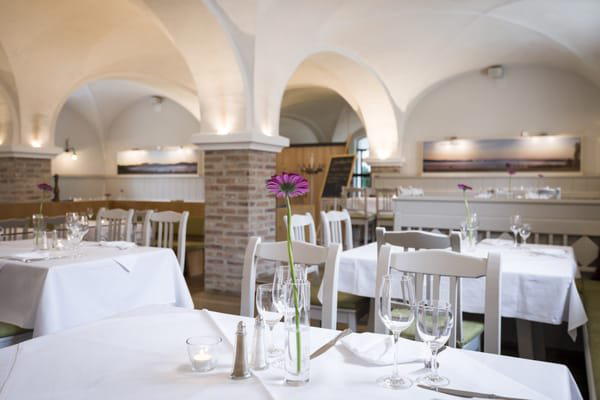
A Monastery Converted Into a Working Kitchen
There are historic dining rooms, and then there are rooms that make you reconsider what a restaurant interior can be. The former cattle shed at the Cistercian monastery complex of Fürstenfeld belongs firmly in the second category. The Bohemian vaulted ceiling, retained in full and now framing a modern interior with a centrally positioned open kitchen, produces a spatial tension between centuries-old stonework and active culinary production that few purpose-built restaurants can replicate. The address alone, Fürstenfeld 15, 82256 Fürstenfeldbruck, sets the register before you enter.
That friction between container and content is precisely what gives the room its character.
Where Fürstenfelder Sits in the German Contemporary Scene
Germany's contemporary dining spectrum runs from three-star temples like Aqua in Wolfsburg and Schwarzwaldstube in Baiersbronn down through a dense mid-tier where the Michelin Bib Gourmand, awarded to restaurants offering good cooking at moderate prices, does significant editorial work. That mid-tier is where Fürstenfelder operates with confidence. The €€ price point places it well below the €€€€ bracket occupied by destinations like Vendôme in Bergisch Gladbach or CODA Dessert Dining in Berlin, but the Bib Gourmand recognition signals that Michelin inspectors found the cooking worth flagging as a value proposition, not simply as a volume play.
Fürstenfelder occupies a specific niche: institutional setting, accessible pricing, and a menu built on organic and sustainably produced regional produce. That combination is not common. The Josper grill, a charcoal oven-grill combination favoured by kitchens that want controlled high-heat cooking without the inconsistency of open flame, signals a particular level of equipment investment that tends to show up in higher-priced venues. Its presence here, at the €€ tier, is worth noting. For broader context on the southern German contemporary scene, see also ES:SENZ in Grassau and JAN in Munich.
The Menu: Regional Produce, Modern Treatment
The menu at Fürstenfelder runs wider than the room might suggest. Organic and sustainably sourced regional ingredients form the base, but the treatment is contemporary rather than traditionally Bavarian. Josper-grilled dishes give one part of the menu a smoky, direct-heat character; vegetarian and vegan alternatives give another part of it a different logic entirely. That breadth reflects a kitchen calibrating for a mixed dining public.
In Germany, the buffet at lunch carries associations that this format works against: the lunch buffet at Fürstenfelder functions as a practical access point to the kitchen's output at a moment when the monastery complex draws visitors who may not be planning a full sit-down meal. It broadens the audience without diluting the dinner proposition. Chef Pete Murt oversees the kitchen, and his approach to the menu prioritises sourcing integrity and technique over elaborate plating conceits. The regional produce commitment is not decorative, it structures what the kitchen can offer and when.
The Terrace and the Courtyard
When conditions allow, dining moves outside into the monastery courtyard, where a terrace operates at a slight remove from the adjacent beer garden. The separation matters. The terrace preserves the restaurant's register, a more considered meal, at a slower pace, while the beer garden offers a different, looser proposition. Bavaria's summer months make the courtyard a primary reason to visit; the monastery stonework and open sky produce an outdoor setting that no urban restaurant patio can manufacture. The distinction between the terrace and the beer garden also means families and groups seeking a less structured afternoon have an adjacent option without disrupting the restaurant's dining rhythm.
Planning Your Visit
Fürstenfelder sits at Fürstenfeld 15 in Fürstenfeldbruck, a town approximately 25 kilometres west of Munich's city centre, making it a realistic destination from the city for lunch or an early dinner without requiring an overnight stay. The monastery complex itself draws visitors independently of the restaurant, so weekend visits in particular can see the courtyard and surrounding areas busy with cultural programme attendees. For a quieter experience, weekday lunches align well with the buffet format and tend to draw a different crowd from the evening dinner service. Booking ahead is advisable, particularly for the terrace in warmer months.
The price point makes Fürstenfelder accessible for regular visits rather than occasion-only dining.
In Context: Similar Options
Comparable venues nearby, for context on price, style, and recognition.
| Venue | Cuisine | Price | Awards | Notes |
|---|---|---|---|---|
| Fürstenfelder | Modern Organic German | $$$ | Bib Gourmand | Fürstenfeldbruck |
| Myra FFB | Turkish & Mediterranean | $$ | Not listed | Fürstenfeldbruck |
| Alte Posthalterei | Traditional Bavarian Gastronomy | $$ | Bib Gourmand | Zorneding |
| Brauereigasthof Aying | Refined Bavarian Regional Cuisine | $$$ | Michelin Plate | Aying |
| Forst's Landhaus | Seasonal Bavarian Regional Cuisine | $$ | Bib Gourmand | Riedenburg |
| Wirtshaus zum Herrmannsdorfer Schweinsbräu | Organic Bavarian Farm-to-Table | $$$ | Michelin Plate | Glonn |
Recognition history
Dated appearances from independent guides and award organizations, with the underlying list record or original source where available.
Michelin Bib Gourmand
Michelin
Michelin Bib Gourmand
Michelin
Michelin Bib Gourmand
Michelin
Continue exploring
More in Fürstenfeldbruck
Restaurants in Fürstenfeldbruck
Browse all →
Bars in Fürstenfeldbruck
Browse all →
At a Glance
- Cozy
- Elegant
- Classic
- Scenic
- Family
- Date Night
- Brunch
- Celebration
- Open Kitchen
- Terrace
- Historic Building
- Extensive Wine List
- Organic
- Local Sourcing
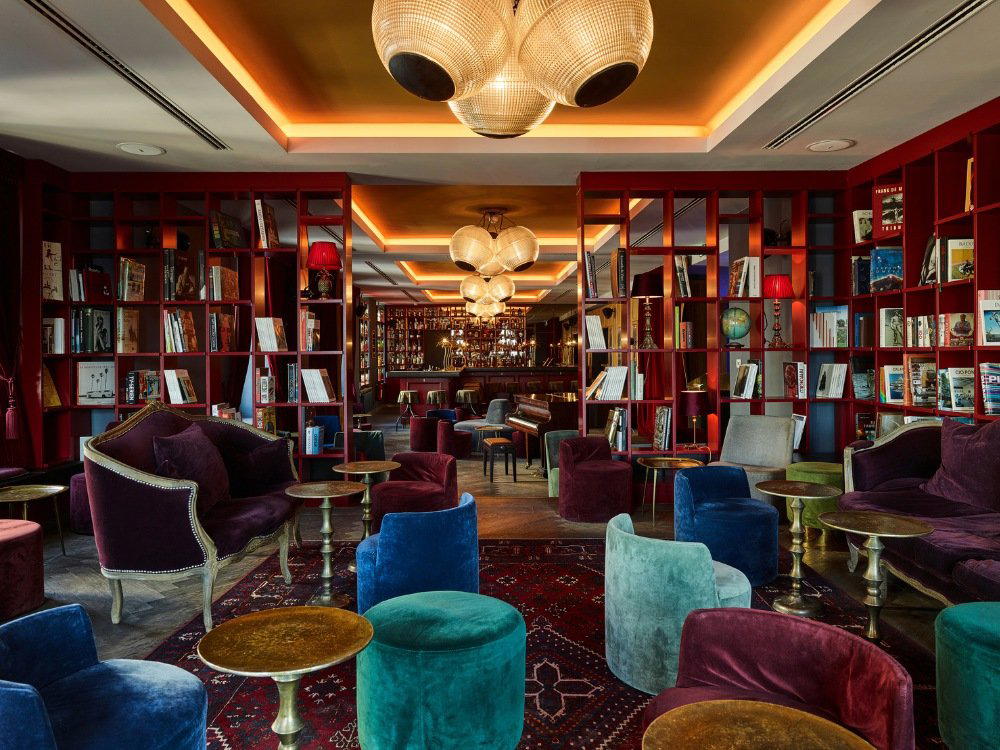
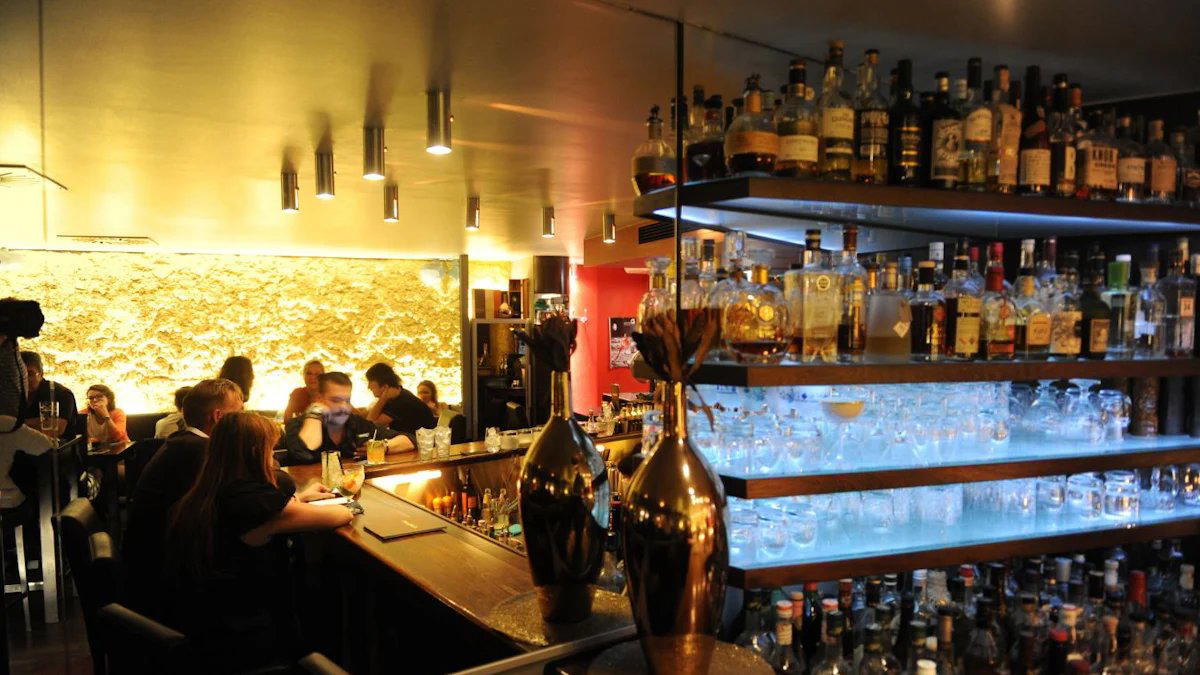
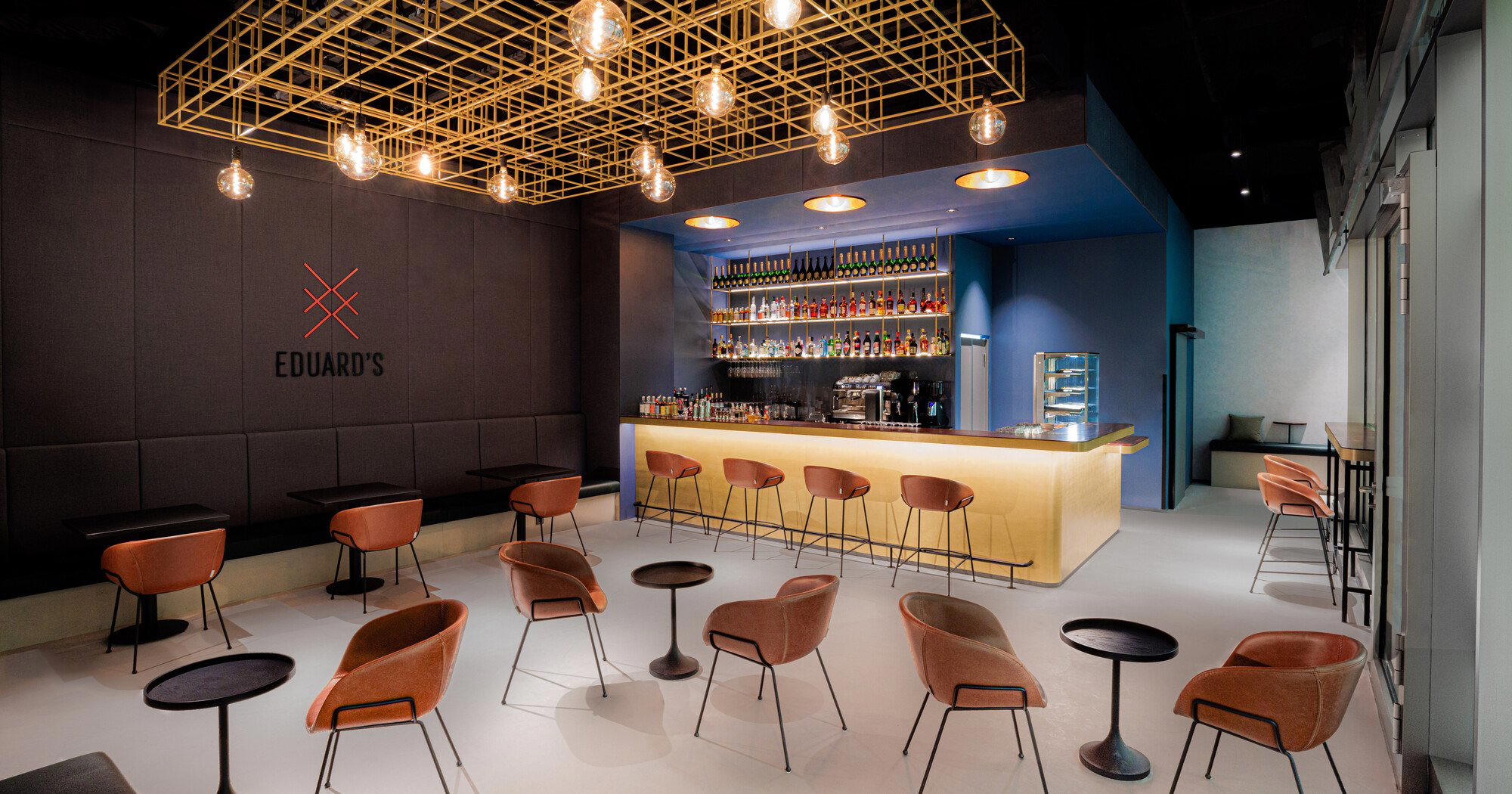
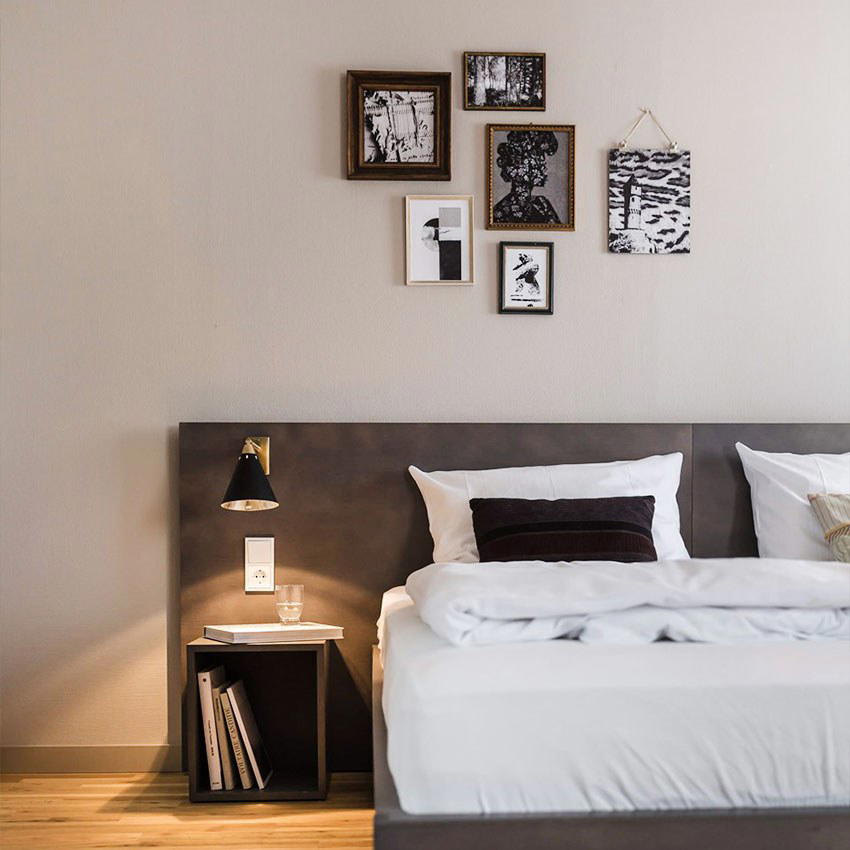
Modern interior in former monastery vaulted ceiling with timeless furniture, plants, natural light, quiet nooks and communal tables.