On Landstraßer Hauptstraße in Vienna's third district, Pappa e Ciccia occupies the kind of neighbourhood position that the city's more casual Italian dining scene has long relied upon: close enough to the centre to draw a mixed crowd, rooted enough in the local residential fabric to earn repeat custom. The name itself signals intent, pointing toward the simple, shared pleasures of Italian table culture rather than architectural tasting menus.
Pearl is the En Primeur Club membership app — saves, bookings, and concierge access live there. Same editors, same standards.
- Address
- Landstraßer Hauptstraße 51, 1030 Wien, Austria
- Phone
- +436766575360
- Directions
- Get directions
 Saves & bookings on Pearl
Where the Third District Eats Italian
Vienna's relationship with Italian cooking runs deeper than the tourist-facing trattorias of the first district might suggest. The residential neighbourhoods beyond the Ringstraße have long supported a different kind of Italian dining: less performative, more habitual, shaped by the rhythms of a local clientele that returns weekly rather than for special occasions. Landstraße, the third district, fits this pattern. Its main artery, Landstraßer Hauptstraße, carries foot traffic from commuters, families, and the kind of professionals who have chosen the area precisely because it lacks the self-consciousness of central Vienna. Pappa e Ciccia is an Authentic Italian Trattoria in Vienna's third district, at Landstraßer Hauptstraße 51.
The name translates loosely from Italian dialect as "bread and beans" or, more colloquially, everyday food shared between people. That framing matters. In a city where the upper tier of the restaurant market is dominated by technically ambitious kitchens, places like Steirereck im Stadtpark, Amador, and Konstantin Filippou operating at the €€€€ level with tasting-menu formats and Michelin recognition, the mid-market Italian trattoria occupies a structurally different position. It answers a different question: not what a city's chefs are capable of, but what its residents eat on a Tuesday.
The Ritual of the Italian Table in a Viennese Setting
Italian dining, even in its transplanted forms, carries a fairly consistent set of customs. The meal moves through distinct stages: something small to open the appetite, a first course of pasta or risotto, a second of protein, a shared vegetable dish, and a close that tends toward espresso rather than elaborate dessert. This sequencing is not optional in the way that à la carte ordering at, say, a modern Austrian kitchen might be. It is the logic of the meal itself, and restaurants that take the tradition seriously tend to build their rooms, their service pace, and their menus around it rather than against it.
In Vienna's Italian dining tier, this matters because the city has absorbed enough of the culture to have opinions about it. Austrian diners, accustomed to the deliberate pacing of their own Heuriger and Beisl traditions, tend to respond well to meals that do not rush. The neighbourhood trattoria format, with its expectation that a table is yours for the evening, aligns with that local preference. Pappa e Ciccia's address on Landstraßer Hauptstraße places it within walking distance of the Stadtpark and the third district's residential core, a geography that tends to produce the kind of evening crowd that arrives with time and an appetite for the full arc of an Italian meal rather than a quick stop.
For context on how Vienna's broader creative dining scene operates, the approaches of Mraz & Sohn and Doubek illustrate the city's technical ambition. Pappa e Ciccia operates in a different register entirely, one where the measure of success is not innovation but consistency, and where the ritual of the meal takes precedence over the spectacle of it.
Italian Informality as a Deliberate Position
Across Austria's dining cities, there is a clear split between the kind of formal, destination-led fine dining that draws visitors from outside the country and the everyday neighbourhood eating that sustains the local restaurant economy year-round. The former tier includes places like Ikarus in Salzburg, Obauer in Werfen, and Döllerer in Golling an der Salzach, each with significant critical recognition and a dining format built around extended, carefully staged meals. Regional specialists like Griggeler Stuba in Lech, Gourmetrestaurant Tannenhof in Sankt Anton am Arlberg, Kräuterreich by Vitus Winkler, Schwarzer Adler in Hall in Tirol, Restaurant 141 by Joachim Jaud in Mieming, Ois in Neufelden, and Landhaus Bacher in Mautern an der Donau anchor their regional markets with similarly serious intent.
The neighbourhood Italian in Vienna operates with no such ambitions, and that is precisely the point. The trattoria model depends on volume and regularity, not on the kind of month-in-advance booking cycles that govern tables at the city's Michelin-recognised addresses. Compared to the experience-architecture of a counter like Atomix in New York City or the technical precision of Le Bernardin, the neighbourhood trattoria's value proposition is almost its opposite: approachability, familiarity, and the absence of ceremony as a deliberate choice rather than a compromise.
Arriving, Sitting, Eating: The Practical Shape of the Meal
The dining ritual at a trattoria-format restaurant rewards a certain kind of engagement. Arriving without urgency, allowing the meal to move at the kitchen's natural pace, and treating the pasta course as a destination rather than a transition are all customs the format assumes. In Vienna, where the café tradition has long normalised extended occupation of a table, these habits translate well. The city's diners do not need to be taught how to sit with a meal; they arrive already knowing.
For visitors crossing from the kind of technically ambitious restaurants that define Vienna's upper tier, the adjustment is tonal. The room at Landstraßer Hauptstraße 51 is not arranged to impress; it is arranged to accommodate. That distinction, between a room designed to signal seriousness and one designed to enable ease, marks the difference between destination dining and neighbourhood eating as cultural categories, not just price points.
Planning Your Visit
Nearby-ish Comparables
Comparable venues nearby, for context on price, style, and recognition.
| Venue | Cuisine | Price | Notes |
|---|---|---|---|
| Pappa e CicciaThis venue — the venue you are viewing | Authentic Italian Trattoria | $$ | Not listed |
| MATTO Pizza Gourmet | Roman-Style Gourmet Pizza | $$ | Wien-Mitte |
| Da Capo | Traditional Italian Trattoria | $$ | Innere Stadt |
| Mario | Italian Pasta & Grill | $$ | Hietzing |
| Bacco | Authentic Tuscan Italian | $$ | Wieden |
| Sette Artisan Craft Pizza | Roman Artisan Pizza | $$ | Neubau |
Continue exploring
More in Vienna
Restaurants in Vienna
Browse all →
Bars in Vienna
Browse all →
Hotels in Vienna
Browse all →
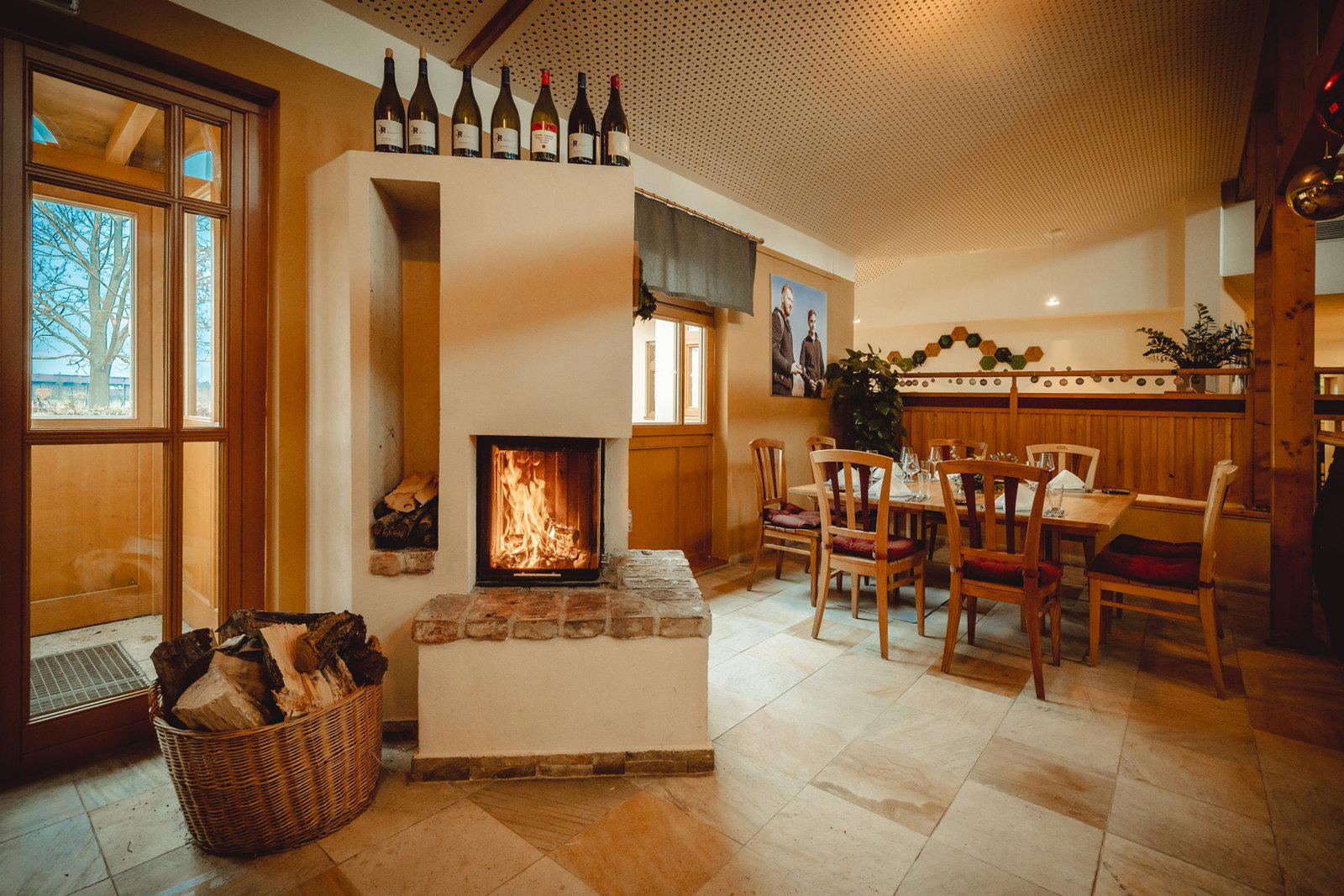
At a Glance
- Cozy
- Rustic
- Intimate
- Casual Hangout
- Date Night
- Open Kitchen
- Terrace
- Street Scene
Current opening hours
- Monday
- 10:30 AM–11 PM
- Tuesday
- 10:30 AM–11 PM
- Wednesday
- 10:30 AM–11 PM
- Thursday
- 10:30 AM–11 PM
- Friday
- 10:30 AM–11 PM
- Saturday
- 8 AM–11 PM
- Sunday
- Closed
Hours can change for holidays and private events. Last verified .
Colorful, lively market atmosphere with outdoor seating and friendly Italian hospitality.