Forréttabarinn occupies a quiet address on Nýlendugata in central Reykjavik, positioning itself within the city's growing appetite-led dining culture. Where many Reykjavik restaurants default to full à la carte formats, Forréttabarinn builds its identity around the starter course as a structural anchor. It sits inside the bracket of neighbourhood restaurants that treat the small plate as a complete culinary statement rather than an opening gesture.
Pearl is the En Primeur Club membership app — saves, bookings, and concierge access live there. Same editors, same standards.
- Address
- Nýlendugata 14, 101 Reykjavík, Iceland
- Phone
- +3545171800
- Website
- forrettabarinn.is
- Directions
- Get directions
 Saves & bookings on Pearl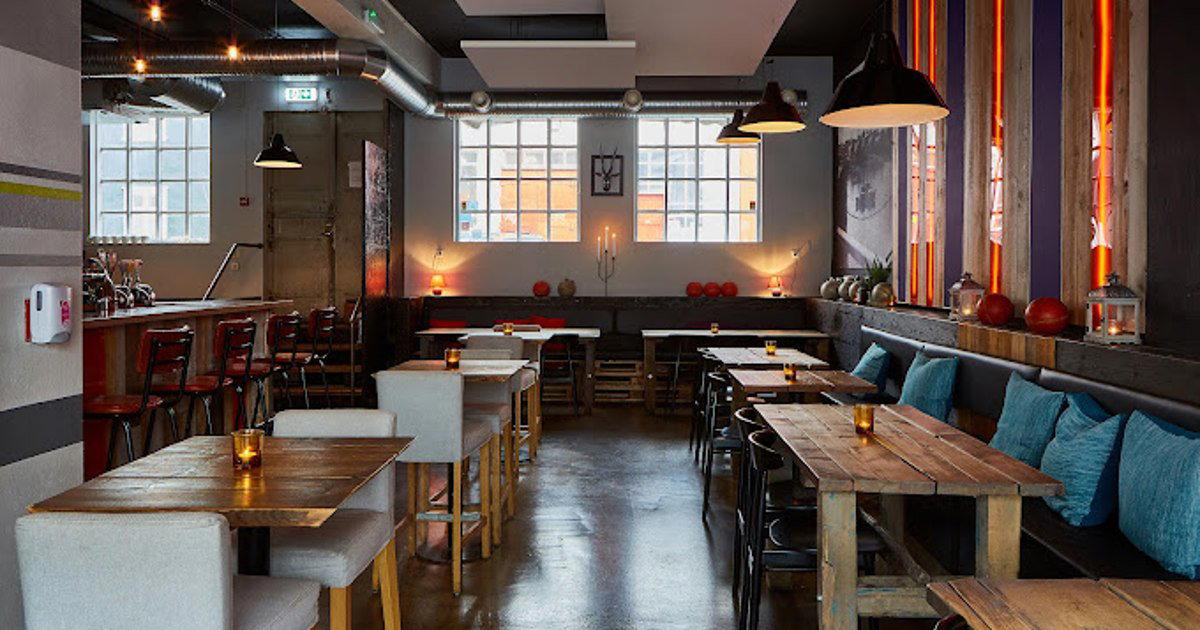
Where the Meal Begins and, Intentionally, Stays
Reykjavik's dining culture has shifted considerably over the past decade. The city that once defaulted to single-protein mains and imported wine lists has grown a more considered restaurant tier, one that treats structure and sequencing as genuine craft decisions. Within that shift, a particular format has taken hold: restaurants that centre the starter course not as a prelude but as the point. Forréttabarinn, at Nýlendugata 14 in the 101 postal district, sits squarely in that format, and the address itself signals the approach before you reach the door.
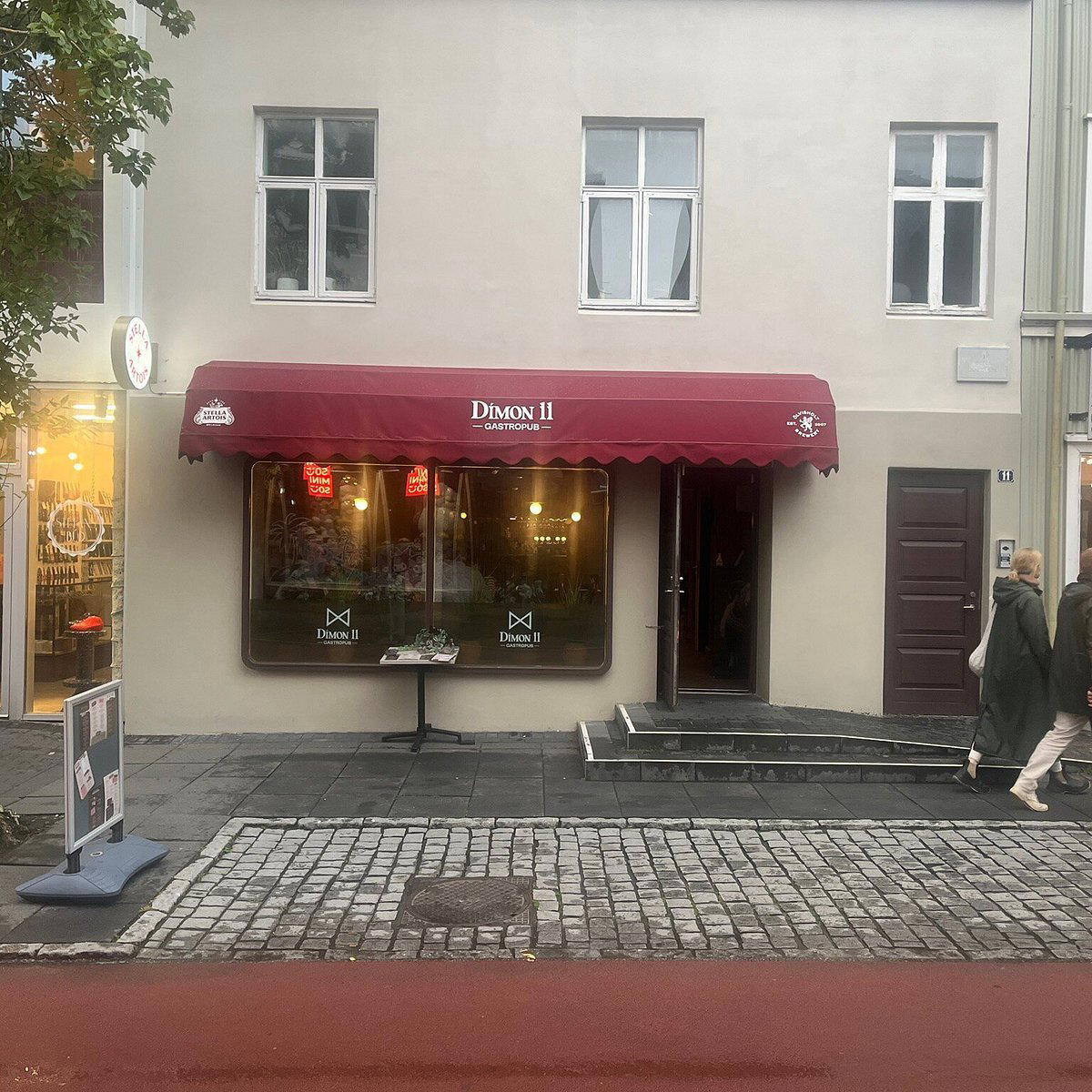
Nýlendugata runs through a residential pocket of central Reykjavik, away from the tourist-dense corridor around Laugavegur. The street-level quiet is deliberate context. This is not a dining room angling for passing foot traffic. The low-key exterior anchors an expectation: what happens inside has been thought through more carefully than the signage suggests.
The Logic of Small Courses in a Nordic Kitchen
The small-course format carries specific weight in Nordic dining. Across the region, Scandinavian kitchens have spent years rehabilitating preserved, fermented, and foraged ingredients as primary flavour sources rather than supporting accents. The tasting progression that follows from that tradition is necessarily episodic. Each course arrives as a discrete argument about an ingredient or technique, not as a stepping stone toward a protein centrepiece. Iceland sits within this tradition but adds its own material: cold-water fish caught close to shore, lamb raised on open highland pasture, skyr-based dairy, and root vegetables that develop concentrated sweetness under months of cool storage.
A restaurant built around starters in this context is not making a casual choice. It is committing to a format where the kitchen must be precise across many small things rather than accomplished at one large thing. That demands a different kind of discipline than, say, the brasserie model at a comparable price point in Reykjavik. For reference, restaurants like Bon Restaurant and Brút both operate with broader à la carte structures, making Forréttabarinn's format an outlier worth noting in the local competitive set.
How the Meal Moves
In restaurants built on starter sequencing, the progression narrative matters more than in conventional three-course formats. The kitchen controls pacing entirely; there is no entrée anchor to reset expectations mid-meal. What this means in practice is that the arc of the meal depends on contrast management: acidic against fatty, cold against warm, preserved against fresh. When a kitchen handles this well, the guest experience is one of accumulation rather than filling, a sense that each small plate has added information rather than simply added food.
This progression model is common across high-end tasting formats globally. Lazy Bear in San Francisco uses a communal progression to build social momentum through sequencing. Le Bernardin in New York City applies a four-decade-refined arc to seafood-led courses. In Iceland specifically, DILL in Reykjavík has carried a Michelin star since 2017 using a tasting menu format grounded in Icelandic ingredients, while the Chef's Table at Moss Restaurant and Moss in Grindavík place similar structured formats against volcanic landscape settings. Forréttabarinn operates in this same tradition at a neighbourhood scale, without the destination-dining apparatus those rooms carry.
The starter-only format also removes one structural pressure: the expectation of satiety as the measure of success. Guests who arrive expecting a conventional main course will reframe quickly. Those already oriented toward small-plate dining will find the format intuitive from the first course.
Reykjavik's Broader Restaurant Tier
To place Forréttabarinn accurately in the city's dining map, it helps to understand the range that now exists in Reykjavik. At the casual end, Bæjarins Beztu Pylsur represents the city's oldest and most democratic eating ritual, a hot dog stand that has operated since 1937 and draws no distinction between tourists and locals. At the other end, Bergsson Mathús anchors the quality-casual daytime tier, while Amma Don brings a more focused dinner format to the neighbourhood restaurant category.
Beyond Reykjavik, Iceland's restaurant geography has diversified: Fjöruborðið in Stokkseyri has built a national reputation around langoustine, Friðheimar in Reykholt operates a greenhouse tomato restaurant with a following among travellers on the Golden Circle route, and Strikið in Akureyri holds the north of the island's dining identity. Nesjavallavirkjun in Selfoss and Malai-Thai in Keflavik extend the picture further, as does Von Mathús-Bar in Hafnarfjörður in the greater capital area. Within that spread, Forréttabarinn occupies a specific niche: a central Reykjavik address with a format that rewards repeat visits more than single-occasion dining, because the interest lies in how the kitchen varies its small-plate selections rather than in a fixed menu architecture. For a full picture of where it sits among the city's options, see our full Reykjavik restaurants guide.
Comparisons Worth Making
The starter-format restaurant has analogues across Europe, from pintxos bars in San Sebastián to mezze-led rooms in Athens. What distinguishes the Icelandic version is the ingredient sourcing specificity that Nordic cuisine has made its signature over the past fifteen years. When a kitchen commits to Icelandic lamb, cold-water cod, Arctic char, or skyr-based preparations, it is working with ingredients that carry a strong terroir identity. The starter format amplifies this rather than diluting it, because each small course can focus on one ingredient's properties rather than combining several into a composed plate.
For comparison, Emeril's in New Orleans demonstrates how a kitchen can build strong identity around regional ingredient specificity in a conventional full-service format. The starter-only format is a more compressed version of the same logic.
Planning a Visit
Forréttabarinn is located at Nýlendugata 14 in the 101 district, walkable from the main Laugavegur shopping street in under ten minutes. The format and neighbourhood position suggest an evening dining room rather than a daytime operation, though visitors planning around Iceland's seasonal light variation — near-continuous daylight in summer, limited hours in winter — should factor that into arrival timing. For a starter-format room with a focused selection, tables at this scale of operation typically move faster than at full tasting-menu restaurants, making walk-in viability higher than at the city's Michelin-tier rooms, though advance contact is advisable for groups or weekend evenings.
Visitors who want to compare formats should note that the 101 district's concentration of restaurants makes it possible to plan two sittings in the same evening: a starter sequence at Forréttabarinn followed by a focused main-course stop nearby is a workable structure, and one that suits the format's intentional restraint on portion scale.
How Forréttabarinn Reykjavík compares with similar nearby venues.
| Venue | Cuisine | Price |
|---|---|---|
| Matur og Drykkur | Icelandic, Traditional Cuisine | €€€€ |
Continue exploring
More in Reykjavík
Restaurants in Reykjavík
Browse all →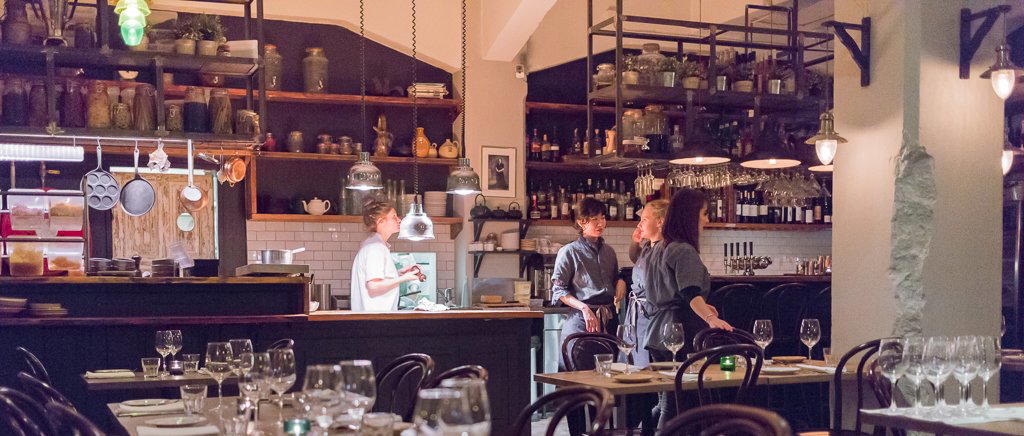
Bars in Reykjavík
Browse all →
At a Glance
- Cozy
- Trendy
- Modern
- Rustic
- Group Dining
- Date Night
- Casual Hangout
- Open Kitchen
- Craft Cocktails
- Beer Program
- Local Sourcing
- Street Scene
Current opening hours
- Monday
- 4–11 PM
- Tuesday
- 4–11 PM
- Wednesday
- 4–11 PM
- Thursday
- 4–11 PM
- Friday
- 4–11 PM
- Saturday
- 4–11 PM
- Sunday
- 4–11 PM
Hours can change for holidays and private events. Last verified .
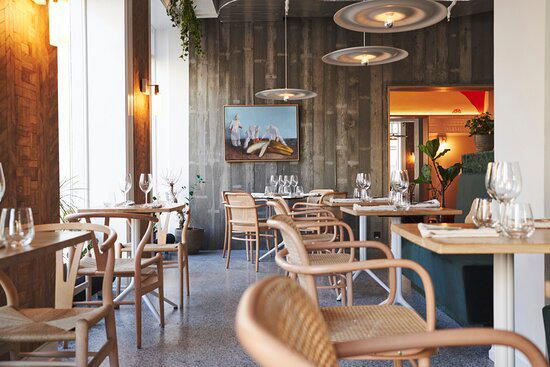
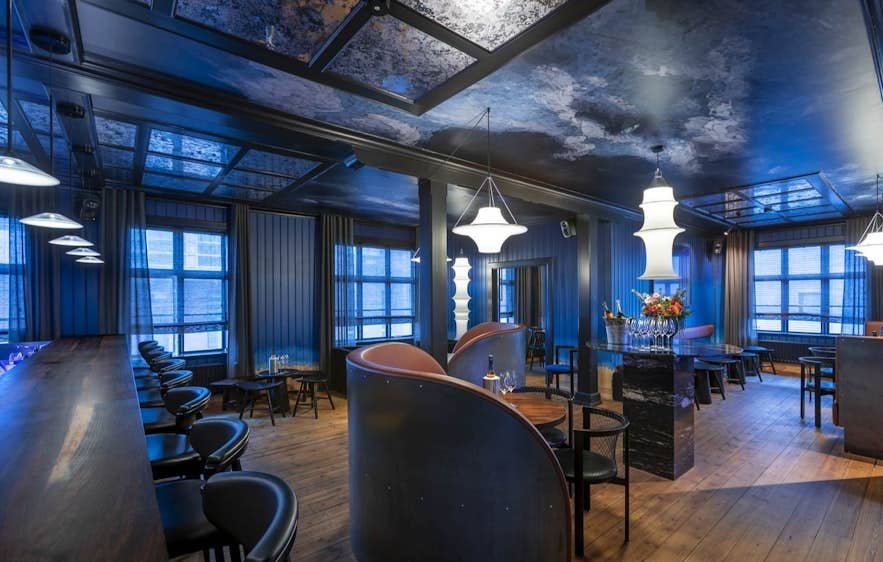
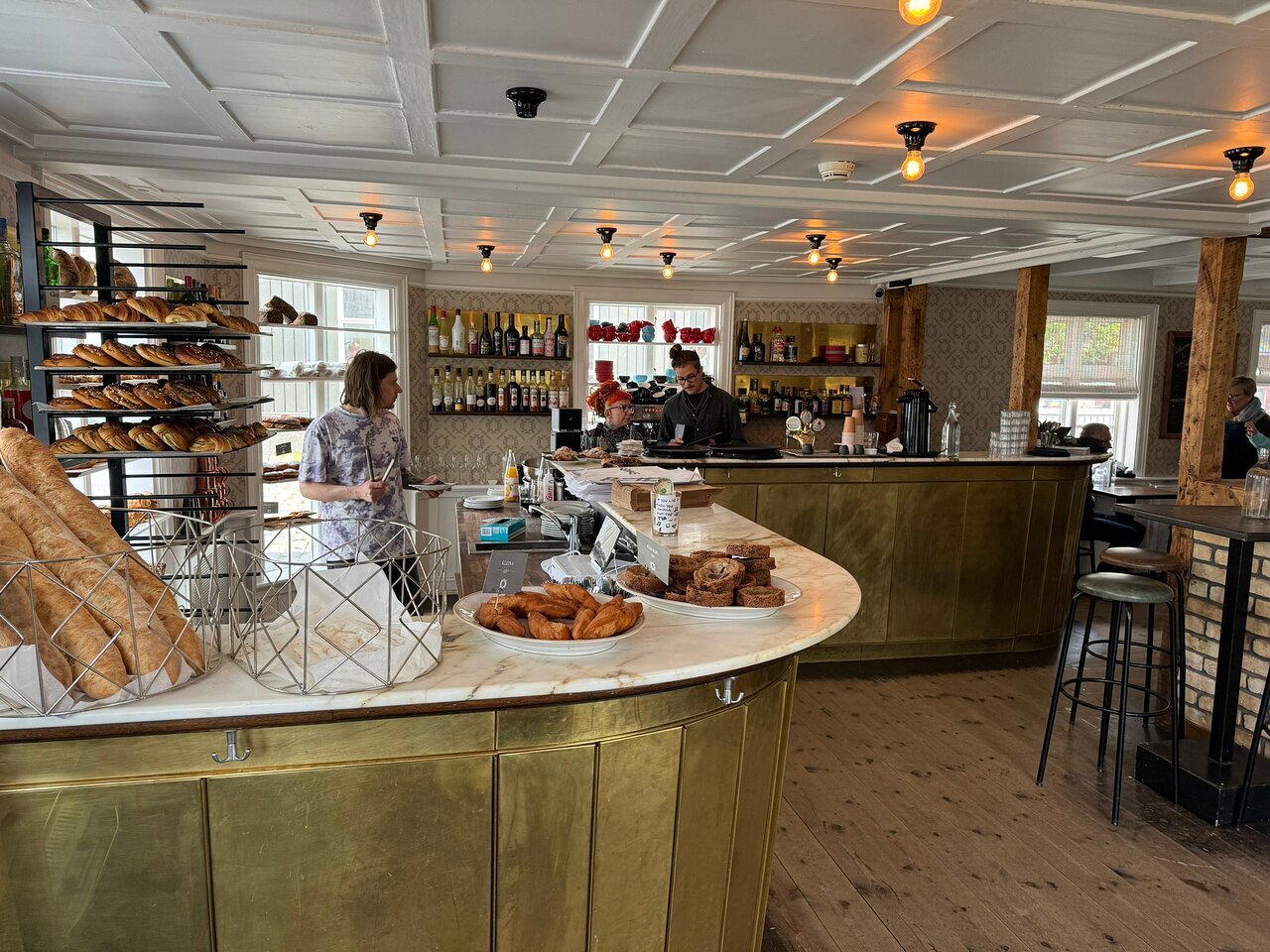
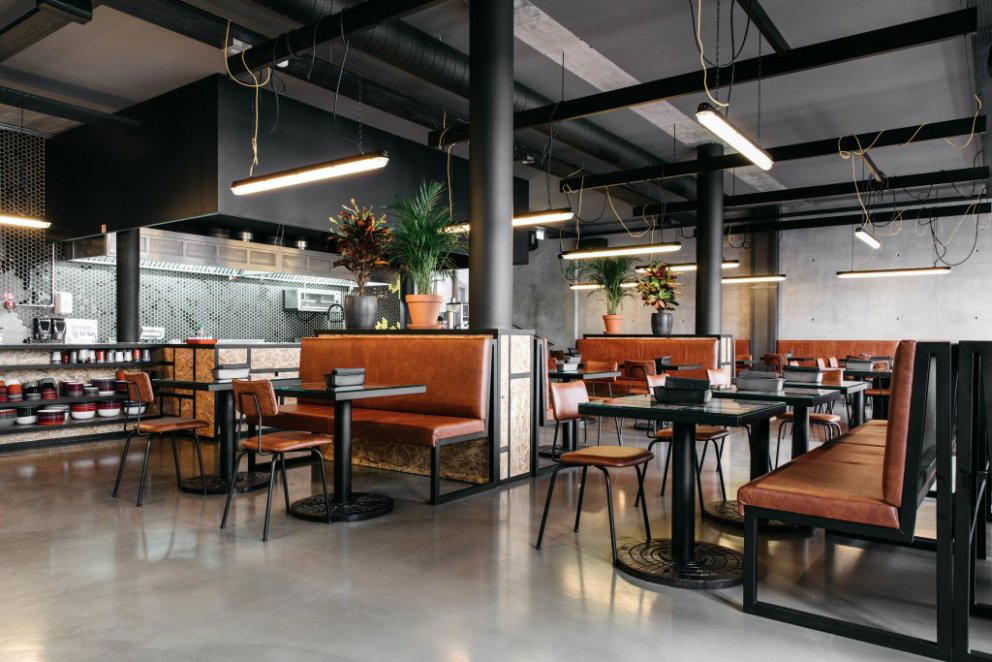
Cozy and laid-back with modern rustic decor featuring exposed wood, industrial touches, high ceilings, open kitchen, and minimal Scandinavian style.
Know Before You Go
- Getting there
- Nýlendugata 14, 101 Reykjavík, Iceland