Foer

On the eastern edge of Amsterdam, Foer holds a 2025 Michelin Plate for its focused, technique-driven approach to vegetables and herbs. Chef Steven Broere works a format where produce leads and everything else supports, a counter seat puts you closest to how it all comes together.
Pearl is the En Primeur Club membership app — saves, bookings, and concierge access live there. Same editors, same standards.
- Address
- Cruquiusweg 9, Amsterdam, 1019 AT, Netherlands
- Phone
- +31 20 846 2881
- Website
- foeramsterdam.nl
- Directions
- Get directions
 Saves & bookings on Pearl
East Amsterdam and the Vegetable-Forward Counter
Amsterdam's dining scene has been sorting itself along a clear fault line for several years: the grand-room tasting menus clustered in the canal belt and museum quarter on one side, and a smaller cohort of counter-led, produce-focused restaurants on the other. The latter group tends to operate at the €€€ tier, with menus built around a single ingredient logic rather than a proteins-plus-garnish structure. Foer, at Cruquiusweg 9 in Amsterdam's eastern harbour district, is a restaurant serving Modern Botanical Fine Dining at the €€€€ price tier.
The Cruquius area itself shapes the experience before you arrive. This is post-industrial Amsterdam, converted warehouses, working water, a neighbourhood that hasn't been smoothed into a tourist corridor. Approaching from the centre, the address signals something deliberate: a restaurant that chose distance from the obvious restaurant streets and found an audience anyway.
What Vegetable-Led Cooking Looks Like at This Level
The €€€ vegetarian tier in Amsterdam includes De Kas, which operates a Michelin-starred greenhouse model built around organic cultivation, and a cluster of farm-to-table addresses like BAK that treat produce sourcing as the primary editorial statement. Foer's distinction within this grouping is technique: the kitchen uses inventive preparation methods to reframe vegetables rather than simply presenting them at peak freshness. The Michelin notation calls out beetroot cooked in a salt crust, paired with an egg yolk emulsion carrying subtle acidity, a construction where the cooking method (slow, sealed, intensifying) does work that direct roasting or raw presentation cannot.
That approach puts Foer in conversation with a broader Dutch movement toward treating vegetables as the technical and creative equal of protein cookery, not as the conscientious alternative to it. Across the Netherlands, a number of kitchens, among them Konijnenvoer in Arnhem, which operates at the same €€€ vegetarian tier, are working through what serious vegetable cooking can mean in the context of a northern European ingredient base and a fine-dining technical vocabulary. Foer's Michelin recognition places it in the front of that conversation in Amsterdam.
The menu description suggests that fish or meat can appear as a complement rather than a centrepiece, a structural choice that keeps the kitchen's primary focus intact while giving the table flexibility. The wine list is characterised as selective, chosen for harmony with the vegetable-led flavours rather than breadth for its own sake.
Counter Seat vs. Table: How the Two Experiences Differ
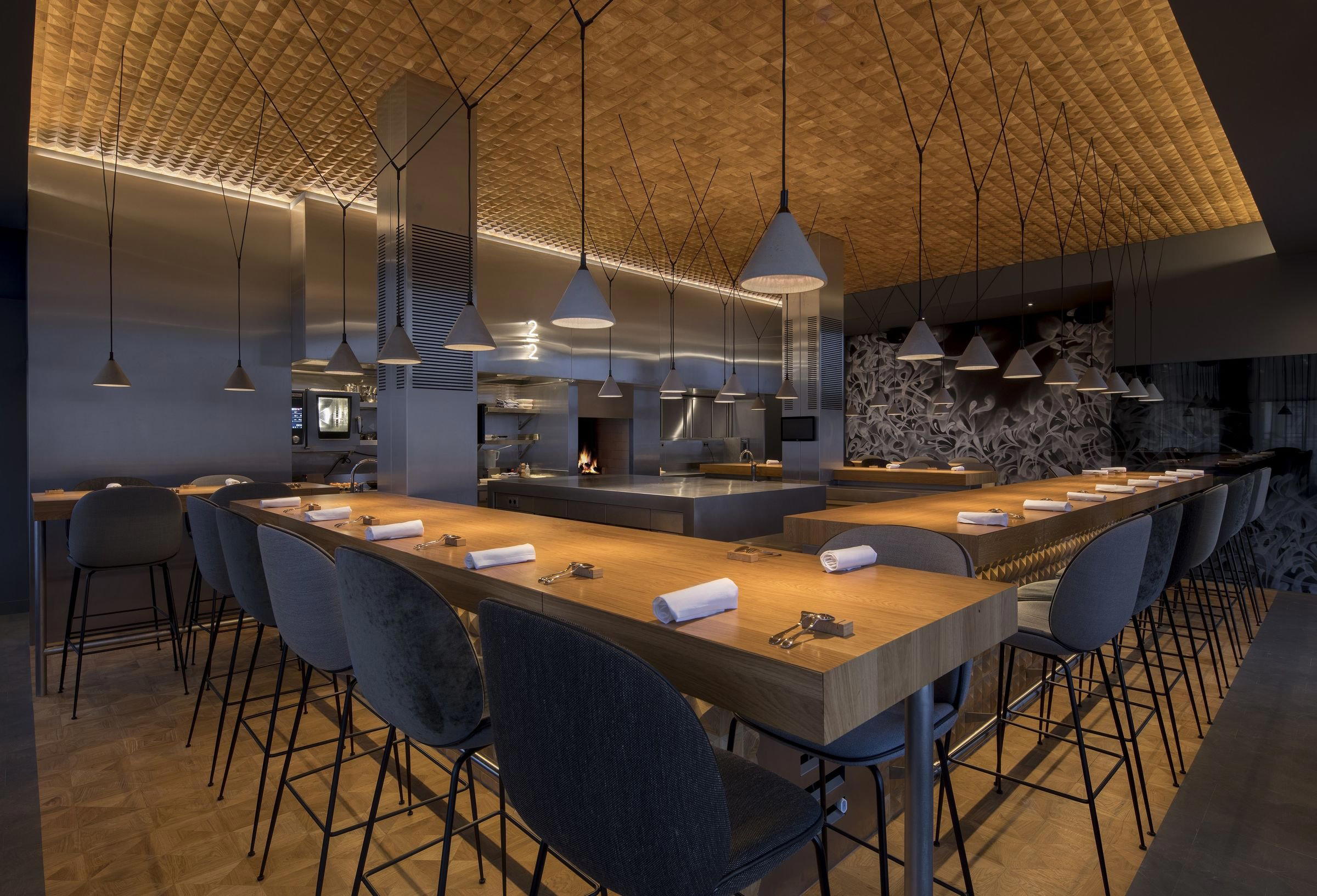
The editorial angle most relevant to Foer is how the physical format changes what you receive. The dining counter is where the kitchen's work is most visible, and the Michelin guide specifically calls it out as the seat worth securing. In Amsterdam's counter-format restaurants, a tradition that runs from the omakase-influenced sushi addresses to the open-kitchen wine bars of the Pijp, proximity to the pass changes the pace of service and the quality of explanation. Dishes arrive in sequence with more context, and the interplay between preparation and plating becomes readable in real time.
Distinction between lunch and dinner at restaurants like this is partly structural and partly atmospheric. Evening service at a €€€ counter typically runs longer, with more courses and a denser wine engagement. Lunch, where offered, tends to compress the format, shorter menus, tighter timing, sometimes a different price point that represents direct access to the kitchen's thinking without the full dinner commitment. Lunch and dinner formats differ mainly in length and pacing.
Where Foer Sits in the Amsterdam Fine Dining Field
€€€€ bracket in Amsterdam runs to addresses like Ciel Bleu, which holds two Michelin stars and operates from the 23rd floor of a canal-view hotel, and Spectrum, Flore, and Vinkeles, all four-symbol creative addresses with the room size and service formality that tier implies. Foer operates a bracket below that in price and well outside it in format. Its comparable set is the €€€ addresses that trade on a specific culinary argument rather than a comprehensive luxury proposition.
For a broader view of Amsterdam's mid-to-upper dining tier, see the Amsterdam restaurants guide. The Dutch fine dining conversation also extends well beyond the city: De Librije in Zwolle, Aan de Poel in Amstelveen, De Bokkedoorns in Overveen, and De Groene Lantaarn in Staphorst represent different registers of what serious cooking looks like outside Amsterdam, while Brut172 in Reijmerstok and 't Nonnetje in Harderwijk push further into the format-driven end of the market.
If the appeal is a more classic register at a comparable Amsterdam price point, Bistro de la Mer offers a €€€ French seafood counterpoint. For those thinking across cuisines and cities, the technique-led vegetable cooking at this level has an instructive counterpoint in protein-focused precision work: Le Bernardin in New York City demonstrates what happens when a kitchen elevates a single ingredient category with the same technical seriousness that Foer applies to vegetables.
Planning a Visit
Foer is located at Cruquiusweg 9 in Amsterdam's eastern harbour area, a 15-minute tram or taxi ride from the central canal district. The dining counter is the format to request when booking, the Michelin guide specifically singles it out, and it is the logical seat for anyone whose interest is in the kitchen's technique rather than a conventional table-service atmosphere. Booking in advance is advisable for any Michelin-recognised address at this price point in Amsterdam, particularly for evenings and weekend slots. For hotels, bars, and other things to do around the visit,
What It’s Closest To
Comparable venues nearby, for context on price, style, and recognition.
| Venue | Cuisine | Price | Awards | Notes |
|---|---|---|---|---|
| FoerThis venue — the venue you are viewing | Modern Botanical Fine Dining | $$$$ | Michelin Plate | Not listed |
| Maris Piper | Modern French Brasserie | $$$$ | Michelin Plate | Frans Halsbuurt |
| Het Bosch | Modern French Waterfront Brasserie | $$$$ | Michelin Plate | Amsterdamse Bos |
| Wolf Atelier | Modern Fusion Fine Dining | $$$$ | Michelin Plate | Westerdokseiland |
| Watergang | Modern French-European Tasting Menu | $$$ | Michelin Plate | Weteringbuurt |
| EN | Modern Japanese Kaiseki | $$$ | Michelin Plate | Cornelis Troostbuurt |
Recognition history
Dated appearances from independent guides and award organizations, with the underlying list record or original source where available.
Michelin Plate
Michelin
Michelin Plate
Michelin
Continue exploring
More in Amsterdam
Restaurants in Amsterdam
Browse all →
Bars in Amsterdam
Browse all →
Hotels in Amsterdam
Browse all →
Wineries in Amsterdam
Browse all →
At a Glance
- Elegant
- Intimate
- Modern
- Cozy
- Sophisticated
- Date Night
- Special Occasion
- Celebration
- Business Dinner
- Open Kitchen
- Chefs Counter
- Design Destination
- Natural Wine
- Zero Proof
- Sommelier Led
- Farm To Table
- Local Sourcing
- Organic
- Sustainable Seafood
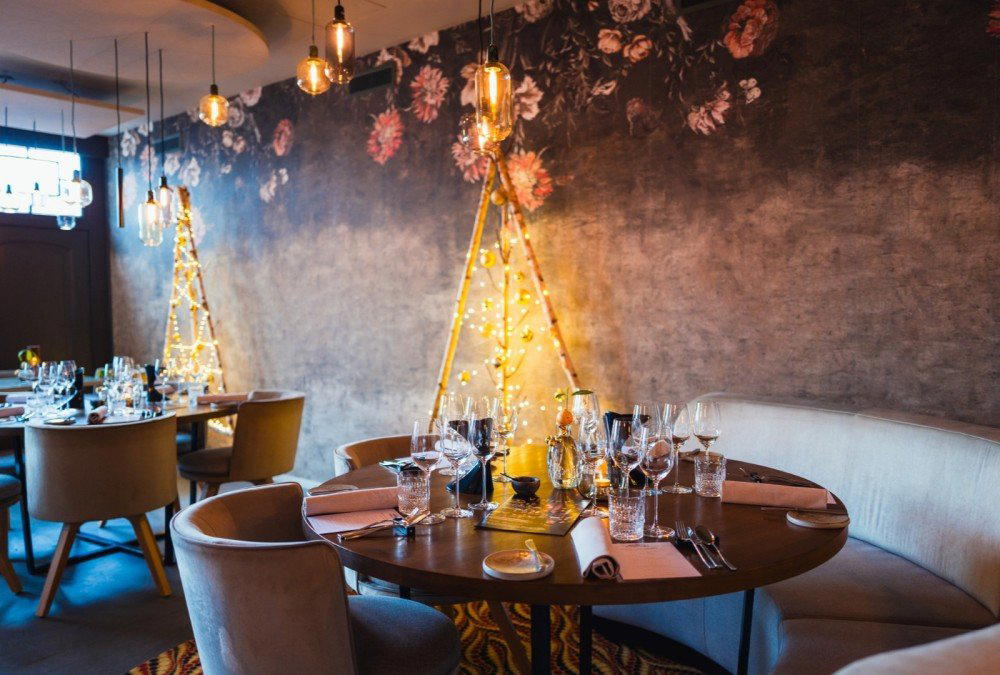
Warm and inviting with stylish modern decor, open kitchen views, candlelit tables with appropriate spacing, and a cozy atmosphere enhanced by soft lighting and nice music.