Bootshaus Alster sits at Ballindamm 14A on the Inner Alster lake, placing it within Hamburg's compact cluster of waterfront dining addresses. The setting positions it alongside some of the city's most considered restaurants, where lake views and proximity to the historic city centre set a particular tone before a single dish arrives. For visitors working through Hamburg's dining scene, the address alone signals a specific kind of reservation.
Pearl is the En Primeur Club membership app — saves, bookings, and concierge access live there. Same editors, same standards.
- Address
- Ballindamm 14A, 20095 Hamburg, Germany
- Phone
- +491625141414
- Website
- bootshaus-alster.de
- Directions
- Get directions
 Saves & bookings on Pearl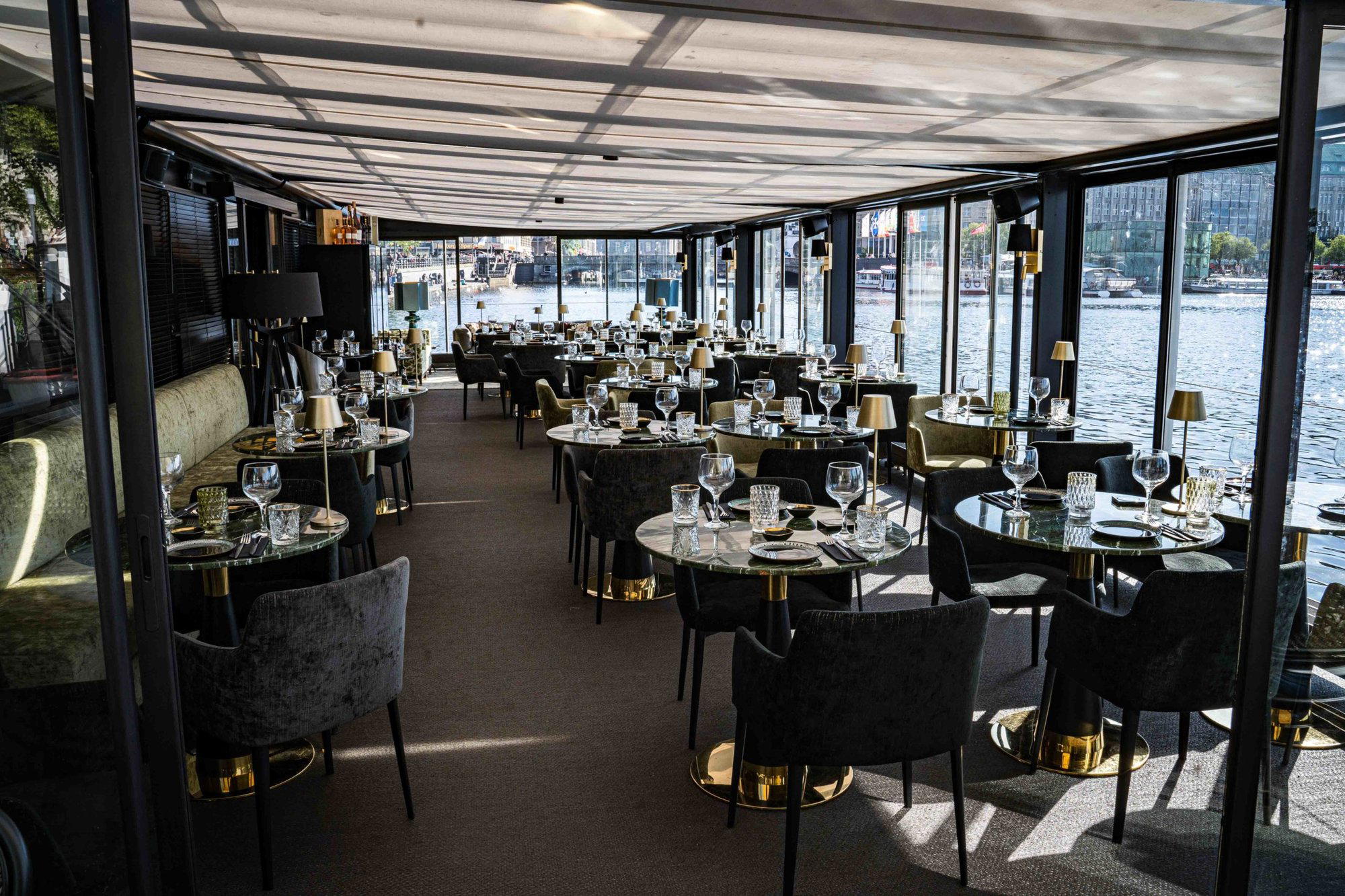
Arriving at the Water's Edge
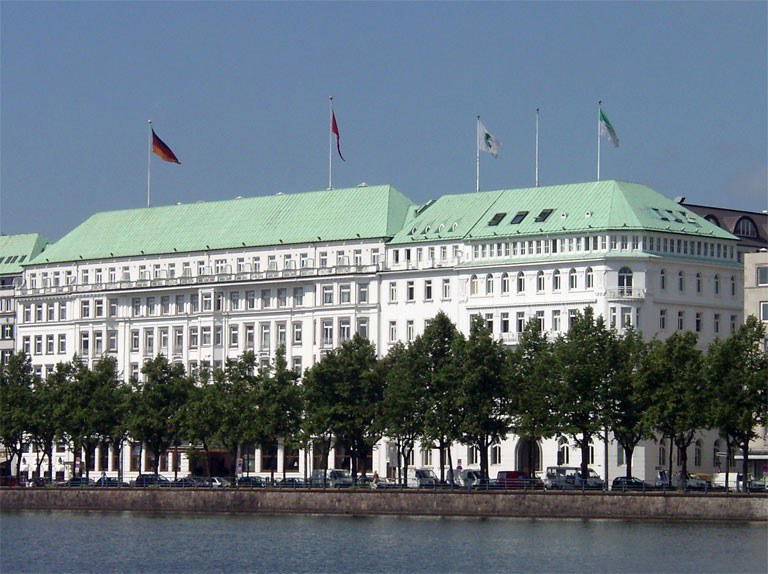
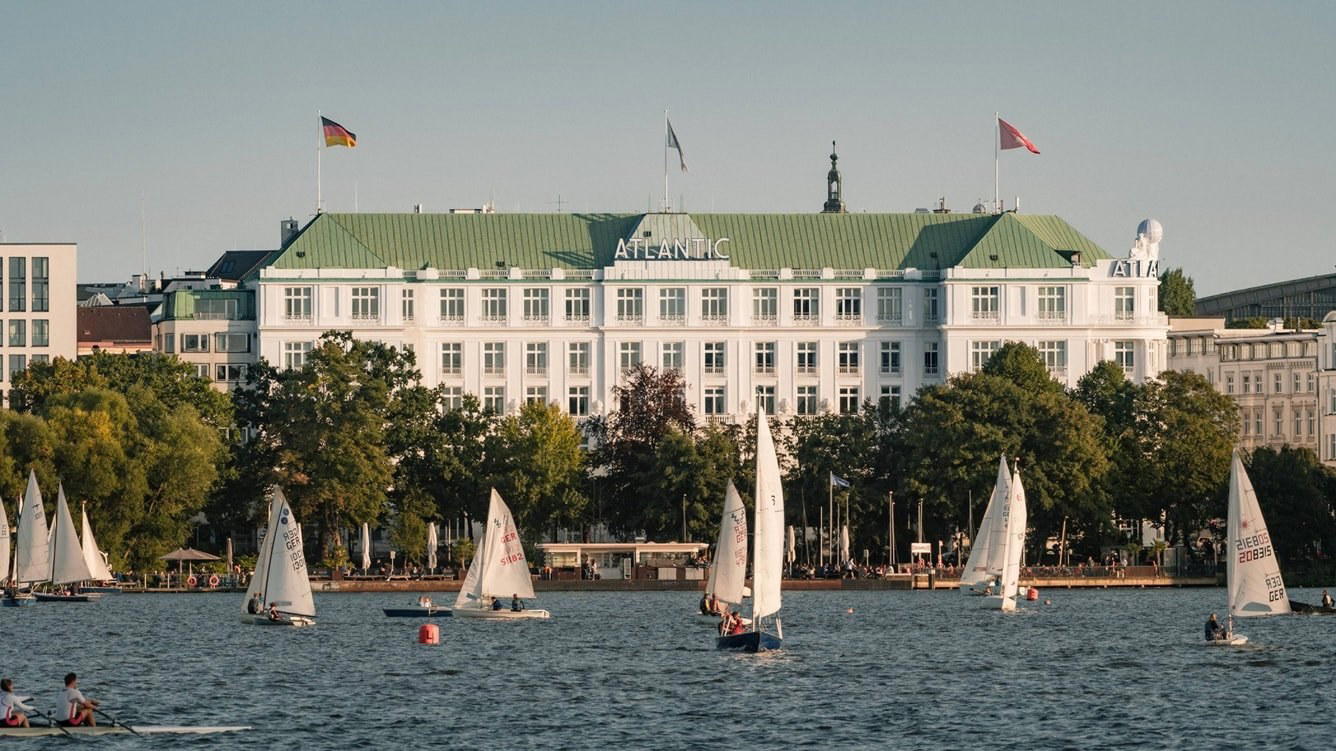
Hamburg's relationship with its two Alster lakes is not decorative, it is architectural. The Inner Alster, ringed by the city's commercial and civic centre, has shaped where certain kinds of restaurants open and who frequents them. Ballindamm, the eastern promenade running along the lake's edge, sits within walking distance of the Jungfernstieg arcades, the main rail hub, and the cluster of five-star hotels that line the waterfront. A restaurant at Ballindamm 14A is not peripheral; it occupies one of the city's most legible dining addresses.
Bootshaus Alster holds that position. The name references the boathouse tradition along Hamburg's Alster shores, where rowing clubs and leisure vessels have shared the waterfront with civic institutions for well over a century. Coming from the city centre, the approach is direct: the Jungfernstieg U-Bahn stop places you on the lake's edge within a few minutes' walk. Arriving on foot from the city's hotel quarter takes roughly the same time. The address rewards those who build an evening around the water rather than treating the lake as backdrop.
Where Bootshaus Alster Sits in Hamburg's Dining Scene
Hamburg's fine dining tier is smaller than its international reputation might suggest, concentrated around a handful of addresses. At the leading, Restaurant Haerlin and The Table Kevin Fehling operate with Michelin recognition and the kind of advance booking windows that require planning months out. Just below, places like bianc and Lakeside run at the €€€€ tier with format discipline and clear culinary positioning. The waterfront specifically has become a contested space, with the Alster addresses trading on setting as much as on kitchen credentials.
Bootshaus Alster enters this context as a waterfront address that draws from the boathouse aesthetic rather than the hotel dining room model. Where 100/200 Kitchen leans into a creative, format-driven approach, the Bootshaus name implies something more rooted in place, more connected to the Alster's civic and recreational identity. In a city where the dining scene rewards specificity of concept, a restaurant that anchors itself to a particular stretch of lakefront is making an argument about what kind of evening it is offering.
The Booking Question
Hamburg's upper dining tier has tightened considerably over recent years. Venues with Michelin recognition and limited covers routinely book four to eight weeks ahead for weekend tables; some stretch further. The practical question for any visitor is where the restaurant sits on that spectrum.
For visitors who prefer to lock in their Hamburg dining programme before travel, the more practical route is to plan ahead and confirm the restaurant directly.
Across Germany's broader fine dining circuit, the venues that hold comparable waterfront or landscape positions, ES:SENZ in Grassau, Schanz in Piesport on the Moselle, tend to require advance planning precisely because setting is part of the offering and tables with views book first. The same logic applies here.
Hamburg in the Wider German Fine Dining Context
Germany's Michelin-recognised restaurants are distributed unevenly: heavy concentrations in the Black Forest region (see Schwarzwaldstube in Baiersbronn), the Rhine and Moselle valleys, and a handful of city addresses in Munich, Berlin, and Hamburg. Hamburg itself has never matched Munich's density of recognised kitchens, but it has built a distinct identity around northern European product, North Sea fish, regional dairy, Elbe Valley produce, applied with technical rigour at its better addresses.
For visitors building a broader German itinerary, the Hamburg waterfront scene connects to a national pattern where geography and ingredient sourcing define a restaurant's character as much as chef biography. Waldhotel Sonnora in Dreis, Vendôme in Bergisch Gladbach, and Victor's Fine Dining by Christian Bau in Perl each exemplify that pattern in their own regions. The Alster position does similar work for Bootshaus, the lake is not just scenery but a statement of culinary and geographical identity.
Beyond Germany, the waterfront fine dining format has equivalents across the Atlantic. Le Bernardin in New York City and the more communal format of Lazy Bear in San Francisco each represent different answers to the question of what a setting-led dining concept can achieve. In Munich, JAN shows how a single-city address can build a considered identity outside the obvious Michelin tier. CODA Dessert Dining in Berlin and Bagatelle in Trier round out a picture of German dining that is more varied in format and geography than its Michelin star map implies.
Planning Your Visit
The Ballindamm 14A address is direct to reach from any of the central Hamburg hotel zones. The Jungfernstieg station (U1, U2, U4) is the closest public transport point; from there the walk to the waterfront takes under five minutes. Arriving by taxi or rideshare is equally direct, with the Ballindamm promenade accessible from the main city centre ring. For visitors staying in the hotel belt around the Alster, the walk along the lake's edge is itself a considered approach, Hamburg's inner-city promenades are designed for it.
One useful pre-visit step is a direct inquiry to the venue to confirm current hours, booking arrangements, and any format details. During peak travel months, roughly May through September, it is sensible to confirm ahead, when the lakefront draws both locals and visitors and tables at established venues fill quickly. For the broader Hamburg dining picture, the city's current scene spans several formats and price tiers.
Recognition Snapshot
Comparable venues nearby, for context on price, style, and recognition.
| Venue | Cuisine | Price | Notes |
|---|---|---|---|
| Bootshaus AlsterThis venue — the venue you are viewing | Sushi & Steak Waterfront | $$$ | Not listed |
| Der erdbeerfressende Drache | Modern Fusion Small Plates Omakase | $$$ | Rotherbaum |
| Berliner Bahnhof | European-Japanese Fusion (Yōmeshi) | $$ | Hamburg-Altstadt |
| [m]eatery | Modern Steakhouse | $$$ | Neustadt |
| Wabisabi Ramen | Traditional Japanese Ramen & Sushi | $$$ | St. Pauli |
| Kasa | Modern Sicilian | $$$ | Neu Lokstedt |
Continue exploring
More in Hamburg
Restaurants in Hamburg
Browse all →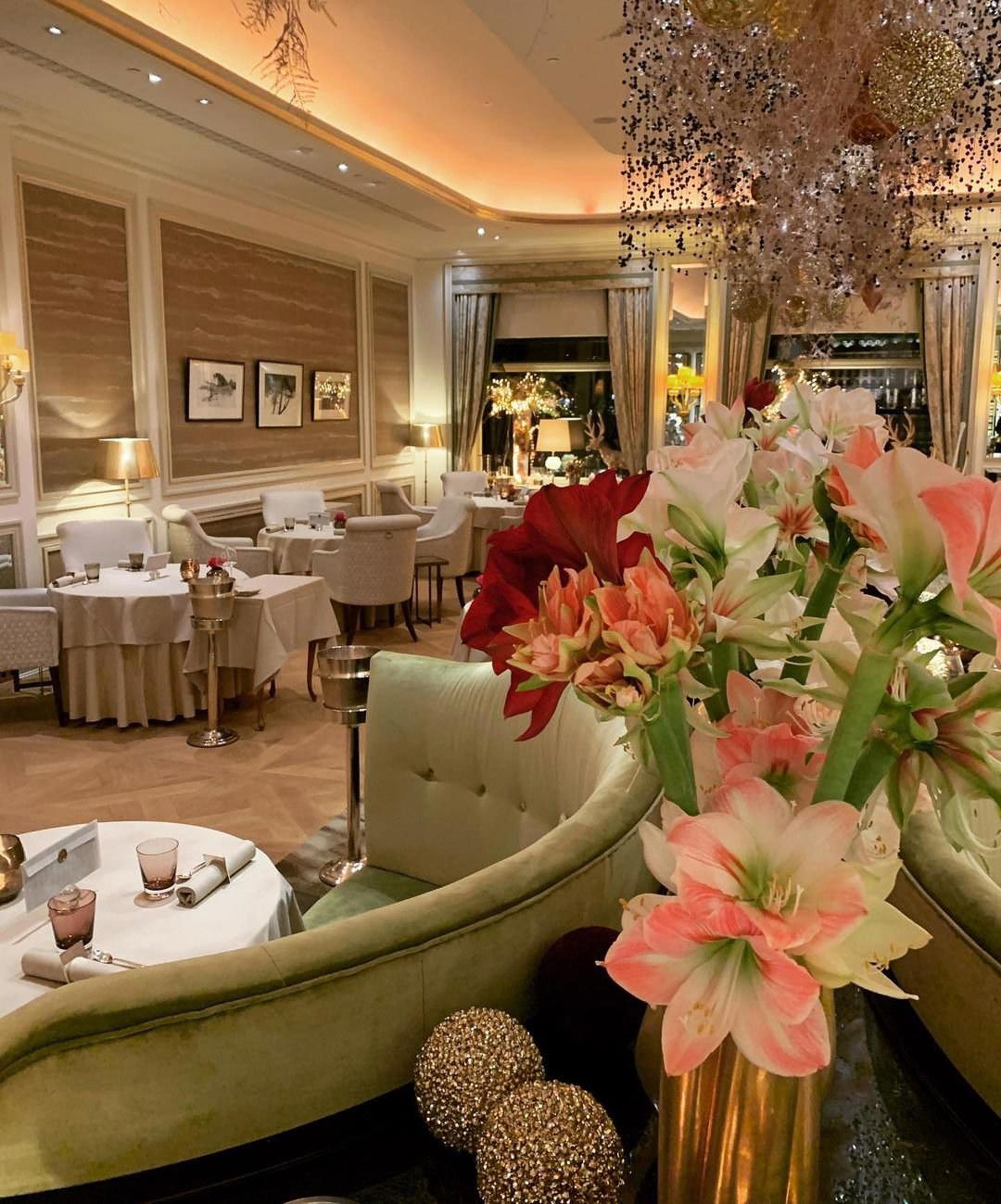
At a Glance
- Scenic
- Elegant
- Modern
- Date Night
- Special Occasion
- Group Dining
- Waterfront
- Terrace
- Extensive Wine List
- Craft Cocktails
- Waterfront
Current opening hours
- Monday
- 12 PM–12 AM
- Tuesday
- 12 PM–12 AM
- Wednesday
- 12 PM–12 AM
- Thursday
- 12 PM–12 AM
- Friday
- 12 PM–12 AM
- Saturday
- 11 AM–12 AM
- Sunday
- 11 AM–12 AM
Hours can change for holidays and private events. Last verified .
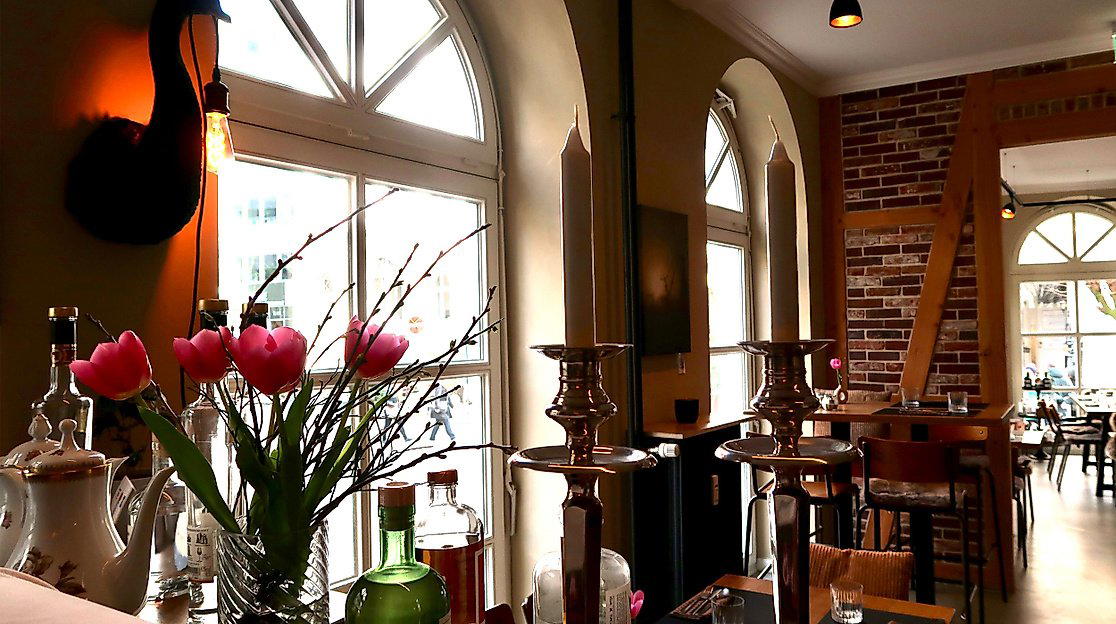
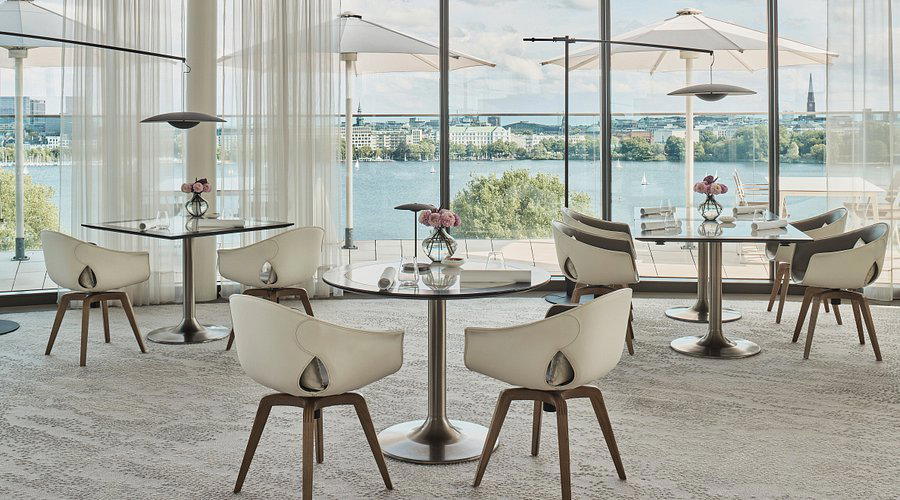
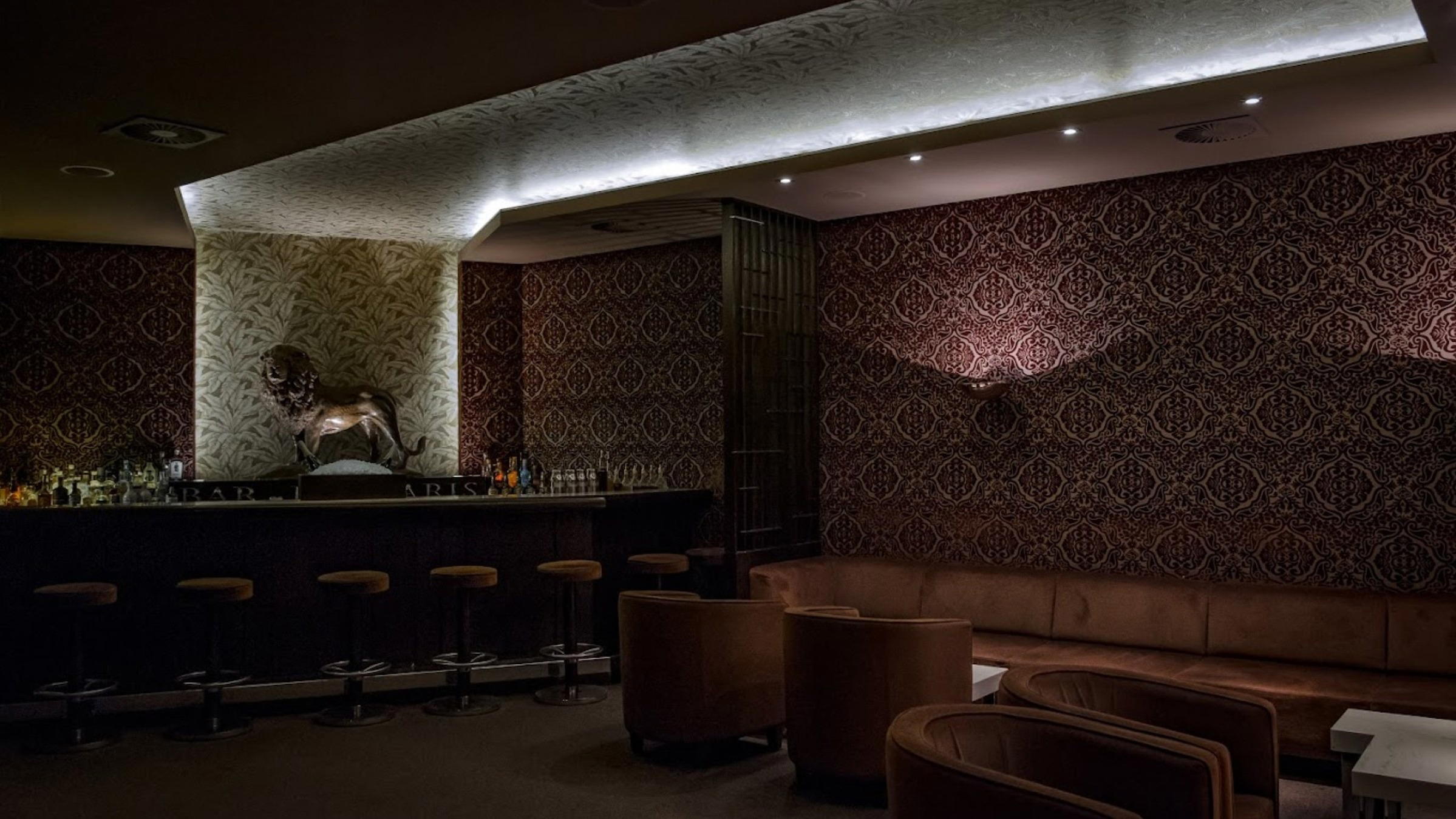
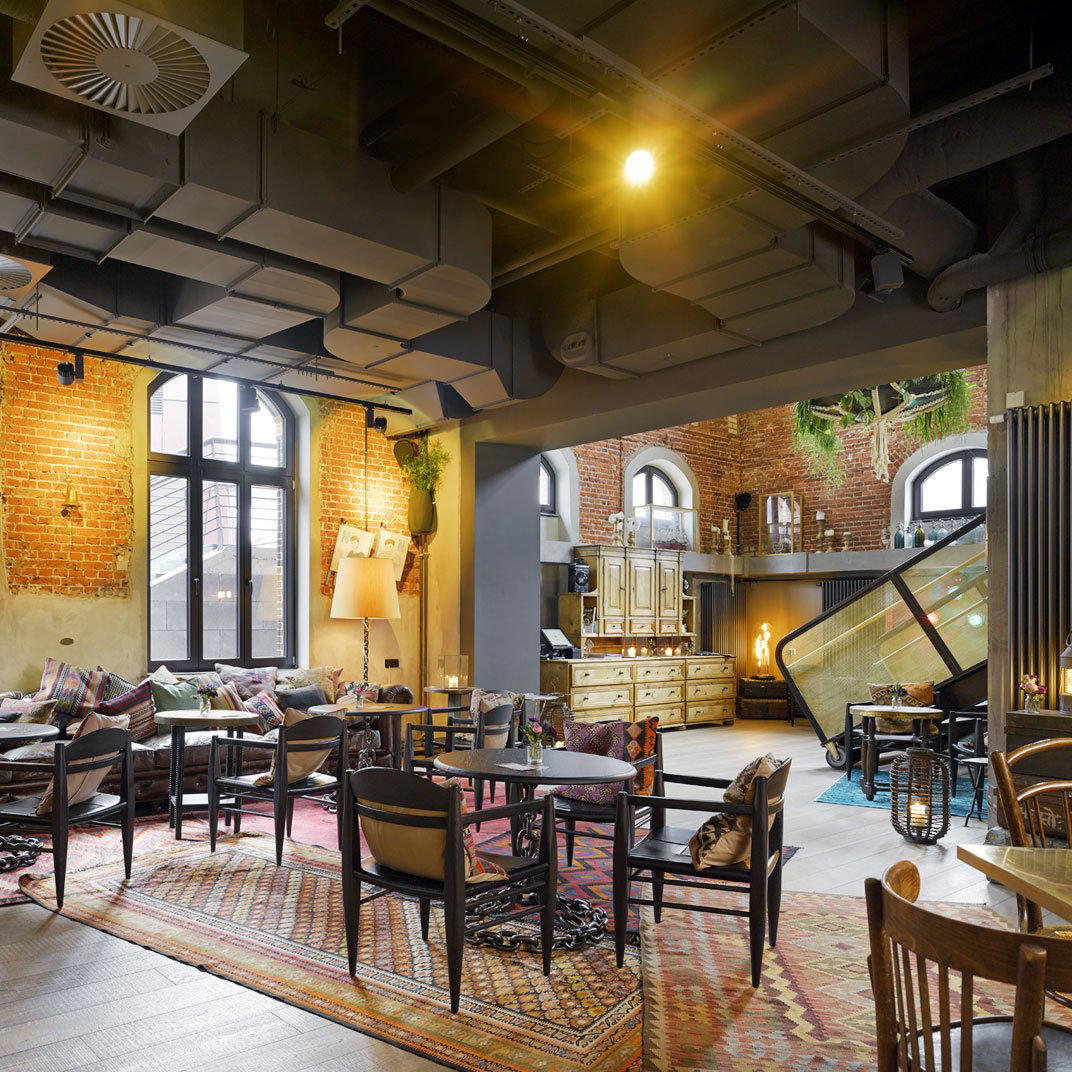
Dezent modern ambiance with energetic noise levels, scenic water views from the historic boat setting, and light airy terrace.