Schifferbörse Restaurant occupies a historic address on Kirchenallee 46 in Hamburg's St. Georg district, a neighbourhood where old port-city architecture meets the city's contemporary dining ambitions. Positioned within a tier of Hamburg restaurants that trade on setting and tradition rather than tasting-menu spectacle, it offers an alternative to the Michelin-chasing counters that define the city's upper bracket.
Pearl is the En Primeur Club membership app — saves, bookings, and concierge access live there. Same editors, same standards.
- Address
- Kirchenallee 46, 20099 Hamburg, Germany
- Phone
- +494940245240
- Website
- schifferboerse-hamburg.de
- Directions
- Get directions
 Saves & bookings on Pearl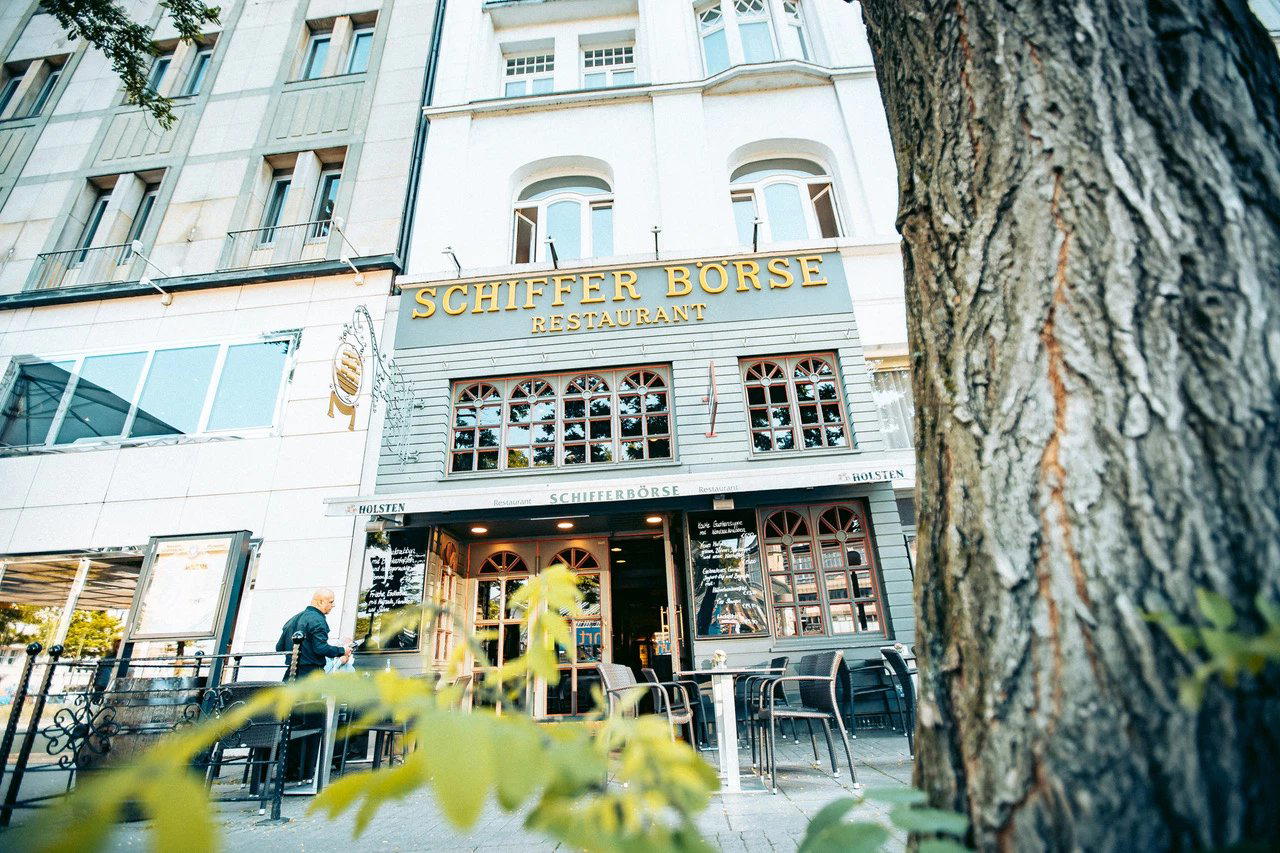
Kirchenallee and the Architecture of Expectation
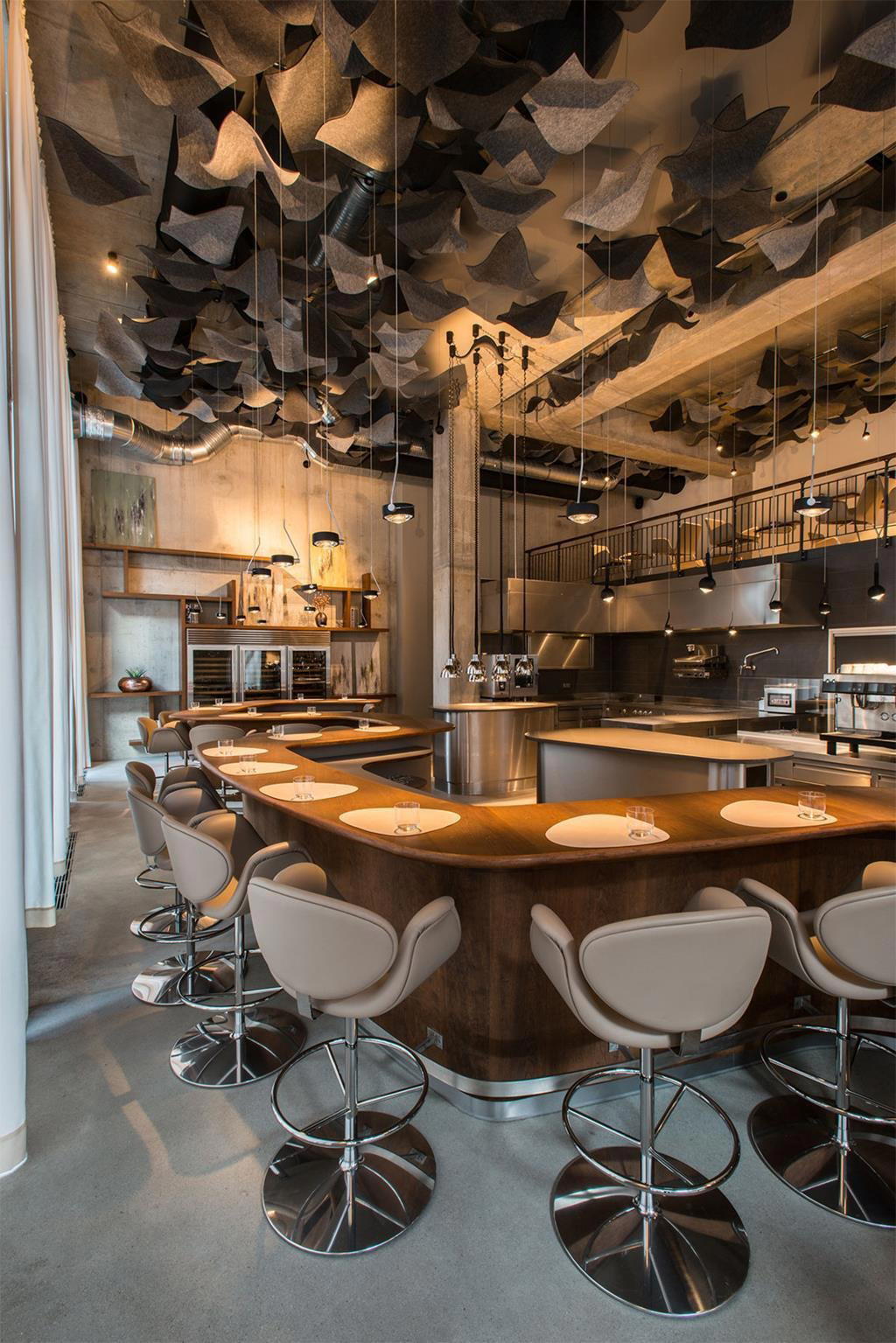
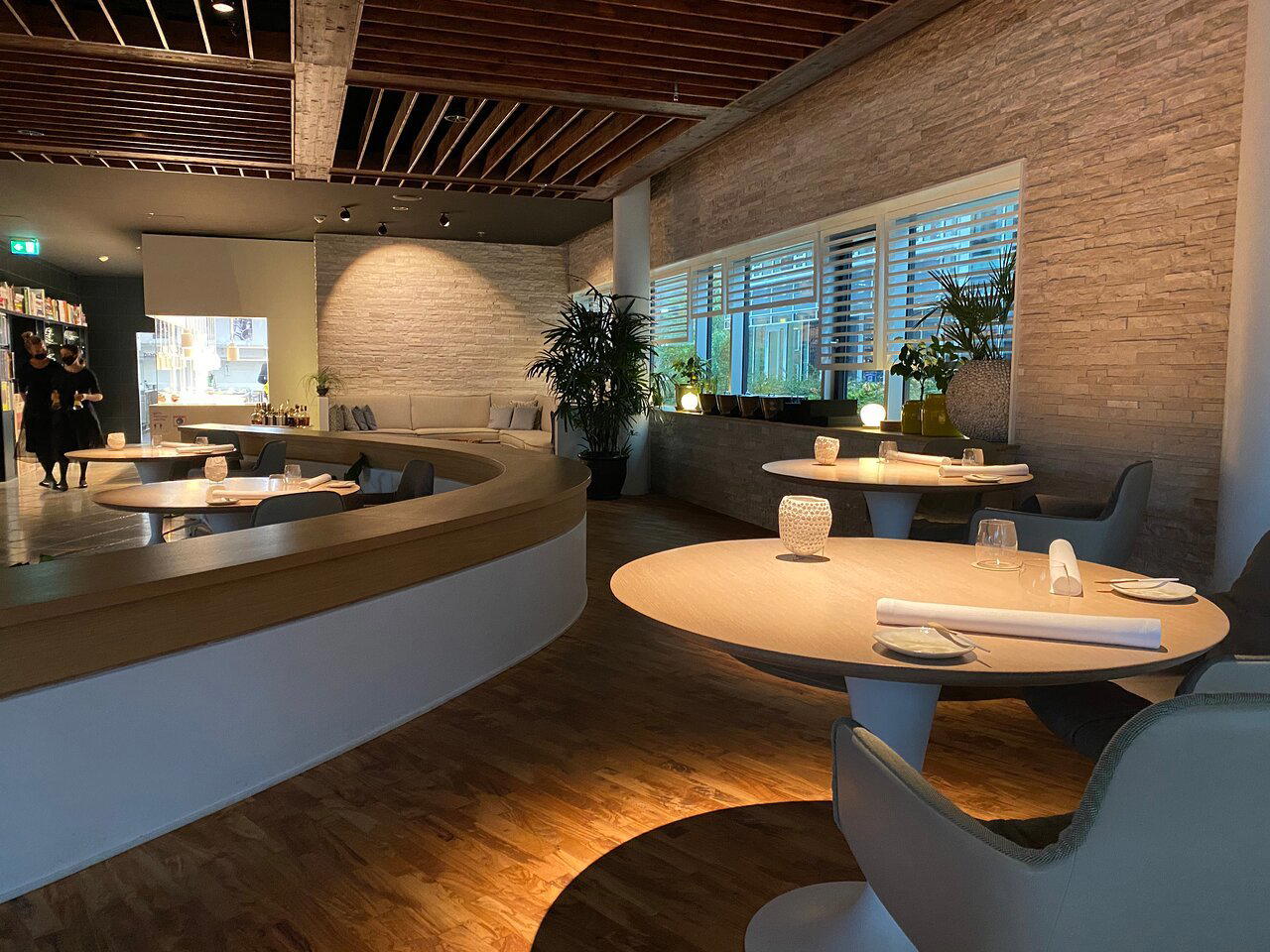
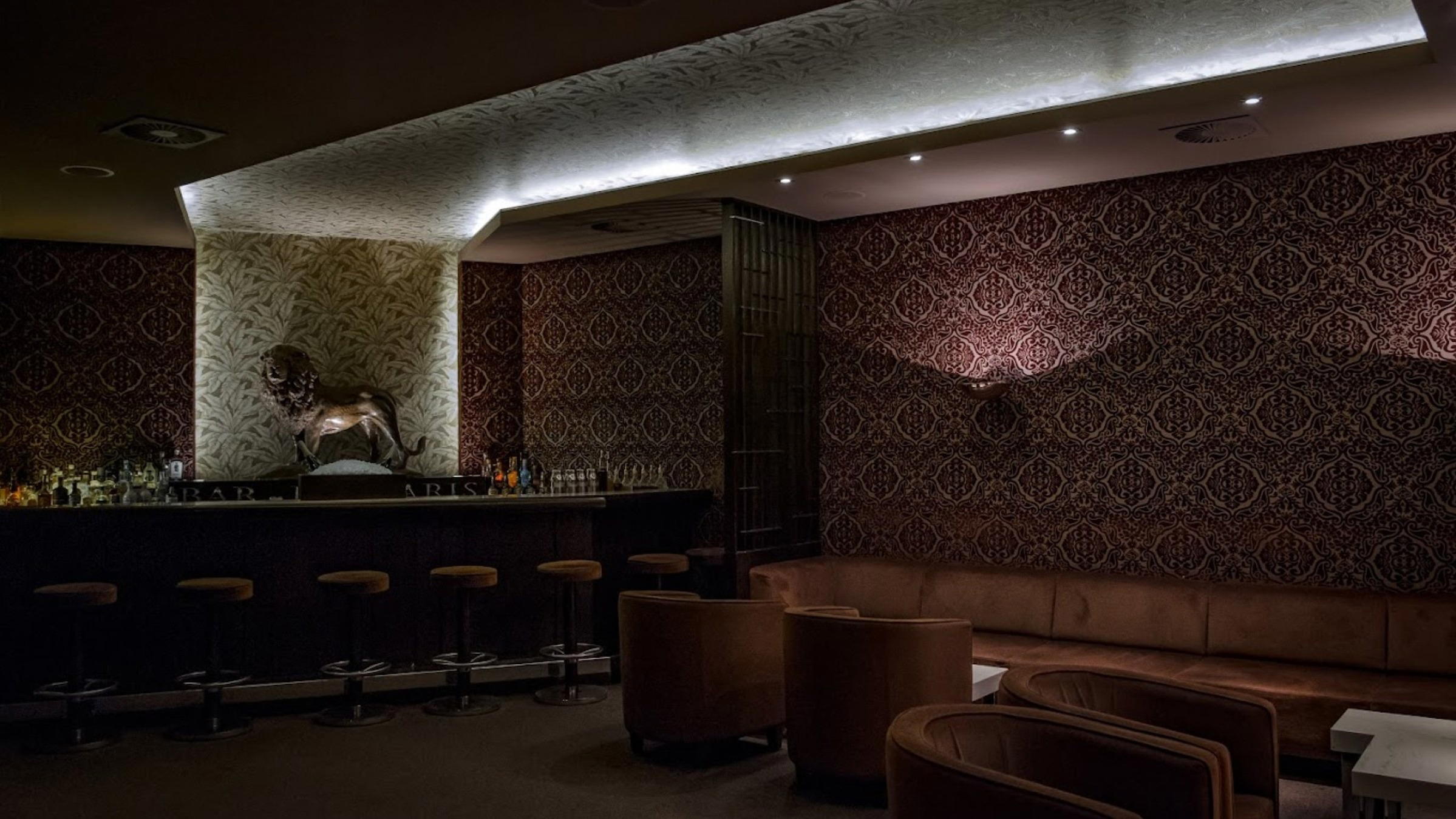
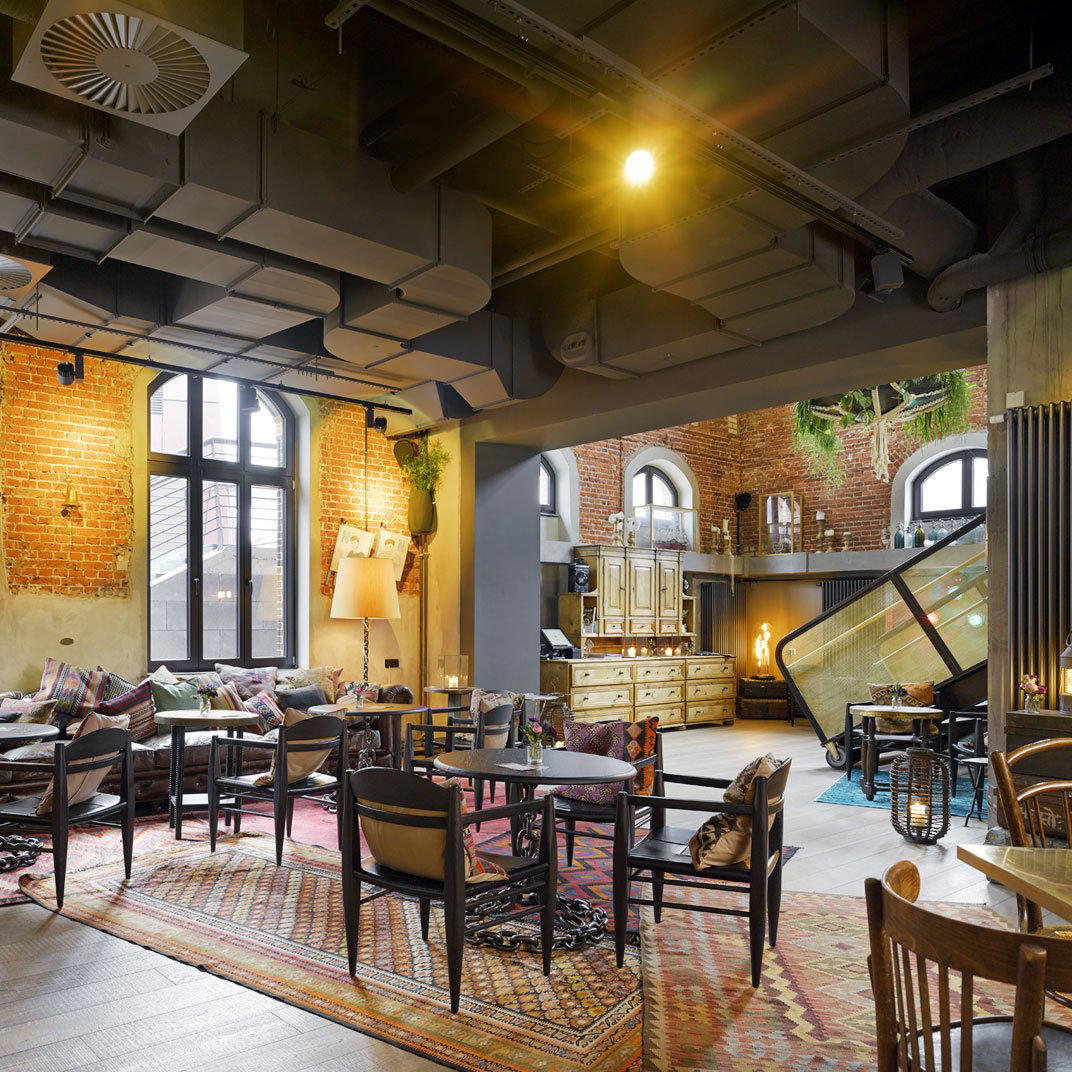
Hamburg's St. Georg district occupies a particular position in the city's geography of eating out. The neighbourhood runs east from the Hauptbahnhof toward the Alster lake, and its streets carry the architectural register of the late nineteenth and early twentieth century: heavy stone facades, high ceilings, rooms that were built to impress before the concept of fine dining had a name. Kirchenallee 46, where Schifferbörse Restaurant operates, sits inside that fabric. The address places it in a part of Hamburg where the physical container of a restaurant does a significant share of the storytelling before a single dish arrives.
This matters in a city where the upper tier of dining has moved toward stripped-back formats: counter seats, open kitchens, and the deliberate removal of decorative noise. The Table Kevin Fehling and bianc both occupy spaces designed with a kind of architectural restraint that foregrounds the food as the sole spectacle. Schifferbörse occupies a different tradition, one in which the room itself is part of the proposition.
The Space as Editorial Statement
Across German cities, a specific category of restaurant has survived the modernisation of fine dining by leaning into the weight of its physical setting rather than competing on menu innovation alone. Hamburg has several such addresses. Lakeside makes the Alster water its visual centrepiece. Landhaus Scherrer trades on the patrician atmosphere of its Elbchaussee villa. The logic in both cases is that the architectural and spatial experience is inseparable from the culinary one, and that diners who book these rooms are making a choice about the kind of evening they want, not only about what they want to eat.
Schifferbörse fits this pattern at its Kirchenallee address. The name itself references the city's maritime trading history: a Schifferbörse was a gathering place for ship captains and maritime merchants, and the word carries the same civic weight in Hamburg that Lloyd's carries in London. Whether the interior design draws explicitly on that history or simply benefits from it by association, the address alone anchors the restaurant in a narrative about the city's port identity that no amount of interior styling could manufacture from scratch.
For a reader planning a Hamburg itinerary, this distinction has practical consequences. Restaurants that trade on spatial and historical atmosphere tend to reward early evening arrivals, when the light in high-ceilinged rooms changes perceptibly through the course of a meal, and when the full room is occupied rather than half-empty. They also tend to perform differently across seasons: Hamburg's northern latitude means that summer evenings on Kirchenallee carry a quality of light that winter visits cannot replicate.
Where Schifferbörse Sits in Hamburg's Dining Tiers
Hamburg's restaurant market has stratified in ways that are easier to read from the outside than locals sometimes acknowledge. At the upper bracket, Restaurant Haerlin and The Table Kevin Fehling operate at €€€€ price points with the awards infrastructure to match: Michelin recognition, consistent critical attention, and booking windows that extend weeks or months ahead. 100/200 Kitchen occupies a creative tier with a different format discipline. Below these, a mid-to-upper range of restaurants competes on a combination of cuisine quality, setting, and value-per-cover rather than on the singular authority of a named chef or a Michelin star count.
What the address and name suggest is a restaurant operating in the tradition-and-setting tier rather than the innovation-and-credential tier. That is not a lesser position: in a city with Hamburg's appetite for civic occasion dining, corporate entertaining, and the kind of dinner that marks a milestone rather than tests a palate, restaurants that deliver a reliable, well-housed experience fill a real and durable market position.
Properties like Waldhotel Sonnora in Dreis and Vendôme in Bergisch Gladbach demonstrate how German restaurants outside the major cities often anchor their identity in physical setting and landscape as much as in menu ambition. Hamburg, as a city rather than a rural retreat, concentrates this spatial identity into its architecture and neighbourhood character instead.
Planning Your Visit
For visitors arriving from other German cities, this makes Schifferbörse one of the more logistically convenient addresses in Hamburg's dining geography, requiring no taxi or tram connection from the central station.
| Venue | City | Price Tier | Format | Key Draw |
|---|---|---|---|---|
| Schifferbörse Restaurant | Hamburg | Not confirmed | Traditional restaurant | Historic address, St. Georg setting |
| The Table Kevin Fehling | Hamburg | €€€€ | Counter, creative | Three Michelin stars, open kitchen |
| Lakeside | Hamburg | €€€€ | Lakeside dining room | Alster water views, German cuisine |
| Aqua | Wolfsburg | €€€€ | Hotel fine dining | Three Michelin stars |
| Schanz | Piesport | €€€€ | Moselle region fine dining | Two Michelin stars, wine-country setting |
Those extending their Germany trip beyond Hamburg can cross-reference with addresses like JAN in Munich, CODA Dessert Dining in Berlin, or Schwarzwaldstube in Baiersbronn for regional contrast. International reference points such as Le Bernardin in New York City and Atomix in New York City illustrate how differently other dining cultures approach the relationship between architectural setting and culinary ambition.
The Essentials
Comparable venues nearby, for context on price, style, and recognition.
| Venue | Cuisine | Price | Notes |
|---|---|---|---|
| Schifferbörse RestaurantThis venue — the venue you are viewing | Not listed | $$$ | Not listed |
| Wehmanns Bistro | Neumuehlen, North German Bistro Cuisine | $$$ | Not listed |
| Henny's | Barmbek, German, Sushi & Italian Fusion | $$ | Not listed |
| Krameramtsstuben | Neustadt, Traditional Hamburg German | $$ | Not listed |
| BLOCKBRÄU | Not listed | $$ | St. Pauli, Traditional German Brewery Cuisine |
| Brüdigams | Neu Lokstedt, Modern German Bistro | $$$ | Not listed |
Continue exploring
More in Hamburg
Restaurants in Hamburg
Browse all →
At a Glance
- Classic
- Cozy
- Family
- Group Dining
- Historic Building
- Extensive Wine List
Current opening hours
- Monday
- 12:30–11 PM
- Tuesday
- 12:30–11 PM
- Wednesday
- 12:30–11 PM
- Thursday
- 12:30–11 PM
- Friday
- 12:30–11 PM
- Saturday
- 12:30–11 PM
- Sunday
- 12:30–11 PM
Hours can change for holidays and private events. Last verified .
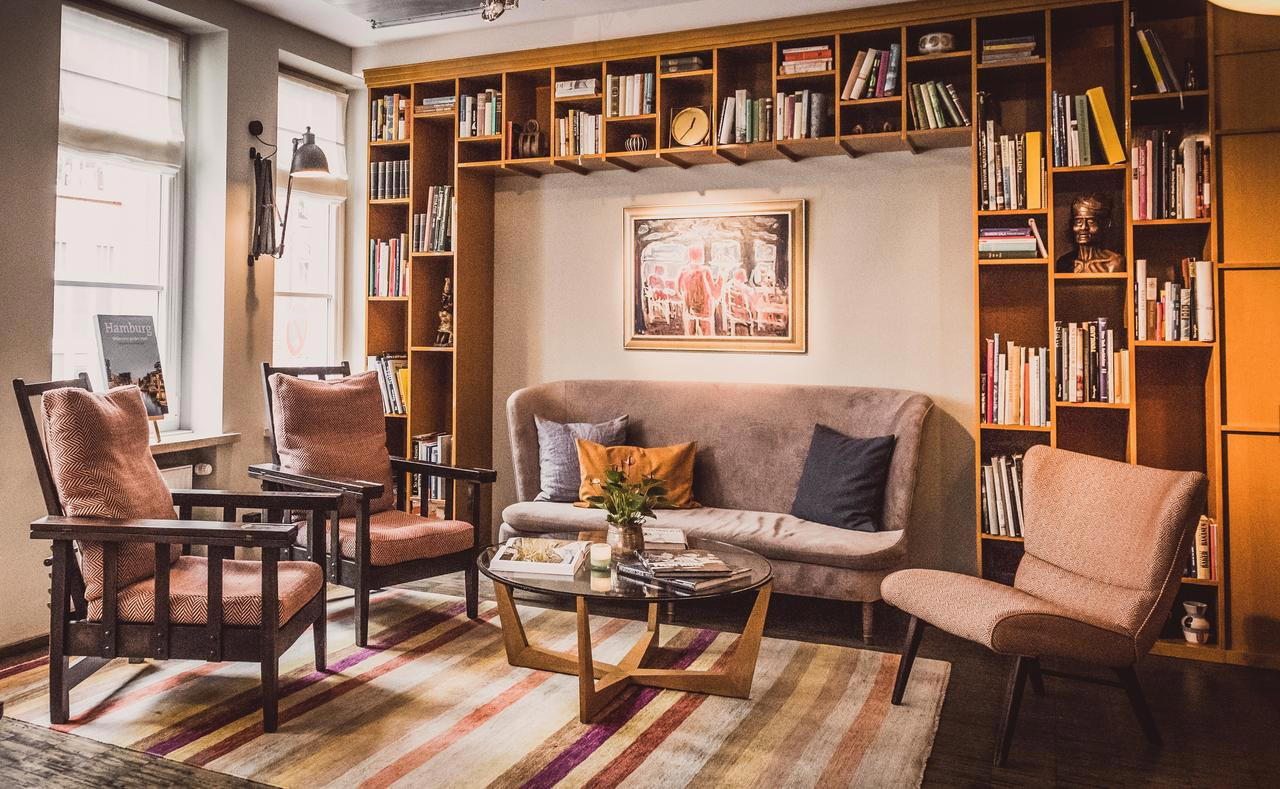
Maritime ambience in a traditional boater's setting with wood panelling.