Our verdict
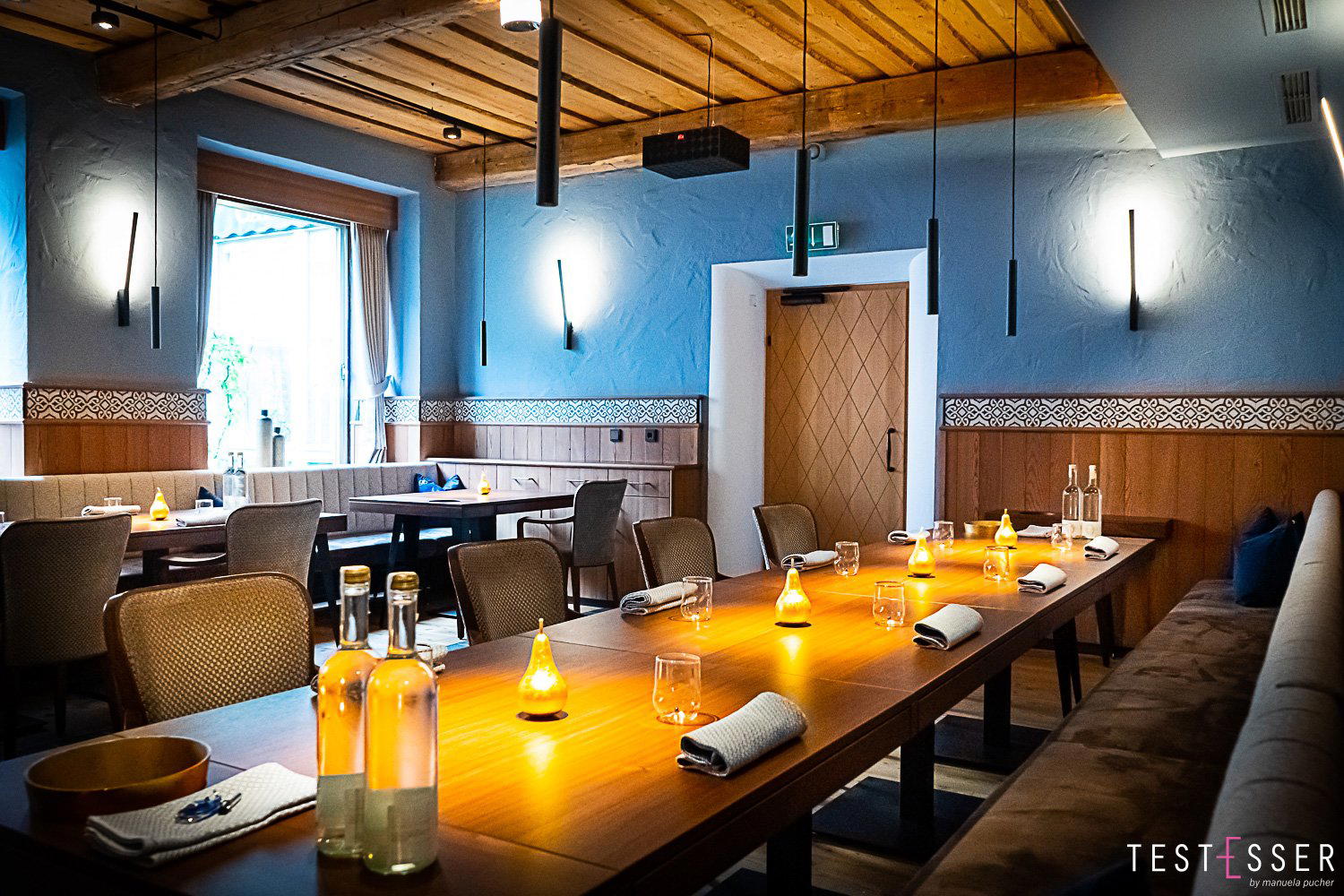
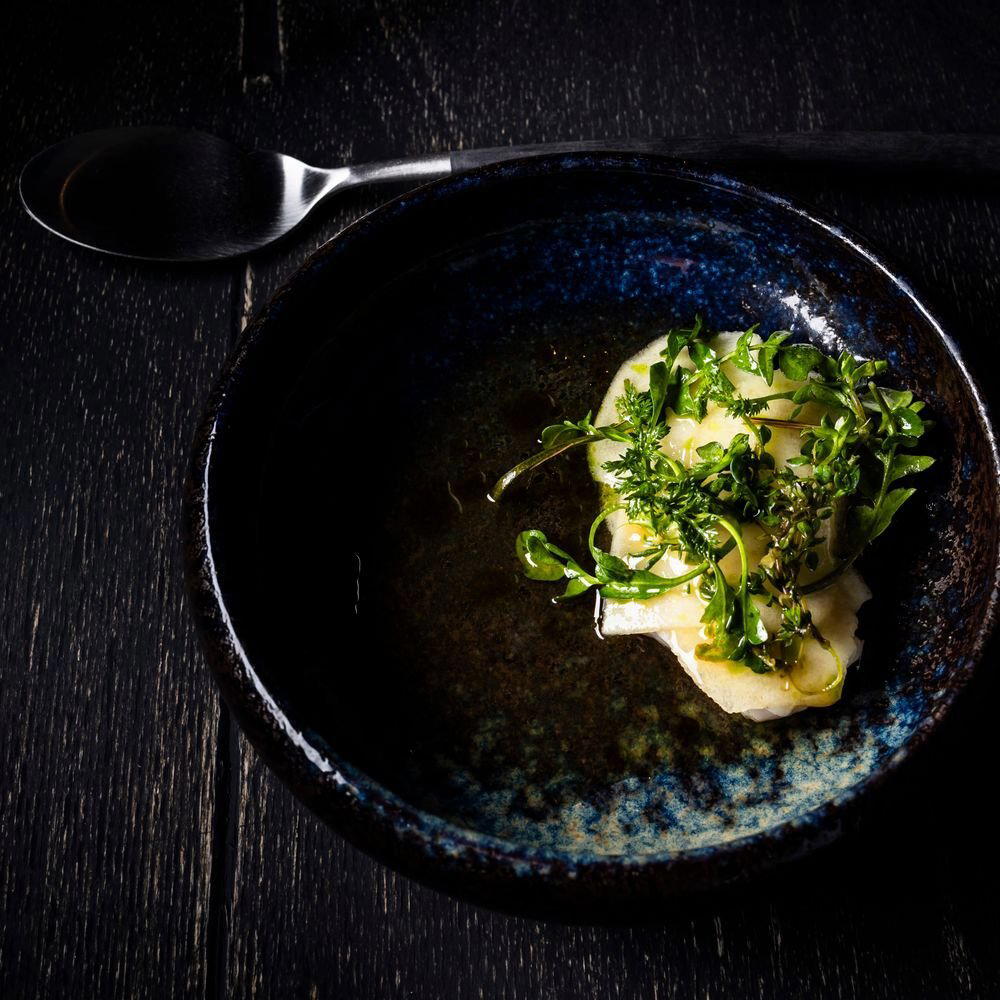
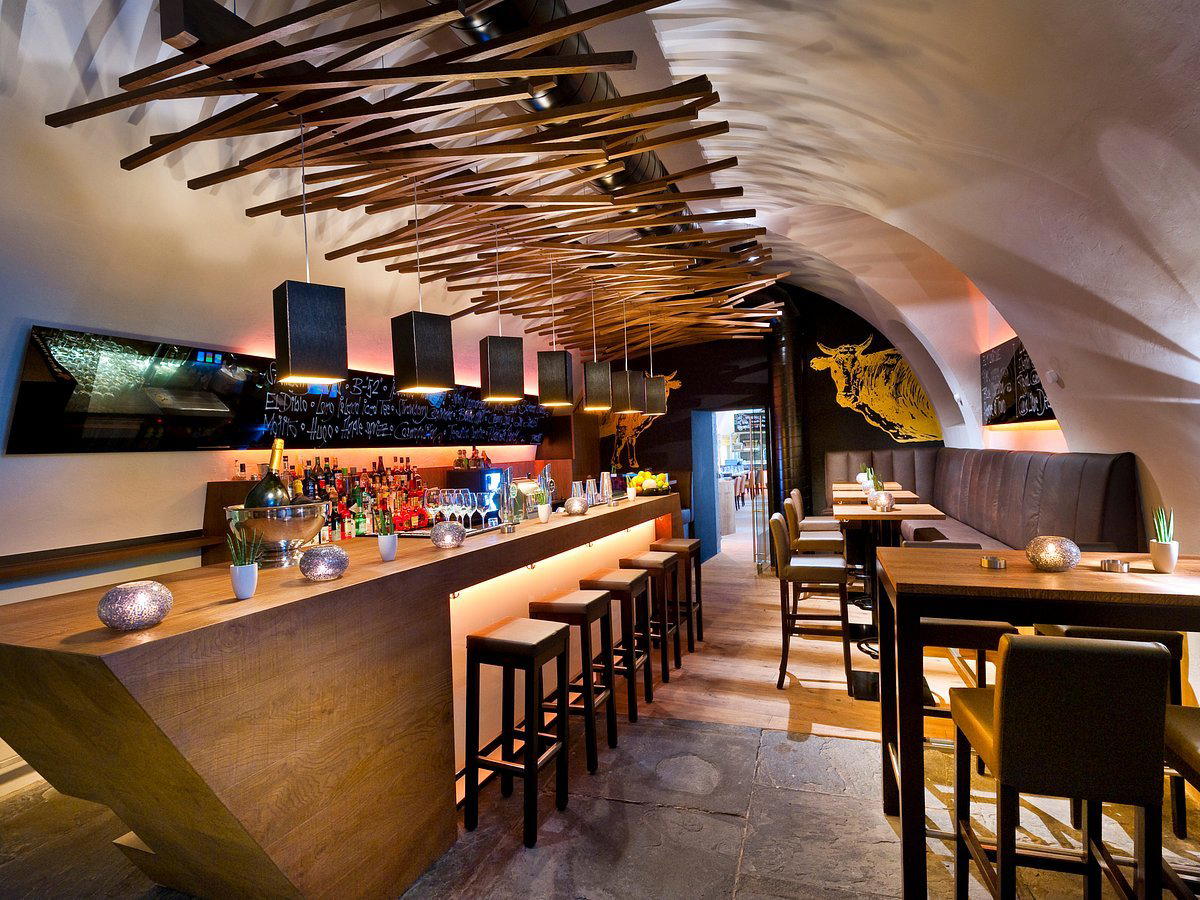
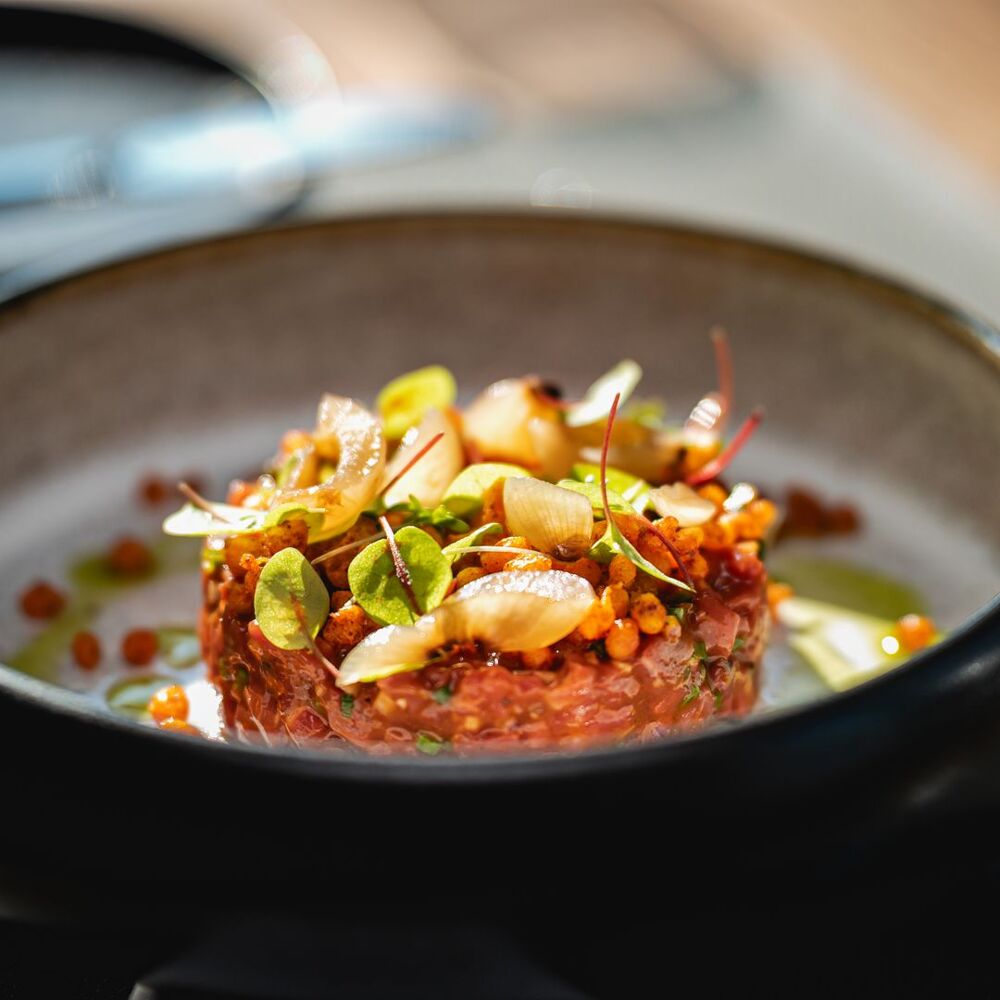
On Leonhardstraße in central Graz, Florian occupies a quiet address in one of the city's most settled residential and dining corridors. The kitchen draws on Styria's deep agricultural tradition, placing the region's produce at the centre of the plate rather than the periphery. For visitors mapping Graz's mid-to-upper dining tier, it represents a considered stop in a city that takes ingredient provenance seriously.

Pearl is the En Primeur Club membership app — saves, bookings, and concierge access live there. Same editors, same standards.
Where Styrian Sourcing Becomes the Argument
Graz sits at an unusual confluence in Central European food culture. It is close enough to the Styrian agricultural heartland that the distance between farm and kitchen is measured in kilometres rather than supply chains, and the city's better restaurants have built menus around that proximity for decades. This is not a recent trend adopted for marketing purposes; it reflects a regional cooking tradition in which pumpkin seed oil, Vulcano-cured meats, and mountain-grazed beef have defined the table long before provenance became a selling point in other European cities. Florian, on Leonhardstraße 8 in the city's inner ring, sits inside that tradition rather than commenting on it from the outside.
Leonhardstraße itself is instructive. The street runs through a neighbourhood that mixes university life with established residential blocks and a dining corridor that has accumulated serious restaurants without the tourist footfall of the Hauptplatz area. It is the kind of address where a kitchen can develop a local clientele rather than rotating through visitors, and where regulars develop real familiarity with what is on the menu on any given week. That dynamic shapes how ingredient-driven restaurants operate in practice: the feedback loop between kitchen and table is shorter, and seasonal shifts register faster with the people eating them.
The Styrian Larder in Context
To understand what sourcing-led cooking looks like in this part of Austria, it helps to situate Graz relative to comparable kitchens across the country. Restaurants such as Steirereck im Stadtpark in Vienna and Landhaus Bacher in Mautern an der Donau have demonstrated over many years that Austrian regional produce can anchor cooking at the highest recognised levels. Further west, kitchens like Obauer in Werfen and Döllerer in Golling an der Salzach have built reputations specifically on the argument that Alpine and sub-Alpine ingredients have their own identity worth articulating precisely. In Graz, the ingredients are different: Styria's southern exposure, its wine-growing hills, and its flat agricultural basin produce a distinct larder that the city's kitchens have returned to consistently.
Within Graz itself, the approach takes different forms depending on price point and ambition. Artis operates at the creative and premium end of the local spectrum, pushing Styrian ingredients into more formal plating structures. Arravané brings an international reading to the same raw material. At a more accessible register, Adelphia and Aiola im Schloss demonstrate that sourcing arguments are not confined to the leading price tier. Florian fits into this city-wide pattern at an address that draws from the same Styrian supply base, with the neighbourhood character of Leonhardstraße shaping how the room operates rather than a destination-dining atmosphere.
Seasonality as the Kitchen's Discipline
In cooking traditions where sourcing is the primary editorial statement, the calendar becomes the menu's structure. Styrian kitchens that take the regional larder seriously change their output substantially across the year: spring brings wild garlic, asparagus from the Marchfeld basin, and the first trout of the season; summer opens into peppers, courgettes, and the stone fruits that appear across Styrian markets; autumn is the most characterful season, with pumpkin seed oil in its freshest state, game from local estates, and the mushroom varieties that define the region's forest edge. Winter pulls the kitchen toward preserved and fermented goods, root vegetables, and heavier cuts.
This seasonal rhythm is not unique to Graz. Kitchens operating at a comparable level of sourcing commitment elsewhere in Austria, from Ois in Neufelden to Kräuterreich by Vitus Winkler in Sankt Veit im Pongau, operate on similar principles. What differs is the specific regional palette available to each kitchen. Styria's southern latitude and its wine-growing terrain give its produce a particular character that separates it from the Alpine-dominant supply chains of Tyrol or Salzburg. Restaurants like Schwarzer Adler in Hall in Tirol, Gourmetrestaurant Tannenhof in Sankt Anton am Arlberg, and Stüva in Ischgl operate in a different ecological context, which produces a different kind of cooking even when the sourcing principles are aligned. Internationally, sourcing-led formats at kitchens such as Lazy Bear in San Francisco and ingredient-focused precision at Le Bernardin in New York City demonstrate that the commitment to provenance as structure rather than decoration is a broader culinary argument, not a specifically Austrian one.
The Neighbourhood as Context for the Room
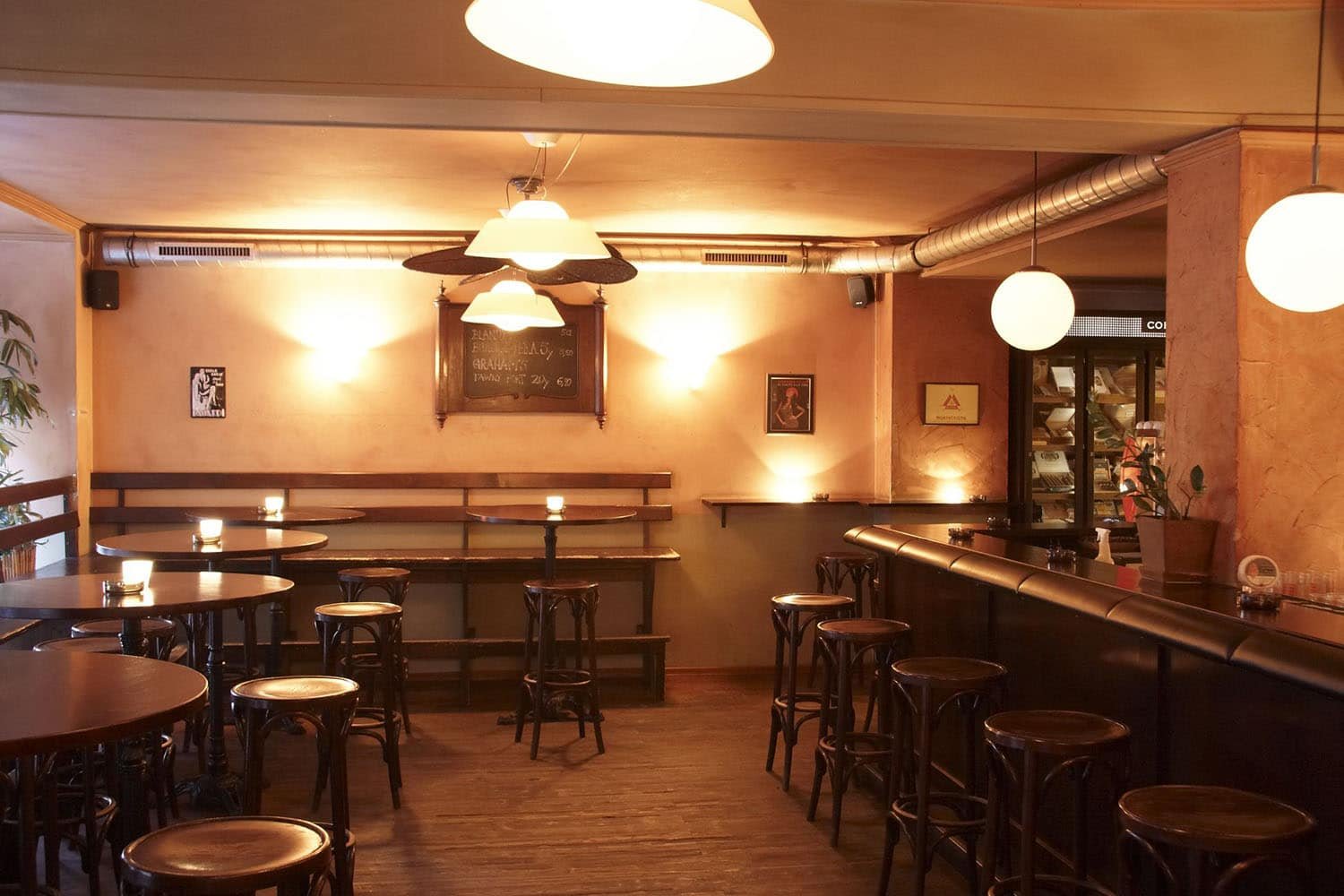
Leonhardstraße runs east of the historic centre, close enough to the university district that the neighbourhood carries a mix of permanent residents, academic foot traffic, and the kind of longer-tenured restaurants that survive by building repeat business rather than chasing single-visit diners. This positioning in the city's inner ring, distinct from the tourist-heavy Schlossberg approaches and the market-adjacent dining near the Hauptplatz, tends to produce a particular dining culture: less performative, more settled. Restaurants in this corridor, including nearby addresses like aiola upstairs, develop their character through accumulated local familiarity rather than peak-season visitor traffic.
For a first-time visitor planning the address into a broader Graz itinerary, this neighbourhood positioning is worth understanding in practical terms. The street is walkable from the central tram network, placing Florian within reach of the city's main arrival points without requiring a taxi. The surrounding area has enough independent food retail, wine shops, and market proximity to make it useful for a half-day spent in the city's less-visited inner ring before an evening meal. Those building a fuller picture of the Graz dining scene should also reference our full Graz restaurants guide, which maps the city's different dining corridors and price tiers in more detail.
For context on comparable mid-tier sourcing-led cooking in the region, Restaurant 141 by Joachim Jaud in Mieming offers a useful reference point for how Alpine kitchens at a similar tier handle seasonal discipline. The gap between these regional addresses and the city formats in Graz reflects less a difference in ambition than a difference in the available ingredient palette.
Planning a Visit
Florian's address at Leonhardstraße 8, 8010 Graz places it in the city's inner residential ring, accessible by tram and on foot from the central hotel cluster around the Herrengasse. Given the sparse public data available on booking method, hours, and current format, contacting the restaurant directly before visiting is the practical approach for confirming availability, particularly for weekend evenings in autumn, when Styrian produce is at its most varied and dining demand in Graz correspondingly increases. Those with specific dietary requirements or allergen concerns should raise these at the point of booking rather than on arrival, as sourcing-led kitchens with seasonal menus build their dishes around specific produce and substitutions may require advance planning.
Frequently asked questions
What's Florian's location?
Florian is located at Leonhardstraße 8, 8010 Graz, Austria, Graz.
How does Florian's location in Graz compare to the city's more central dining options?
Florian sits on Leonhardstraße in Graz's inner residential ring, east of the historic centre, in a neighbourhood that mixes university life with long-term residents — a different register from the tourist-facing restaurants around the Hauptplatz or the Schlossberg slopes. This placement puts it closer to the everyday rhythm of the city rather than its showcase districts. For visitors staying in central Graz hotels, it is reachable on foot or by tram.
What do regulars order at Florian?
Without a published menu on record, the kitchen's direction is shaped by Styrian seasonal sourcing, meaning the dishes that draw repeat visits tend to reflect what the regional larder offers at a given time of year. Regulars in kitchens with this editorial approach typically anchor to whatever the kitchen is doing with local produce at its seasonal peak. Confirming current dishes directly with Florian at Leonhardstraße 8 is the most reliable approach before visiting.
Is Florian reservation-only?
Given its location in the inner residential ring — close to the university district and a mixed neighbourhood demographic — walk-in availability likely varies by day and season. Contacting the venue directly before planning a visit is advisable.
What do critics highlight about Florian?
Coverage from named publications, if it exists, has not been independently verified here.
What if I have allergies at Florian?
Kitchens that operate with a seasonal, sourcing-led model in the Styrian tradition often adjust dishes around specific needs, but this cannot be assumed. Reaching out to the restaurant at Leonhardstraße 8, Graz ahead of your visit is the only reliable way to confirm what can be accommodated.
Same-City Peers
Comparable venues nearby, for context on price, style, and recognition.
| Venue | Cuisine | Price | Notes |
|---|---|---|---|
| FlorianThis venue — the venue you are viewing | Traditional Austrian & Styrian Fine Dining | Not listed | Not listed |
| SAKANA | Modern Japanese Sushi | $30–50 | Geidorf |
| Peppino im Hofkeller | Authentische Italienische Küche mit Sardischem Einfluss | $30–50 | Innere Stadt |
| YAMAMOTO SUSHIBAR | Japanese Sushi Bar | $20–30 | Innere Stadt |
| Landhauskeller | Traditional Styrian/Austrian | $30–50 | Innere Stadt |
| Caylend | Modern Styrian Fusion with Seafood Focus | $30–50 | Lend |