Graz has a small but serious sushi scene, and Yamamoto Sushibar on Prokopigasse 4 occupies a distinct position within it. In a city whose restaurant conversation tilts heavily toward Styrian regional cooking, a dedicated Japanese counter represents a considered counterpoint. For those tracking where Austrian cities are building depth in Asian formats, this address is worth attention.
Pearl is the En Primeur Club membership app — saves, bookings, and concierge access live there. Same editors, same standards.
- Address
- Prokopigasse 4, 8010 Graz, Austria
- Phone
- +43316852852
- Website
- yamamoto-sushibar.at
- Directions
- Get directions
 Saves & bookings on Pearl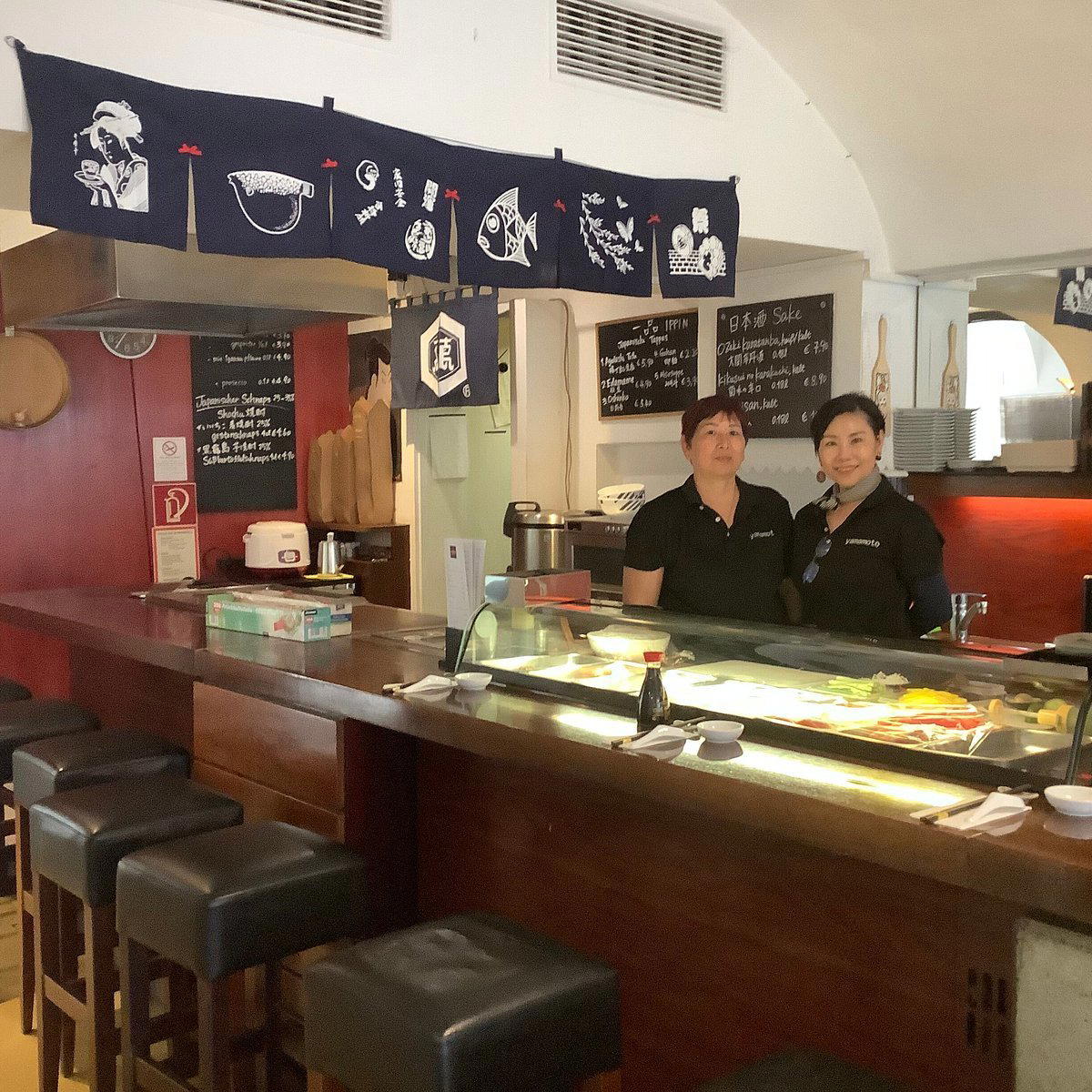
A Japanese Counter in a Styrian City
Graz does not immediately read as a sushi city. The dominant culinary conversation here runs through Styrian pumpkin oil, schilcher rosé, and the kind of farm-to-table regionalism that places like Aiola im Schloss and Arravané have built their reputations around. Against that backdrop, a sushi bar named Yamamoto, operating out of Prokopigasse 4 in the city's central eighth district, represents something specific: the kind of specialist Japanese format that has taken root in mid-sized European cities as dining audiences have broadened and ingredient supply chains have matured.
Over the past decade, sushi operations outside the obvious capitals have split into two rough categories. The first is casual fusion, adapting Japanese forms to local tastes with house-made sauces, Western proteins, and wide menus designed for high table turnover. The second is the counter-led, fish-focused format that takes its cues from Japanese discipline rather than European comfort, tighter menus, restrained seasoning, fish quality as the central editorial argument. Yamamoto Sushibar sits at Prokopigasse 4 in a city where neither format has the density it carries in Vienna or Munich, which means the bar operates in relative isolation from peer pressure, for better or worse.
The Physical Container
In Japanese counter dining, space is not incidental. The geometry of the room, counter height, the distance between guest and chef, the materials used at the pass, shapes the entire register of the experience. Omakase counters in Tokyo's Ginza district are engineered so that the eight or ten seats form a kind of intimate theatre, where proximity to preparation is the point. European sushi bars working in the same format tend to adapt those proportions to local building stock, which often means fitting a counter format into a room that was not originally designed for one.
At Prokopigasse 4, the address places the restaurant in a pedestrianised zone near Graz's historic centre, where ground-floor spaces in older buildings tend toward moderate depth and width rather than open-plan volume. That physical constraint, common across central European cities, typically pushes sushi operations toward a more compact, focused layout, which, when handled with care, actually reinforces the discipline that counter dining depends on. Compare this to Artis, the creative-format restaurant operating at the higher end of Graz's price tier, which works within a different spatial logic. The point is not which approach is superior, but that the physical container sets the terms of engagement from the moment a guest arrives.
For context on how counter-led Asian formats handle the relationship between space and experience at the summit of the market, Atomix in New York City and Le Bernardin in New York City represent different poles of how precision dining uses room design to communicate intent before a single dish arrives. Yamamoto operates in a different tier and a smaller city, but the underlying logic, that architectural decisions are editorial decisions, applies across formats and price points.
Where Yamamoto Sits in Graz's Dining Picture
Graz's restaurant scene at the serious end of the market leans heavily on Austrian and Styrian identity. Adelphia and aiola upstairs both work within formats that draw on regional ingredients and European fine-dining conventions. At the more accessible price points, regional operators like Kehlberghof (seasonal cuisine, €€€) and Mohrenwirt (regional, €€) reinforce the Styrian identity that dominates the mid-market. A dedicated sushi bar does not compete directly with any of those addresses. It occupies a different occasion entirely, serving guests whose appetite runs to Japanese fish work rather than Styrian classics.
That positioning is not unusual in Austrian cities outside Vienna. The Austrian market for Japanese cuisine has grown steadily as ingredient logistics have improved and as Austrian audiences who travel regularly to Japan or to Tokyo-standard sushi operations in London, Zurich, and Munich have developed stronger reference points. In that sense, Yamamoto Sushibar is part of a broader pattern across the country: specialist formats finding durable audiences in cities that would not have supported them twenty years ago. For comparison with what Austria's top end of the fine-dining spectrum looks like, see Steirereck im Stadtpark in Vienna or, for high-altitude precision cooking in the west of the country, Griggeler Stuba in Lech.
Within Graz itself, the specialist positioning matters for understanding what kind of dining decision Yamamoto represents. This is not a restaurant you arrive at by accident or because it came up first on a search. It is a destination for a specific craving in a city where that craving has few other dedicated addresses to satisfy it.
Planning a Visit
Yamamoto Sushibar is located at Prokopigasse 4, 8010 Graz, in the central district within easy walking distance of the Hauptplatz. For allergy-related requirements or specific dietary needs, contact the restaurant ahead of any visit.
For Austrian fine dining in other parts of the country, Döllerer in Golling an der Salzach, Obauer in Werfen, and Ikarus in Salzburg represent the wider range of ambitious Austrian cooking. Those tracking farm-focused mid-range formats might also consider Kräuterreich by Vitus Winkler in Sankt Veit im Pongau, Landhaus Bacher in Mautern an der Donau, Ois in Neufelden, or Restaurant 141 by Joachim Jaud in Mieming, all of which reflect different facets of what Austrian regional cooking looks like beyond Graz. Gourmetrestaurant Tannenhof in Sankt Anton am Arlberg rounds out the alpine end of the spectrum.
- maki rolls
- nigiri
- sashimi
- ramen
- bento boxes
- tempura
Cuisine and Credentials
Comparable venues nearby, for context on price, style, and recognition.
| Venue | Cuisine | Price | Notes |
|---|---|---|---|
| YAMAMOTO SUSHIBARThis venue — the venue you are viewing | Authentic Japanese Sushi | $$$ | Not listed |
| Yamamoto | Authentic Japanese Sushi & Ramen | $$ | Innere Stadt |
| SAKANA | Modern Japanese Sushi | $$$ | Geidorf |
| Toshi | Modern Japanese Sushi | $$$ | Gries |
| Kaoo Riverside | Modern Asian All-You-Can-Eat À La Carte | $$ | Innere Stadt |
| El Pescador | Mediterranean Seafood | $$$ | Innere Stadt |
Continue exploring
More in Graz
Restaurants in Graz
Browse all →
Bars in Graz
Browse all →
Hotels in Graz
Browse all →



At a Glance
- Cozy
- Intimate
- Casual Hangout
- Solo
- Open Kitchen
- Standalone
- Sake Program
Current opening hours
- Monday
- Closed
- Tuesday
- 11:30 AM–10 PM
- Wednesday
- 11:30 AM–10 PM
- Thursday
- 11:30 AM–10 PM
- Friday
- 11:30 AM–10 PM
- Saturday
- 11:30 AM–10 PM
- Sunday
- 11:30 AM–10 PM
Hours can change for holidays and private events. Last verified .
Small and casual with a show-kitchen/counter element where guests can watch sushi and sashimi being prepared.