Landhauskeller occupies a storied address at Schmiedgasse 9 in Graz's historic core, operating within the tradition of the Styrian Gasthaus at its most formal register. The setting places it in the same old-town corridor as several of Graz's more ambitious dining rooms, and the kitchen draws on a regional larder that has defined Austrian cuisine well beyond the province's borders.
Pearl is the En Primeur Club membership app — saves, bookings, and concierge access live there. Same editors, same standards.
- Address
- Schmiedgasse 9, 8010 Graz, Austria
- Phone
- +43 316 830276
- Website
- landhauskeller.at
- Directions
- Get directions
 Saves & bookings on Pearl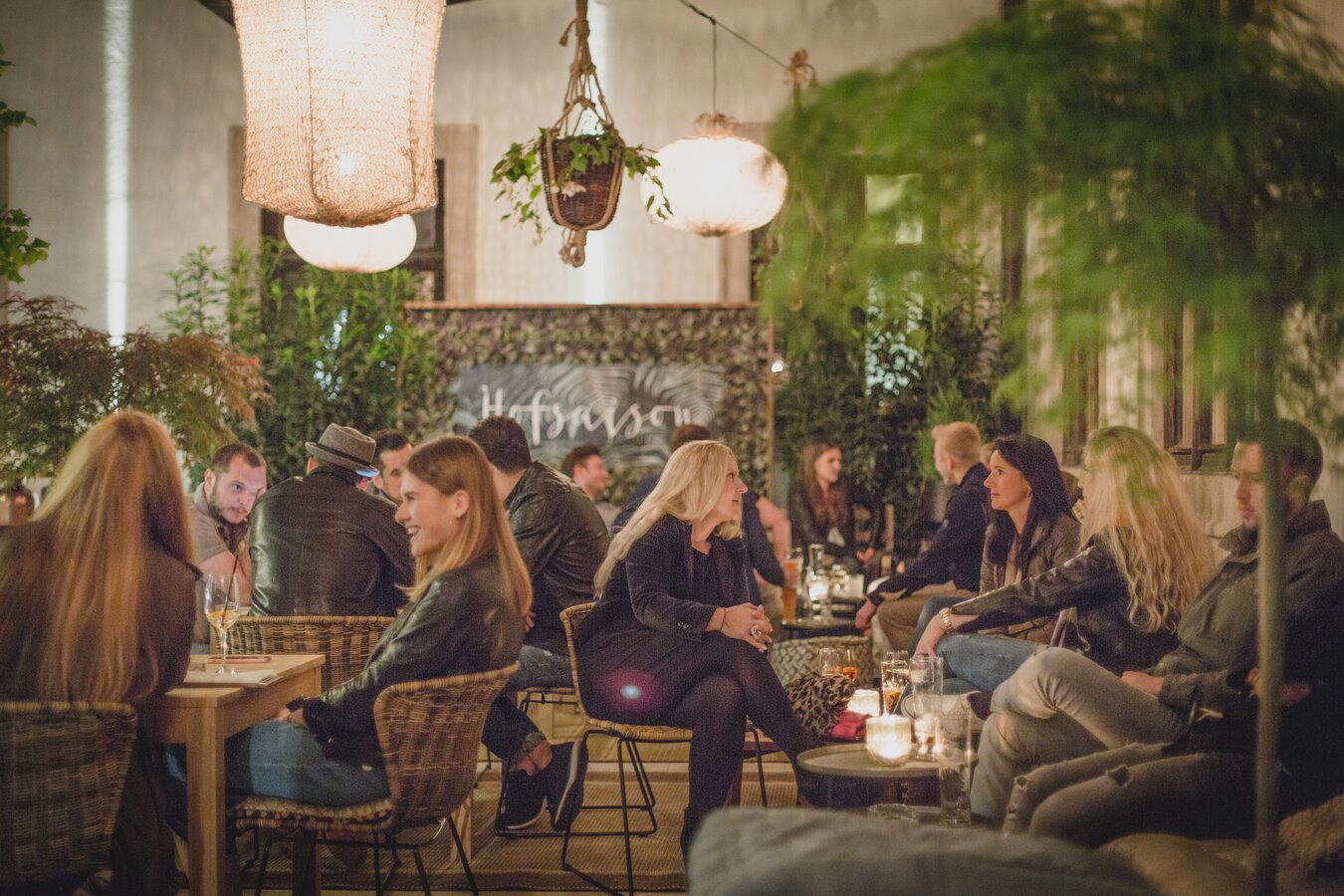
The Styrian Gasthaus Tradition and Where Landhauskeller Sits Within It
Graz has long occupied an outsized position in the story of Austrian regional cooking. The city's proximity to the Schilcher wine country to the west, the pumpkin-oil farms of eastern Styria, and the agricultural plateau between the Mur and the Slovenian border gives its kitchens access to a larder that remains genuinely productive rather than decoratively local. The Styrian Gasthaus, a format that sits between the rural inn and the urban dining room, is the vessel through which much of this produce historically reached the table. Landhauskeller, at Schmiedgasse 9 in Graz's old town, operates within that tradition at its most architecturally grounded: a cellar setting that references the layered history of the Landhaus complex, among the more significant Renaissance civic buildings in Central Europe.
That address matters in ways that go beyond real estate. The Landhaus itself was the seat of Styrian provincial governance for centuries, and dining in its shadow carries an implicit argument about continuity: the food of this region, cooked in this register, is not a trend or a revival but an ongoing practice. For the reader deciding between Graz's newer, more experimental rooms and its established houses, Landhauskeller represents a particular kind of position, the keeper of the baseline, against which the more creative kitchens define themselves.
Graz's Old Town Dining Corridor
Schmiedgasse runs through the densest part of Graz's historic centre, where several of the city's more serious dining addresses cluster within a few hundred metres of each other. Adelphia and Aiola im Schloss draw from the same old-town footfall, while aiola upstairs and Artis occupy the more contemporary end of that same corridor. Arravané has introduced a French-inflected format to the mix. In this context, a cellar house anchored to the Landhaus complex is not competing on innovation; it is competing on provenance, setting, and the specific pleasure of eating Styrian food in a room that pre-dates the cuisine's contemporary reputation by several generations.
Houses like Steirereck im Stadtpark in Vienna have spent decades demonstrating that Styrian and Austrian regional ingredients can sustain cooking at the highest formal register. At the other end of the format spectrum, Landhaus Bacher in Mautern an der Donau and Obauer in Werfen have built reputations around the Gasthaus-inflected fine dining format that Landhauskeller's address invokes. Further afield, Döllerer in Golling an der Salzach and Schwarzer Adler in Hall in Tirol show how the regional-inn format has been reinterpreted across the Alps. Landhauskeller's identity is less about reinterpretation and more about the sustained argument that the original format, in the right setting, requires no apology.
What the Styrian Kitchen Actually Produces
Any serious engagement with Landhauskeller requires some understanding of what Styrian cuisine actually is, as opposed to how it tends to be described in tourism material. The province's cooking is built on a specific handful of ingredients that recur with almost didactic regularity: pumpkin-seed oil pressed from the Cucurbita pepo var. styriaca grown in the eastern lowlands, which carries a protected designation of origin (PDO) under EU law; Schilcher, the sharp, pale-rosé wine made from Blauer Wildbacher grapes that grows almost nowhere else; Brettljause, the cold-cut and cheese board that functions as both bar snack and standalone meal; and game from the Styrian forests, which reaches tables with a directness rarely matched in urban European kitchens. These are not garnishes or accent notes, they are the structural material of the cuisine.
The leading Styrian cooking does not attempt to disguise this specificity. It presents the pumpkin-seed oil with enough confidence to let its deep, almost roasted character carry a dish without competition. It serves the Schilcher slightly cool, where its tartness is an asset rather than a flaw. In this context, a house like Landhauskeller, operating in the cellar of one of the region's most significant historic buildings, inherits a responsibility to that specificity rather than a licence to stray from it. Visitors arriving from kitchens like Le Bernardin in New York City or Lazy Bear in San Francisco will find a fundamentally different set of priorities, less technique-forward, more archival in its relationship to the regional larder.
Placing Landhauskeller in Austria's Broader Restaurant Geography
Austria's more ambitious dining rooms have spread well beyond Vienna and Salzburg over the past two decades. Restaurant 141 by Joachim Jaud in Mieming, Gourmetrestaurant Tannenhof in Sankt Anton am Arlberg, Stüva in Ischgl, Kräuterreich by Vitus Winkler in Sankt Veit im Pongau, and Ois in Neufelden each represent a version of regional-grounded cooking that has earned serious attention. Within that broader Austrian dining geography, Graz functions as Styria's primary urban expression, a city where the province's cooking, wines, and produce are most reliably accessible in a full-service dining format. Landhauskeller's positioning within that city is as a reference point: the address from which other Graz restaurants measure their distance, whether toward the experimental end represented by Artis or the more casual register of the city's wine bars and Beisl.
Planning a Visit
Landhauskeller is located at Schmiedgasse 9 in the old town, within walking distance of Graz's main square, the Hauptplatz, and a short climb from the Schlossberg. As a cellar restaurant in a historic building, the space operates with limited natural light and a room character that is specific to its architectural context, visitors looking for open-air or panoramic dining should consider the terrace-facing addresses on the Schlossberg approaches instead. Booking is recommended, and the restaurant is open Monday to Saturday from 12 PM to 12 AM, with Sunday closed.
Price Lens
Comparable venues nearby, for context on price, style, and recognition.
| Venue | Cuisine | Price | Notes |
|---|---|---|---|
| LandhauskellerThis venue — the venue you are viewing | Not listed | $$$ | Not listed |
| Frankowitsch | Innere Stadt, Austrian Deli Brötchen | $$ | Not listed |
| Würstelstand 12, weil's wurscht is | Innere Stadt, Austrian Sausage Stand | $ | Not listed |
| Ristorante Corti | Jakomini, Authentic Italian Trattoria | $$$ | Not listed |
| Gerüchteküche | Not listed | $$$ | St. Leonhard, Vegan Fine Dining with Regional Seasonal Tasting Menu |
| El Gaucho | Innere Stadt, Argentine Steakhouse | $$$ | Not listed |
Continue exploring
More in Graz
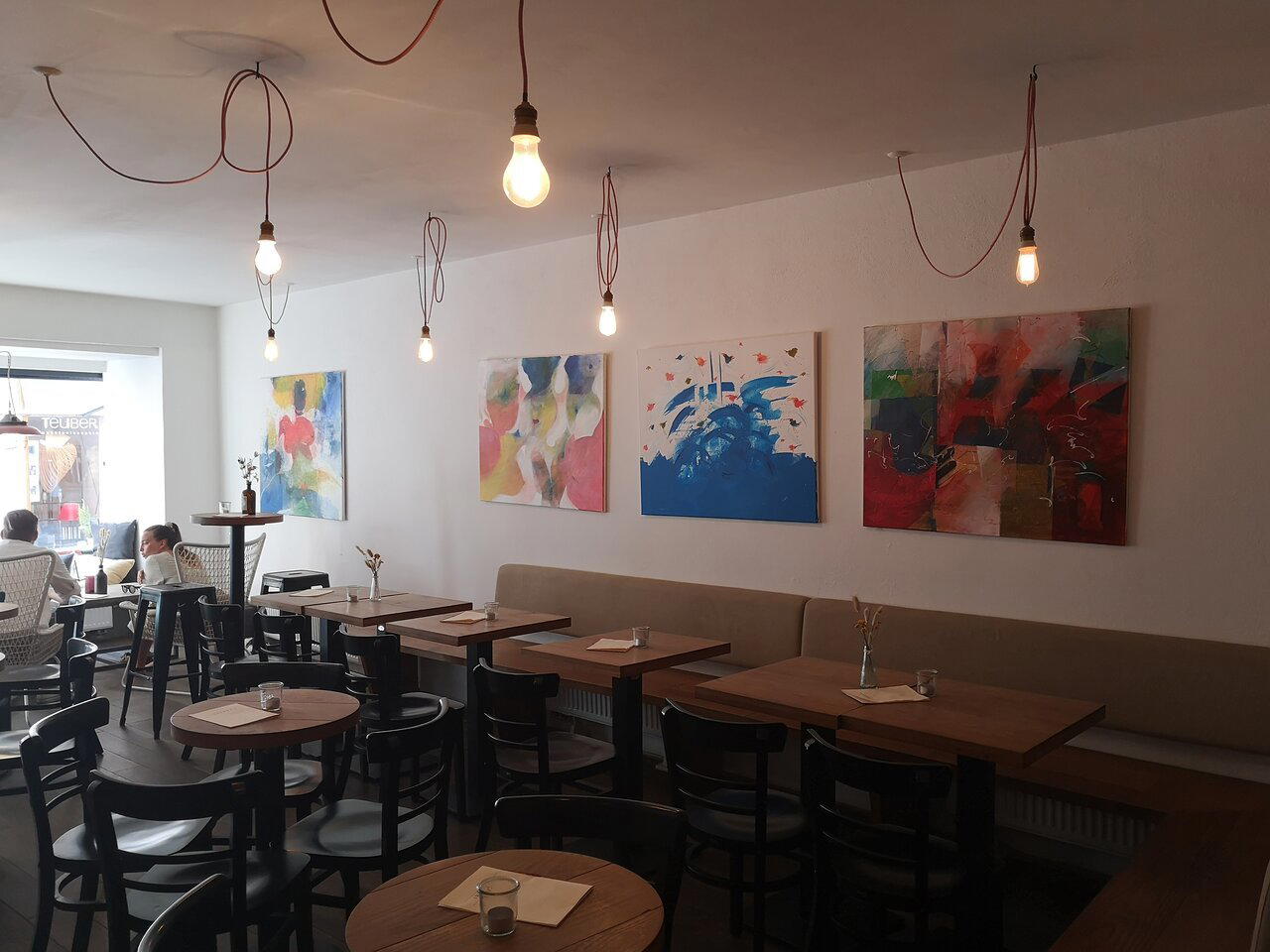
Restaurants in Graz
Browse all →
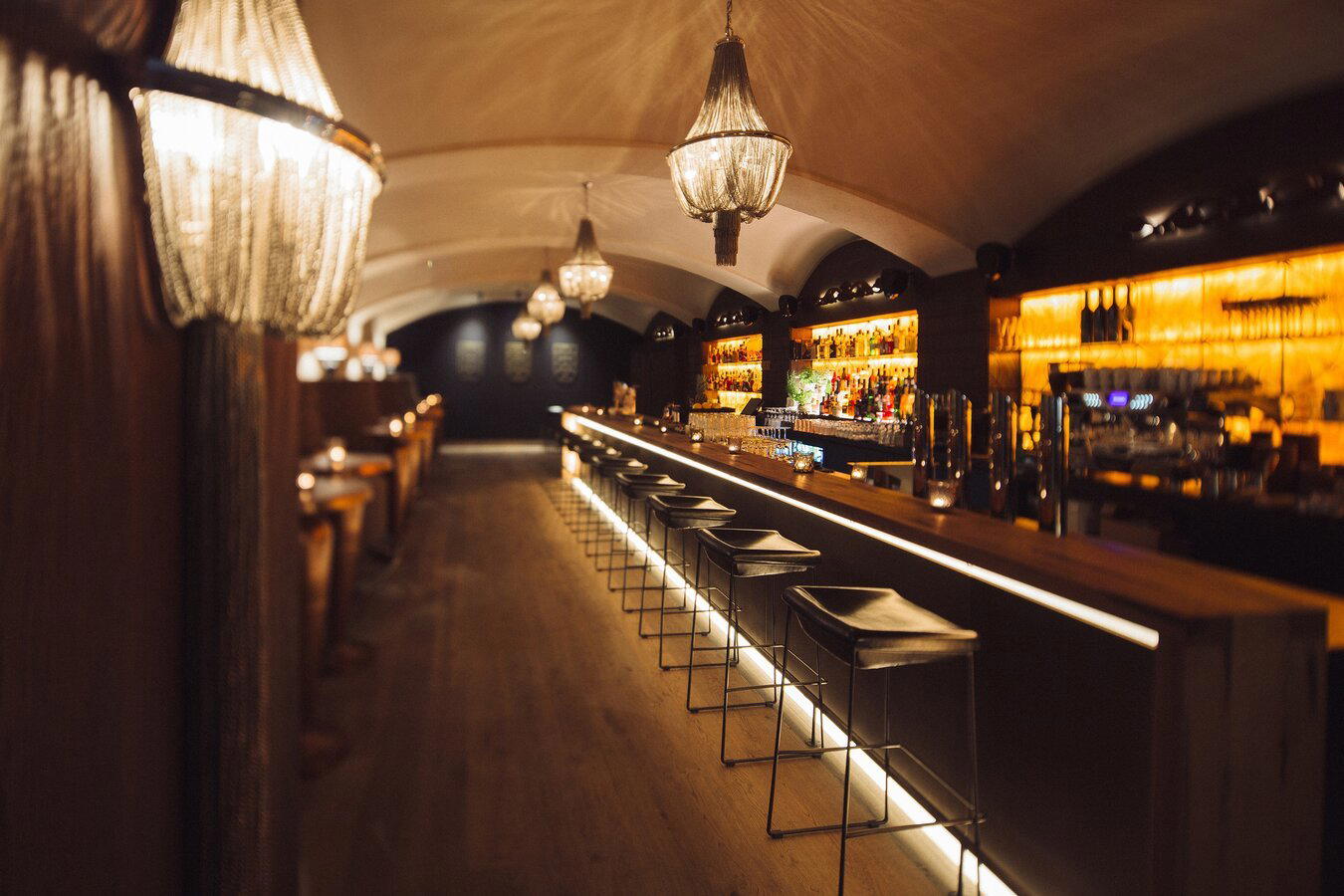
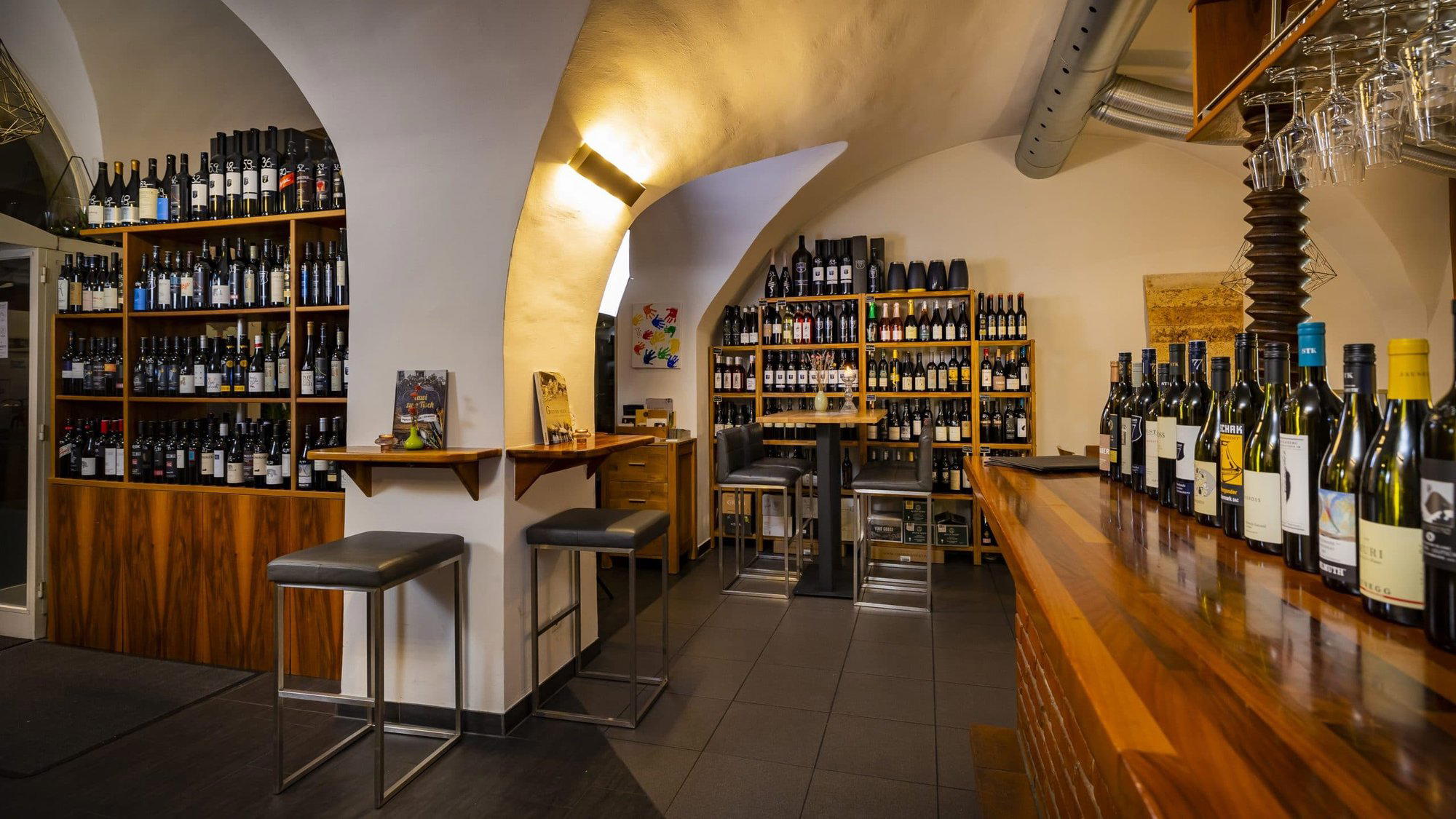
Bars in Graz
Browse all →
Hotels in Graz
Browse all →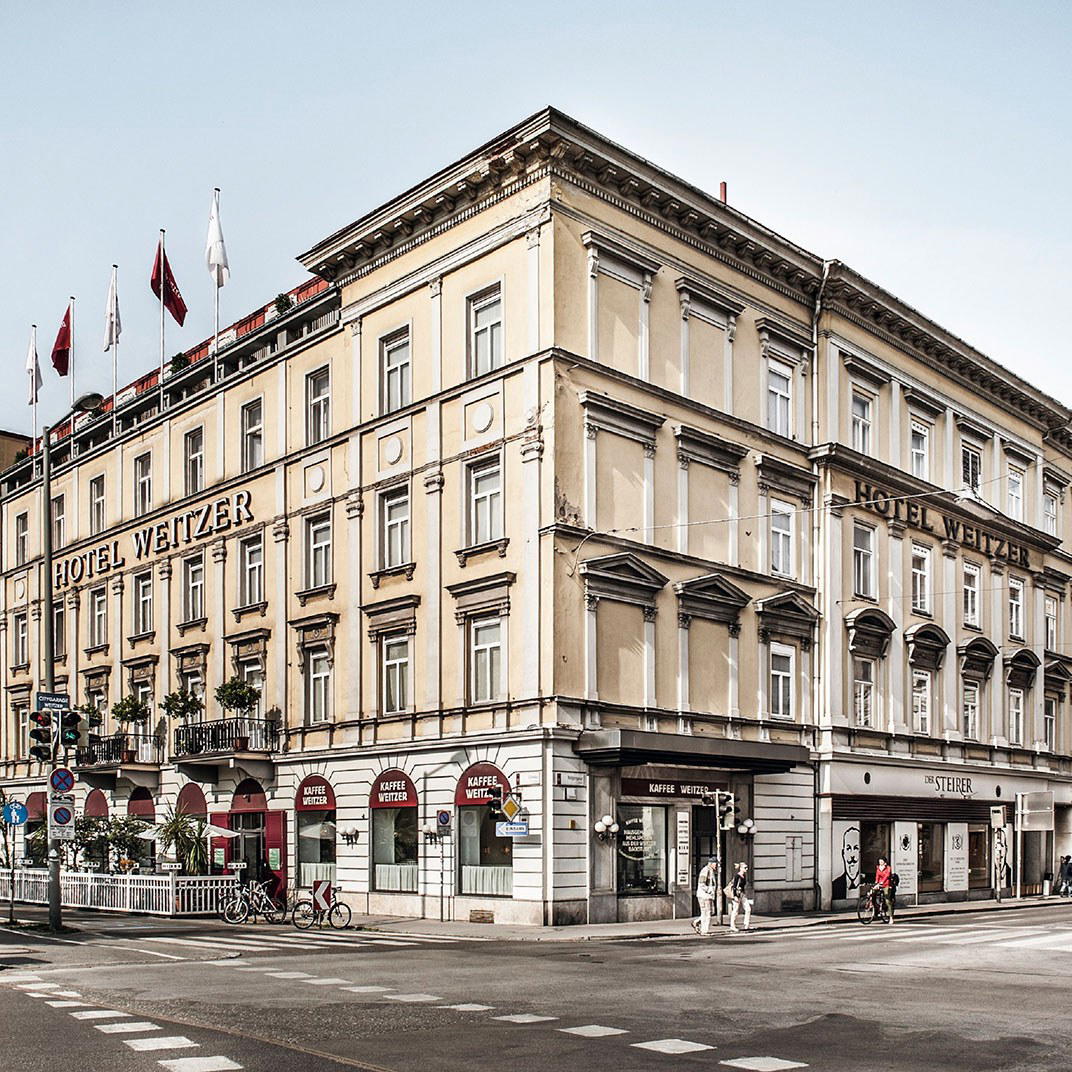

At a Glance
- Classic
- Rustic
- Cozy
- Historic
- Elegant
- Business Dinner
- Special Occasion
- Historic Building
- Courtyard
- Extensive Wine List
- Local Sourcing
Current opening hours
- Monday
- 12 PM–12 AM
- Tuesday
- 12 PM–12 AM
- Wednesday
- 12 PM–12 AM
- Thursday
- 12 PM–12 AM
- Friday
- 12 PM–12 AM
- Saturday
- 12 PM–12 AM
- Sunday
- Closed
Hours can change for holidays and private events. Last verified .
Formal yet welcoming interior with historic murals, coats of arms, floral displays, classical background music, and a relaxing arcaded courtyard.