Set within the historic Hofkeller district of Graz's Altstadt, Peppino im Hofkeller occupies a space where centuries of Austrian civic architecture meet the Italian-inflected dining tradition that has shaped Styrian table culture for generations. The address on Hofgasse places it among the city's most storied dining streets, steps from the Schlossberg and within the UNESCO World Heritage core. Graz diners who prioritise setting and provenance find the address worth seeking out.
Pearl is the En Primeur Club membership app — saves, bookings, and concierge access live there. Same editors, same standards.
- Address
- Hofgasse 8, 8010 Graz, Austria
- Phone
- +43316697511
- Website
- peppino-hofkeller.at
- Directions
- Get directions
 Saves & bookings on Pearl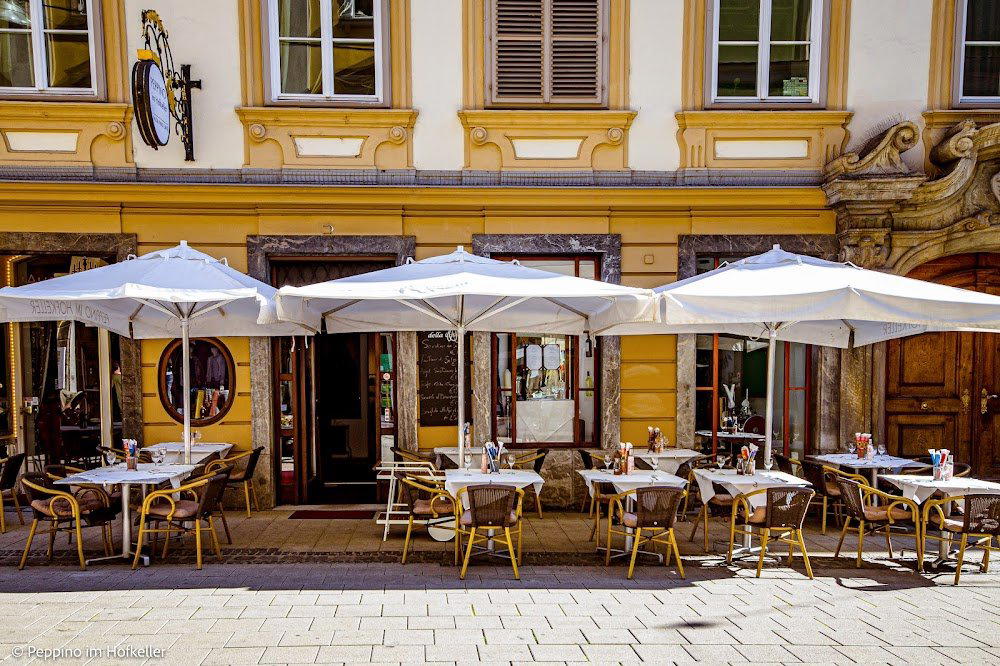
Stone Walls, Styrian Character: How Graz's Cellar Dining Tradition Shapes the Table
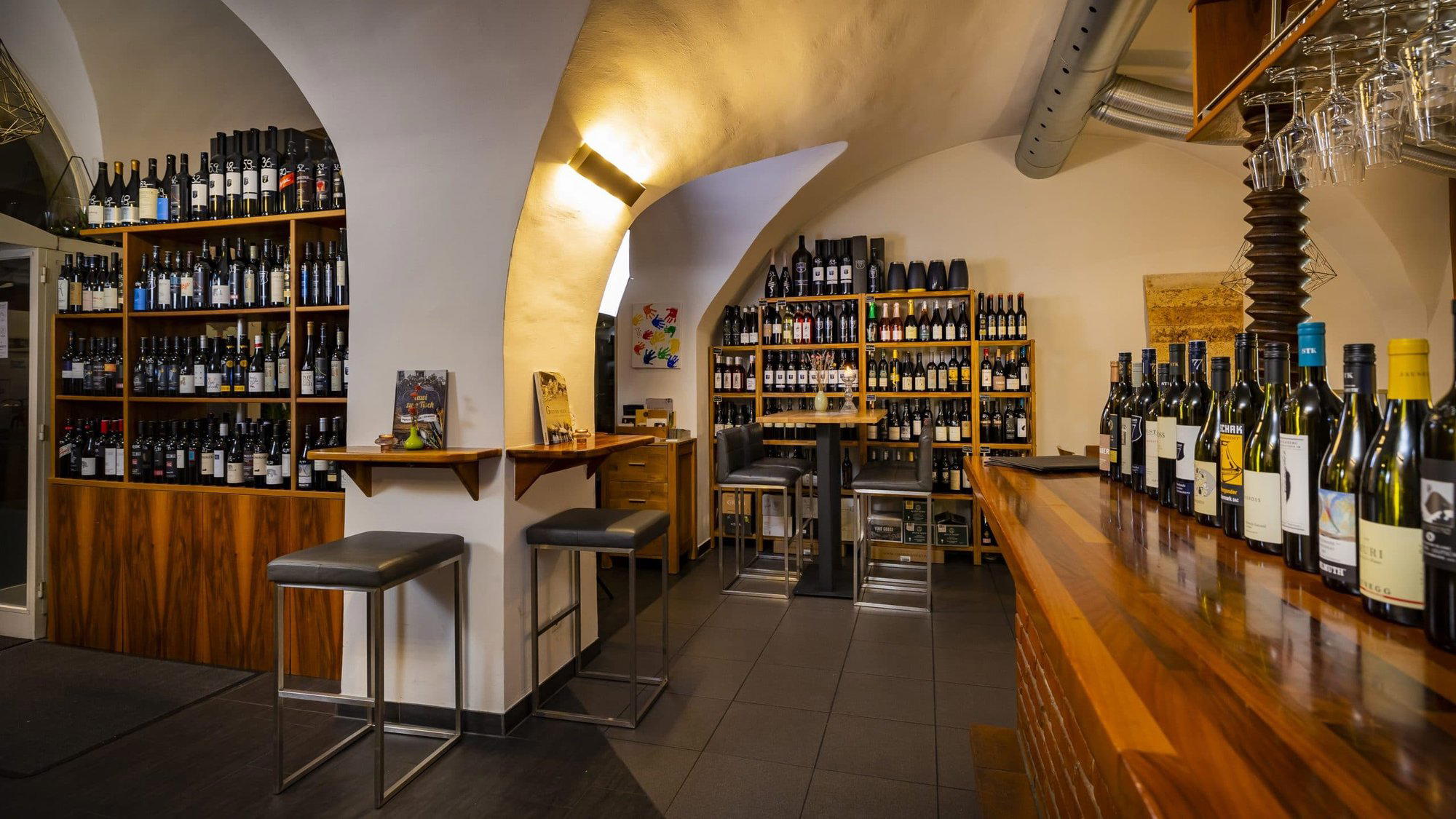
Peppino im Hofkeller is a restaurant at Hofgasse 8, 8010 Graz, Austria, serving authentic Italian cuisine with Sardinian influence. In Graz, the Altstadt's network of Hofkeller spaces, courtyard-adjacent cellars tucked beneath Baroque facades, has long provided the city's most atmospheric settings for serious eating. Peppino im Hofkeller at Hofgasse 8 sits inside this tradition, in a district where the street-level address barely hints at what lies beneath or behind the entrance arch.
Hofgasse is not a peripheral street. It runs close to the foot of the Schlossberg, the forested limestone hill that defines Graz's skyline, and it sits within the UNESCO World Heritage zone that covers the city's historic core. Restaurants on this corridor compete not just on food but on the weight of the room itself, the sense that the walls have absorbed centuries of conversation. That physical inheritance shapes expectations before a menu arrives.
The Italian Thread in Austrian Dining
Styria's relationship with Italian culinary influence is older and more layered than the usual Alpine-Mediterranean narrative suggests. Habsburg administrative and trade routes through the region brought Italian courtly dining styles northward centuries before modern gastronomy codified the distinction between regional Austrian cuisine and its southern neighbours. In contemporary Graz, that inheritance appears in the prevalence of Italian-named restaurants and trattorias that operate alongside, rather than in competition with, Styrian kitchen traditions. Peppino im Hofkeller's name places it within this Italian-inflected register, a positioning that in Graz carries specific cultural weight rather than simple category-marking.
Within the city's mid-to-upper dining tier, Italian-style venues occupy a distinct space. They tend to sit between the farm-to-table Styrian regionalists, venues like the €€ operators built around local produce and seasonal produce cycles, and the fully formal international cooking found at destinations such as Artis (Creative), which operates at the €€€€ price point with a fully creative format. The Italian register in Graz often combines architectural setting with mid-formal service, which suits the Altstadt corridor particularly well.
Reading the Meal: How a Sequence Builds in a Cellar Dining Room
The logic of a multi-course meal changes depending on the room in which it is served. In a vaulted cellar, the architecture itself sets a pace, the absence of natural light, the acoustic softness of stone, the reduced visual noise all encourage slower eating and longer table time. Austrian dining culture already tends toward unhurried sequencing; in a room like this, that tendency becomes structural.
A meal that begins with antipasti or a cold first course in this setting carries different weight than the same dish served in a glass-fronted modern room. The temperature of the space, the candlelight or low lamp logic, the way bread and oil arrive before any formal course: these elements are as much part of the sequence as what the kitchen sends out. Graz's cellar restaurants understand this, and the better ones use the architecture to pace the meal rather than fight it.
This is a meaningful distinction when comparing Graz's dining options. Venues like Adelphia and Aiola im Schloss each operate from spaces where setting and cuisine are inseparable considerations. aiola upstairs works the Schlossberg panorama into its proposition; Arravané takes a different spatial approach. The restaurant's cellar context positions it closer to the immersive, architecture-first end of the city's dining spectrum.
Graz in the Broader Austrian Dining Picture
Graz does not receive the same international dining attention as Vienna or Salzburg, but the city's restaurant scene has developed genuine depth across multiple price points and cooking traditions. The Styrian pantry, pumpkin seed oil, Schilcher rosé, Steirisches Kürbiskernöl g.g.A. local beef and lamb, gives the city's better kitchens a regional identity that holds up against the nationally recognised addresses. For comparison, Austria's most decorated restaurants, including Steirereck im Stadtpark in Vienna and Obauer in Werfen, demonstrate what the country's ingredient base can achieve at the highest level of kitchen ambition. Graz's mid-tier and upper-mid-tier operators draw from the same larder with less formal execution.
Internationally, the architecture-led dining room as a deliberate part of the guest experience has parallels far beyond Austria. At one extreme, highly technical tasting formats like Atomix in New York City or the seafood-focused precision of Le Bernardin in New York City subordinate setting to the plate. Austrian cellar dining reverses that hierarchy, the room is never incidental.
Within Austria, the rural and alpine end of the dining spectrum also draws heavily on place: Döllerer in Golling an der Salzach, Griggeler Stuba in Lech, Gourmetrestaurant Tannenhof in Sankt Anton am Arlberg, and Ikarus in Salzburg each use their physical context as part of the dining argument. Urban cellar rooms like Hofkeller spaces in Graz make a parallel case in a different register. Other notable Austrian addresses worth knowing include Kräuterreich by Vitus Winkler in Sankt Veit im Pongau, Landhaus Bacher in Mautern an der Donau, Ois in Neufelden, and Restaurant 141 by Joachim Jaud in Mieming.
Planning Your Visit
The restaurant is located at Hofgasse 8, 8010 Graz, in the city's UNESCO-protected Altstadt. The address is walkable from the main Hauptplatz and from the Schlossberg lift station, placing it within the natural circuit of the historic centre. The restaurant is recommended for reservations, and it opens Tuesday through Saturday with lunch and dinner service. At about $40 per person, it sits in the mid-range. For a broader view of where this address sits among the city's options,
Recognition Snapshot
Comparable venues nearby, for context on price, style, and recognition.
| Venue | Cuisine | Price | Notes |
|---|---|---|---|
| Peppino im HofkellerThis venue — the venue you are viewing | Authentische Italienische Küche mit Sardischem Einfluss | $$$ | Not listed |
| Ristorante Corti | Authentic Italian Trattoria | $$$ | Jakomini |
| aiola upstairs | Modern Austrian Fusion | $$$ | Innere Stadt |
| Gerüchteküche | Vegan Fine Dining with Regional Seasonal Tasting Menu | $$$ | St. Leonhard |
| Casa Costiera | Authentic Southern Italian | $$ | Innere Stadt |
| Caylend | Modern Styrian Fusion with Seafood Focus | $$$ | Lend |
Continue exploring
More in Graz
Restaurants in Graz
Browse all →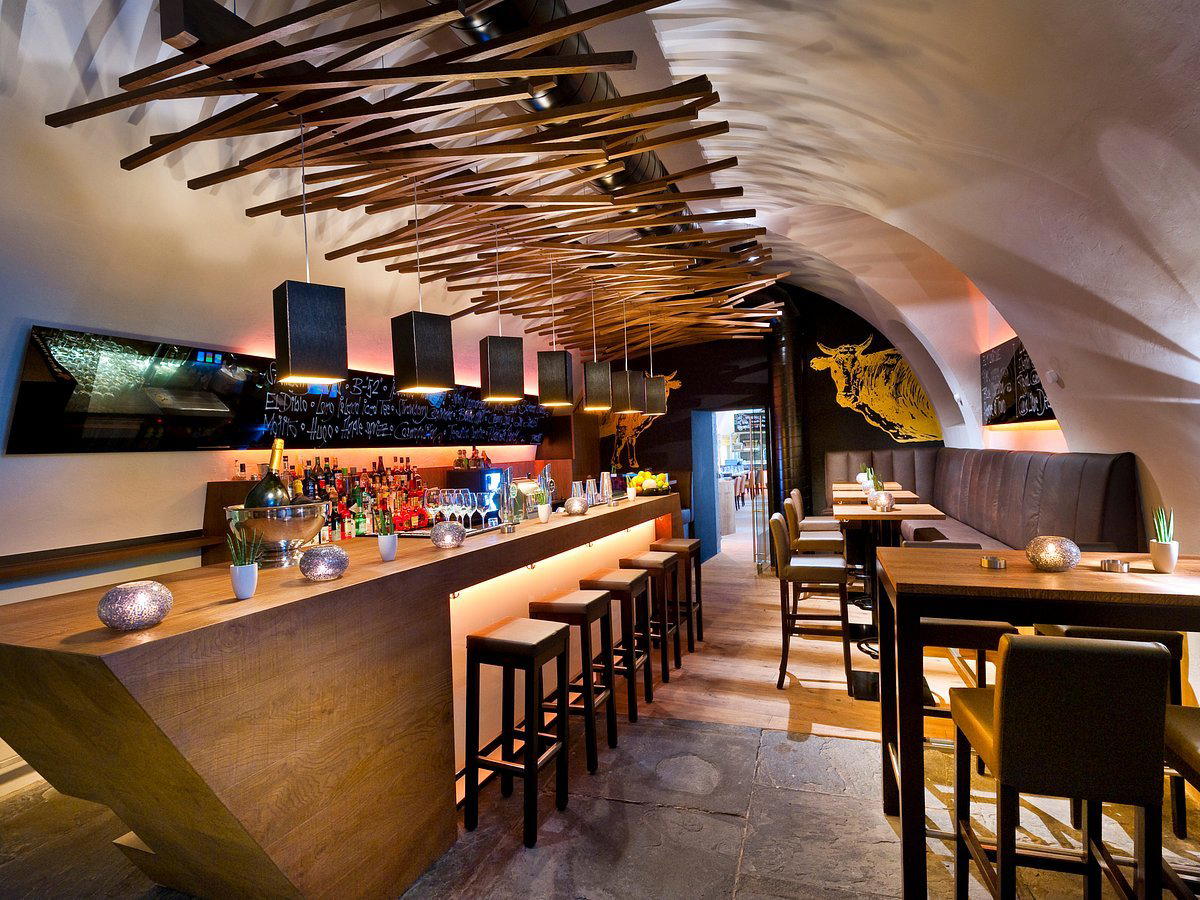
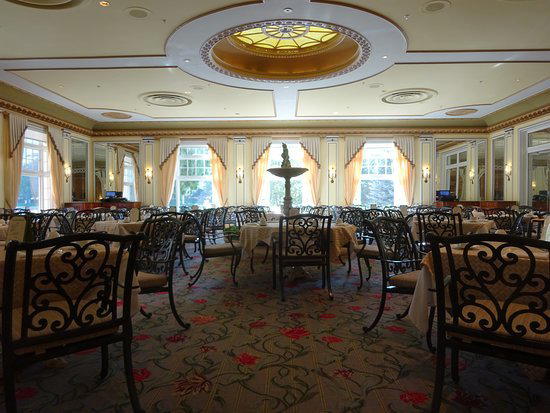
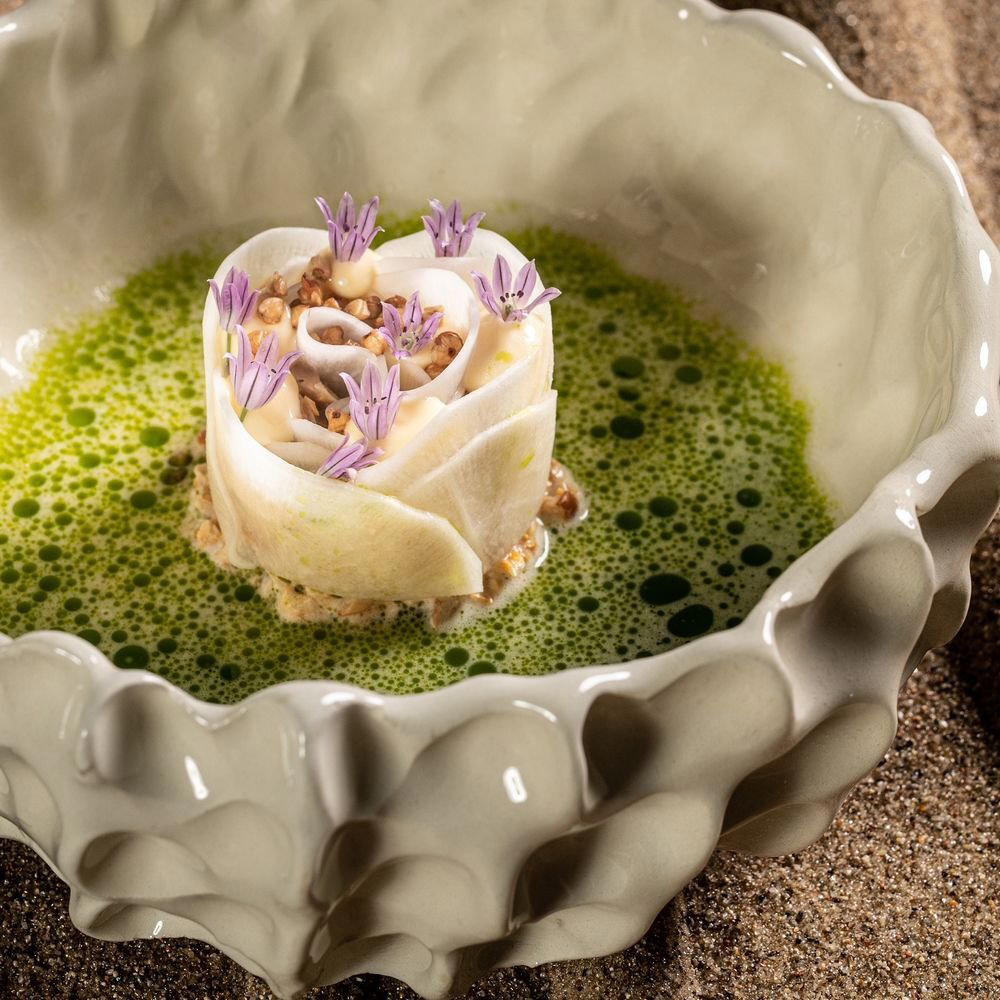
Bars in Graz
Browse all →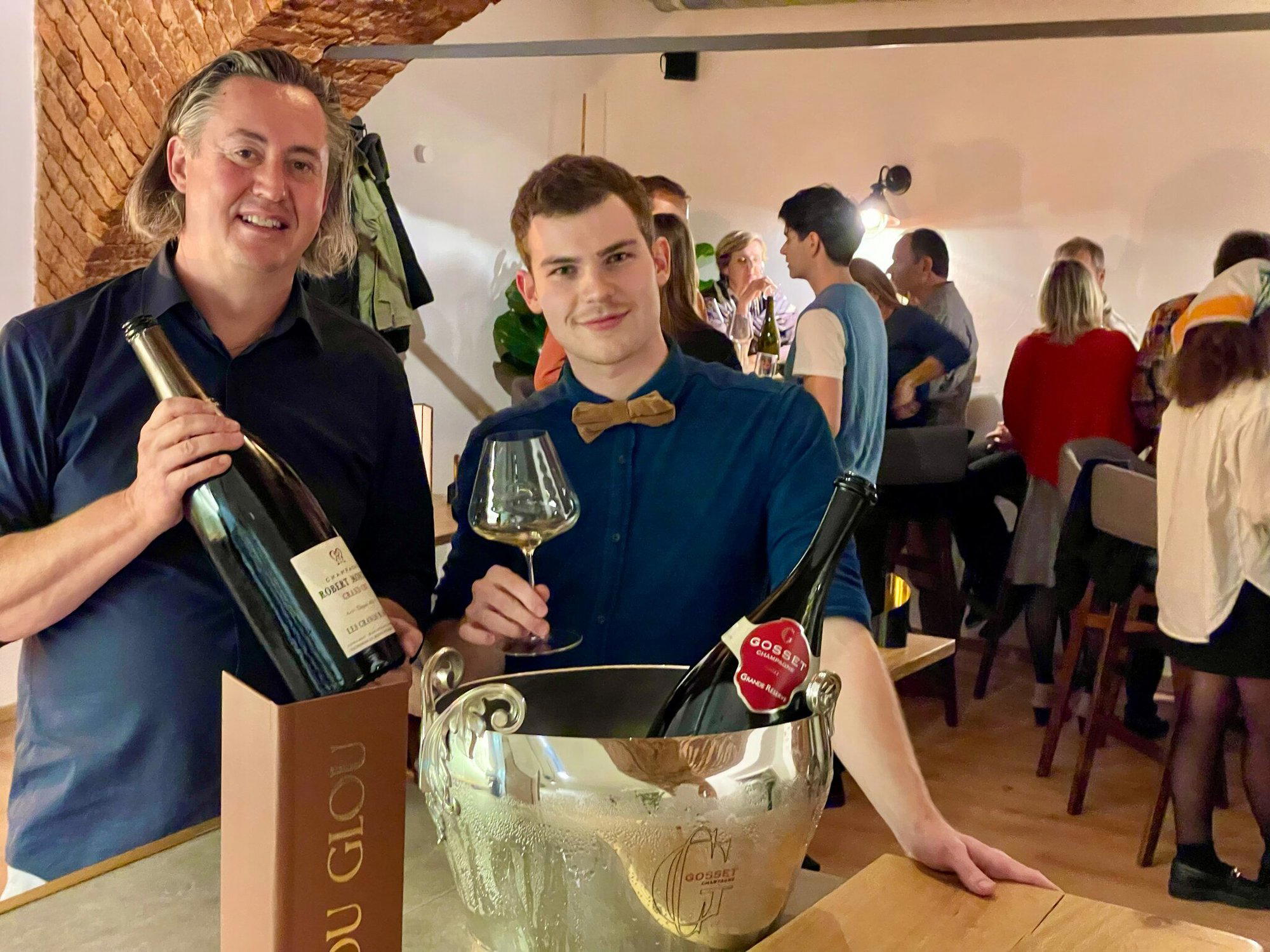
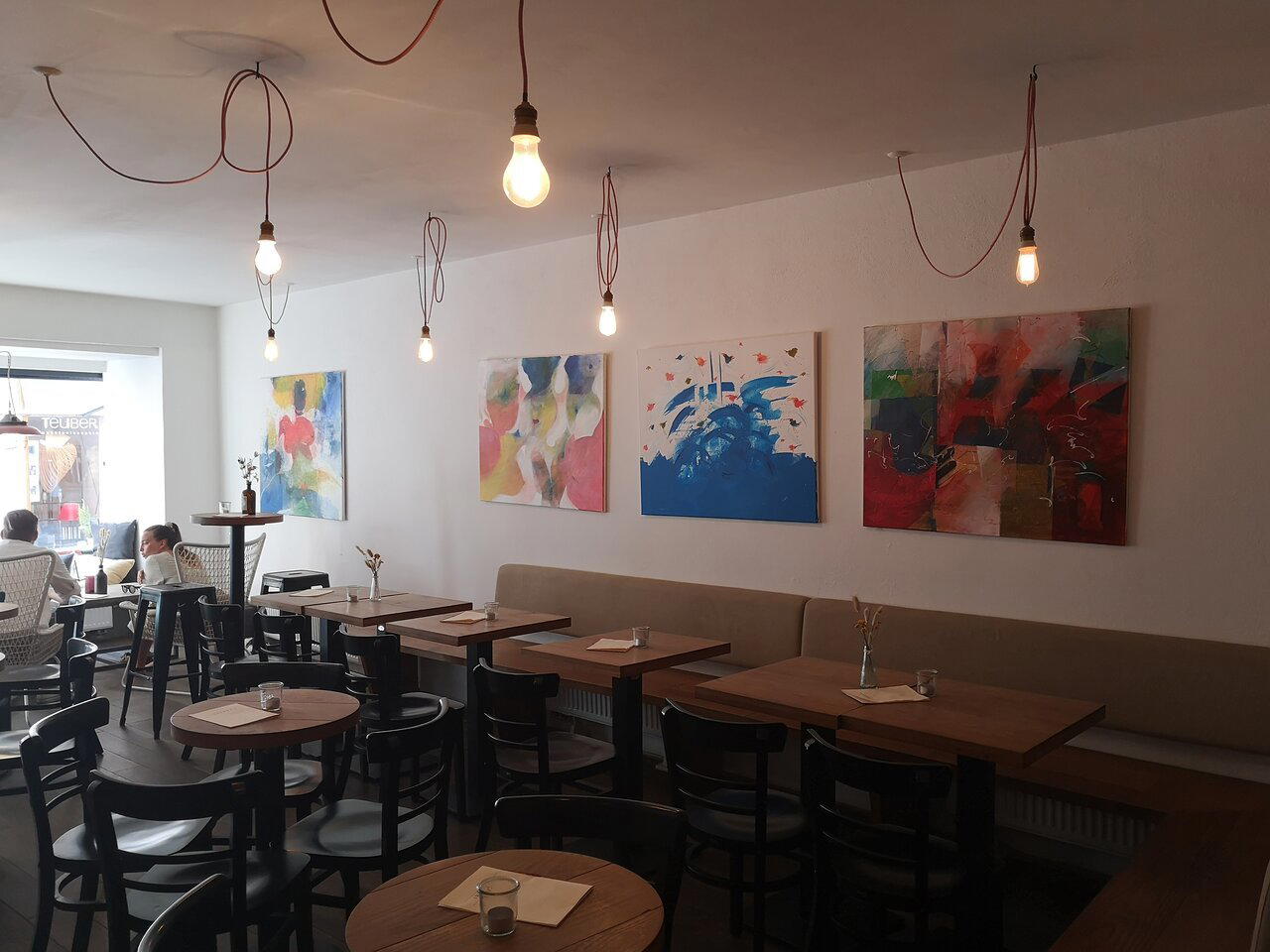
Hotels in Graz
Browse all →

At a Glance
- Cozy
- Intimate
- Elegant
- Classic
- Date Night
- Business Dinner
- Special Occasion
- Historic Building
- Wine Cellar
- Extensive Wine List
Current opening hours
- Monday
- Closed
- Tuesday
- 12–2:30 PM, 5:30–11 PM
- Wednesday
- 12–2:30 PM, 5:30–11 PM
- Thursday
- 12–2:30 PM, 5:30–11 PM
- Friday
- 12–2:30 PM, 5:30–11 PM
- Saturday
- 12–2:30 PM, 5:30–11 PM
- Sunday
- Closed
Hours can change for holidays and private events. Last verified .
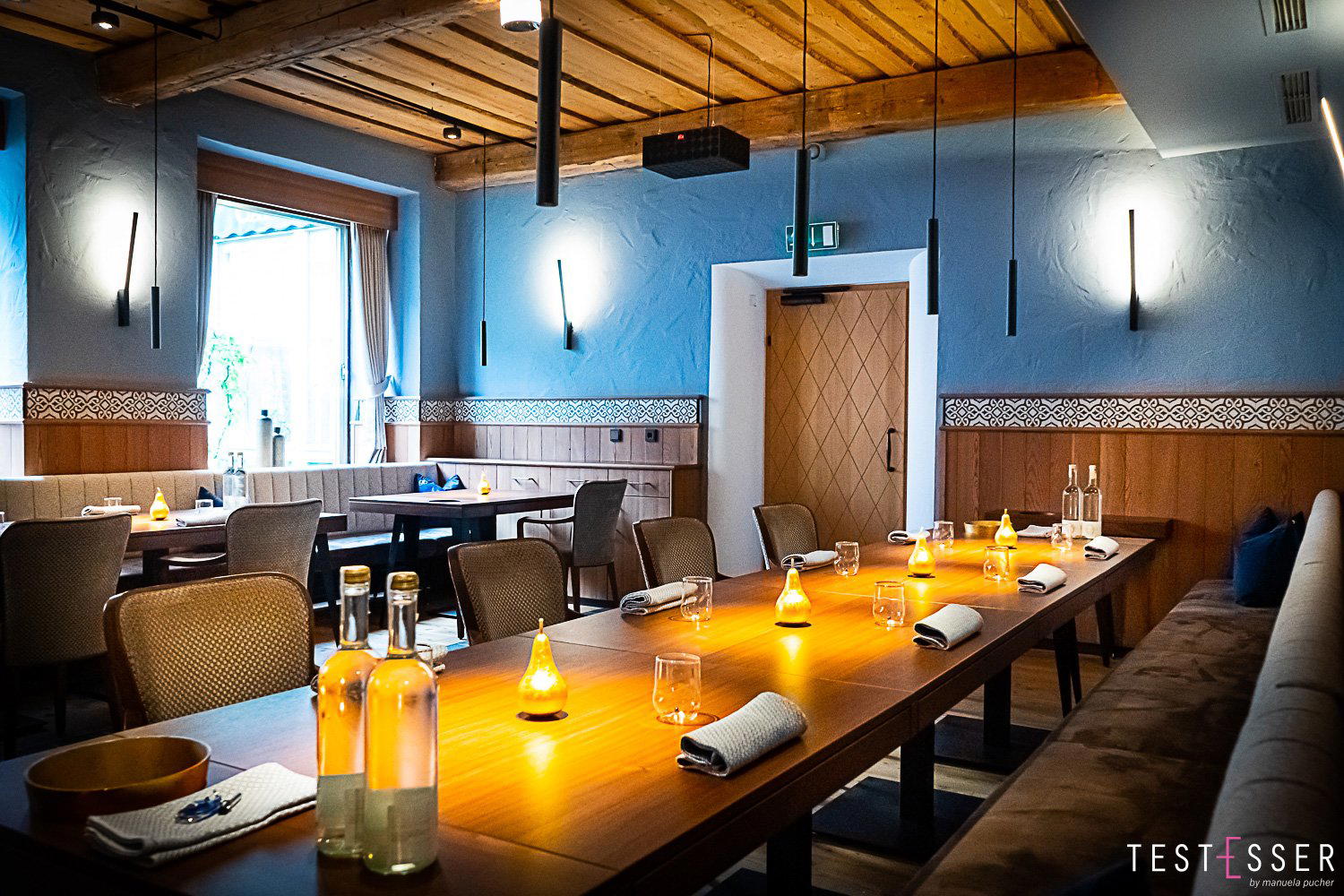
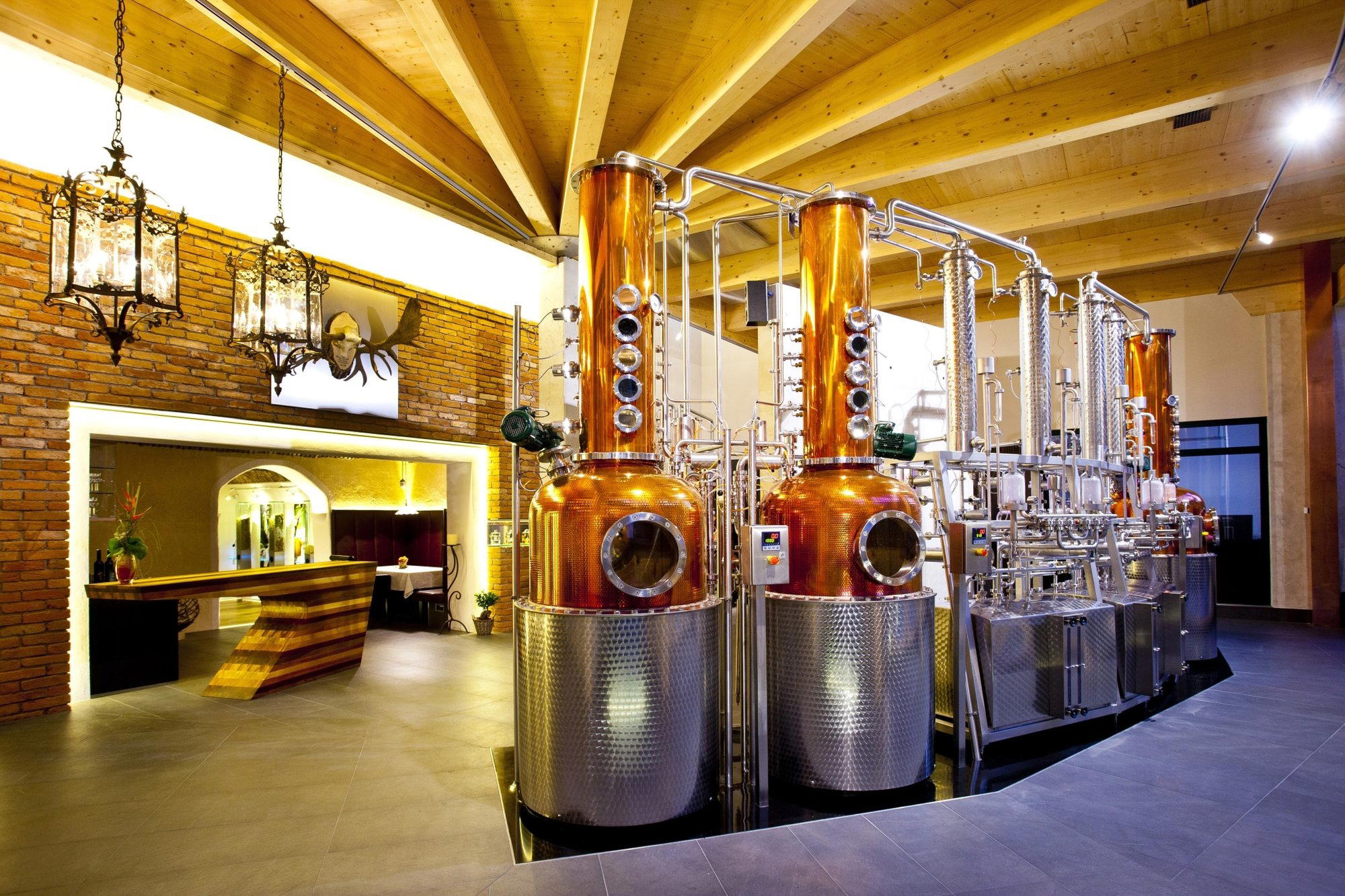
Gemütliches, intimes Ambiente im Keller mit gedämpftem Licht, Gewölbedecke und eleganter Atmosphäre.