Caylend occupies a address at Stigergasse 1 in Graz's western districts, operating within a city that has become one of Austria's most compelling arguments for ingredient-led cooking. Styria's larder, pumpkin seed oil, Vulcano ham, Schilcher wine, provides the raw material, while Graz's growing concentration of technique-forward kitchens provides the competitive frame.
Pearl is the En Primeur Club membership app — saves, bookings, and concierge access live there. Same editors, same standards.
- Address
- Stigergasse 1, 8020 Graz, Austria
- Phone
- +43316711515
- Website
- caylend.at
- Directions
- Get directions
 Saves & bookings on Pearl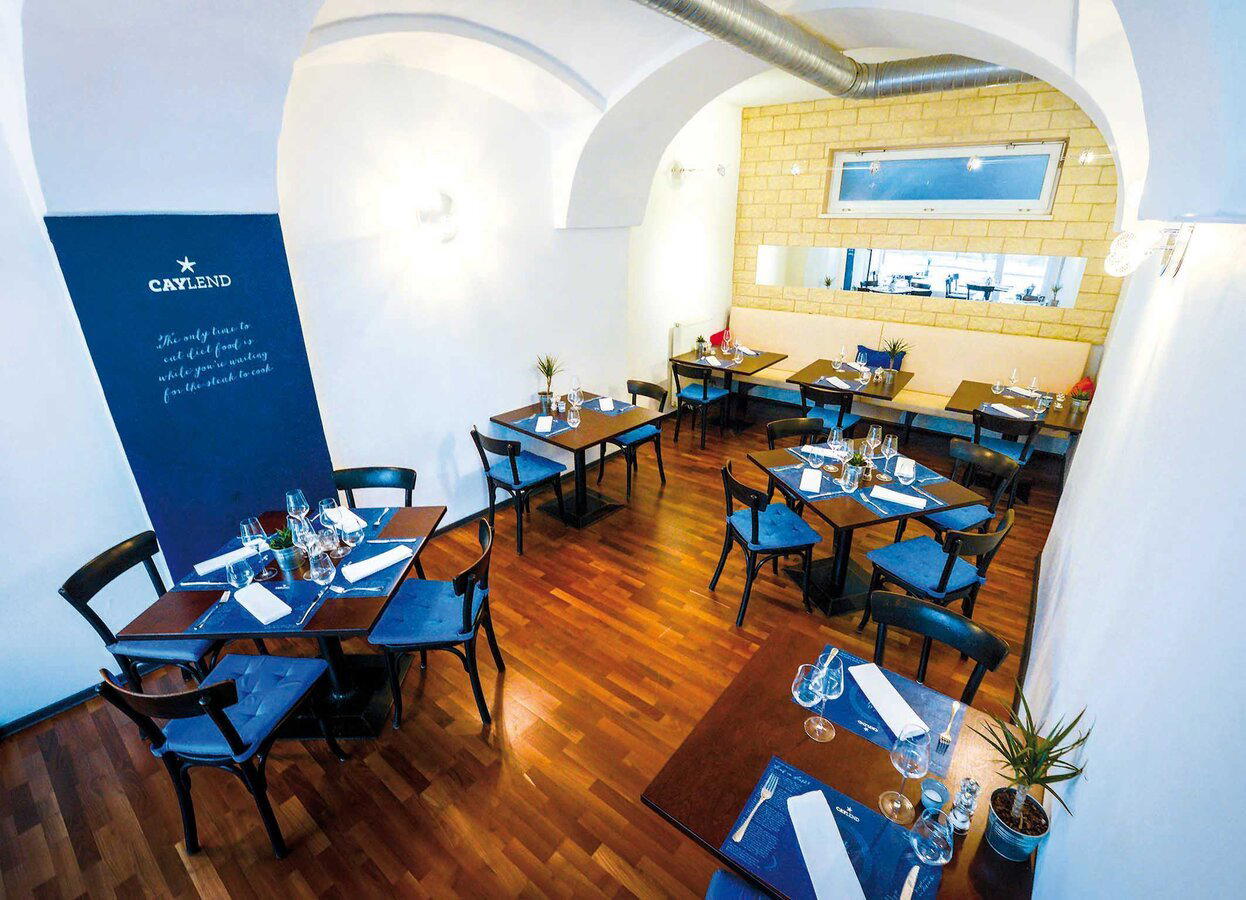
Where Styria's Larder Meets the Modern Kitchen
Graz approaches fine dining from a distinct geographic position. The city sits at the edge of a farming region that produces some of Austria's most characterful ingredients: cold-pressed pumpkin seed oil from the Styrian lowlands, Vulcano air-dried beef from the Thermenland, Schilcher rosé from the Weststeiermark's Blauer Wildbacher grape, and a seasonal procession of mushrooms, game, and river fish that moves through the kitchens of the old town at a pace set by altitude and weather rather than supply chain. That larder is the reason Graz has become a reference point for Austrian regional cooking, and it is the lens through which a venue like Caylend, at Stigergasse 1, is a restaurant serving modern Styrian fusion with a seafood focus in Graz.
The address itself signals something. Stigergasse sits outside the dense tourist corridor of the Hauptplatz and the Schlossberg approaches, in a part of Graz where the architectural rhythm slows and the clientele skews local. Across Austria's serious dining scene, from Steirereck im Stadtpark in Vienna to Obauer in Werfen and Landhaus Bacher in Mautern an der Donau, the kitchens that have built lasting reputations tend to operate with a particular logic: regional produce handled with technique absorbed from beyond the region. That intersection of imported method and indigenous product is where Austrian cooking at its most interesting lives, and Graz is currently one of the more active sites for that conversation.
The Graz Dining Frame
To understand where Caylend sits, it helps to map the city's dining tiers with some precision. At the upper end, venues like Artis operate in the creative and tasting-menu bracket, at €€€€ pricing, with the kind of format discipline, limited covers, seasonal rotation, technique-forward plating, that aligns them with peers in Vienna and Salzburg rather than the broader Graz casual market. A step below, places like Arravané and Aiola im Schloss occupy a middle tier where the view or the setting carries part of the editorial weight alongside the kitchen. And then there is the reliable everyday layer, Adelphia, aiola upstairs, where Graz feeds itself well without the ceremonial overhead of a tasting format.
The question for any restaurant at Stigergasse 1 is which of those conversations it is entering. Graz is not a city where ambiguity about positioning reads as interesting; the dining public here is informed and the competition specific. What the city rewards, consistently, is kitchens that know their ingredient sourcing as well as they know their technique, not as a marketing position, but as a working methodology visible in what arrives on the plate.
Styrian Ingredients and the Logic of Imported Technique
The broader pattern across Austria's most discussed kitchens is instructive. At Döllerer in Golling an der Salzach, Alpine ingredients are handled with a precision that draws on French and Nordic methodology. At Kräuterreich by Vitus Winkler in Sankt Veit im Pongau, herb-led cooking maps local plant knowledge onto structured tasting formats. Even at the resort end of the spectrum, Gourmetrestaurant Tannenhof in Sankt Anton am Arlberg and Stüva in Ischgl, the kitchens that draw serious attention are those working the tension between what the region produces and what technique from elsewhere can do to it.
Graz has the advantage of proximity to one of Central Europe's more generous agricultural zones. The Styrian pumpkin oil, protected by EU geographical indication, is especially internationally recognised product, but it is only the beginning of a pantry that includes larch honey, Stainzer Milchlamm (a protected mountain lamb breed), freshwater crayfish, and elderflower in early summer. The challenge for any kitchen working in this city is not finding the ingredients; it is deciding what level of transformation is appropriate, and what techniques serve rather than obscure what Styria actually tastes like.
That tension sits at the centre of compelling cooking currently happening in this part of Austria. Internationally, it is the same negotiation visible at Lazy Bear in San Francisco, where hyper-local sourcing meets high-precision technique, or at Le Bernardin in New York City, where the imperative is always to let the primary ingredient speak clearly through whatever method is applied to it. The geography differs, but the editorial logic is the same.
Planning a Visit to Caylend
Caylend is at Stigergasse 1, 8020 Graz, in a part of the city most easily reached on foot from the western side of the Altstadt or by tram along the main arteries that feed into the Gürtel. Graz's compact centre makes most serious dining addresses walkable from each other; the cluster of venues around the old town and its western edges rewards an afternoon of orientation before an evening reservation. For visitors arriving by rail, Graz Hauptbahnhof sits a short distance to the northwest and the neighbourhood is accessible without a car.
Reservations are recommended. Caylend is priced at about $40 per person.
Ois in Neufelden and Restaurant 141 by Joachim Jaud in Mieming, two venues that illustrate the range of approaches currently active in Austrian regional cooking outside the major cities. In Graz itself, Schwarzer Adler in Hall in Tirol offers a useful reference point for how Tyrolean kitchens handle the same local-ingredient-meets-imported-method dynamic that defines the leading cooking across the Austrian regions.
Comparable Options
Comparable venues nearby, for context on price, style, and recognition.
| Venue | Cuisine | Price | Notes |
|---|---|---|---|
| CaylendThis venue — the venue you are viewing | Modern Styrian Fusion with Seafood Focus | $$$ | Not listed |
| NOVA-AIR Graz | International Fusion with Austrian & Styrian Influences | $$$ | Gösting |
| Vina | Authentic Vietnamese with Fine Dining | $$$ | Innere Stadt |
| Mau Shi | Asian-Austrian Fusion | $$ | Innere Stadt |
| Aiola im Schloss | Regional Styrian Austrian | $$$ | Andritz |
| STREETS by el Gaucho | Modern Steak Street Food | $$ | Lend |
Continue exploring
More in Graz
Restaurants in Graz
Browse all →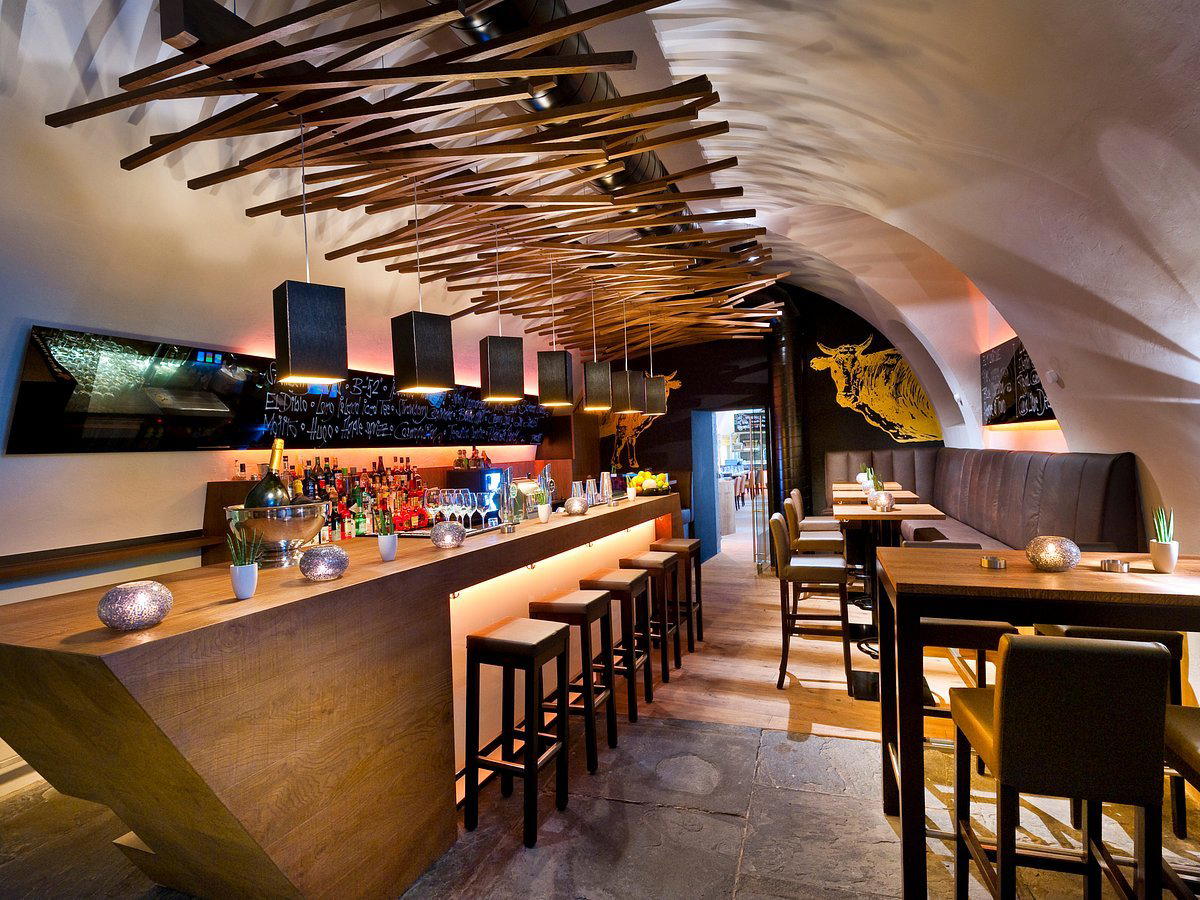
Bars in Graz
Browse all →

Hotels in Graz
Browse all →





At a Glance
- Modern
- Cozy
- Elegant
- Intimate
- Date Night
- Special Occasion
- Open Kitchen
- Extensive Wine List
- Local Sourcing
- Sustainable Seafood
- Street Scene
Current opening hours
- Monday
- Closed
- Tuesday
- Closed
- Wednesday
- Closed
- Thursday
- Closed
- Friday
- Closed
- Saturday
- Closed
- Sunday
- Closed
Hours can change for holidays and private events. Last verified .
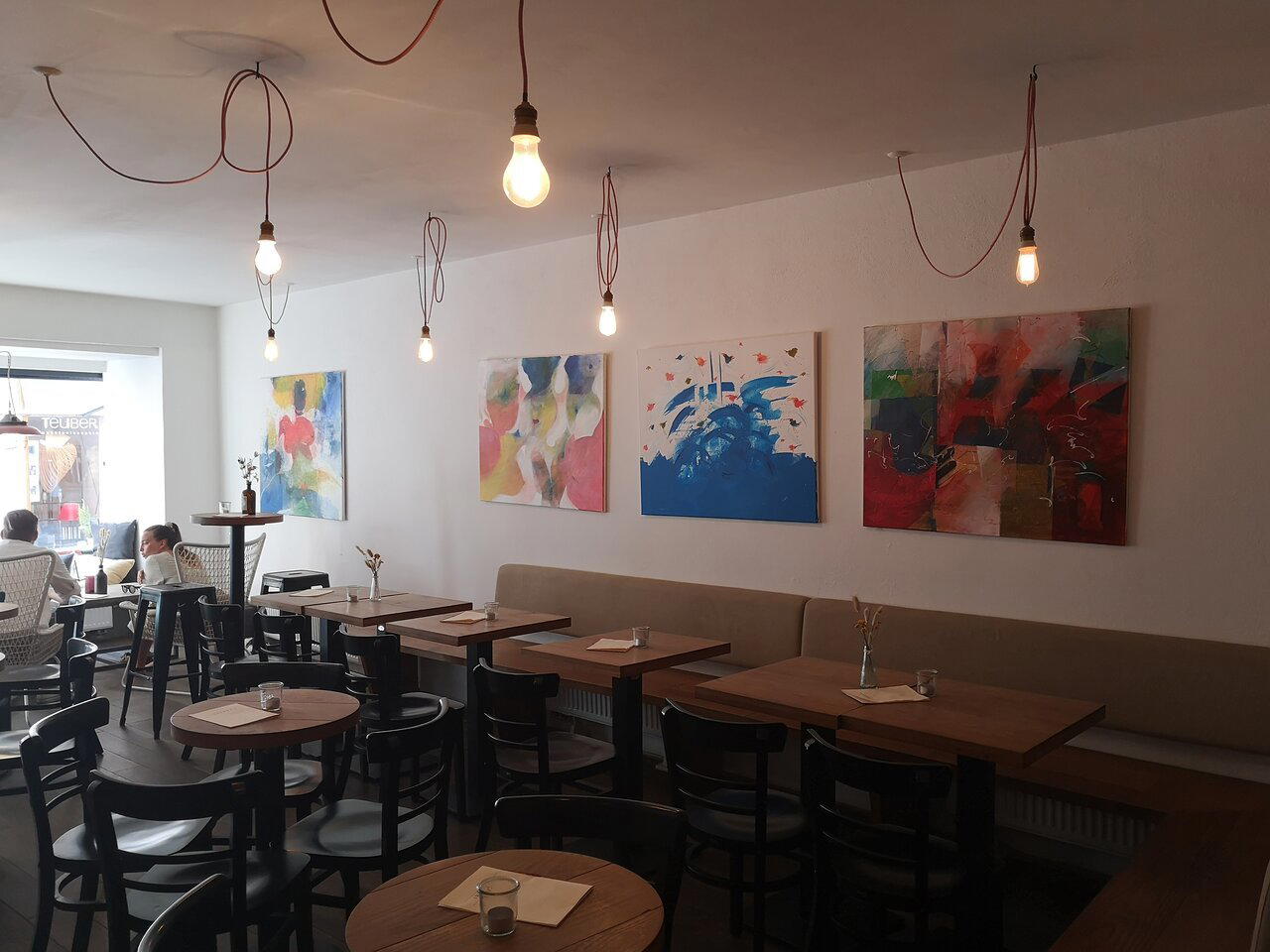
Relaxed and inviting atmosphere in a small vaulted space with professional, warm service and a modern, cozy feel.