Our verdict
A Viennese flatbread specialist on Berggasse 12 in the 9th district, Fladerei sits within a neighbourhood that rewards the curious rather than the tourist circuit. The format is stripped back and ingredient-led, placing it at a different register from the €€€€ tasting-menu houses that dominate Vienna's fine-dining conversation. For a quick read on where it fits in the city's broader eating scene, see our full Vienna restaurants guide.

Pearl is the En Primeur Club membership app, where members save venues, book tables and use the concierge.

A Different Register on Berggasse
Vienna's restaurant culture has long been divided between two poles: the grand Kaffeehaus tradition and the ambitious tasting-menu format that venues like Steirereck im Stadtpark and Mraz & Sohn occupy at the top of the market. What sits between those poles is a more contested, more interesting space: casual-format specialists whose menus are built around a single ingredient category or technique, and whose value proposition rests on precision rather than ceremony. Fladerei Berggasse, at Berggasse 12 in the 9th district, belongs to that middle register.
The 9th district, Alsergrund, is a working intellectual neighbourhood rather than a tourist corridor. The street itself is known in part for its proximity to Sigmund Freud's former apartment, now a museum a short walk north. That address signals something about the local clientele: the area draws academics, hospital staff from the nearby AKH, and residents who eat out frequently and without much patience for theatre. A flatbread-focused format fits that context. It is a meal you can eat without ceremony, but a menu that still rewards attention to sourcing and assembly.
What the Menu Structure Reveals
The flatbread format, when taken seriously, is one of the more demanding menu architectures in casual dining. A thin, high-temperature-baked base leaves almost no room to hide: the dough quality, the bake, and the topping combinations are all visible on the plate in a way that a braised dish or a sauce-heavy main course is not. The editorial logic of a flatbread menu is essentially the logic of a pizza menu at its most considered: toppings must be edited rather than accumulated, and the leading versions tend to reflect regional sourcing more clearly than elaborate composed plates do.
Across Europe, the flatbread category has evolved from a bread-adjacent side format into a primary dining proposition. In Vienna specifically, the category sits at an interesting intersection: Austrian baking culture has deep roots in sourdough and grain diversity, and the city's food market infrastructure, anchored by the Naschmarkt and a network of specialist producers, gives flatbread-focused kitchens access to ingredient quality that straightforwardly supports an ingredient-first menu approach. That same infrastructure supports the multi-course ambitions of Amador and Konstantin Filippou, but the flatbread format uses it differently: fewer components, shorter cooking times, and the quality of the raw ingredient carried directly to the plate.
Beyond Vienna, Austrian culinary ambition in the flatbread-adjacent and ingredient-led casual space is visible at regional addresses like Taubenkobel in Schützen am Gebirge and the more elaborate regional-produce formats of Döllerer in Golling an der Salzach. Those venues represent the upper end of Austrian produce-led cooking. Fladerei occupies a different tier, but the underlying commitment to ingredient clarity is not categorically different.
How It Sits in Vienna's Eating Scene
The €€€€ tasting-menu houses that anchor Vienna's fine-dining tier, venues including Mraz & Sohn and the Modern Cuisine format of Konstantin Filippou, require advance booking, a commitment of two to three hours, and a budget that reflects their Michelin positioning. Fladerei operates without those constraints. That is not a secondary claim; it is a structural feature of what the format offers. Cities with strong fine-dining scenes consistently need casual-format specialists that carry ingredient seriousness without the tasting-menu apparatus. In San Francisco, Lazy Bear represents the elaborate communal-format end; the city also supports a range of simpler, focused operations at the other end of the formality scale. Vienna's eating ecosystem works similarly.
For visitors arriving in Vienna with a multi-day itinerary that already includes a reservation at one of the city's formal dining rooms, Fladerei fits naturally into a lunch slot or an early dinner on a lighter day. The Alsergrund location is easily reached from the city centre by U-Bahn (U4 to Rossauer Lände, a few minutes' walk from Berggasse), which reduces the logistical friction of adding it to an itinerary.
For those building a broader picture of Austrian cooking across formats and regions, the contrast between a neighbourhood flatbread specialist and destinations like Obauer in Werfen or Landhaus Bacher in Mautern an der Donau is instructive. Austrian cooking at every level tends to anchor in regional produce and seasonal rotation. The flatbread format simply makes that legible at a more accessible price point.
Planning Your Visit
The address is Berggasse 12, 1090 Wien. The nearest U-Bahn stop is Rossauer Lände on the U4 line. For a broader orientation to the city's eating options across formats and price points, see our full Vienna restaurants guide.
For those extending travel beyond Vienna, the Austrian dining circuit includes strong regional addresses: Schwarzer Adler in Hall in Tirol, Restaurant 141 by Joachim Jaud in Mieming, Gourmetrestaurant Tannenhof in Sankt Anton am Arlberg, Stüva in Ischgl, Kräuterreich by Vitus Winkler in Sankt Veit im Pongau, and Ois in Neufelden. The range illustrates how far Austrian produce-led cooking extends beyond the capital.
Compared to the prix-fixe formality of something like Le Bernardin in New York City at the far end of the structured-menu spectrum, Fladerei represents the opposite architectural logic: a short, repeatable format where the menu does its editorial work through restraint rather than accumulation. For a certain kind of eating day in Vienna, that restraint is exactly what the itinerary needs, and the Doubek tradition of neighbourhood dining in Vienna suggests there is a ready audience for it.
Frequently asked questions
What should I order at Fladerei Berggasse?
How far ahead should I plan for Fladerei Berggasse?
What makes Fladerei Berggasse worth seeking out?
Is Fladerei Berggasse good for vegetarians?
Is Fladerei Berggasse overpriced or worth every penny?
How does Fladerei Berggasse fit into Vienna's broader flatbread and bakery culture?
Peers Worth Knowing
Comparable venues nearby, for context on price, style, and recognition.
| Venue | Cuisine | Price | Awards | Notes |
|---|---|---|---|---|
| Fladerei BerggasseThis venue (the venue you are viewing) | Stuffed Flatbreads | $10–20 | Not listed | Not listed |
| hiddenkitchen city | Healthy European Cafe | $10–20 | Not listed | Stephansdom |
| Hollerei | Vegetarian European with Asian & Mediterranean influences | $20–30 | Not listed | Sechshaus |
| Summer Restaurant | European Gastropub with Pizza | Not listed | Not listed | Favoriten |
| a Barraca | Authentic Portuguese Seafood | $30–50 | Not listed | Inner City |
| Lara | Modern Vegan Fine Dining | $50–100 | Michelin Plate | Stephansdom |
Continue exploring
More in Vienna
Restaurants in Vienna
All restaurants in Vienna →
Bars in Vienna
All bars in Vienna →
Details
- Cozy
- Lively
- Casual
- Casual Hangout
- After Work
- Open Kitchen
- Terrace
- Beer Program
- A La Carte
- Beer
- Cocktails
- Vegetarian Friendly
- Vegan Options
Current opening hours
- Monday
- 11 AM–12 AM
- Tuesday
- 11 AM–12 AM
- Wednesday
- 11 AM–12 AM
- Thursday
- 11 AM–12 AM
- Friday
- 11 AM–12 AM
- Saturday
- 5 PM–12 AM
- Sunday
- 5–10 PM
Hours can change for holidays and private events. Hours as of .
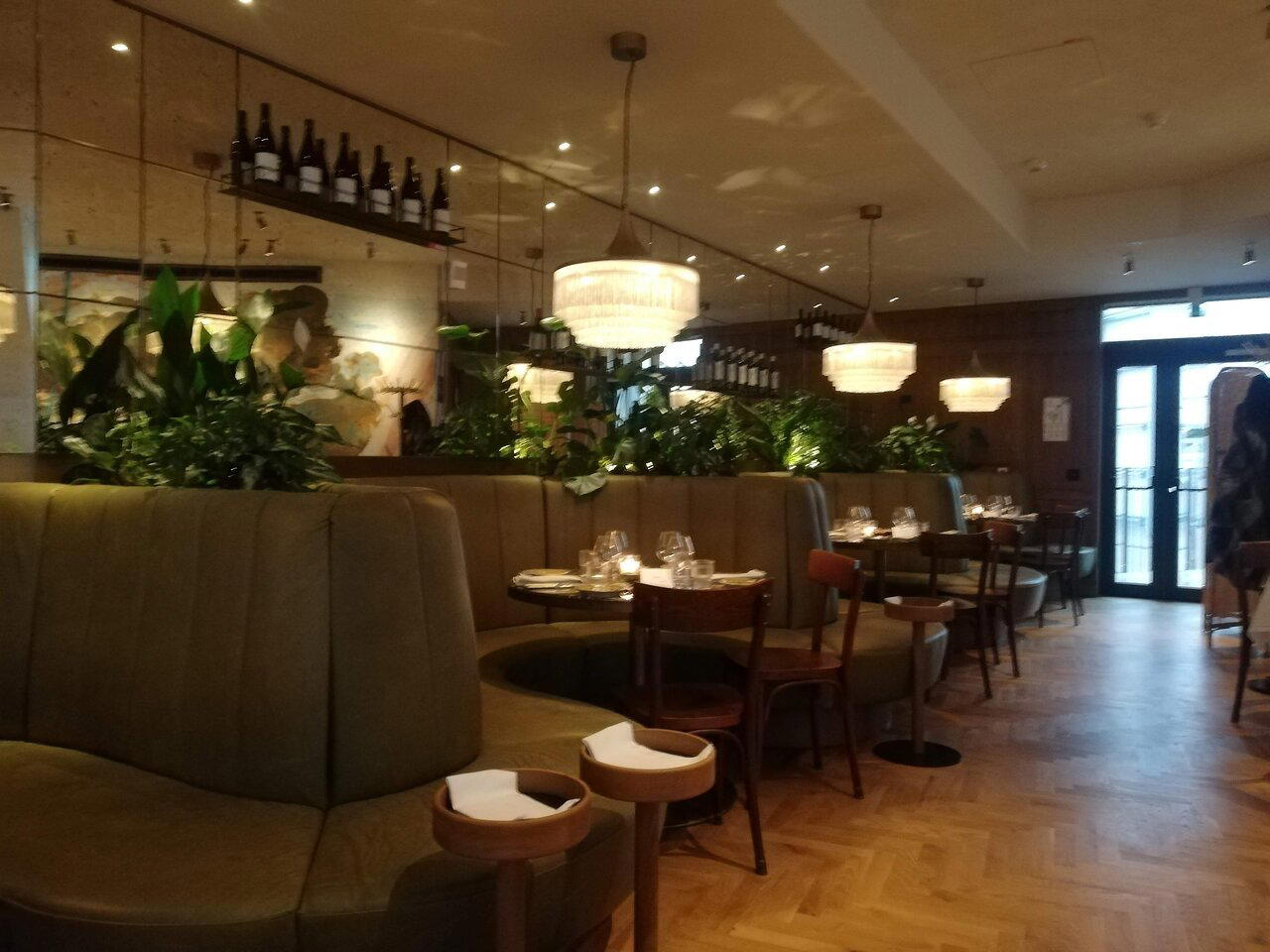
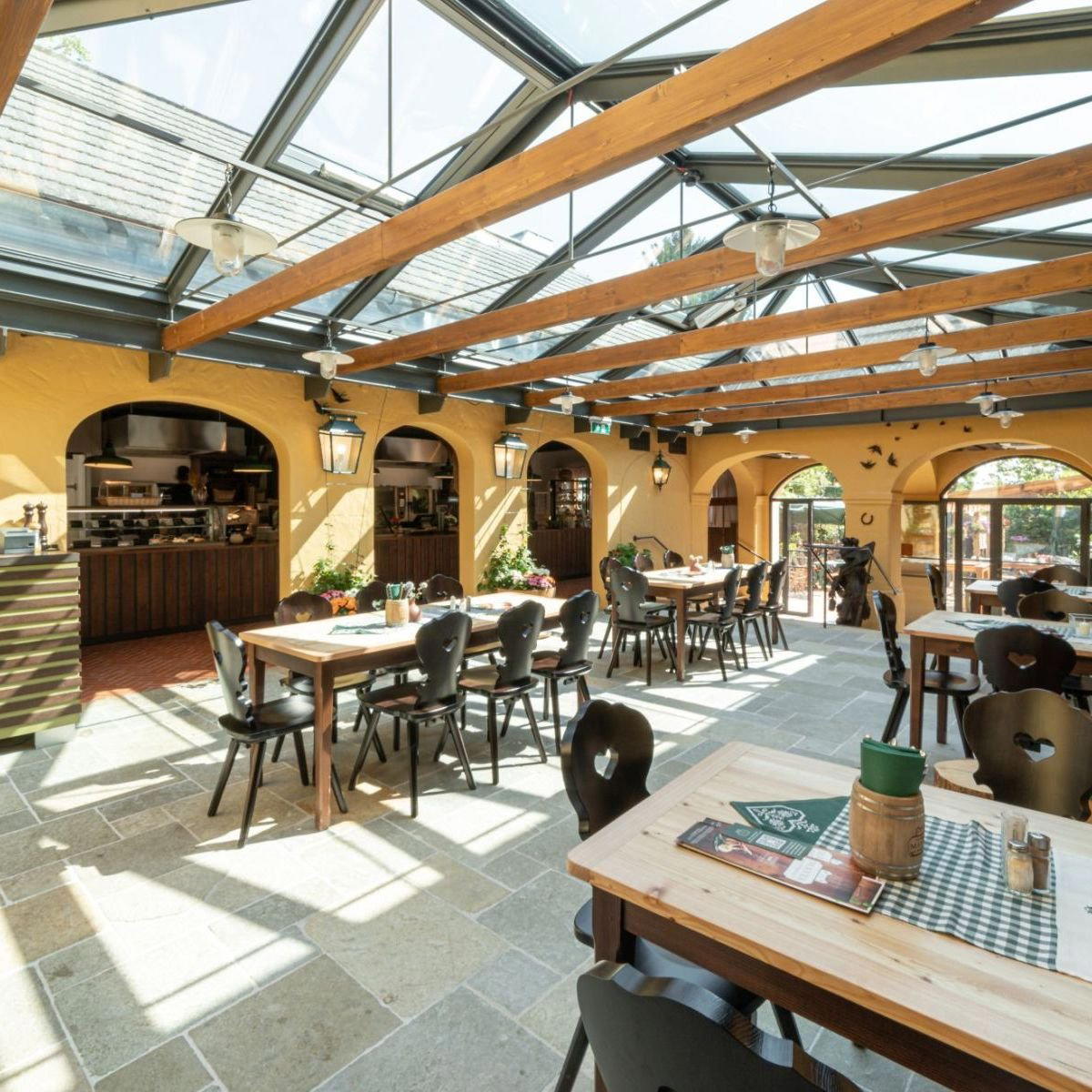
Warm and welcoming casual atmosphere with friendly service, well-suited for quick bites or evenings with friends.