
Michelin Plate
Our verdict
Lara occupies a prime address on Passauer Platz in Vienna's First District, positioning it within one of the city's most concentrated corridors of serious dining. The address places it steps from the Naschmarkt axis and the grand-hotel belt that defines central Viennese hospitality. Full details on cuisine and format are best confirmed directly with the venue before visiting.

Pearl is the En Primeur Club membership app, where members save venues, book tables and use the concierge.
The menu
What to order
- Porcini with green beans and savory
- Ravioli with pumpkin and walnut
First District Dining: Where Lara Sits in Vienna's Inner-City Scene
Vienna's First District operates as a kind of pressure-tested arena for restaurants. The rents are among the highest in the city, the foot traffic is international and often discerning in the most transactional sense, and the competition runs from grand-hotel dining rooms to two-Michelin-star independents that have built multi-year reputations. Lara holds that address.
What defines the First District's dining character is not any single cuisine but a density of ambition. Konstantin Filippou, working in a Modern European register, has used this district to build a reputation that reaches well beyond Vienna's borders. Steirereck im Stadtpark operates at the top of the creative Austrian category with a format and seasonal depth that sets the benchmark for the wider region. These venues do not simply serve food; they make arguments about what Austrian cooking can be. Lara's Passauer Platz location places it in direct conversation with that tradition, whether or not it chooses to engage with it on the same terms.
The Shape of the Meal: How Vienna's Tasting Formats Have Evolved
Across Vienna's upper dining tier, the multi-course tasting progression has become the dominant format for serious evening service. It suits the city's historical relationship with ceremony and structure, and it gives kitchens the ability to control narrative across a meal rather than responding to à la carte variability. The model, seen at Mraz & Sohn and Amador, asks guests to commit to a sequence and trust the kitchen's logic. The opening courses carry the lightest touches, often built around acidic or raw preparations that calibrate the palate. The middle courses accumulate weight and complexity, and the closing savoury courses, before dessert, tend to be where the kitchen's central ideas land most clearly.
This progression format rewards patience. A meal structured this way at a First District address rarely runs under two hours, and the better examples stretch to three or more. The physical environment of the dining room matters correspondingly more because guests spend extended time inside it. At addresses like Passauer Platz 2, where the surrounding architecture of central Vienna provides a particular kind of weight and formality, the relationship between room and menu becomes part of the experience's internal logic.
For context across Austria's broader fine-dining geography, the progression format is equally present in the alpine and regional restaurants that have earned serious recognition: Döllerer in Golling an der Salzach, Obauer in Werfen, and Ikarus in Salzburg all work within sequenced formats while drawing on distinctly different regional product and culinary references than Vienna's inner-city kitchens. The contrast is instructive: Vienna tables tend toward refinement and technique as primary signals, while alpine kitchens often use proximity to foraged and mountain-sourced ingredients as their organising principle.
Reading the Room: Inner Vienna's Physical Context
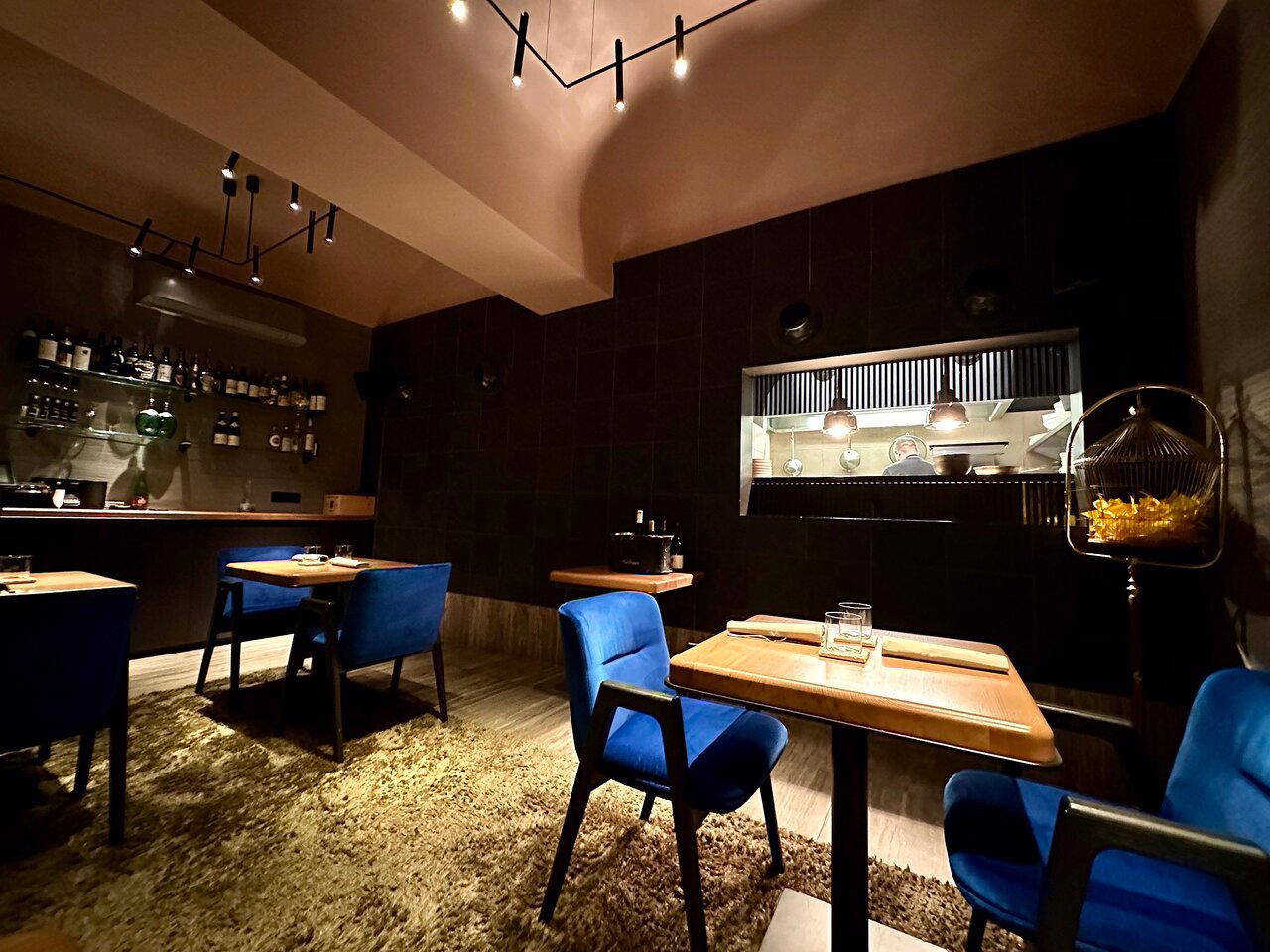
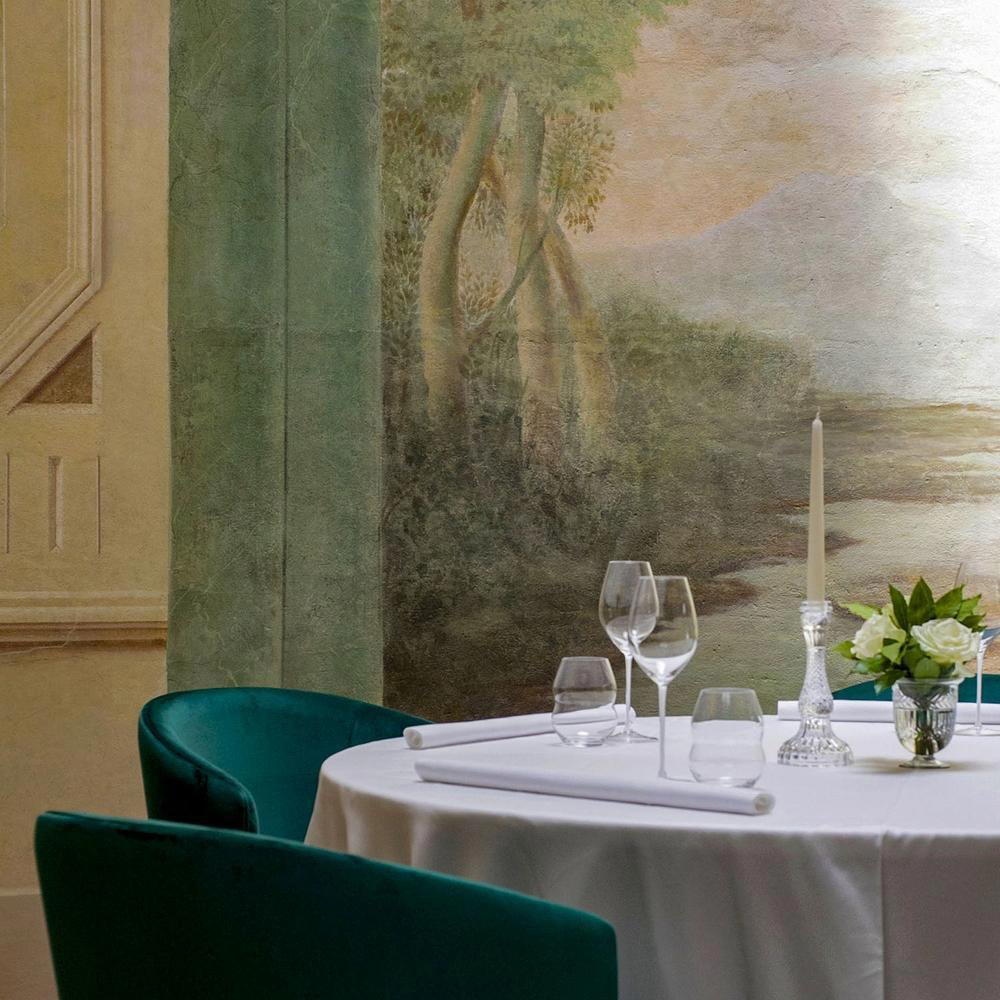
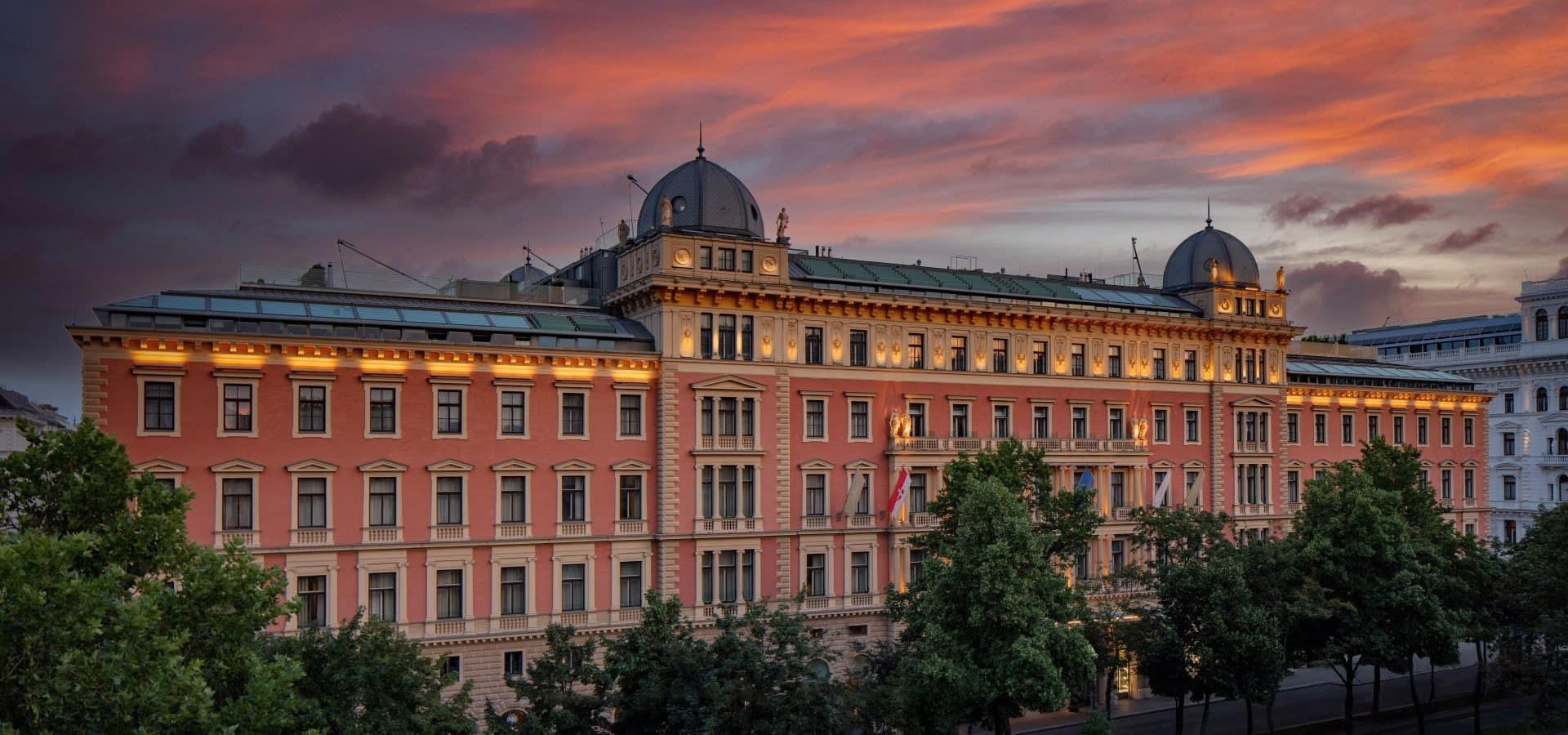
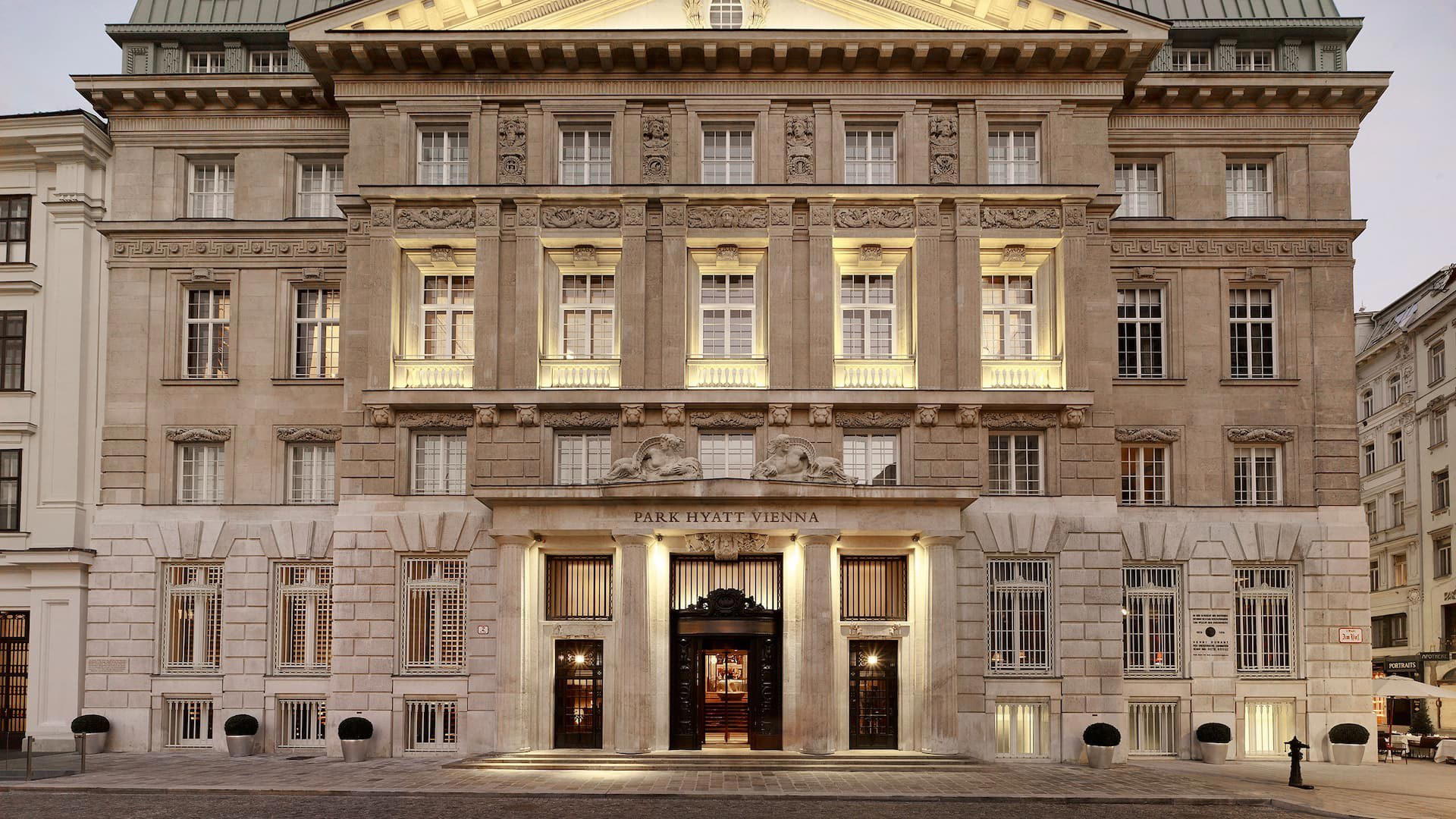
Passauer Platz sits between the Naschmarkt corridor and the grand axis of the Ringstrasse, in a part of the city where the built environment is emphatically not neutral. The late-Habsburg architecture that dominates the First District creates a specific kind of dining context: rooms here tend toward high ceilings, heavy stone or plaster facades, and an ambient quietness that comes from thick walls rather than deliberate acoustic engineering. The effect is that even relatively informal operations can read as more ceremonial than intended, simply because the buildings themselves carry that register.
This matters for the tasting progression format because ceremony and formality are easier to achieve, and harder to subvert, in these rooms. Some of Vienna's more interesting recent openings have worked against the grain of that formality, using natural materials, open kitchens, and service registers borrowed from Scandinavian or Japanese models to shift the tone. Whether Lara works with or against the building's inherent character is something leading assessed in person, but the address sets a baseline expectation that the kitchen and service team will need to engage with.
Austria's Fine Dining Network: Situating Vienna
Vienna does not operate in isolation from Austria's broader restaurant culture. The country punches above its population size in terms of Michelin-recognised restaurants, with strong concentrations in Salzburg, Tyrol, Vorarlberg, and the alpine south. Tables like Griggeler Stuba in Lech, Gourmetrestaurant Tannenhof in Sankt Anton am Arlberg, Kräuterreich by Vitus Winkler in Sankt Veit im Pongau, and Schwarzer Adler in Hall in Tirol form part of a national network of serious kitchens that compete for a relatively small pool of destination diners travelling specifically for food. Vienna, as the capital and the country's only genuinely international city, attracts a different visitor profile: guests who arrive for culture, opera, or business and who may encounter serious dining as one component of a broader trip rather than its primary purpose.
That distinction shapes what First District restaurants need to do well. The dining room needs to hold its own for the guest who has spent the afternoon at the Kunsthistorisches Museum and whose reference points run from Le Bernardin in New York to Atomix. It also needs to satisfy the local regular and the Austrian food traveller who uses Vienna visits to benchmark the capital against regional competition. Doubek and Landhaus Bacher in Mautern an der Donau represent the range of approaches that sit slightly outside Vienna's inner core but remain part of the same conversation. Ois in Neufelden and Restaurant 141 by Joachim Jaud in Mieming show how far Austria's appetite for serious regional cooking extends beyond the capital. For anyone building a wider Austrian itinerary, our full Vienna restaurants guide maps the city's dining geography in detail.
Planning Your Visit
Lara is located at Passauer Pl. 2, 1010 Wien, in Vienna's First District, within walking distance of the major cultural institutions and grand-hotel belt of the Ringstrasse. Given the address and the competitive environment it occupies, booking ahead is advisable for any evening visit, particularly on weekends when First District dining traffic peaks among international visitors. Current hours, pricing, menu format, and reservation availability are best confirmed directly with the venue, as these details were not available at time of publication.
Quick reference: Passauer Pl. 2, 1010 Wien, Austria. Confirm hours, format, and booking directly with Lara before visiting.
Frequently asked questions
What's Lara's location?
Lara is located at Passauer Pl. 2, 1010 Wien, Austria, Vienna.
Where exactly is Lara located in Vienna, and what's nearby?
Lara is at Passauer Pl. 2, 1010 Wien, in the First District, the same postcode as the Staatsoper, the Kunsthistorisches Museum, and the grand-hotel corridor along the Ringstrasse. The location makes it a natural choice for an evening that begins or ends with Vienna's major cultural institutions, all within walking distance of the restaurant's address.
What's the must-try dish at Lara?
Specific menu details for Lara at Passauer Pl. 2 are not published in advance, a deliberate approach common among Vienna's upper-tier First District restaurants, where the kitchen shapes the menu around seasonal availability. The clearest way to understand what Lara is cooking is to check the venue's official channels before your visit and ask what the current progression looks like.
Do I need a reservation for Lara?
Given Lara's address at Passauer Pl. 2 in Vienna's First District, one of the city's highest-demand dining corridors, booking ahead is advisable. Walk-in availability at this location tier is inconsistent, particularly on Thursday through Saturday evenings. Securing a table in advance is the reliable approach.
What's the defining dish or idea at Lara?
What the First District address signals is a kitchen operating within Vienna's formal, progression-driven dining tradition, where the structure of the meal, courses, pacing, service choreography, carries as much weight as any single plate.
How does Lara handle allergies?
No allergy policy is documented publicly for Lara. Standard practice at Vienna's First District restaurants is to request dietary and allergy information at the time of booking, giving the kitchen adequate notice to adjust the progression. Raise specific requirements directly with the venue when reserving your table.
Should I splurge on Lara?
Lara occupies Passauer Pl. 2 in Vienna's First District, where operating costs and guest expectations both run high, the address alone places it within the city's premium dining tier. Whether the spend is warranted depends on what the kitchen is currently producing, which makes advance research and direct contact with the venue the practical first step before committing.
Where the Accolades Land
Comparable venues nearby, for context on price, style, and recognition.
| Venue | Cuisine | Price | Awards | Notes |
|---|---|---|---|---|
| LaraThis venue (the venue you are viewing) | Modern Vegan Fine Dining | $50–100 | Michelin Plate | Not listed |
| Wrenkh | Modern Plant-Based Viennese | $30–50 | Not listed | Innere Stadt |
| Suppenwirtschaft | Organic Soups & Curries | $1–10 | Not listed | Franz Josefs Bahnhof |
| Spittelberggasse | Vegetarian/Vegan Bistro | $30–50 | Not listed | Hofburg |
| Secret Garden | Organic Vegetarian & Vegan International | $10–20 | Not listed | Mariahilf |
| Nirvana | Modern Indian Cuisine | $20–30 | Not listed | Stephansdom |
Recognition history
Dated appearances from independent guides and award organizations, with the underlying list record or original source where available.
Michelin Plate
Michelin
Continue exploring
More in Vienna
Restaurants in Vienna
All restaurants in Vienna →
Bars in Vienna
All bars in Vienna →
Details
- Trendy
- Modern
- Date Night
- Special Occasion
- Brunch
- Open Kitchen
- Local Sourcing
- A La Carte
- Vegan Options
Current opening hours
- Monday
- 5:30–11 PM
- Tuesday
- 11:30 AM–11 PM
- Wednesday
- 11:30 AM–11 PM
- Thursday
- 11:30 AM–11 PM
- Friday
- 11:30 AM–11 PM
- Saturday
- 9 AM–11 PM
- Sunday
- Closed
Hours can change for holidays and private events. Hours as of .
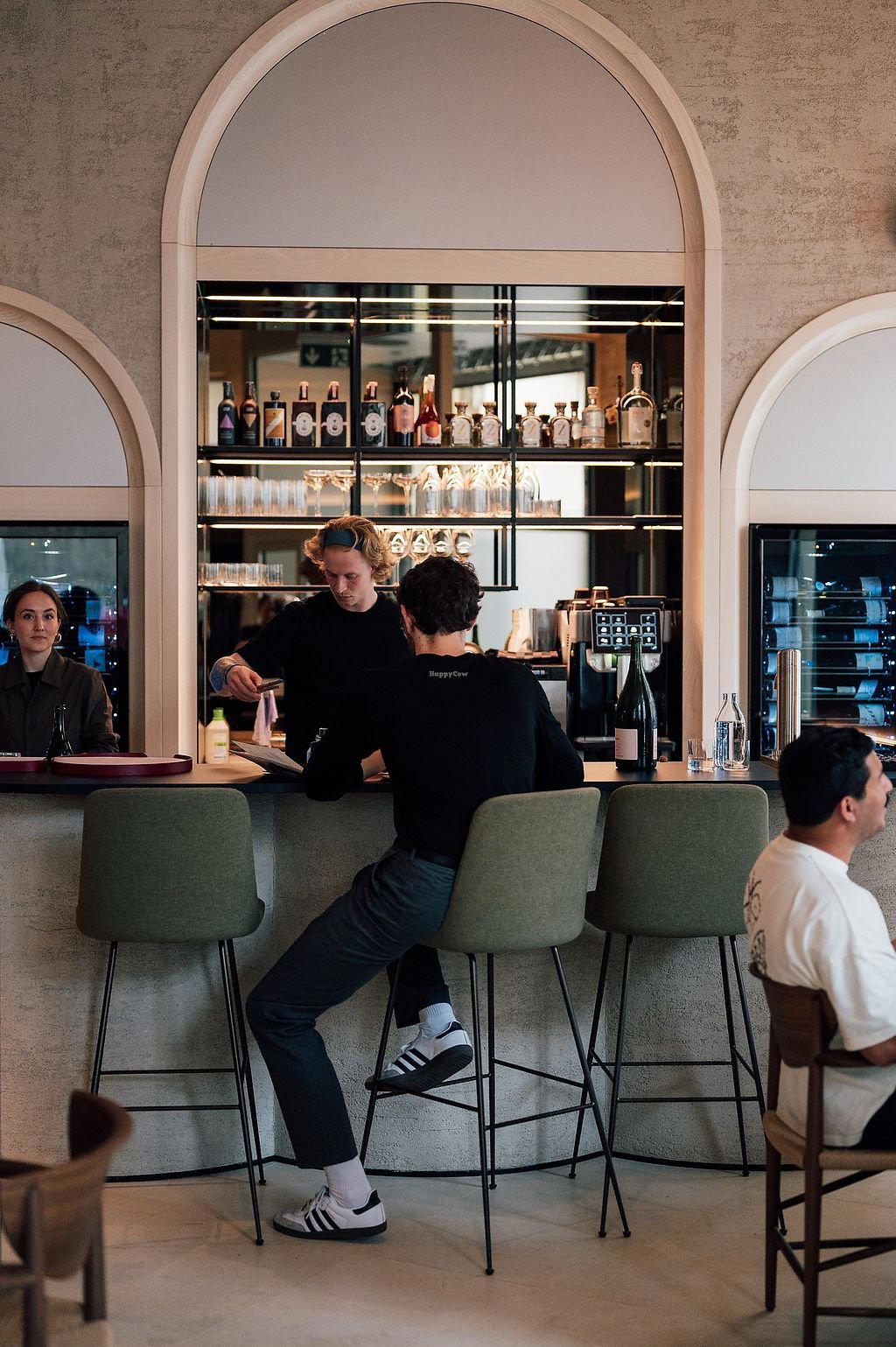
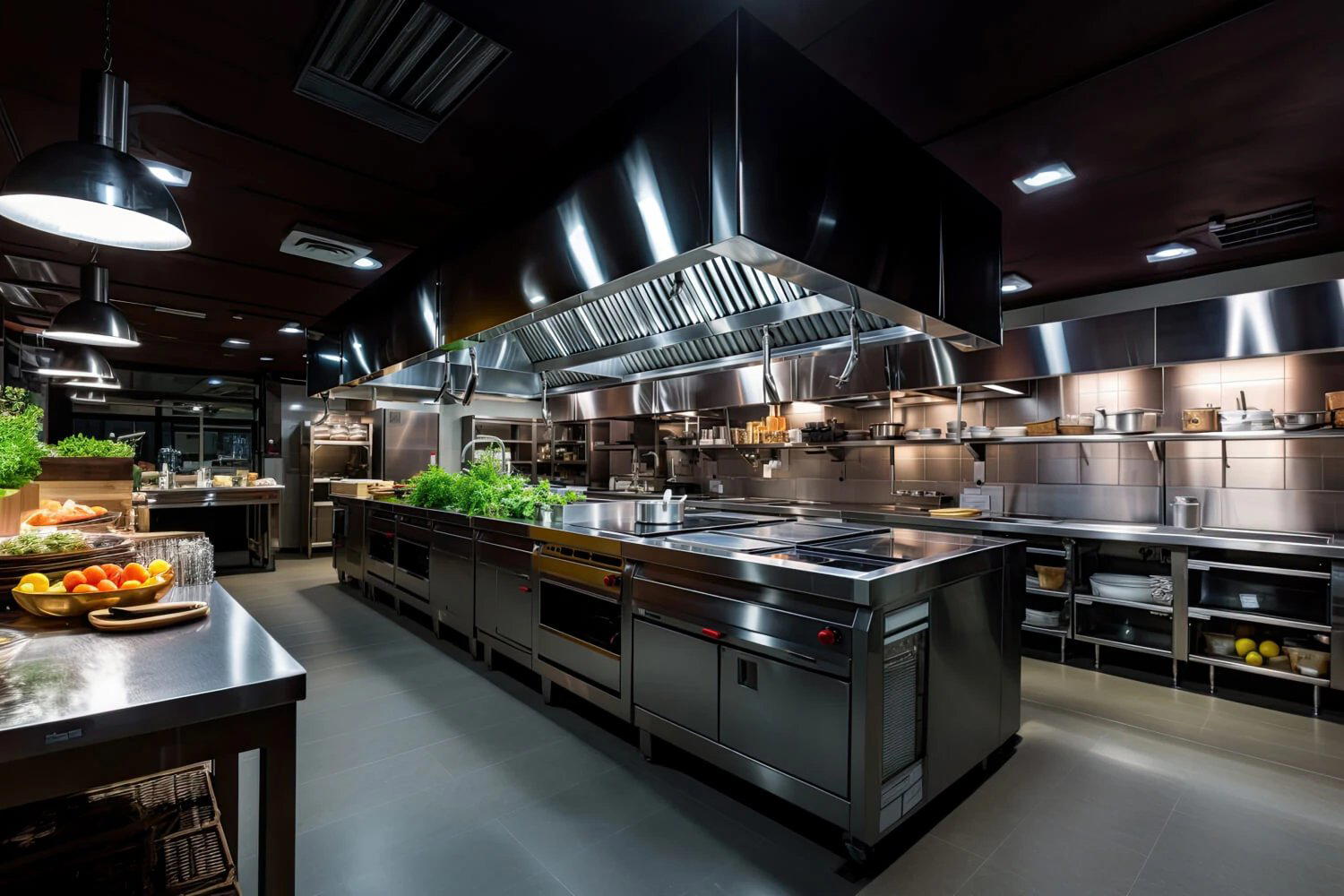
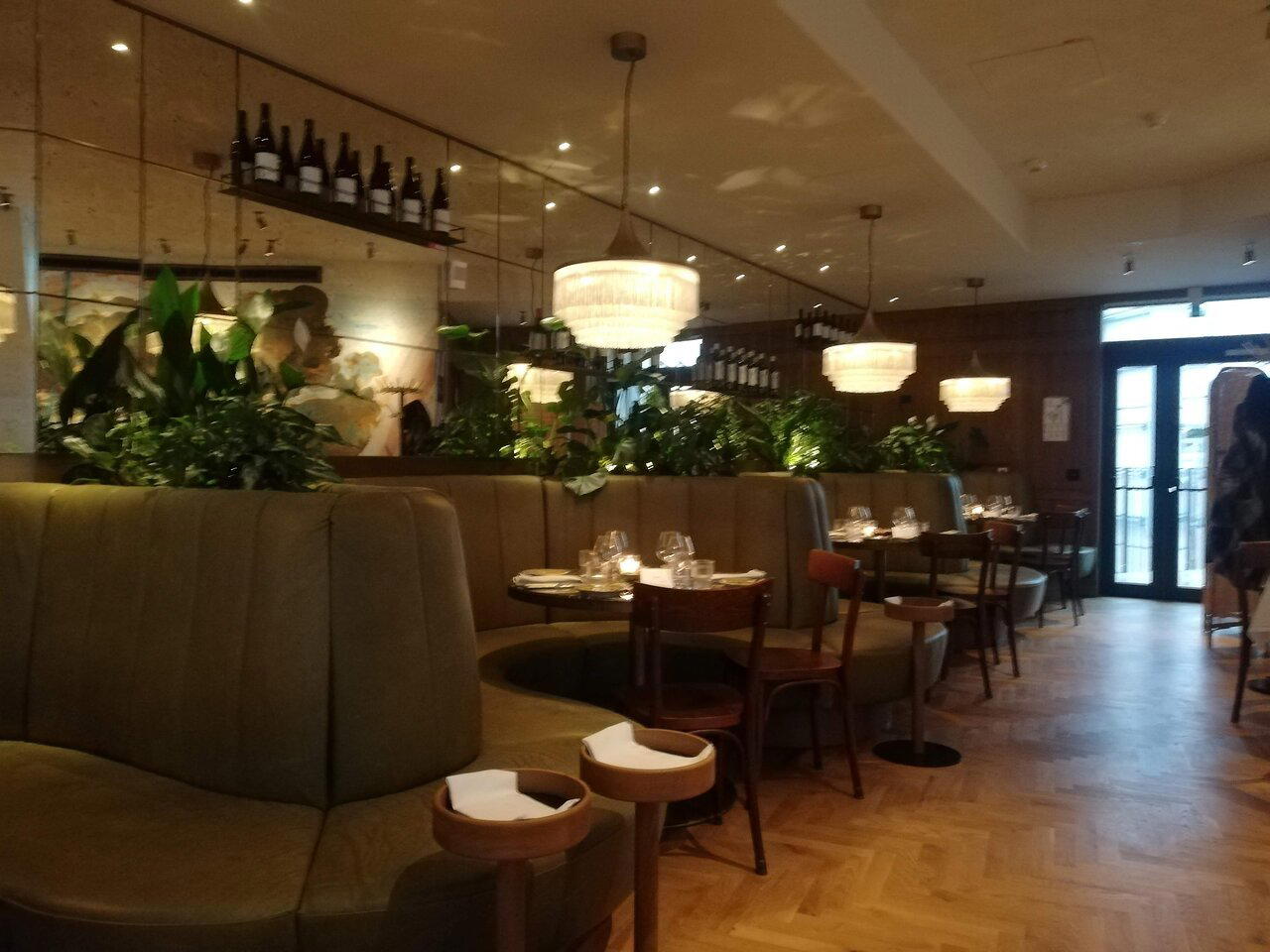
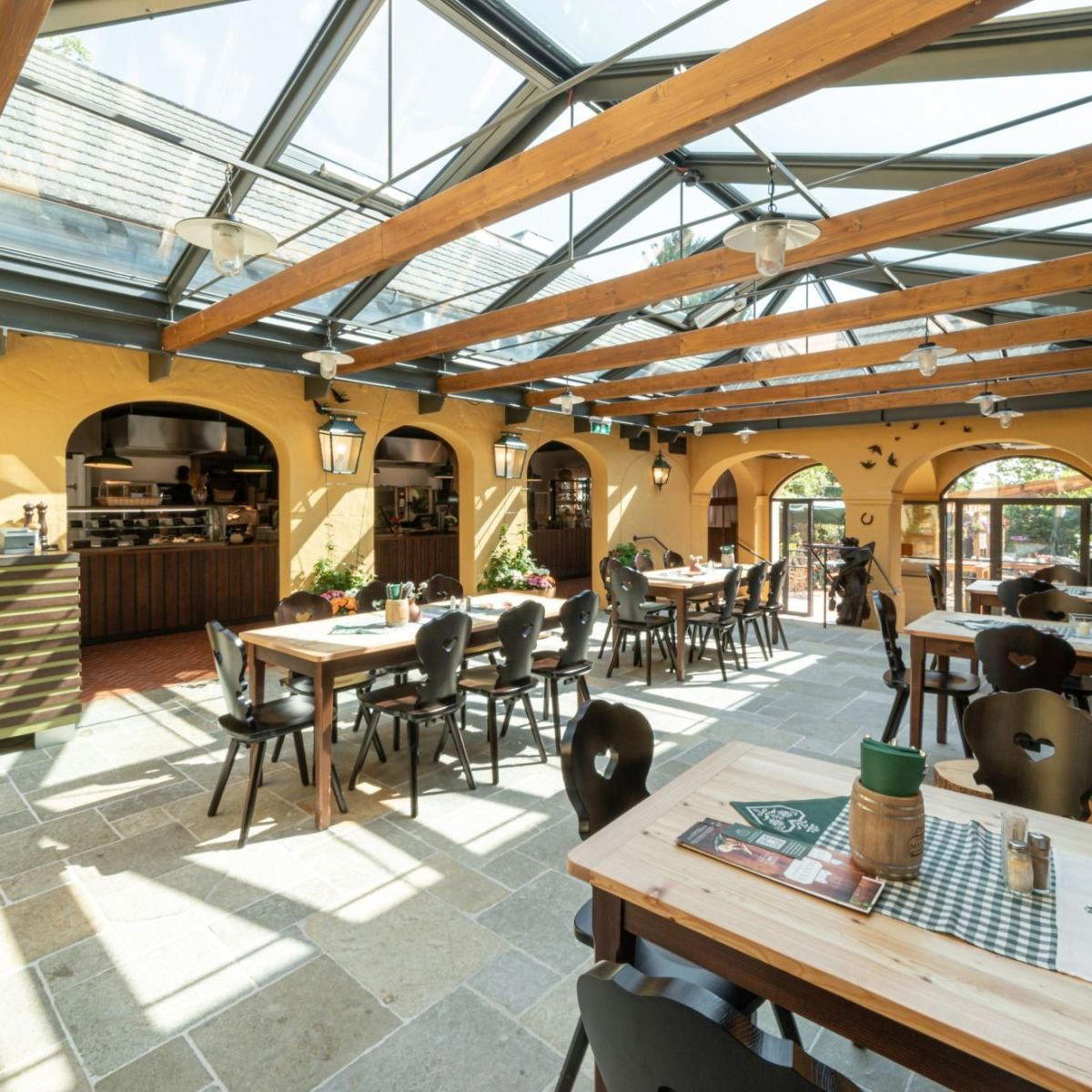
Trendy urban decor with stylish counter seating by the open kitchen, creating a relaxed yet upscale atmosphere.